Artwork
Oban
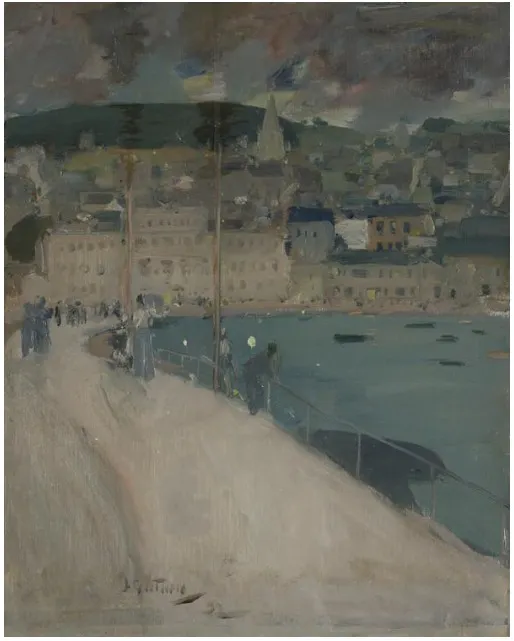
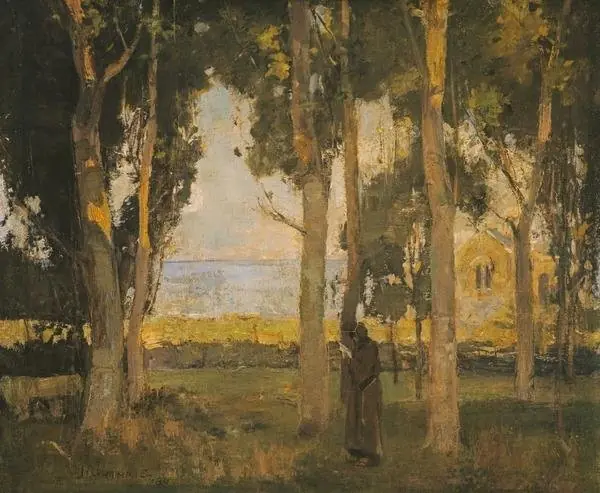
Oban is an oil painting by the Impressionist artist James Guthrie. It dates from 1897 and is held in the collection of the Scottish National Gallery.
About this work
Overview
James Guthrie, a Scottish artist associated with the Glasgow Boys, completed the oil painting *Oban* in 1897. The canvas presents a tranquil coastal vista of the town of Oban, rendered in a palette of muted browns, grays and subtle shadows. The composition balances the built environment with water and distant hills, conveying a quiet, atmospheric scene.
Subject & Meaning
The work portrays everyday life along Oban’s shoreline, focusing on the interaction of light with sea, sky and architecture. By emphasizing the ordinary rather than dramatic events, Guthrie invites viewers to contemplate the subtle moods of a Scottish port town, where the calm water and softened horizon suggest a moment of stillness within a working community.
Technique & Style
Guthrie employs a range of brushstrokes that build texture across the water’s surface and the building facades, creating depth without overt detail. The handling of paint reflects an Impressionist concern for fleeting light, while the overall composition retains the grounded realism characteristic of the Glasgow Boys, merging atmospheric effects with a faithful representation of place.
History & Provenance
Created in the late nineteenth century, *Oban* emerged during Guthrie’s mature period when he was integrating Impressionist influences into his Scottish realist practice. The painting has remained in private collections since its exhibition, illustrating the artist’s continued relevance to collectors interested in the intersection of regional subject matter and broader European artistic currents.
Artist & collection
Artist
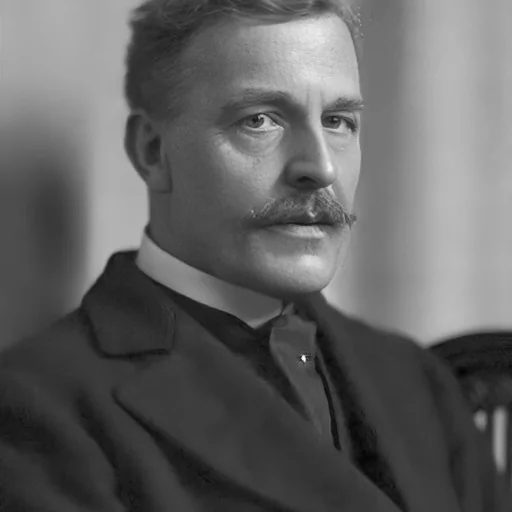
Sir James Guthrie (10 June 1859 – 6 September 1930) was a Scottish painter, associated with the Glasgow Boys. He is best known in his own lifetime for his portraiture, although today more generally regarded as a painter of Scottish Realism.

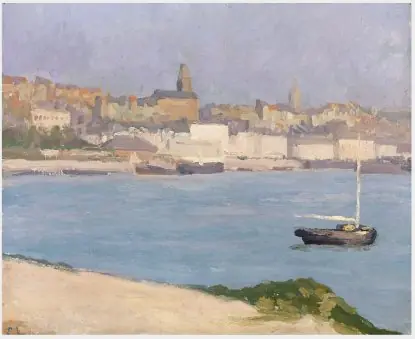 The Port of Boulogne
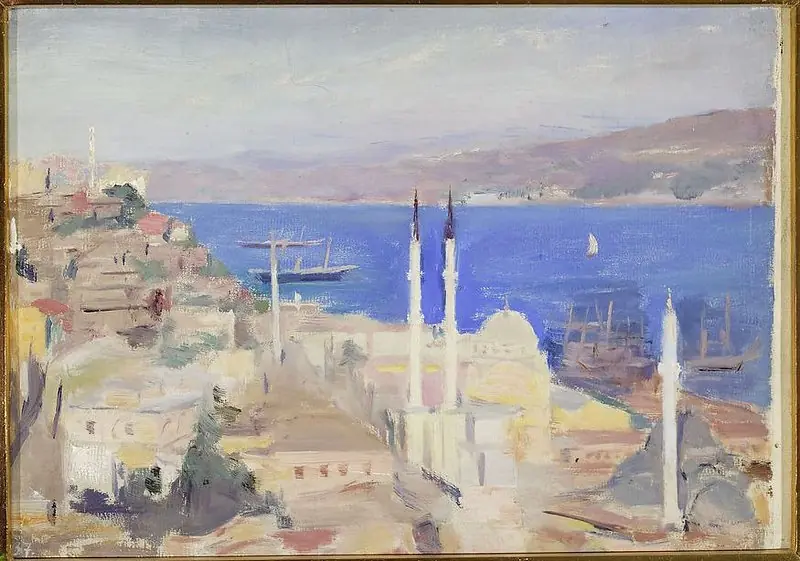 View of the port in Constantinople. From the journey to Constantinople
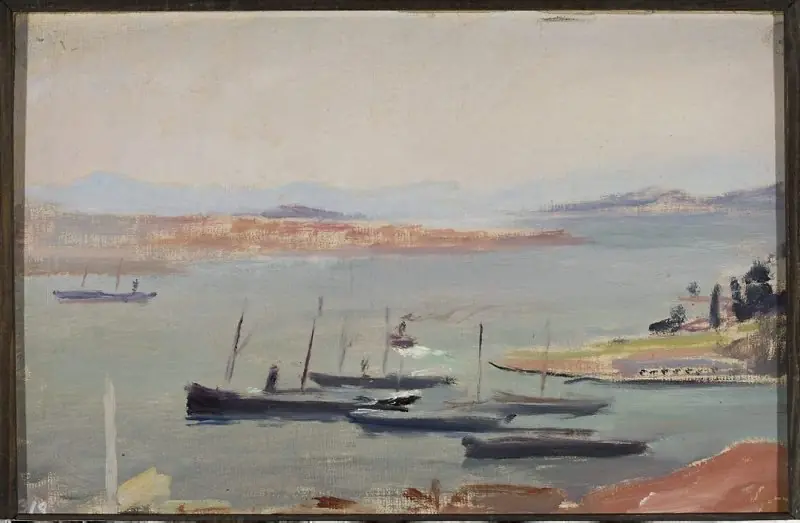 On a ship, at the entry to Bosporus. From the journey to Constantinople
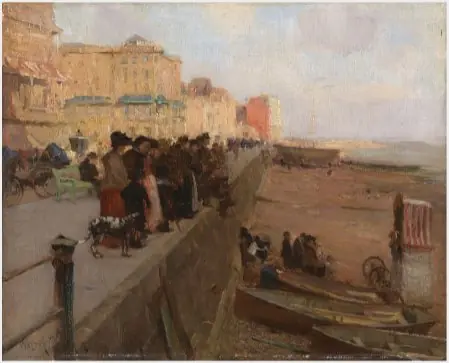 A View of Hastings
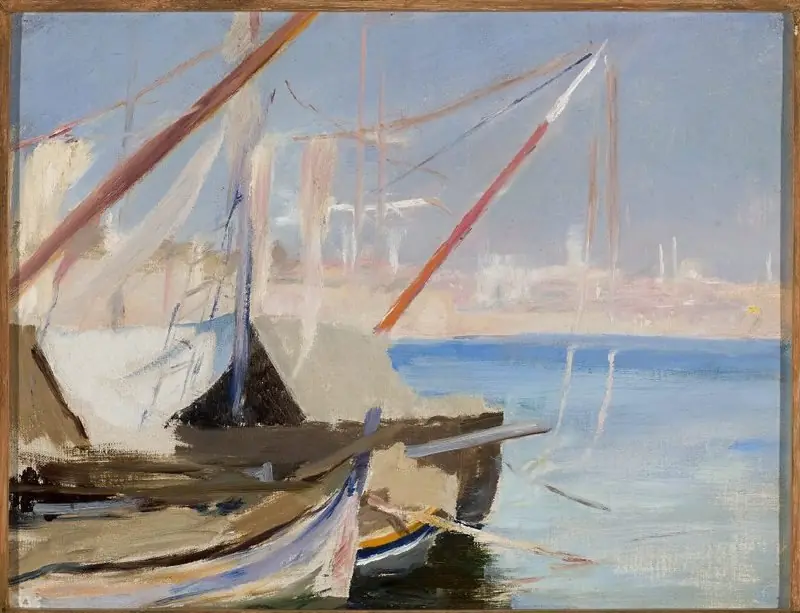 View of Constantinople. From the journey to Constantinople
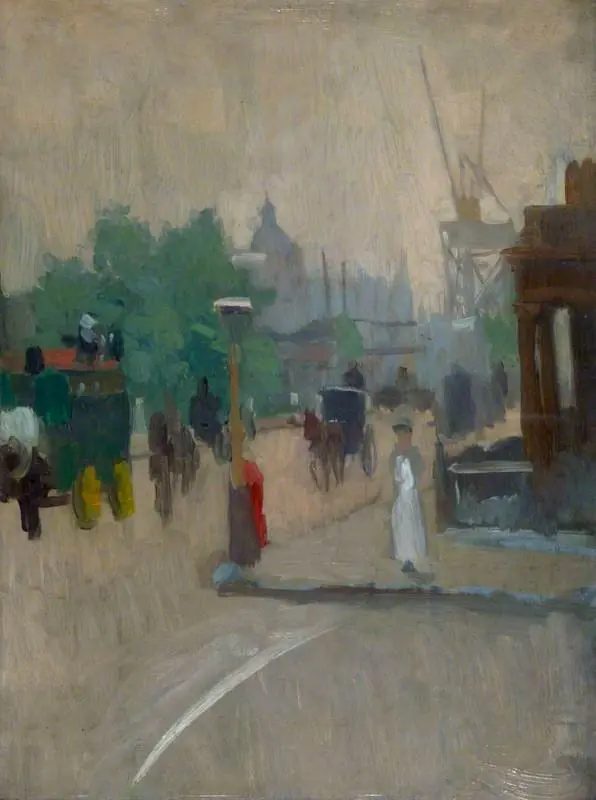 Cromwell Road: The New Building of the Victoria and Albert Museum under Construction
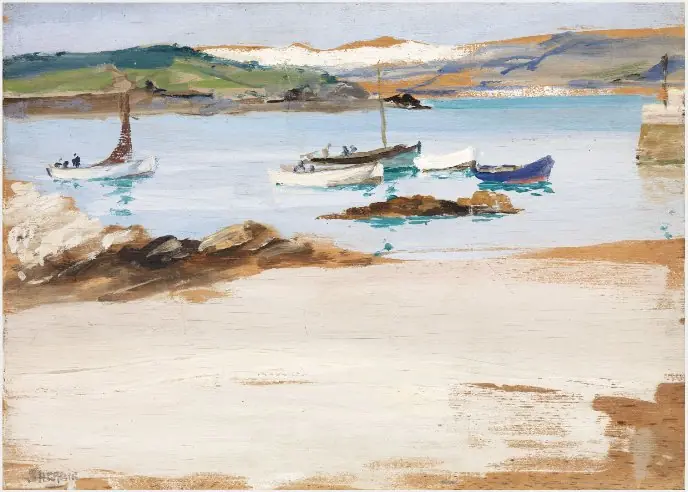 A View of Port na Blagh, Sheephaven Bay, County Donegal
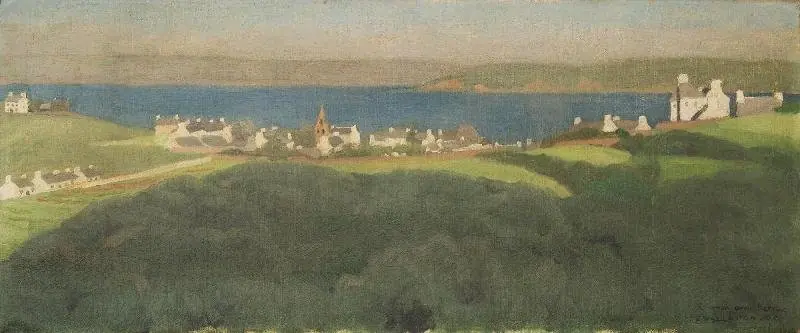 Vue de Locquirec
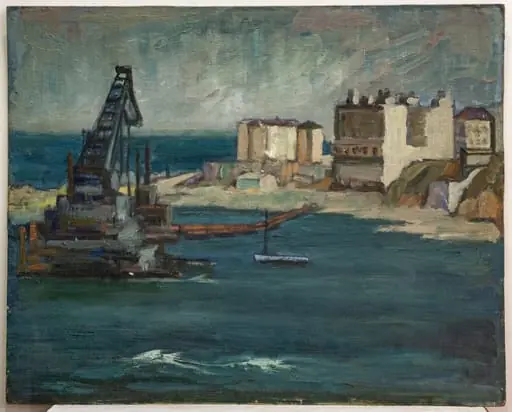 Noul port Tomis
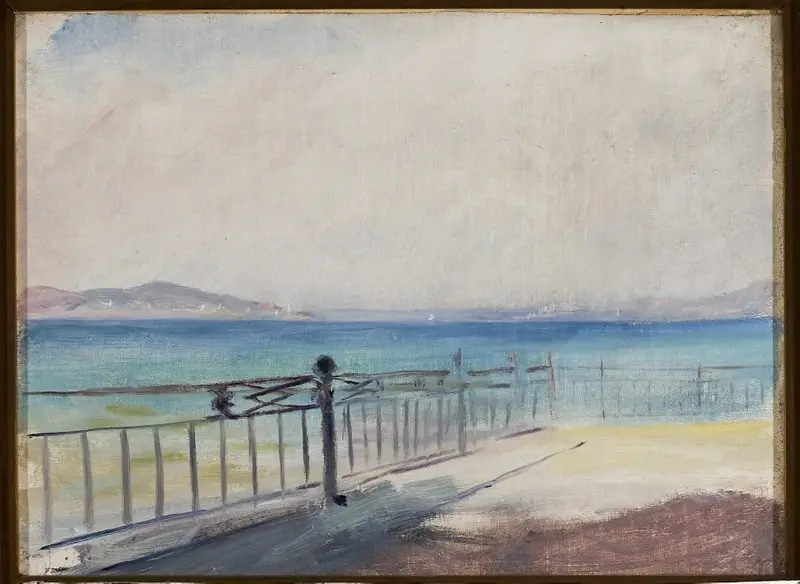 Terrace on the seaside. From the journey to Constantinople
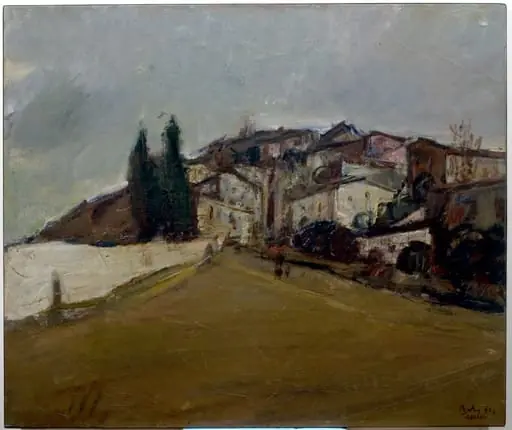 Peisaj din Assisi