Artwork
Double Portrait of Bishop Robert Clayton (1695-1758) and his Wife Katherine (née Donnellan) (d.1766)
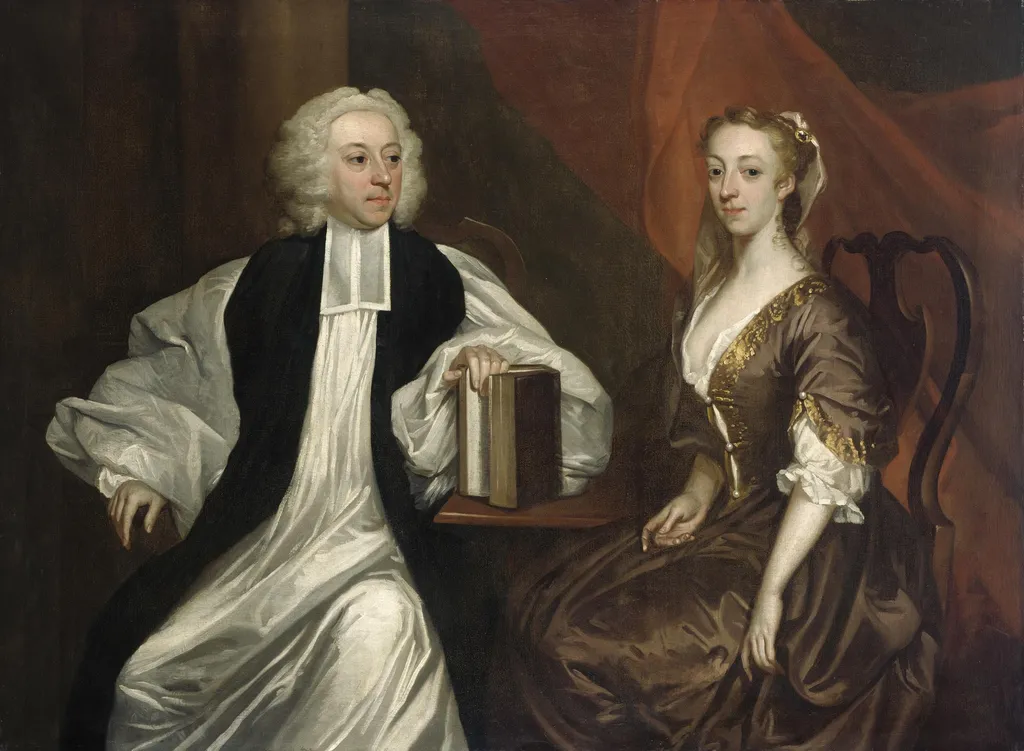
Double Portrait of Bishop Robert Clayton (1695-1758) and his Wife Katherine (née Donnellan) (d.1766) is an oil painting by the Rococo painting artist James Latham. It dates from 1740 and is held in the collection of the National Gallery of Ireland.
About this work
Overview
James Latham’s 1740 oil painting presents a paired likeness of Bishop Robert Clayton and his wife Katherine. Executed in the mid‑eighteenth century, the work resides in the National Gallery of Ireland. The composition balances the cleric’s formal attire with his spouse’s elaborate dress, offering a formal yet intimate record of the couple’s status and demeanor.
Subject & Meaning
Robert Clayton, who served as bishop from the early 1700s until his death in 1758, is shown in his ecclesiastical vestments, holding a small book that may allude to his scholarly duties. Beside him, Katherine Donnellan, who died in 1766, is seated in a richly embroidered gown, her posture dignified yet relaxed, suggesting a partnership of both public duty and private affection.
Technique & Style
Latham employs a chiaroscuro scheme, using a dark, unadorned backdrop to accentuate the illuminated figures. The bishop’s white collar and dark coat contrast sharply with the soft glow on their faces, while the wife’s sumptuous dress, highlighted by gold embroidery, catches the light, creating a subtle three‑dimensional effect typical of mid‑Georgian portraiture.
History & Provenance
Created in 1740, the portrait has remained in Irish collections, eventually entering the National Gallery of Ireland’s holdings. Its provenance traces a direct line from the Clayton family to the museum, reflecting the work’s continuous association with the subjects’ lineage and its preservation as a family record.
Context
The painting belongs to a period when Anglican bishops often commissioned joint portraits to assert their social standing and familial ties. Latham’s approach aligns with contemporary portrait conventions, emphasizing the dignified attire and serene expressions expected of clerical and aristocratic sitters in the early Georgian era.
Own this work as a print
Artist & collection

 Portrait of Francis Hutcheson (1694-1746)
 Self-Portrait
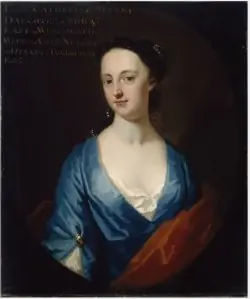 Portrait of Lady Catherine Nugent (d.1756)
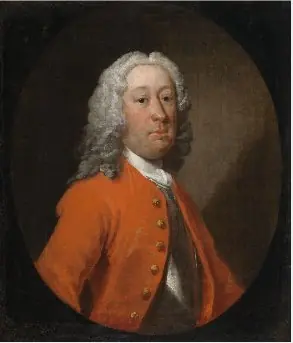 Portrait of a Military Gentleman, possibly General George Wade (1673-1748)
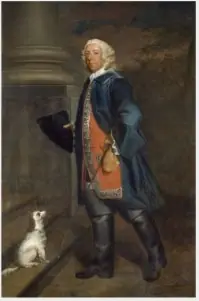 Portrait of Charles Tottenham in his Boots
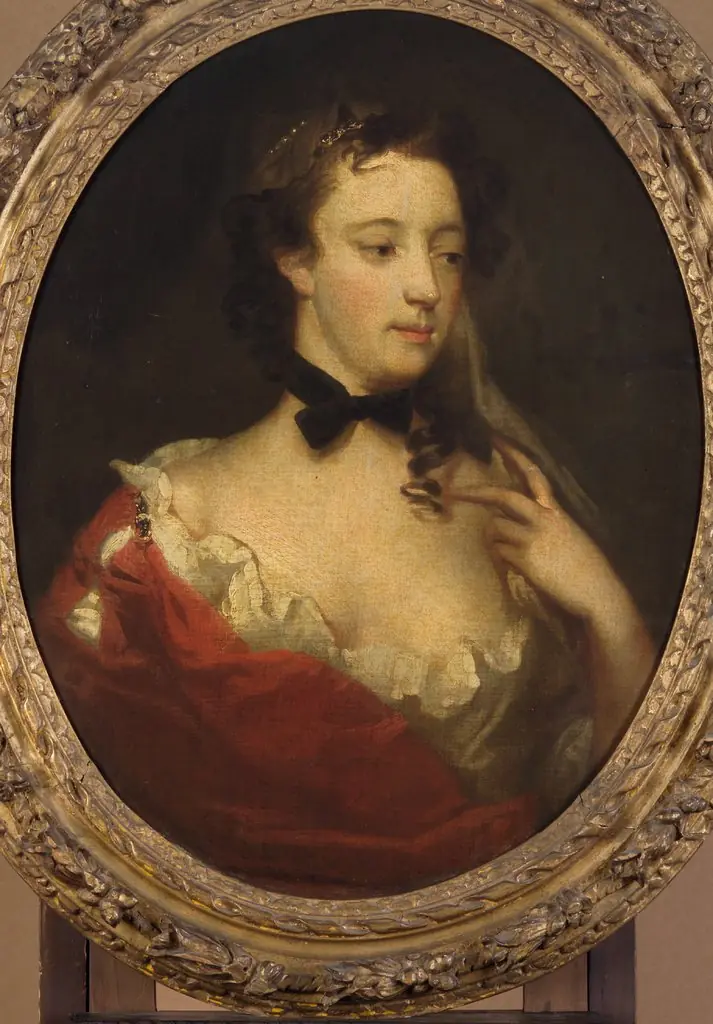 Bildnis einer Dame
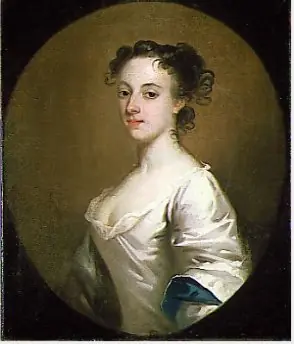 Possible Portrait of Esther Johnson ('Stella')
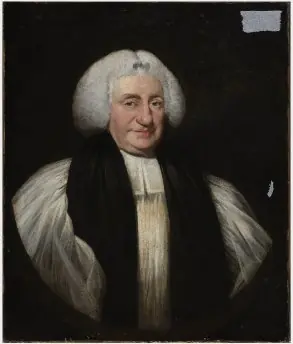 Possibly Henry Maule, Bishop of Cloyne (1676-1758)
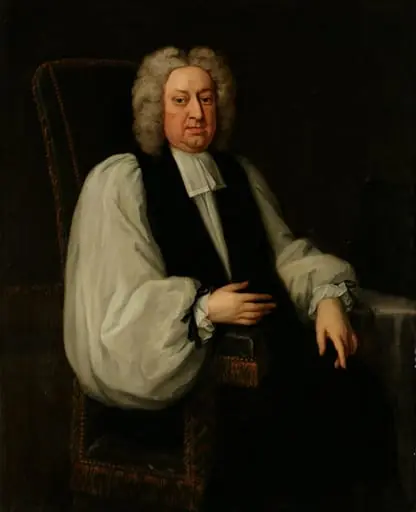 Jonathan Swift
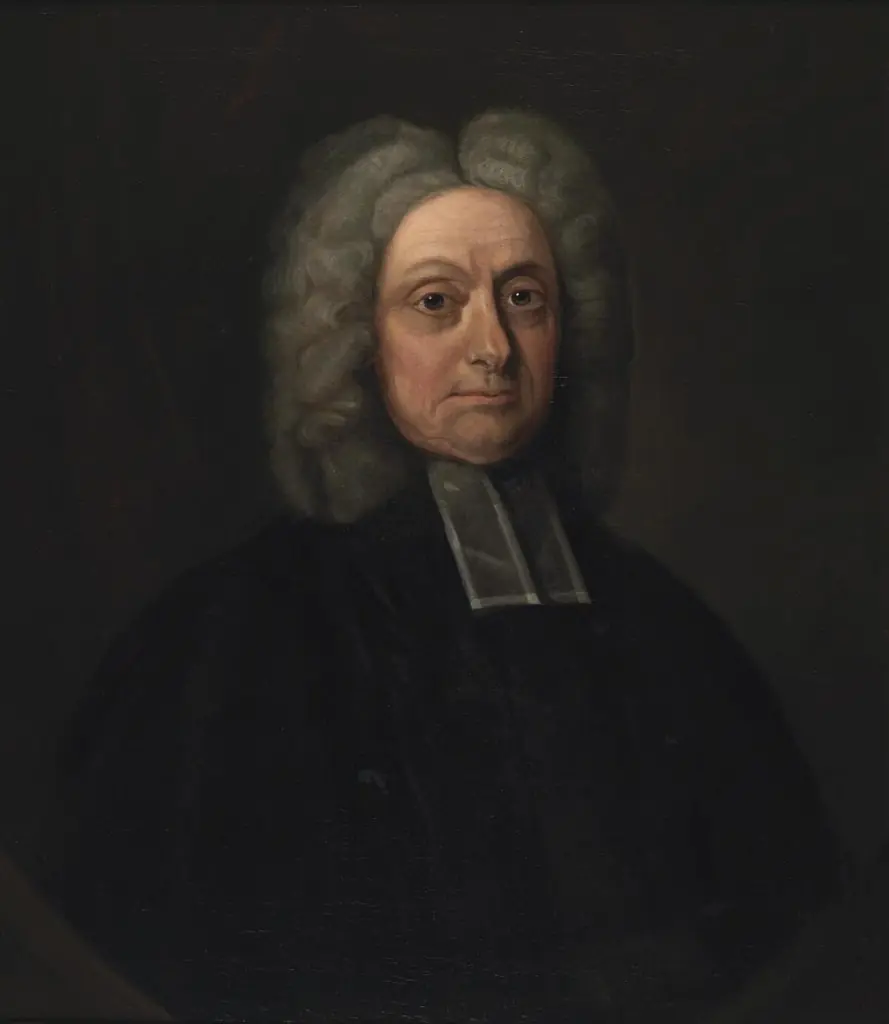 Rev. Robert Wynne
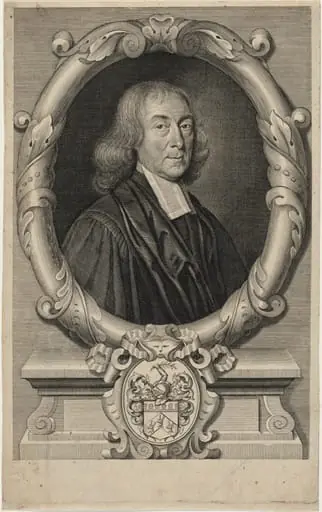 Benjamin Woodroffe, R.R.S., Canon of Christ Church, Oxford
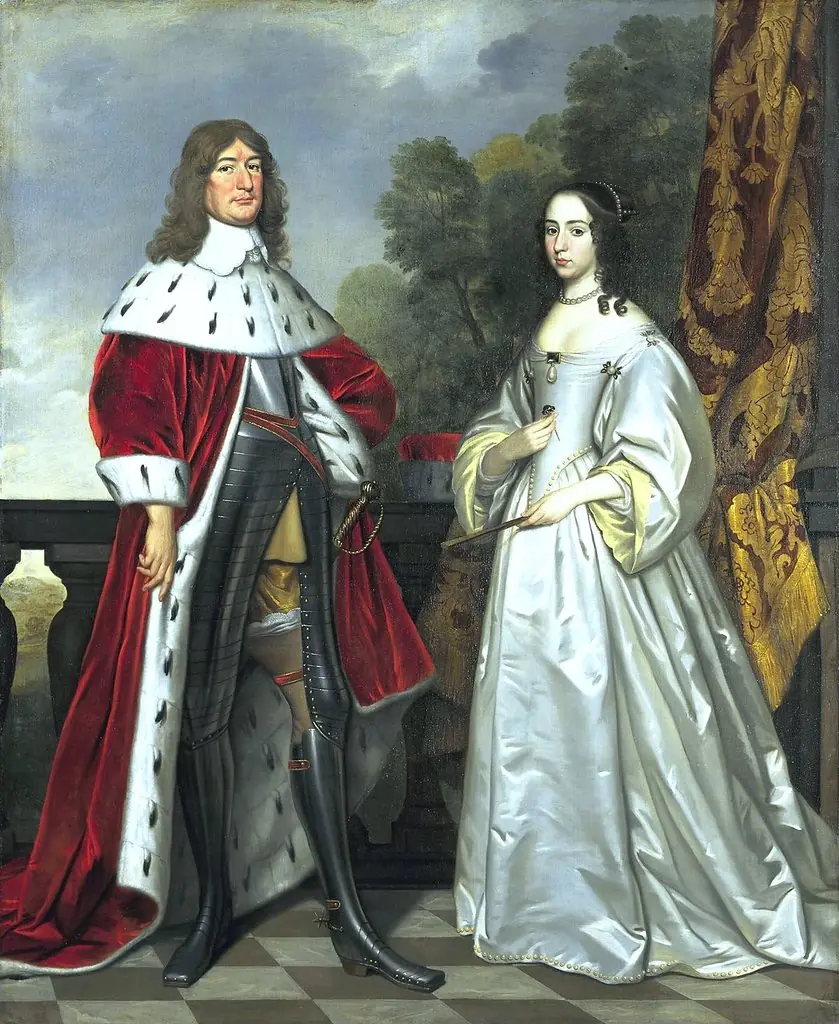 Portrait of Frederick William, Elector of Brandenburg and Luise Henriette of Nassau
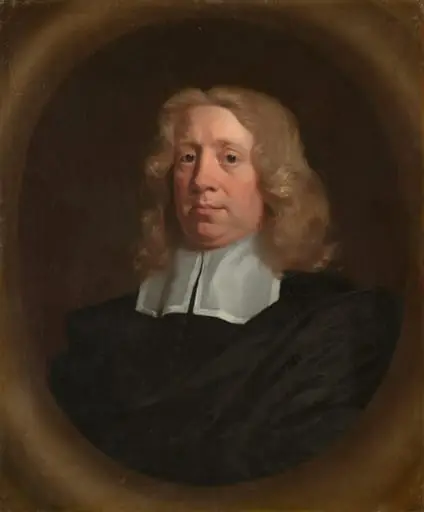 John Eldred
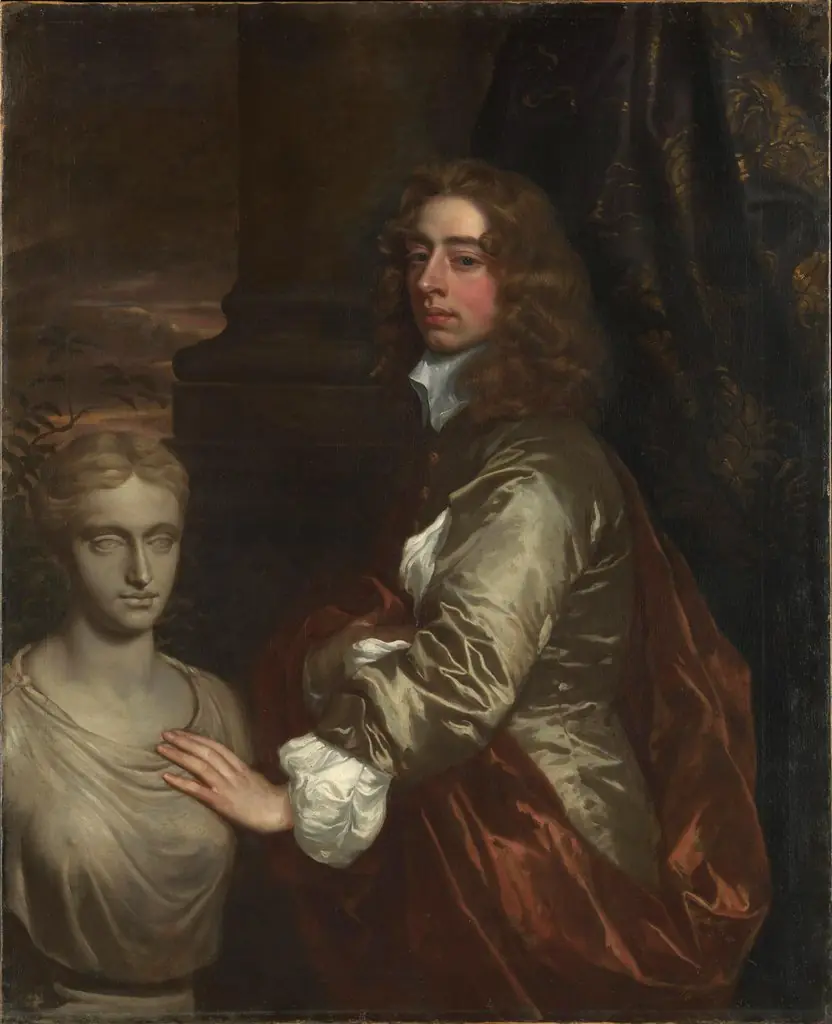 Sir Henry Capel (1638–1696)
 Portrait of a Gentleman
 Robert Wynne D. D. ( - 1734)
 Judge Edmund Quincy
 Friedrich Wilhelm (1620-88), Elector of Brandenburg, and his wife Louise Henriette (1627-67), Countess of Orange-Nassau
 Mr. Gostling
 Possible Portrait of Hester Vanhomrigh ('Vanessa') (1690-1723)