Artwork
Bildnis einer Dame
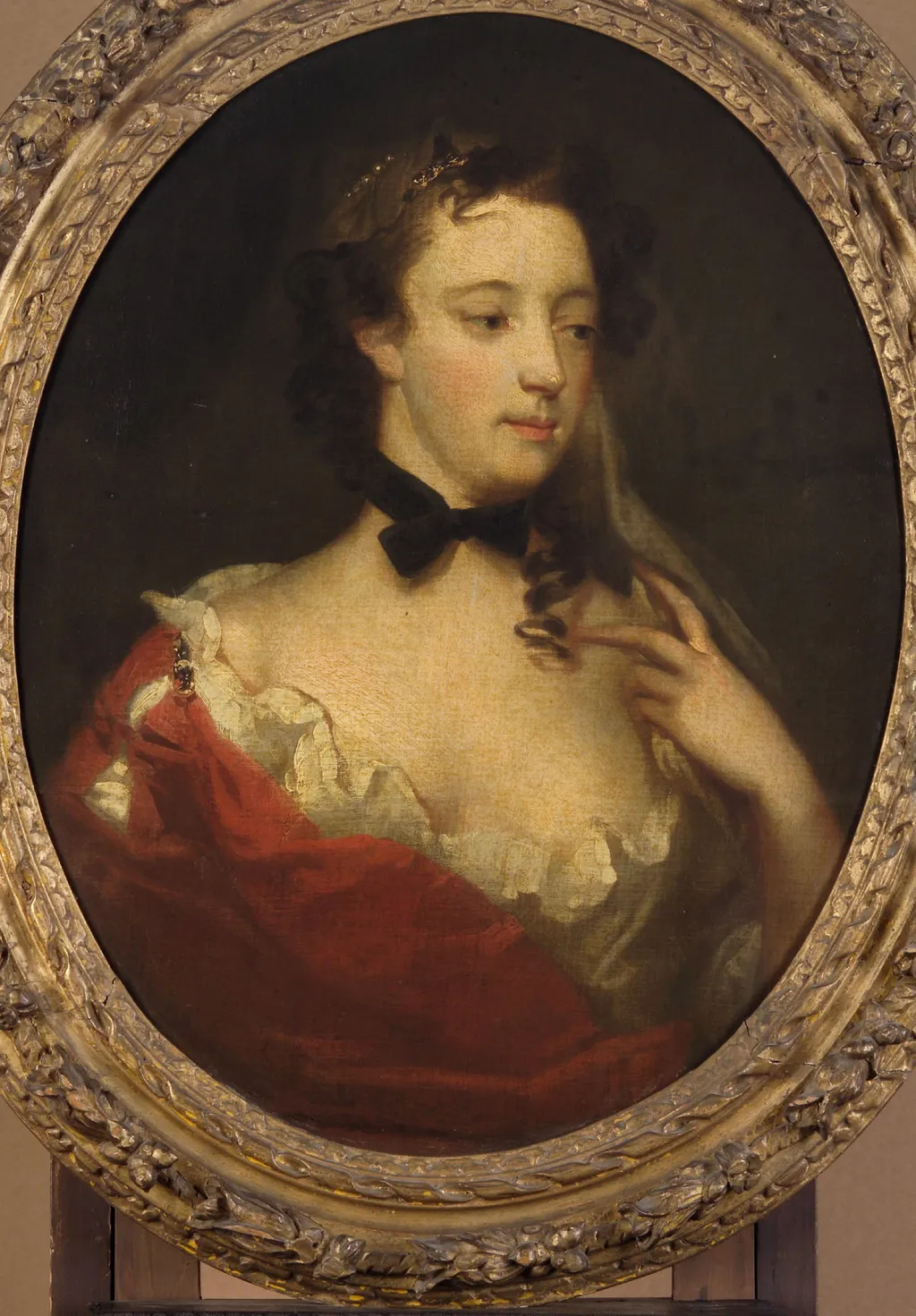
Bildnis einer Dame is an unspecified painting by the Rococo painting artist James Latham. It dates from 1730 and is held in the collection of the Kunsthistorisches Museum.
About this work
Overview
Painted in 1730 by James Latham, this portrait depicts a noblewoman in a formal setting. The work is part of the Kunsthistorisches Museum’s collection in Vienna. Rendered with careful attention to texture and light, the painting reflects the conventions of early 18th-century portraiture, emphasizing elegance and social status through dress and posture rather than narrative context.
Subject & Meaning
The sitter is portrayed with restrained dignity, her hand resting near her chest in a gesture that suggests modesty or introspection.
The sitter is portrayed with restrained dignity, her hand resting near her chest in a gesture that suggests modesty or introspection. Her attire—red and white fabric with a black bow and gold headpiece—signals wealth and refinement. The absence of identifiable symbols or background elements focuses attention on her presence, aligning the image with ideals of aristocratic composure rather than personal identity.
Technique & Style
Latham employs chiaroscuro to model the figure against a deep, neutral backdrop, enhancing the three-dimensionality of the face and fabric. The play of light on the silk dress and the subtle gradations on the skin reveal a sensitivity to surface and form. Brushwork is precise yet unobtrusive, avoiding overt theatricality in favor of quiet realism characteristic of provincial portraiture in the period.
History & Provenance
The painting entered the Kunsthistorisches Museum’s holdings in the 19th century, likely through imperial collections. Its attribution to James Latham, an Irish painter active in the early 1700s, is based on stylistic comparison and archival records. Little is known of its early ownership, but its preservation suggests it was valued within aristocratic or institutional circles before its museum acquisition.
Context
In early 18th-century Europe, portraiture served as a tool for displaying lineage and social standing. Latham, working outside major artistic centers, adapted continental styles to local tastes. This portrait reflects the influence of English and Flemish traditions, where subdued palettes and controlled compositions conveyed status without overt grandeur, particularly among lesser nobility or gentry.
Legacy
Though James Latham is not widely known today, this portrait remains a representative example of provincial European portraiture. It contributes to understanding how regional artists interpreted prevailing aesthetic norms. Its inclusion in a major museum collection underscores its role as a document of material culture and social representation in the early modern period.
Artist & collection

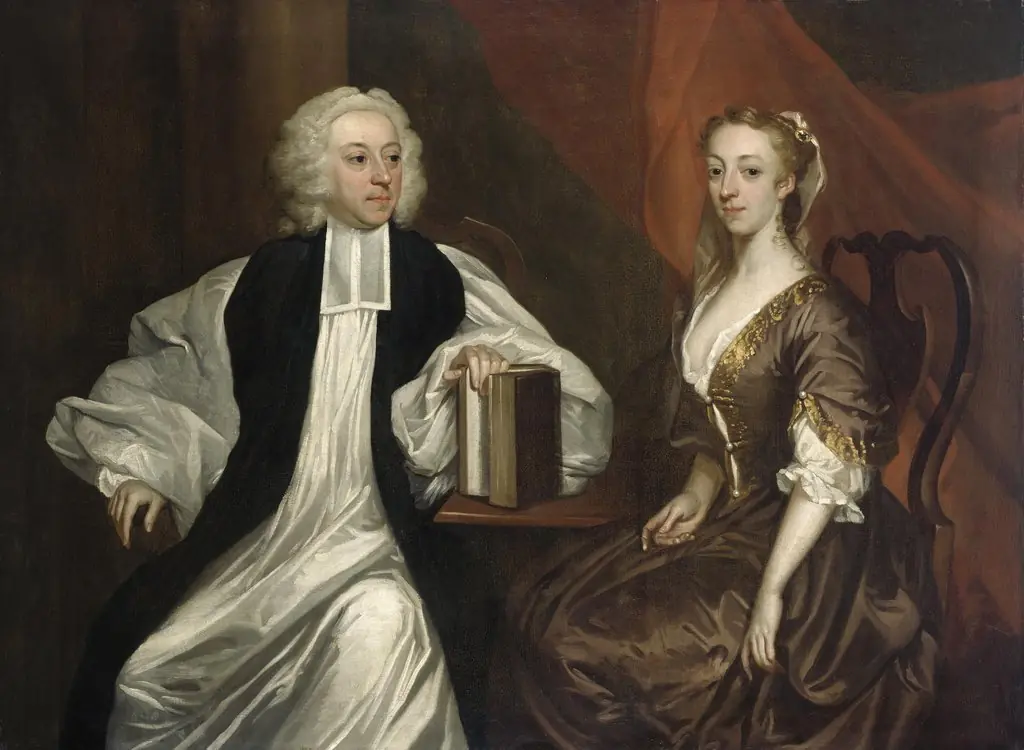 Double Portrait of Bishop Robert Clayton (1695-1758) and his Wife Katherine (née Donnellan) (d.1766)
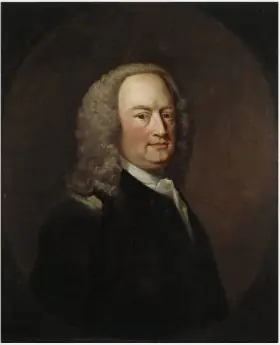 Portrait of Francis Hutcheson (1694-1746)
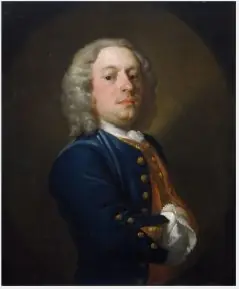 Self-Portrait
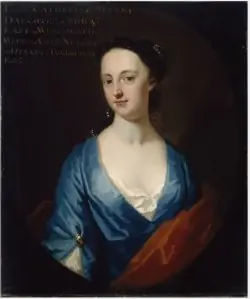 Portrait of Lady Catherine Nugent (d.1756)
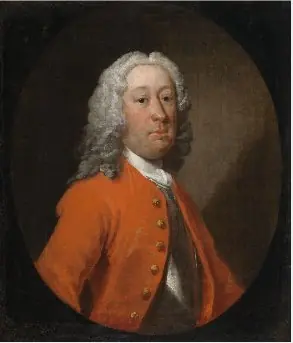 Portrait of a Military Gentleman, possibly General George Wade (1673-1748)
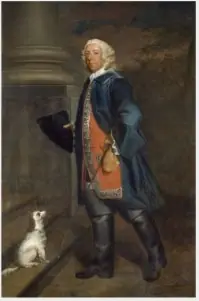 Portrait of Charles Tottenham in his Boots
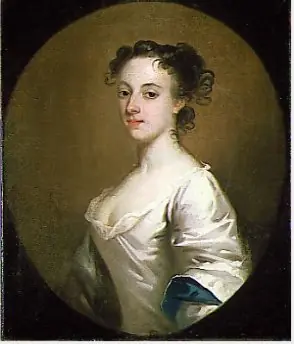 Possible Portrait of Esther Johnson ('Stella')
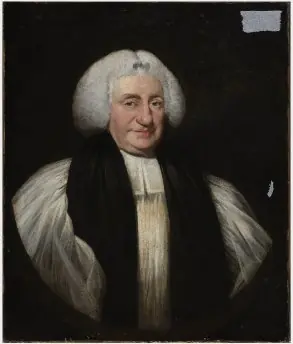 Possibly Henry Maule, Bishop of Cloyne (1676-1758)
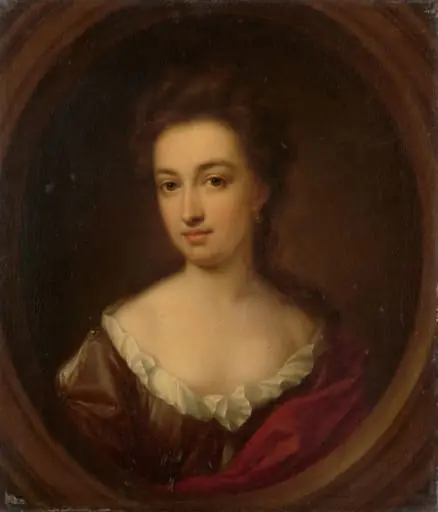 Josina Clara van Citters (1671-1753), Sister of Anna van Citters
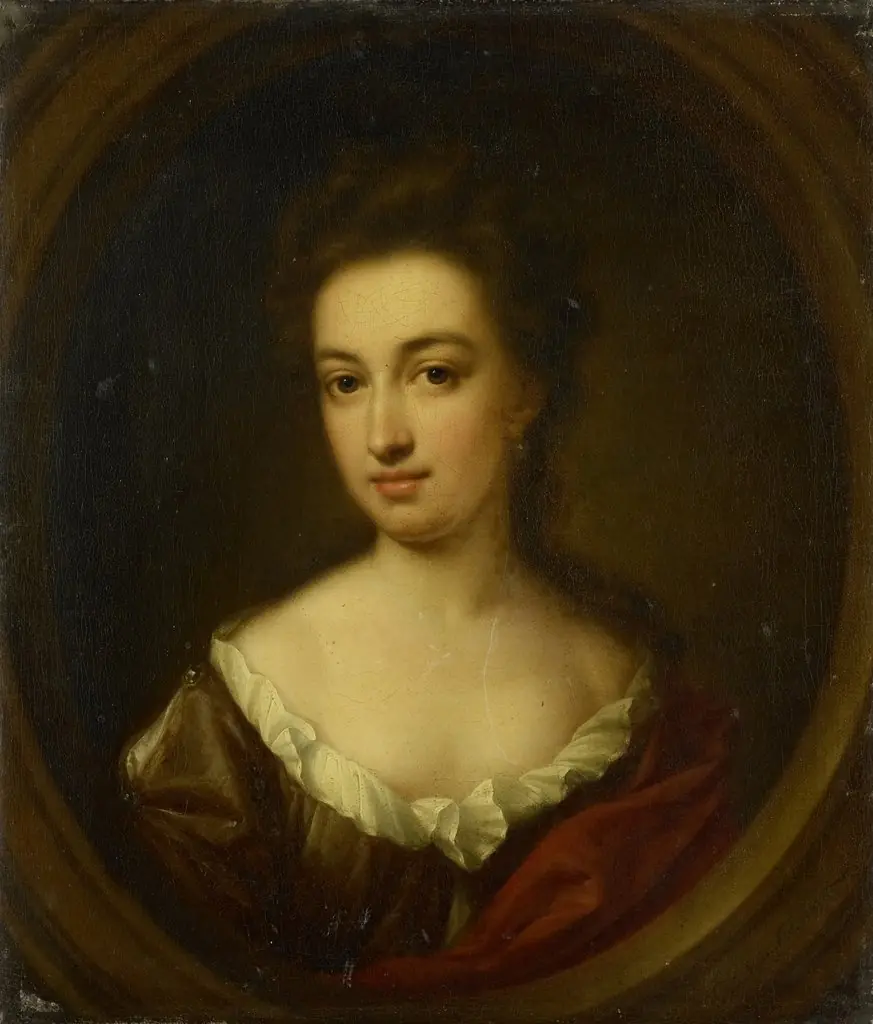 Portrait of Josina Clara van Citters (1671-1753), sister of Anna van Citters
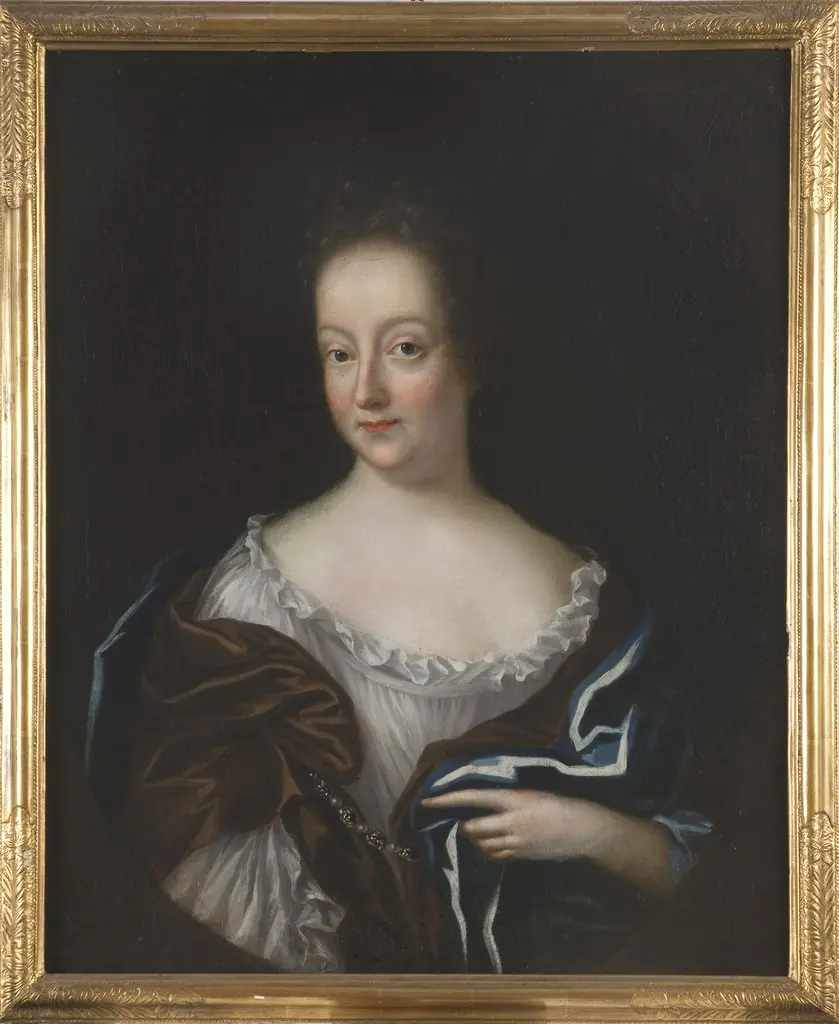 Beata Elisabet von Königsmarck (1637-1723), grevinna, gift med greve Pontus Fredrik De la Gardie
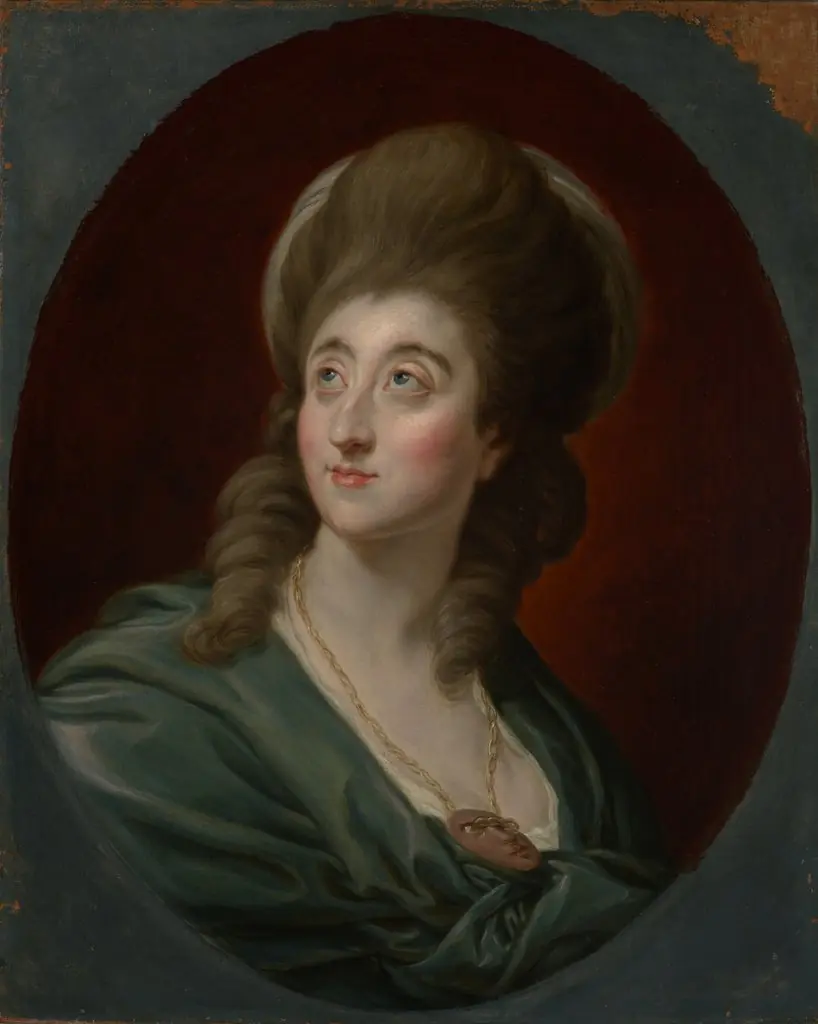 Portrait of Aleksandra née Lubomirska, Wife of Stanisław Potocki (1758–1831)
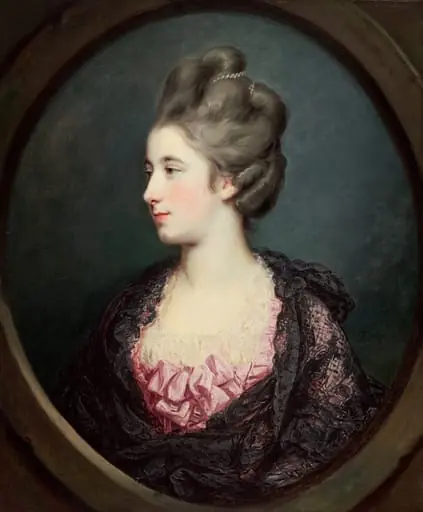 Mrs. Thomas Horne
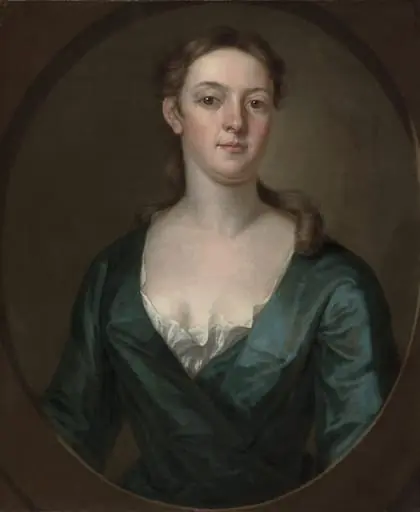 Portrait of a Woman (Judith Colman Bulfinch?)
 Study for a Portrait of a Woman
 Portrait of a Woman (Judith Colman Bulfinch?)
 Portrait of Josina Clara van Citters (1671-1753), daughter of Josina Parduyn
 Portrait of Emerantia van Citters (1666-94), sister of Anna van Citters
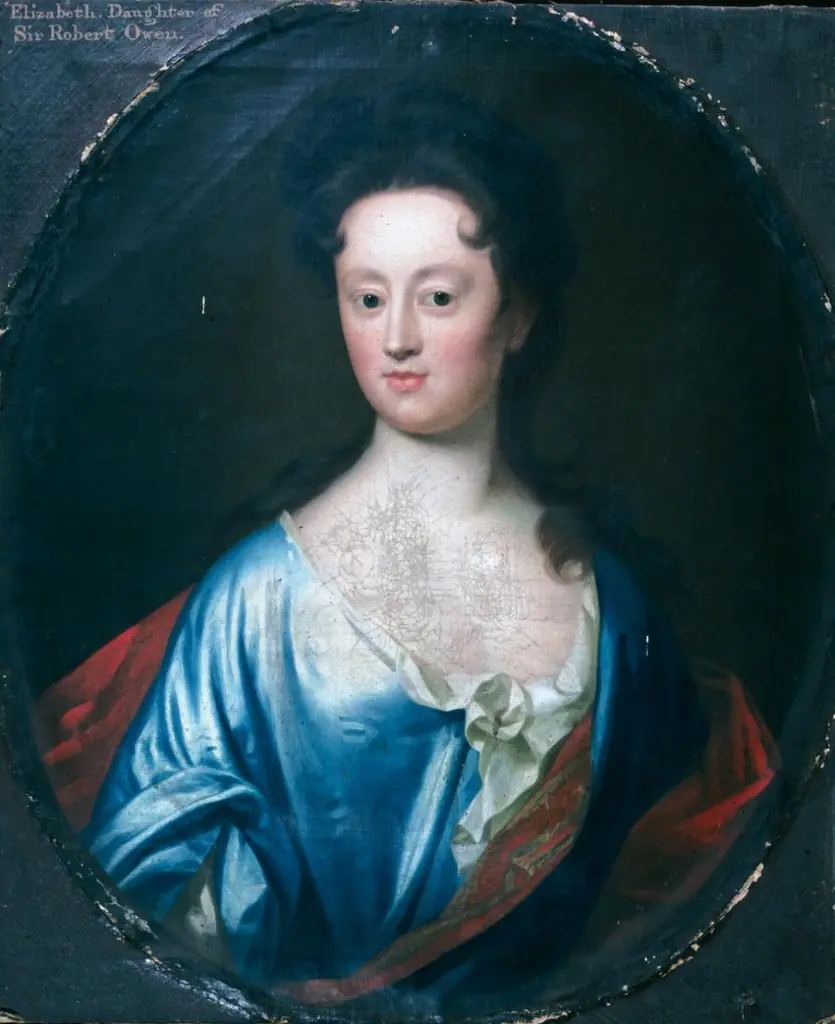 Elizabeth, daughter of Sir Robert Owen
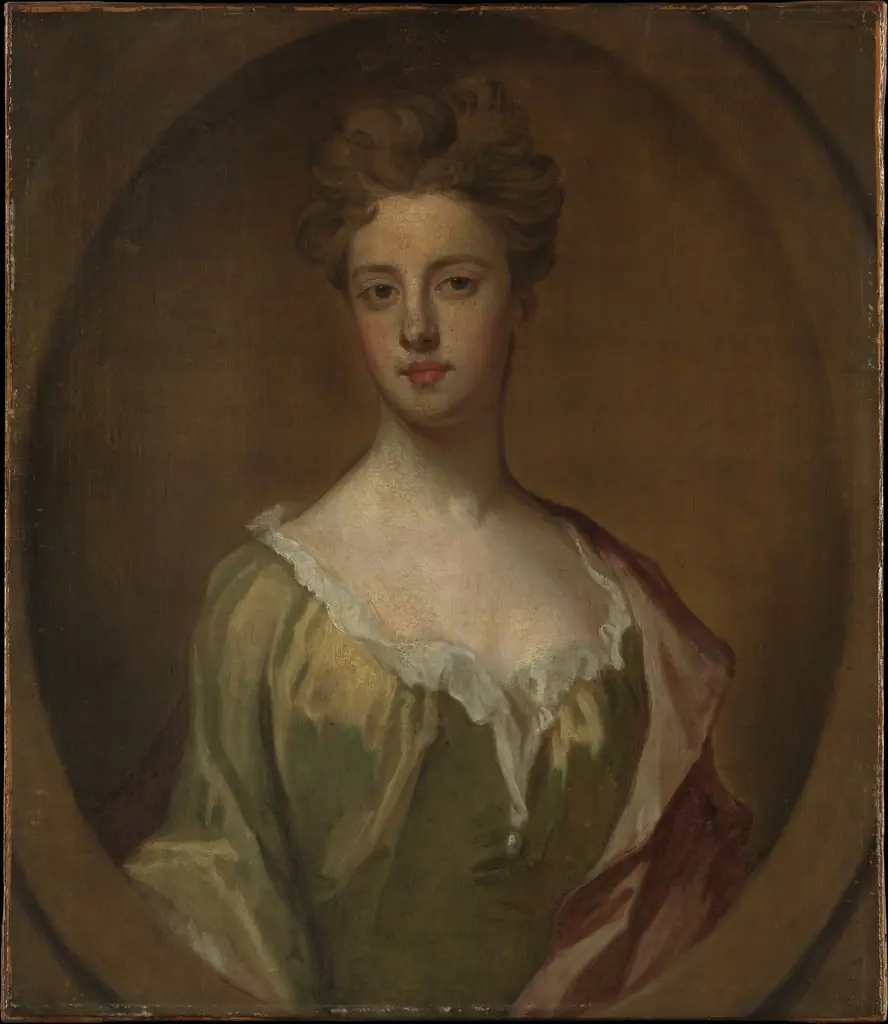 Lady Mary Berkeley, Wife of Thomas Chambers