Artwork
Twelve Etchings from Nature: La Mère Gérard
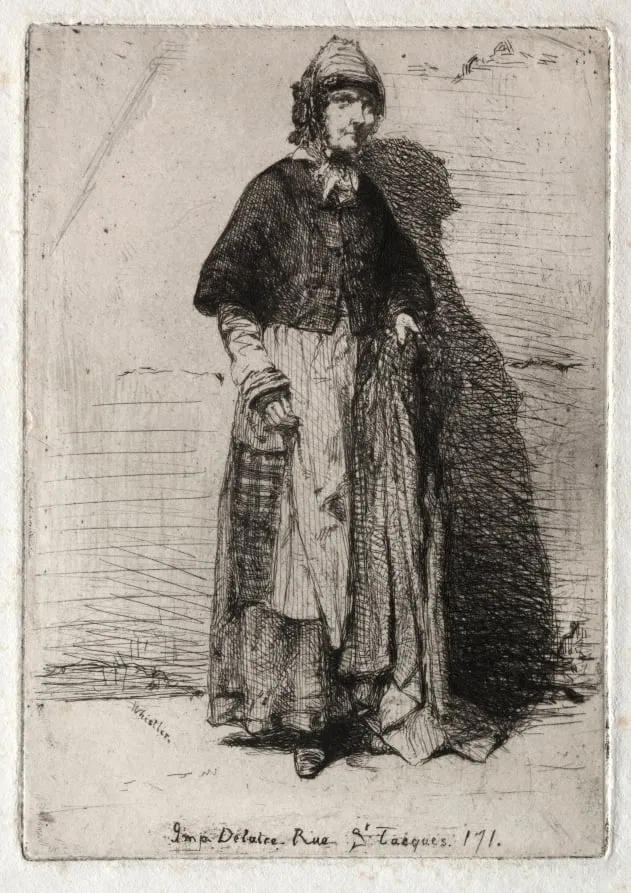
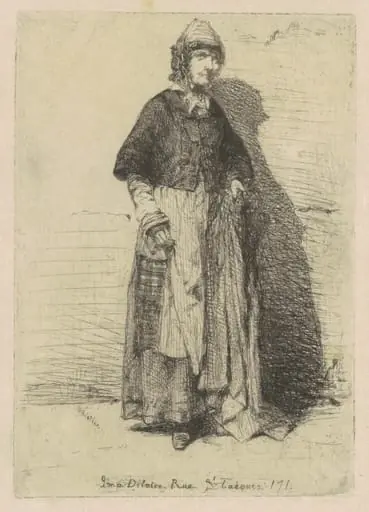
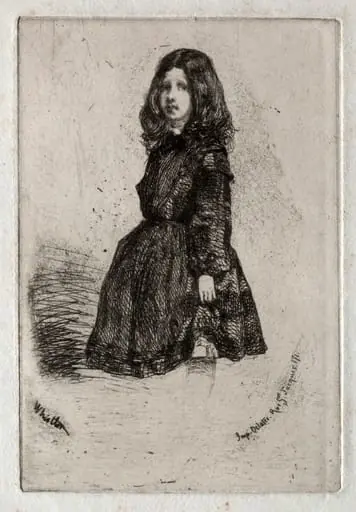
Twelve Etchings from Nature: La Mère Gérard is a print by the Impressionist artist James McNeill Whistler. It dates from 1858 and is held in the collection of the Cleveland Museum of Art. Created in 1858, this etching is one of twelve in Whistler’s series titled Twelve Etchings from Nature.
About this work
Overview
The work reflects Whistler’s early interest in everyday life and his shift toward atmospheric composition over narrative detail.
Created in 1858, this etching is one of twelve in Whistler’s series titled Twelve Etchings from Nature. It captures a solitary woman in a quiet urban setting, rendered with minimal detail and a restrained tonal range. The work reflects Whistler’s early interest in everyday life and his shift toward atmospheric composition over narrative detail. The Cleveland Museum of Art holds this print as part of its collection of 19th-century graphic works.
Subject & Meaning
The figure, identified as La Mère Gérard, stands motionless on a street, her face shadowed and gaze lowered. Her attire—a long skirt and dark shawl—suggests modest means, while the fabric in her hand hints at domestic labor or travel. Whistler avoids overt storytelling, instead inviting quiet reflection on solitude and routine. The anonymity of the subject underscores a broader interest in the dignity of ordinary people.
Technique & Style
Whistler employed etching to achieve subtle gradations of light and dark, using fine lines and controlled ink washes to model form. The background is deliberately simplified, allowing the figure to emerge through contrast and tone. Chiaroscuro is used not for dramatic effect but to suggest spatial depth and emotional stillness. The absence of fine detail reinforces the work’s meditative quality.
History & Provenance
This print was made during Whistler’s formative years in Europe, shortly after his move to London. It was part of a small series documenting street life in the city’s working-class neighborhoods. The Cleveland Museum of Art acquired the etching in the 20th century, integrating it into its growing collection of Whistler’s graphic works, which include both early studies and later, more abstract compositions.
Context
In the late 1850s, Whistler was influenced by French Realism and Japanese prints, both of which emphasized everyday subjects and flattened space. His etchings from this period diverged from academic traditions by focusing on mood and composition rather than historical or mythological themes. La Mère Gérard reflects this shift, aligning with a broader European trend toward observing the private moments of common life.
Legacy
Though less known than his later portraits and nocturnes, this etching exemplifies Whistler’s foundational approach to tonal harmony and restrained expression. It helped establish his reputation as a printmaker attuned to atmosphere and quiet observation. The work remains a key example of how 19th-century artists redefined the potential of etching as a medium for poetic realism.
Artist & collection
Artist
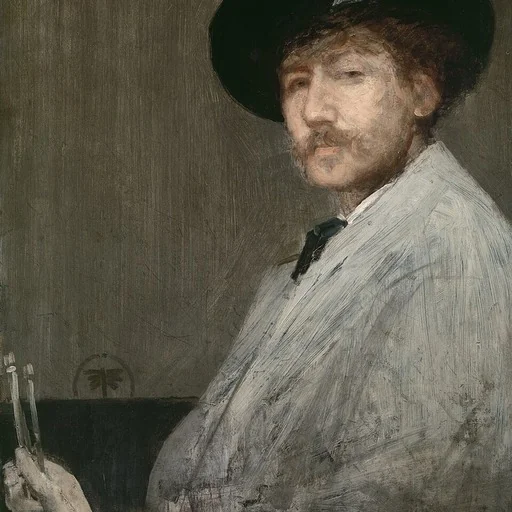
James Abbott McNeill Whistler was an American painter in oils and watercolor, and printmaker, active during the American Gilded Age and based primarily in the United Kingdom.

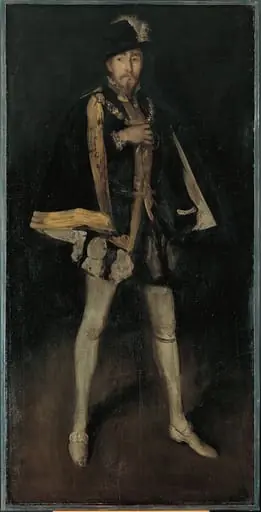 Arrangement in Black, No. 3: Sir Henry Irving as Philip II of Spain
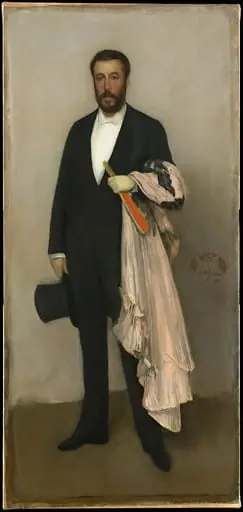 Arrangement in Flesh Colour and Black: Portrait of Theodore Duret
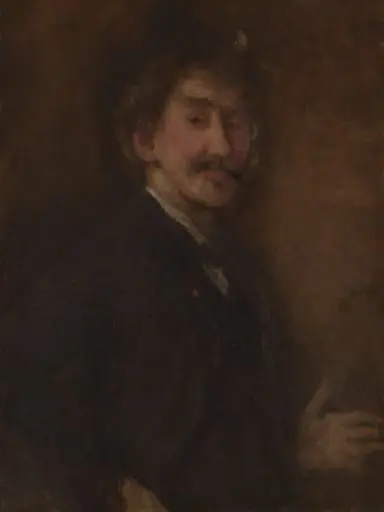 Gold and Brown: Self-Portrait
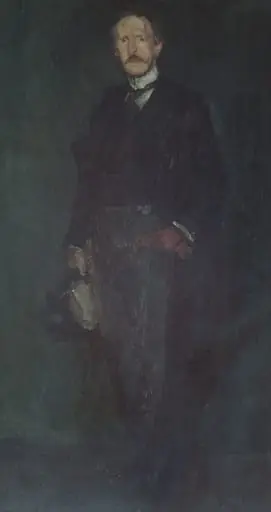 Edward Guthrie Kennedy
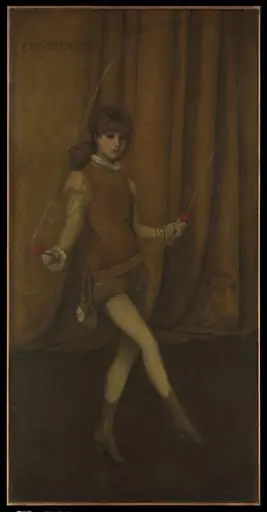 Harmony in Yellow and Gold: The Gold Girl—Connie Gilchrist
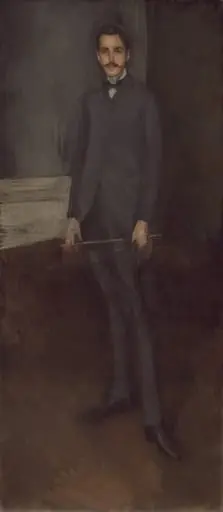 George W. Vanderbilt
 Symphony in White, No. 1: The White Girl
 Henry Irving as Philip II of Spain