Artwork
The Ramsay-Polk Family at Carpenter's Point, Cecil County, Maryland
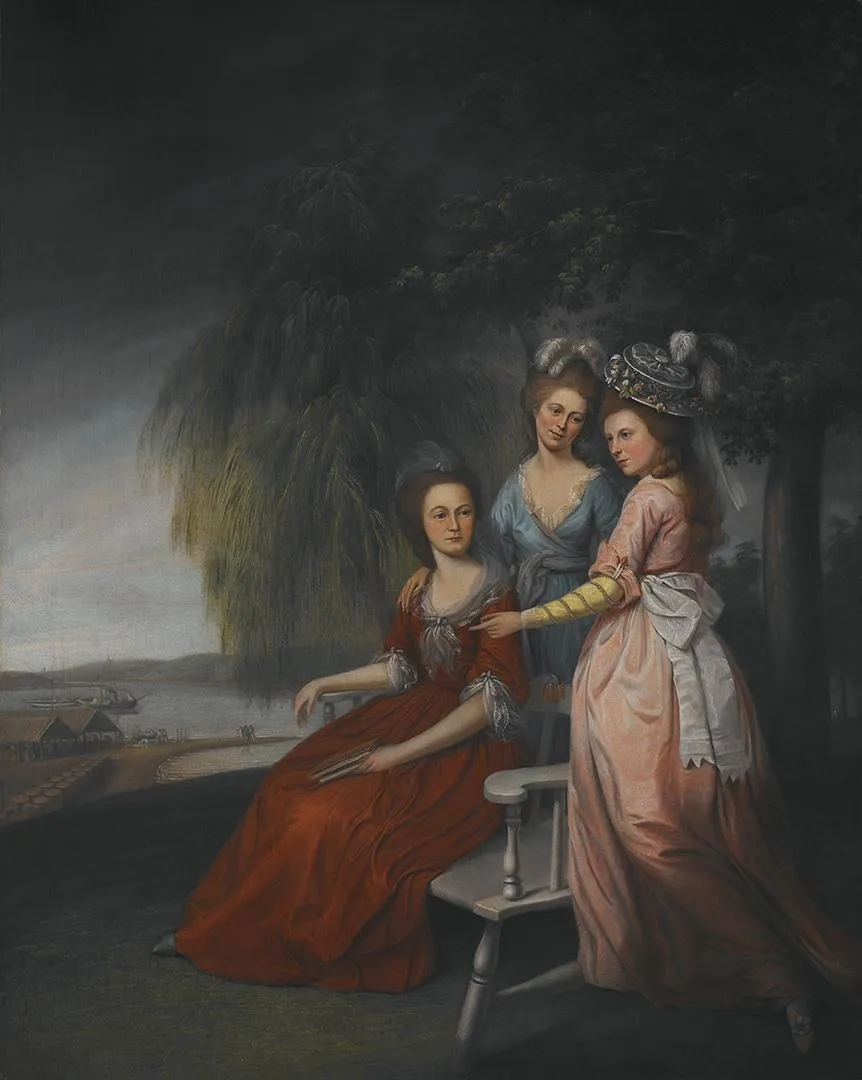
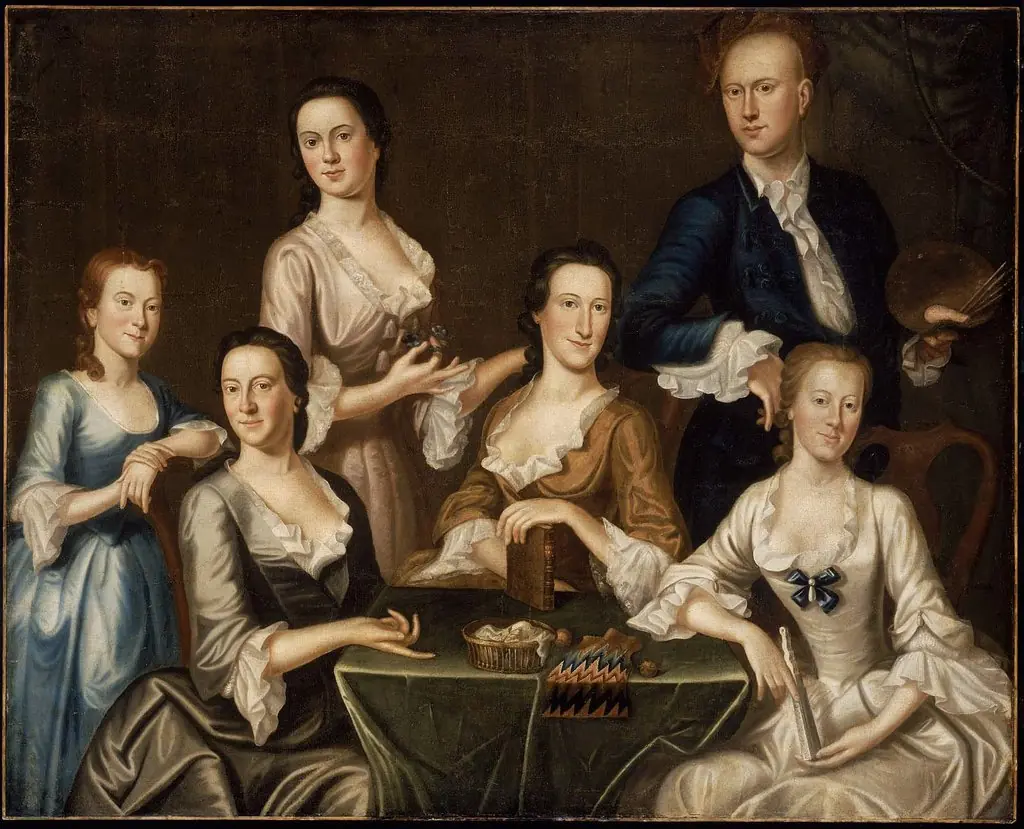
The Ramsay-Polk Family at Carpenter's Point, Cecil County, Maryland is an oil painting by the Realist artist James Peale. It dates from 1797 and is held in the collection of the Crystal Bridges Museum of American Art.
About this work
Overview
Painted in 1797 by James Peale, this oil portrait captures a family gathering at Carpenter’s Point in Cecil County, Maryland.
Painted in 1797 by James Peale, this oil portrait captures a family gathering at Carpenter’s Point in Cecil County, Maryland. Peale, recognized for his delicate portraiture and still lifes, applied his precise technique to this domestic scene, blending figure painting with subtle landscape elements. The work reflects his transition from miniature formats to larger-scale compositions during the late 18th century.
Subject & Meaning
The painting portrays three women—seated and standing—in a quiet, sunlit setting by water. Their arranged postures and attire suggest familial connection and social standing, though no explicit narrative is given. The calm environment, with a distant boat and shoreline structure, implies a moment of respite, possibly tied to leisure or estate life, common among mid-Atlantic gentry families of the period.
Technique & Style
Peale rendered the figures with careful attention to fabric texture and natural light, using soft brushwork to define folds in dresses and the sheen of feathers. The background is rendered with muted tones and loose strokes, grounding the subjects in a believable landscape without dominating the composition. His approach balances realism with a restrained elegance, avoiding theatricality in favor of quiet observation.
History & Provenance
Created during Peale’s active years as a portraitist, the painting remained in private hands for much of its history before entering the collection of Crystal Bridges Museum of American Art. Its survival in good condition offers insight into the domestic portraiture practices of post-Revolutionary America, particularly among families connected to Maryland’s rural elite.
Context
In the late 1790s, American artists increasingly turned to domestic scenes to assert cultural identity apart from European traditions. Peale’s work reflects this shift, merging portraiture with local geography. The inclusion of a specific location—Carpenter’s Point—signals a growing interest in documenting personal and regional identity through art.
Legacy
Though less celebrated than his brother Charles Willson Peale, James Peale’s contributions to early American portraiture helped establish a tradition of intimate, observation-based painting. This work exemplifies his ability to convey quiet dignity in everyday moments, influencing later generations of regional artists who sought to capture American life with sincerity rather than grandeur.
Artist & collection

Artist
James Peale (1749 – May 24, 1831) was an American painter, best known for his miniature and still life paintings, and a younger brother of noted painter Charles Willson Peale.

Museum
Crystal Bridges Museum of American Art
Continue through works from the same source collection.
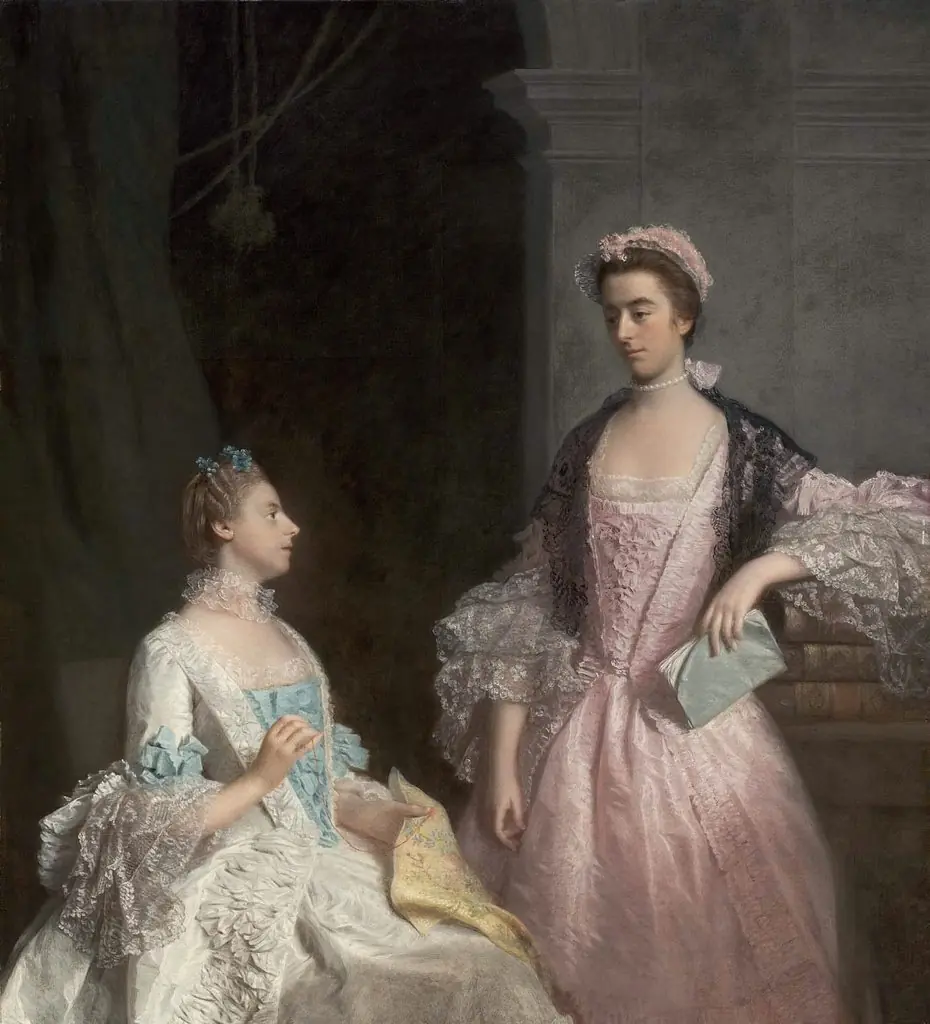 Portrait of Horace Walpole's Nieces: The Honorable Laura Keppel and Charlotte, Lady Huntingtower
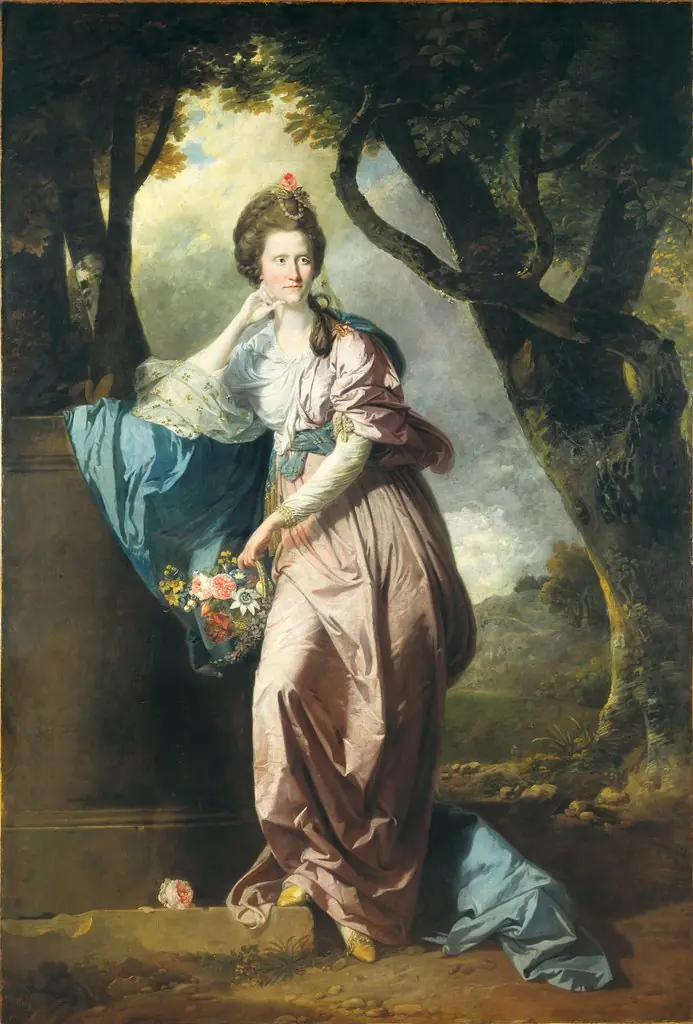 Mrs Woodhull
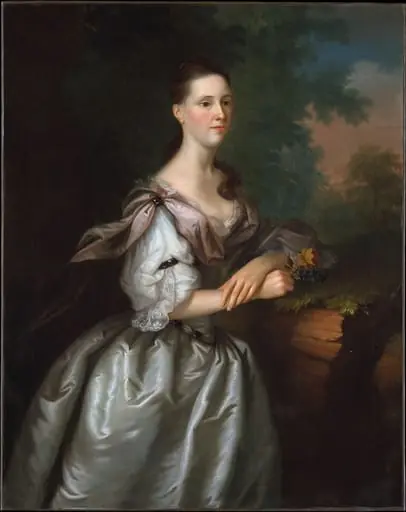 Mrs. Samuel Cutts
 Portrait of Magdalena van Citters, Wife of Adriaen Isaac Hurgronje
 Portrait of Magdalena van Citters, Wife of Adriaen Isaac Hurgronje
 Portrait of a Woman
 Portrait of Anna Elisabeth Battier, née Storp
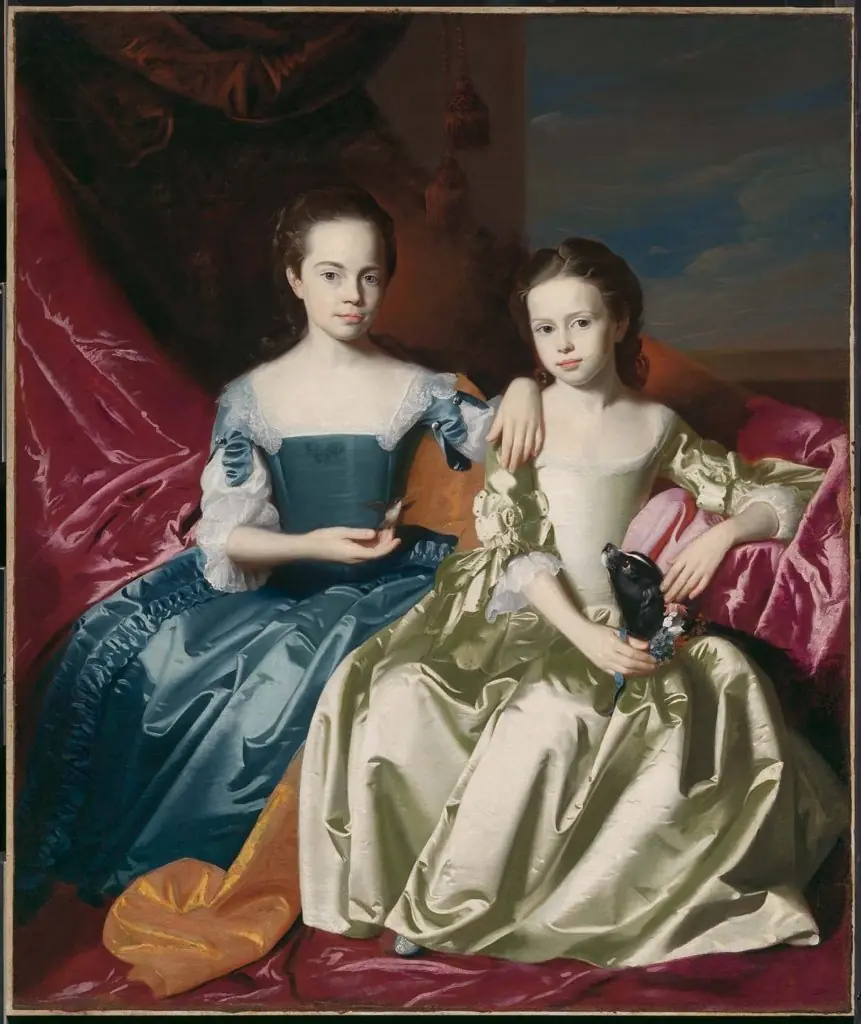 Mary and Elizabeth Royall
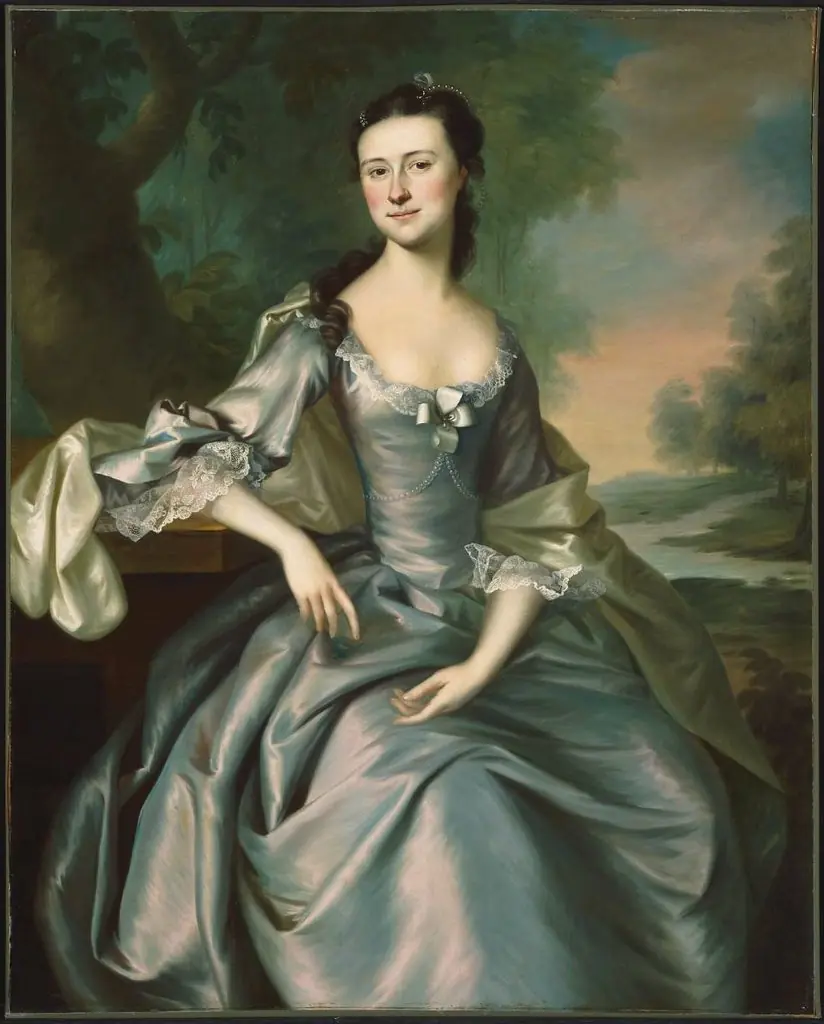 Susan Apthorp (Mrs. Thomas Bulfinch)
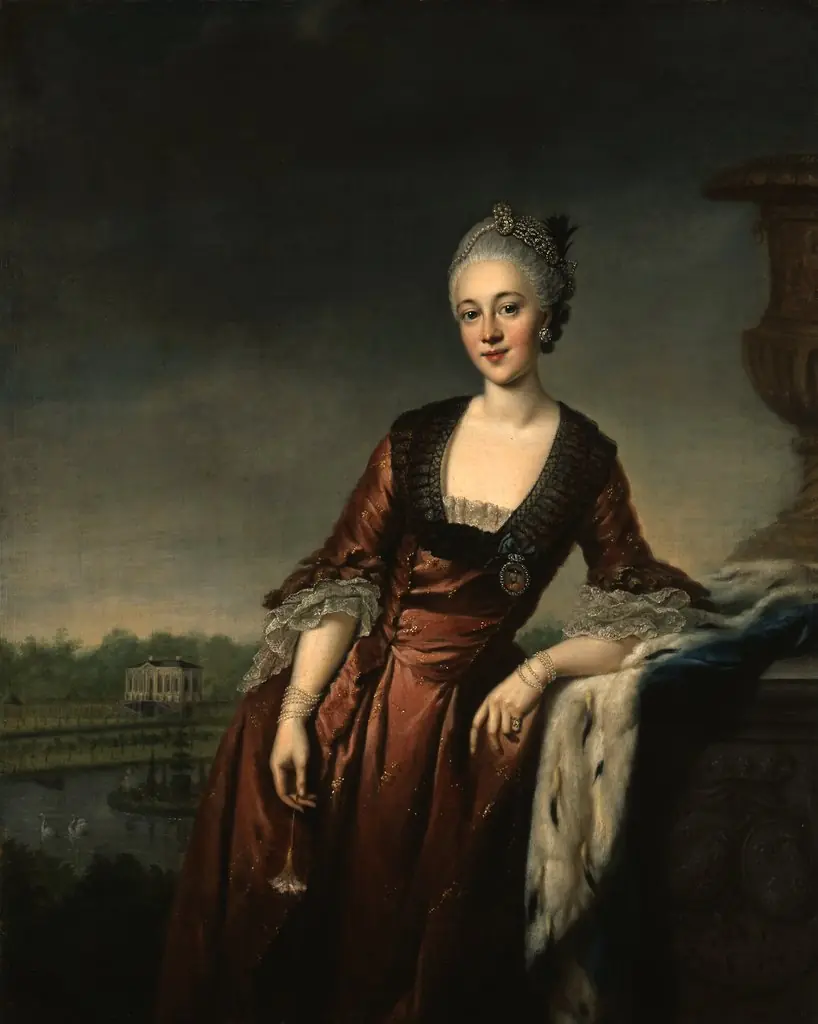 Countess Maria Barbara Eleonore (zu Lippe-Biesterfeld) Schaumburg-Lippe
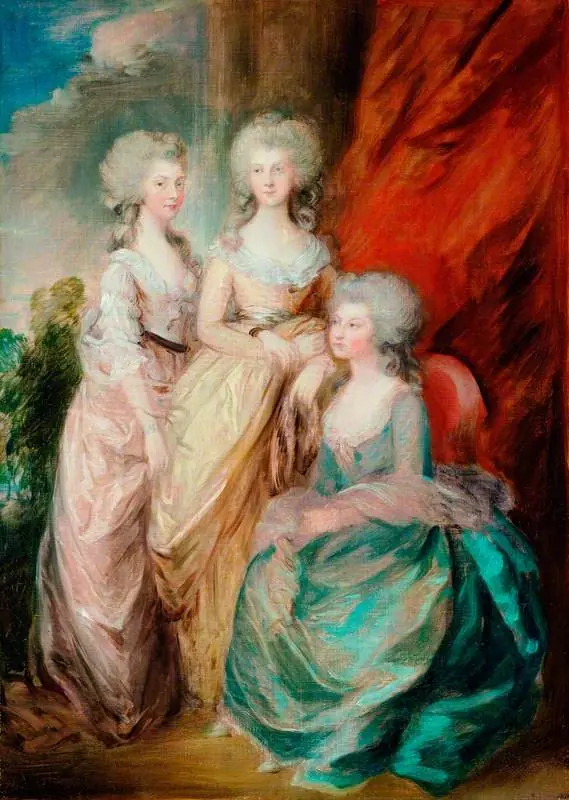 The Three Eldest Daughters of George III: Princesses Charlotte Augusta Matilda (1766–1828), Augusta Sophia (1768–1840), and Elizabeth (1770–1840) (after Thomas Gainsborough)
 The Greenwood-Lee Family