Artwork
Portrait of a Woman
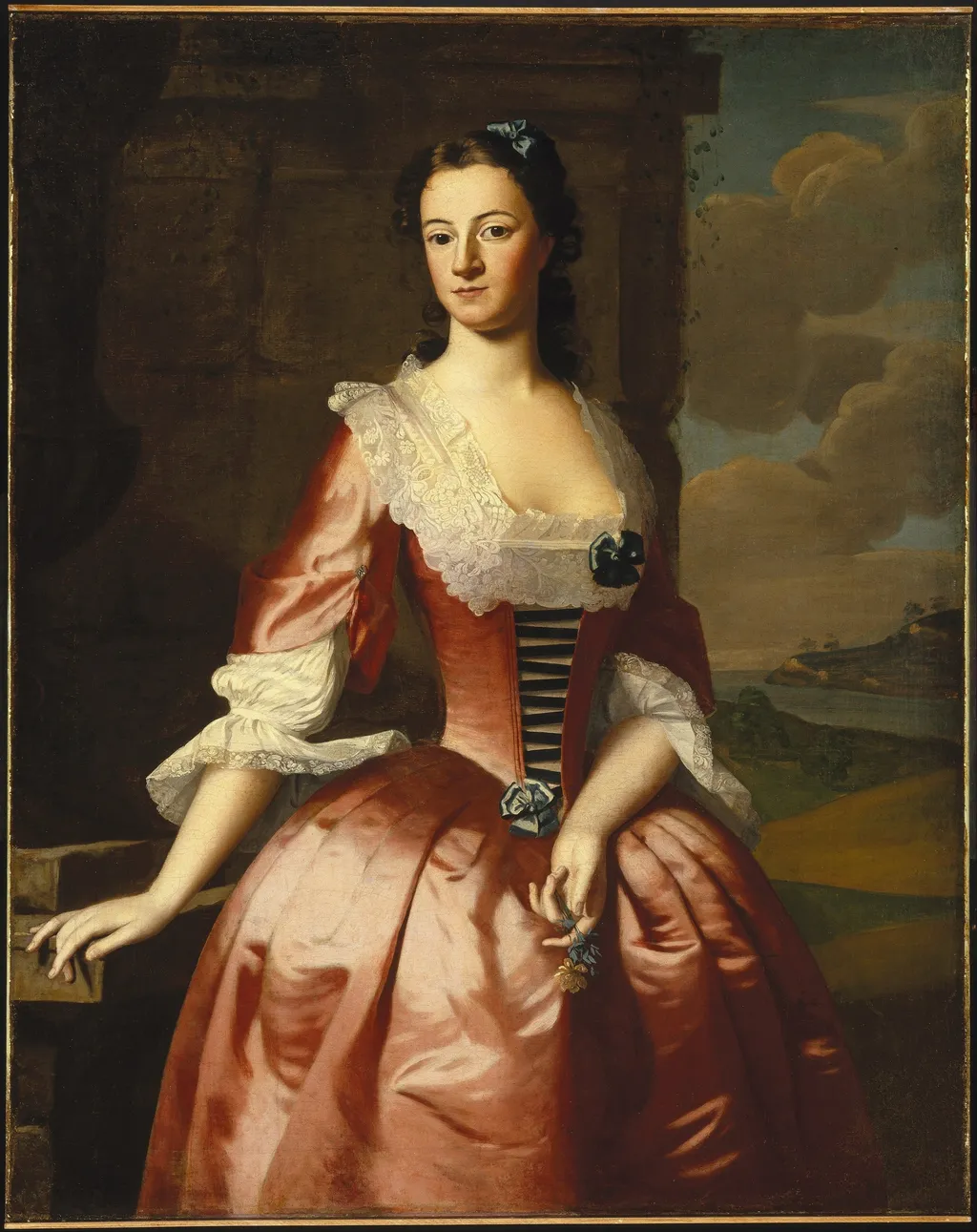
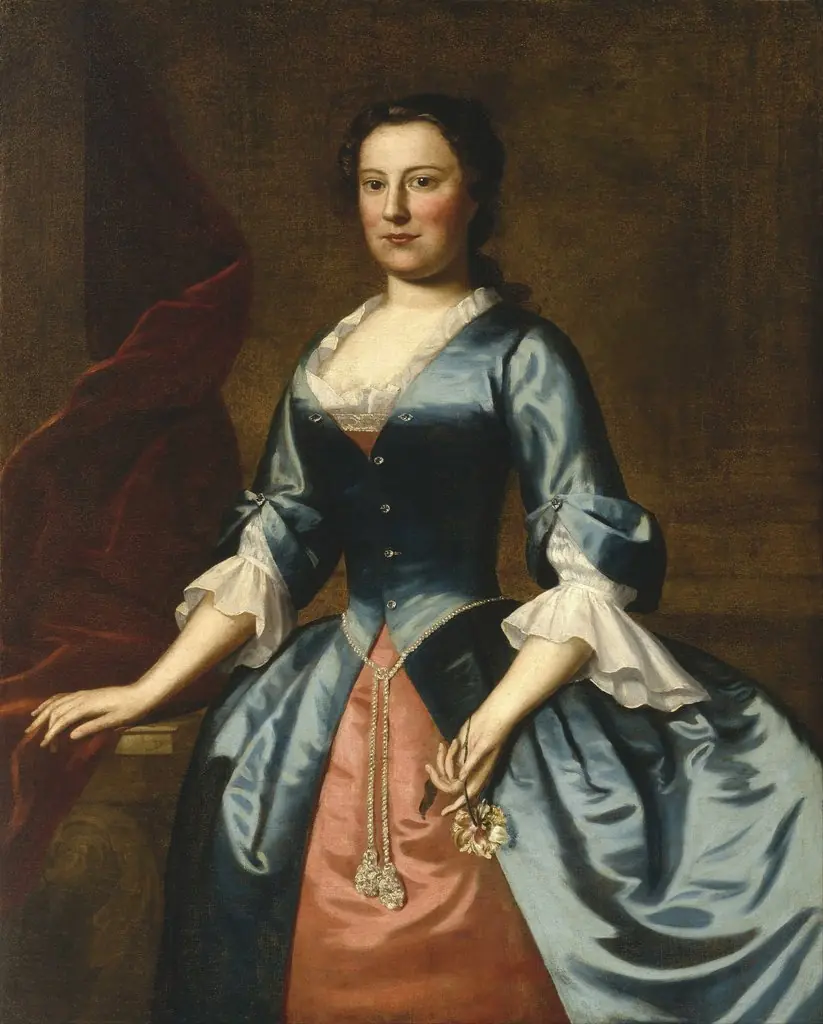
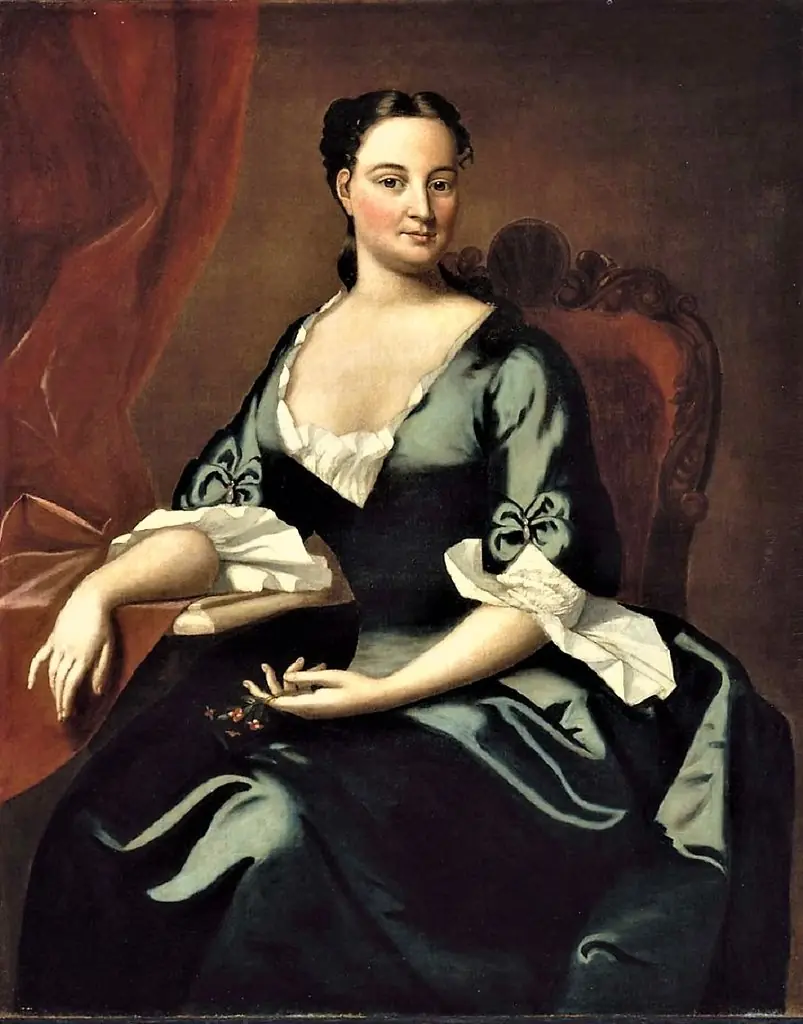
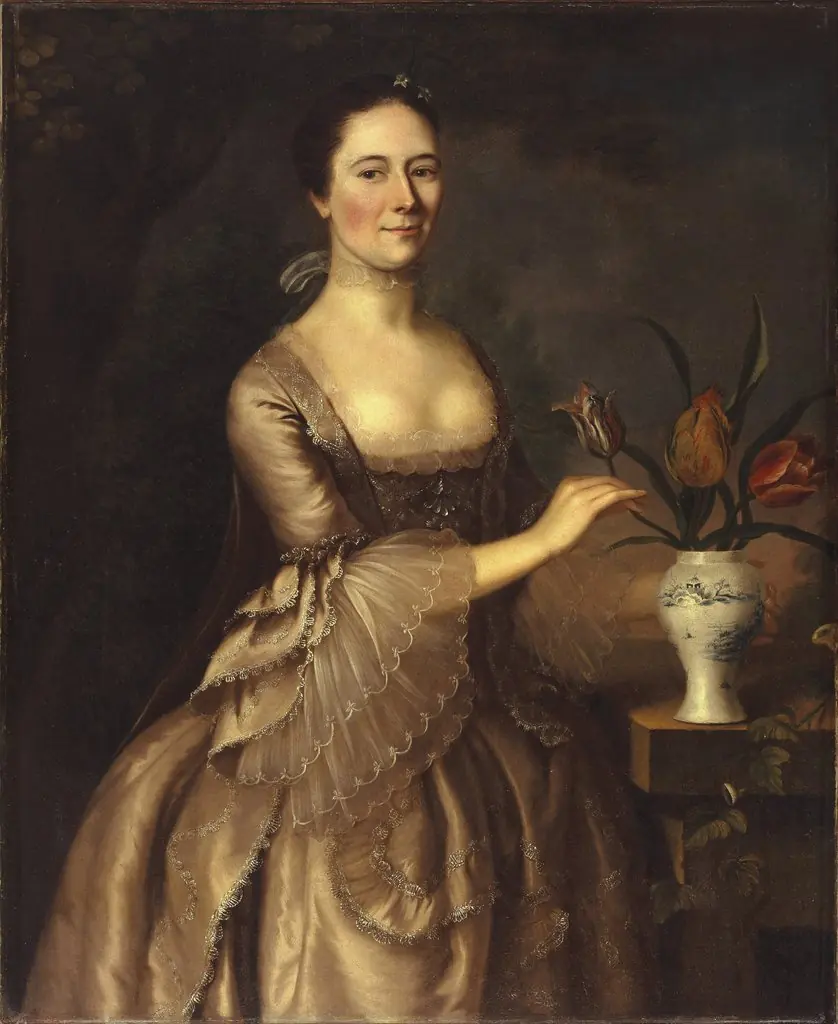
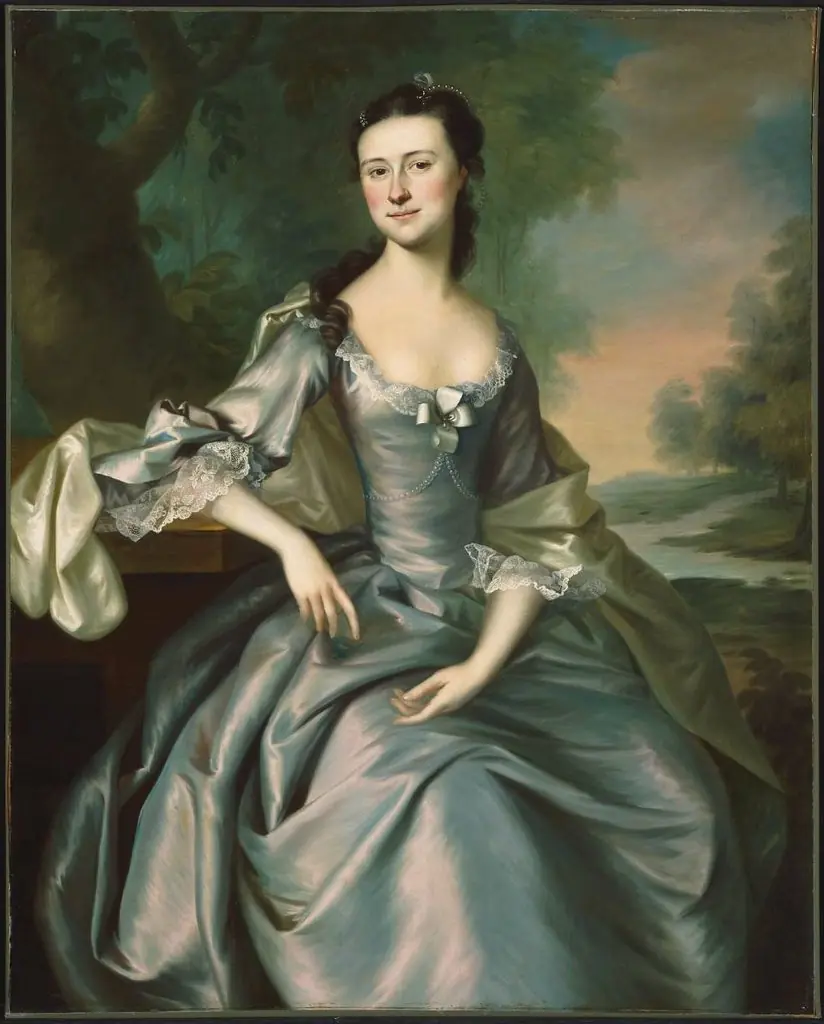
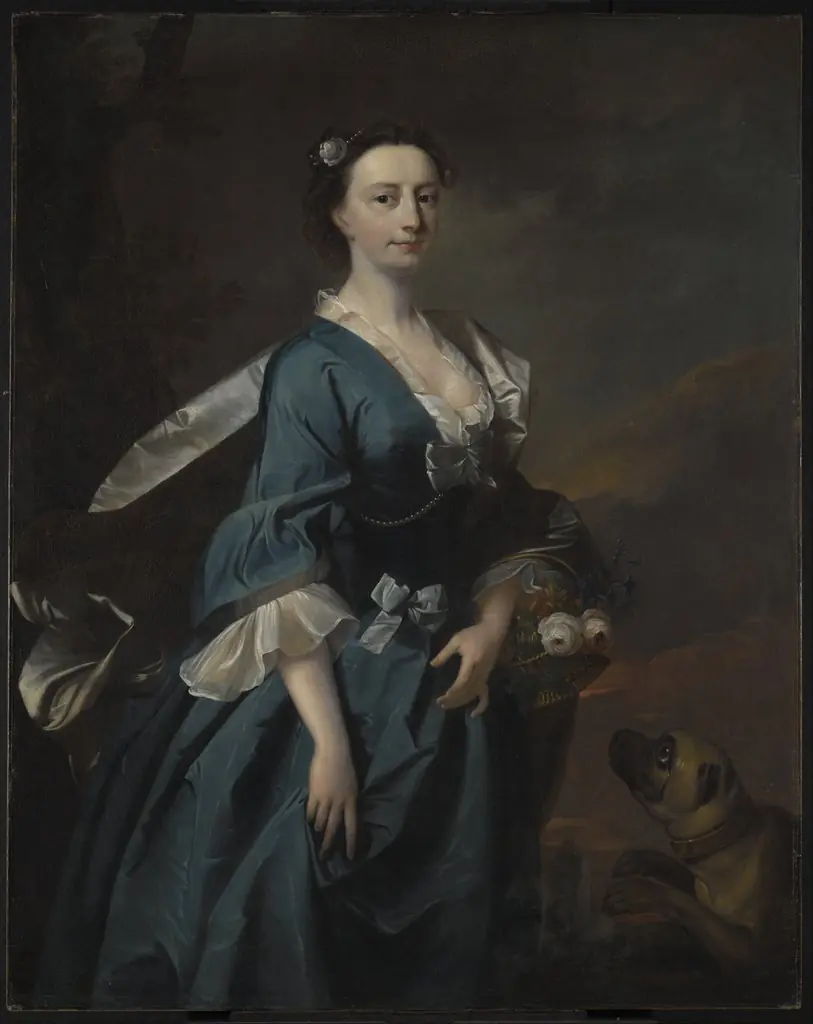
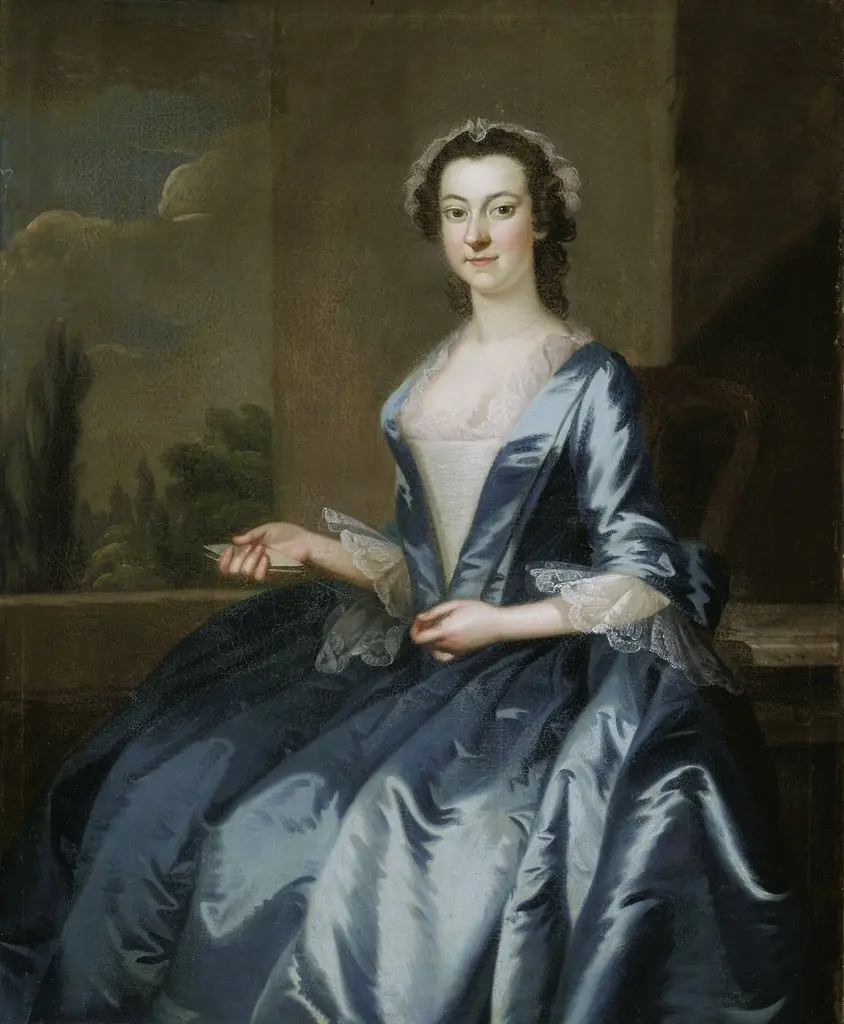
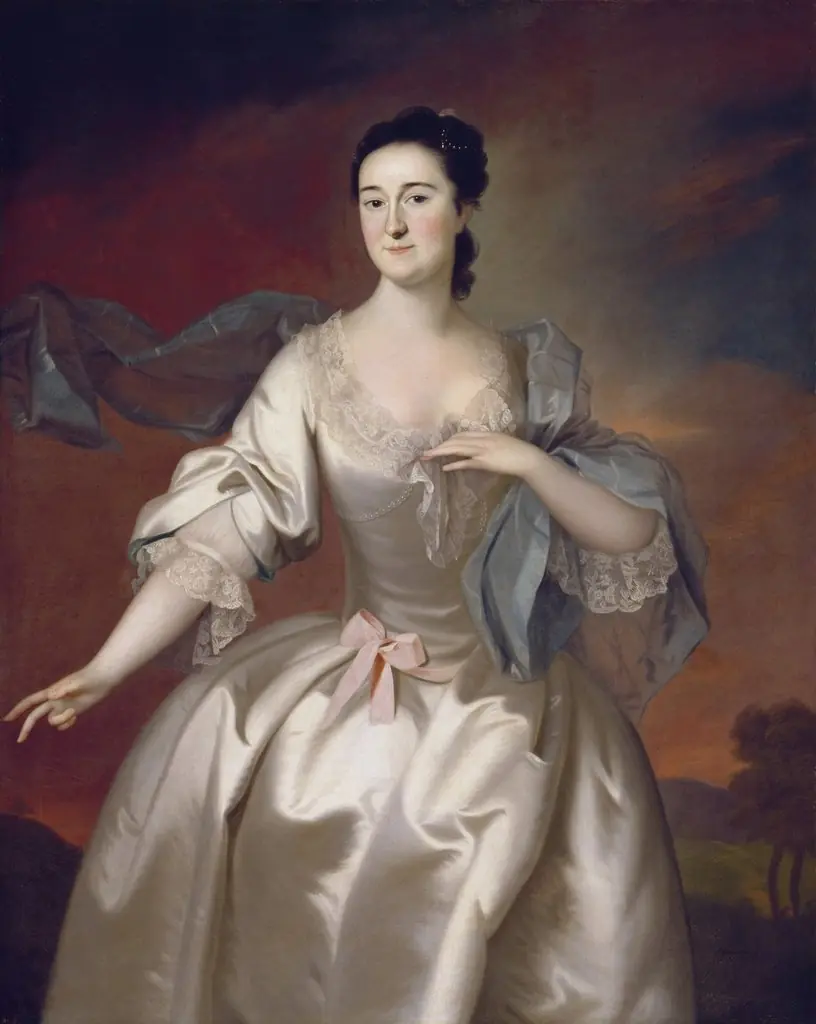
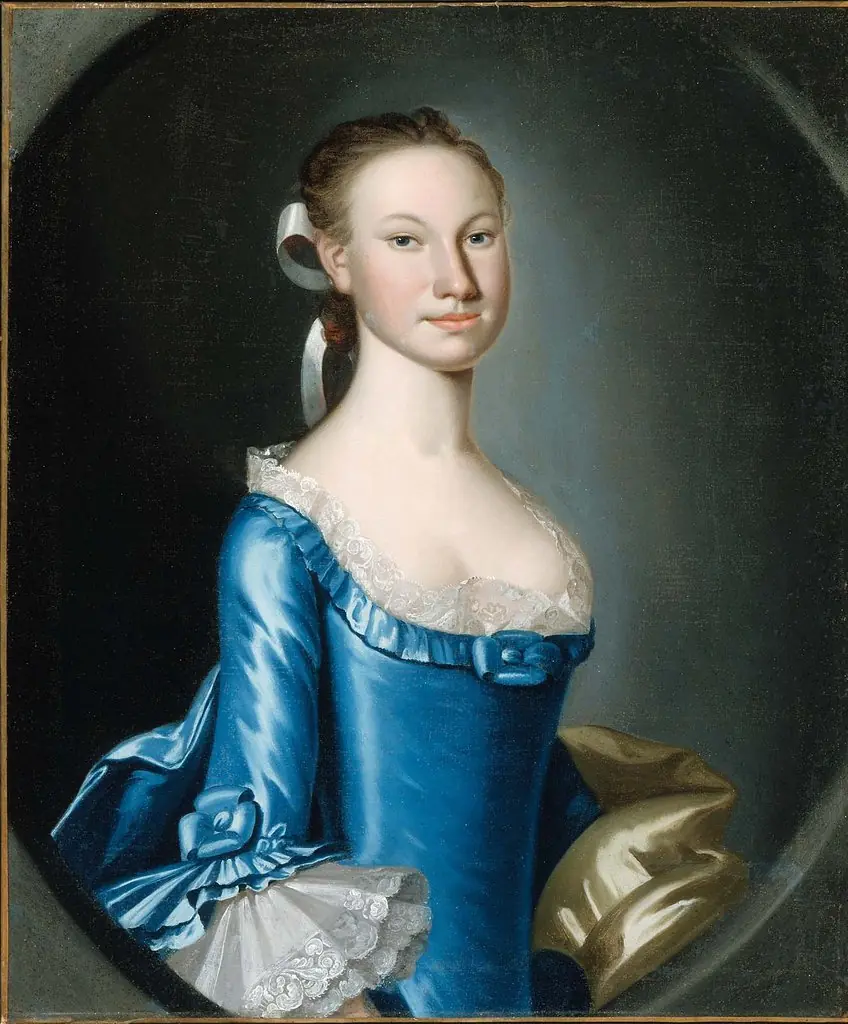
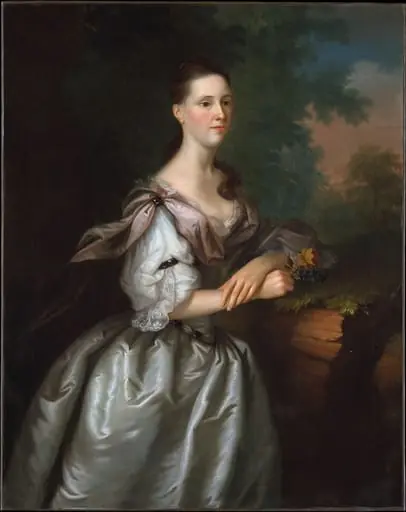
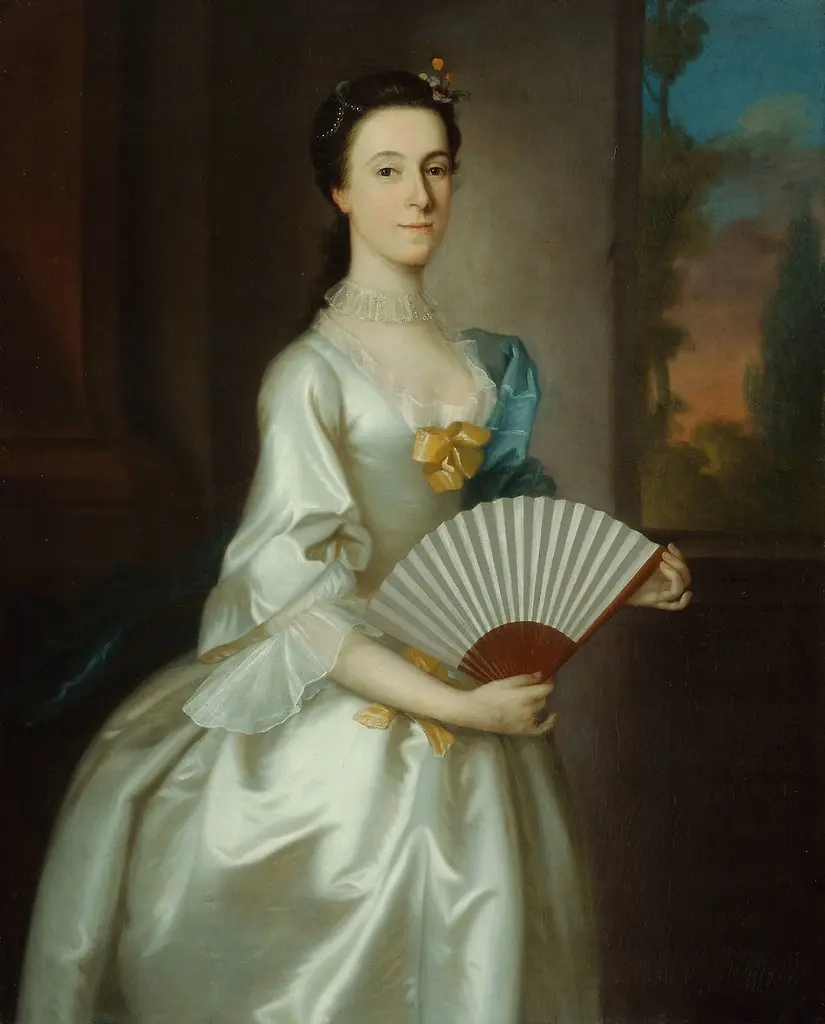
Portrait of a Woman is an oil painting by the Rococo painting artist Robert Feke. It dates from 1748 and is held in the collection of the Brooklyn Museum. Created in 1748, this oil portrait presents a seated woman dressed in a vivid pink gown trimmed with delicate lace.
About this work
Overview
Created in 1748, this oil portrait presents a seated woman dressed in a vivid pink gown trimmed with delicate lace. She gazes outward from a setting that includes a tranquil waterscape beneath a softly clouded sky. The composition reflects the Rococo taste for gentle elegance and refined domesticity, and the work is presently part of the Brooklyn Museum’s collection.
Subject & Meaning
The sitter is portrayed with dark hair accented by a blue ribbon, suggesting a modest yet fashionable status. Her attire and the serene landscape behind her convey an atmosphere of cultivated leisure typical of affluent colonial households, while the calm water and airy clouds reinforce a sense of poise and inner composure.
Technique & Style
Executed in oil on canvas, the painting displays the light brushwork and pastel palette associated with mid‑eighteenth‑century Rococo portraiture. The pink dress is rendered with subtle tonal variations that model the fabric’s folds, while the lace is delineated through fine, translucent strokes, creating a tactile contrast against the smoother background.
History & Provenance
The work is attributed to Robert Feke, an early American portraitist active in the colonies. Though only a dozen of his roughly sixty surviving paintings bear his signature and date, this piece aligns with his documented output from the 1740s. It entered the Brooklyn Museum’s holdings through acquisition in the twentieth century, where it remains on display.
Context
Feke’s career marked a turning point in colonial art, introducing a level of technical proficiency and compositional sophistication that set new benchmarks for his contemporaries. His portraits of prosperous New England families helped define a visual language for the emerging colonial elite, and this painting exemplifies the blend of European Rococo influences with local sensibilities.
Artist & collection