Artwork
Albert Gallatin
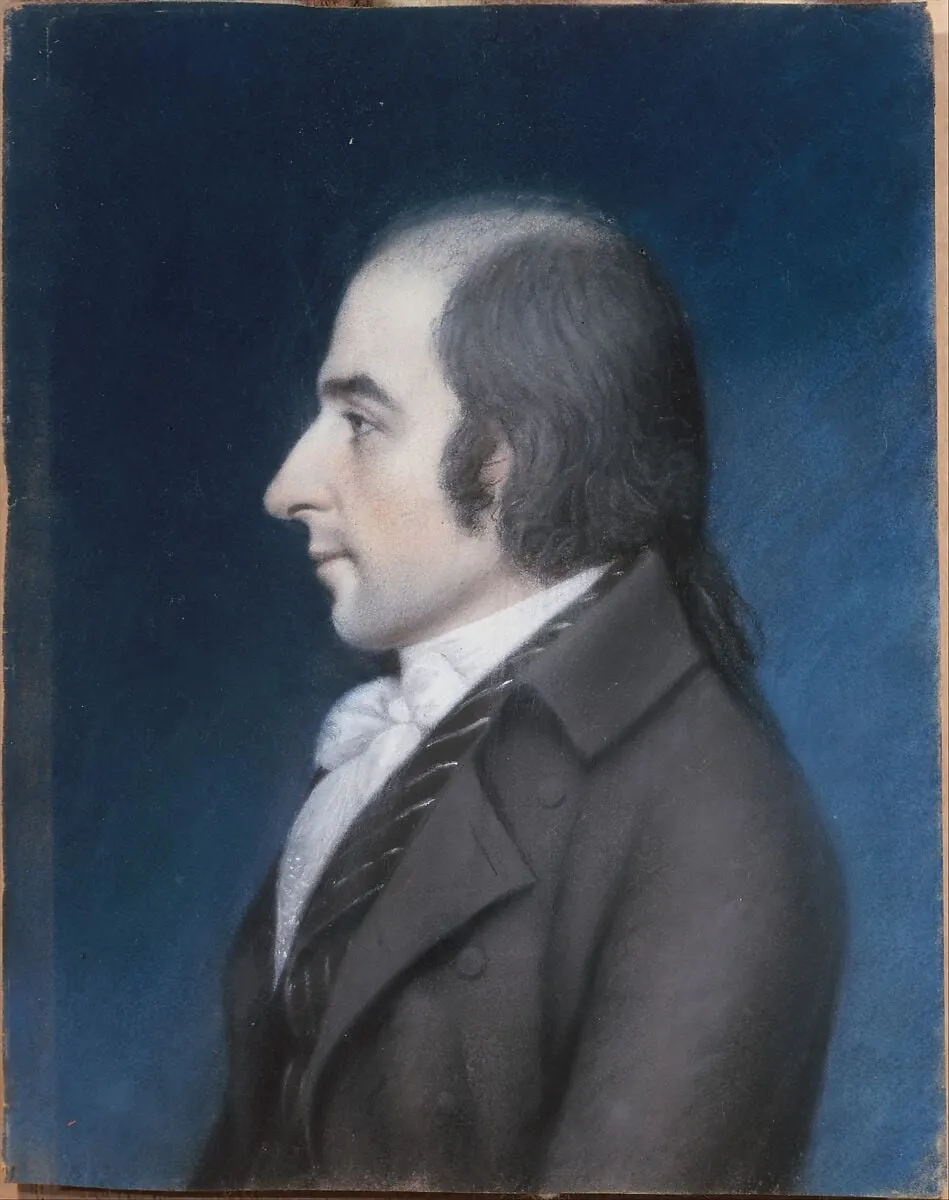
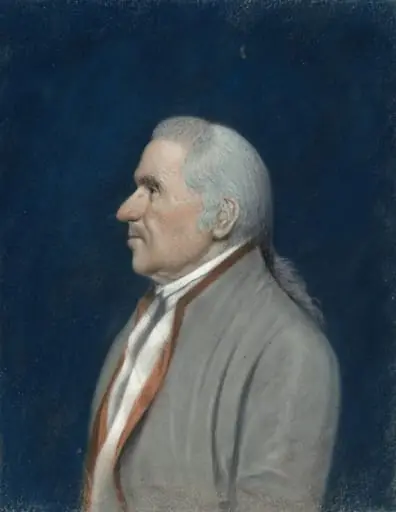
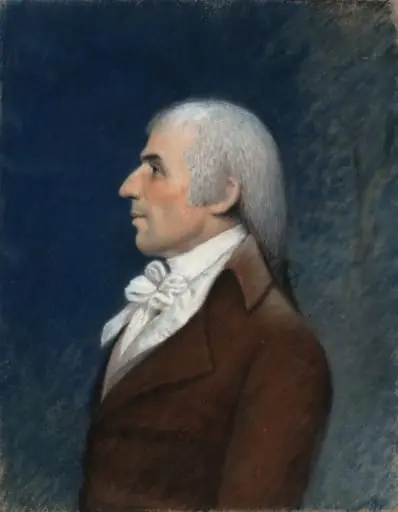
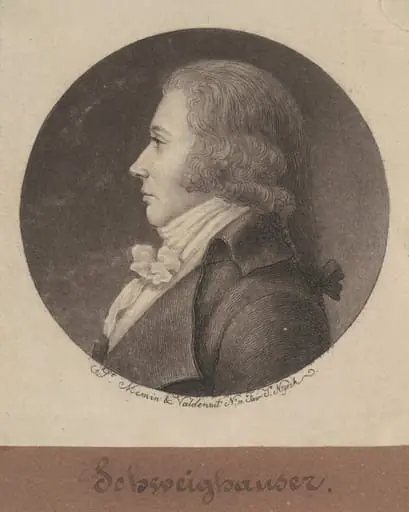
Albert Gallatin is a pastel drawing by the Romanticist artist James Sharples. It dates from 1796 and is held in the collection of the Metropolitan Museum of Art.
About this work
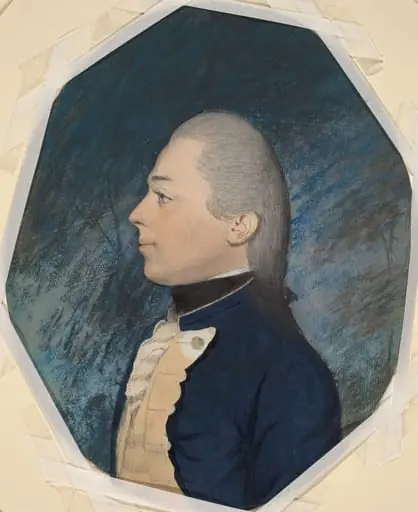
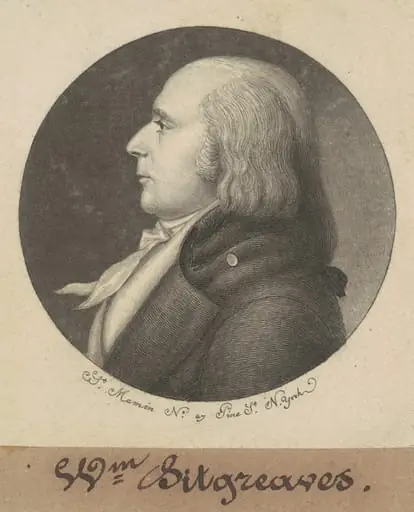
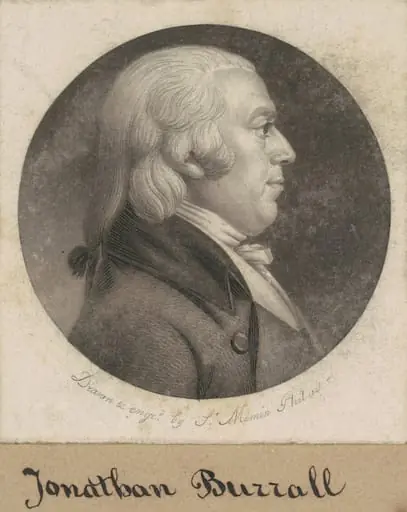
You see a side-view portrait of a man with powdered hair, a high collar, and a dark coat.
This pastel was made in 1796, right after the American Revolution. Sharples drew many early politicians this way—quick, cheap, and easy to carry. The soft chalk lets him show every wrinkle and shine on the skin without a single brushstroke.
If you like this quiet, direct style, look up the technique: pastel.
Overview
This pastel portrait, created around 1796, is the work of English artist James Sharples. It is part of The American Wing collection.
Subject & Meaning
The portrait depicts Albert Gallatin in profile, showcasing his powdered hair and formal attire, characteristic of late 18th-century fashion.
Technique & Style
Sharples employed pastel on light gray wove paper to capture Gallatin's likeness, utilizing the medium's ability to convey subtle skin textures and tones.
Context
Produced shortly after the American Revolution, this portrait reflects the artist's practice of creating quick, portable likenesses of early American politicians.
History & Provenance
Sharples had established himself as a portraitist in England before moving to the United States in 1794, where he continued to work in pastel.
Artist & collection

Artist
James Sharples (1751 or 1752, in Lancashire – 26 February 1811, in New York City) was an English portrait painter and pastelist, who moved to the United States in 1794. He first exhibited at the Royal Academy in 1779.