Artwork
Schweighauser
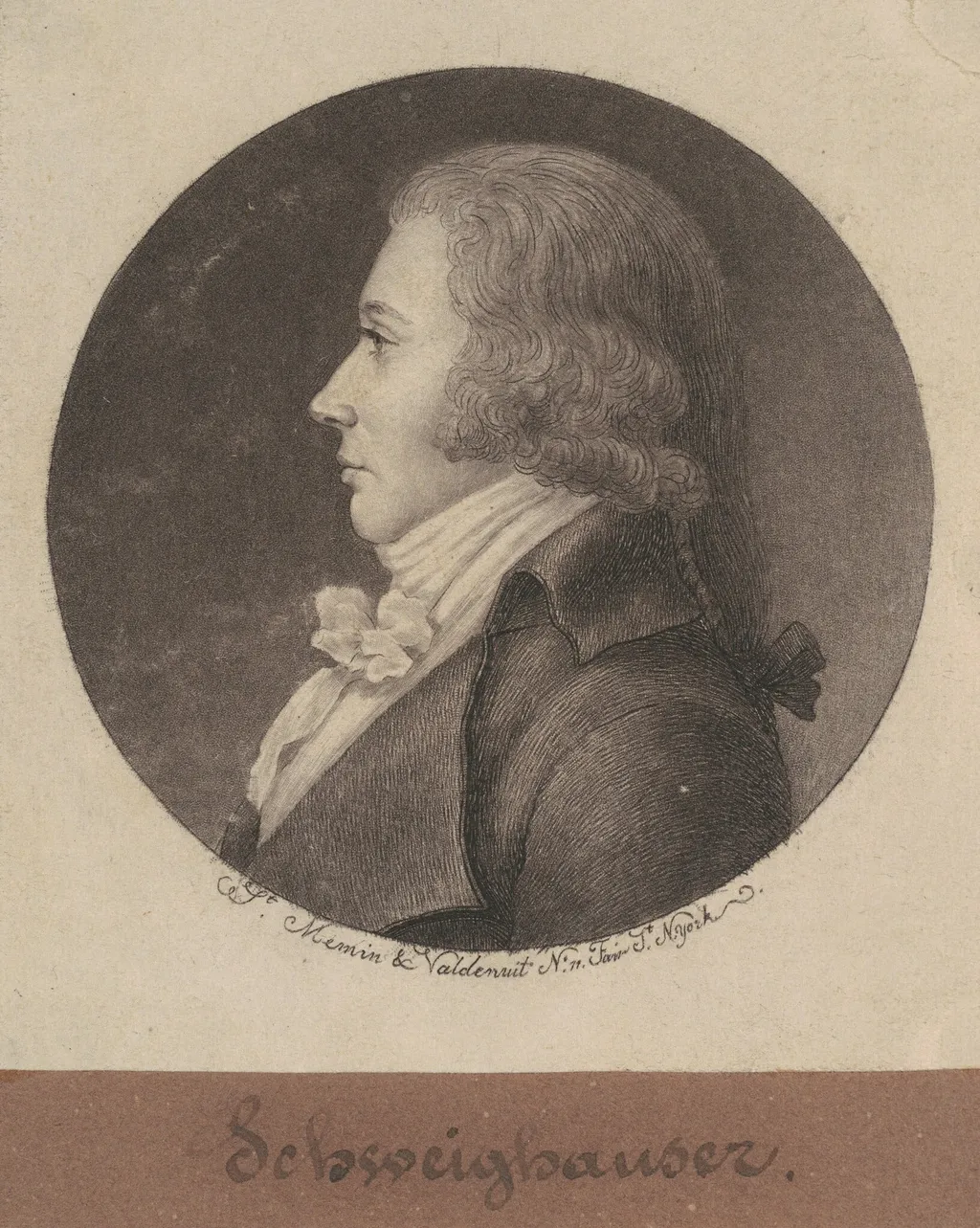
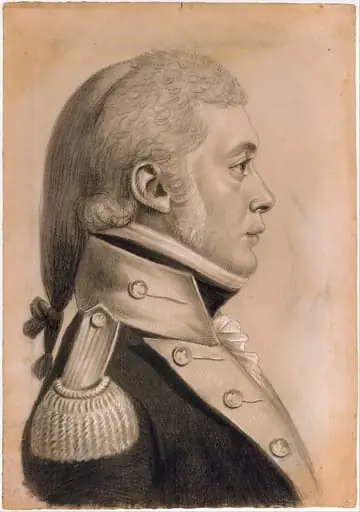
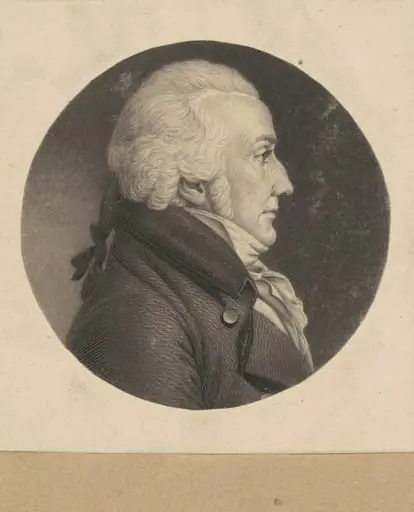
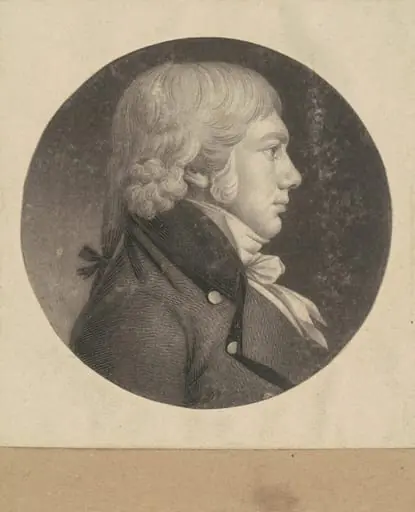
Schweighauser is an ink print by the Romanticist artist Charles Balthazar Julien Févret de Saint-Mémin. It dates from 1796 and is held in the collection of the National Gallery of Art.
About this work
You can learn more about this style by looking at the work of artist: Saint-Mémin, Charles B.
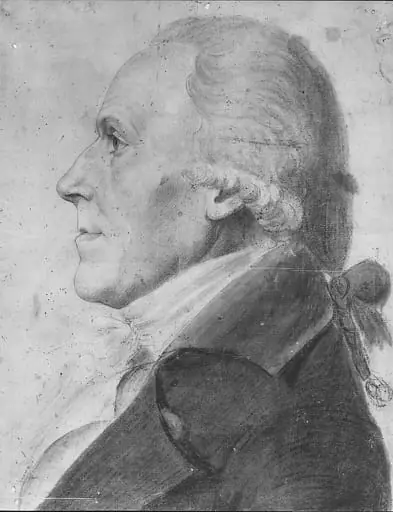
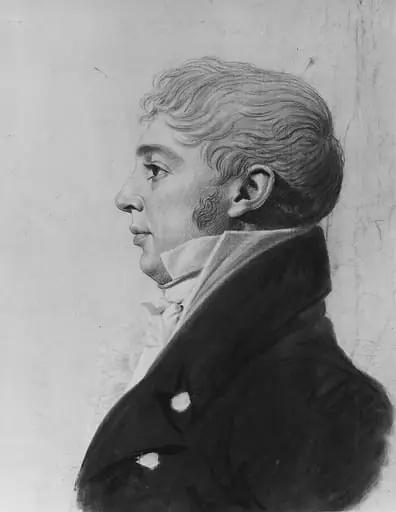
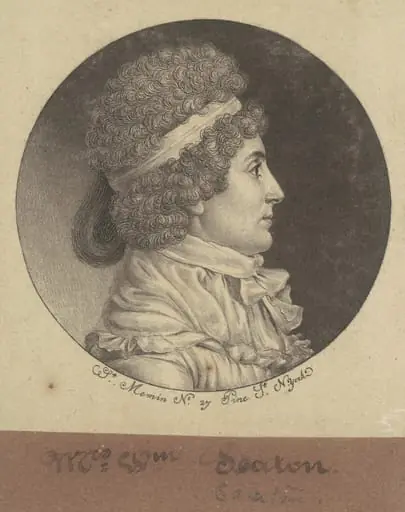
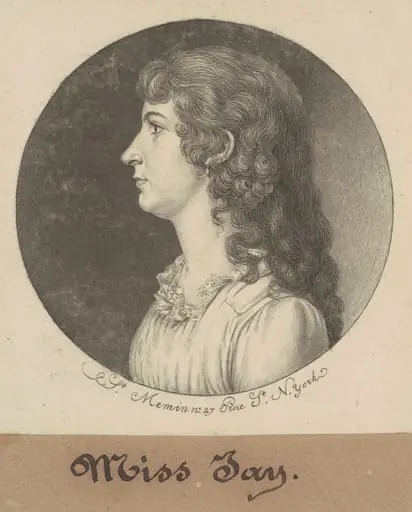
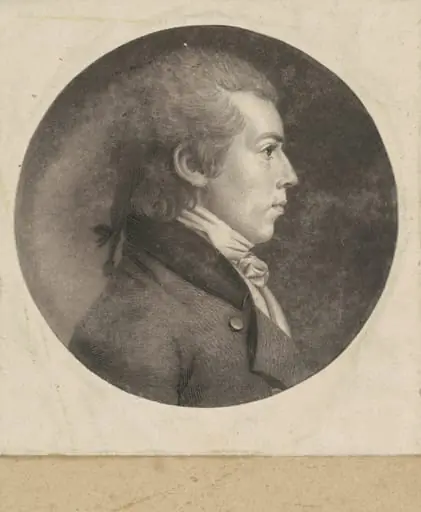
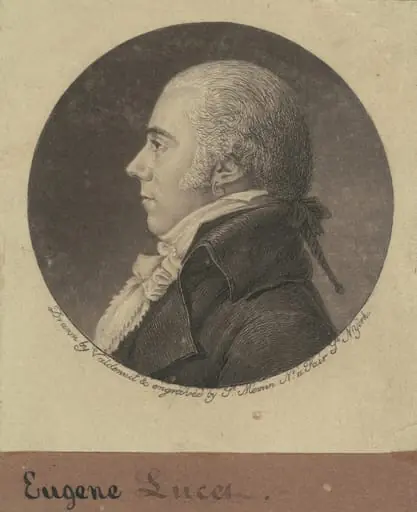
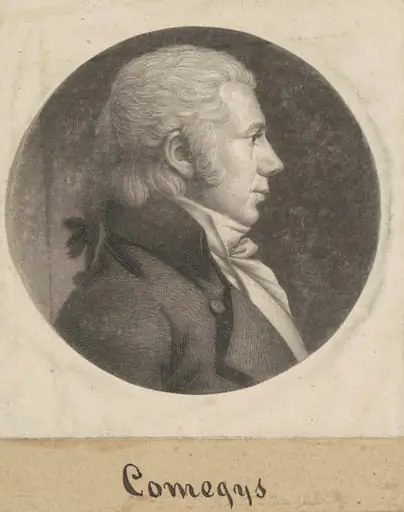
You see a man's profile against a plain background.
He's wearing formal clothes and has distinct facial features.
The artist used this style to show the person's identity.
This type of portrait was common in the 18th century.
It was a way to represent people in a formal and simple way.
The subject's face is the main focus of the portrait.
You can learn more about this style by looking at the work of artist: Saint-Mémin, Charles B. J. Févret de.
Overview
Schweighauser is a portrait print created in 1796 by Charles B. J. Févret de Saint-Mémin, rendered in mezzotint and engraving on wove paper. The work presents a profile view of its subject against a simple, monochromatic background.
Subject & Meaning
The portrait focuses on capturing the distinct facial features and formal attire of Schweighauser, emphasizing individual identity. This approach reflects the artistic importance of personal representation during the 18th century.
Technique & Style
Executed in mezzotint and engraving, the print adheres to the 18th-century tradition of profile portraiture, characterized by simplicity and a focus on the subject's likeness.
History & Provenance
Created in 1796, specific details about the print's ownership history are not provided, though its style aligns with Saint-Mémin's known body of work in portrait engraving.
Context
This portrait is part of a broader 18th-century artistic practice that valued formal, profile representations as a means of dignified personal portrayal.
Artist & collection

Artist
Charles Balthazar Julien Févret de Saint-Mémin
Charles Balthazar Julien Févret de Saint-Mémin (French pronunciation: ; 1770–1852) was a French portrait painter and museum director.