Artwork
Embarkation at Calais
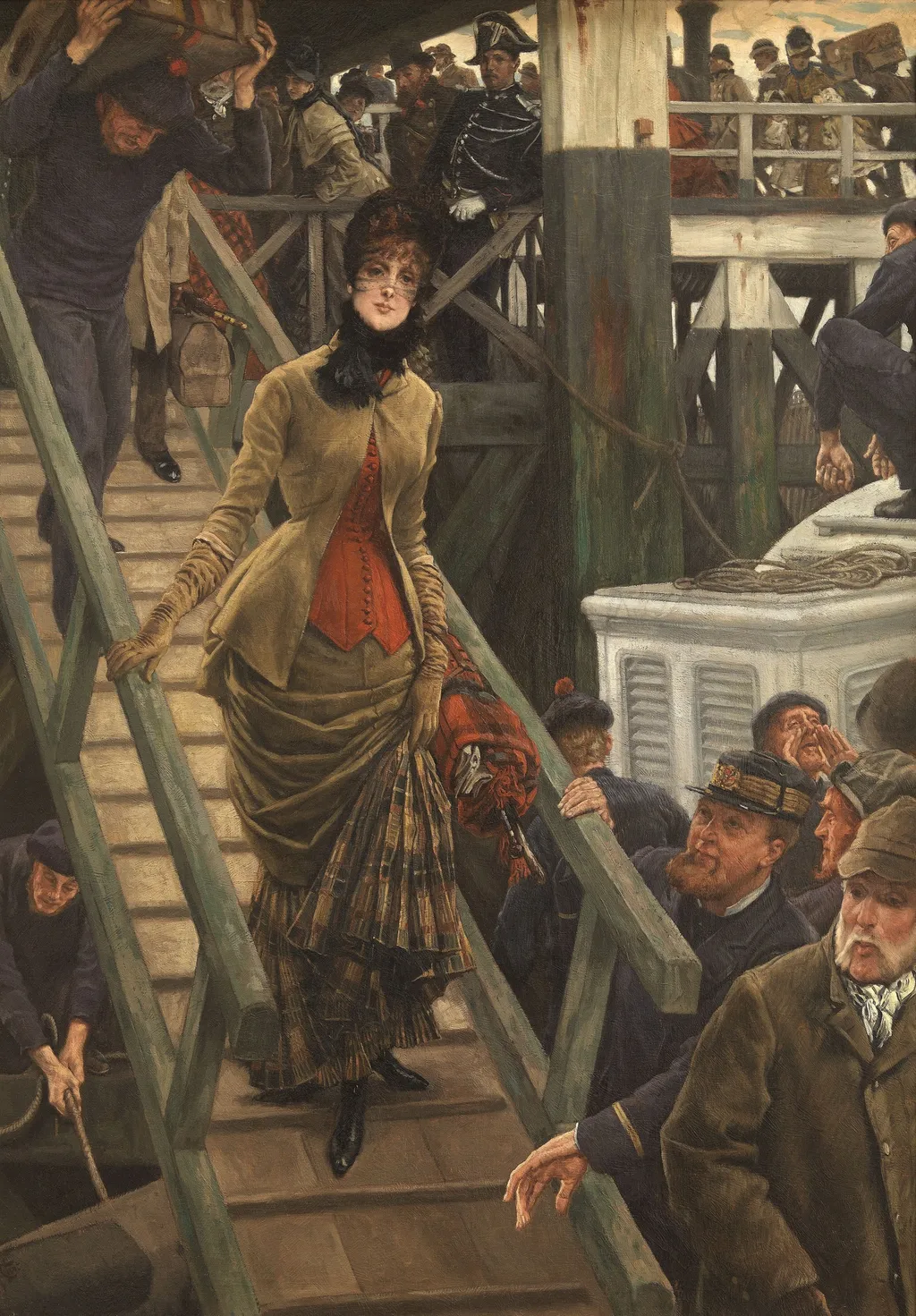
Embarkation at Calais is an oil painting by the Post-Impressionist artist James Tissot. It dates from 1892 and is held in the collection of the Royal Museum of Fine Arts Antwerp.
About this work
Overview
Painted in 1892 by French artist James Tissot, *Embarkation at Calais* is an oil-on-canvas work depicting a moment of departure at a coastal port.
Painted in 1892 by French artist James Tissot, *Embarkation at Calais* is an oil-on-canvas work depicting a moment of departure at a coastal port. Tissot, known for his keen observation of contemporary life, rendered this scene with attention to social detail and atmospheric lighting. The painting is part of the Royal Museum of Fine Arts Antwerp’s collection and reflects his late-career interest in transient, everyday moments within European urban settings.
Subject & Meaning
The painting centers on a woman descending stairs, dressed in a tan coat and red vest, carrying a striped skirt and a red bag. Her deliberate movement suggests departure, possibly emigration or travel. Surrounding figures, including individuals in uniforms, imply a public or official setting. The scene captures a quiet, unremarkable moment of transition, emphasizing the anonymity and routine of modern life rather than grand narrative.
Technique & Style
Tissot employed precise brushwork and a controlled palette to distinguish the central figure from the blurred background. The woman’s clothing—bright tan and red—stands out against muted grays and browns of the crowd and architecture. Light falls naturally, enhancing texture in fabric and stone. While rooted in academic tradition, the composition shows a looser handling of space and atmosphere, aligning with post-Impressionist tendencies toward psychological nuance over idealized form.
History & Provenance
Created during Tissot’s later years, the painting emerged after his return to France from England, where he had lived for over a decade. It reflects his continued engagement with bourgeois life and maritime themes. The work entered the Royal Museum of Fine Arts Antwerp’s collection in the early 20th century, likely through acquisition or donation, and has remained there since, representing Tissot’s international recognition beyond French institutions.
Context
In the 1890s, Calais was a major port for cross-Channel travel, frequented by tourists, merchants, and military personnel. Tissot’s focus on ordinary travelers aligns with broader 19th-century shifts in art toward documenting modernity. His interest in fashion, movement, and social hierarchy echoes contemporaneous literary realism and the rise of photography as a tool for capturing fleeting moments in public space.
Legacy
Though less celebrated than his earlier society scenes, *Embarkation at Calais* exemplifies Tissot’s sustained ability to convey quiet human drama through meticulous observation. It contributes to understanding how late 19th-century artists moved beyond romanticism toward nuanced portrayals of everyday transit and anonymity. The painting remains a quiet testament to his enduring focus on the textures of modern life.
Own this work as a print
Artist & collection
Artist
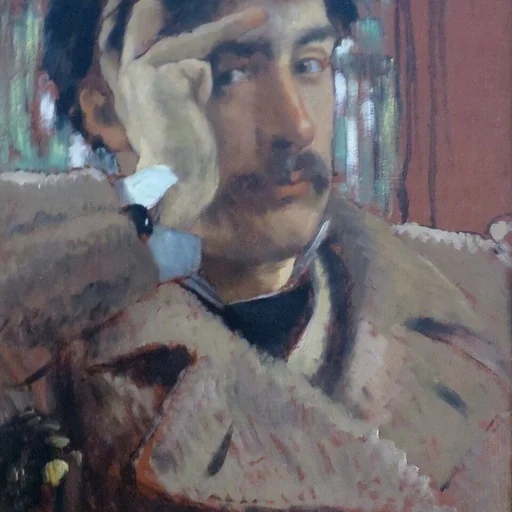
Jacques Joseph Tissot (French: ; 15 October 1836 – 8 August 1902), better known as James Tissot (UK: TISS-oh, US: tee-SOH), was a French painter, illustrator, and caricaturist.


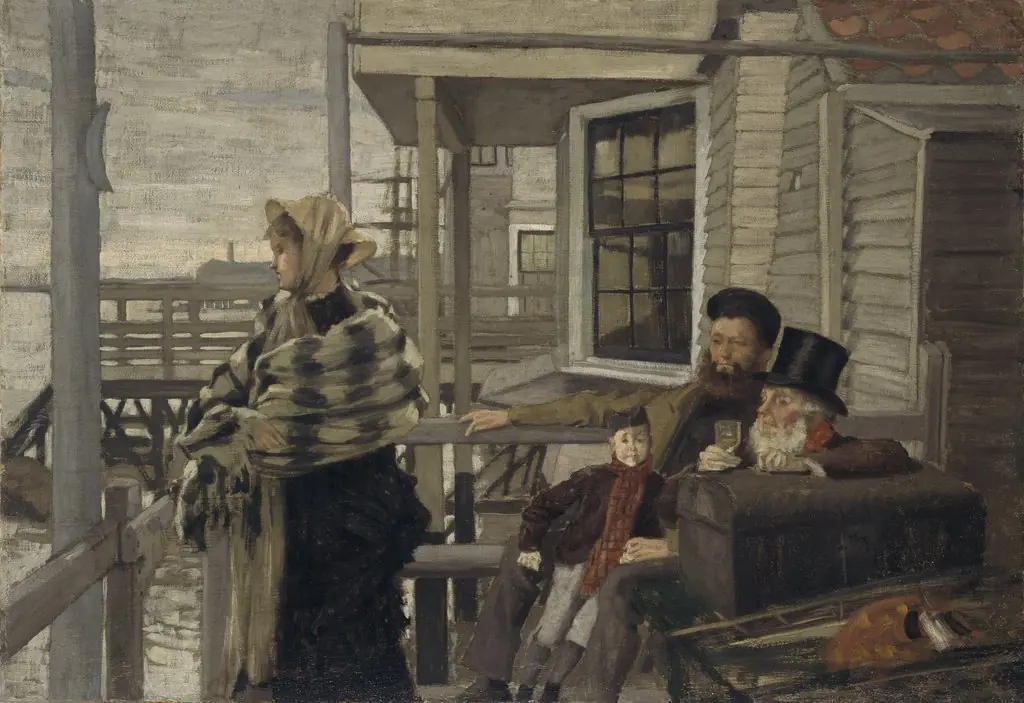
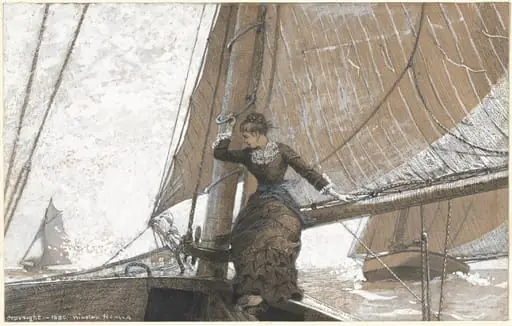 Yachting Girl
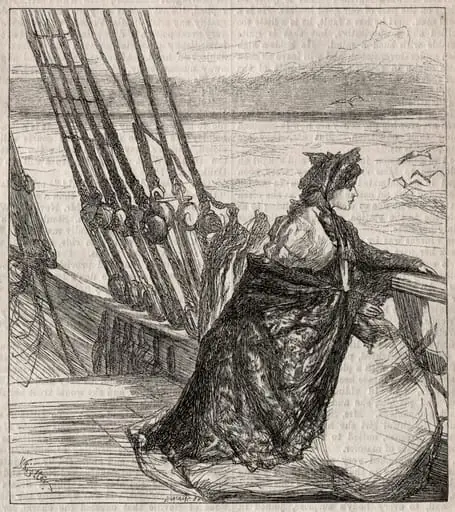 The Major's Daughter: Clara Vinrace's Farewell to her Father
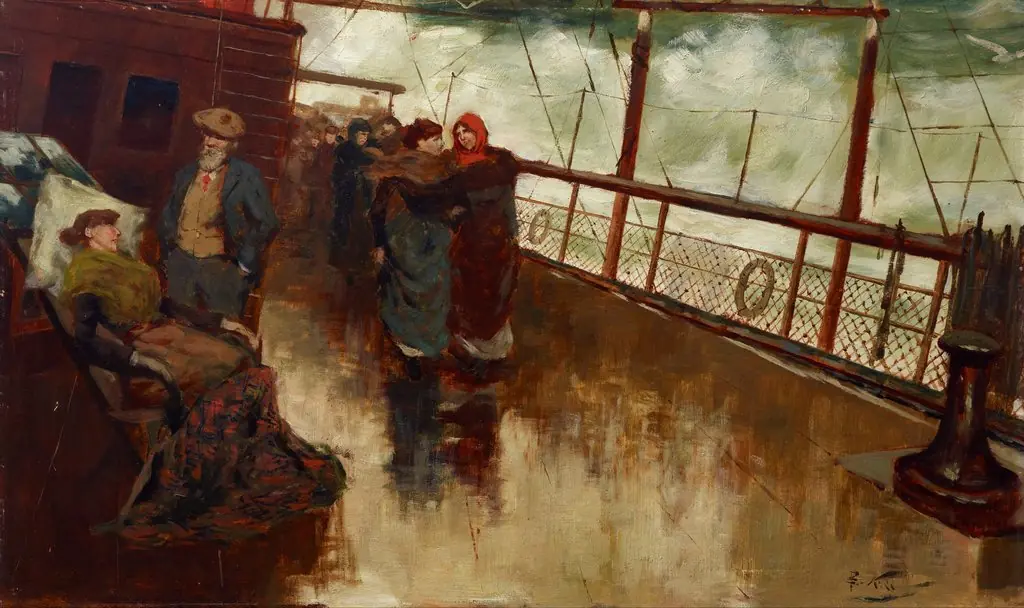 The voyagers
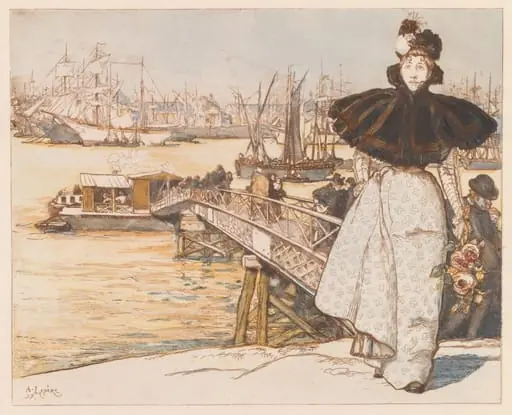 Pier on the Garonne, Bordeaux (Embarcadère sur la Garonne, Bordeaux)
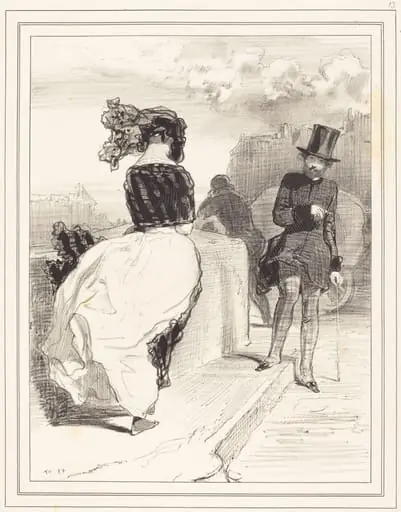 "Une de ces mines pudibones"
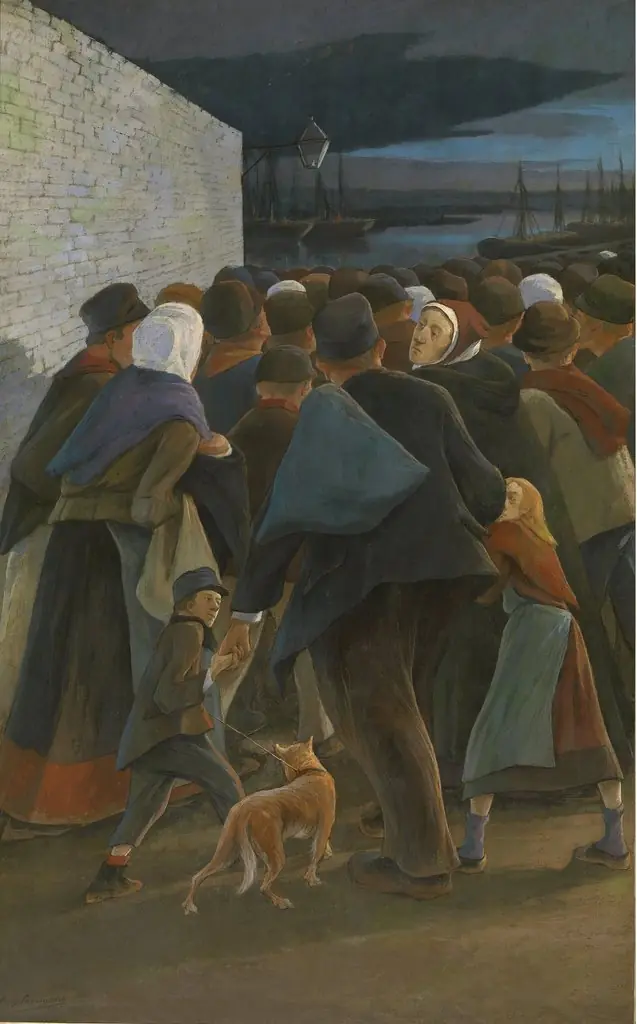 Emigrants - To the port.
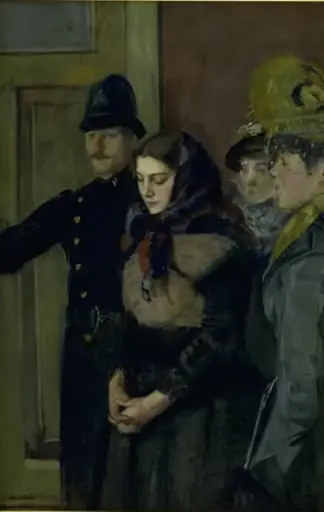 Albertine
 With Pride Upon Her Brow
 The Living Stream at London Bridge - On the Bridge
 October
 Portrait of Dolors Vidal
 Égalité