Artwork
Carnavalsgasten
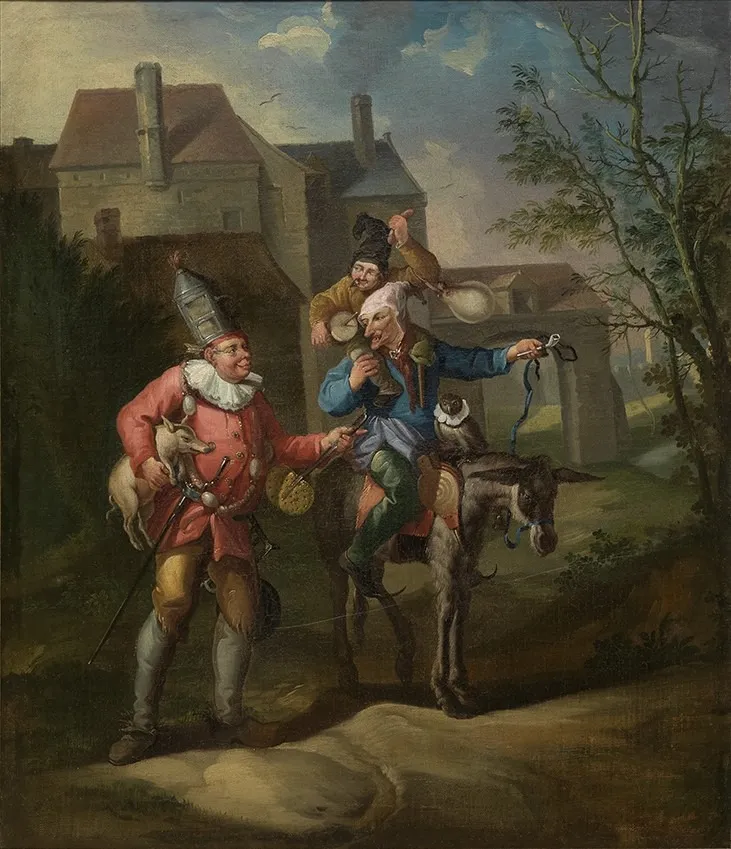
Carnavalsgasten is an oil painting by the Rococo painting artist Jan Anton Garemyn. It dates from 1712 and is held in the collection of the Groeningemuseum.
About this work
Overview
He was active as both a practitioner and educator, later directing the Bruges academy and helping to reinvigorate local artistic training.
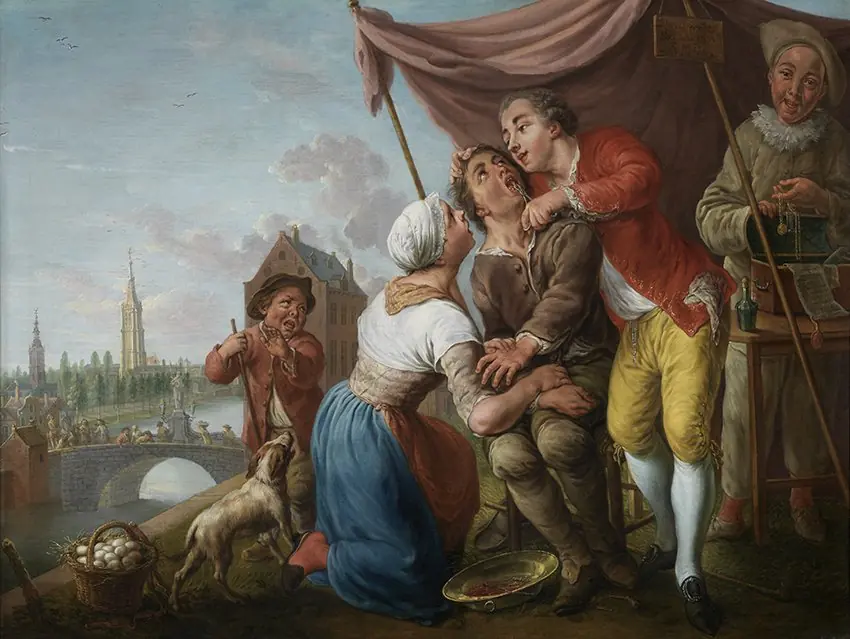
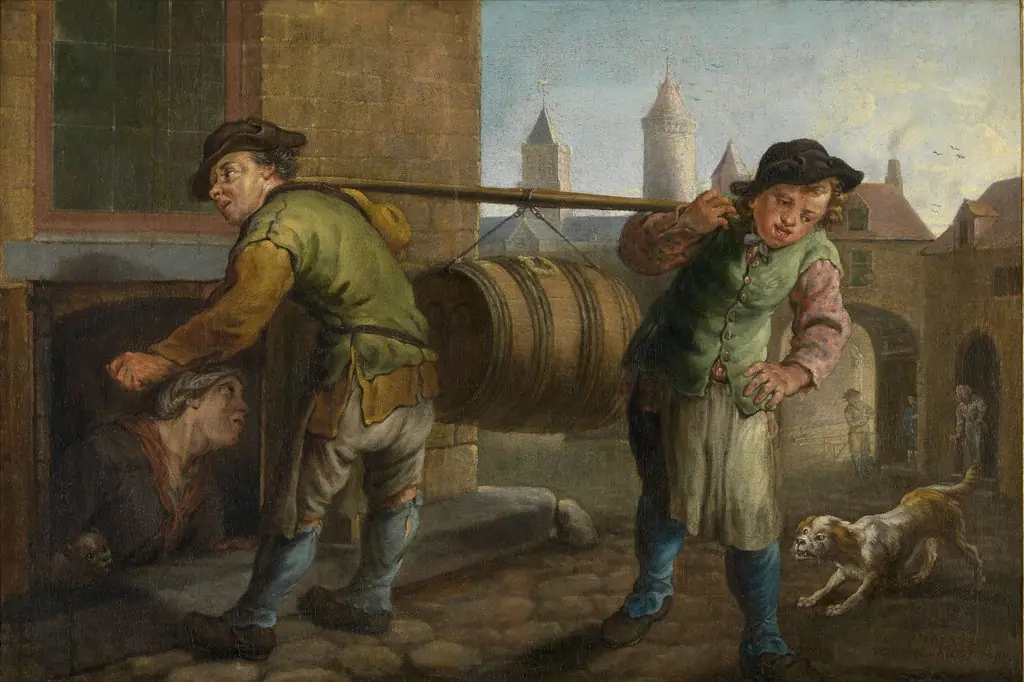
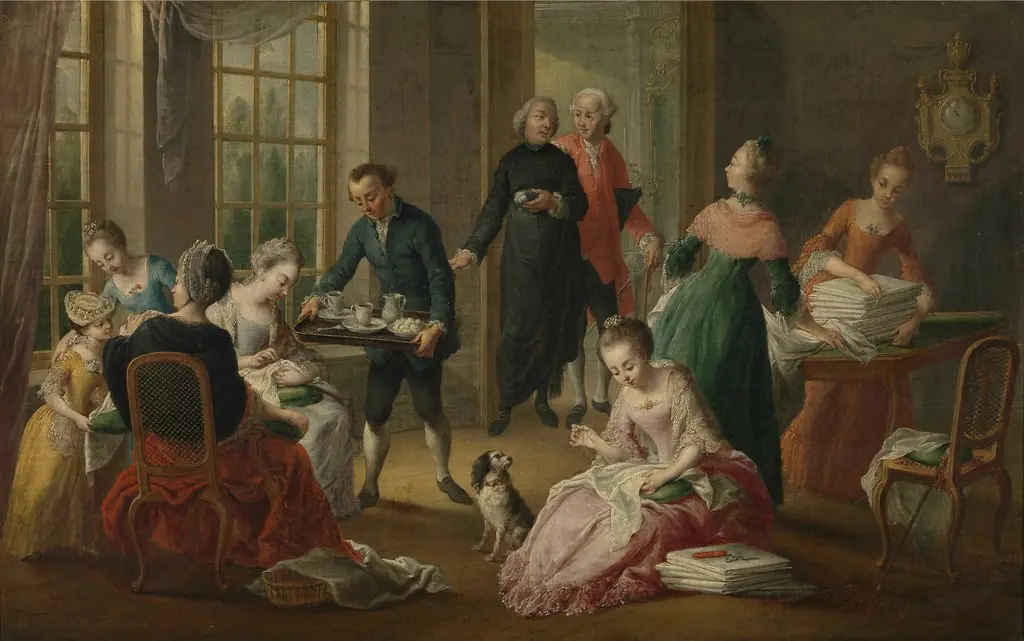
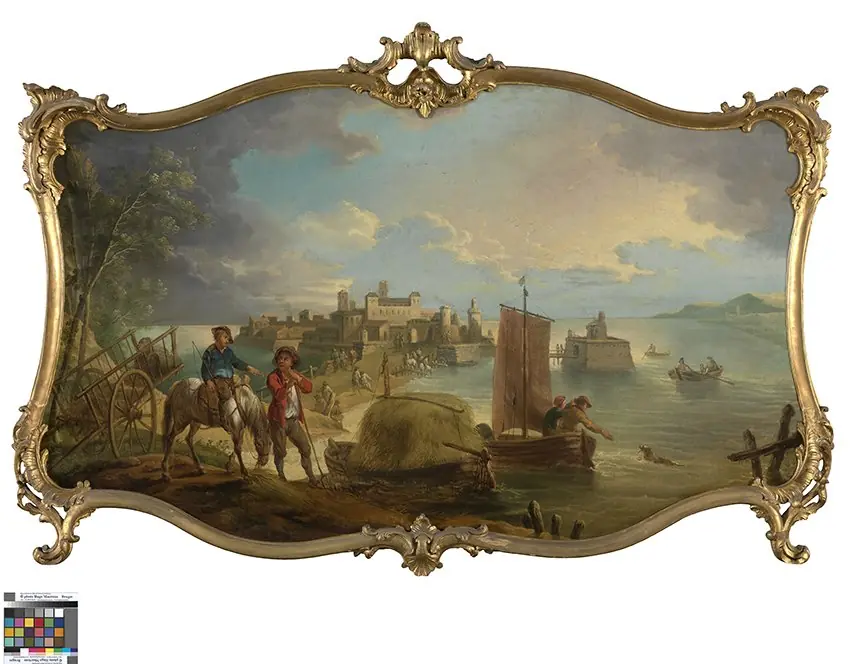
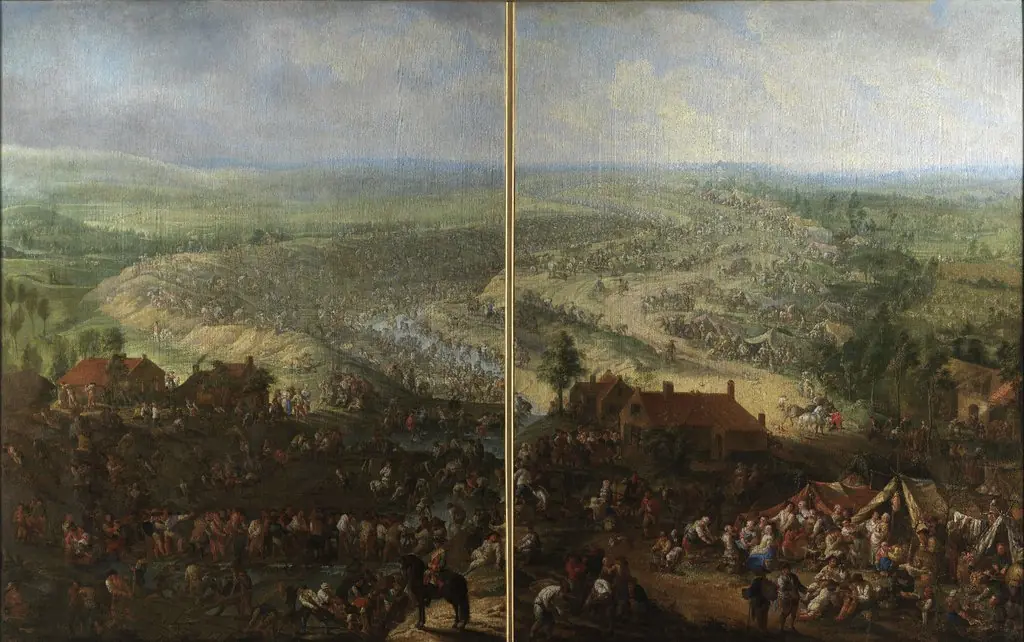
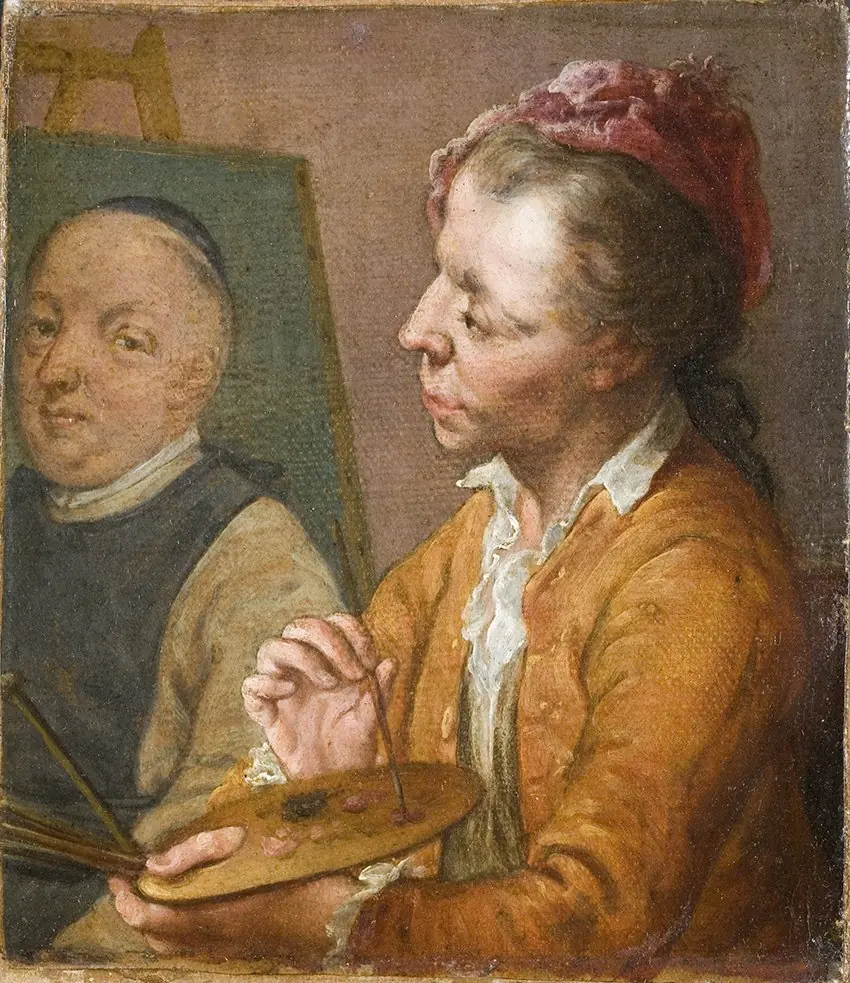
Jan Anton Garemyn, a Flemish artist born in Bruges in 1712, painted *Carnavalsgasten* in oil during the Rococo era. He was active as both a practitioner and educator, later directing the Bruges academy and helping to reinvigorate local artistic training. This work reflects his interest in scenes of communal festivity, rendered with attention to costume, gesture, and atmospheric detail rather than grand narrative.
Subject & Meaning
The painting captures a moment from Carnival, a pre-Lenten celebration marked by inversion and revelry. Three men, each dressed in distinctive colors, interact with a donkey and objects like a pig, jug, drum, and sword—symbols of merriment and disorder. An owl perched near a house and the rural setting suggest a blend of folk tradition and symbolic whimsy, common in regional festive imagery of the time.
Technique & Style
Garemyn employs a bright, varied palette and loose brushwork to convey movement and texture. The figures are arranged diagonally across the canvas, guiding the eye from the red-coated man on the left to the donkey and the drummer in the rear. Softly modeled forms and muted background tones ground the scene in realism while preserving its playful tone, characteristic of Flemish genre painting in the mid-18th century.
History & Provenance
The painting has remained in institutional care since at least the 19th century and is now part of the Groeningemuseum’s collection in Bruges. Its preservation reflects the museum’s focus on regional art from the medieval to modern periods. No significant alterations or documented restorations are recorded, suggesting it has been maintained in stable condition since its creation.
Context
In early 18th-century Flanders, Carnival was a deeply rooted tradition, often depicted in art as a space for social satire and temporary liberation. Garemyn’s work aligns with a broader trend among Flemish painters who turned away from religious themes toward scenes of local customs. His role as an educator helped sustain this genre’s visibility in a region transitioning between Baroque and emerging Neoclassical tastes.
Legacy
While Garemyn is not widely known beyond regional art history, *Carnavalsgasten* stands as a representative example of Flemish genre painting from the Rococo period. It contributes to the understanding of how everyday rituals were preserved visually in a time of cultural change. The work continues to inform scholarly interest in provincial artistic practices and the transmission of folk traditions through visual media.
Artist & collection
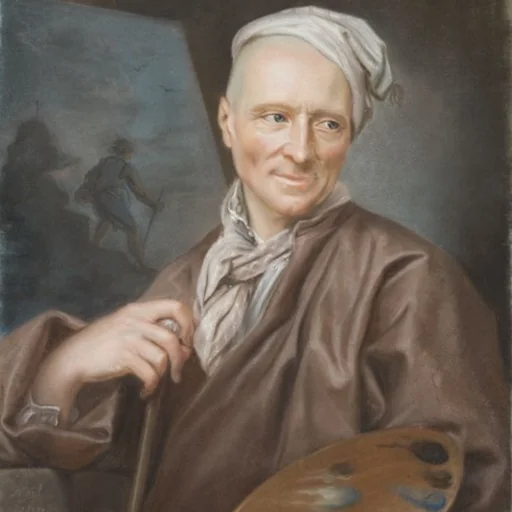
Artist
Jan Anton Garemijn or Jan Anton Garemyn (15 April 1712, Bruges – 23 June 1799, Bruges) was a Flemish painter and engraver and draftsman.