Artwork
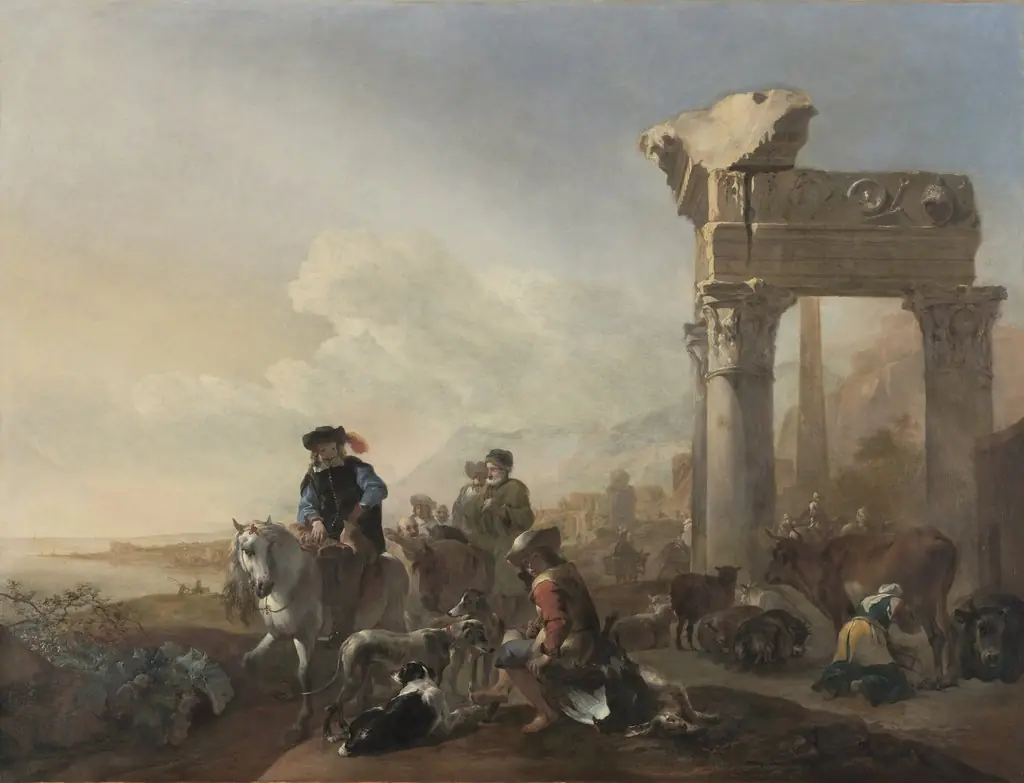
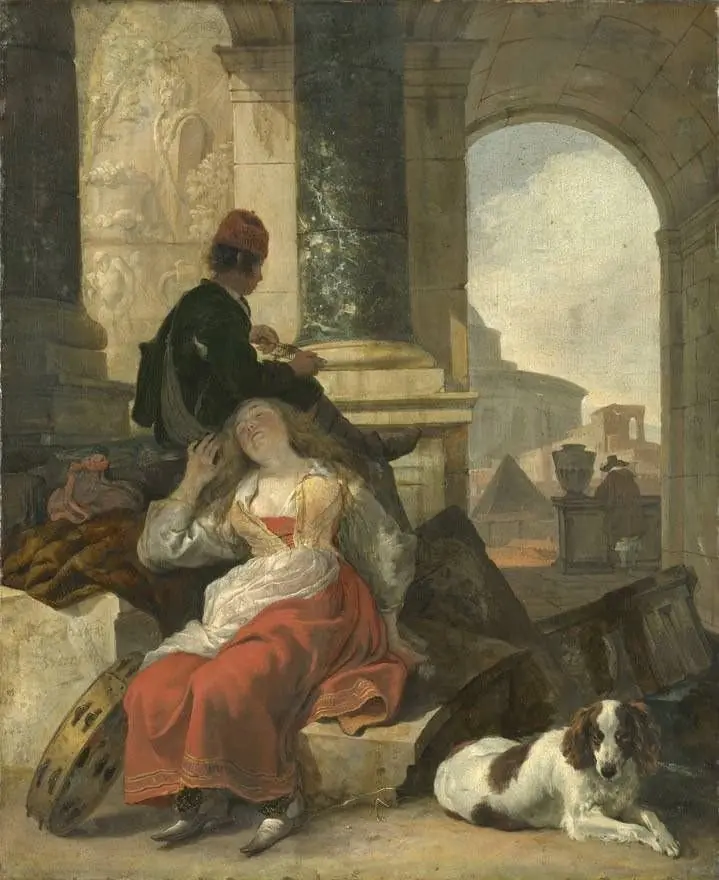
Italian Peasants among Ruins
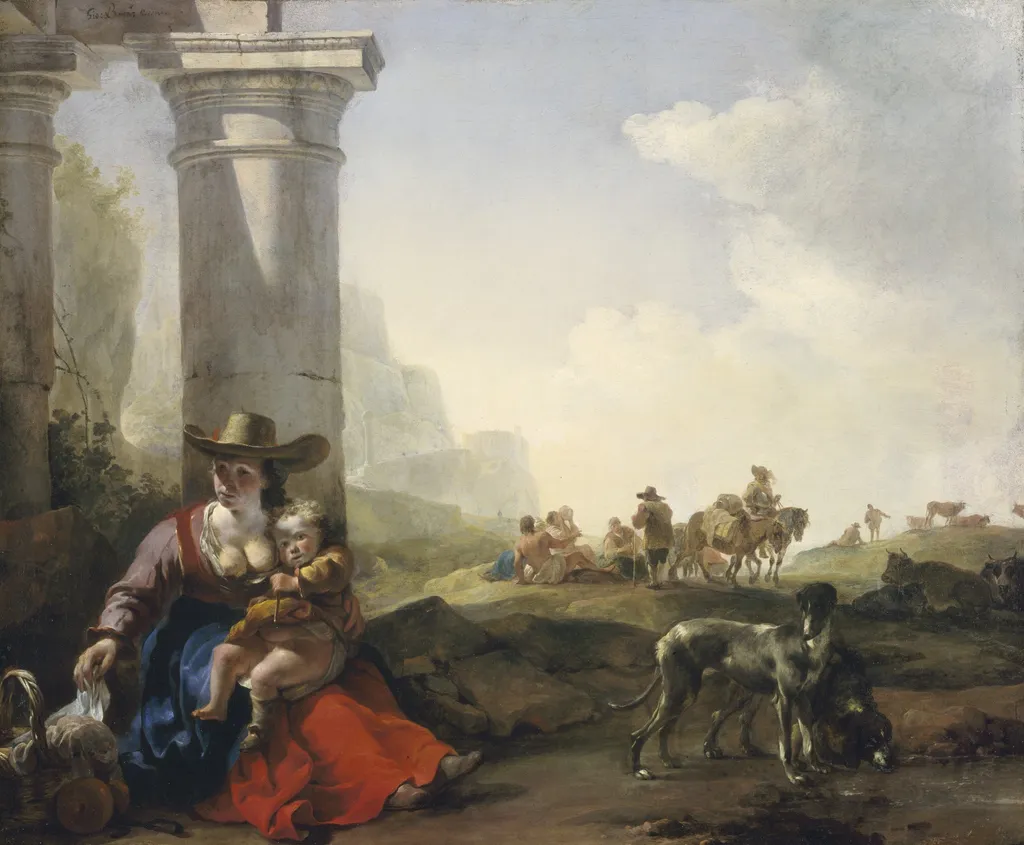
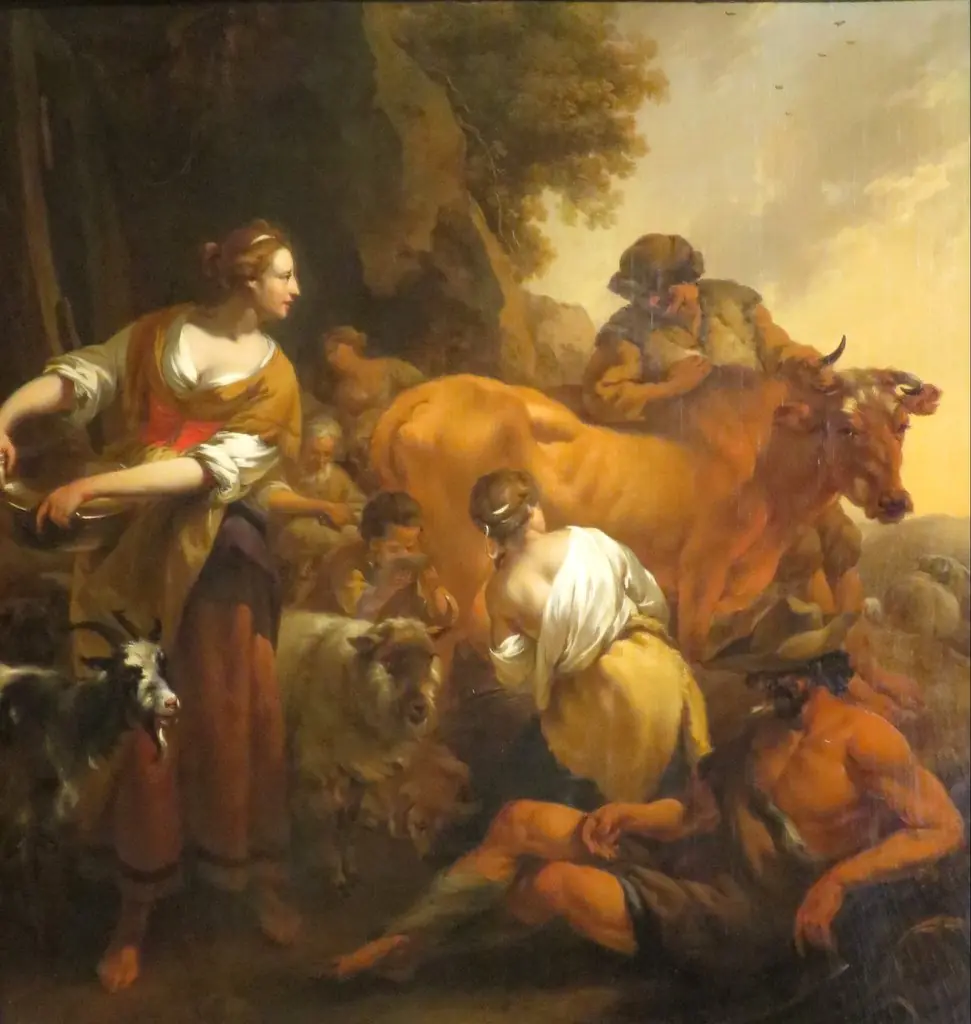
Italian Peasants among Ruins is an oil painting by the Dutch Golden Age artist Jan Baptist Weenix. It dates from 1650 and is held in the collection of the Detroit Institute of Arts.
About this work
Overview
Painted around 1650 by Dutch artist Jan Baptist Weenix, this oil-on-canvas work presents a landscape scene set in an idealized Italian countryside.
Painted around 1650 by Dutch artist Jan Baptist Weenix, this oil-on-canvas work presents a landscape scene set in an idealized Italian countryside. It belongs to the Dutch Golden Age tradition, where artists often depicted foreign vistas through a lens of romanticized realism. The composition centers on rural life amid classical ruins, a motif Weenix frequently explored, blending Northern European attention to detail with southern architectural remnants.
Subject & Meaning
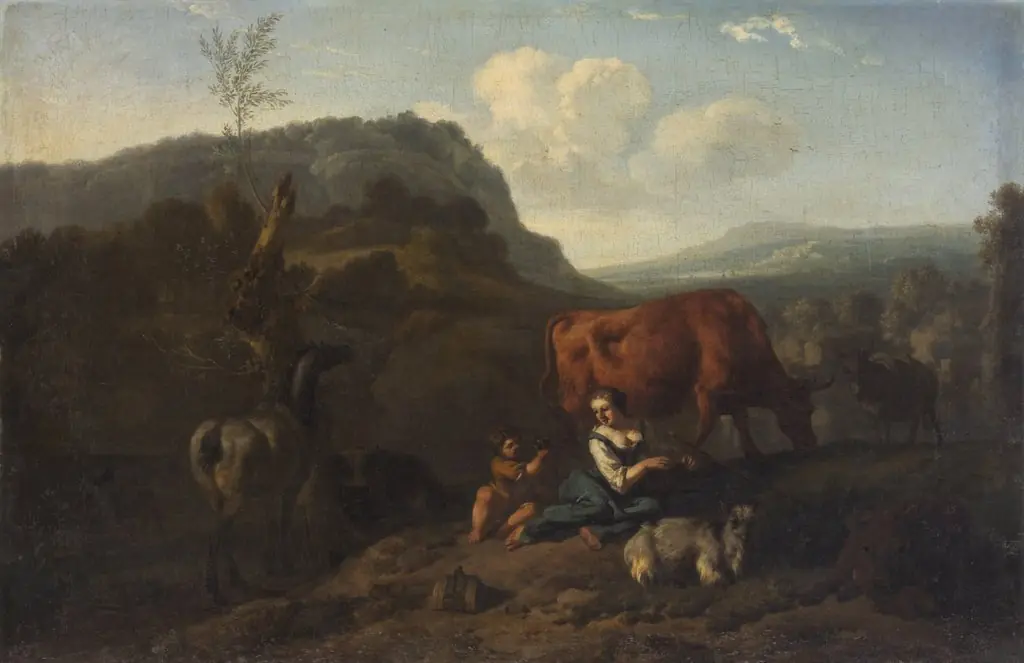
The painting portrays peasants engaged in quiet, everyday tasks—breastfeeding, tending livestock, resting—amid crumbling stone structures. The absence of grand narrative or mythological reference shifts focus to the dignity of labor and the quiet persistence of life. The ruins, though ancient, serve not as symbols of decline but as a natural backdrop to human routine, suggesting continuity between past and present.
Technique & Style
Weenix employed soft, naturalistic lighting to model forms and create spatial depth, with warm earth tones anchoring the foreground and cooler hues receding into the distance. Brushwork is precise yet unobtrusive, capturing textures of fabric, stone, and foliage without overt theatricality. The figures are rendered with careful attention to posture and gesture, reinforcing the scene’s calm authenticity without idealization.
History & Provenance
The painting entered the collection of the Detroit Institute of Arts in the 20th century, though its earlier ownership history remains undocumented. It reflects Weenix’s broader output during his mid-career, when he produced numerous Italianate landscapes for Dutch patrons drawn to the romantic allure of the Mediterranean. No records indicate it was commissioned for a specific patron or location.
Context
In mid-17th-century Holland, travel to Italy was rare, so artists like Weenix relied on sketches, prints, and imagination to construct imagined southern landscapes. These works satisfied a market craving for exoticism and antiquity. The inclusion of peasants, rather than nobility or biblical figures, aligns with a growing interest in genre scenes that valued ordinary life over heroic themes.
Legacy
Weenix’s Italianate landscapes influenced later Dutch and Flemish painters who continued to blend local realism with foreign settings. While not widely celebrated today, his work exemplifies how Dutch artists reinterpreted foreign environments through their own visual language. This painting remains a quiet testament to the period’s fascination with the interplay between nature, ruin, and daily endurance.
Own this work as a print
Artist & collection
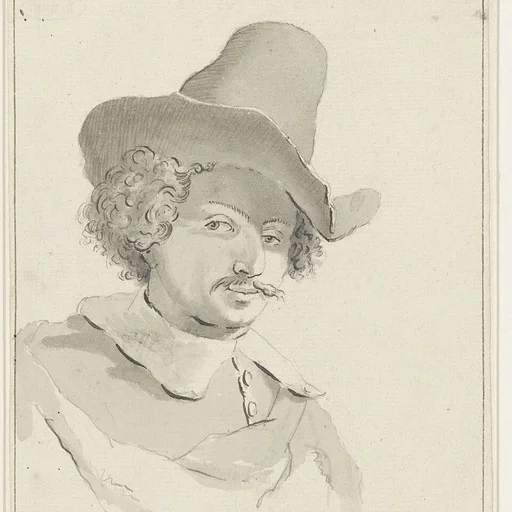
Artist
Jan Baptist Weenix, also spelled Jan Baptiste Weeninx (1621–1659), was a painter of the Dutch Golden Age.