Artwork
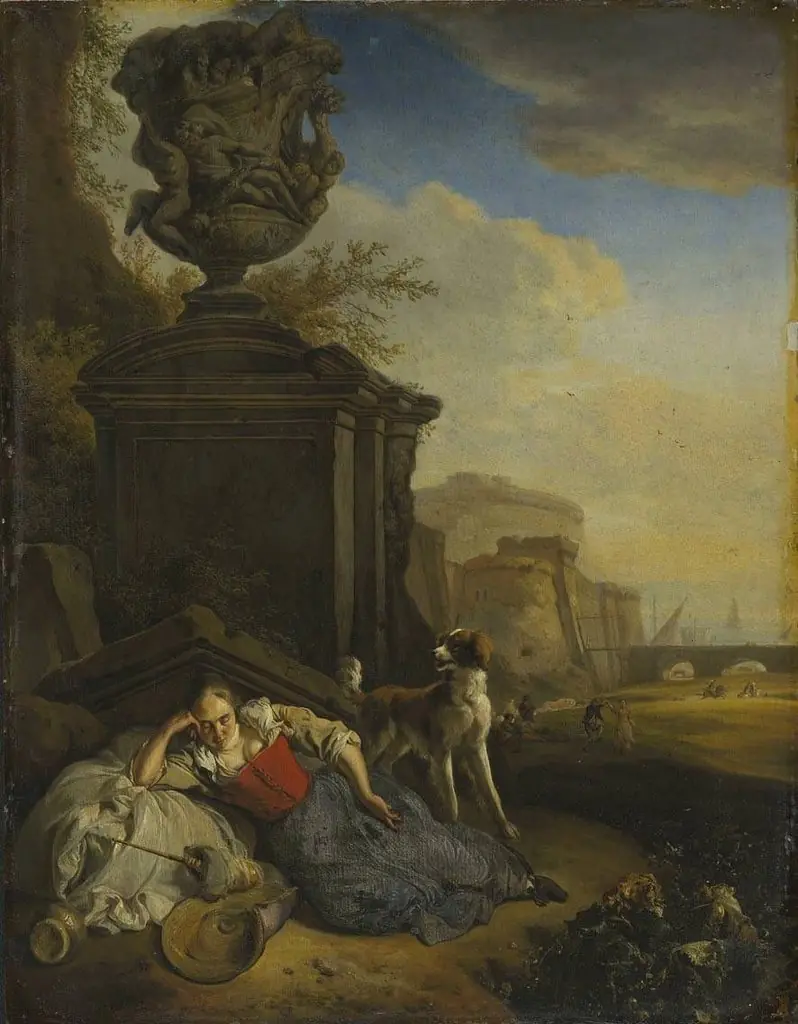
The Sleeping Shepherdess
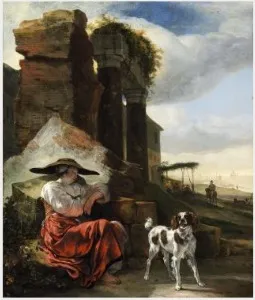
The Sleeping Shepherdess is an oil painting by the Dutch Golden Age artist Jan Baptist Weenix. It dates from 1658 and is held in the collection of the National Gallery of Ireland.
About this work
Overview
It resides in the National Gallery of Ireland, where it stands as a quiet example of Dutch Golden Age genre painting infused with classical serenity.
Painted in 1658 by Jan Baptist Weenix, *The Sleeping Shepherdess* is an oil-on-canvas work that reflects the artist’s shift toward large-scale pastoral figures in his later career. Though Weenix was known for Italianate landscapes and still lifes, this piece centers on a solitary human form within a quiet rural setting. It resides in the National Gallery of Ireland, where it stands as a quiet example of Dutch Golden Age genre painting infused with classical serenity.
Subject & Meaning
The painting depicts a shepherdess asleep against a weathered stone wall, her posture suggesting exhaustion or tranquil repose. Her dog, alert and gazing into the distance, introduces a subtle tension between stillness and vigilance. The scene avoids narrative drama, instead evoking a meditative pause in rural life. The absence of overt symbolism points to an appreciation for everyday solitude, rooted in the pastoral tradition but stripped of idealized myth.
Technique & Style
Weenix employs chiaroscuro to model the shepherdess’s form, lending volume to her clothing and the wall behind her. The cloudy sky and muted tones unify the composition, while the contrast between the red skirt and pale shirt draws attention to the figure without overt drama. Brushwork is controlled yet fluid, particularly in the rendering of fabric and the dog’s fur. The landscape recedes softly, using atmospheric perspective to deepen the sense of quiet space.
History & Provenance
Created in 1658, the painting entered the National Gallery of Ireland’s collection through documented acquisition, though its earlier ownership remains unclear. It was likely painted for a private Dutch or Flemish patron interested in pastoral themes. Unlike Weenix’s more commercial still lifes, this work appears to have been a personal exploration of mood and form, preserved through centuries with minimal alteration.
Context
In mid-17th century the Netherlands, pastoral scenes gained popularity as expressions of domestic tranquility amid urban growth. Weenix, trained in Amsterdam and influenced by Italianate trends, adapted these ideals into figures placed within naturalistic settings. While contemporaries like Rembrandt focused on psychological depth, Weenix favored serene, almost timeless moments—reflecting a broader cultural longing for peace in an era of economic and political change.
Legacy
Though not widely reproduced, *The Sleeping Shepherdess* exemplifies Weenix’s ability to merge genre realism with classical calm. It influenced later Dutch painters interested in quiet rural life, and remains a reference for studies of light and posture in 17th-century figure painting. Its endurance lies not in spectacle, but in its understated presence—a quiet testament to the dignity of rest.
Artist & collection
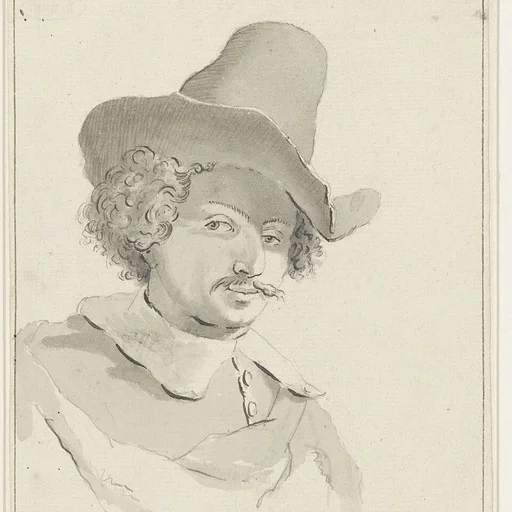
Artist
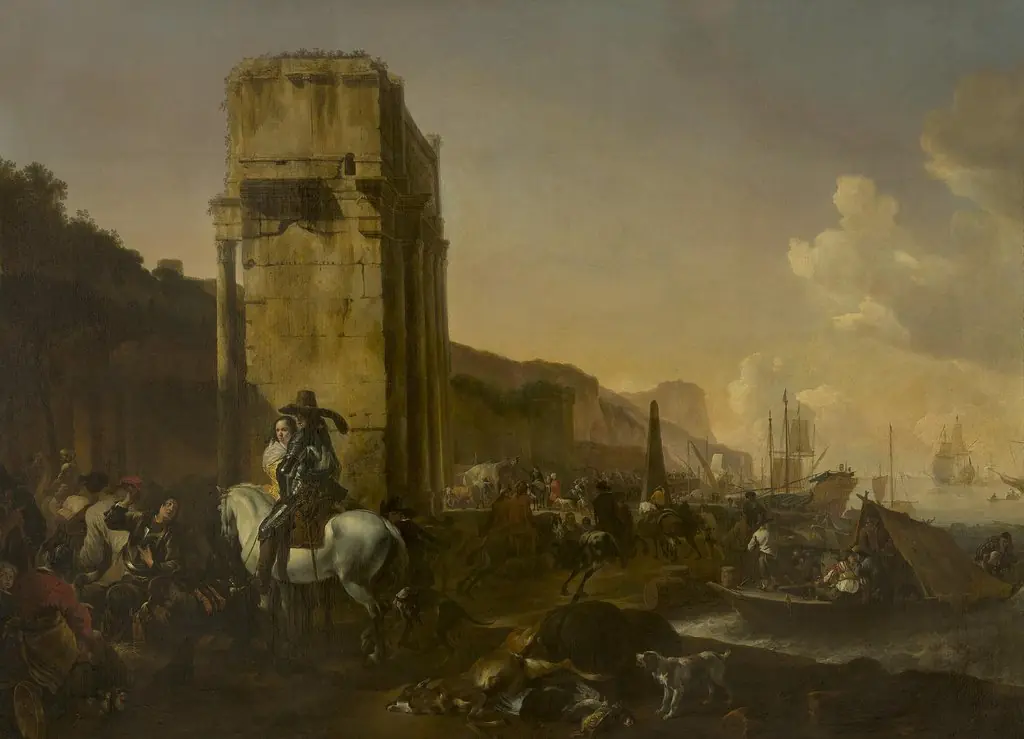
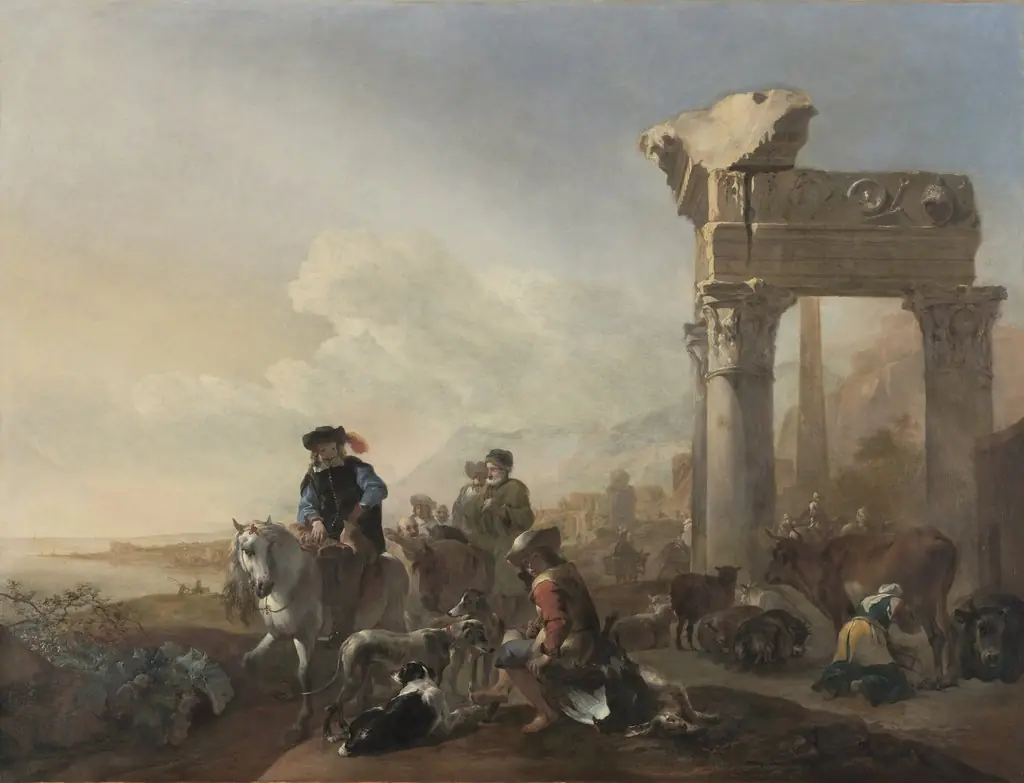
Jan Baptist Weenix, also spelled Jan Baptiste Weeninx (1621–1659), was a painter of the Dutch Golden Age.

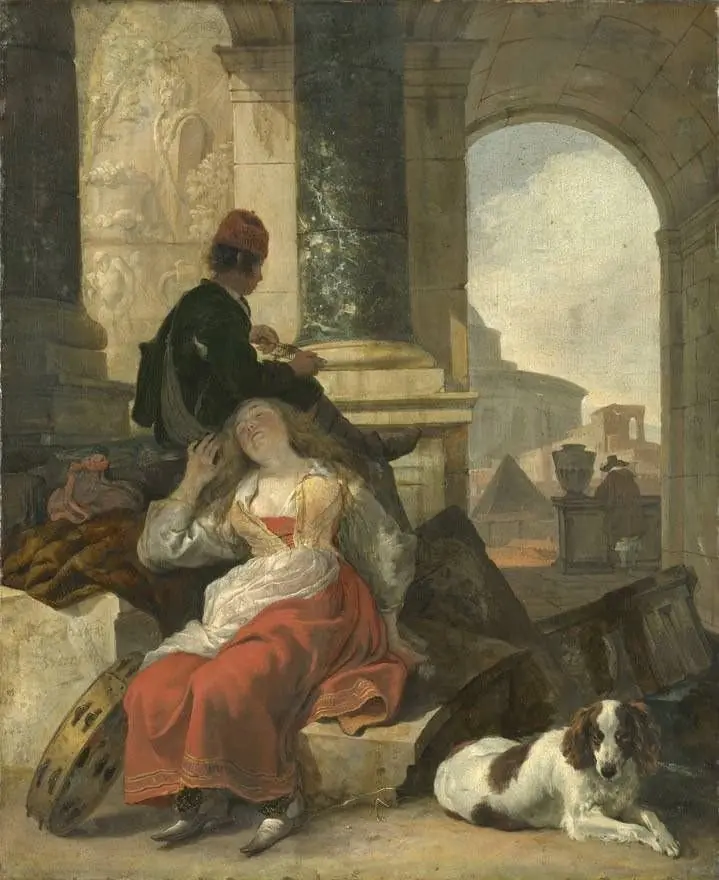
 Sleeping girl
 An Italianate Landscape
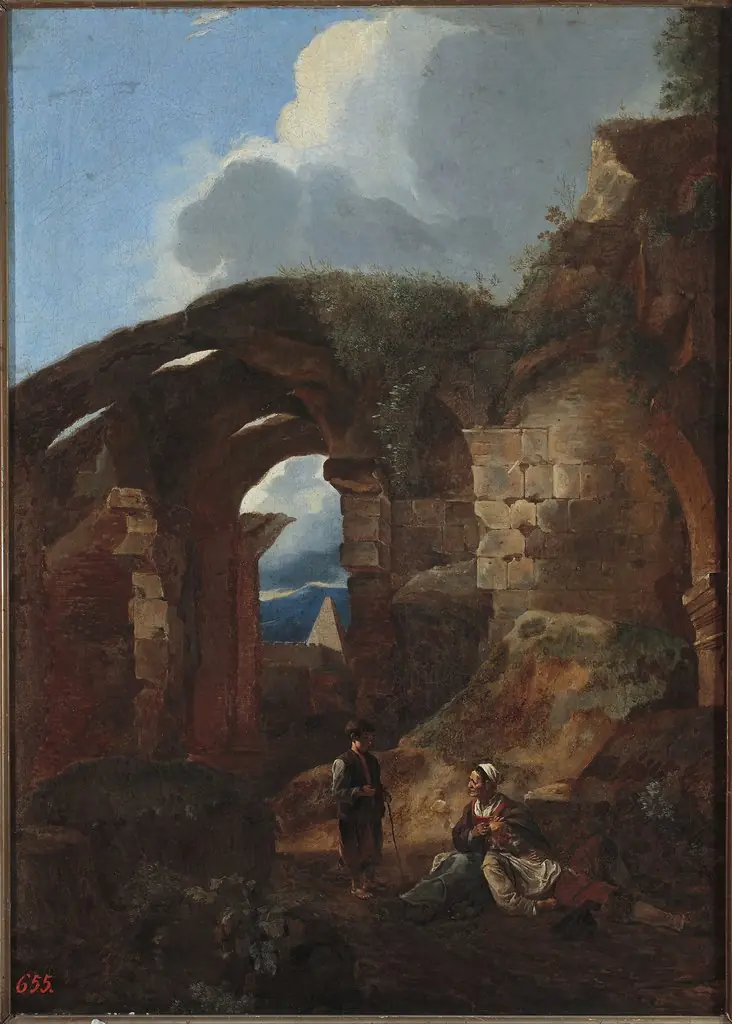 Vagabonds resting in the ruins of the Colosseum
 An Italian Landscape with Muleteers
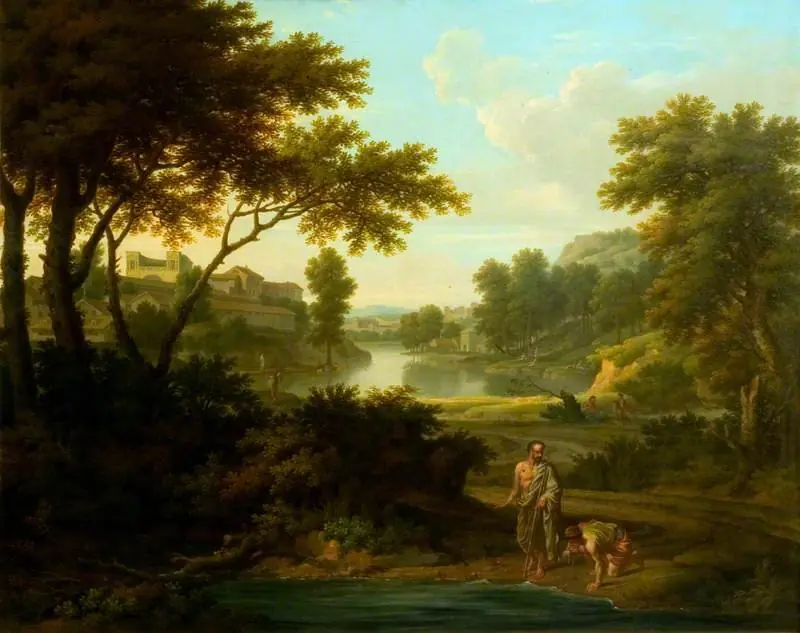 Diogenes Throwing away His Bowl (after Nicolas Poussin)
 In the Campagna
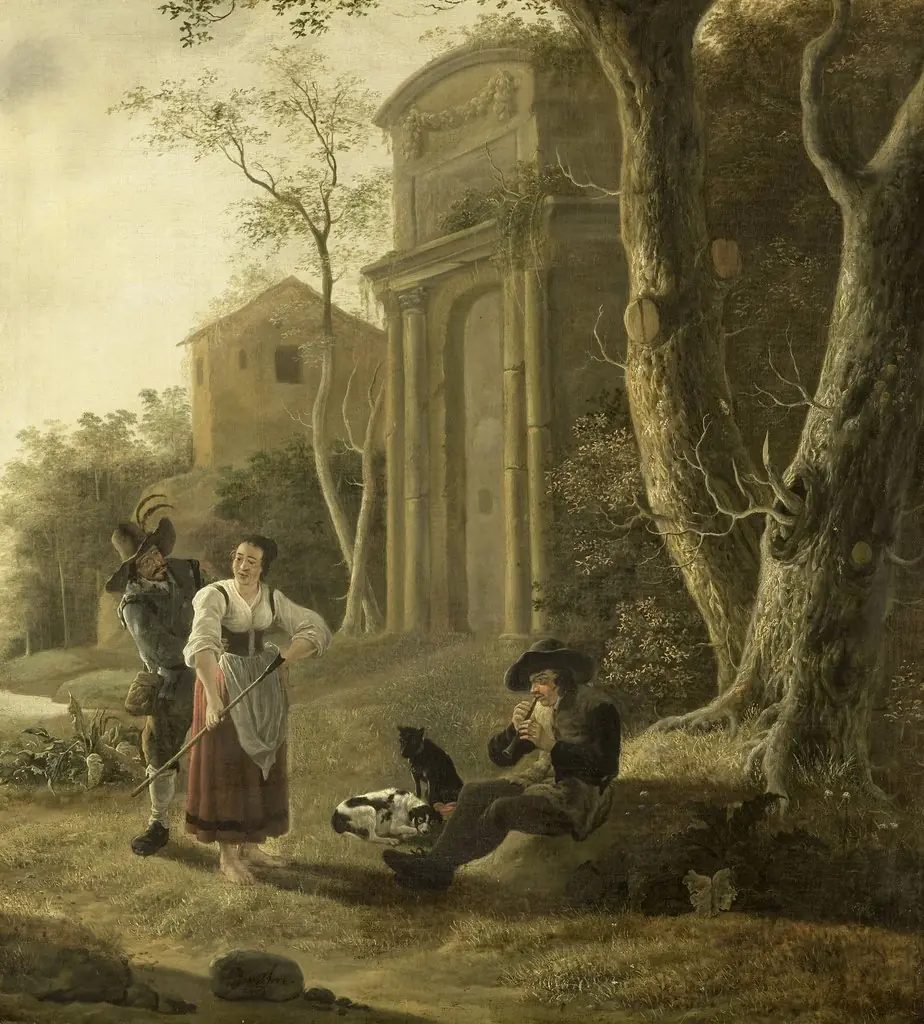 Pastoral scene with a flute player
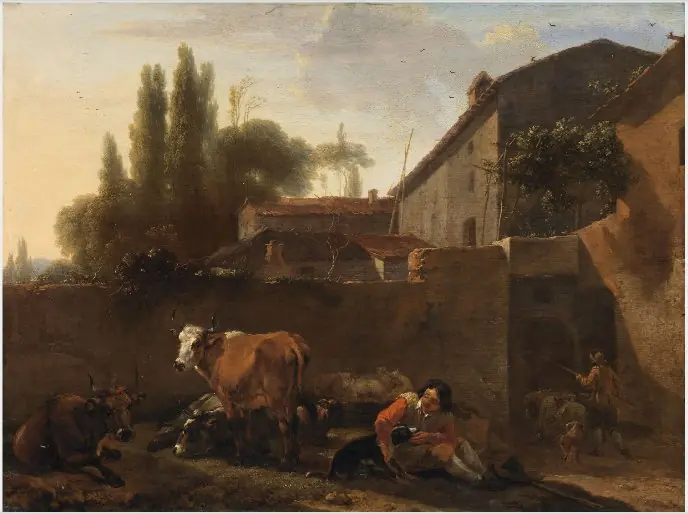 An Italian Farmhouse
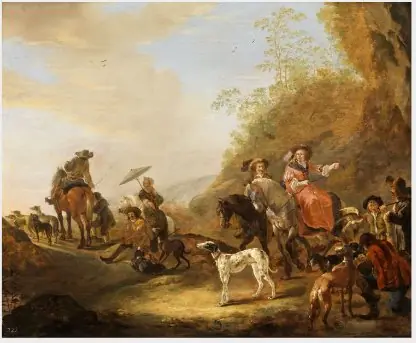 A Hunting Party in a Landscape
 An Italianate Landscape
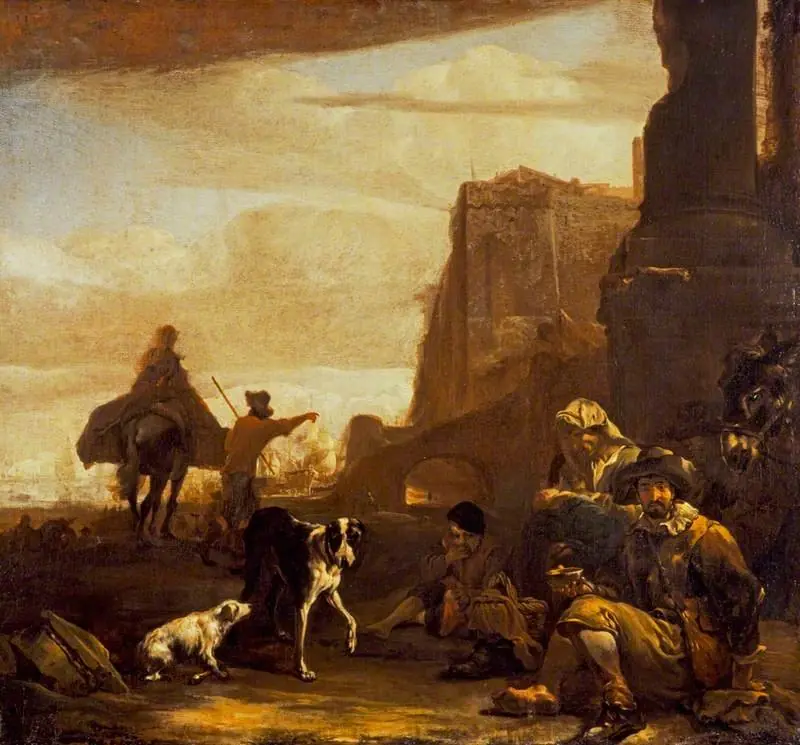 Figures near a Seaport