Artwork
Esther before Ahasuerus
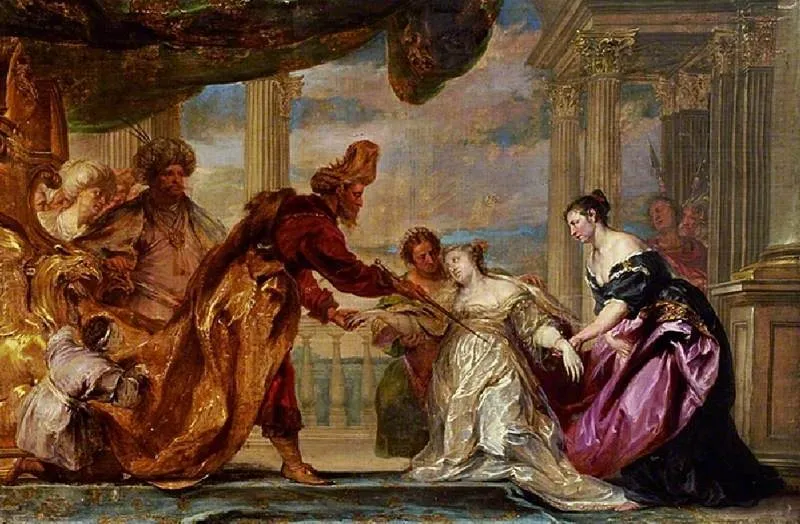
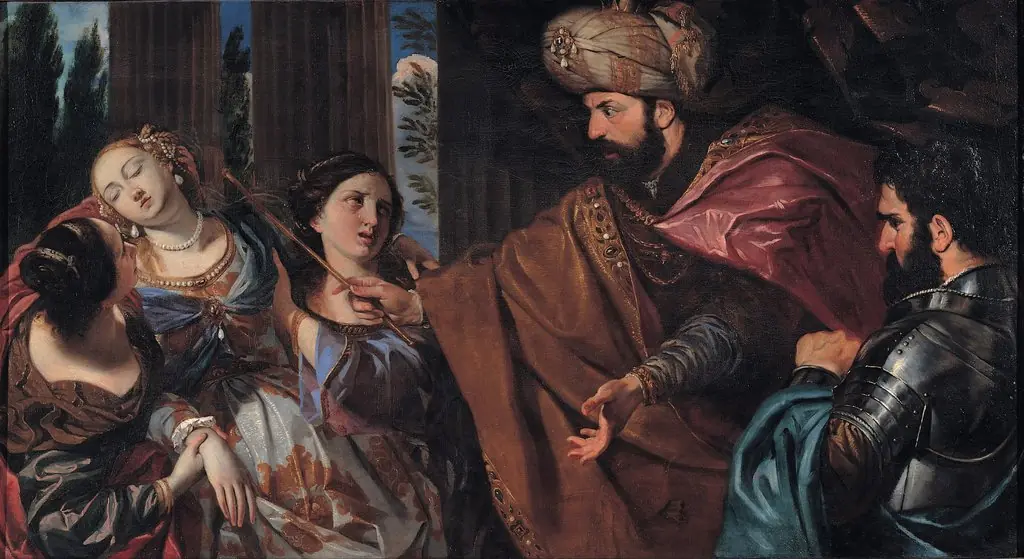
Esther before Ahasuerus is an oil painting by the Flemish Baroque painting artist Jan Boeckhorst. It dates from 1642 and is held in the collection of the Fitzwilliam Museum.
About this work
Overview
Painted around 1642 by Jan Boeckhorst, a German-born artist active in Antwerp, this oil on canvas work illustrates a biblical episode from the Book of Esther.
Painted around 1642 by Jan Boeckhorst, a German-born artist active in Antwerp, this oil on canvas work illustrates a biblical episode from the Book of Esther. Boeckhorst, trained in the Flemish Baroque tradition, specialized in historical and religious subjects. The painting is part of the Fitzwilliam Museum’s collection, where it remains as an example of mid-17th-century narrative painting influenced by leading Antwerp masters.
Subject & Meaning
The scene captures Esther, queen of Persia, approaching King Ahasuerus uninvited—a dangerous act that could result in death. Her white gown symbolizes purity and vulnerability, while the king’s richly colored robes signify authority. The surrounding courtiers, frozen in tension, underscore the gravity of her plea. The moment reflects themes of courage, divine intervention, and the precariousness of power within a royal court.
Technique & Style
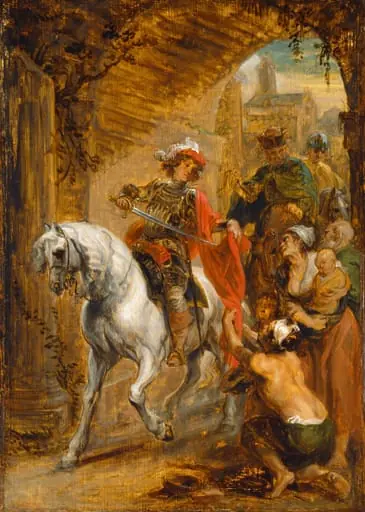
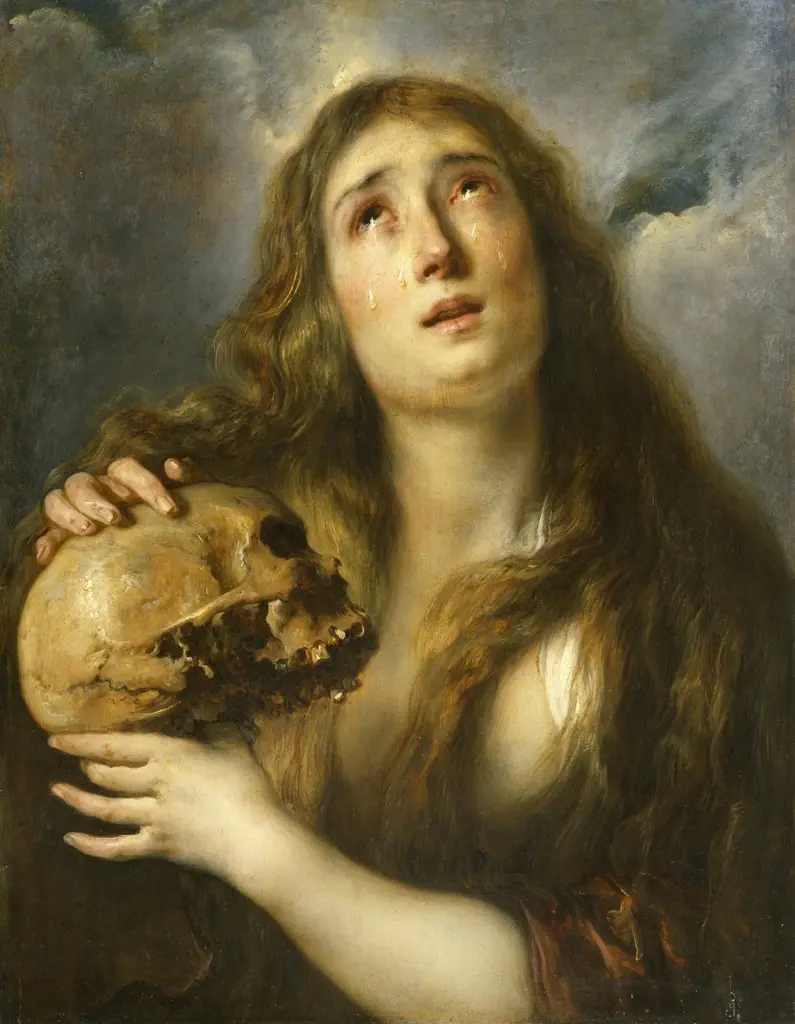
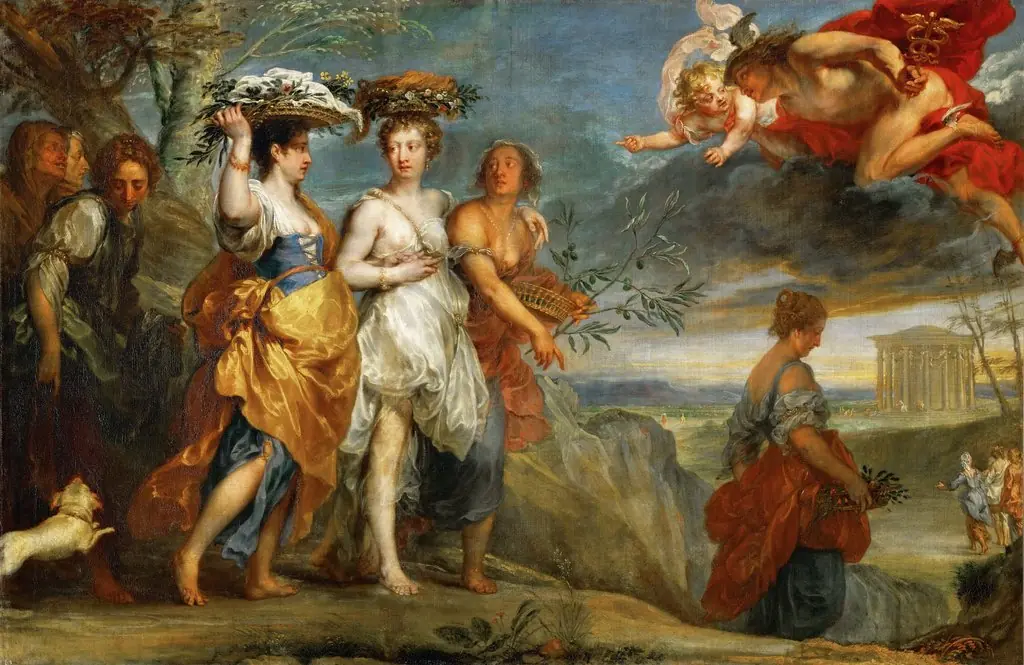
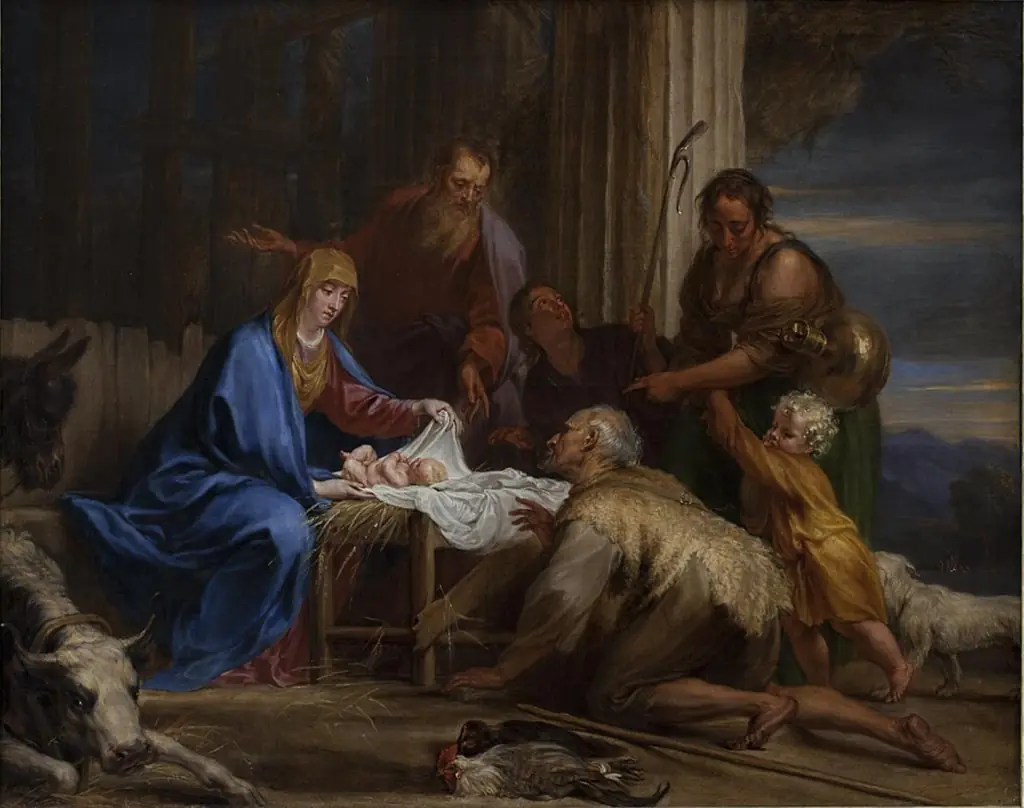
Boeckhorst employs a dynamic interplay of warm and cool tones to draw attention to the central figures. The king’s crimson and gold garments contrast with Esther’s pale silk, heightening emotional focus. Subtle chiaroscuro models the forms, lending volume and drama without overt theatricality. Brushwork is fluid yet controlled, reflecting the influence of Rubens and Jordaens, particularly in the rendering of fabric and gesture.
History & Provenance
The painting was likely commissioned for a private or ecclesiastical patron in Antwerp during the 1640s. It entered the Fitzwilliam Museum’s collection in the 19th century, possibly through a British collector with ties to the Low Countries. Its documented history is limited, but its stylistic consistency with Boeckhorst’s known works supports its attribution and dating to his mature period.
Context
In mid-17th-century Antwerp, religious narratives remained popular despite the Protestant Reformation’s influence. Artists like Boeckhorst catered to Catholic patrons and civic institutions seeking visually compelling biblical stories. The depiction of Esther’s bravery resonated with contemporary ideals of moral fortitude, particularly among women in positions of political influence or peril.
Legacy
Though less widely known than his contemporaries, Boeckhorst’s work contributed to the evolution of Flemish history painting. His synthesis of Rubensian dynamism with restrained emotional expression helped bridge the gap between grand Mannerist compositions and the more intimate narratives favored later in the century. This painting exemplifies his role in sustaining religious subject matter within a changing artistic landscape.
Artist & collection
Artist
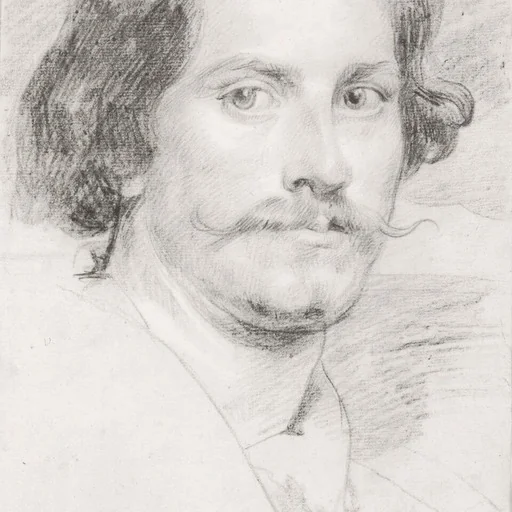
Jan Boeckhorst or Johann Bockhorst (c. 1604 – 21 April 1668) was a German-born Flemish Baroque painter and draughtsman who worked most of his career in Antwerp. He was a versatile artist who produced history paintings,…