Artwork
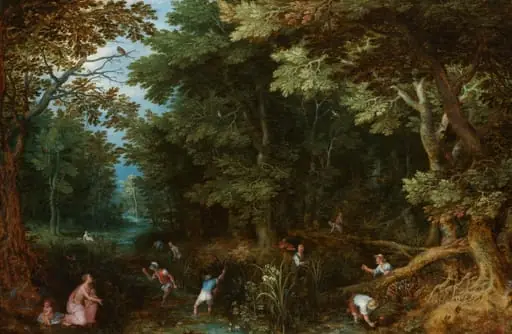
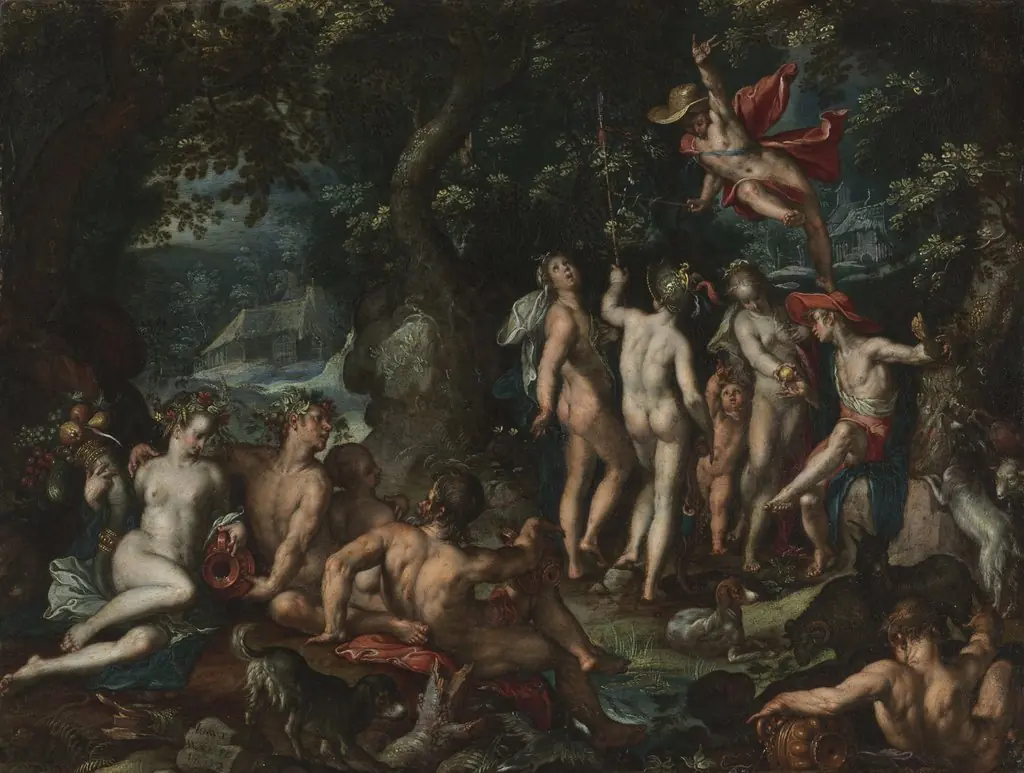
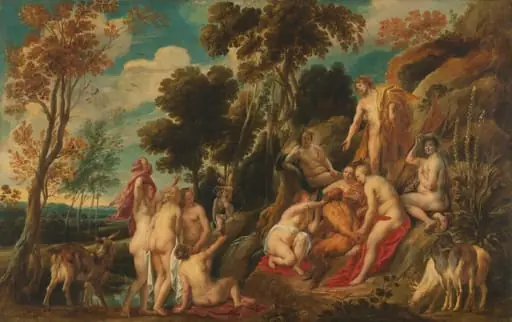
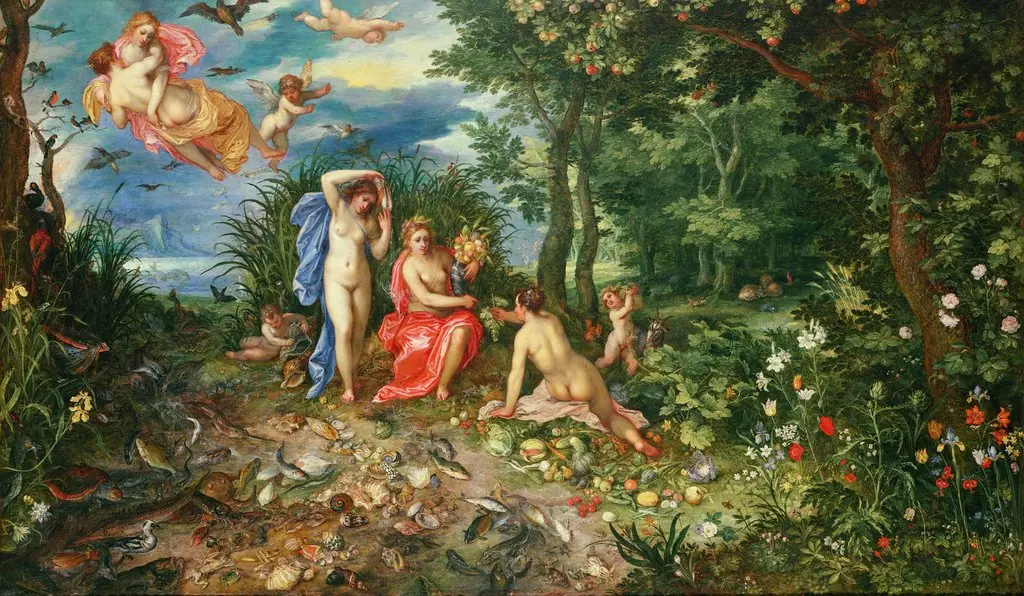
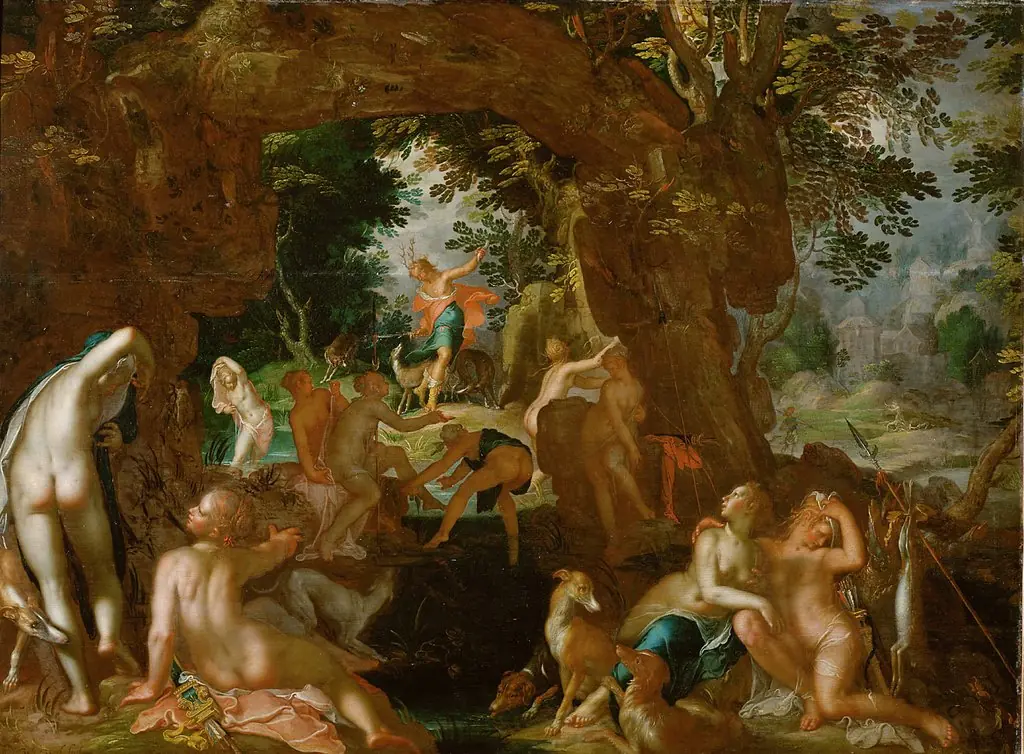
Nymphs bathing
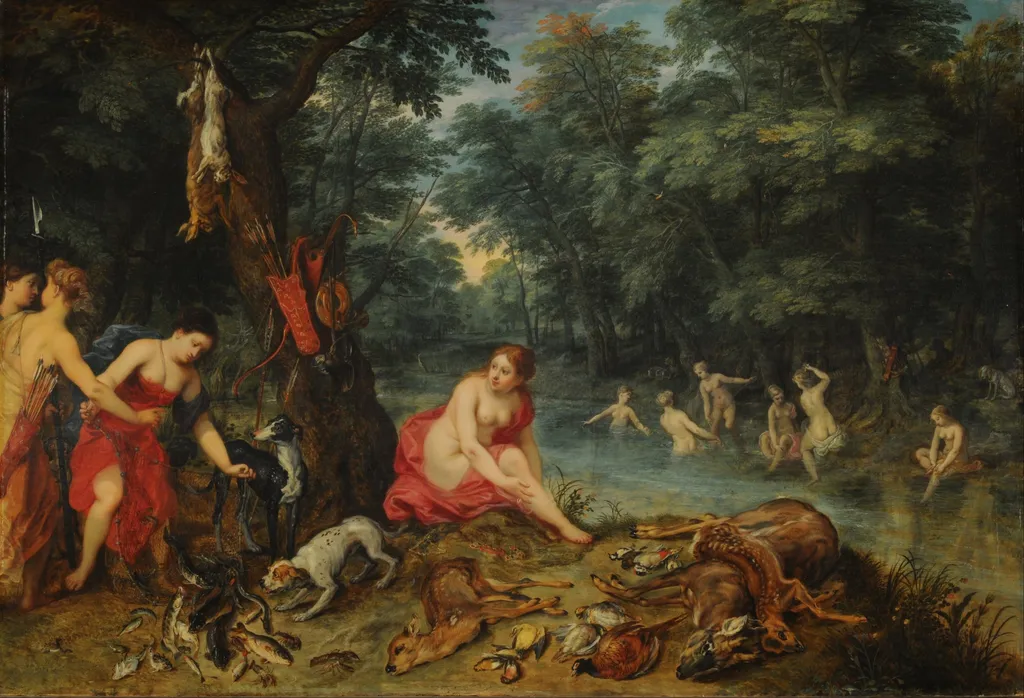
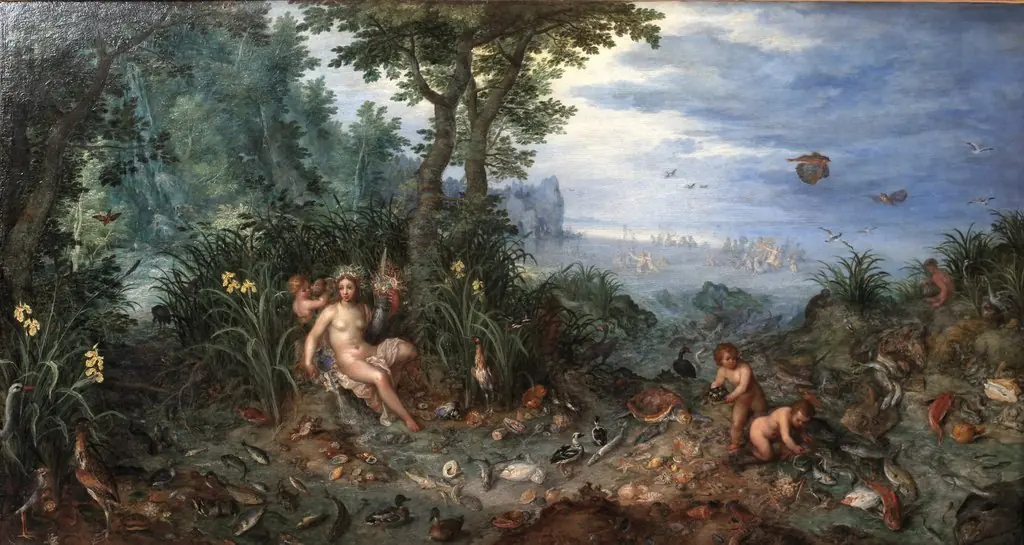
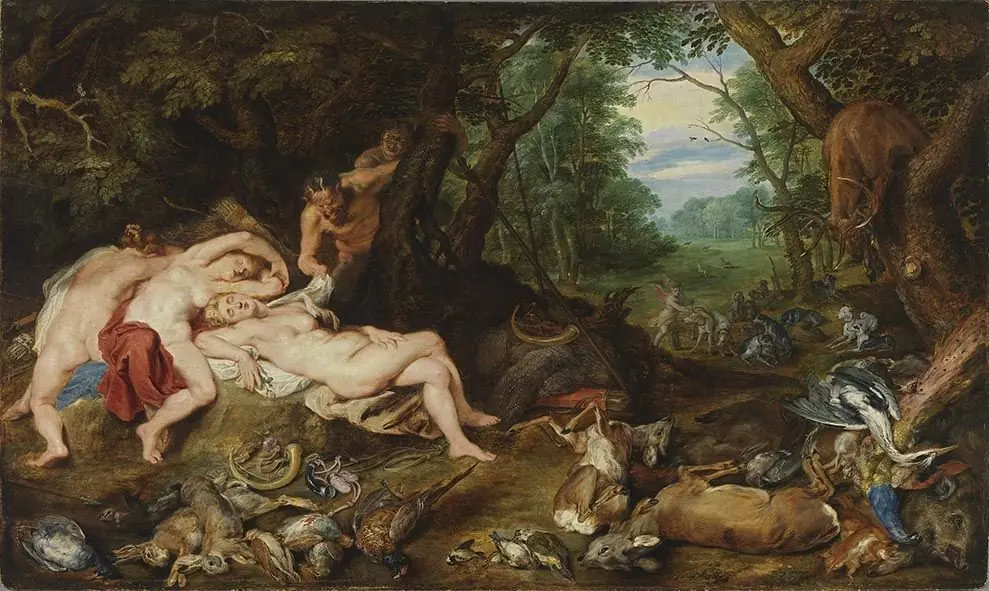
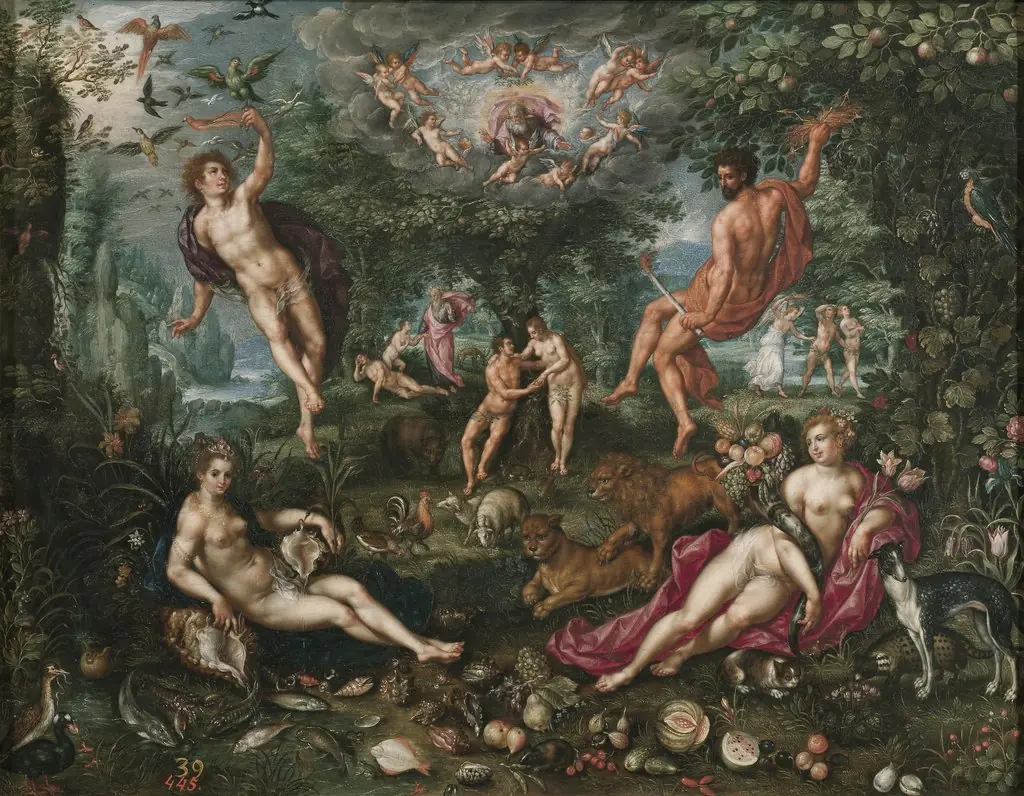
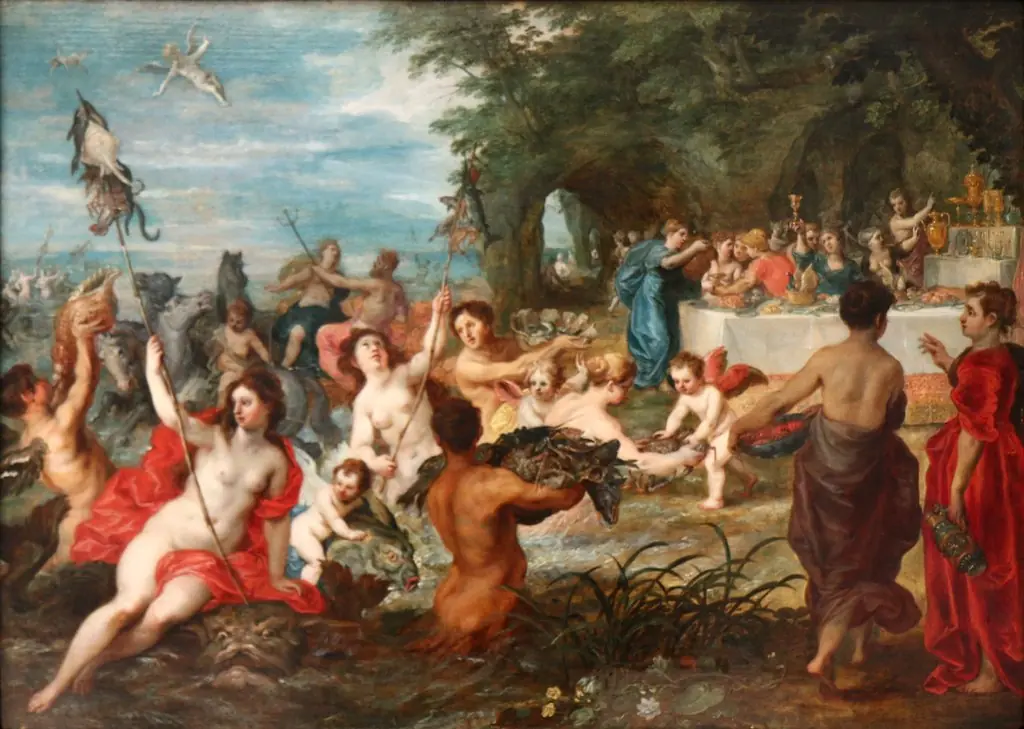
Nymphs bathing is an oil painting by Jan Brueghel, the elder. It is held in the collection of the National Museum of Fine Arts, Argentina.
About this work
Overview
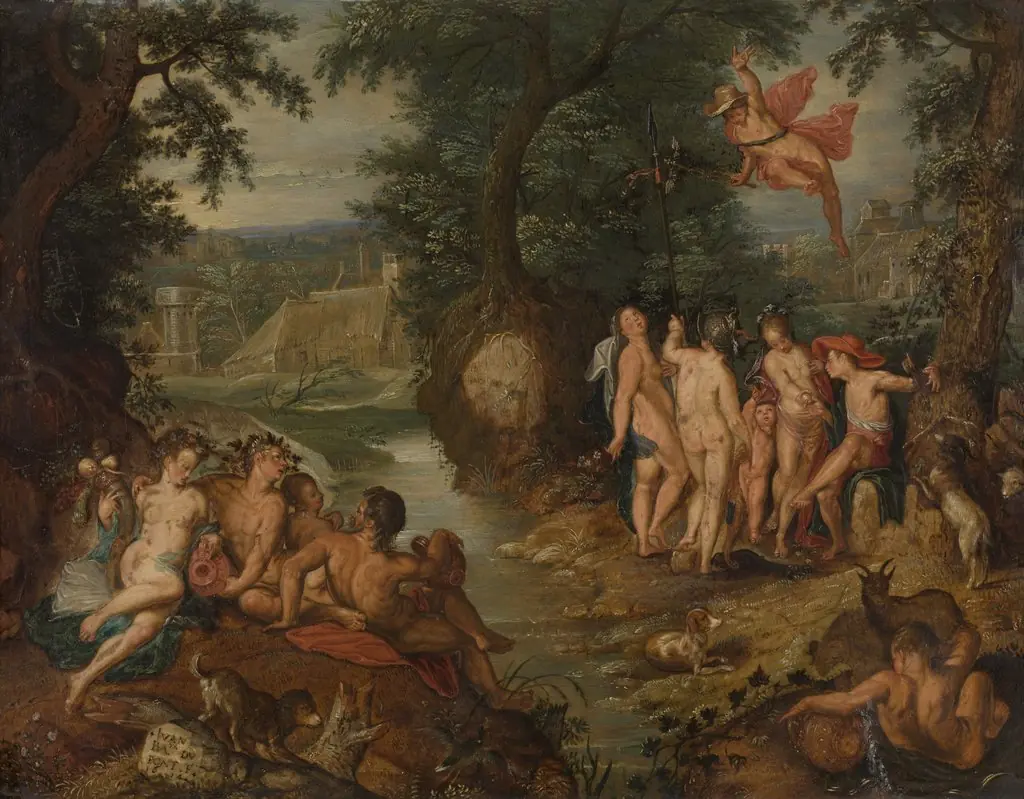
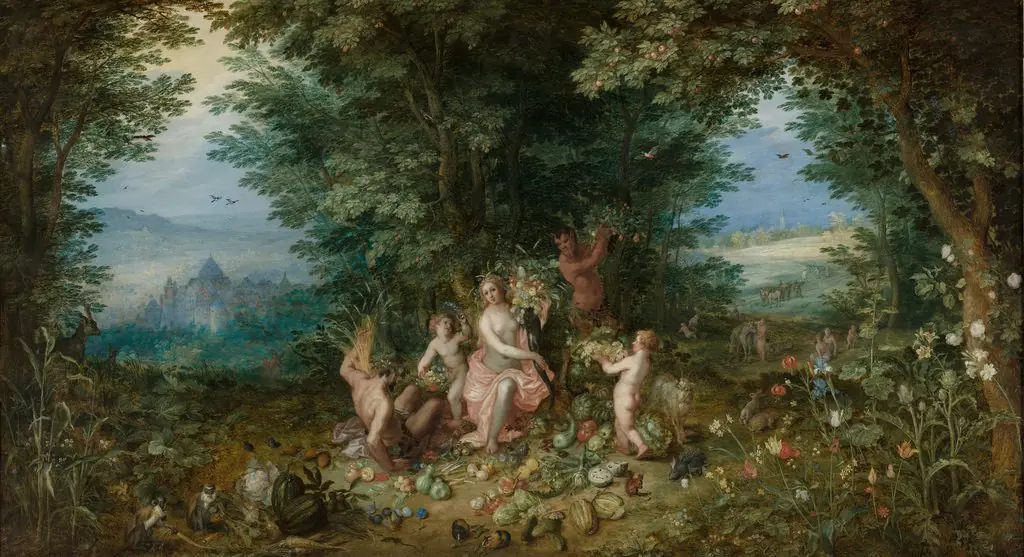
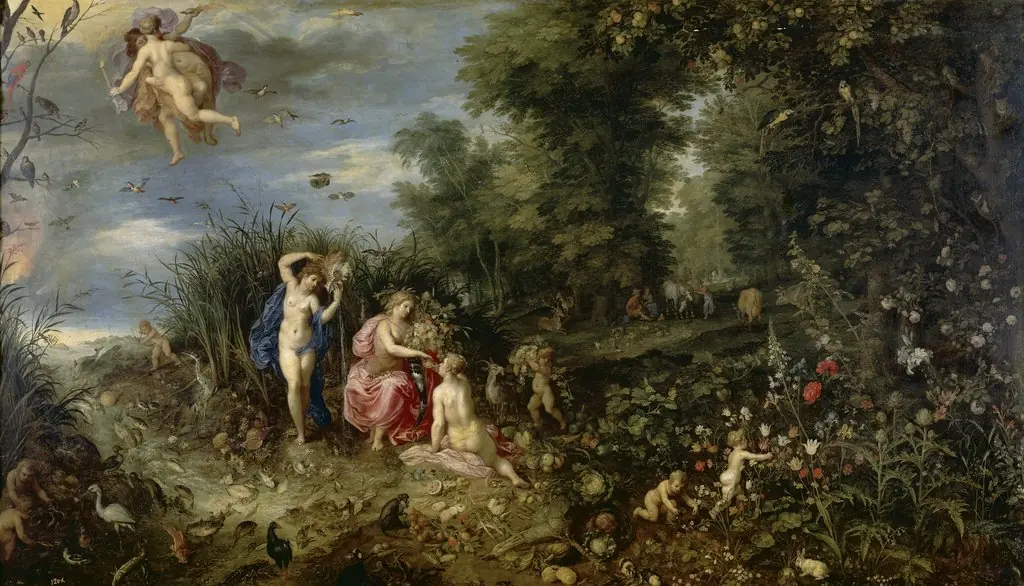
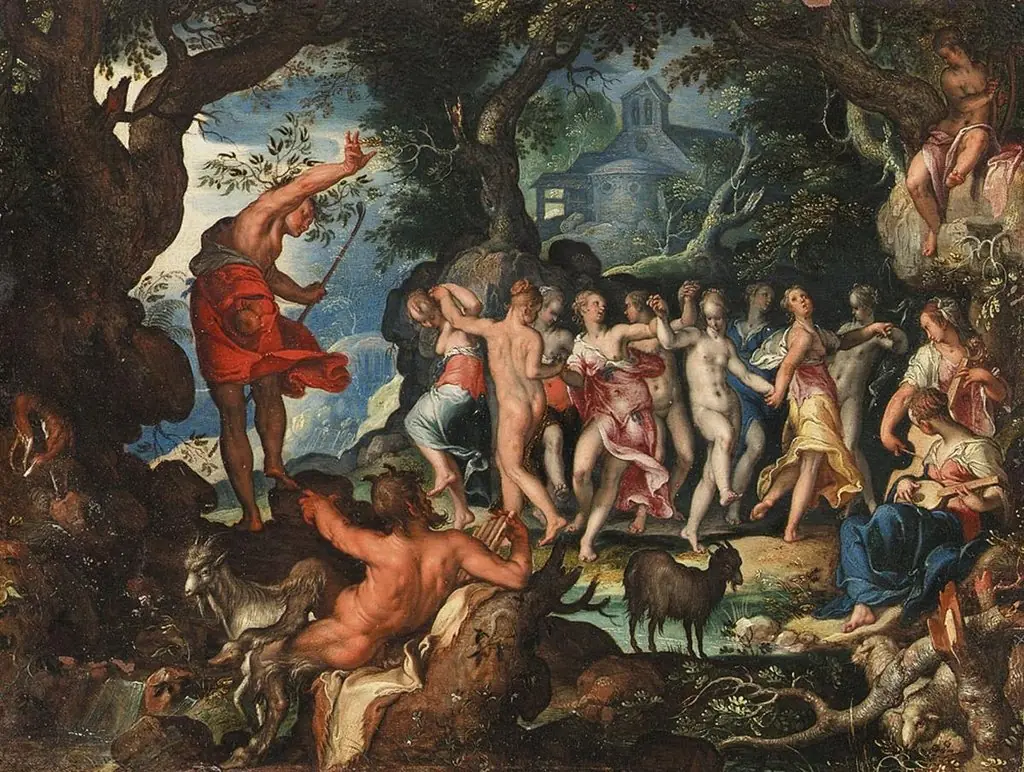
Painted around 1650 by Jan Brueghel the Elder, *Nymphs Bathing* is an oil-on-canvas work that exemplifies the Flemish Baroque interest in mythological themes.
Painted around 1650 by Jan Brueghel the Elder, *Nymphs Bathing* is an oil-on-canvas work that exemplifies the Flemish Baroque interest in mythological themes. Though often associated with Rubens through collaboration, Brueghel developed a distinct style marked by meticulous detail and harmonious composition. The painting resides in the National Museum of Fine Arts in Buenos Aires, where it remains a key example of early 17th-century Northern European mythological painting.
Subject & Meaning
The scene portrays mythological nymphs in a secluded woodland setting, engaged in quiet, unselfconscious repose. Their presence evokes classical associations with nature spirits, suggesting themes of purity, fertility, and the harmony between humanity and the natural world. The inclusion of deer and a dog reinforces the pastoral ideal, while the absence of male figures emphasizes an autonomous, serene feminine realm untouched by human disruption.
Technique & Style
Brueghel employs fine brushwork to render textures of skin, fabric, and foliage with precision. Soft chiaroscuro models the figures, lending volume without dramatic contrast, while the palette favors muted greens, blues, and earth tones to sustain the tranquil mood. The composition is layered, with foreground figures anchoring a receding landscape that includes a distant lake and boats, creating depth through atmospheric perspective rather than linear perspective.
History & Provenance
The painting was likely completed in the final decades of Brueghel’s career, following his established pattern of mythological subjects. Its documented history traces to the 19th century, when it entered a private collection in Europe before being acquired by the National Museum of Fine Arts in Buenos Aires in the 20th century. No records indicate direct patronage, suggesting it may have been produced for the open market or as a personal exploration of classical themes.
Context
In early 17th-century Flanders, mythological scenes like this one appealed to educated collectors who valued classical allusion and refined aesthetics. Brueghel’s approach differed from Rubens’ dynamism, favoring calm, intimate compositions. The painting reflects broader European trends in humanist-inspired art, where nature served as a moral and poetic space, distinct from the religious or civic subjects dominating public commissions.
Legacy
Though less celebrated than his collaborations with Rubens, *Nymphs Bathing* illustrates Brueghel’s enduring contribution to the development of landscape-infused mythological painting. Its quiet dignity and attention to natural detail influenced later generations of Northern European artists interested in poetic, non-narrative scenes. The work remains a quiet testament to the appeal of myth as a vehicle for contemplative observation rather than dramatic spectacle.
Own this work as a print
Artist & collection
Artist
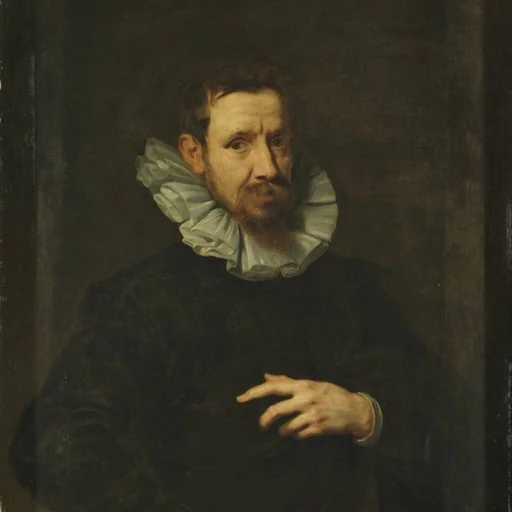
Jan Brueghel the Elder ( BROY-gəl, US also BROO-gəl; Dutch: ; 1568 – 13 January 1625) was a Flemish painter and draughtsman.

Museum
National Museum of Fine Arts, Argentina
Continue through works from the same source collection.