Artwork
The Earth
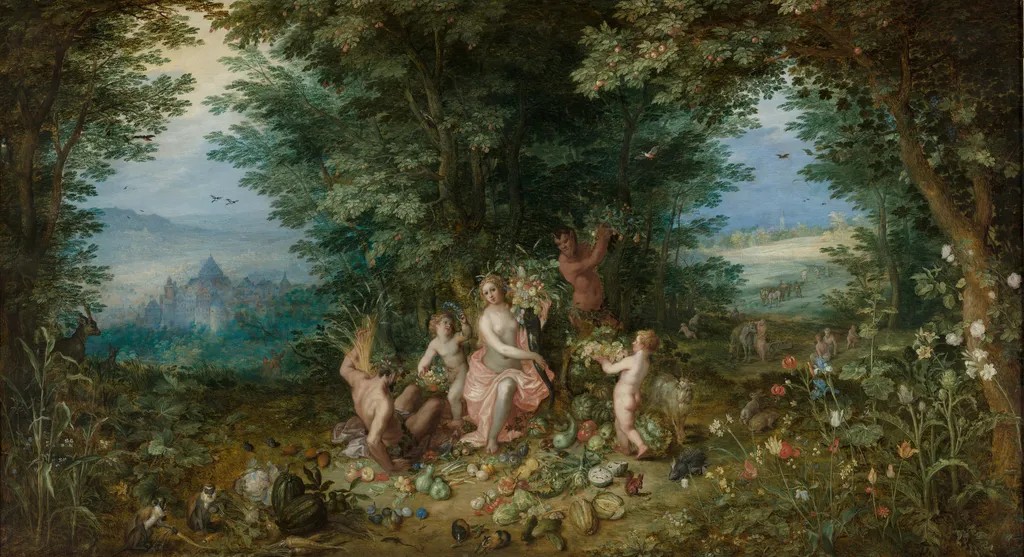
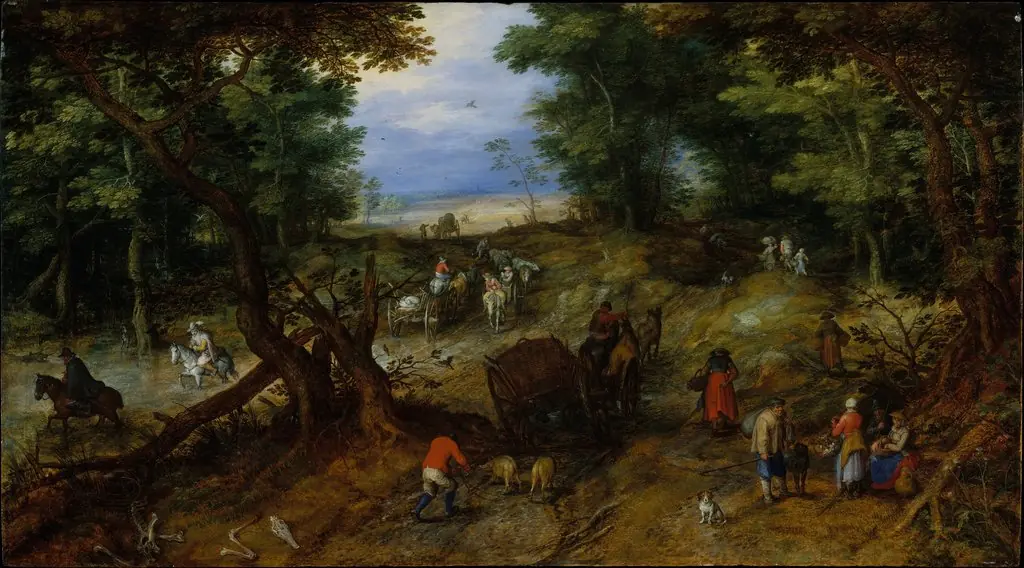
The Earth is an oil painting by the Flemish Baroque painting artist Jan Brueghel, the elder. It is held in the collection of the Museum of Fine Arts of Lyon.
About this work
Overview
The painting resides today in the Museum of Fine Arts of Lyon, where it contributes to the collection of Northern European works from the 17th century.
Painted around 1650 in oil, *The Earth* is a landscape work by Jan Brueghel the Elder, a prominent Flemish artist of the early Baroque period. Though often associated with his father Pieter Bruegel the Elder and brother Pieter Brueghel the Younger, Jan developed a distinct style marked by meticulous detail and harmonious composition. The painting resides today in the Museum of Fine Arts of Lyon, where it contributes to the collection of Northern European works from the 17th century.
Subject & Meaning
The painting presents a tranquil, expansive landscape, likely intended as an allegorical representation of terrestrial abundance. Rather than depicting specific events or figures, it emphasizes natural elements—rolling terrain, vegetation, and atmospheric light—to evoke a sense of order and fertility. This aligns with contemporary Flemish traditions that viewed nature as a reflection of divine creation, devoid of overt narrative but rich in symbolic resonance.
Technique & Style
Brueghel employed fine brushwork and layered glazes to achieve subtle transitions in tone and texture. His attention to botanical accuracy and atmospheric perspective reveals a scientific curiosity common among Flemish artists of the era. The composition is carefully balanced, with horizontal bands of land, sky, and foliage creating a serene rhythm. His technique reflects both his training and his engagement with the natural world as a subject worthy of close observation.
History & Provenance
The painting entered the collection of the Museum of Fine Arts of Lyon in the 19th century, following the dispersal of private collections after the French Revolution. Its attribution to Jan Brueghel the Elder has been consistently supported by stylistic analysis and archival records. Though its early ownership is not fully documented, its presence in Lyon underscores its recognition as a significant example of Flemish landscape painting from the period.
Context
Created during the height of the Flemish Baroque, *The Earth* reflects a broader cultural interest in natural philosophy and the classification of the physical world. Artists like Brueghel often collaborated with scholars and scientists, integrating emerging empirical approaches into their work. His landscapes, free from religious or mythological narratives, contributed to a growing genre that celebrated the observable world as a legitimate subject for art.
Legacy
Jan Brueghel’s approach to landscape painting influenced later generations of Flemish and Dutch artists who prioritized detailed observation over dramatic storytelling. While less celebrated than his collaborations with Rubens, works like *The Earth* demonstrate his role in shaping a quiet, contemplative mode of landscape art. His legacy endures in the sustained scholarly interest in the intersection of art and natural science during the early modern period.
Own this work as a print
Artist & collection
Artist
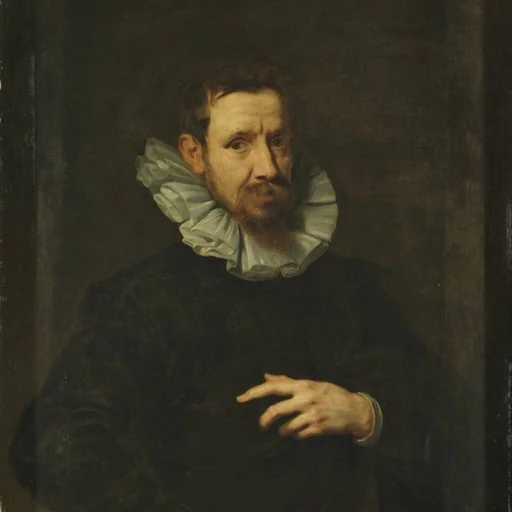
Jan Brueghel the Elder ( BROY-gəl, US also BROO-gəl; Dutch: ; 1568 – 13 January 1625) was a Flemish painter and draughtsman.

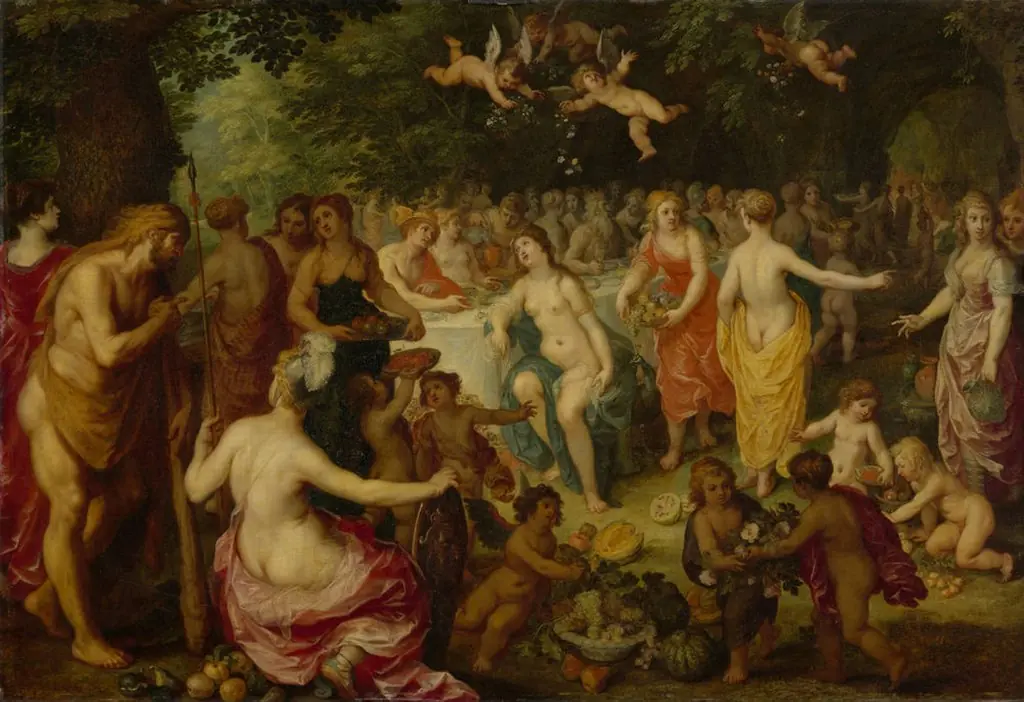 The Feast of the Gods
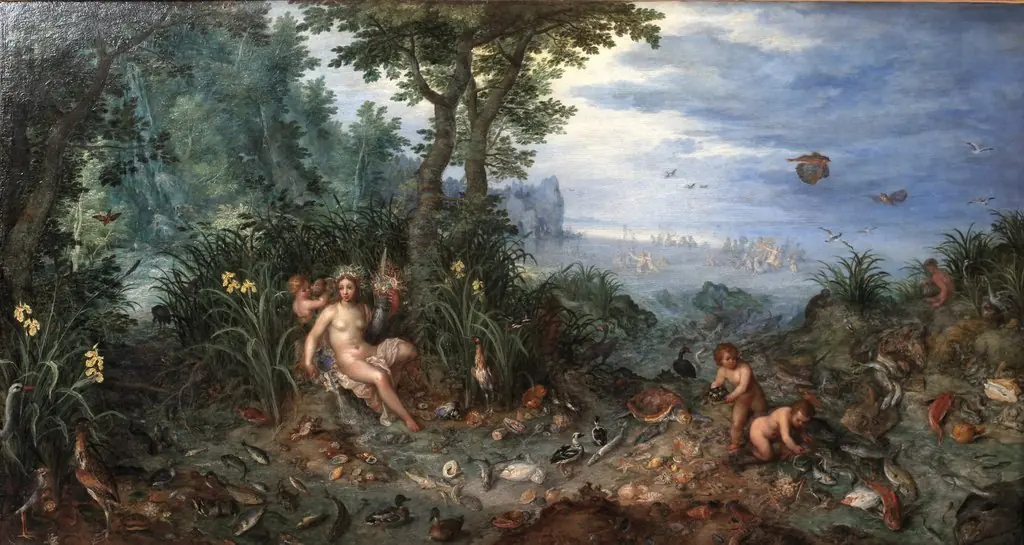 Water
Water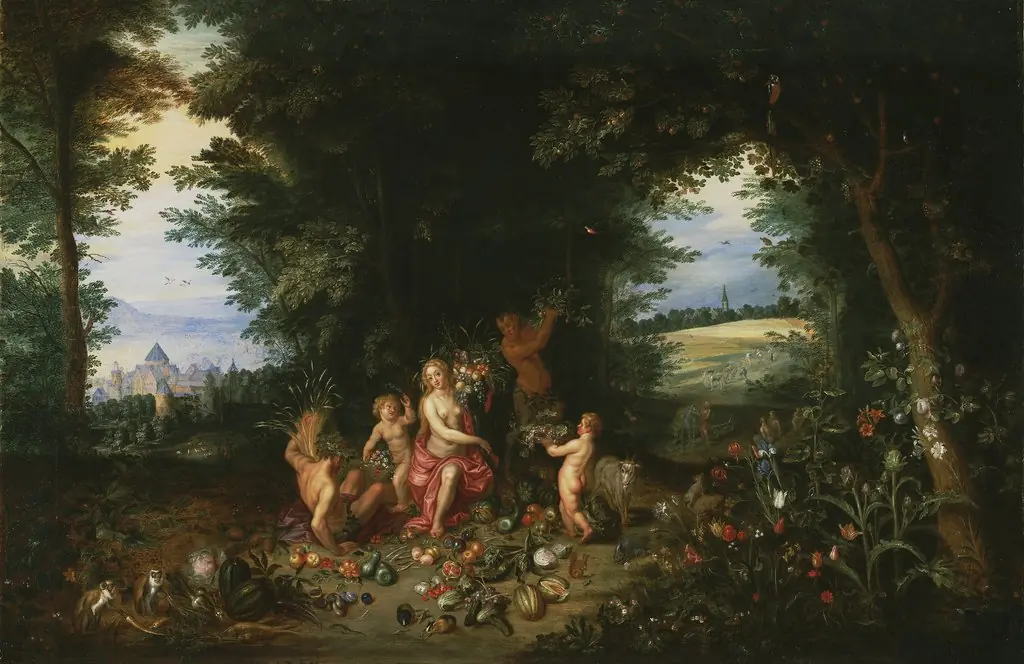 Landscape with Ceres (Allegory of Earth)
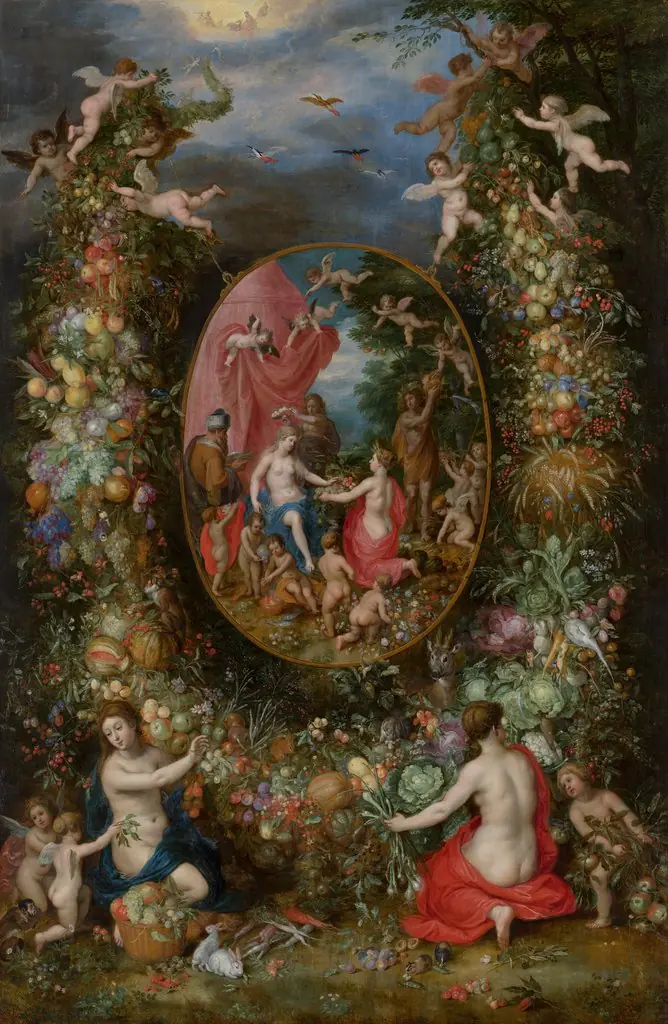
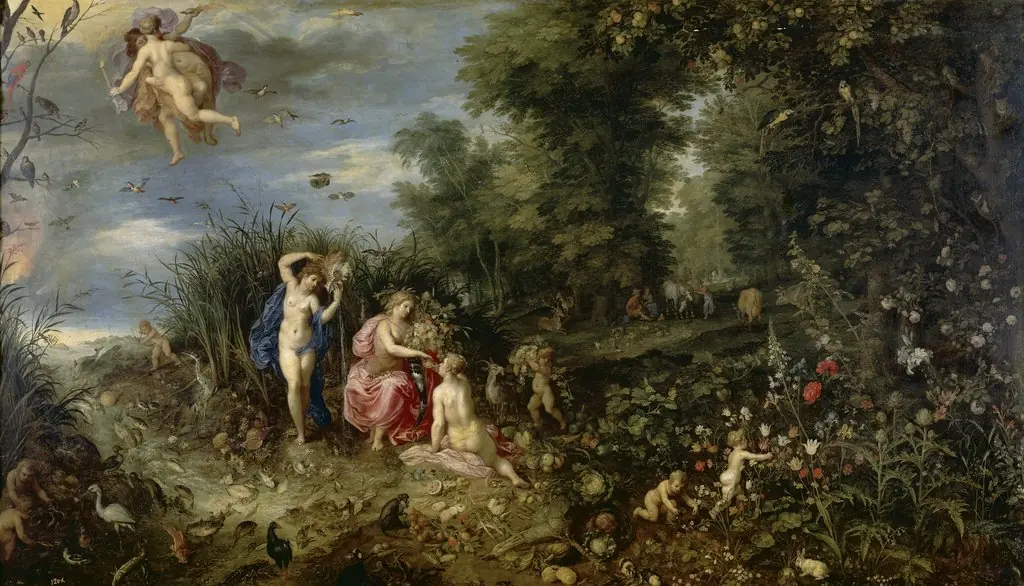 Abundance and the Four Elements
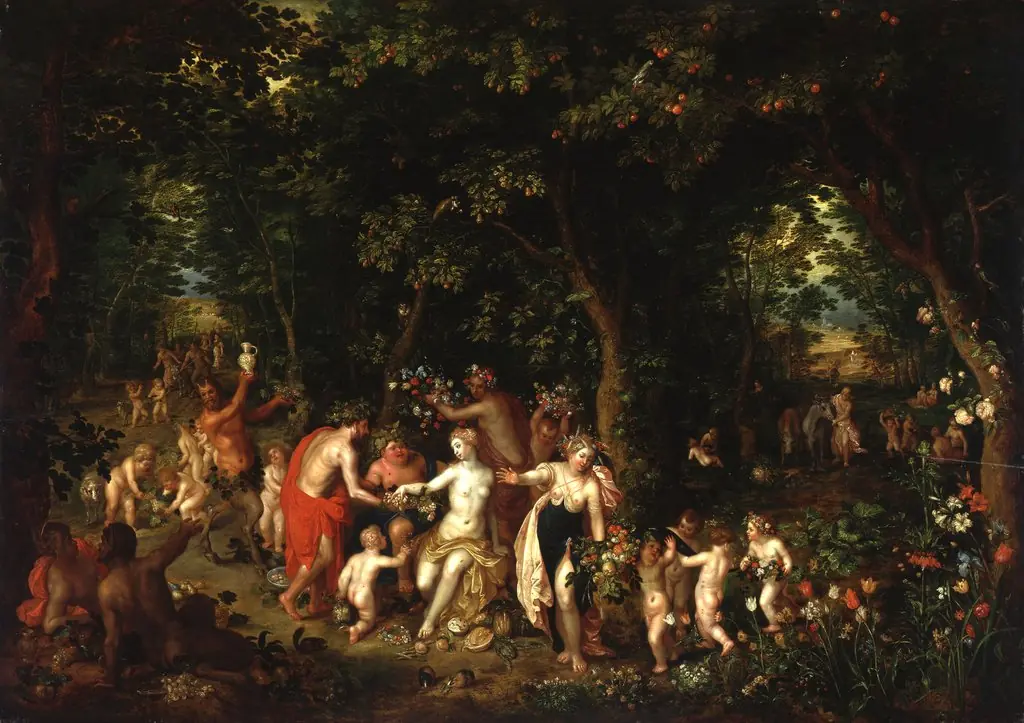 The Feast of Bacchus
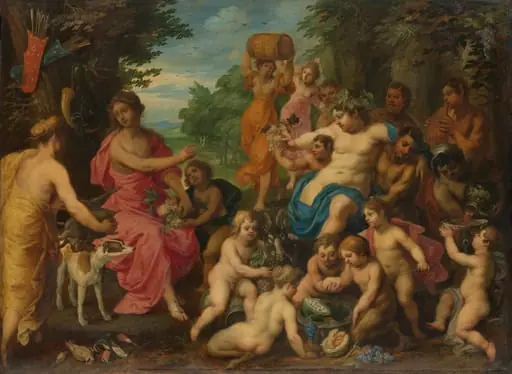 Diana Offered Wine and Fruit by Bacchus and his Retinue
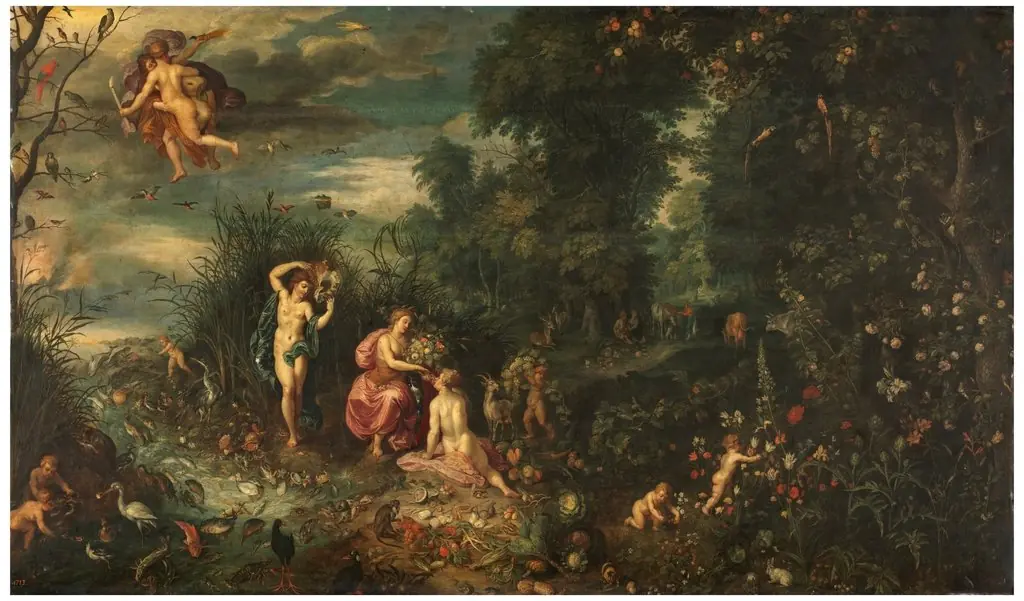 Abundance and the Four Elements
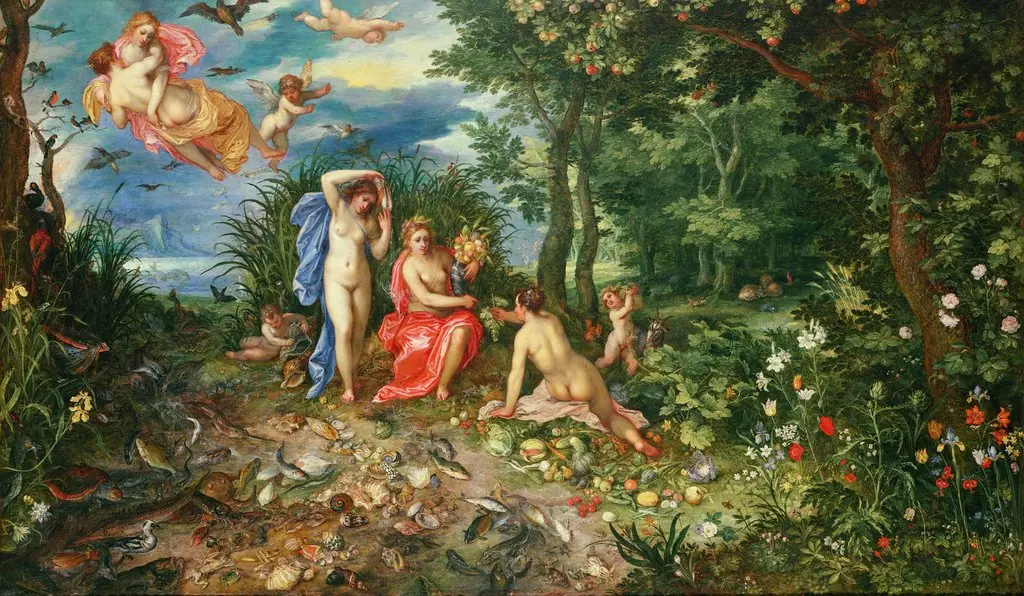 Ceres and the Four Elements
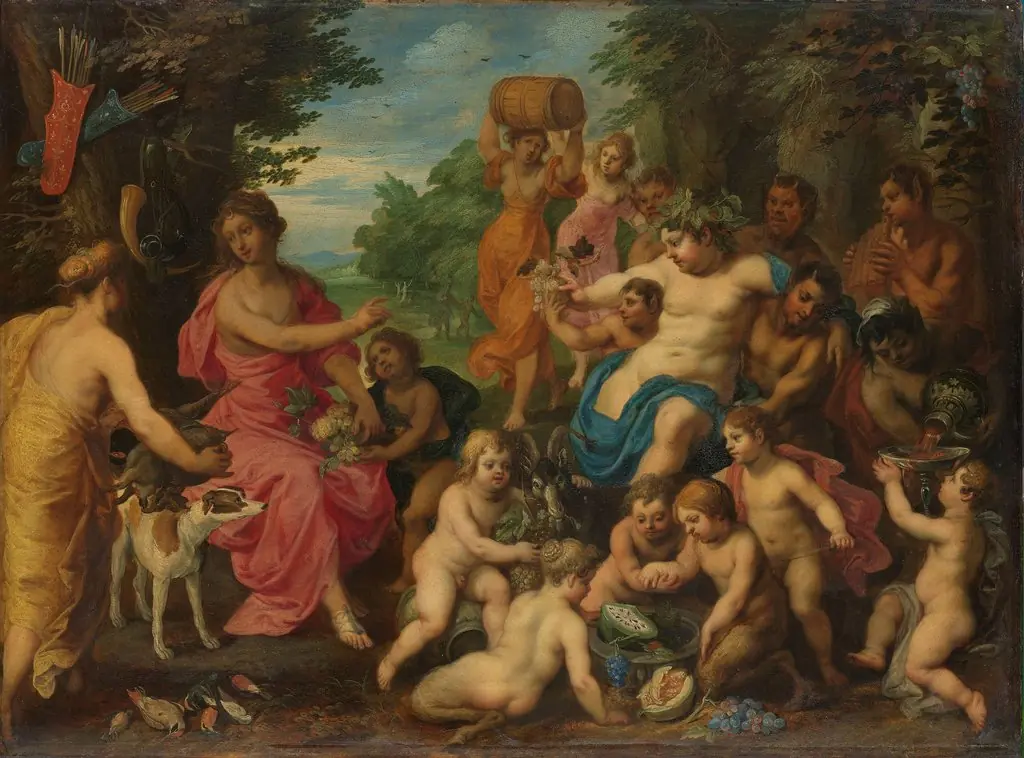 Diana Offered Wine and Fruit by the Young Bacchus and his Retinue
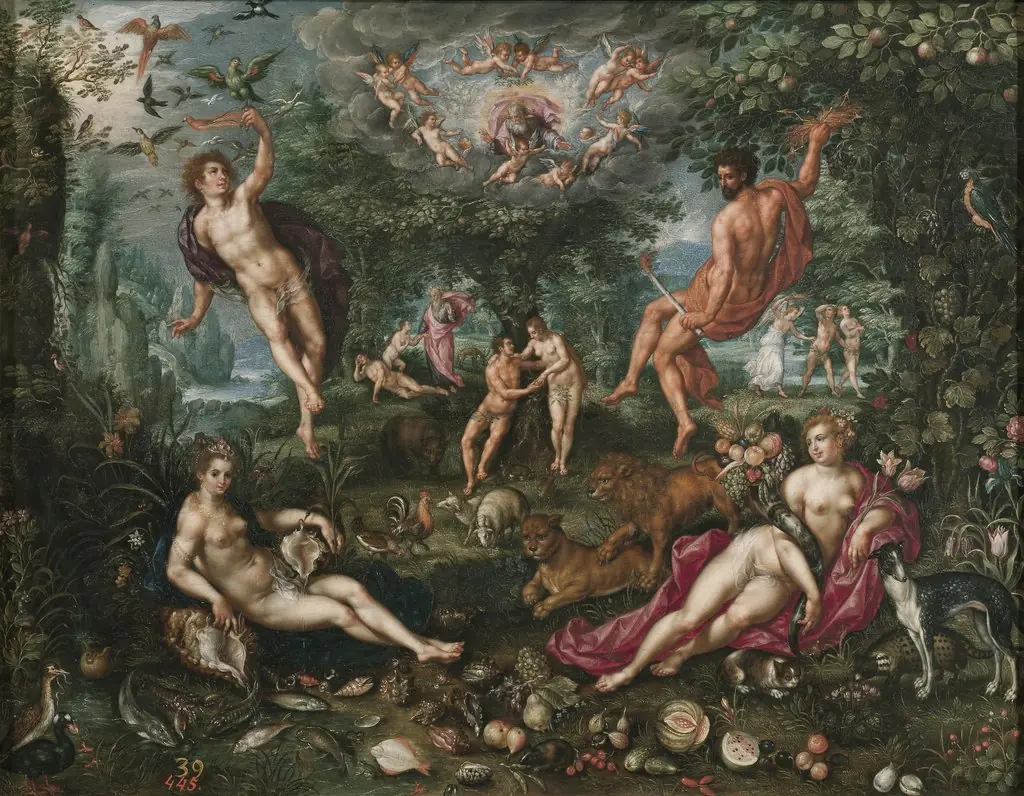 Paradise with the Four Elements