Artwork
Studies of Dogs
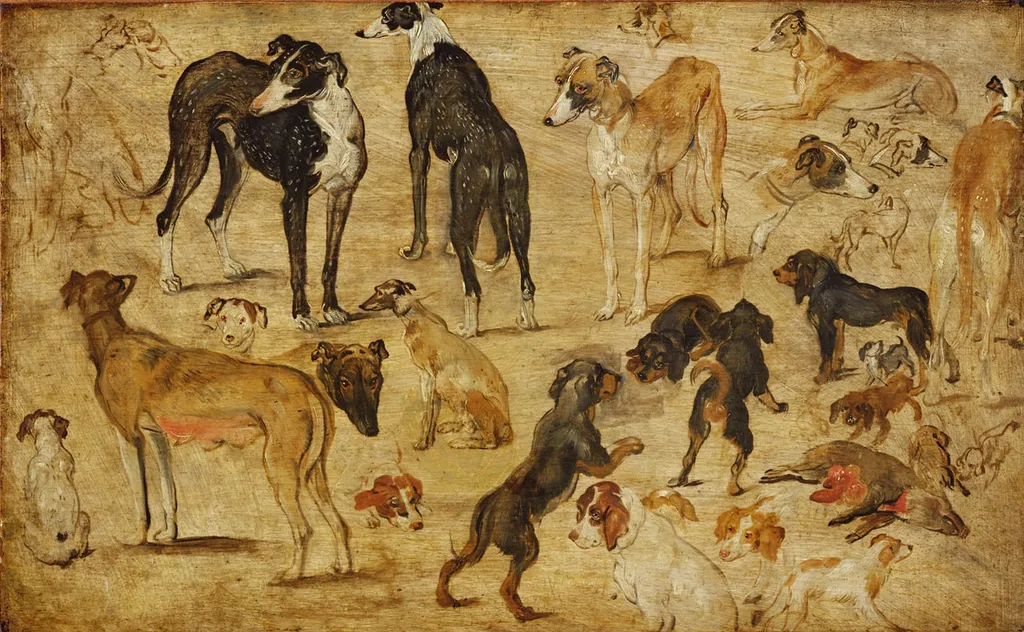
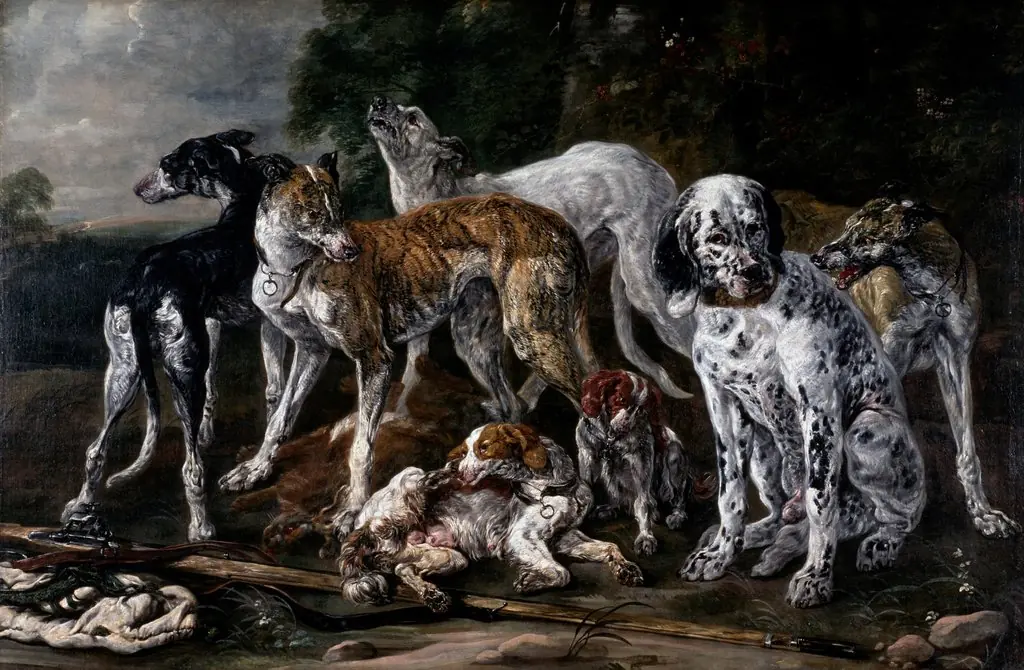
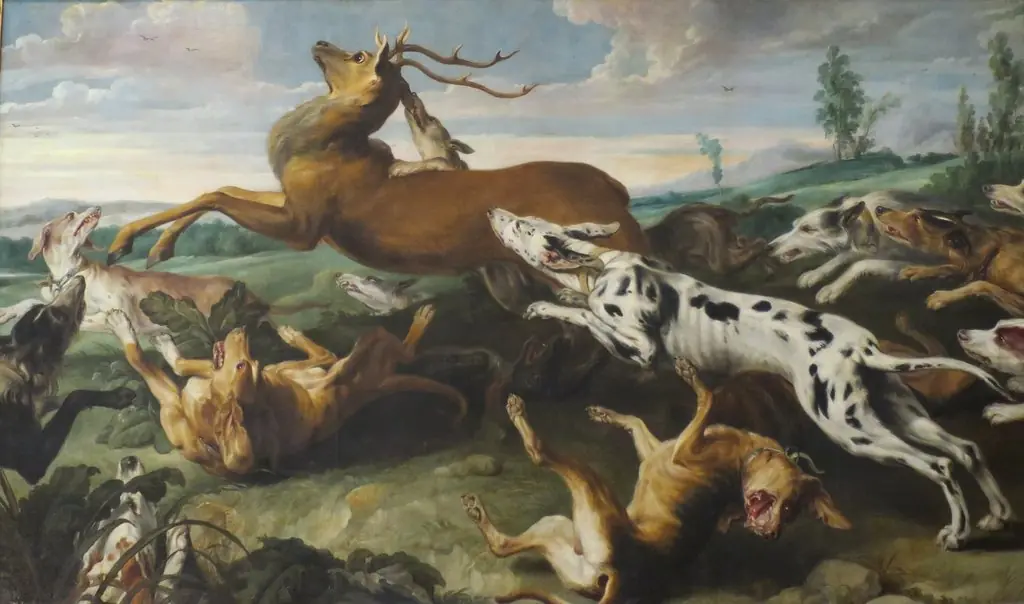
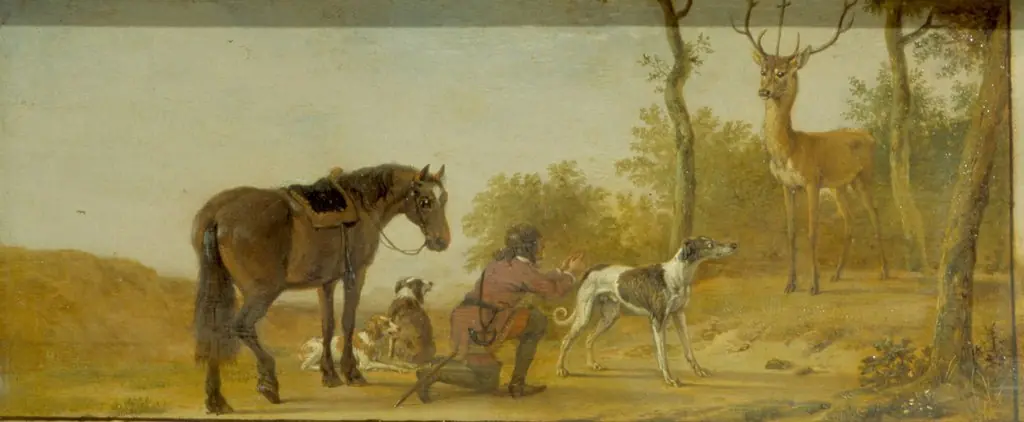
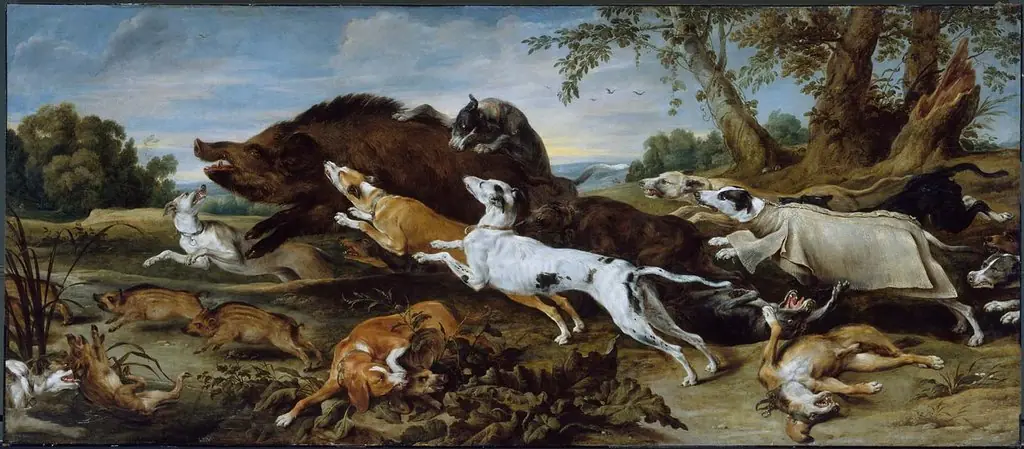
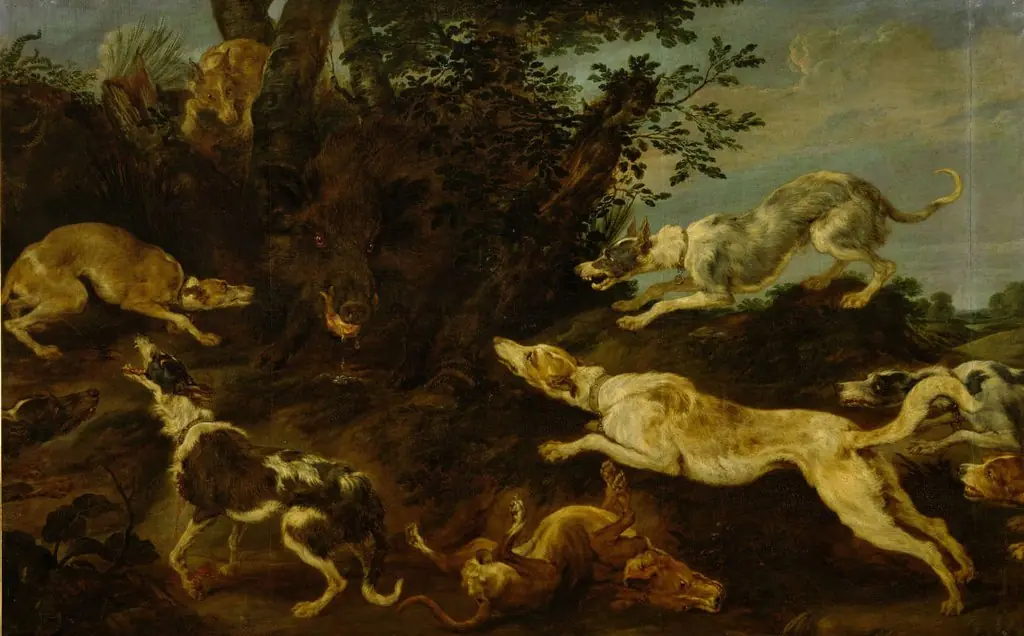
Studies of Dogs is an unspecified painting by the Flemish Baroque painting artist Jan Brueghel, the elder. It dates from 1616 and is held in the collection of the Kunsthistorisches Museum. Painted in 1616 by Jan Brueghel the Elder, this work is a group study of dogs rendered in oil on panel.
About this work
Overview
Unlike formal portraits or allegorical scenes, the painting presents animals in unposed, everyday postures, emphasizing spontaneity over idealization.
Painted in 1616 by Jan Brueghel the Elder, this work is a group study of dogs rendered in oil on panel. It reflects the artist’s interest in natural observation and his role within the Flemish Baroque tradition. Unlike formal portraits or allegorical scenes, the painting presents animals in unposed, everyday postures, emphasizing spontaneity over idealization. The piece remains in the Kunsthistorisches Museum’s collection, where it is valued for its intimate documentation of canine life.
Subject & Meaning
The painting features a loose assembly of dogs of varying breeds, sizes, and coat colors, engaged in quiet, unremarkable behaviors—dozing, sniffing, standing alert, or stretching. There is no narrative or symbolic intent; instead, the focus lies in the honest portrayal of animal presence. The dogs appear as individuals, not types, suggesting an appreciation for their distinct temperaments and physicality, possibly reflecting contemporary curiosity about the natural world.
Technique & Style
Brueghel employed rapid, textured brushwork to capture the varied fur textures and loose postures of the dogs. The ground is rendered with coarse, earthy strokes, suggesting dry soil or sand without detailed perspective. The composition avoids symmetry or hierarchy, favoring an informal grouping that mimics casual observation. This sketch-like quality underscores the work’s function as a study—focused on direct visual recording rather than polished finish.
History & Provenance
Created during Brueghel’s mature period, the painting emerged from a time when detailed natural studies gained favor among collectors and artists in Antwerp. It was likely produced for private contemplation rather than public display. The work entered the Kunsthistorisches Museum’s holdings in Vienna through the Habsburg collections, which actively acquired Flemish art in the 17th and 18th centuries, preserving it as part of a broader interest in observational art.
Context
In early 17th-century Flanders, artists increasingly turned to the natural world as a subject worthy of close attention, influenced by scientific inquiry and the rise of empirical observation. Brueghel’s dog studies align with this trend, paralleling contemporaneous works in botany and zoology. His collaborations with Rubens, known for dynamic compositions, contrast with this quiet, intimate approach, highlighting his versatility and personal artistic priorities.
Legacy
Though not widely exhibited, the painting contributes to an understudied strand of Flemish art focused on animal life. It anticipates later 18th- and 19th-century naturalist traditions in which animals were depicted without anthropomorphism. Its preservation in a major European museum underscores its role as a quiet but significant record of how artists began to see non-human subjects with renewed attention and respect.
Artist & collection
Artist
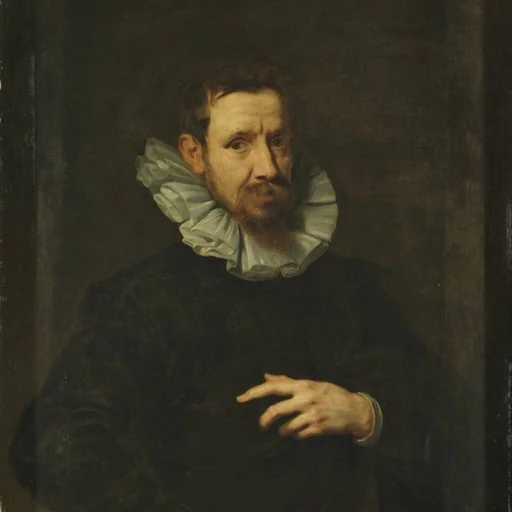
Jan Brueghel the Elder ( BROY-gəl, US also BROO-gəl; Dutch: ; 1568 – 13 January 1625) was a Flemish painter and draughtsman.