Artwork
The Sermon on the Mount
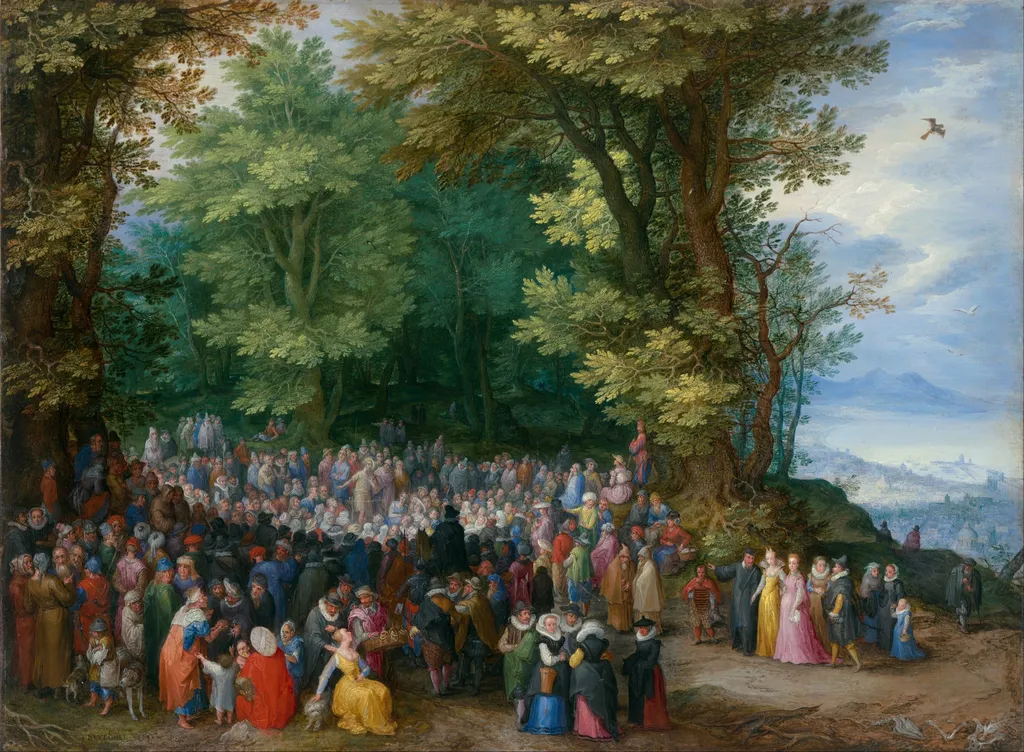
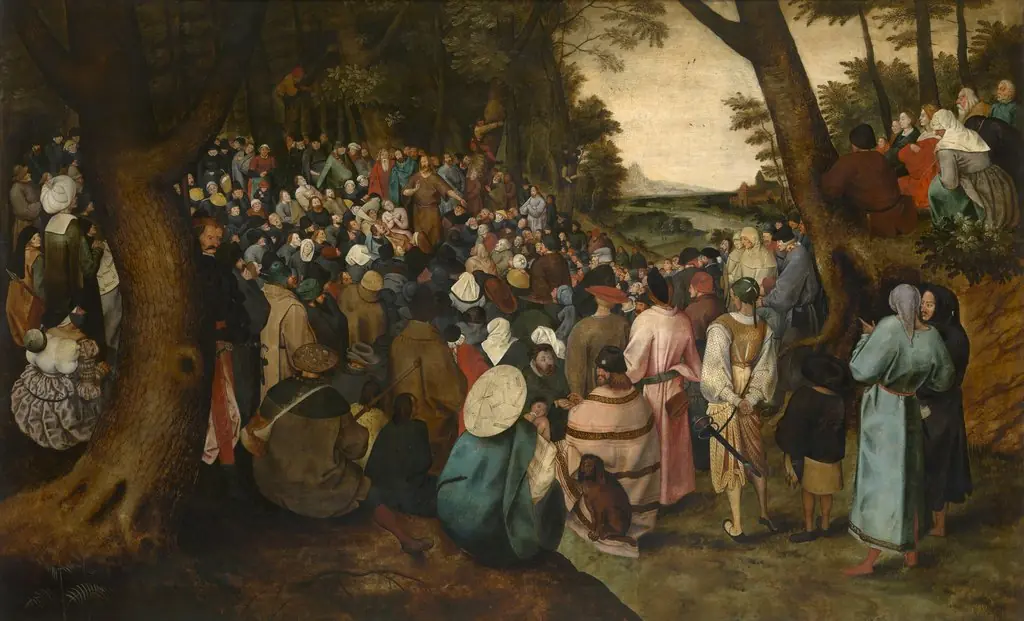
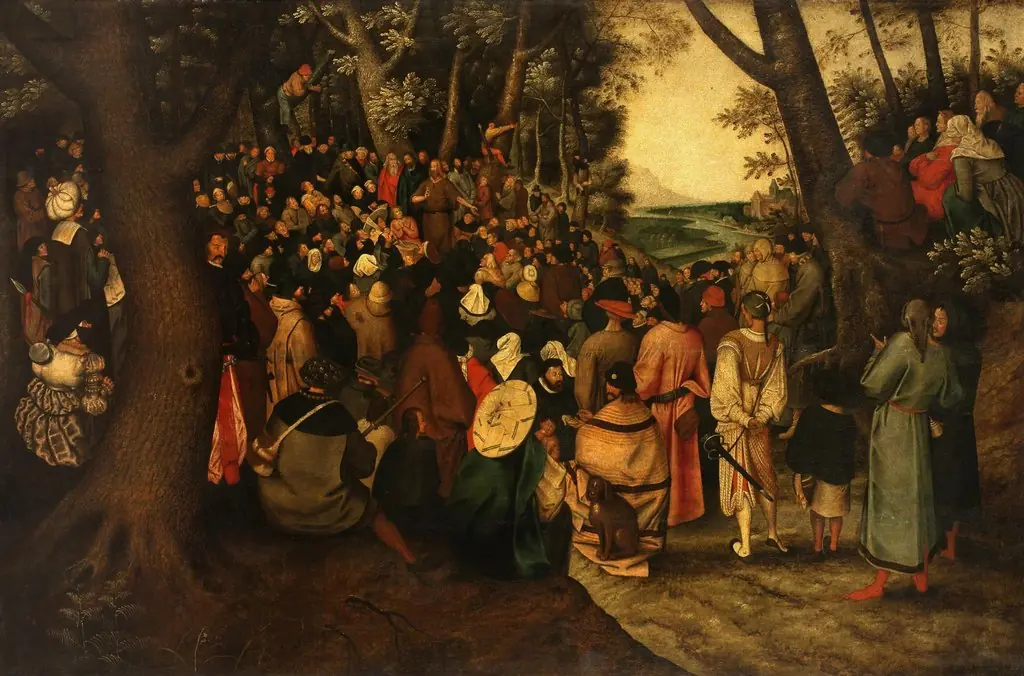
The Sermon on the Mount is an oil painting by the Flemish Baroque painting artist Jan Brueghel, the elder. It dates from 1600 and is held in the collection of the J. Paul Getty Museum. Jan Brueghel the Elder’s *Sermon on the Mount* (c.
About this work
The Sermon on the Mount, painted by Jan Brueghel, the elder, is a beautiful example of Flemish art from the late 16th century.
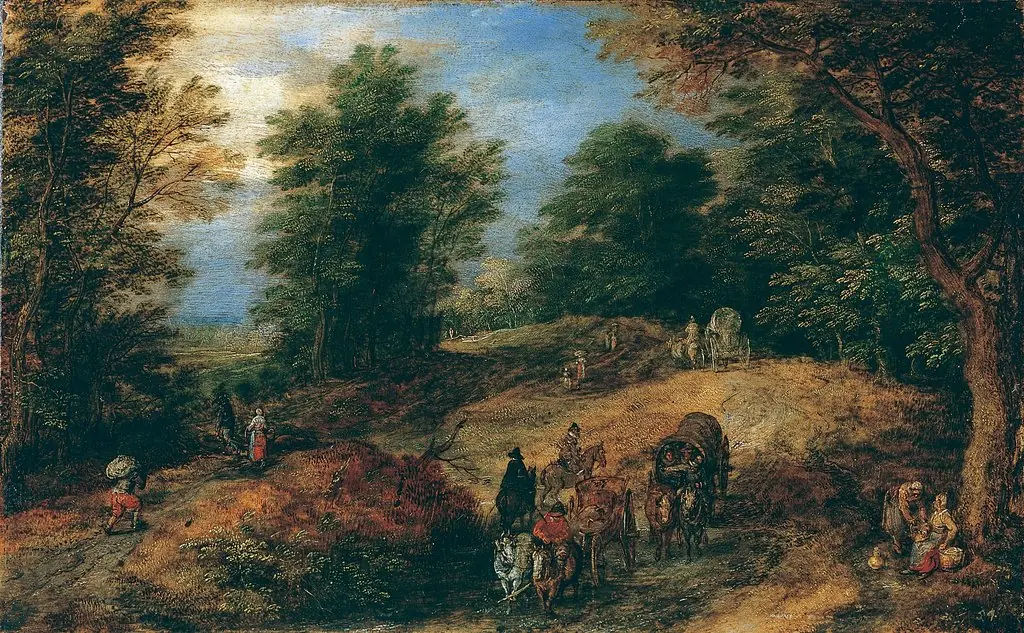
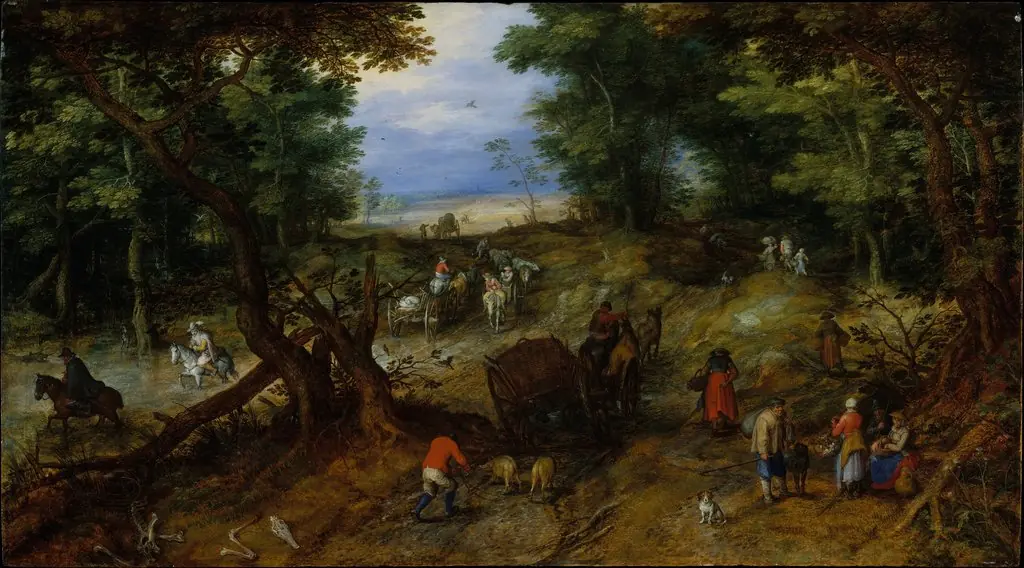
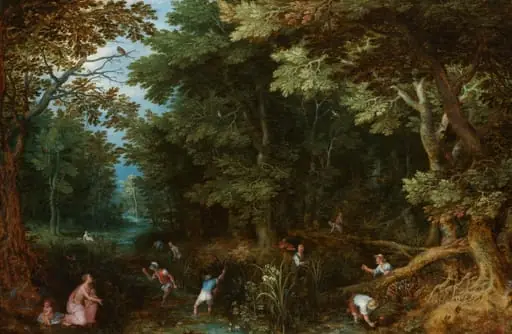
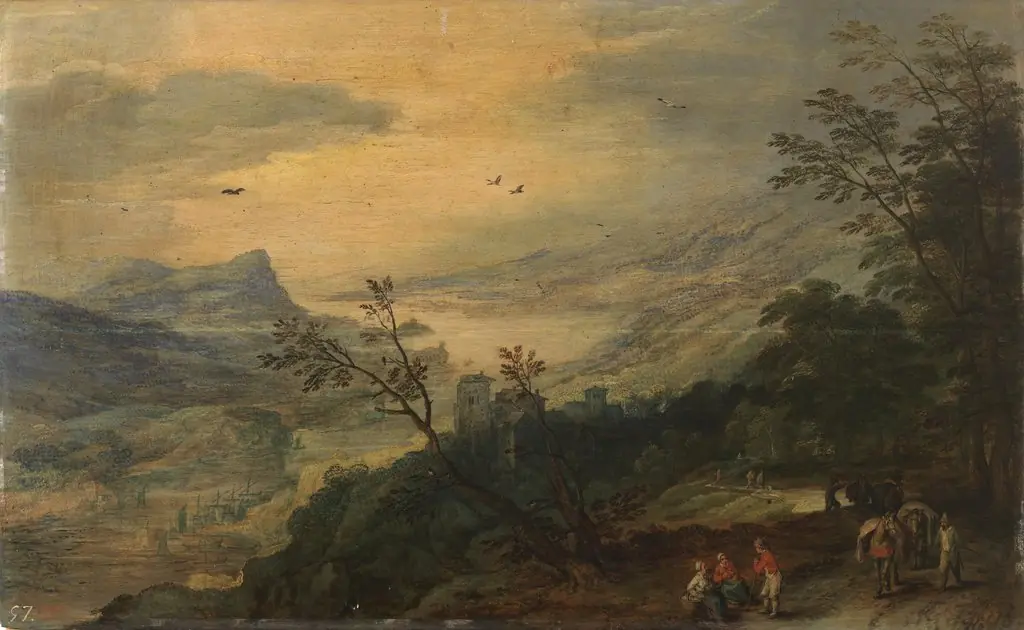
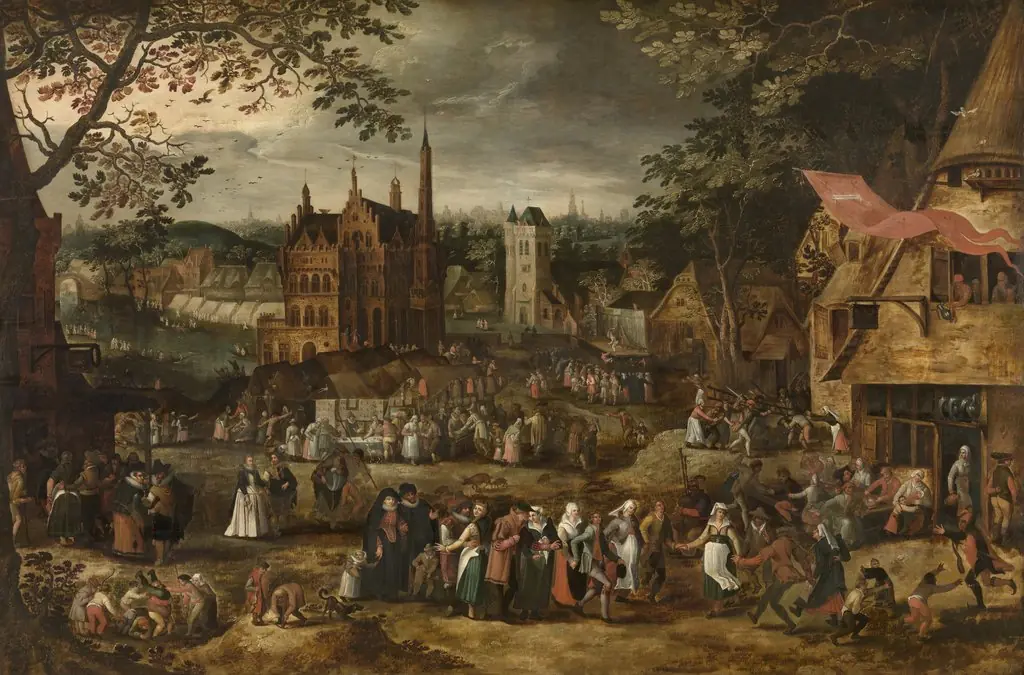
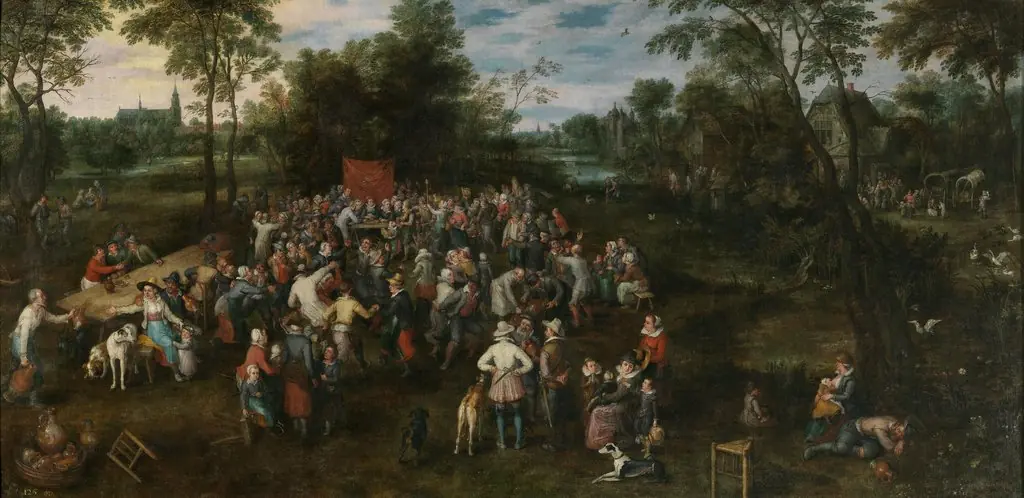
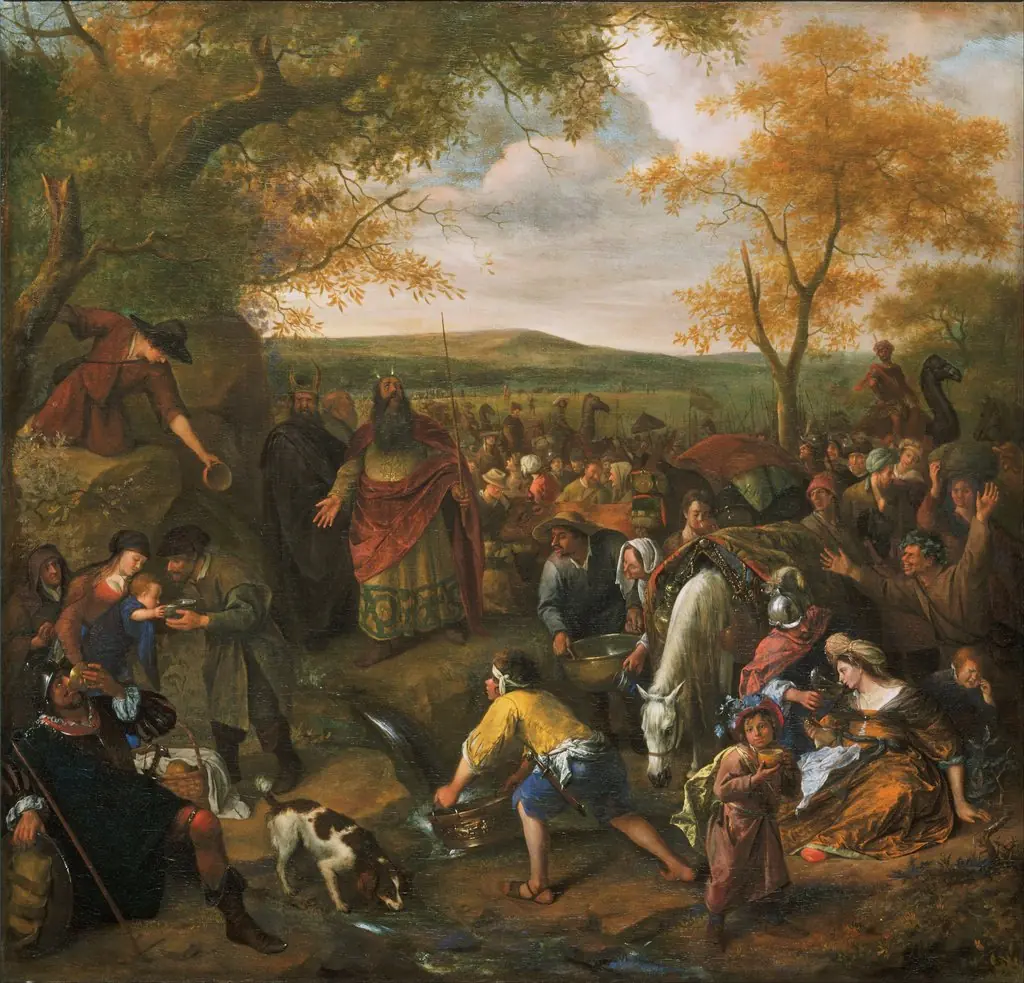
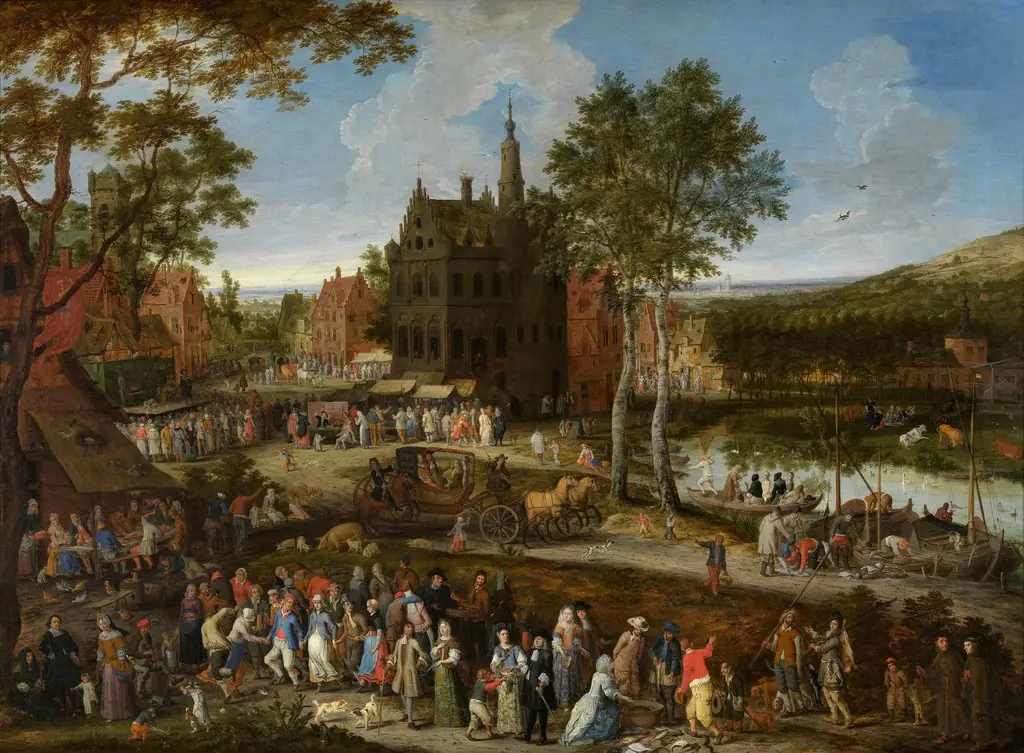
This painting depicts a large group of people gathered in a forest, listening to a sermon. The scene is set in a wooded area with tall trees and a distant view of a town or city. The people are dressed in colorful clothing, and some are standing while others are seated on the ground.
In the foreground, a few individuals are prominently featured, including a woman in a yellow dress and a man in a red hat. The artist's use of color and composition creates a sense of depth and atmosphere, drawing the viewer's eye into the scene.
The Sermon on the Mount, painted by Jan Brueghel, the elder, is a beautiful example of Flemish art from the late 16th century. To learn more about the artist's techniques, look up chiaroscuro.
Overview
Jan Brueghel the Elder’s *Sermon on the Mount* (c. 1600) is a small‑scale copper painting that portrays a crowd gathered in a wooded landscape while Christ addresses them. The composition places a group of vividly dressed figures amid tall trees, with a distant settlement visible on the horizon, creating a layered sense of space.
Subject & Meaning
The work illustrates the biblical episode in which Jesus delivers the moral teachings known as the Sermon on the Mount. By situating the sermon in a natural setting, Brueghel emphasizes the universality of the message, inviting viewers to consider the spiritual instruction as part of everyday life.
Technique & Style
Executed on copper, the painting benefits from the metal’s smooth surface, allowing Brueghel to render fine details and luminous colors. His handling of light and atmospheric perspective reflects Flemish Baroque sensibilities, while the careful rendering of foliage and textiles demonstrates his skill in both landscape and genre painting.
History & Provenance
Created around the turn of the 17th century, the piece remained in private collections before entering the J. Paul Getty Museum’s holdings. Brueghel, a prolific collaborator with Peter Paul Rubens, produced works across religious, landscape, and still‑life genres, and this painting exemplifies his early output.
Context
The painting emerges from a period when Flemish artists were integrating biblical narratives with detailed natural settings, a trend encouraged by the Counter‑Reformation’s demand for accessible religious imagery. Brueghel’s familial lineage—son of Pieter Bruegel the Elder—situated him within a tradition of meticulous observation and narrative depth.
Own this work as a print
Artist & collection
Artist
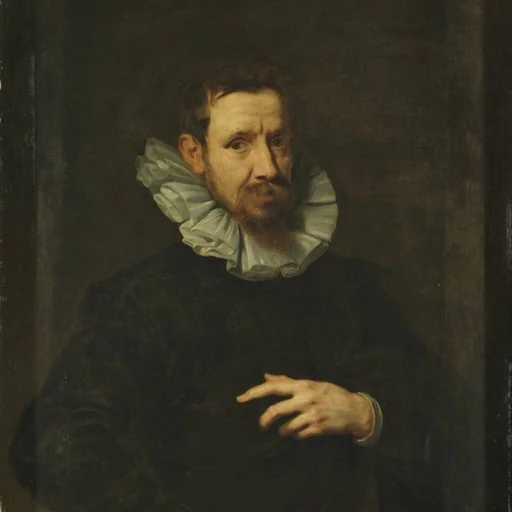
Jan Brueghel the Elder ( BROY-gəl, US also BROO-gəl; Dutch: ; 1568 – 13 January 1625) was a Flemish painter and draughtsman.