Artwork
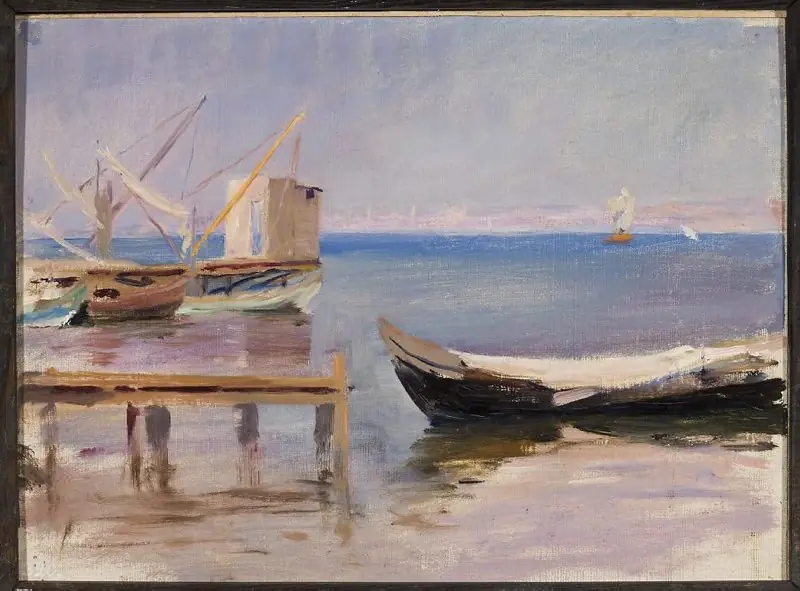
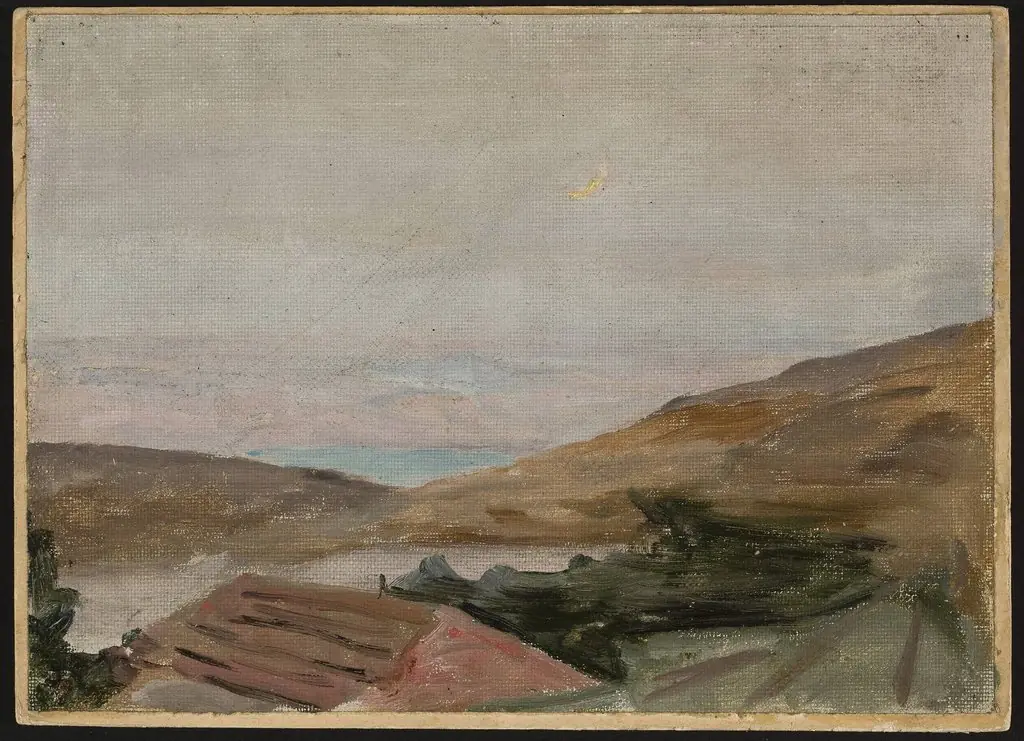
Boats at the coast, Marmora – Tuscula. From the journey to Palestine
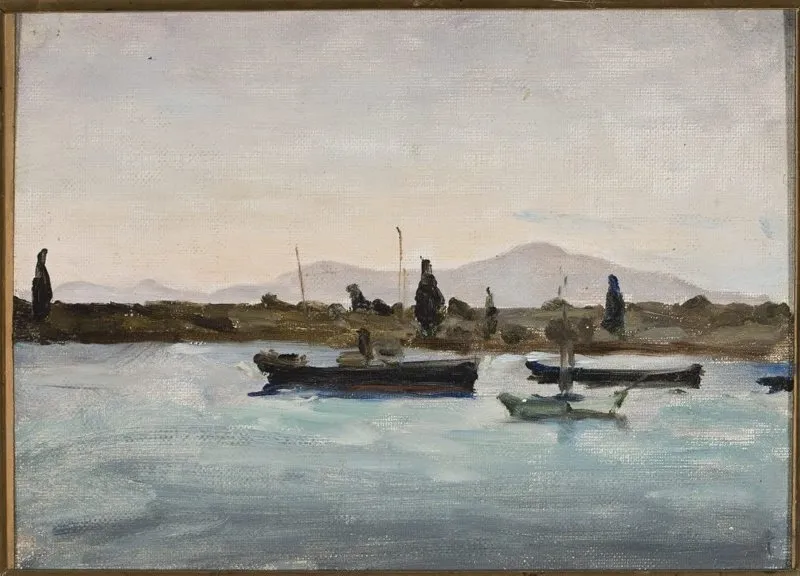
Boats at the coast, Marmora – Tuscula. From the journey to Palestine is an unspecified painting by the Post-Impressionist artist Jan Ciągliński. It dates from 1901 and is held in the collection of the National Museum in Warsaw.
About this work
If you're interested in exploring more works like this, you might want to look into the art of Jan Ciągliński, who created this piece in 1901.
This painting depicts a serene coastal scene, with several boats floating on the calm water. The boats are dark in color and appear to be small, possibly fishing vessels. In the background, there is a mountain range visible, adding depth to the scene.
The artist has used a muted color palette, with shades of blue and green dominating the painting. The brushstrokes are visible, giving the painting a textured look. The overall effect is one of tranquility, inviting the viewer to step into the peaceful world of the painting.
If you're interested in exploring more works like this, you might want to look into the art of Jan Ciągliński, who created this piece in 1901.
Overview
Jan Ciągliński’s 1901 canvas *Boats at the coast, Marmora – Tuscula. From the journey to Palestine* portrays a tranquil shoreline where several small, dark‑hued vessels drift on calm water beneath a distant mountain range. The composition is rendered in muted blues and greens, with loose, visible brushwork that conveys a sense of quiet atmosphere.
Subject & Meaning
The scene captures a moment of everyday life along a Mediterranean coast, likely observed during the artist’s travels toward Palestine. By focusing on modest fishing boats and an expansive horizon, the work emphasizes the relationship between human activity and the natural landscape, inviting contemplation of the peaceful coexistence of labor and environment.
Technique & Style
Ciągliński employs a post‑impressionist approach, using a restrained palette of blues, greens, and earth tones. Broad, textured strokes reveal the surface of the paint, while the handling of light suggests a soft, diffused illumination. The balance between detailed boat forms and more loosely rendered background elements reflects his synthesis of Russian Impressionist tendencies with broader European trends.
History & Provenance
Created while the artist was active in St. Petersburg under Tsars Alexander III and Nicholas II, the painting later entered the collection of the National Museum in Warsaw. Its acquisition underscores the museum’s commitment to representing early Russian‑Impressionist works by Polish expatriate painters.
Context
Ciągliński is noted for introducing Impressionist techniques to Russian art circles, and this work exemplifies his role in that transition. By documenting a Mediterranean locale through a post‑impressionist lens, the painting contributes to the broader narrative of cross‑cultural artistic exchange at the turn of the twentieth century.
Artist & collection
Artist
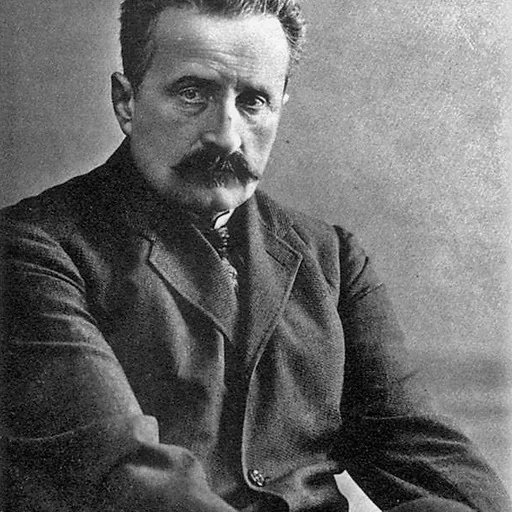
Jan Ciągliński (Polish: ; Russian: Ян/Иван Францевич Ционглинский, romanized: Yan/Ivan Frantsevich Tsionglinskiy; 20 February 1858 – 6 January 1913) was a Polish painter, active in St.

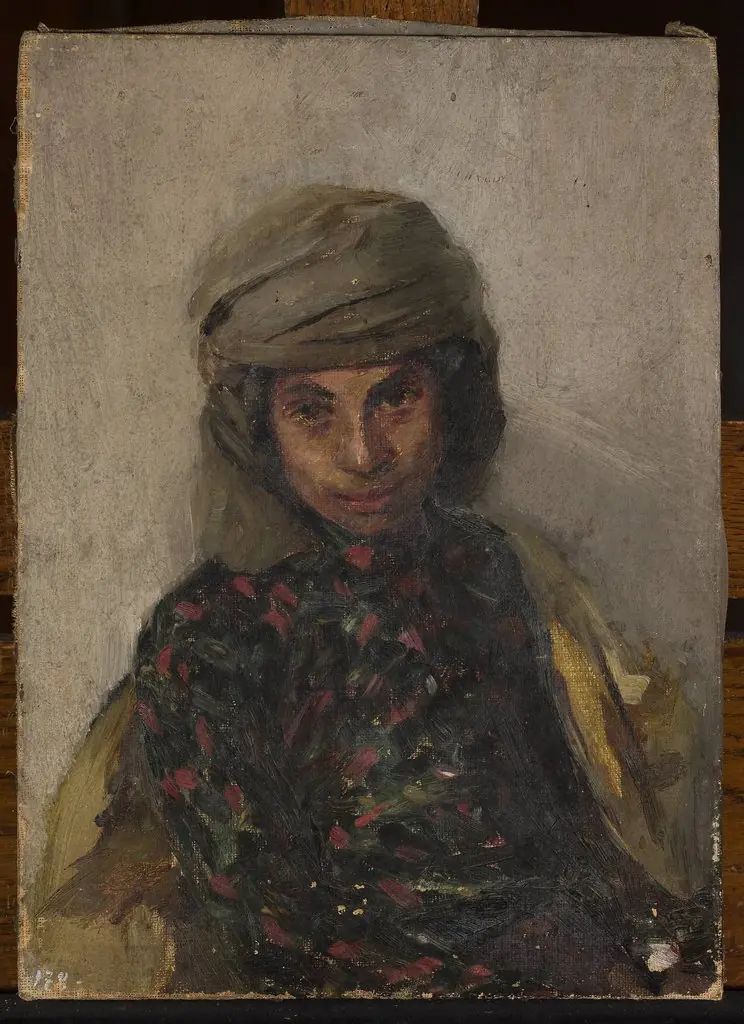
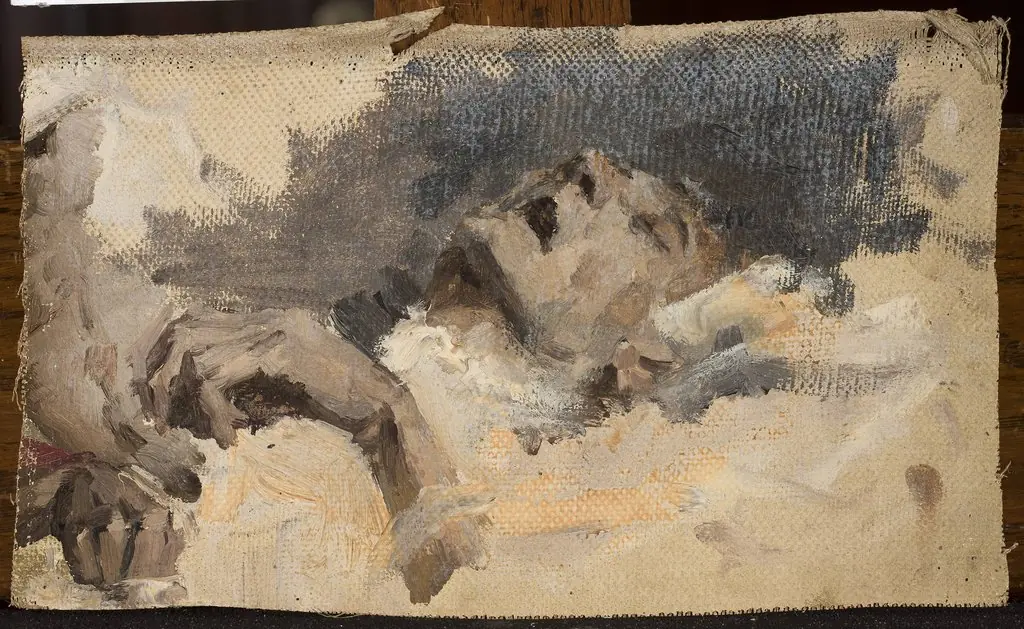
 Boats at the coast. From the journey to Constantinople
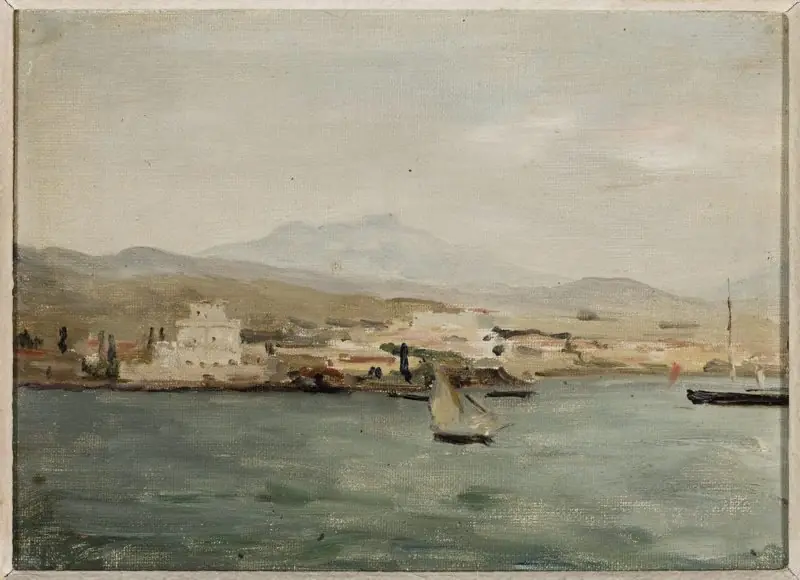 View of the port in Saloniki. From the journey to Palestine
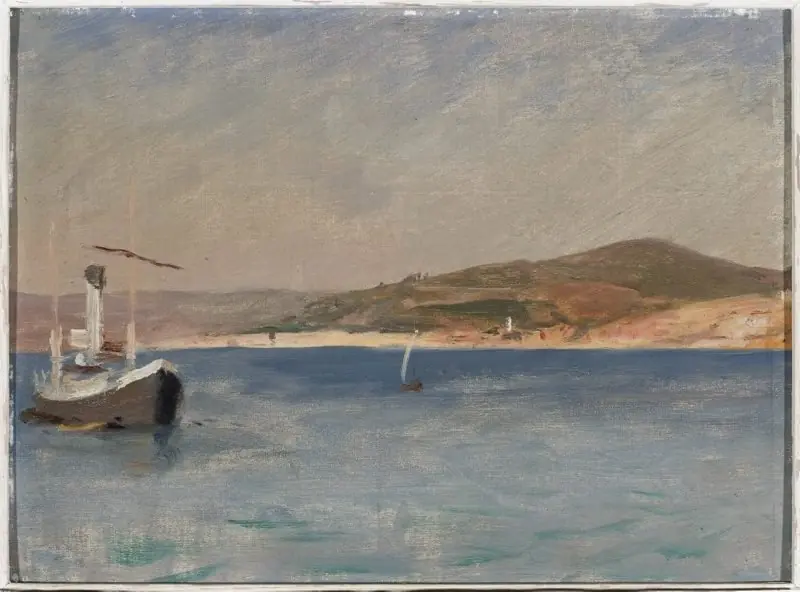 Sea with a ship at the coast. From the journey to Constantinople
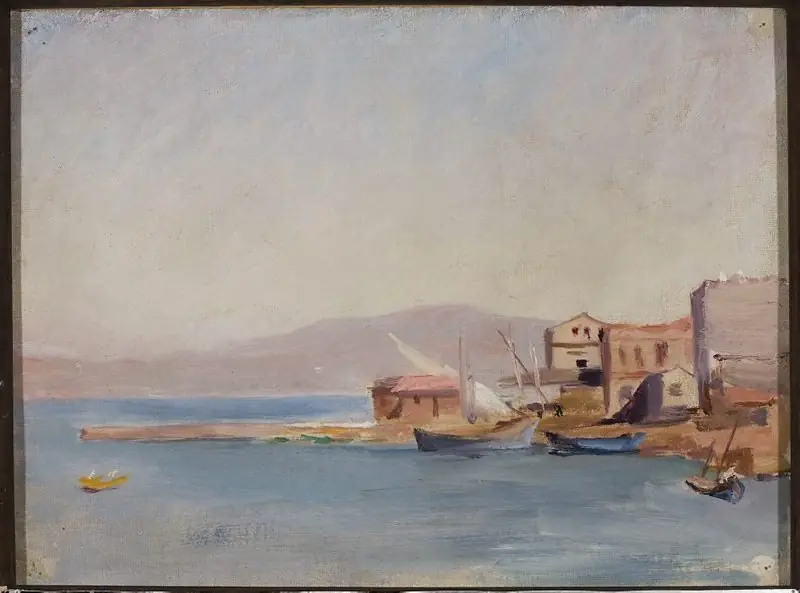 Harbour – study. From the journey to Constantinople
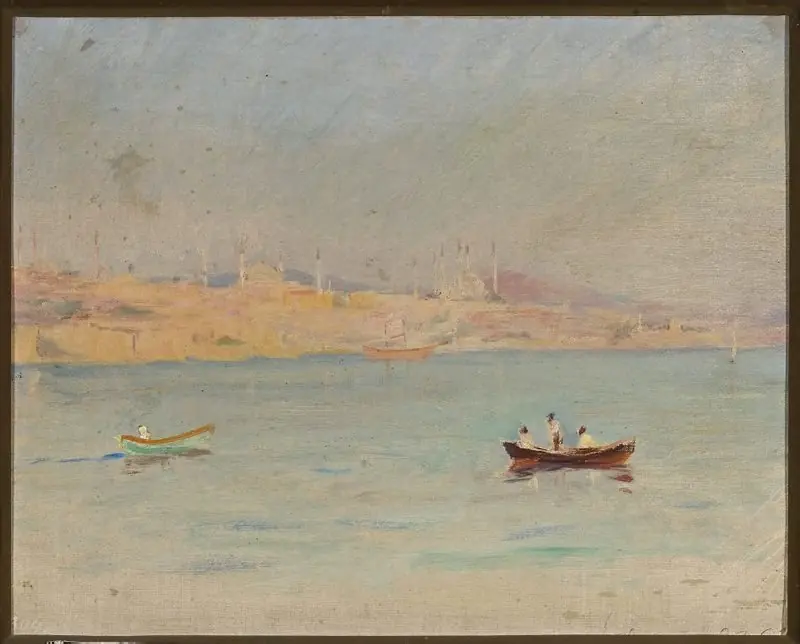 Marine landscape. From the journey to Constantinople
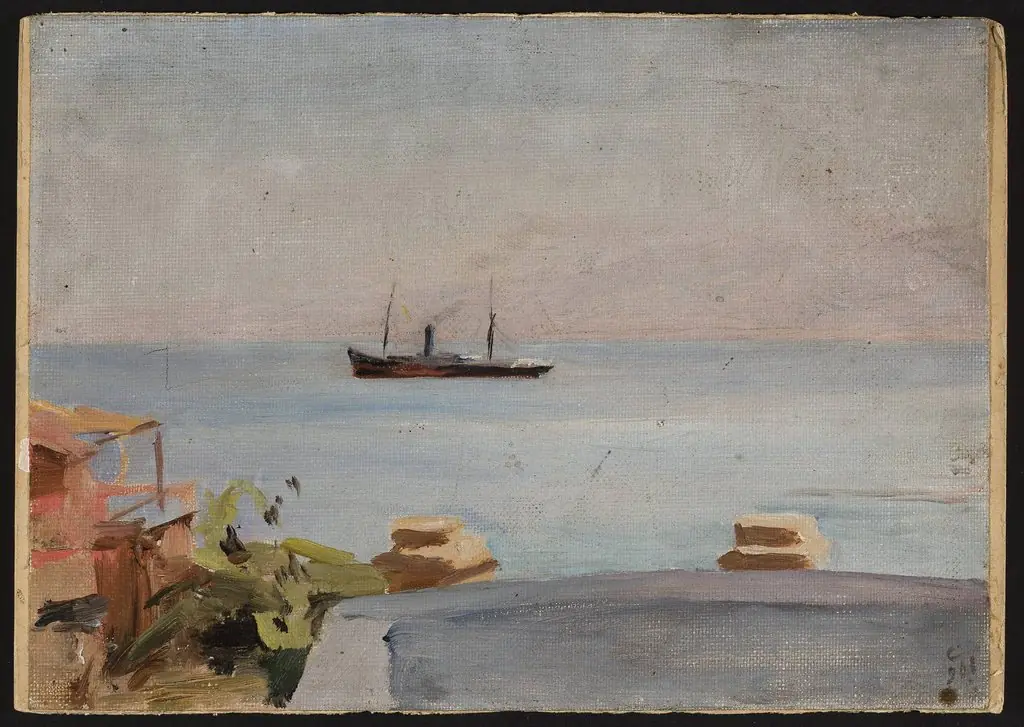 Beirut – Mount Lebanon. From the journey to Palestine
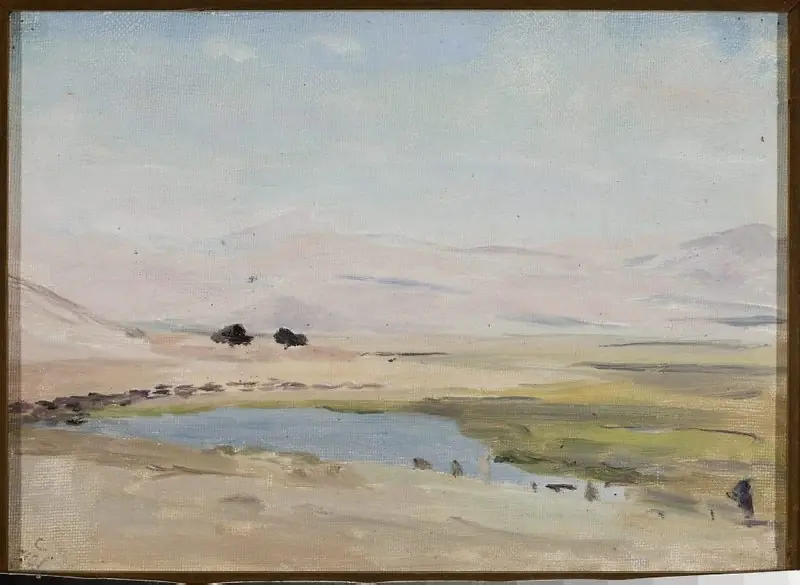 Desert near the Dead Sea. From the journey to Palestine
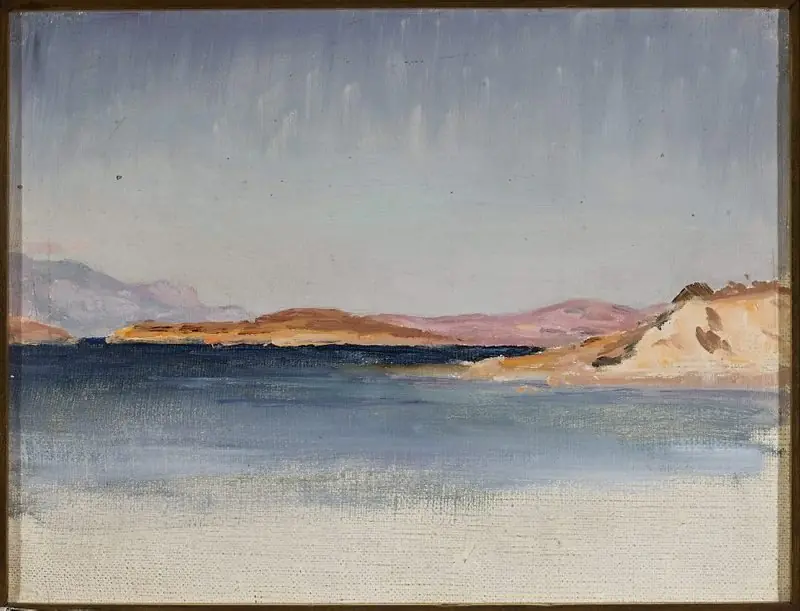 On the return from Jerusalem. From the journey to Palestine
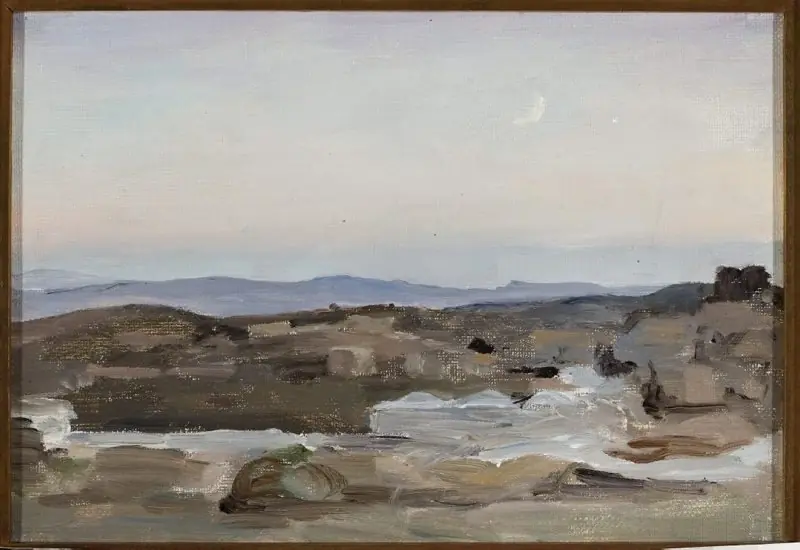 Desert – Ramallah. From the journey to Palestine
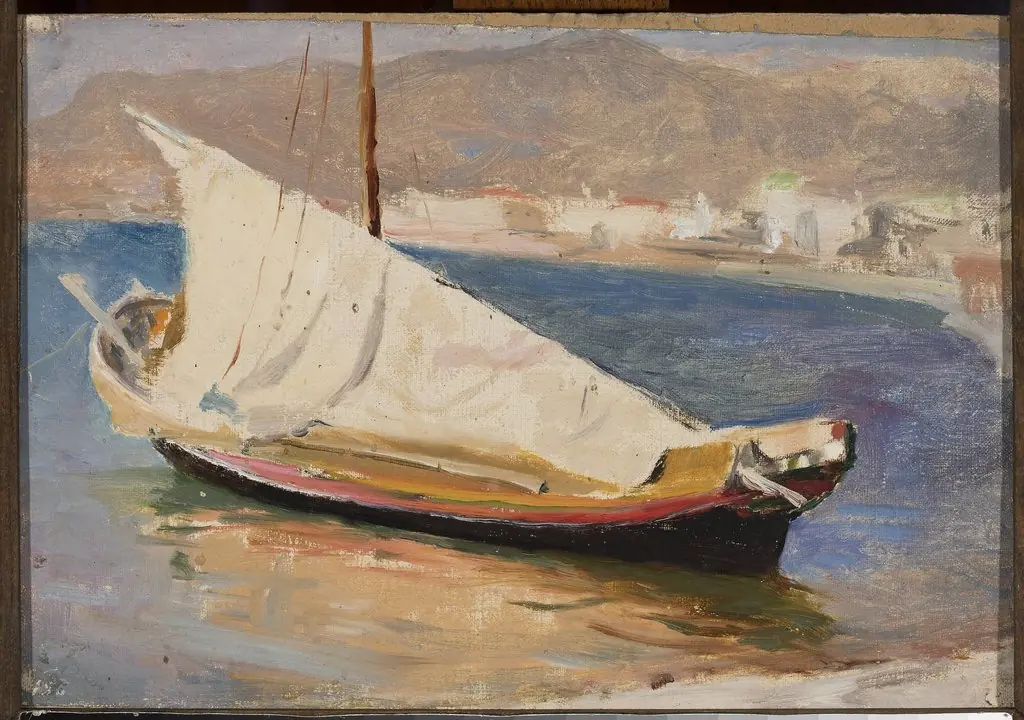 Sail boat – Yalta. From the journey to Crimea
 Tiberias. From the journey to Palestine