Artwork
Bordighera. From the journey to Italy
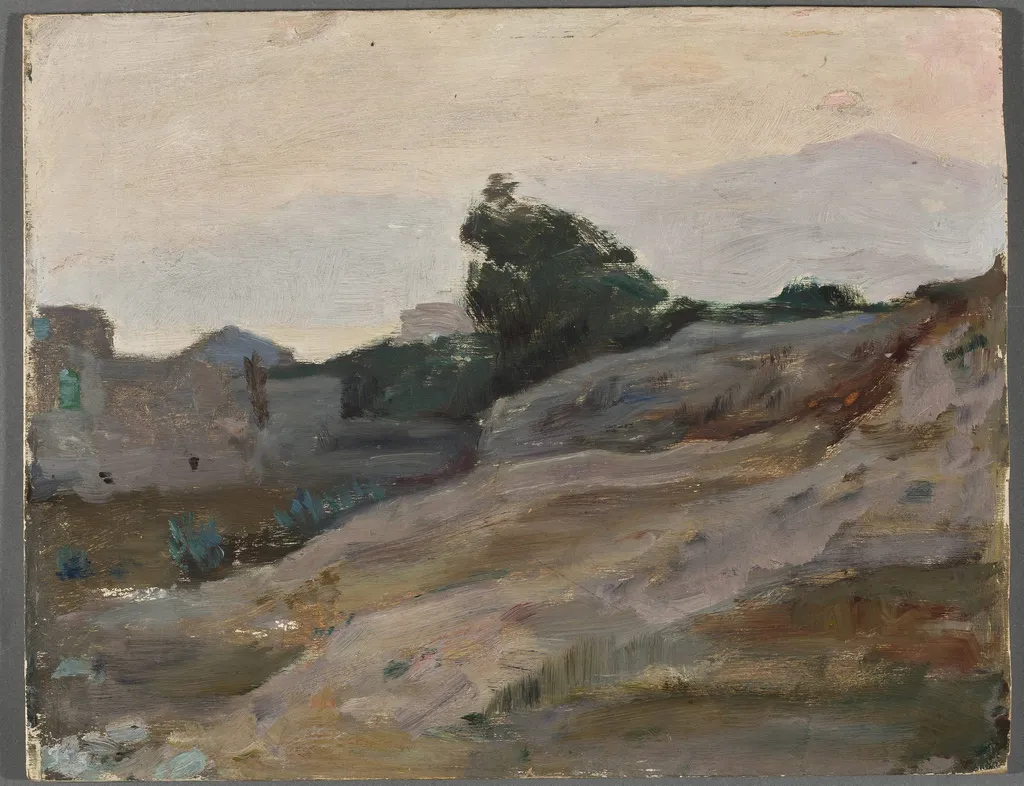
Bordighera. From the journey to Italy is an unspecified painting by the Post-Impressionist artist Jan Ciągliński. It dates from 1898 and is held in the collection of the National Museum in Warsaw.
About this work
Overview
Created during a period of extensive travel through southern Europe, the work reflects Ciągliński’s engagement with post-impressionist approaches to landscape.
Painted in 1898 by Polish artist Jan Ciągliński, *Bordighera. From the journey to Italy* captures a quiet coastal view in Liguria. Created during a period of extensive travel through southern Europe, the work reflects Ciągliński’s engagement with post-impressionist approaches to landscape. It is now part of the National Museum in Warsaw’s collection, representing his contribution to Polish art beyond imperial Russian circles.
Subject & Meaning
The painting presents a tranquil hillside overlooking the Italian Riviera, with distant peaks and a soft, overcast sky. No human figures or architectural elements dominate the scene, emphasizing nature’s quiet presence. The choice of Bordighera—a favored destination for northern European artists—suggests an interest in Mediterranean light and atmosphere, not as exotic spectacle, but as a contemplative environment.
Technique & Style
Ciągliński employed loose, visible brushwork to convey texture and movement across the terrain. A restrained palette of earthy browns, muted greens, and cool grays unifies the composition. Subtle shifts in tone, rather than sharp contrasts, model the hillside’s form, suggesting a refined sensitivity to atmospheric conditions. The technique aligns with post-impressionist concerns for emotional resonance over literal representation.
History & Provenance
Ciągliński painted this work during a series of trips to Italy, following his earlier years in St. Petersburg under the Russian imperial court. After returning to Poland, the painting entered the National Museum in Warsaw’s holdings, where it remains today. Its preservation reflects its significance as an example of Polish artists engaging with broader European artistic currents at the turn of the century.
Context
In the late 19th century, many Central and Eastern European artists traveled to Italy to study light, landscape, and classical ruins. Ciągliński’s work aligns with this trend, yet avoids academic idealization. His approach shares affinities with French and Scandinavian plein air painters, emphasizing personal observation over narrative or romanticism, reflecting a broader shift toward modernist sensibilities in regional art.
Legacy
Though not widely known outside Poland, *Bordighera* exemplifies how artists from the Russian Empire’s peripheries participated in international artistic dialogues. Ciągliński’s restrained, observational style contributed to a quieter strand of post-impressionism in Polish painting, influencing later generations interested in landscape as a vehicle for mood rather than spectacle.
Artist & collection
Artist
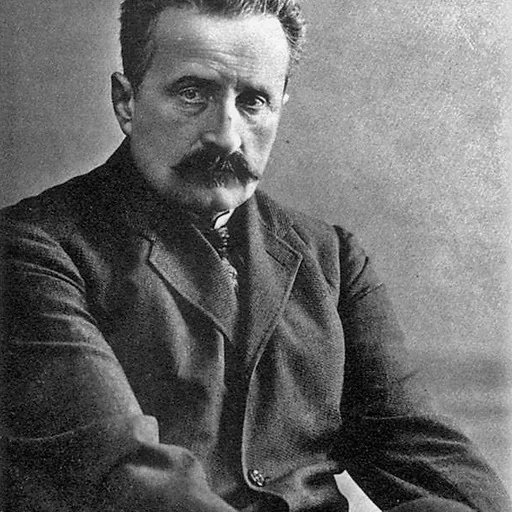
Jan Ciągliński (Polish: ; Russian: Ян/Иван Францевич Ционглинский, romanized: Yan/Ivan Frantsevich Tsionglinskiy; 20 February 1858 – 6 January 1913) was a Polish painter, active in St.

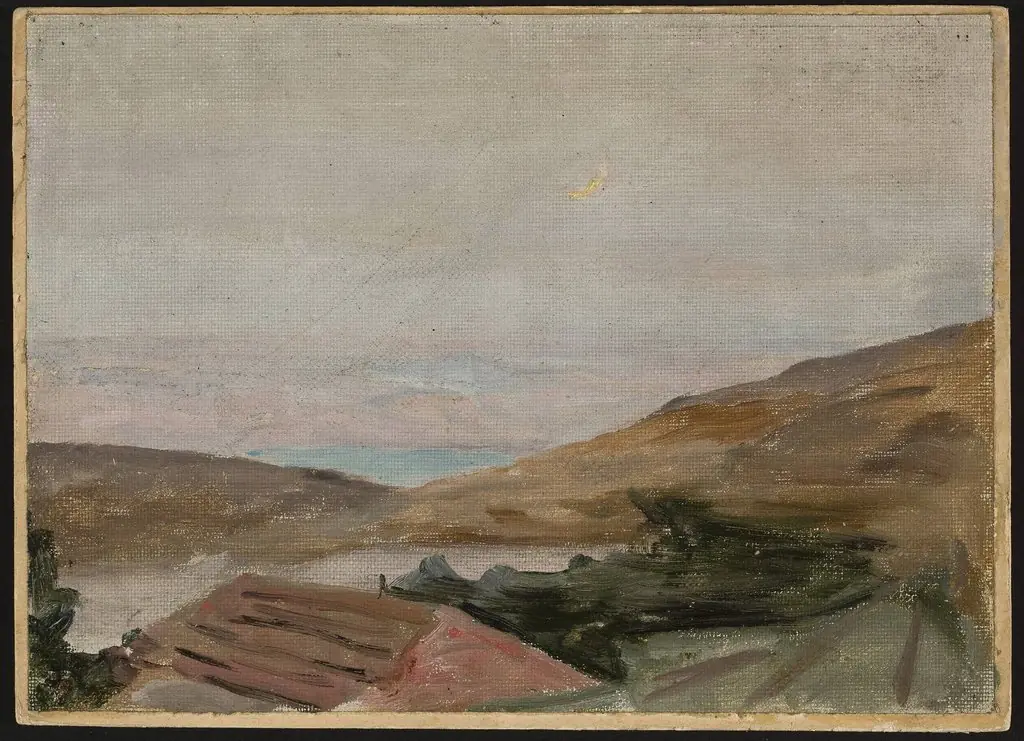 Tiberias. From the journey to Palestine
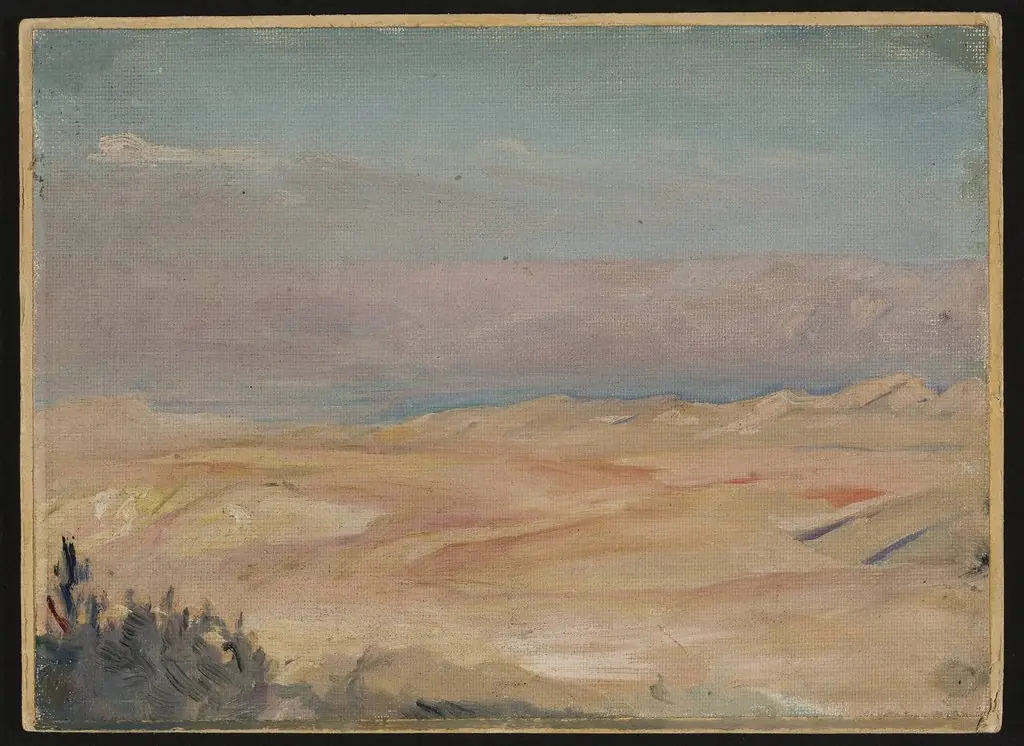 View from the Mount of Olives. From the journey to Palestine
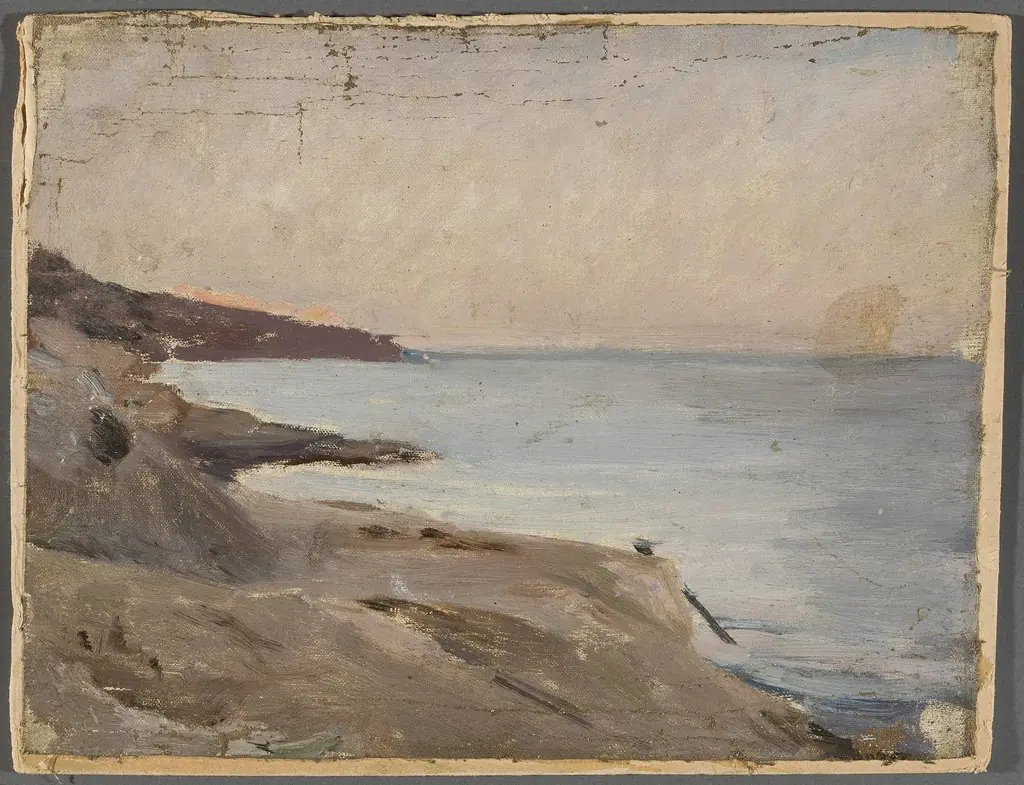 Marine landscape – Yalta. From the journey to Crimea
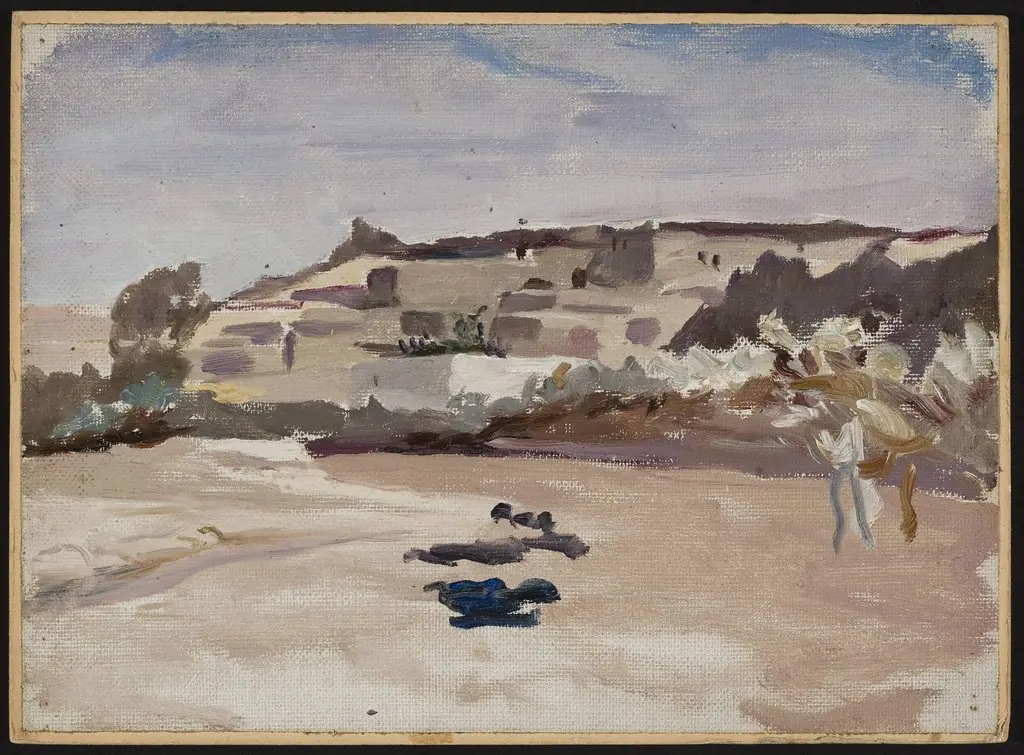 Cana of Galilee. From the journey to Palestine
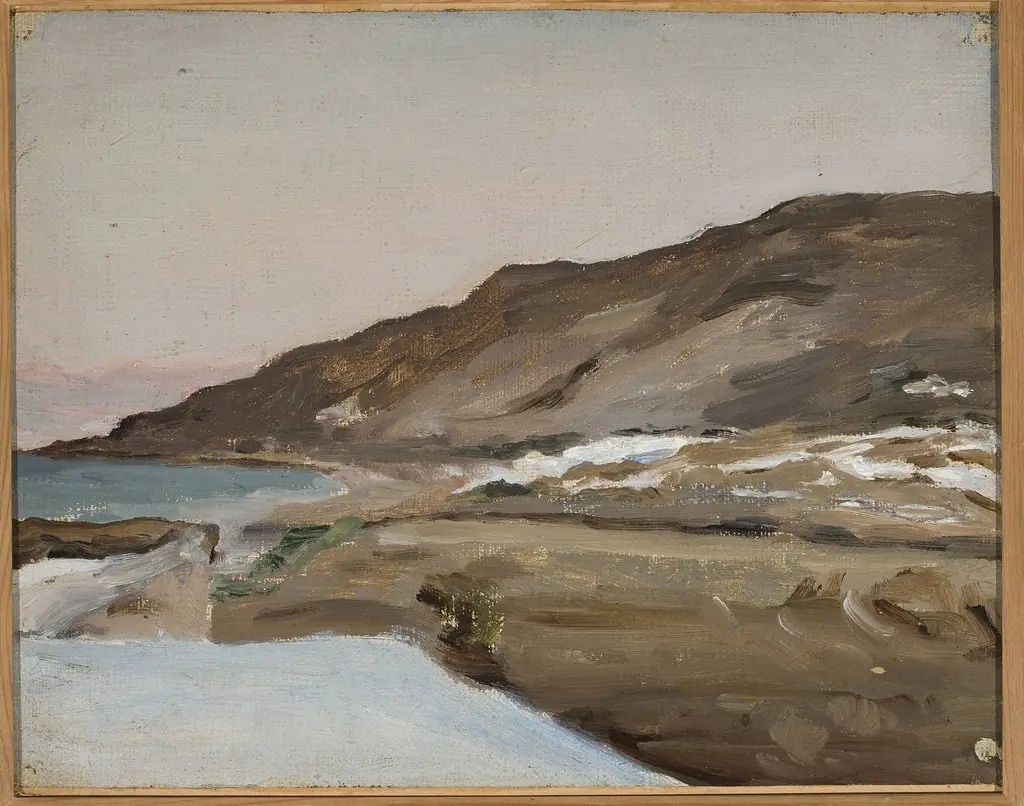 Graveyard in Tiberias. From the journey to Palestine
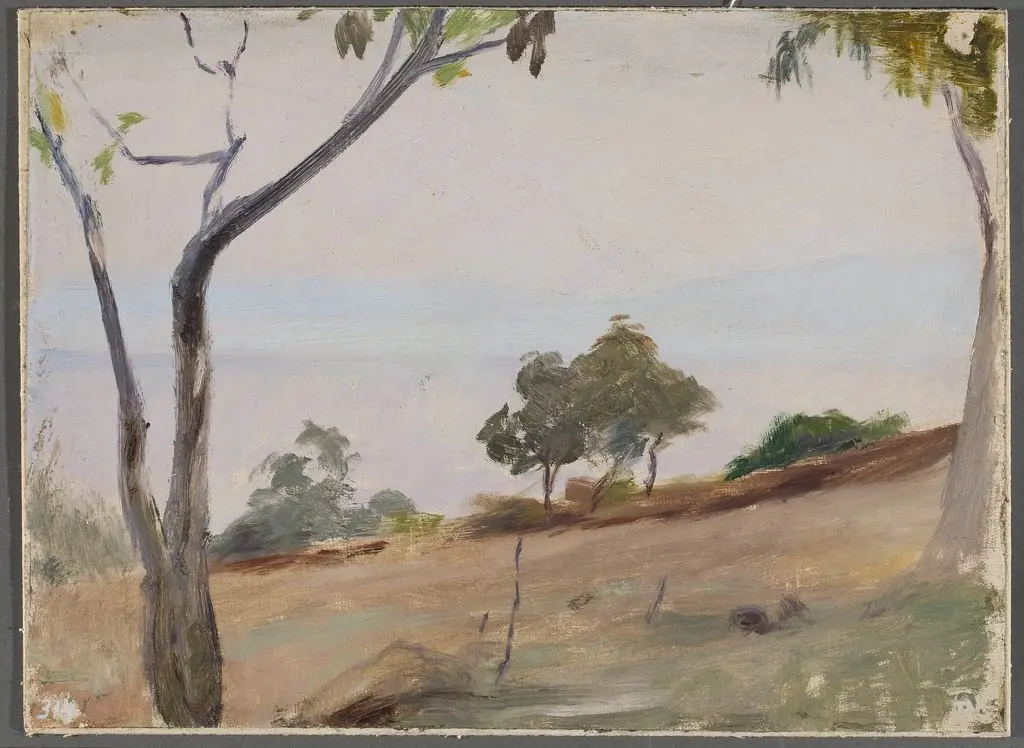 Landscape with trees. From the journey to Constantinople
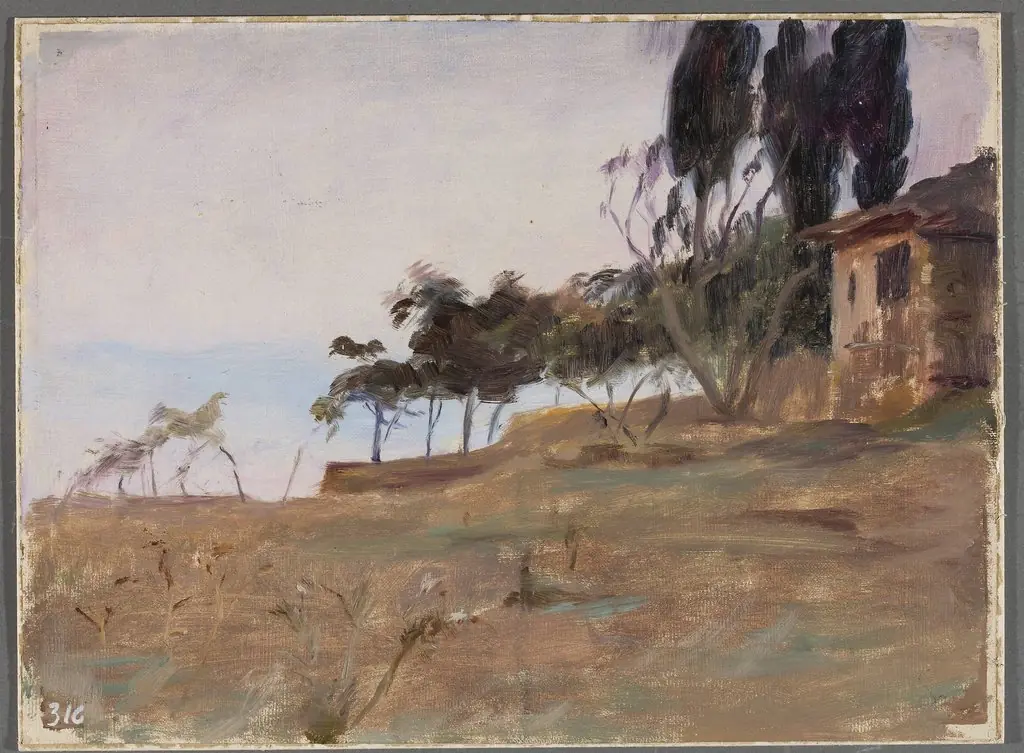 Study. From the journey to Constantinople
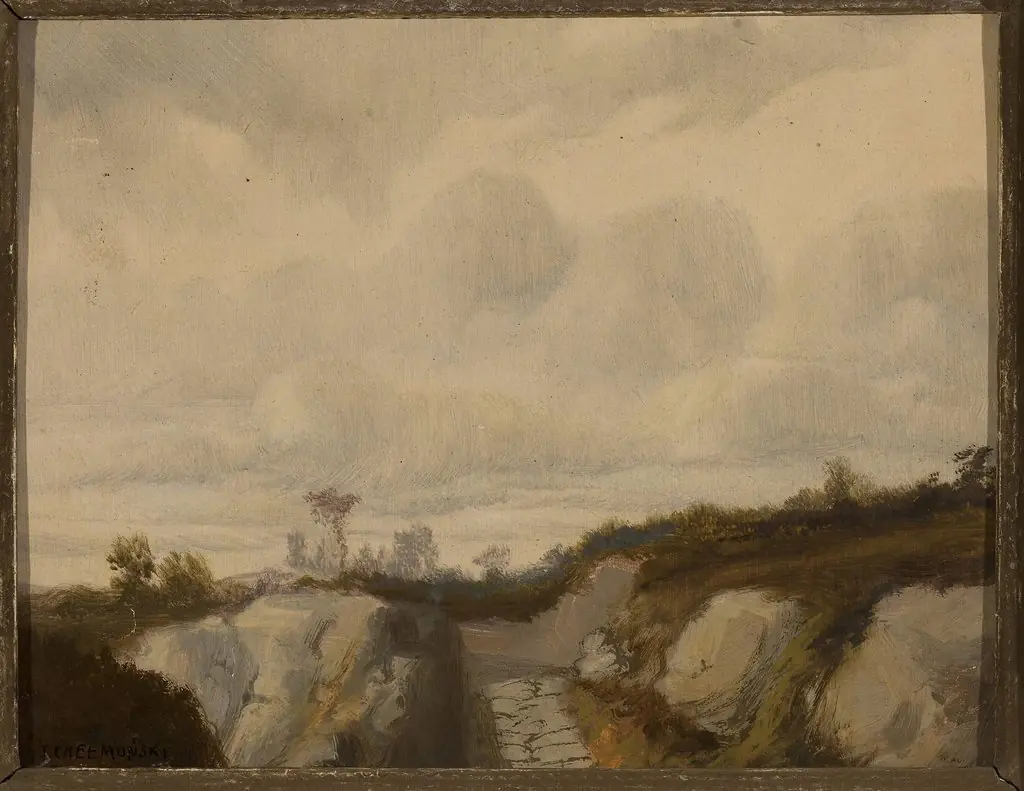 Road among rocks
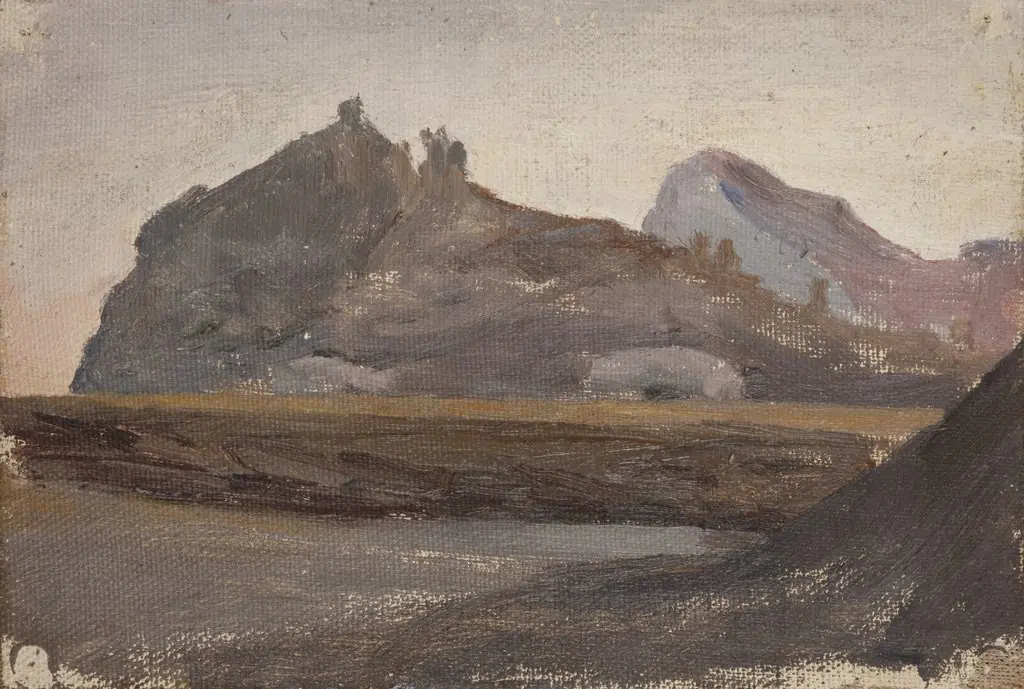 Sudak
Sudak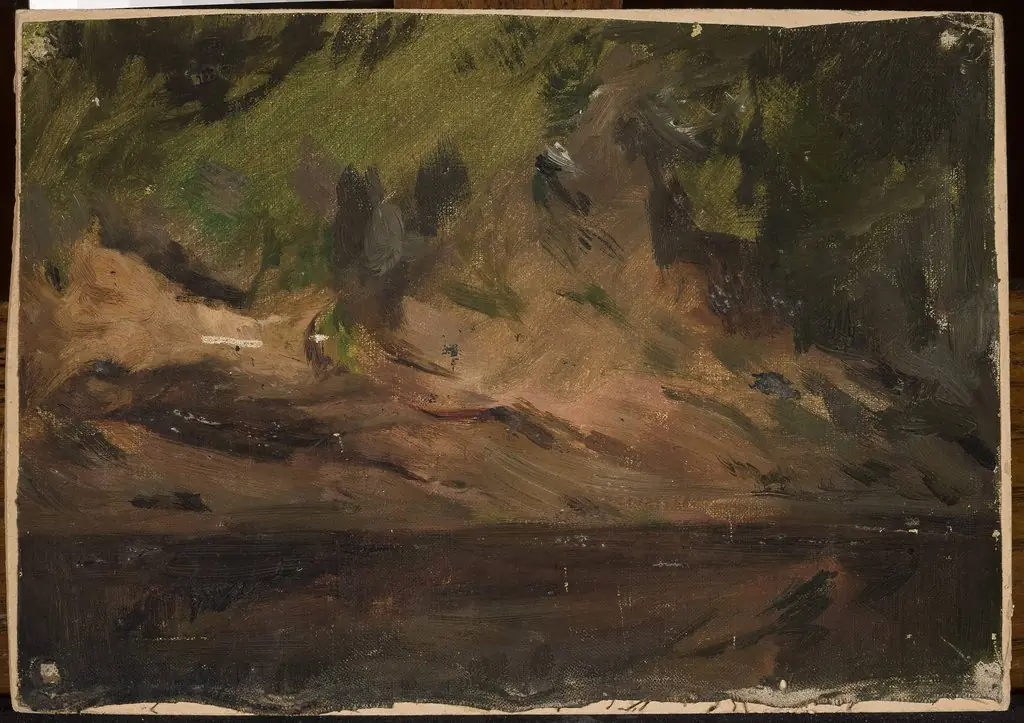 Sandy bank. Study from Podolia
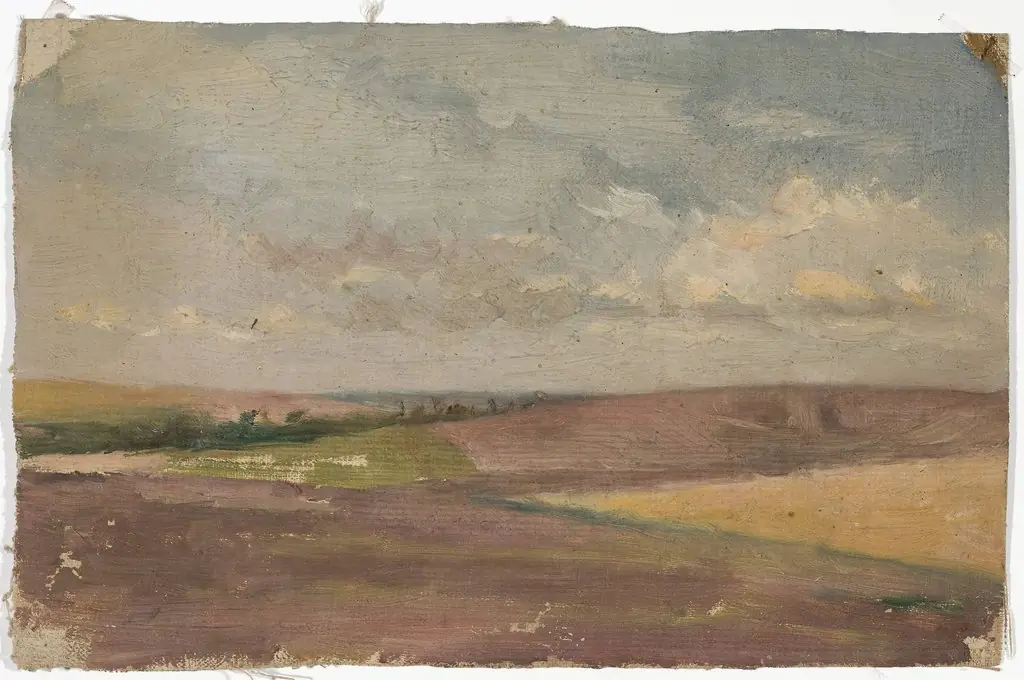 Polish landscape
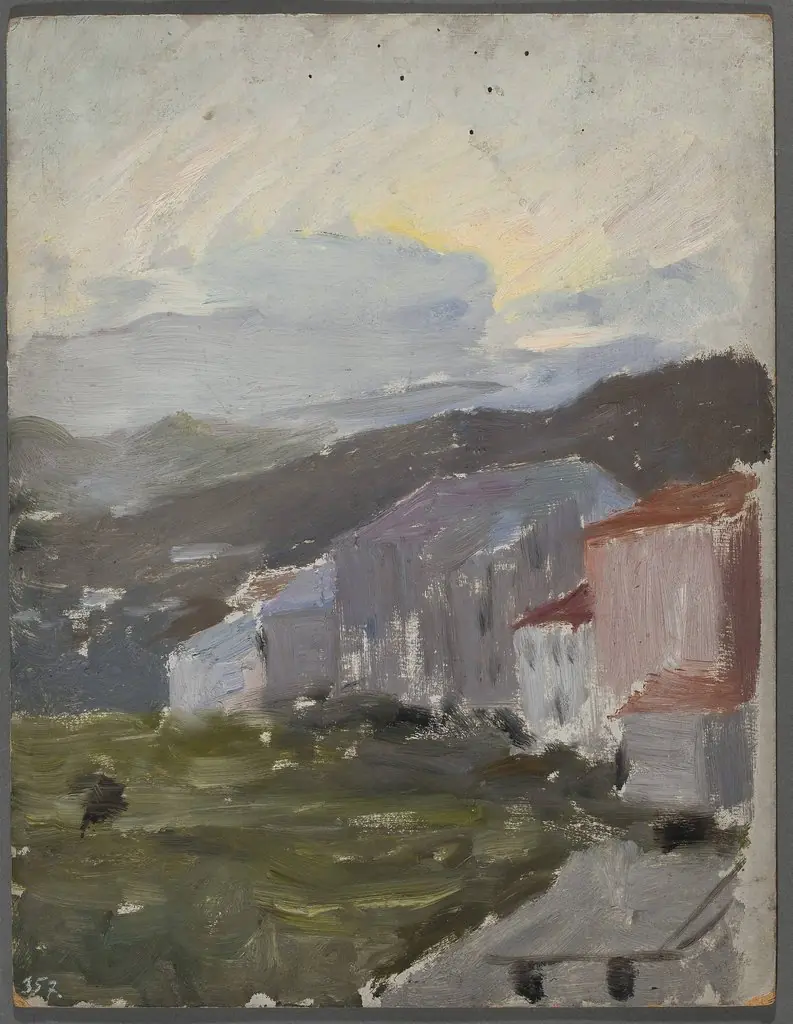 Porto Maurizia. From the journey to Italy