Artwork
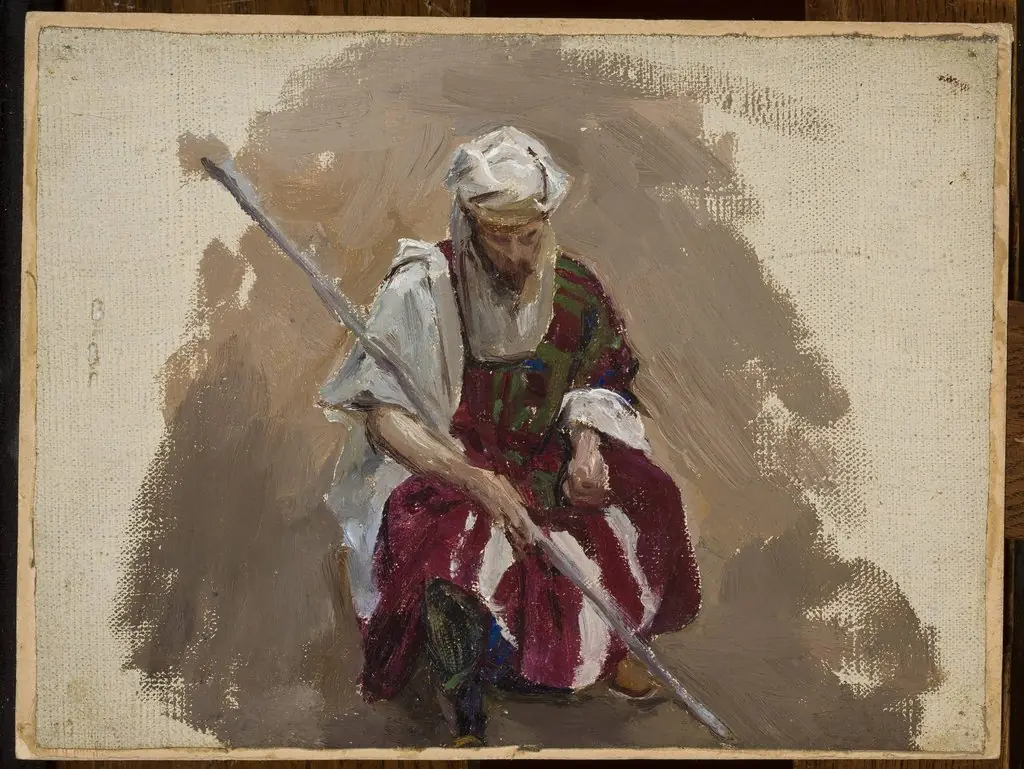
Desert - Resting in the desert. From the journey to Palestine
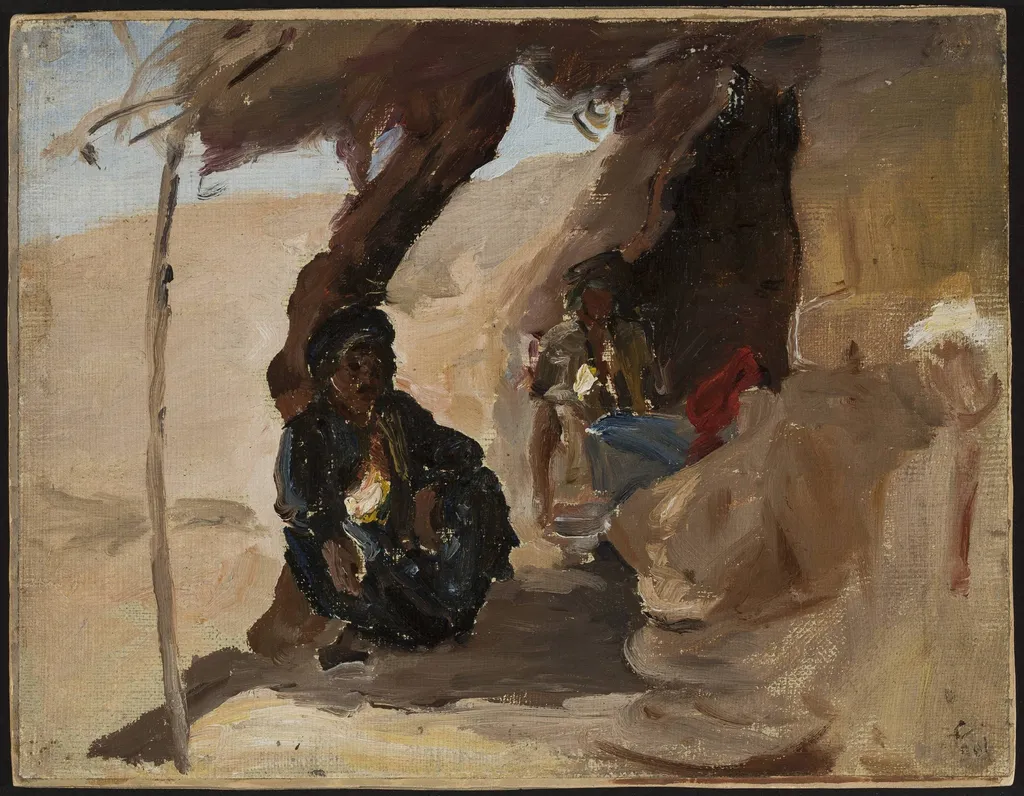
Desert - Resting in the desert. From the journey to Palestine is an unspecified painting by the Impressionist artist Jan Ciągliński. It dates from 1901 and is held in the collection of the National Museum in Warsaw.
About this work
Overview
Painted in 1901 by Polish artist Jan Ciągliński, this work captures a quiet pause during a journey through the Middle East.
Painted in 1901 by Polish artist Jan Ciągliński, this work captures a quiet pause during a journey through the Middle East. Created during his travels to Palestine, the painting reflects his engagement with the landscapes and people of the region. Though based in St. Petersburg and associated with Russian Impressionism, Ciągliński’s approach remained personal and observational, avoiding grand narratives in favor of intimate, transient moments.
Subject & Meaning
Two figures, dressed in dark garments, rest in the shade of an arid expanse. One holds a white cloth, possibly a head covering or a water container, suggesting the practicalities of desert travel. The absence of vegetation or water underscores the harshness of the environment. Their stillness conveys endurance rather than despair, framing rest as a necessary, dignified act amid prolonged movement.
Technique & Style
Ciągliński employs loose, fluid brushwork characteristic of Impressionism, capturing light and texture without fine detail. The palette is restrained—earthy browns, beiges, and soft ochres—emphasizing the desert’s monotony. Subtle contrasts in tone suggest the play of sunlight and shadow, though without dramatic chiaroscuro. The brushstrokes lend a sense of atmosphere and motion, as if the heat itself is shimmering across the scene.
History & Provenance
The painting entered the collection of the National Museum in Warsaw, where it remains today. Its journey from the Middle East to Poland reflects Ciągliński’s transnational career and the broader 19th-century European interest in Orientalist travel. Though not widely exhibited internationally, it holds significance within Polish art history as an example of Impressionism adapted to non-European subjects.
Context
Ciągliński painted this during a period when European artists increasingly traveled beyond their borders, drawn by the perceived authenticity of Eastern landscapes. His work diverged from romanticized Orientalism by focusing on quiet, unembellished moments. The painting aligns with broader Impressionist concerns—light, atmosphere, and fleeting experience—but grounds them in a specific, observed reality far from Western studios.
Legacy
While Ciągliński is not among the most widely recognized Impressionists, this painting exemplifies how the movement’s principles were applied beyond France and Russia’s urban centers. It contributes to a quieter strand of 19th-century art that valued personal observation over spectacle. Today, it stands as a modest but thoughtful record of cross-cultural encounter, preserved as part of Poland’s national heritage.
Artist & collection
Artist
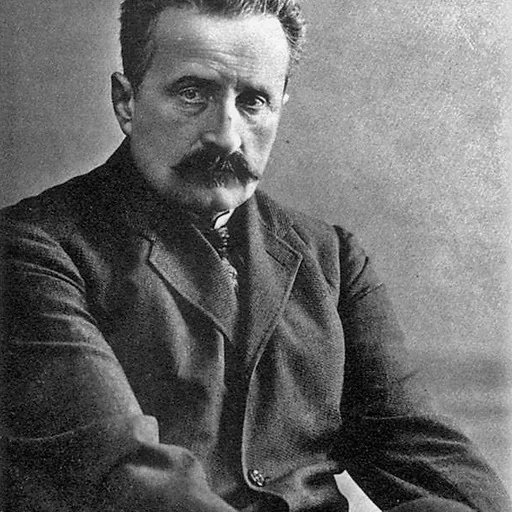
Jan Ciągliński (Polish: ; Russian: Ян/Иван Францевич Ционглинский, romanized: Yan/Ivan Frantsevich Tsionglinskiy; 20 February 1858 – 6 January 1913) was a Polish painter, active in St.

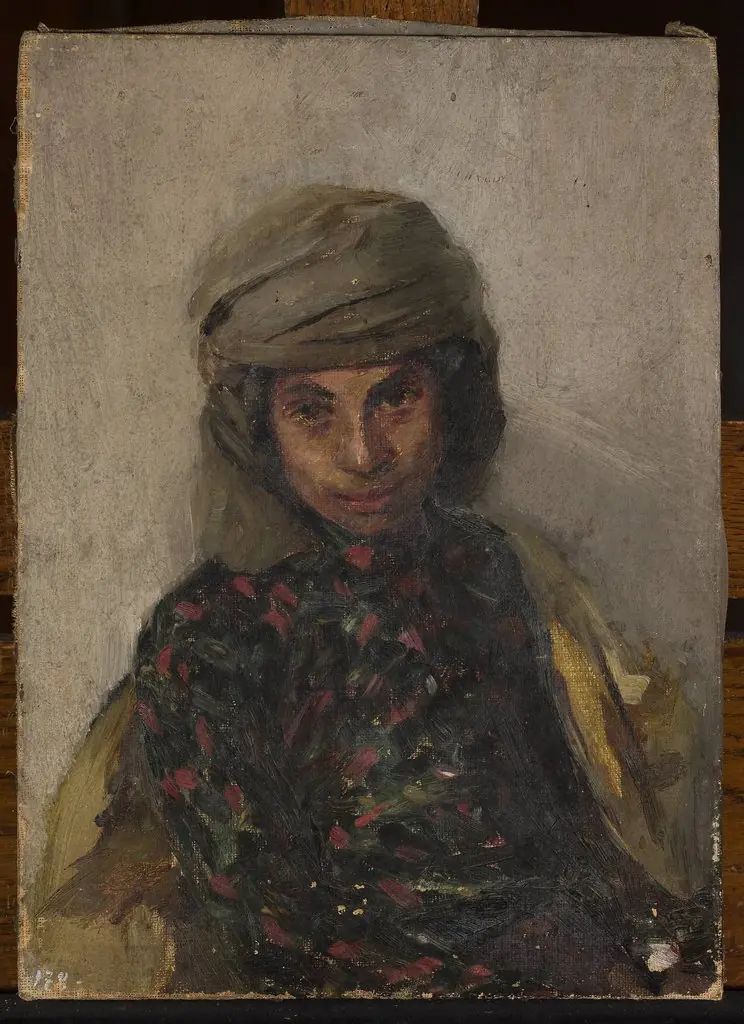
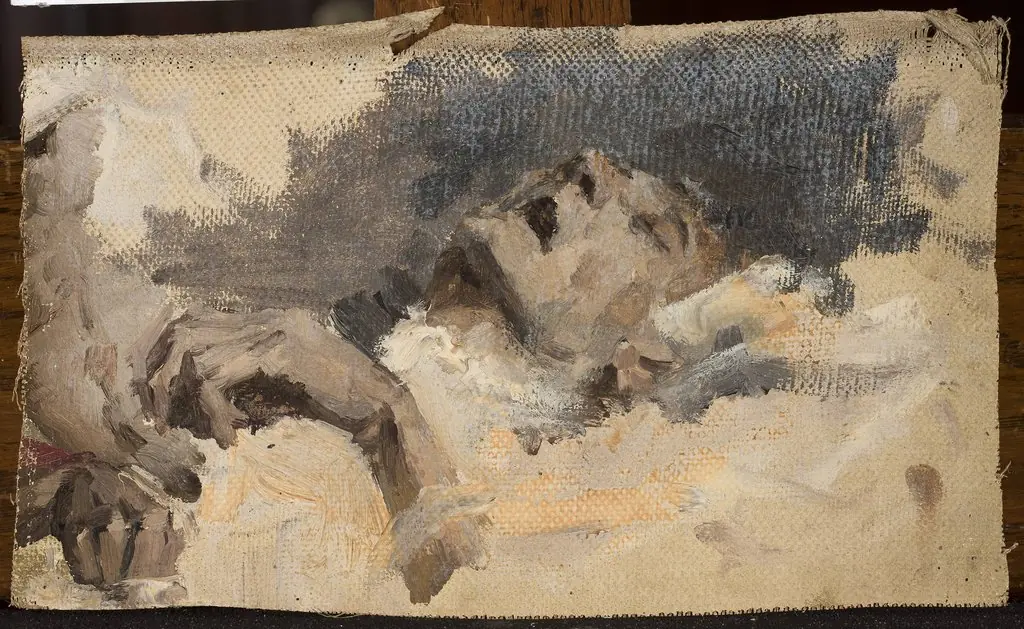
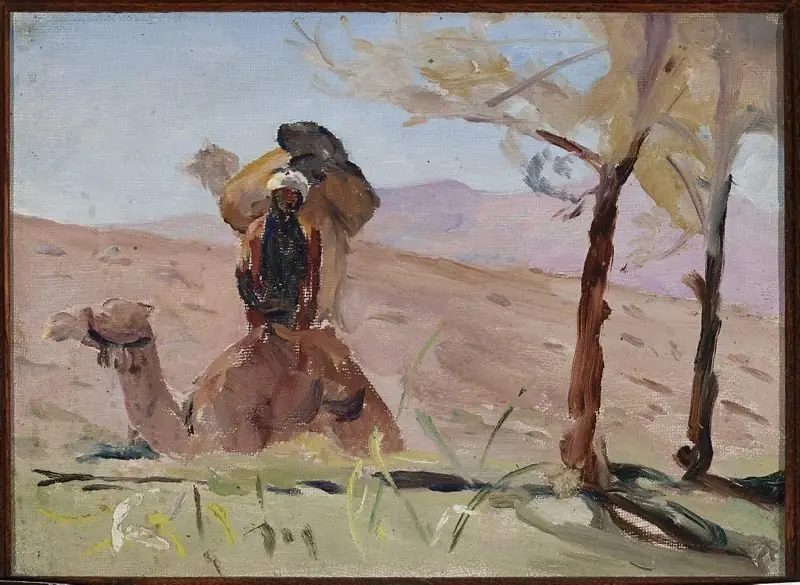 Desert. Resting in Mount Lebanon. From the journey to Palestine
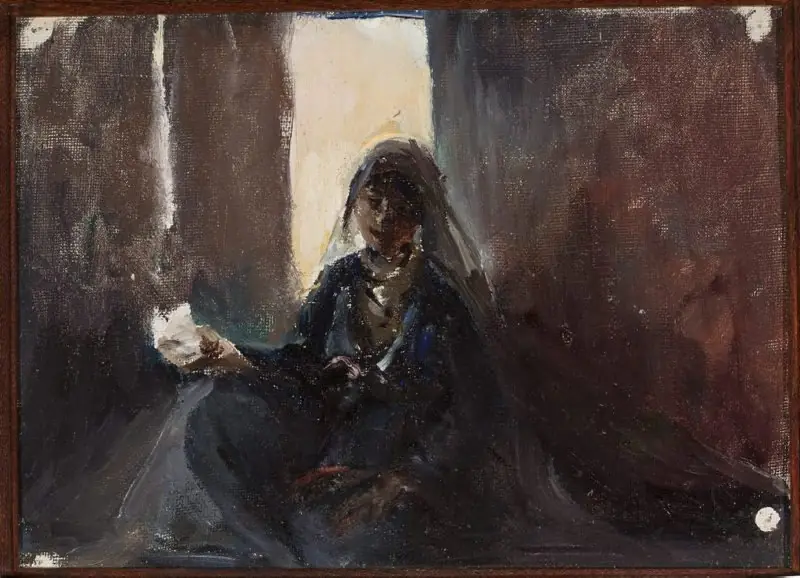 From the first stop in the desert. From the journey to Palestine
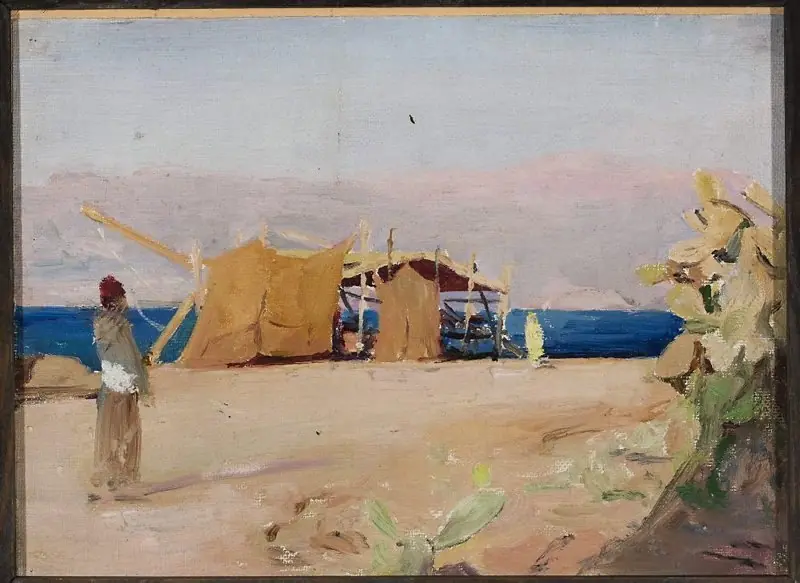 Beirut. From the journey to Palestine
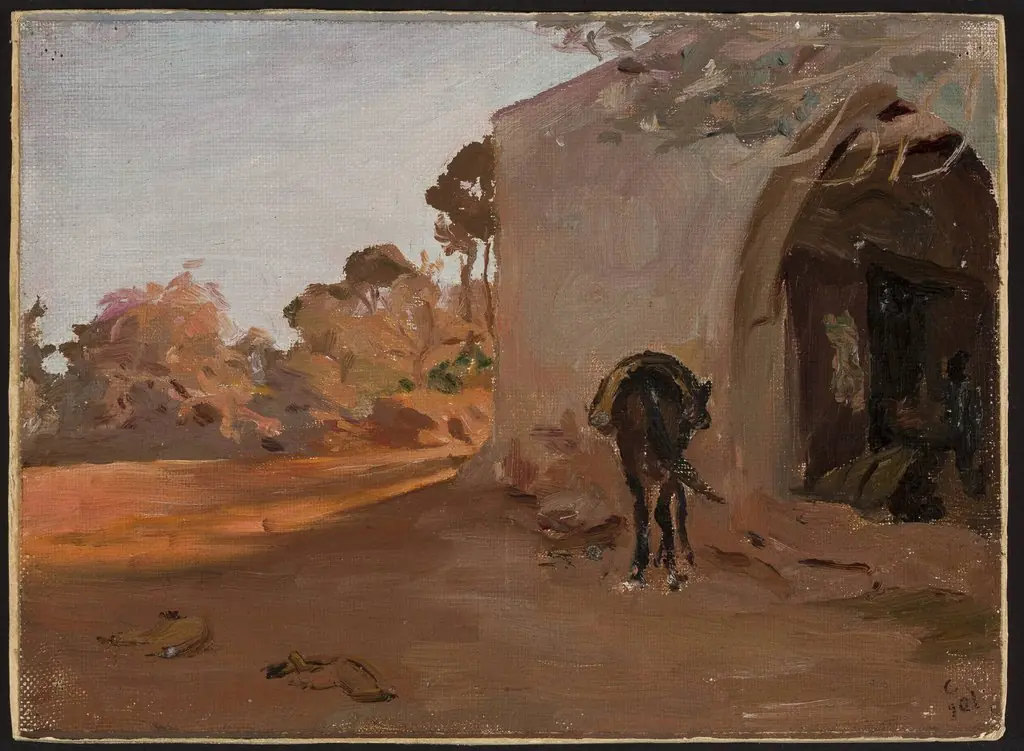 Beirut. From the journey to Palestine
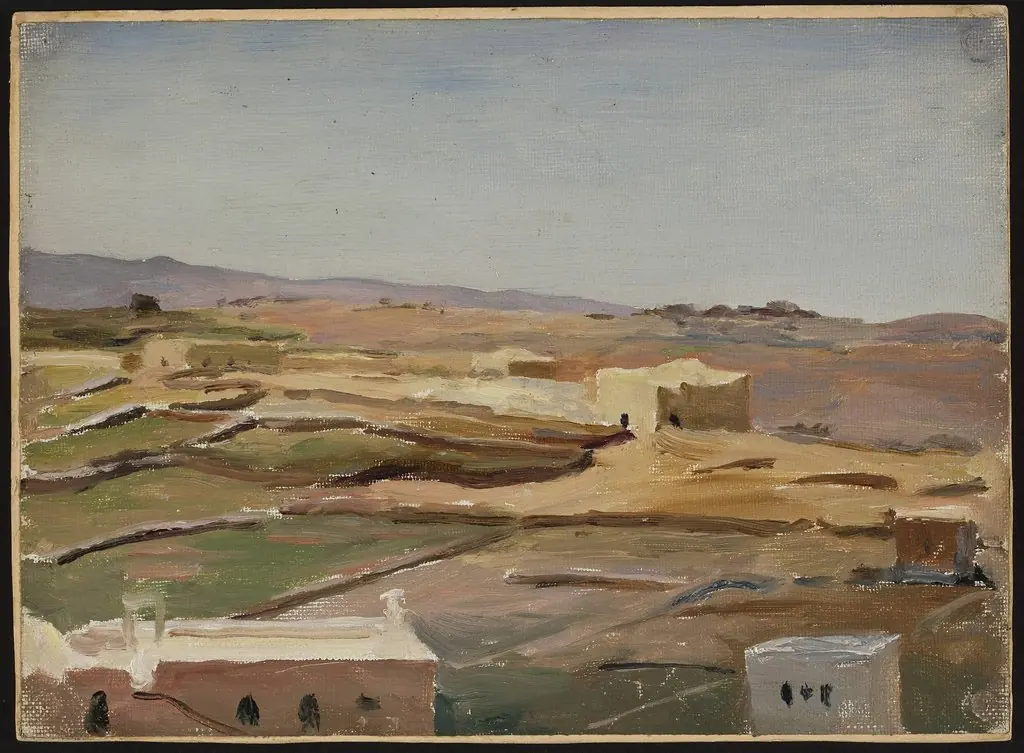 Desert – Ramallah. From the journey to Palestine
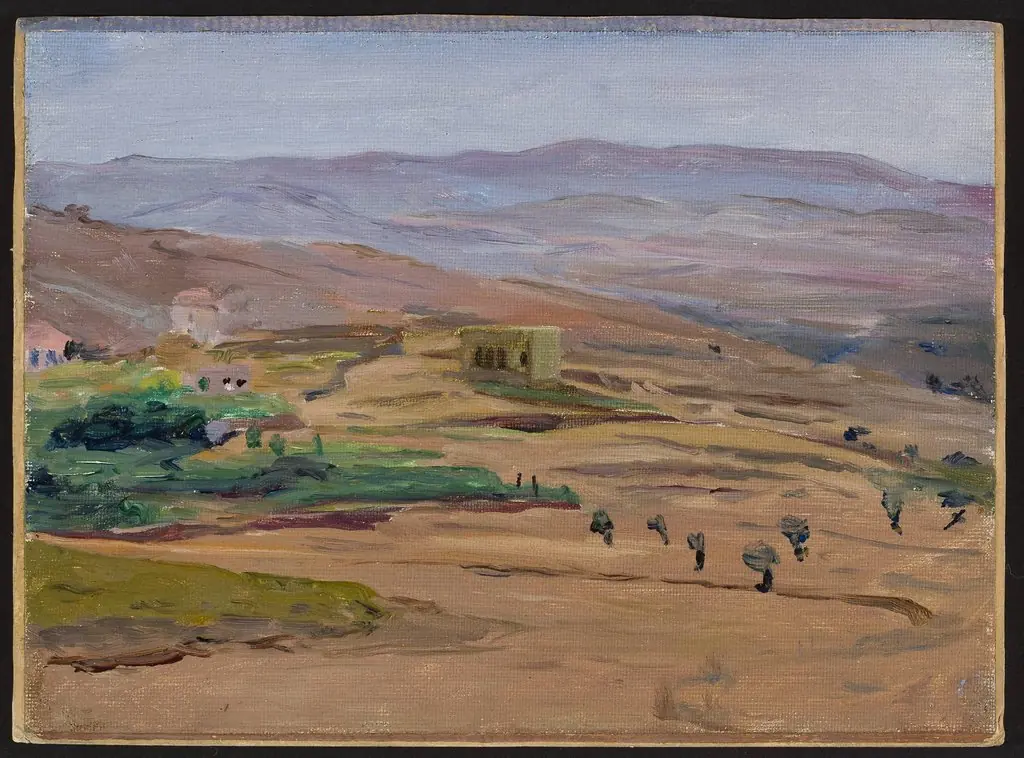 Desert near Damascus. From the journey to Palestine
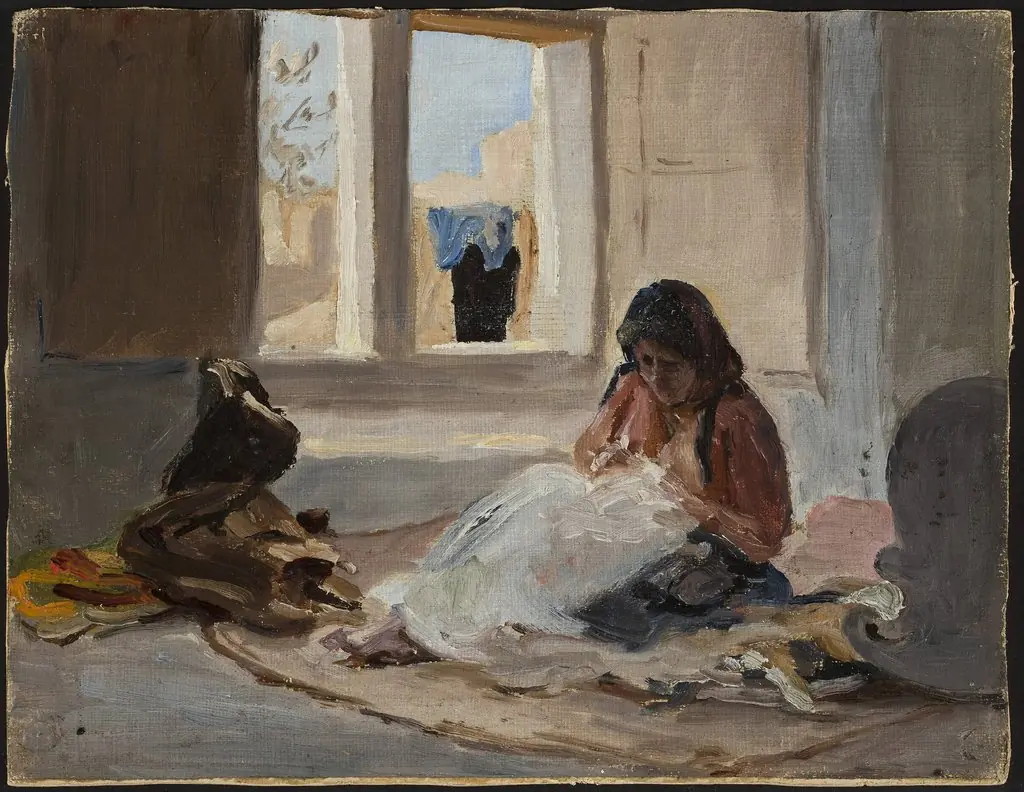 Nazareth. From the journey to Palestine
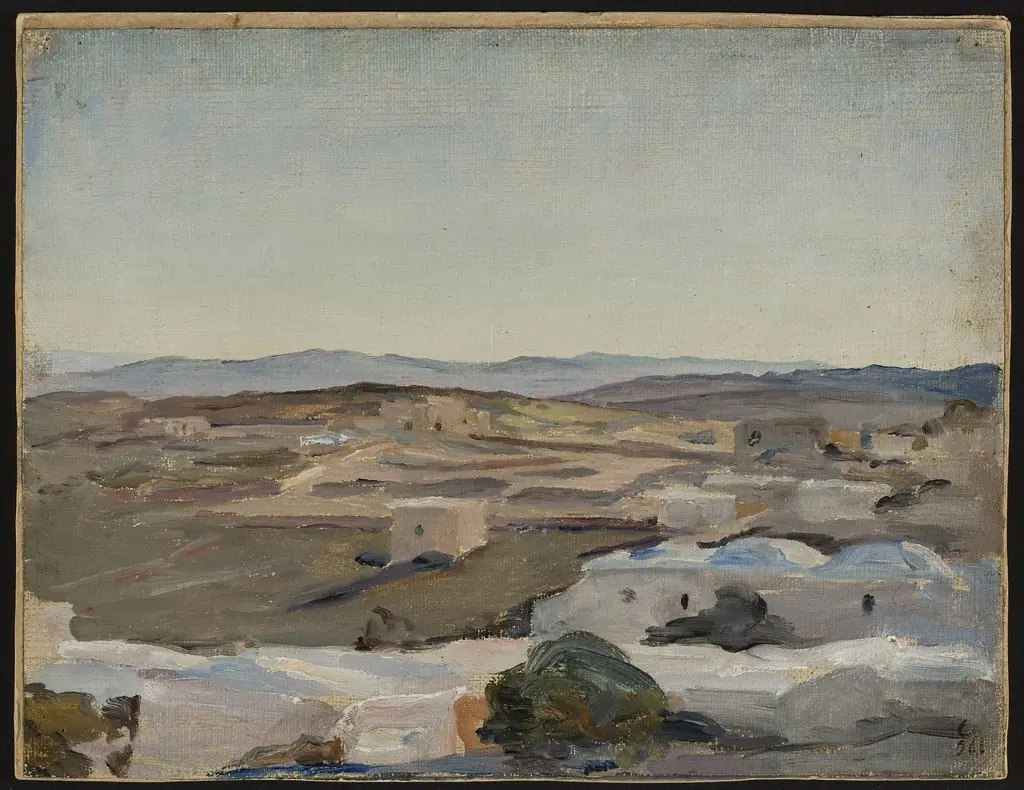 Ramallah near Jerusalem. From the journey to Palestine
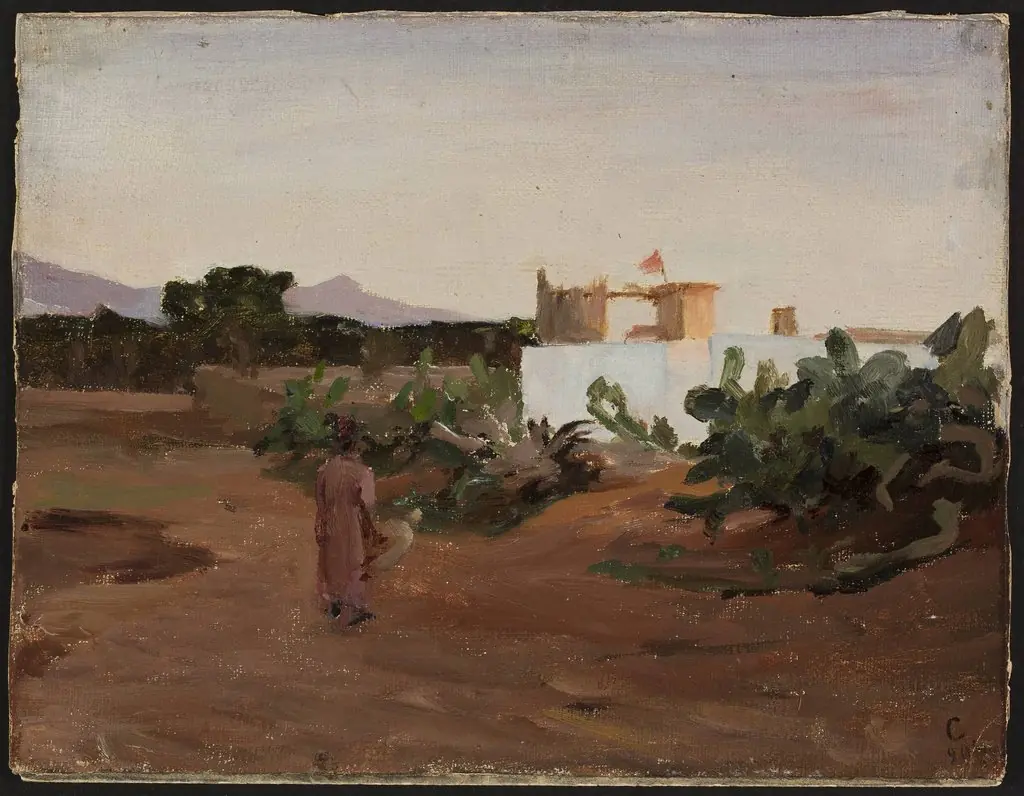 Beirut – Evening. From the journey to Palestine
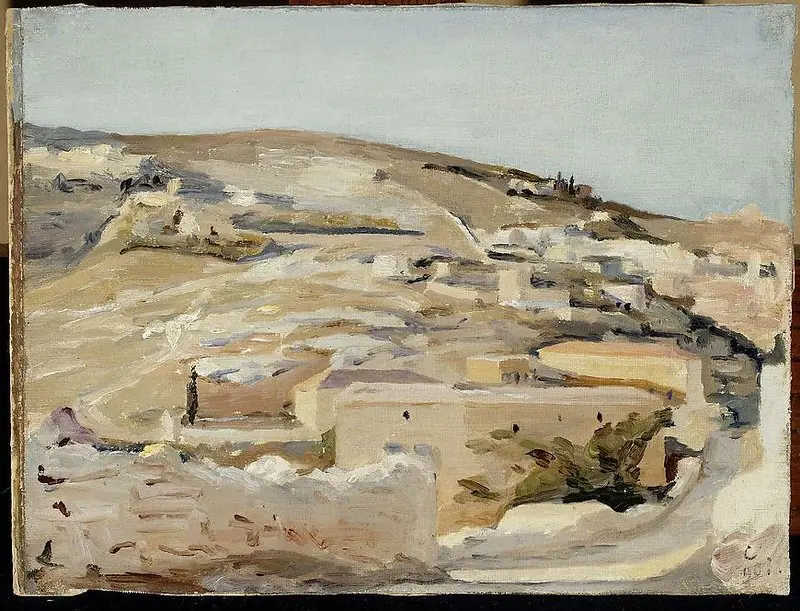 Nazareth. From the journey to Palestine