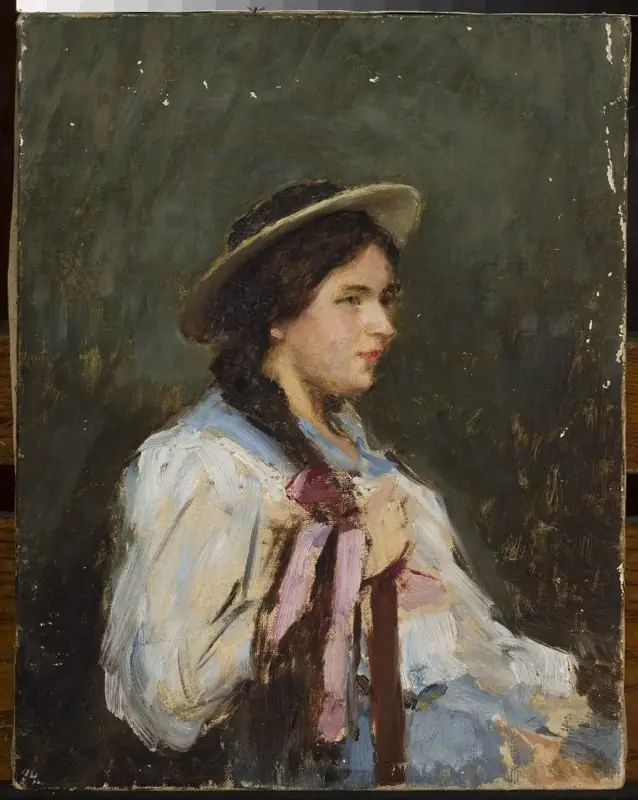
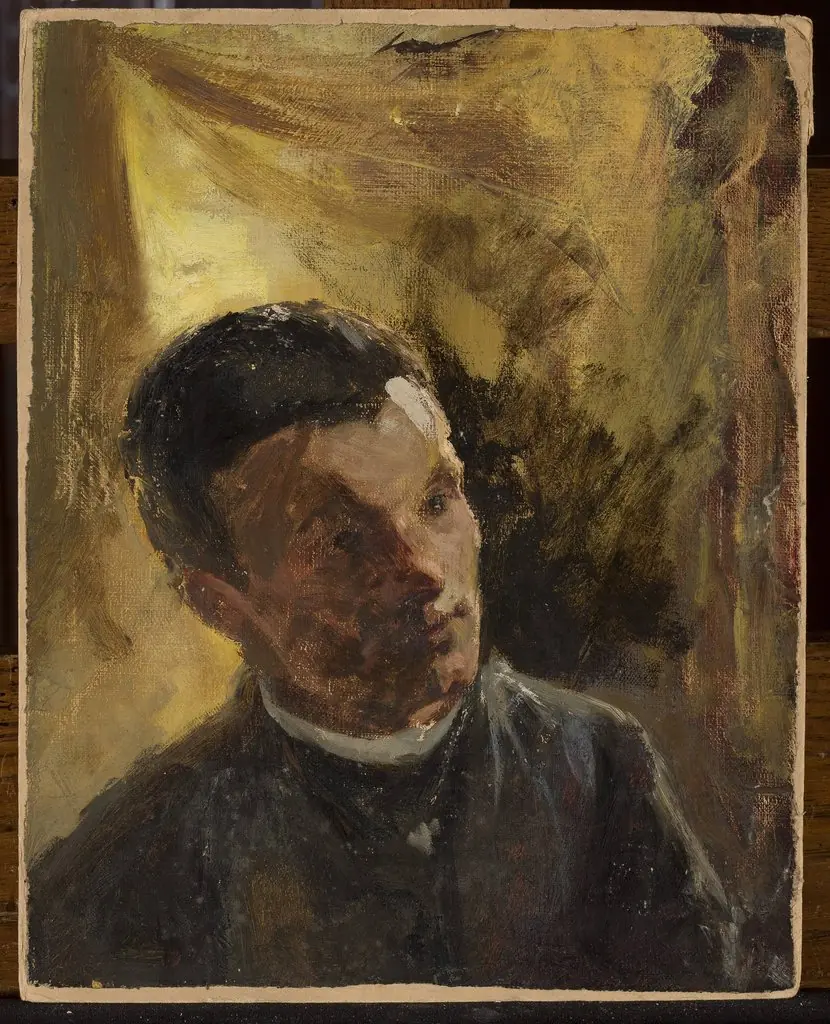
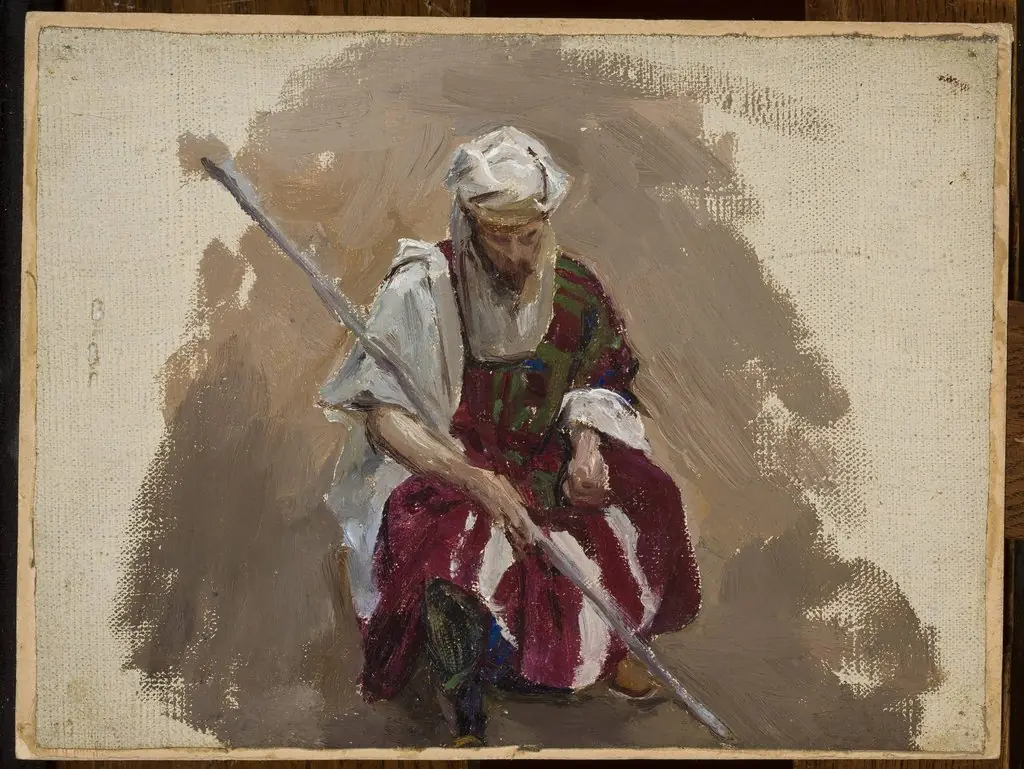
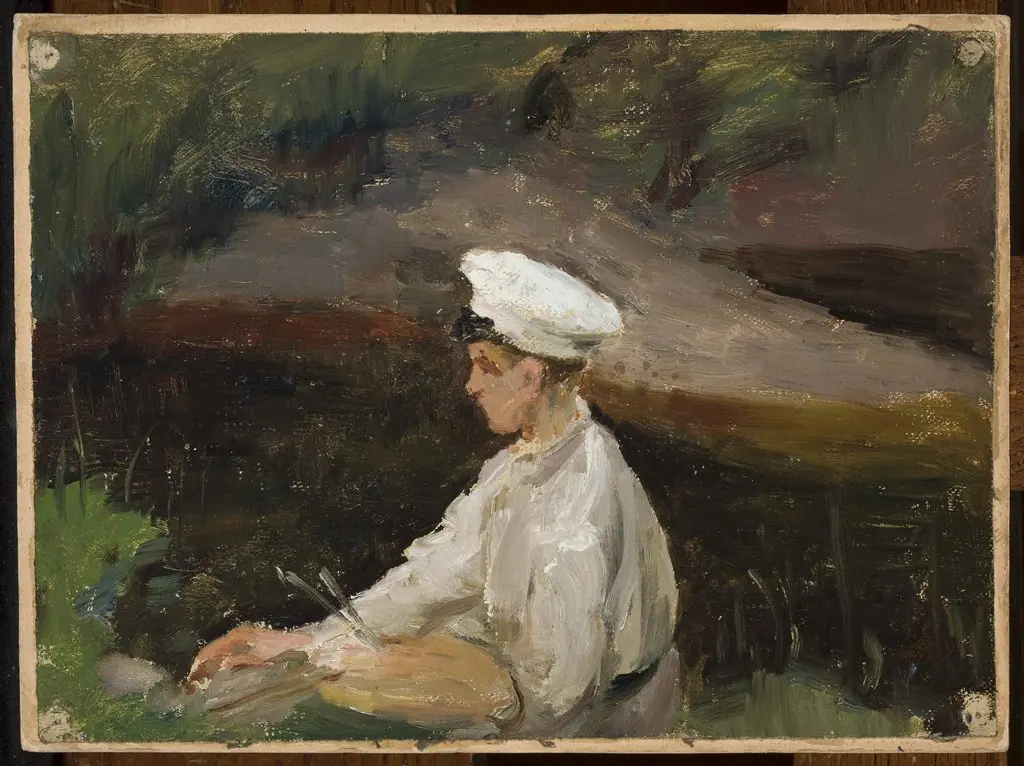
Artwork
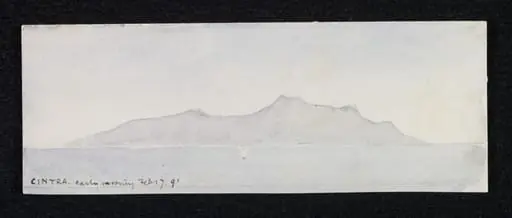
Lake Tiberias. From the journey to Palestine
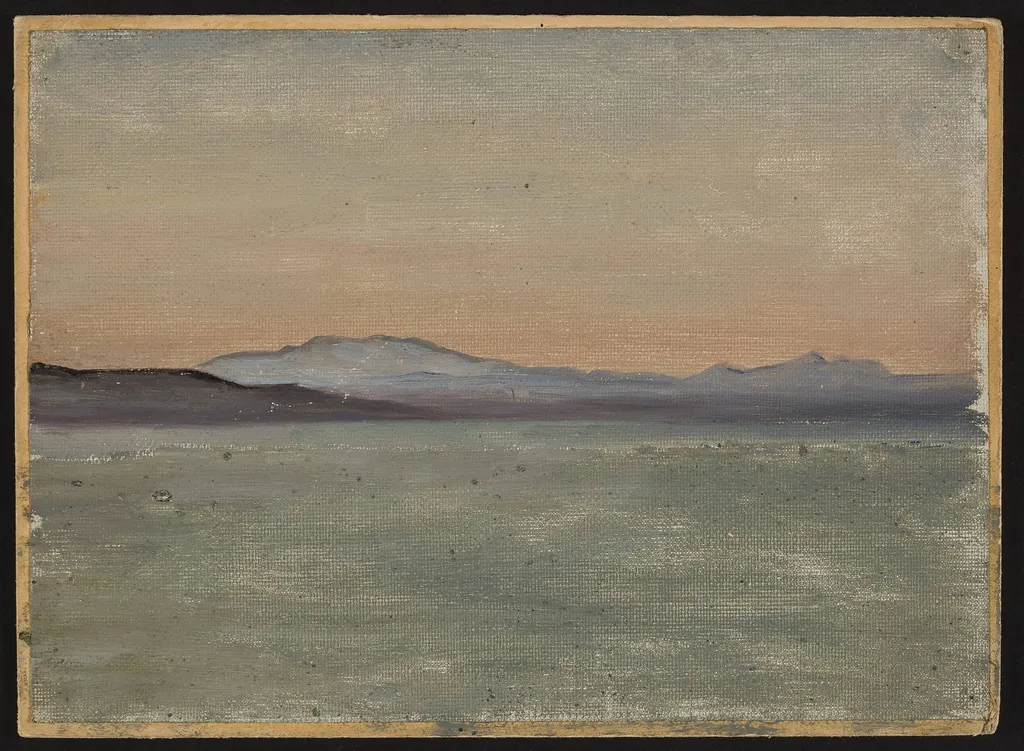
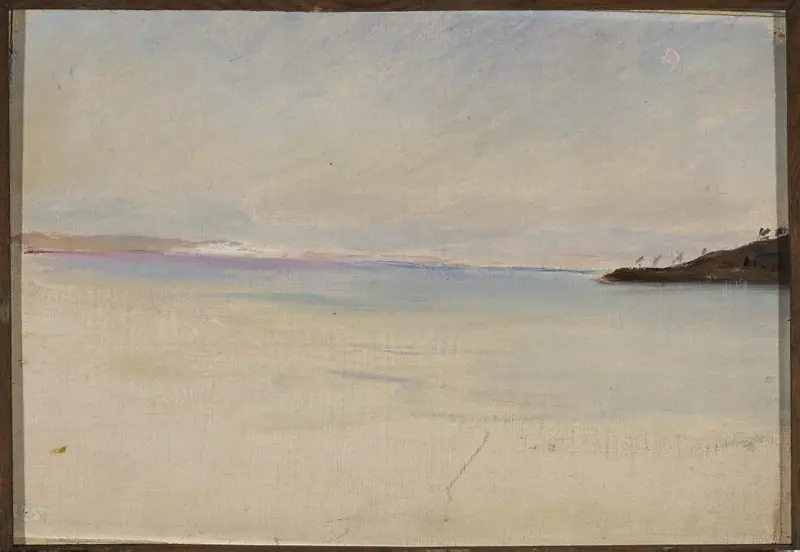
Lake Tiberias. From the journey to Palestine is an unspecified painting by the Impressionist artist Jan Ciągliński. It dates from 1901 and is held in the collection of the National Museum in Warsaw. Painted in 1901, Lake Tiberias.
About this work
Overview
The painting is now part of the National Museum in Warsaw’s collection, where it represents an early example of Impressionist influence in Eastern European art.
Painted in 1901, Lake Tiberias. From the journey to Palestine is a landscape work by Polish artist Jan Ciągliński, created during his travels in the Levant. It belongs to a series of plein-air studies he produced after visiting Palestine, reflecting his engagement with natural light and atmospheric conditions. The painting is now part of the National Museum in Warsaw’s collection, where it represents an early example of Impressionist influence in Eastern European art.
Subject & Meaning
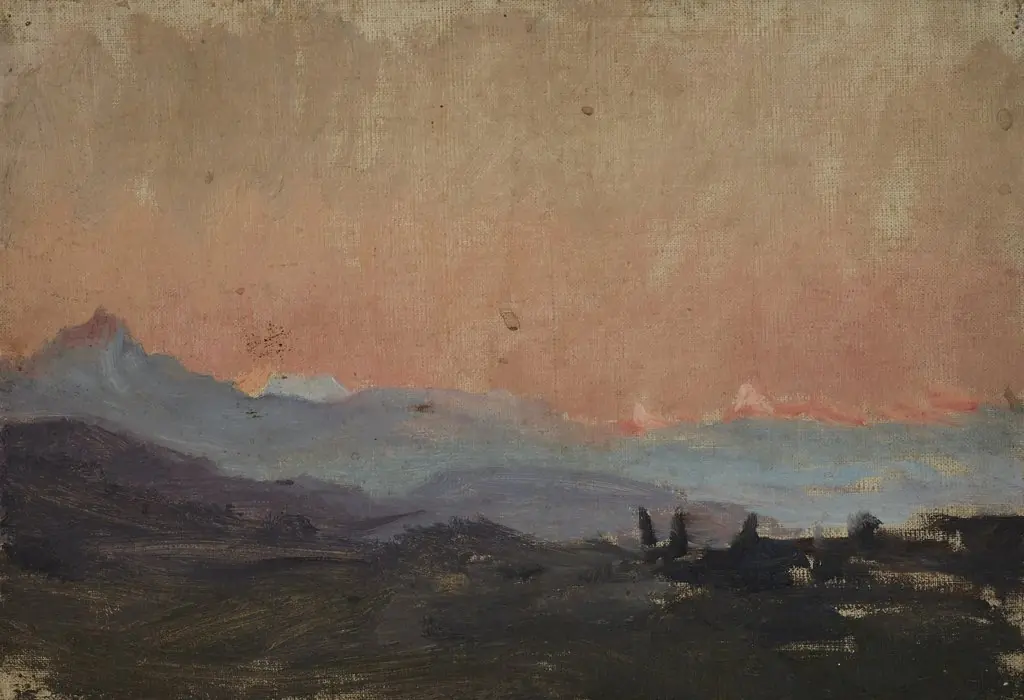
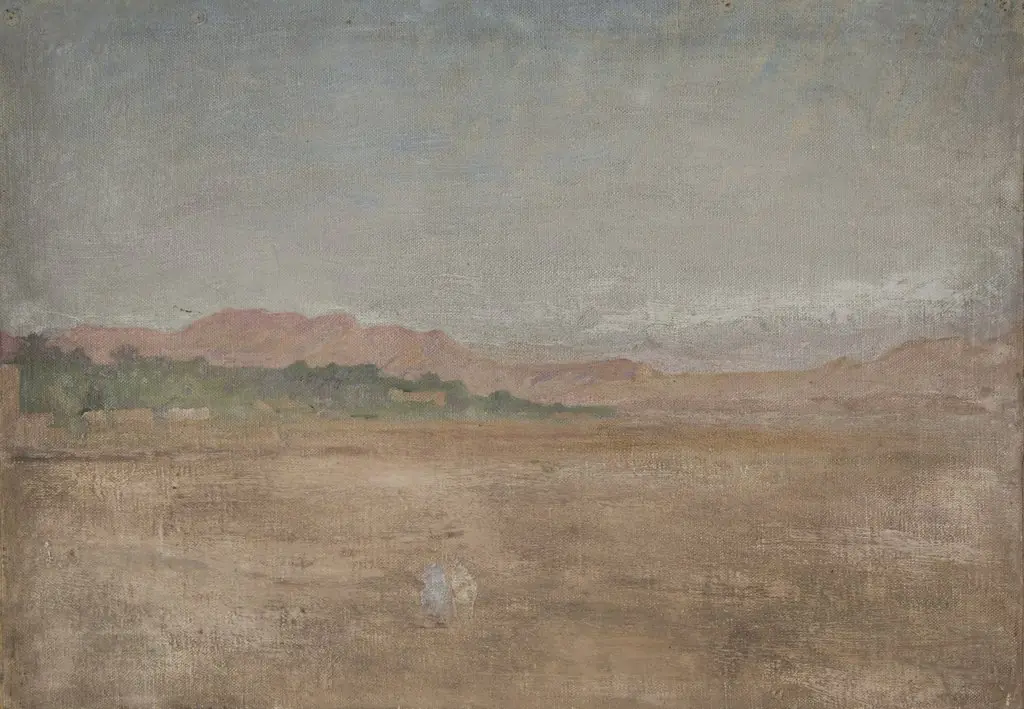
The painting captures the quiet expanse of Lake Tiberias, framed by distant hills and a muted sky. Rather than emphasizing religious or historical associations, Ciągliński focuses on the sensory experience of place—still water, soft light, and subtle terrain. The absence of figures or narrative elements invites contemplation of nature’s quiet presence, aligning with the Impressionist interest in transient visual impressions over symbolic content.
Technique & Style
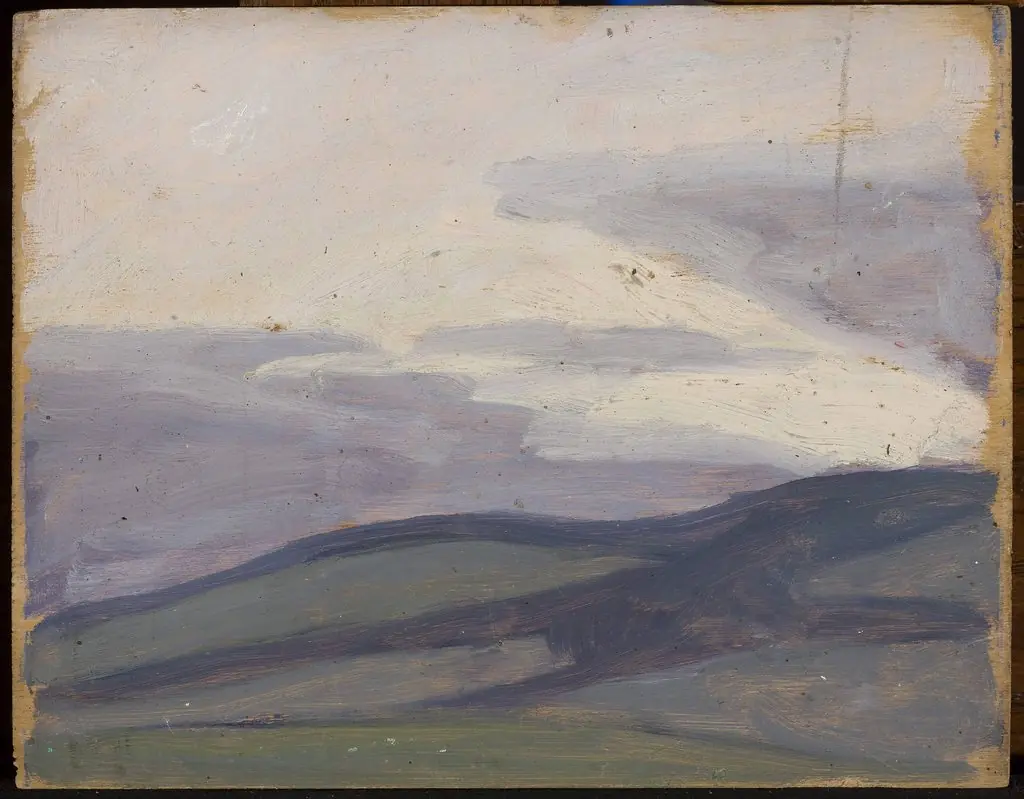
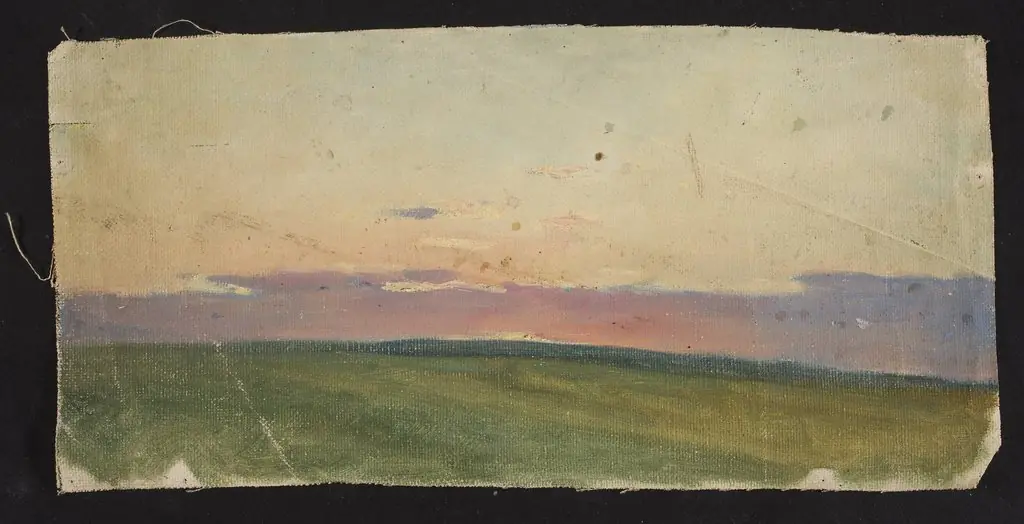
Ciągliński employs loose, economical brushwork to suggest form rather than define it. The sky transitions in delicate washes of pink and gray, while the lake mirrors these tones with minimal detail, enhancing the sense of calm. Mountains are rendered in gradations of cool gray, with darker tones suggesting proximity. The palette remains restrained, avoiding vivid contrasts to preserve the scene’s meditative mood.
History & Provenance
Created after Ciągliński’s journey to Palestine in the late 1890s, the painting was likely completed in his St. Petersburg studio. It remained in his possession until his death in 1913, after which it entered Polish public collections. By the mid-20th century, it was accessioned into the National Museum in Warsaw, where it has been consistently displayed as part of the museum’s 19th-century European painting holdings.
Context
Ciągliński worked within a circle of artists influenced by French Impressionism but adapted its principles to Eastern European light and topography. His travels to the Middle East were part of a broader trend among Russian and Polish painters seeking new subjects beyond domestic landscapes. Lake Tiberias reflects this cosmopolitan curiosity, blending Western techniques with non-European scenery in a quiet, observational mode.
Legacy
Though not widely known outside Poland, Ciągliński’s work contributed to the development of a regional Impressionist idiom. Lake Tiberias exemplifies his ability to convey atmosphere through tonal harmony rather than dramatic composition. It remains a key reference in studies of Polish artists who engaged with international movements while maintaining a personal, restrained aesthetic.
Artist & collection
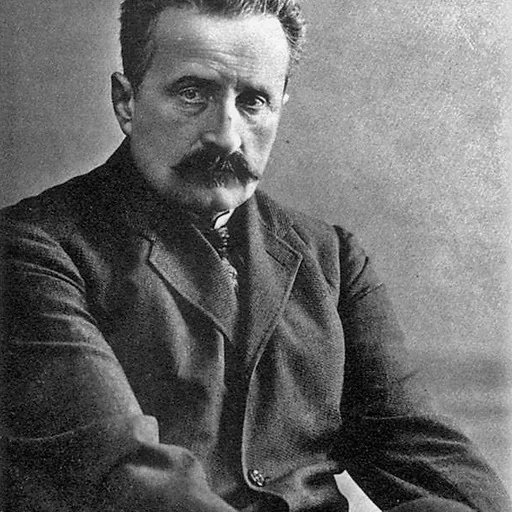
Artist
Jan Ciągliński (Polish: ; Russian: Ян/Иван Францевич Ционглинский, romanized: Yan/Ivan Frantsevich Tsionglinskiy; 20 February 1858 – 6 January 1913) was a Polish painter, active in St.