Artwork
Ramallah. From the journey to Palestine
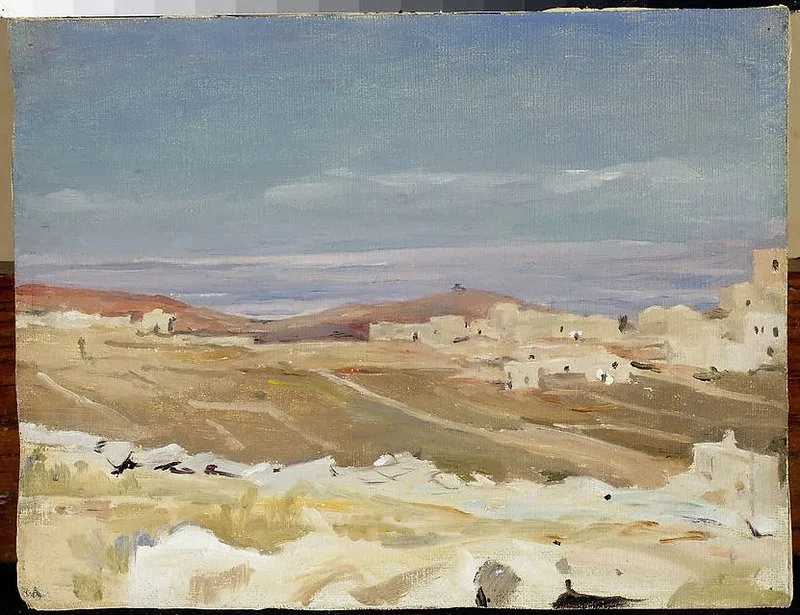
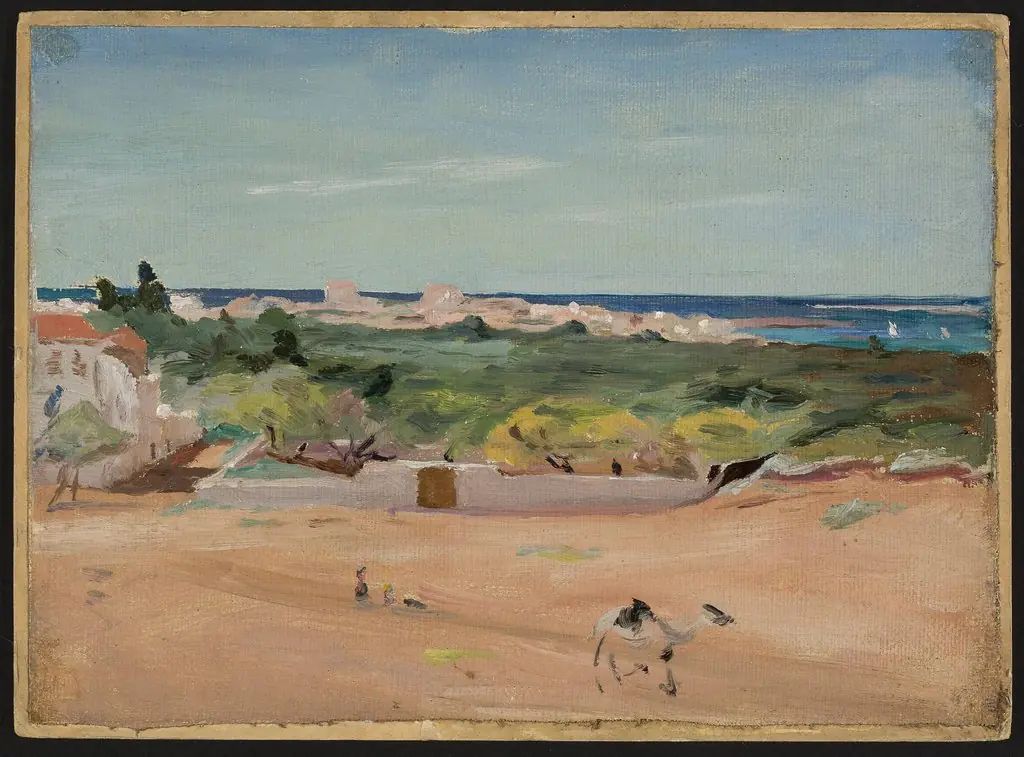
Ramallah. From the journey to Palestine is an unspecified painting by the Post-Impressionist artist Jan Ciągliński. It dates from 1901 and is held in the collection of the National Museum in Warsaw.
About this work
Overview
Petersburg under the Russian Empire, the piece reflects his engagement with regional scenery beyond Europe.
Painted in 1901 by Polish artist Jan Ciągliński, *Ramallah. From the journey to Palestine* is a landscape work produced during his travels in the Levant. Created while he was based in St. Petersburg under the Russian Empire, the piece reflects his engagement with regional scenery beyond Europe. It is now part of the National Museum in Warsaw’s collection, representing his lesser-known but significant contributions to post-impressionist landscape painting.
Subject & Meaning
The painting captures the town of Ramallah as seen from its surrounding hills, presenting a quiet, unidealized view of daily life in early 20th-century Palestine. There are no figures or overt narratives—only architecture nestled into the terrain. The absence of human activity suggests a contemplative observation of place, emphasizing the relationship between land and settlement rather than political or cultural commentary.
Technique & Style
Ciągliński employed visible, textured brushwork to render the undulating hills and stone structures, aligning with post-impressionist principles of expressive form over strict realism. The palette is restrained, dominated by earthy browns, beiges, and soft blues, reinforcing the arid atmosphere. Light is diffused, not sharply modeled, allowing the surface quality of the terrain to emerge through layered strokes rather than detailed definition.
History & Provenance
After completing the painting during his 1901 journey to Palestine, Ciągliński returned to Russia, where he continued his artistic career. The work remained in private hands until it entered the National Museum in Warsaw’s collection, likely through acquisition or donation in the mid-20th century. Its presence there reflects Poland’s broader interest in preserving the work of its diasporic artists who traveled beyond Europe’s borders.
Context
Ciągliński’s trip to Palestine occurred during a period of heightened European interest in the Holy Land, driven by religious tourism and colonial-era exploration. Unlike many contemporaries who depicted biblical scenes, he focused on topographical accuracy and atmospheric tone. His approach aligns with broader trends among Eastern European artists seeking personal, non-dogmatic responses to foreign landscapes.
Legacy
Though not widely exhibited outside Poland, *Ramallah* stands as a quiet example of how post-impressionist techniques were adapted to non-European subjects by artists from the Russian Empire’s peripheries. It contributes to a growing recognition of Ciągliński’s role in expanding the geographic scope of Polish art at the turn of the century, offering a restrained yet evocative record of a place rarely portrayed in Western art of the time.
Artist & collection
Artist
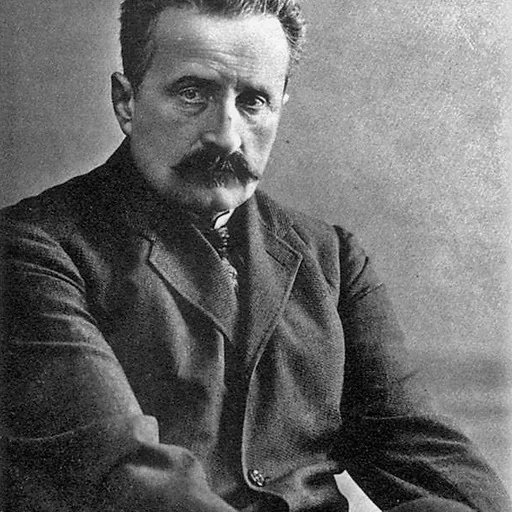
Jan Ciągliński (Polish: ; Russian: Ян/Иван Францевич Ционглинский, romanized: Yan/Ivan Frantsevich Tsionglinskiy; 20 February 1858 – 6 January 1913) was a Polish painter, active in St.

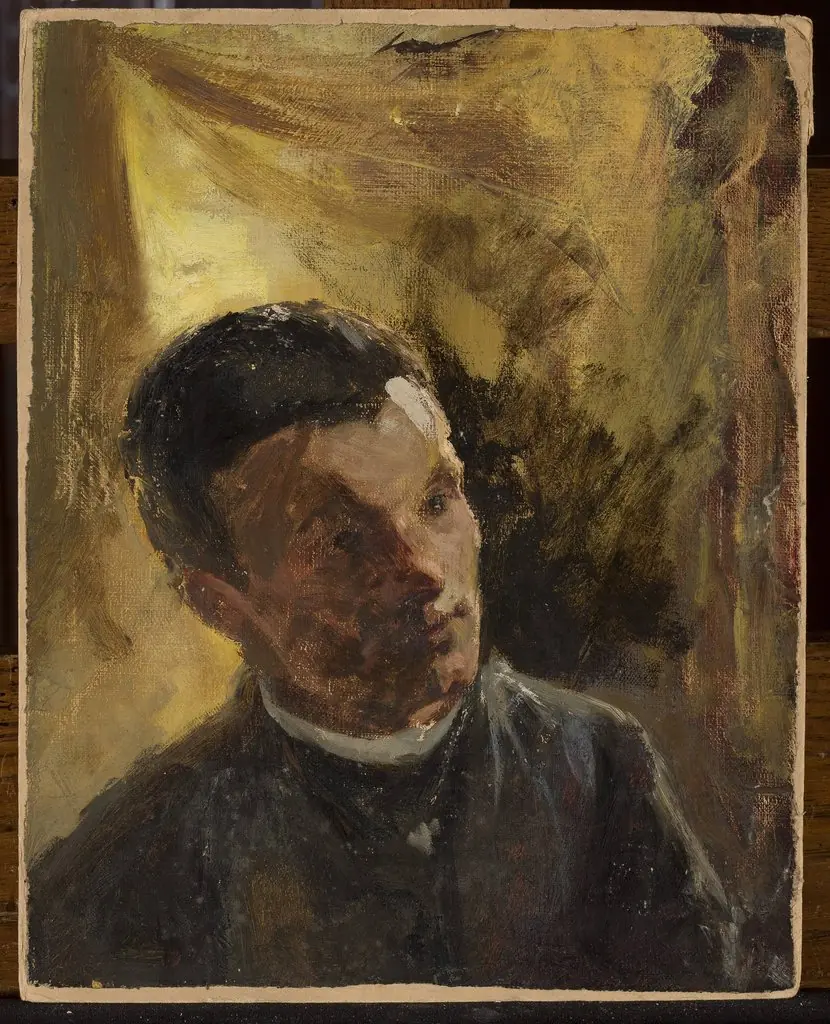
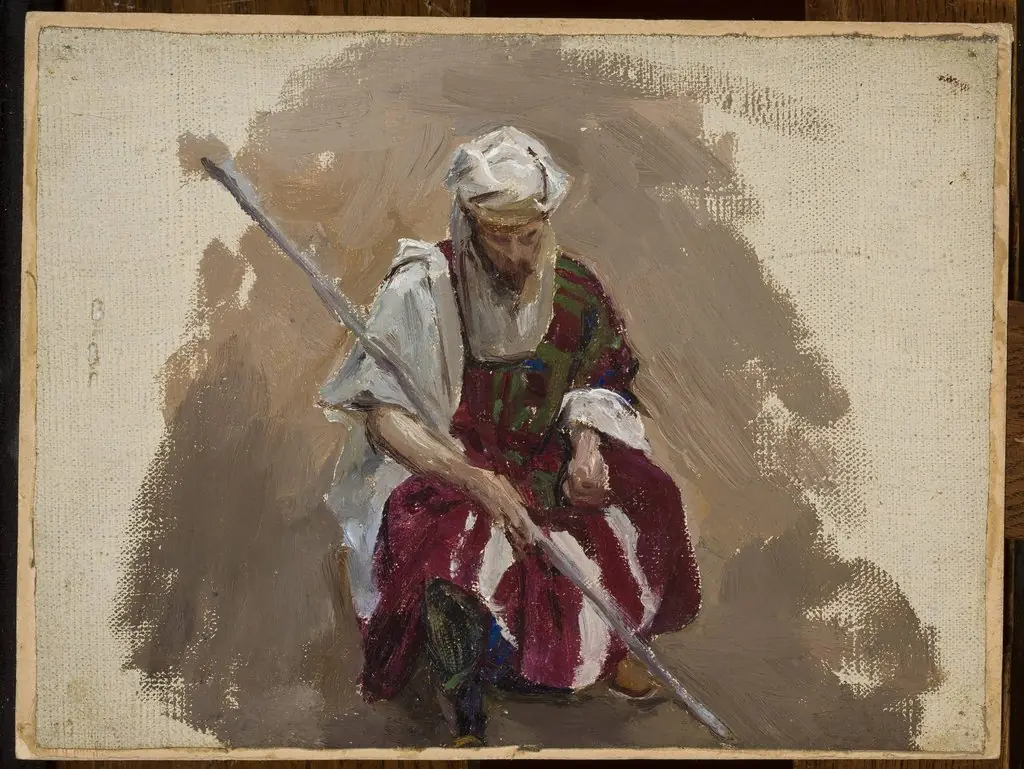
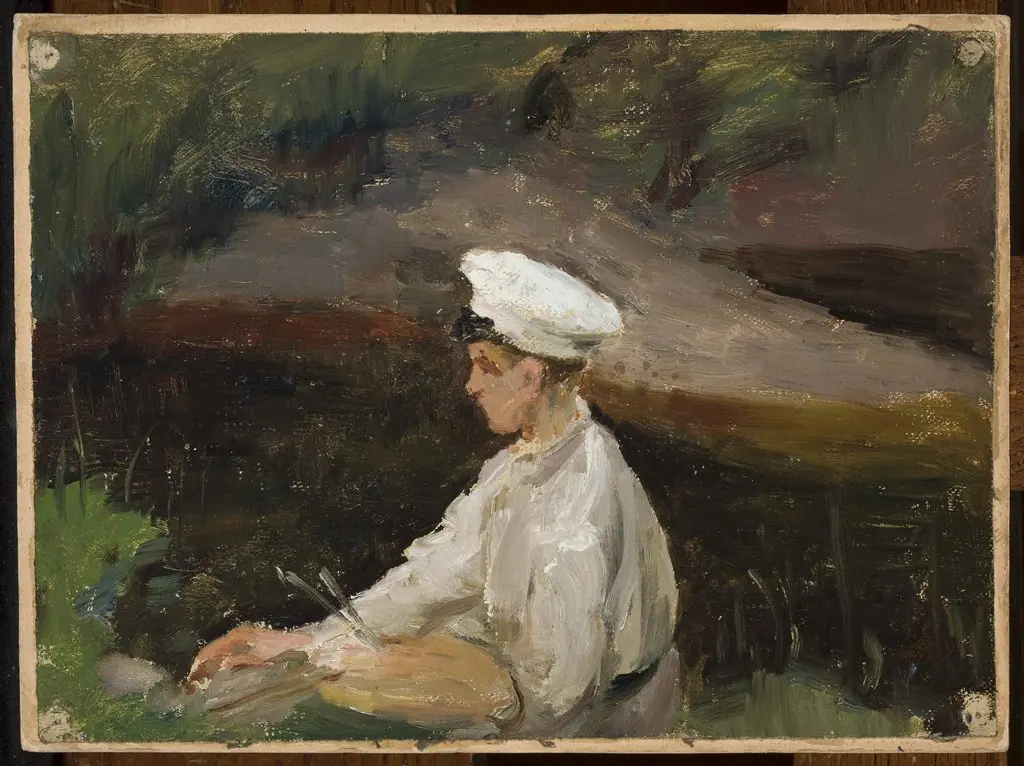
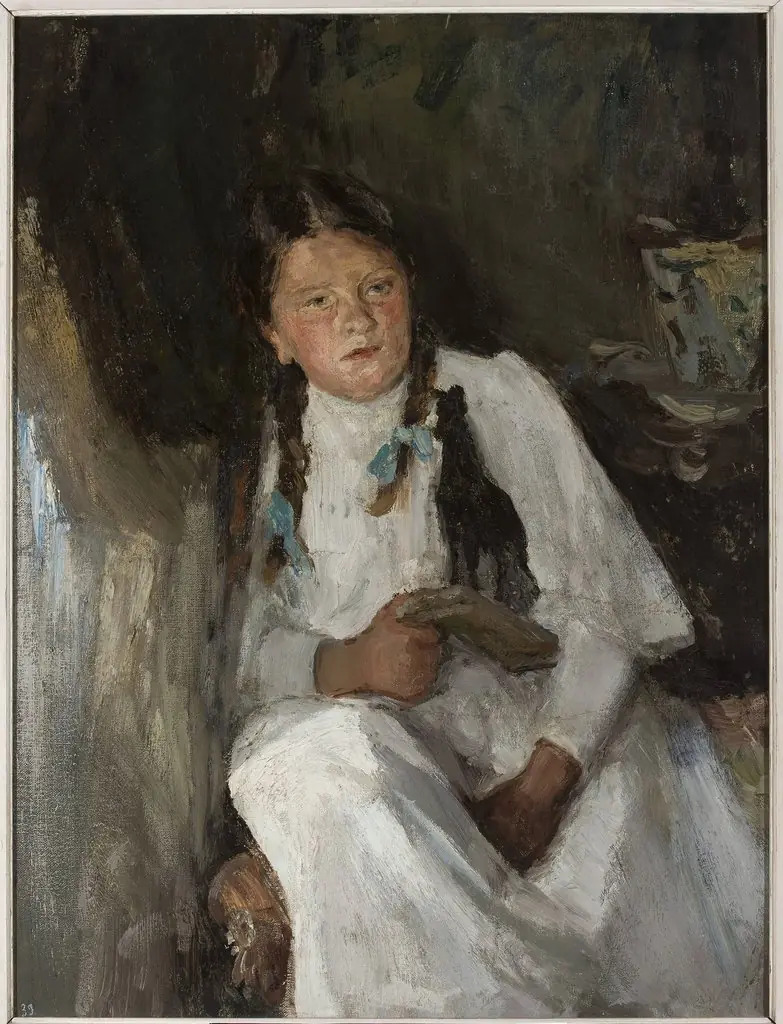
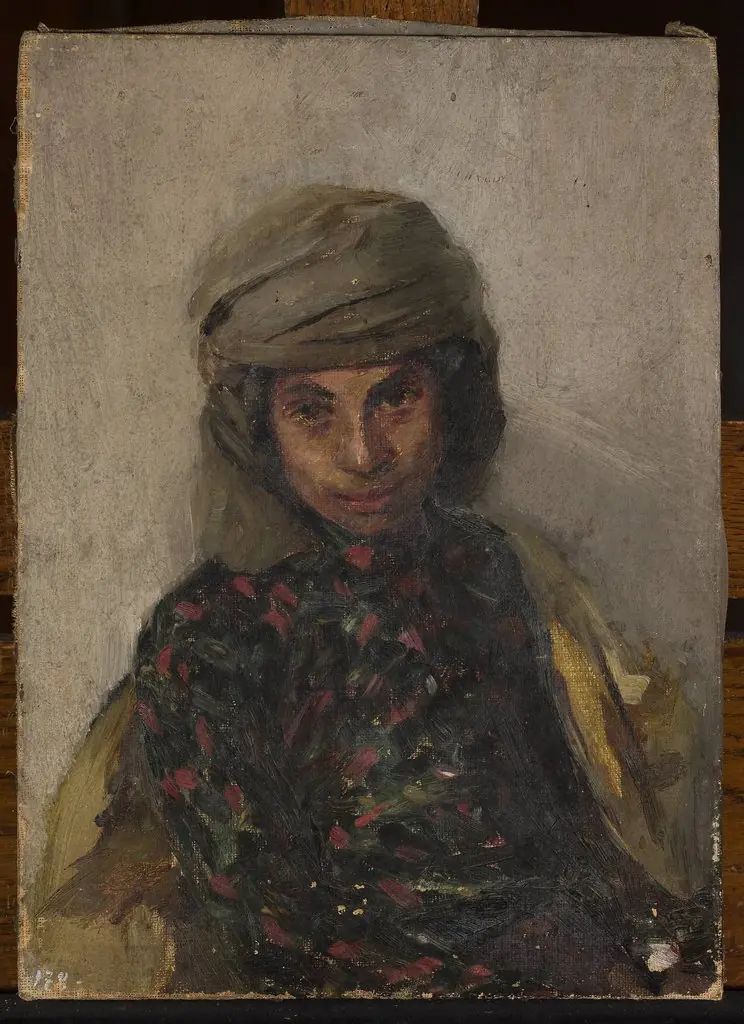
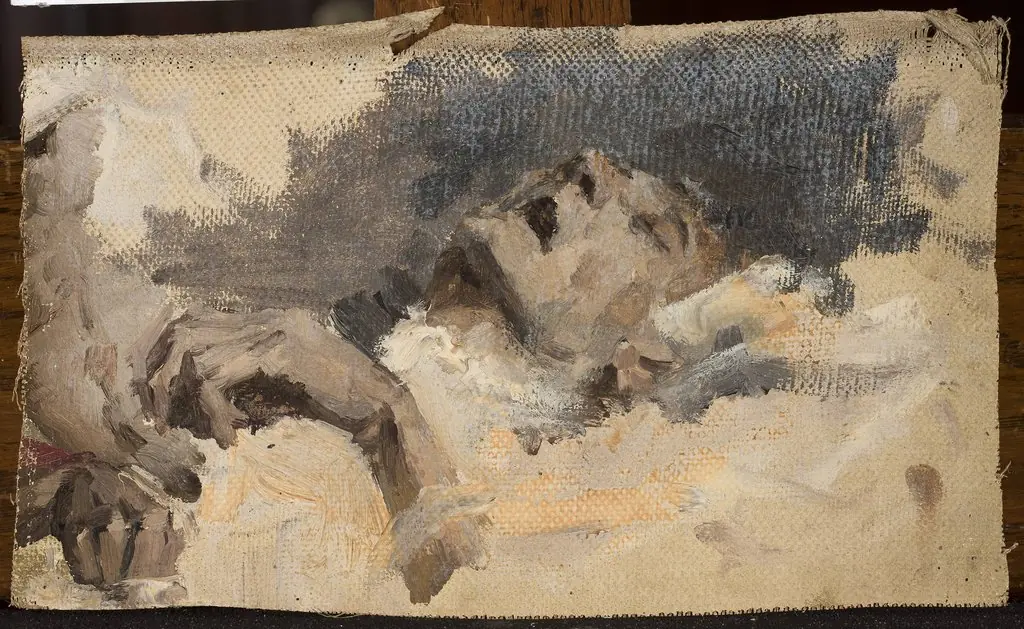
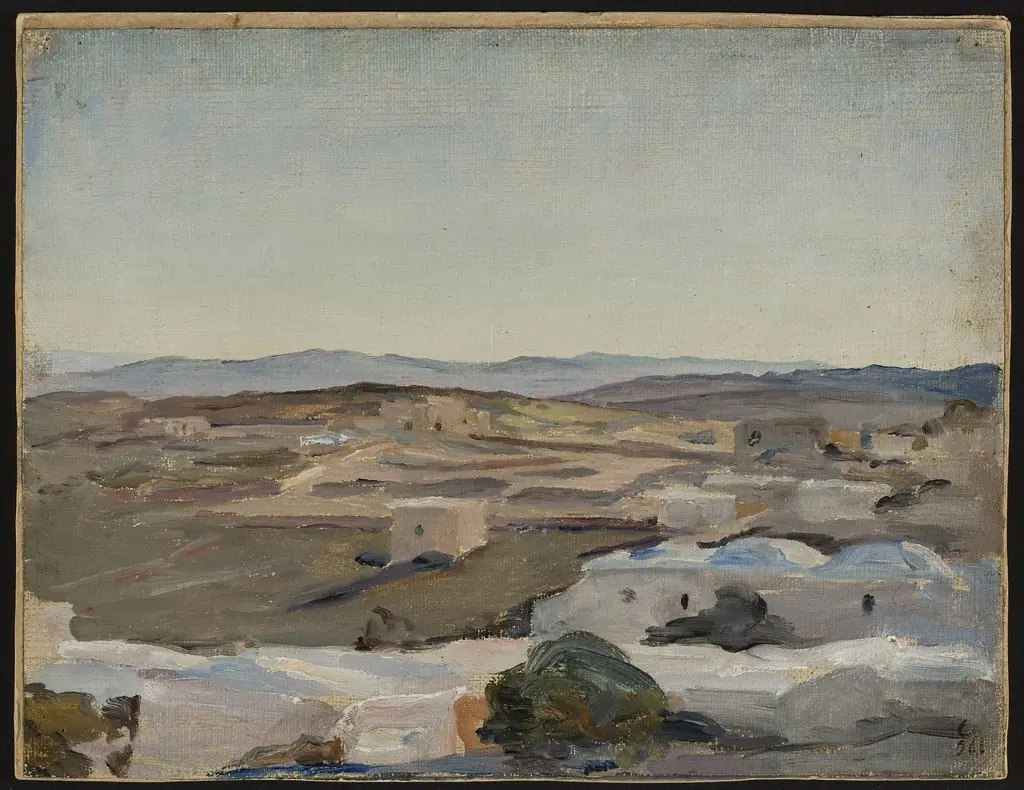 Ramallah near Jerusalem. From the journey to Palestine
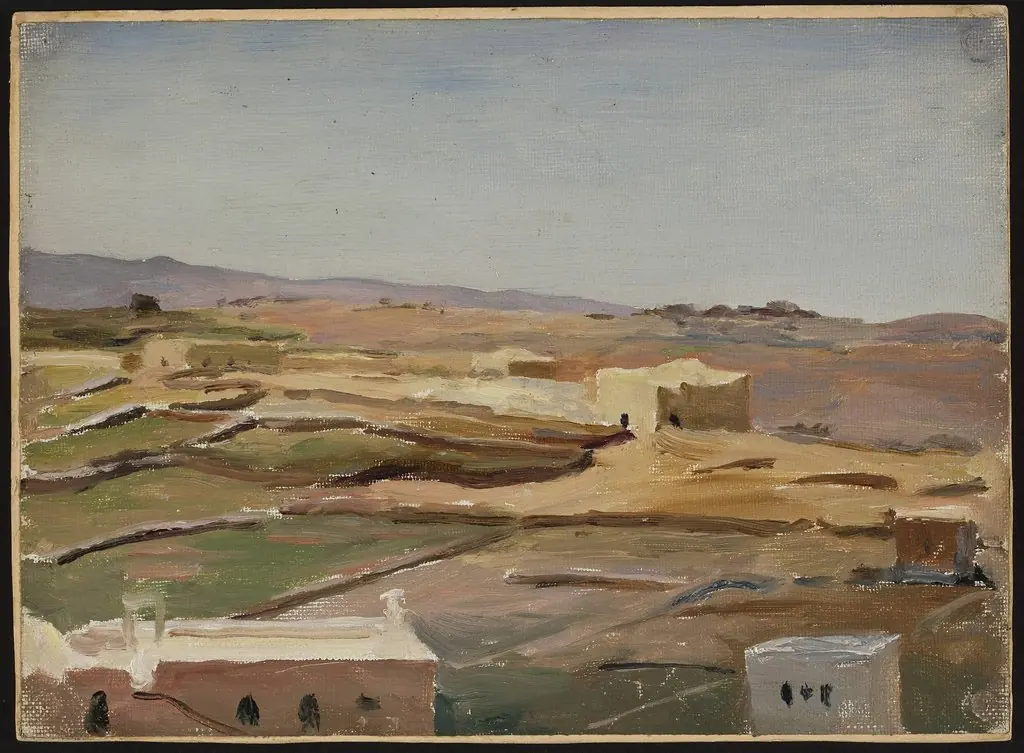 Desert – Ramallah. From the journey to Palestine
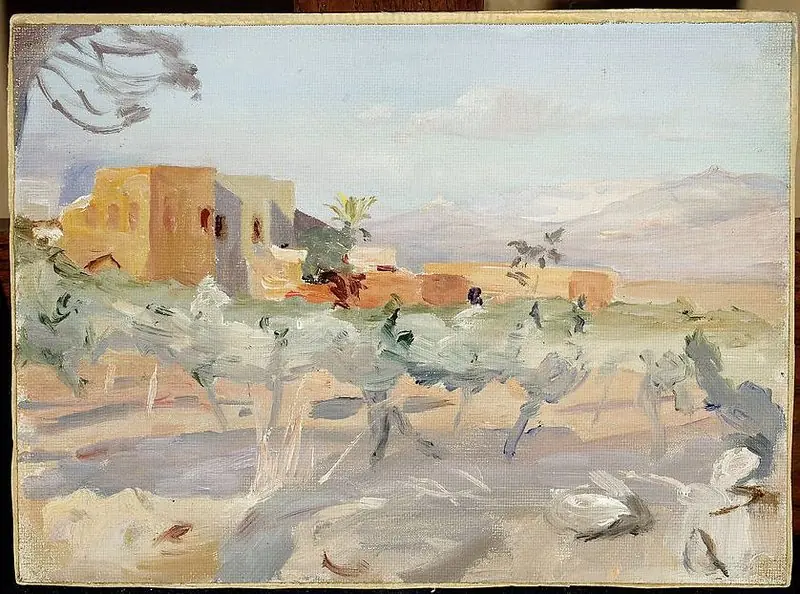 Beirut. From the journey to Palestine
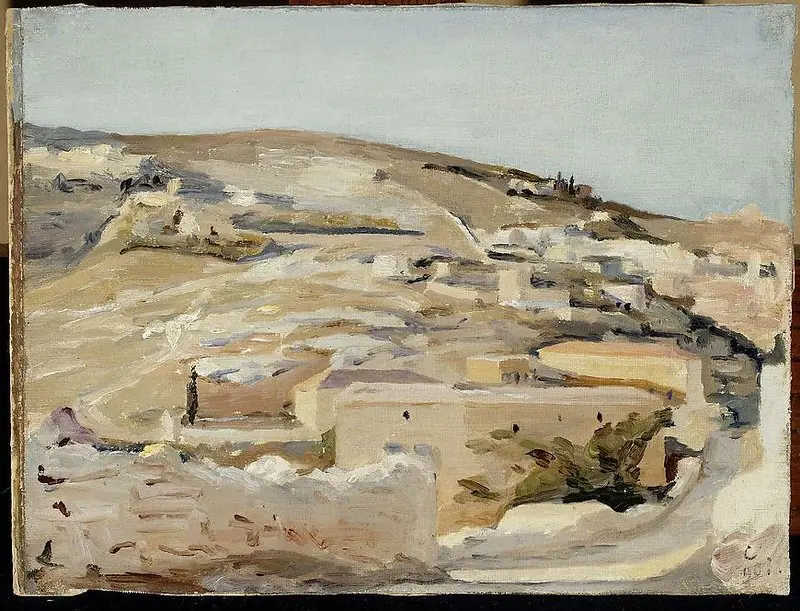 Nazareth. From the journey to Palestine
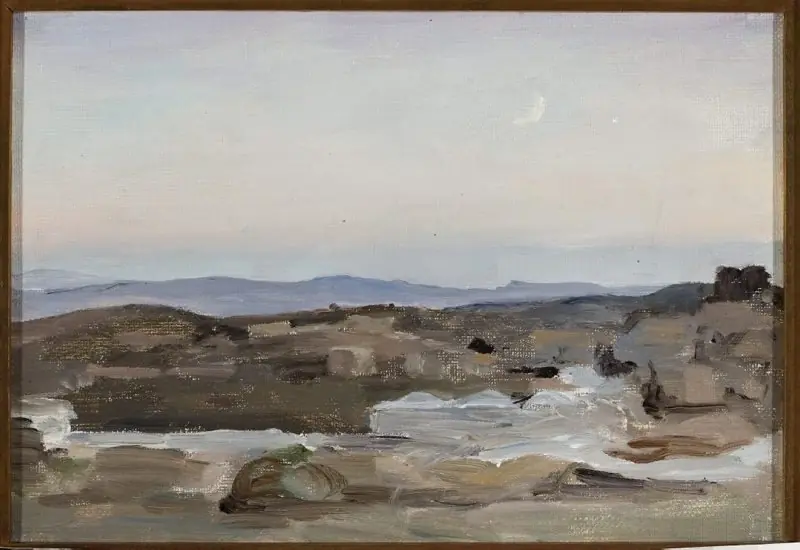 Desert – Ramallah. From the journey to Palestine
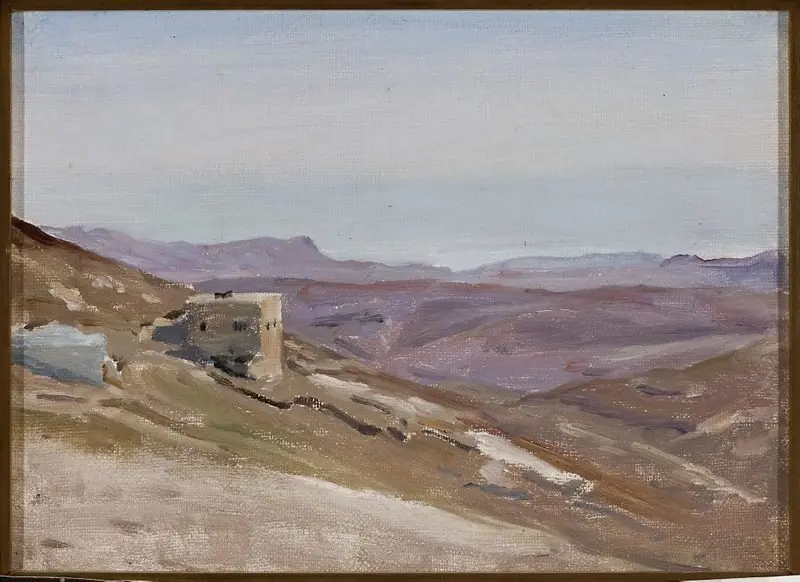 The Dead Sea – Jerusalem. From the journey to Palestine
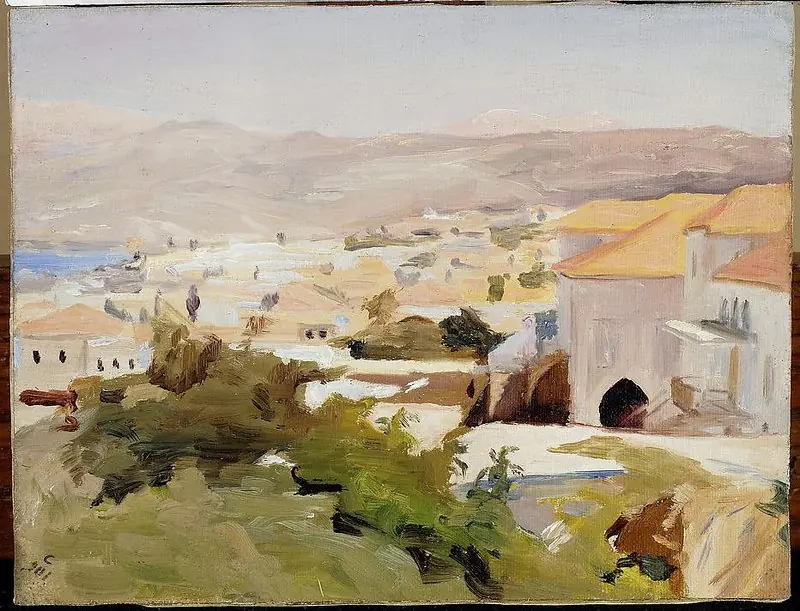 Beirut. From the journey to Palestine
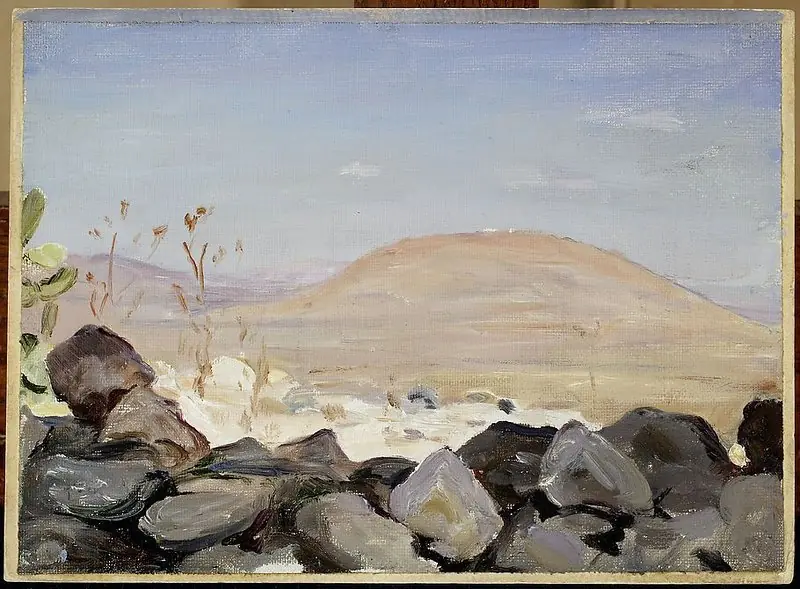 Mount Tabor. From the journey to Palestine
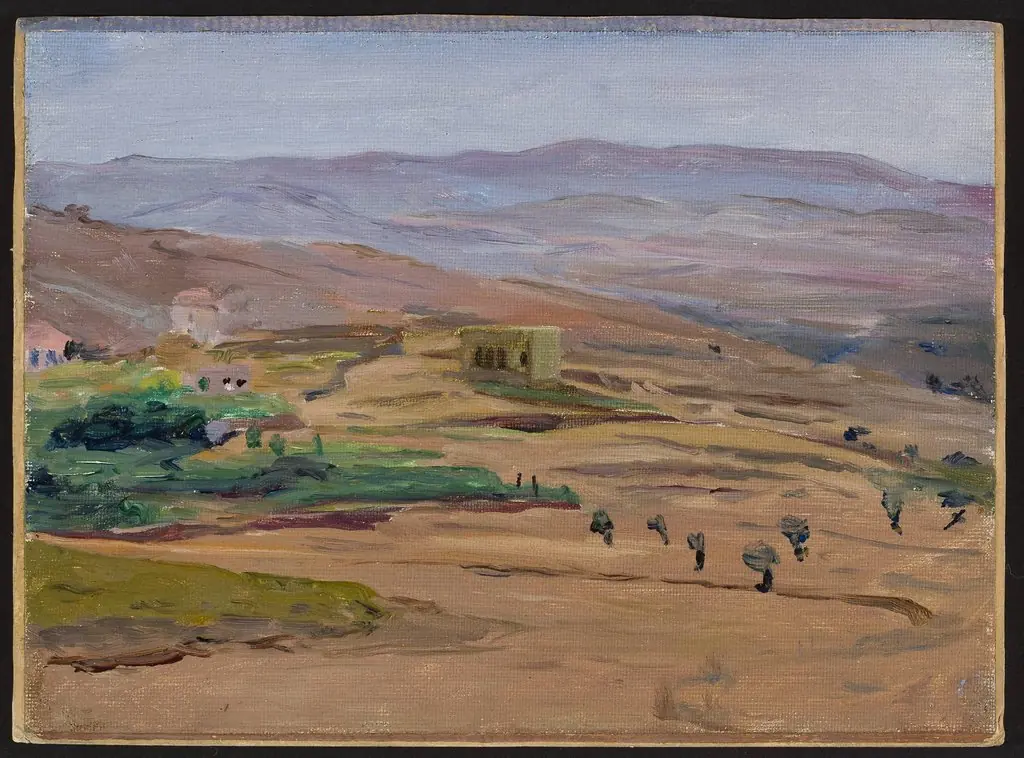 Desert near Damascus. From the journey to Palestine
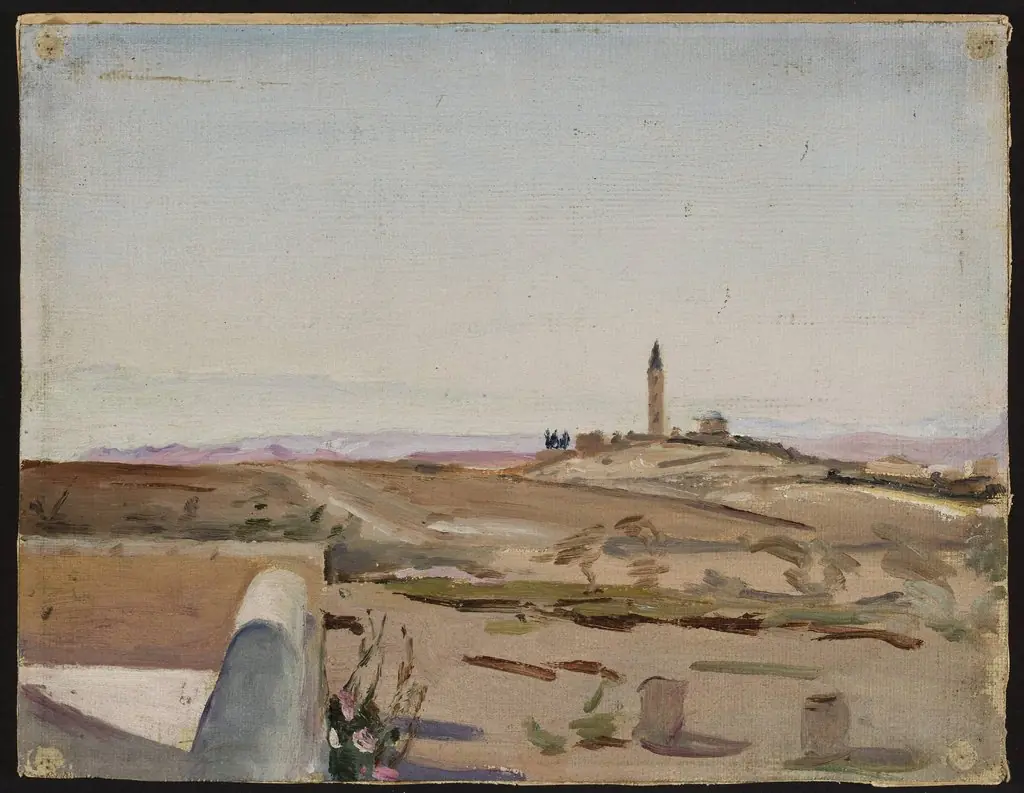 At the edge of the city and the desert. From the journey to Palestine
 Tripoli in Syria. From the journey to Palestine