Artwork
Beirut. From the journey to Palestine
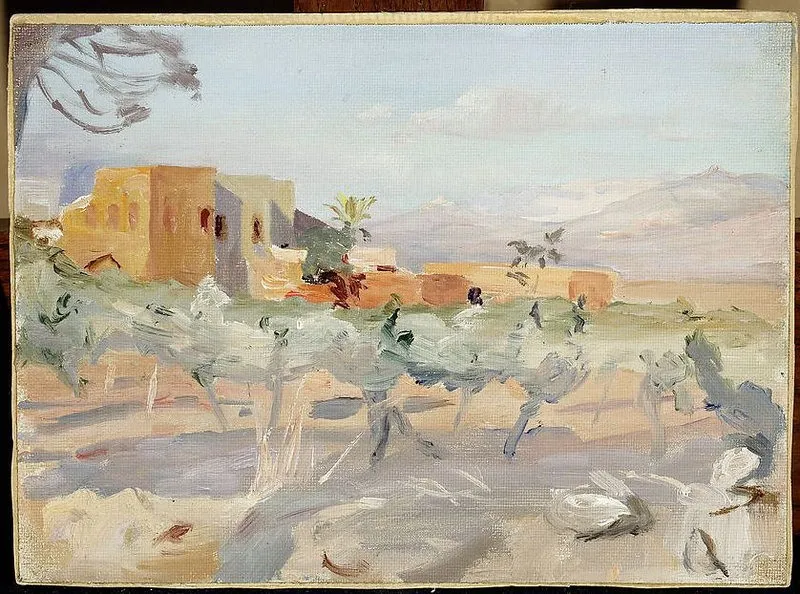
Beirut. From the journey to Palestine is an unspecified painting by the Impressionist artist Jan Ciągliński. It dates from 1901 and is held in the collection of the National Museum in Warsaw.
About this work
Overview
The painting is now part of the National Museum in Warsaw’s collection, representing a lesser-known chapter in Eastern European Orientalist art.
Painted in 1901 by Polish artist Jan Ciągliński, *Beirut. From the journey to Palestine* captures a moment from his travels through the Levant. Executed in an Impressionist style, the work reflects his engagement with light and atmosphere during a period when he was active in St. Petersburg under the Russian Empire. The painting is now part of the National Museum in Warsaw’s collection, representing a lesser-known chapter in Eastern European Orientalist art.
Subject & Meaning
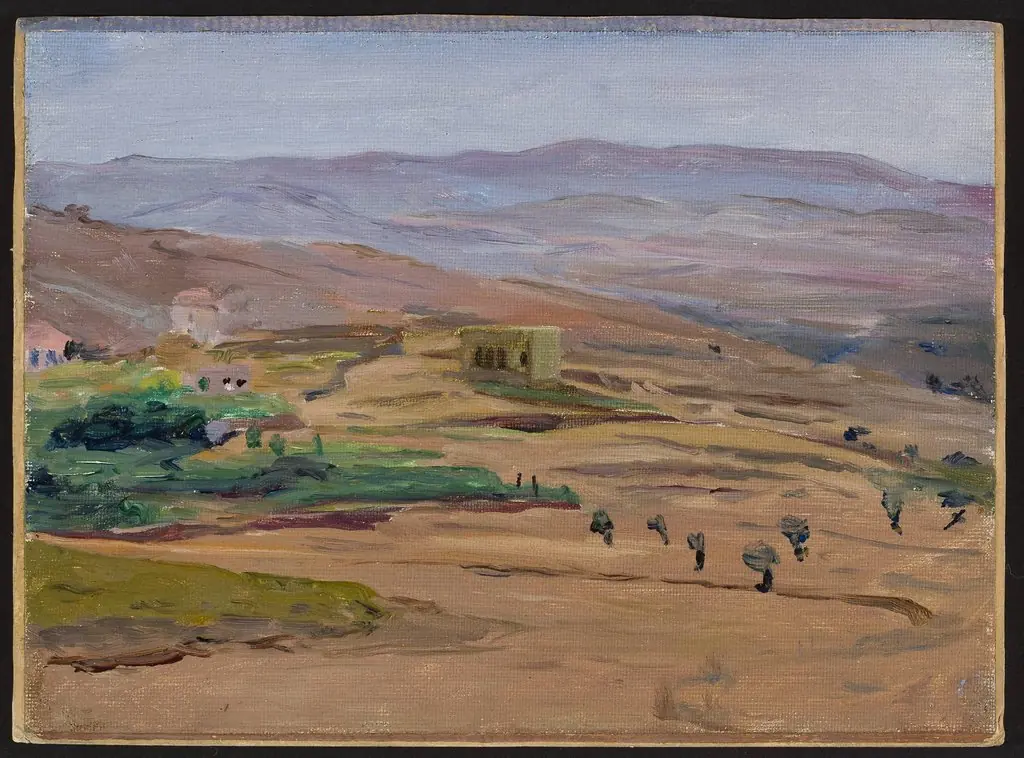
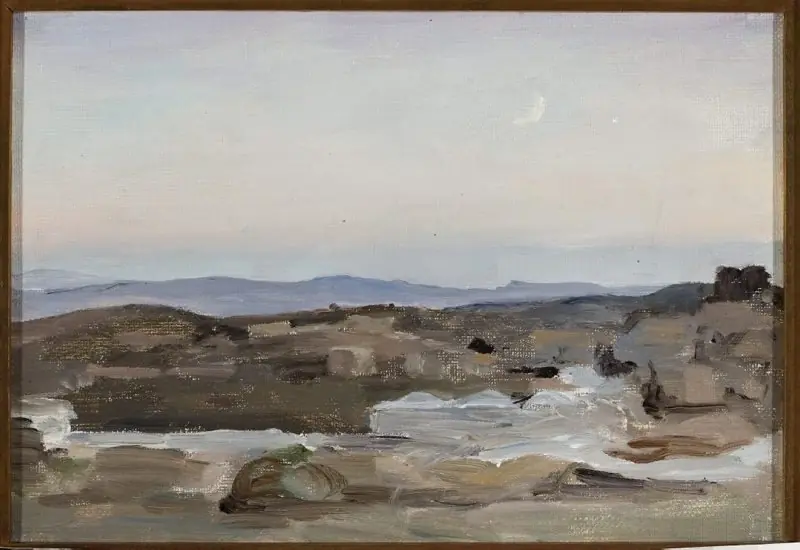
The scene portrays Beirut as a waypoint in a broader pilgrimage to Palestine, emphasizing its arid landscape and modest architecture. Sparse buildings, rendered in warm earth tones, rise amid scattered palms and rocky terrain. The absence of human figures underscores a quiet, observational tone, suggesting the artist’s interest in place as a physical and cultural threshold rather than a narrative setting.
Technique & Style
Ciągliński employed loose brushwork and a luminous palette to convey the intensity of desert sunlight. Colors are applied in thin, layered strokes, allowing underlying tones to subtly interact. Shadows are rendered with cool hues, enhancing the sense of heat and spatial depth. The composition avoids sharp detail, favoring atmospheric effect over precision, aligning with Impressionist principles adapted to a non-European setting.
History & Provenance
Created during Ciągliński’s travels in the Ottoman Levant, the painting entered the National Museum in Warsaw’s collection in the early 20th century. Its preservation reflects Poland’s interest in documenting its artists’ international engagements. No significant alterations or restorations are documented, and its provenance remains unbroken since acquisition, offering a stable record of its journey from sketch to institutional holding.
Context
In the early 1900s, European artists increasingly turned to the Middle East as a subject, drawn by its perceived exoticism and historical resonance. Ciągliński’s work fits within this trend but distinguishes itself through its restrained observation and lack of romanticized narrative. His Polish identity and Russian imperial context shaped a unique perspective, neither fully aligned with Western Orientalism nor purely local in focus.
Legacy
Though not widely exhibited outside Poland, *Beirut* remains a key example of how Impressionism was interpreted beyond Western Europe. It contributes to a broader understanding of Eastern European artists’ engagement with global landscapes. The painting’s quiet realism offers a counterpoint to more theatrical Orientalist works, preserving a nuanced visual record of a region in transition.
Artist & collection
Artist
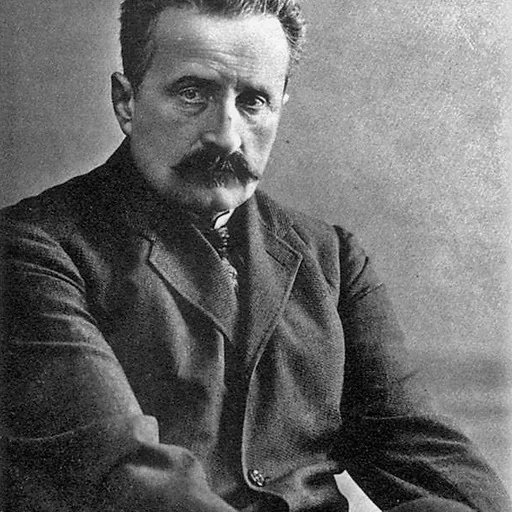
Jan Ciągliński (Polish: ; Russian: Ян/Иван Францевич Ционглинский, romanized: Yan/Ivan Frantsevich Tsionglinskiy; 20 February 1858 – 6 January 1913) was a Polish painter, active in St.

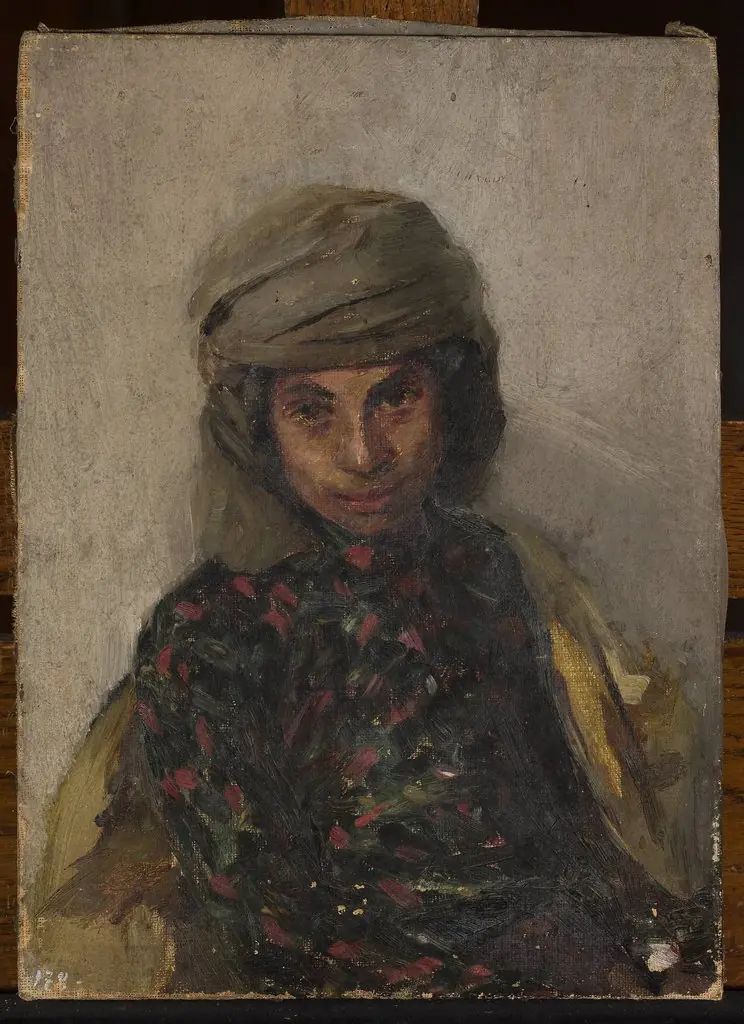
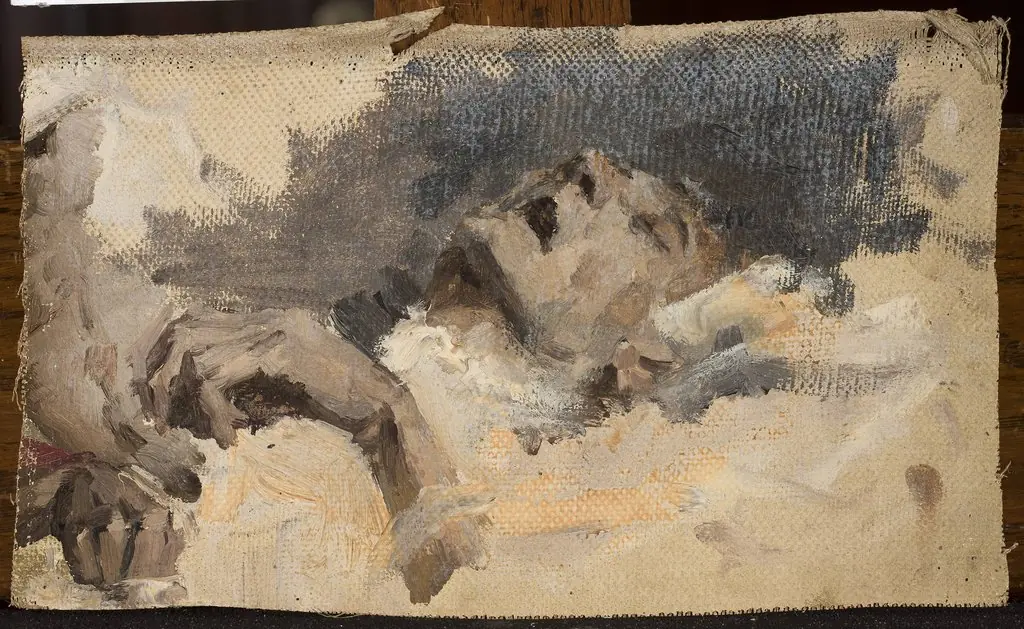
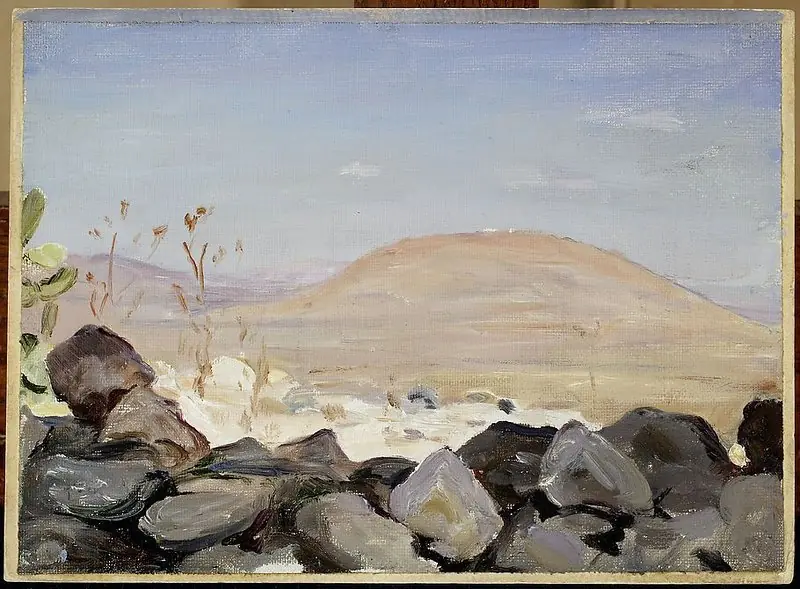 Mount Tabor. From the journey to Palestine
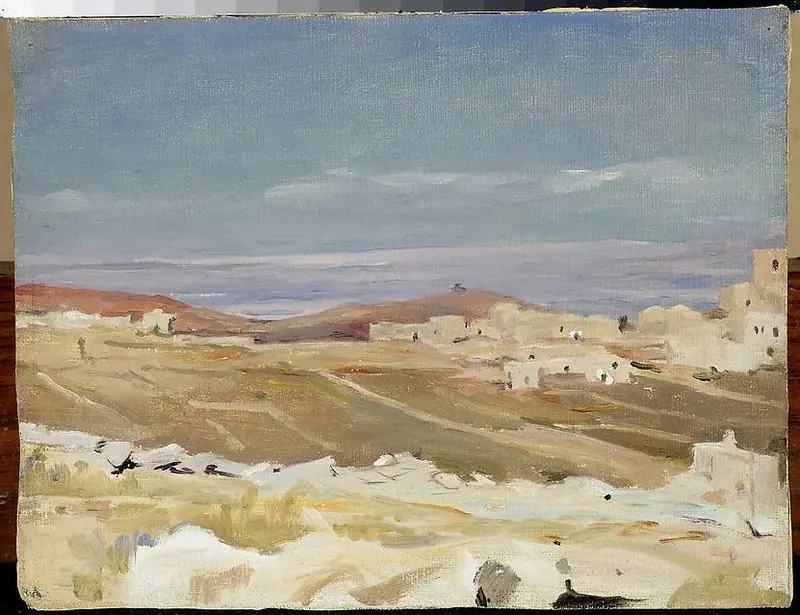 Ramallah. From the journey to Palestine
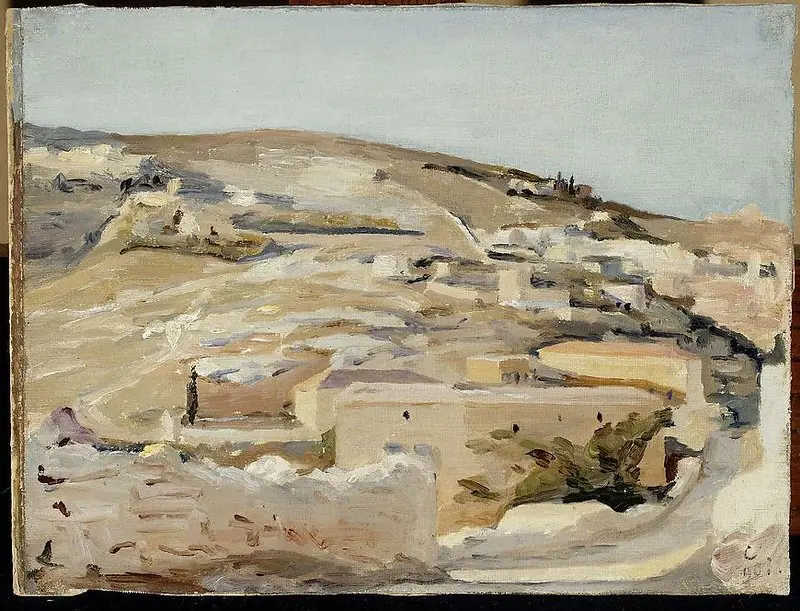 Nazareth. From the journey to Palestine
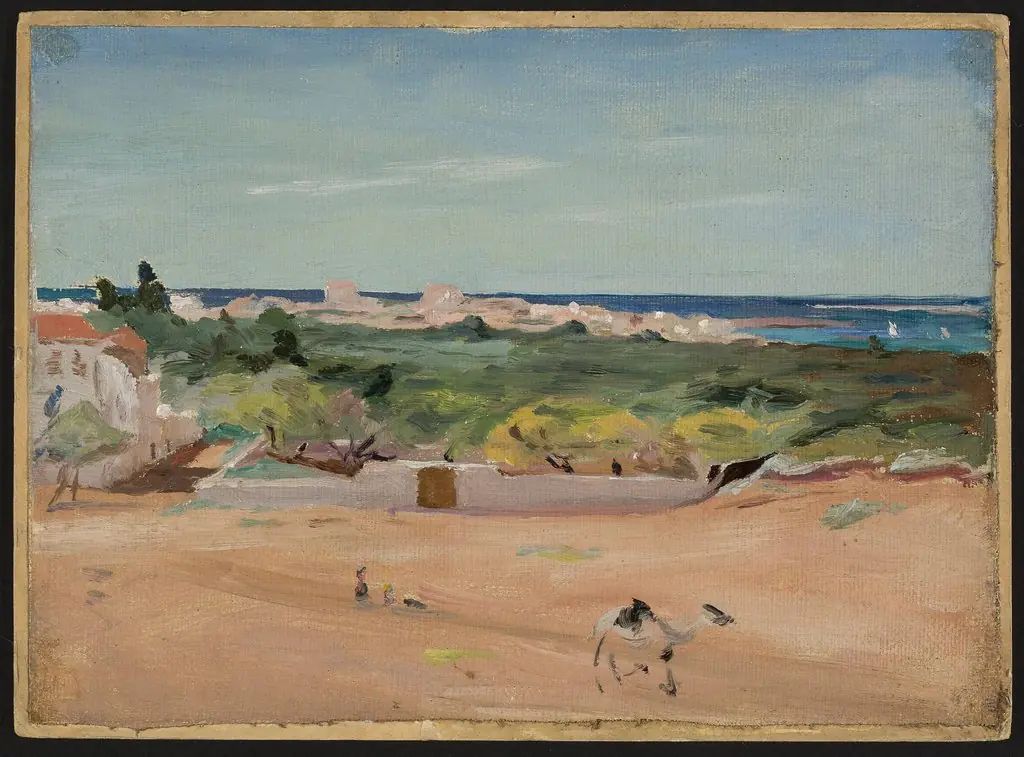 Tripoli in Syria. From the journey to Palestine
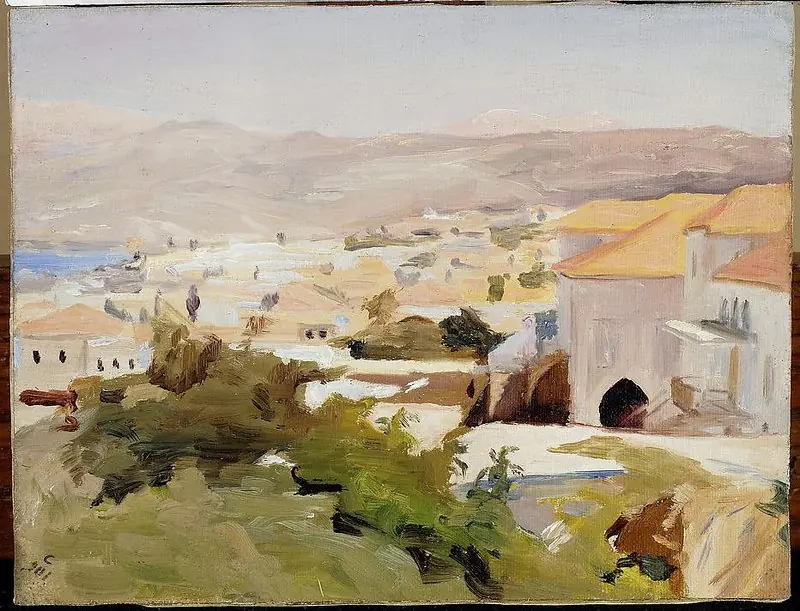 Beirut. From the journey to Palestine
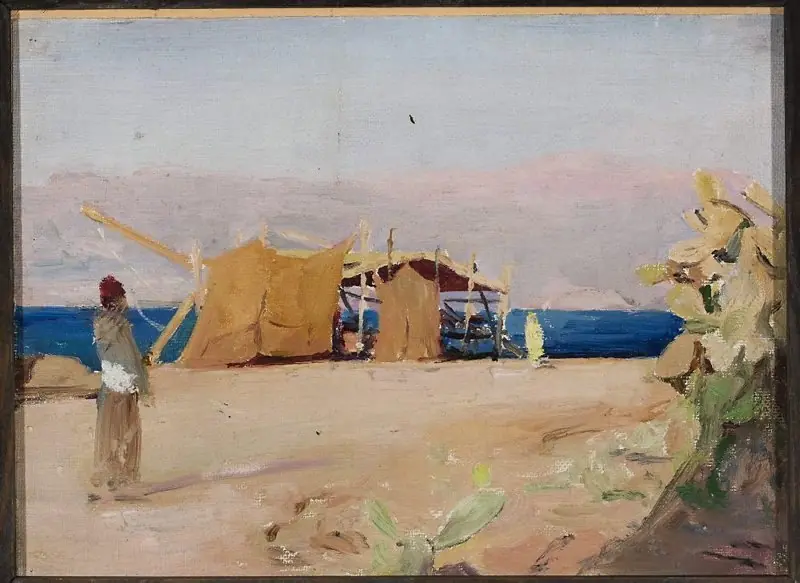 Beirut. From the journey to Palestine
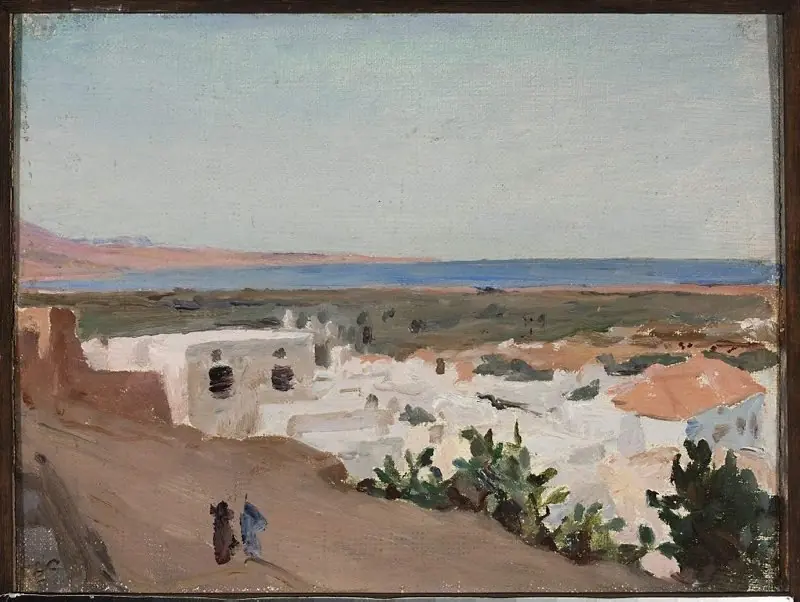 Tripoli in Syria. From the journey to Palestine
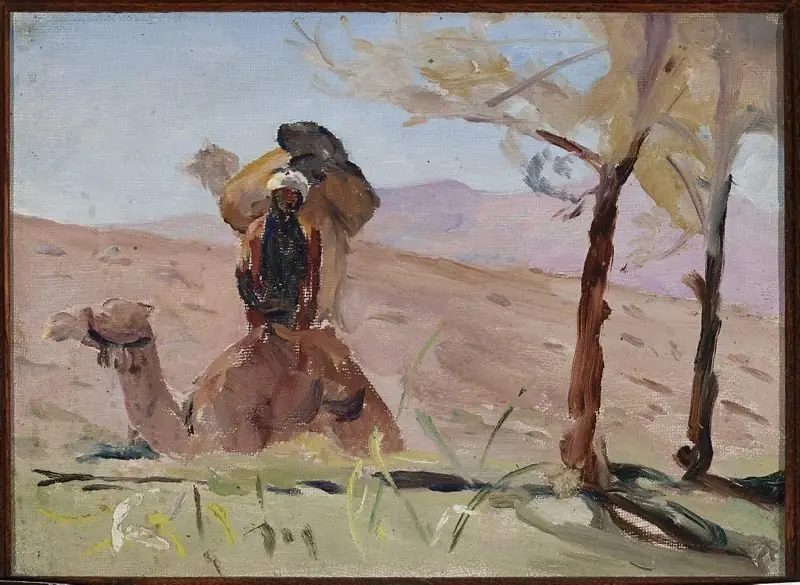 Desert. Resting in Mount Lebanon. From the journey to Palestine
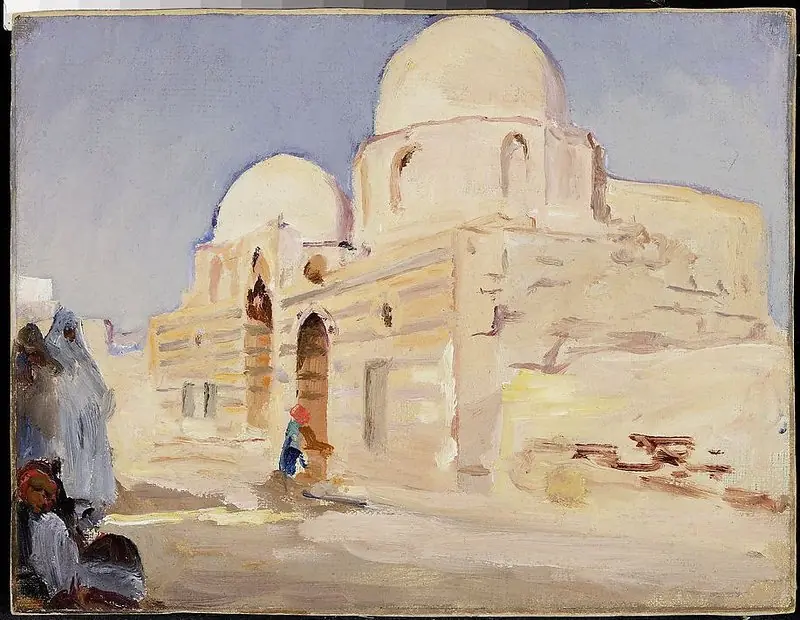 Damascus. From the journey to Palestine
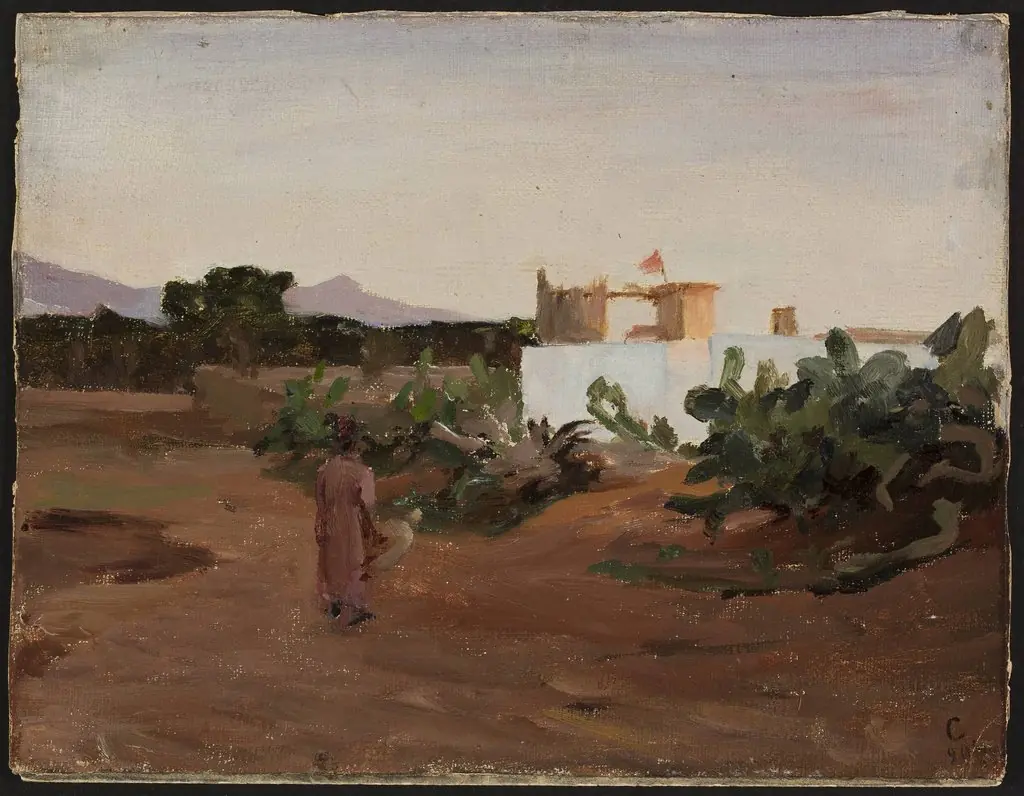 Beirut – Evening. From the journey to Palestine
 Desert near Damascus. From the journey to Palestine
 Desert – Ramallah. From the journey to Palestine