Artwork
Seaside in Gurzuf. From the journey to Crimea
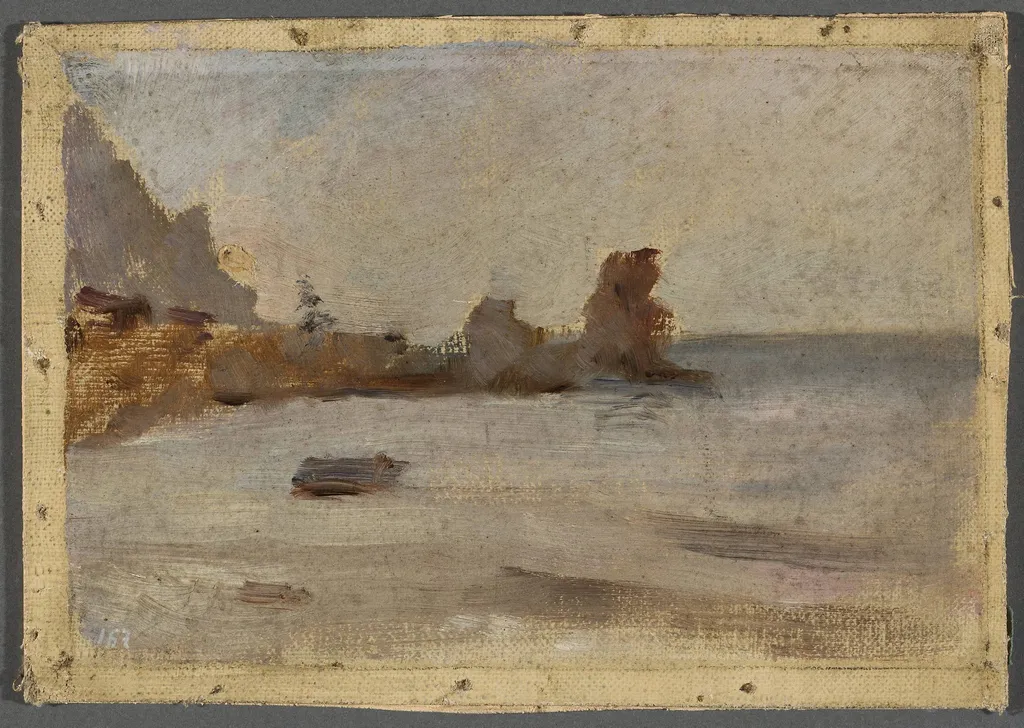
Seaside in Gurzuf. From the journey to Crimea is an unspecified painting by the Post-Impressionist artist Jan Ciągliński. It dates from 1897 and is held in the collection of the National Museum in Warsaw.
About this work
Overview
Executed in 1897, *Seaside in Gurzuf* is a landscape painting by Jan Ciągliński, a Polish artist who spent much of his career in imperial St.
Executed in 1897, *Seaside in Gurzuf* is a landscape painting by Jan Ciągliński, a Polish artist who spent much of his career in imperial St. Petersburg. The work reflects a post-impressionist sensibility, emphasizing atmospheric effects over meticulous detail. It remains part of the collection of the National Museum in Warsaw, where it represents a pivotal moment in the artist’s engagement with light and coastal scenery.
Subject & Meaning
The painting captures a quiet stretch of shoreline near Gurzuf, a resort town on the Crimean Peninsula. Foreground vegetation—trees and shrubs—frames a tranquil sea under a cloud-streaked sky. Rather than narrative or symbolism, the image conveys an immediate sensory experience, evoking stillness and the subtle interplay of natural elements. The scene suggests a fleeting moment of observation during the artist’s travels.
Technique & Style
Ciągliński employs loose, expressive brushwork, a hallmark of post-impressionist practice, to render the shifting qualities of light on water and foliage. The palette is restrained, dominated by earthy browns, soft grays, and muted blues, which together create a harmonious, understated atmosphere. The composition avoids linear precision, instead favoring a tactile, almost improvisational approach that prioritizes mood over topographical accuracy.
History & Provenance
Completed during Ciągliński’s journey through Crimea in 1897, the painting entered the collection of the National Museum in Warsaw at an unspecified date. Its early exhibition history remains sparsely documented, though it likely circulated within the artist’s network in St. Petersburg before being transferred to Poland. The work’s preservation underscores its significance within Ciągliński’s oeuvre and the broader context of late 19th-century Eastern European painting.
Context
In the 1890s, Crimea emerged as a favored destination for artists and writers seeking respite from urban centers like St. Petersburg. Ciągliński’s depiction aligns with a broader trend of capturing regional landscapes through a modernist lens, blending observational realism with subjective interpretation. The painting reflects both the artist’s Polish origins and his integration into the Russian imperial art scene, where post-impressionist techniques were gaining traction.
Artist & collection
Artist
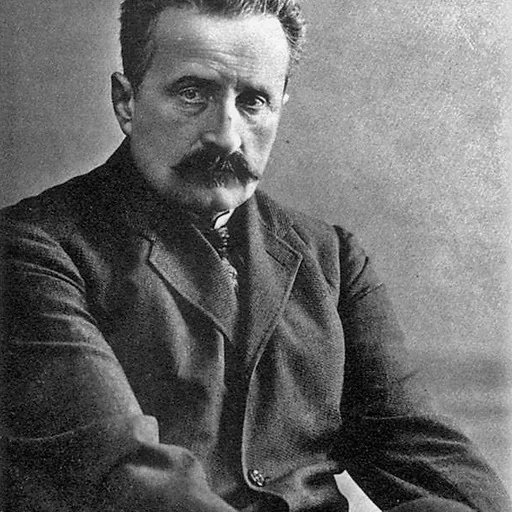
Jan Ciągliński (Polish: ; Russian: Ян/Иван Францевич Ционглинский, romanized: Yan/Ivan Frantsevich Tsionglinskiy; 20 February 1858 – 6 January 1913) was a Polish painter, active in St.

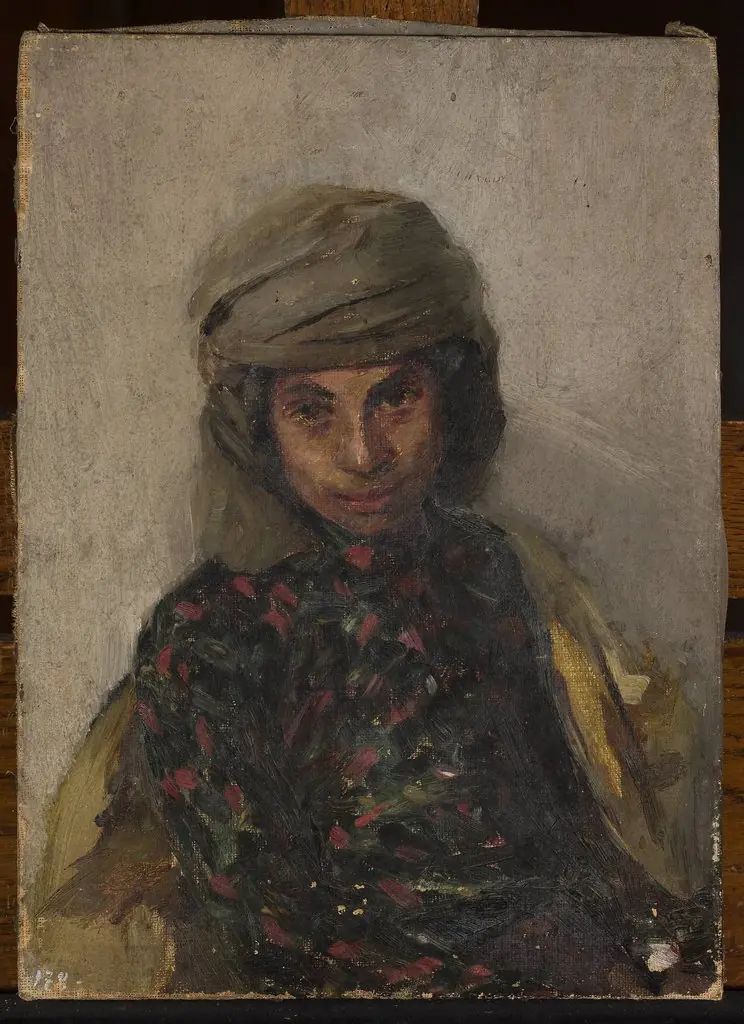
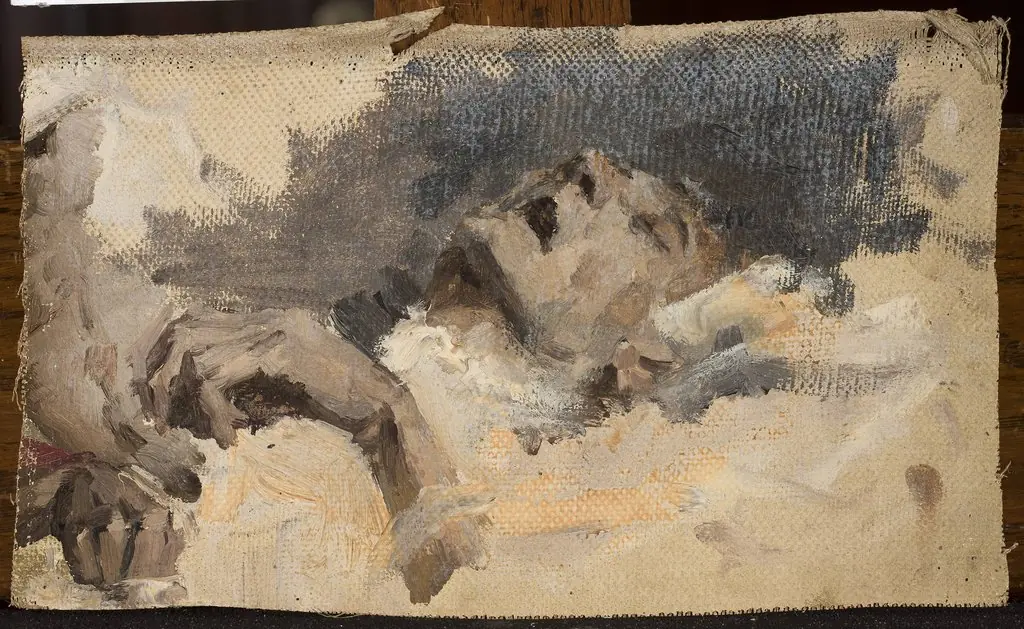
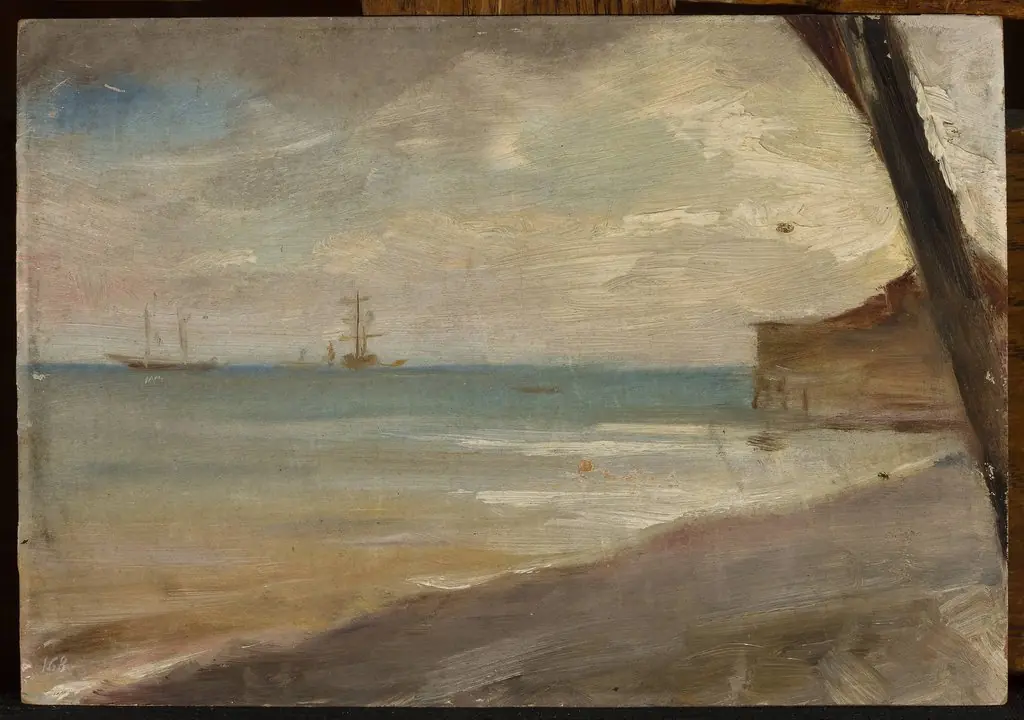 Sea in Yalta. From the journey to Crimea
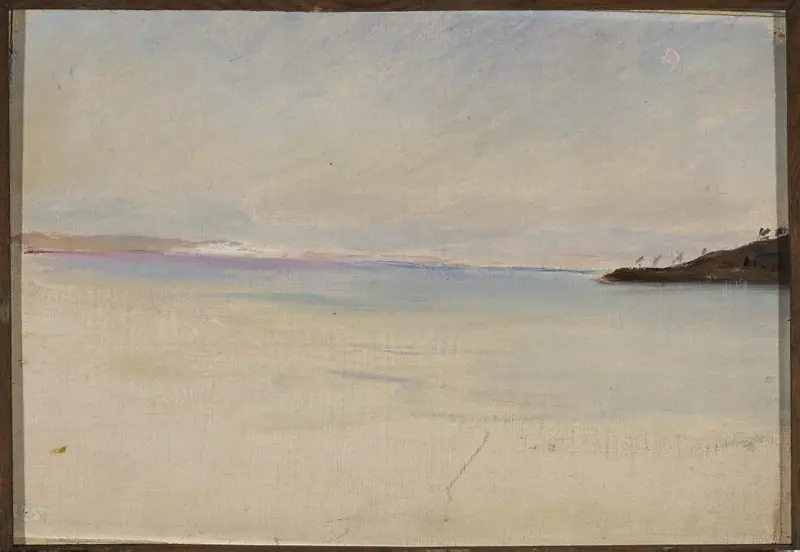 Sea. From the journey to Constantinople
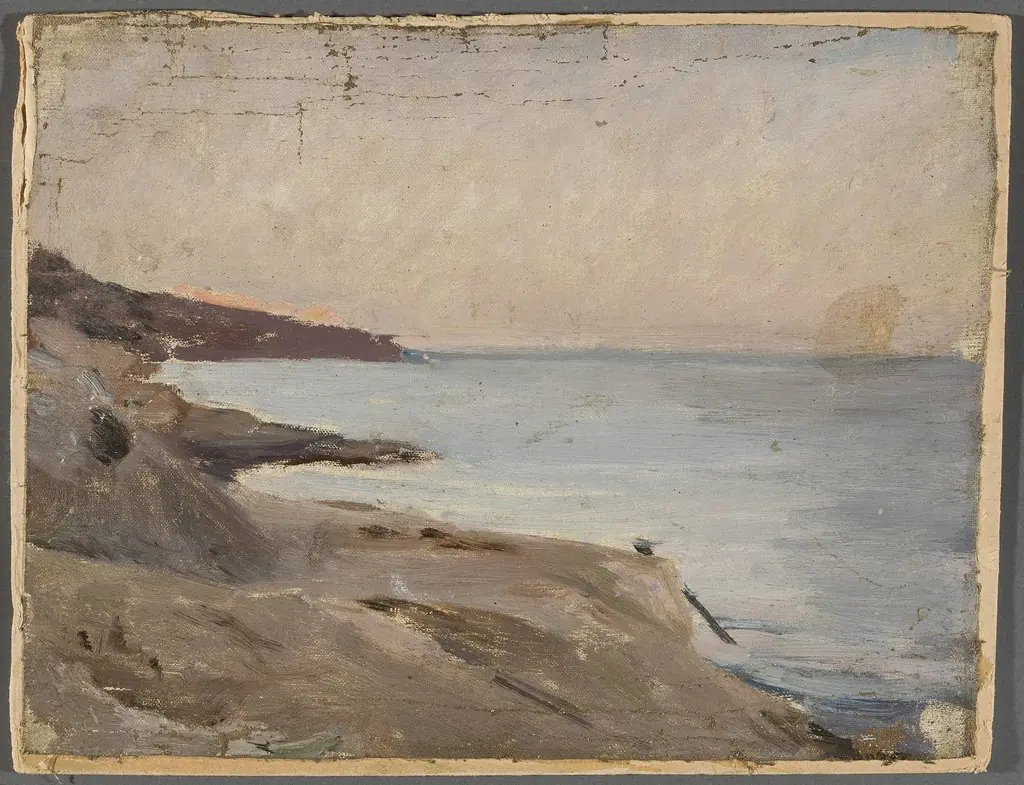 Marine landscape – Yalta. From the journey to Crimea
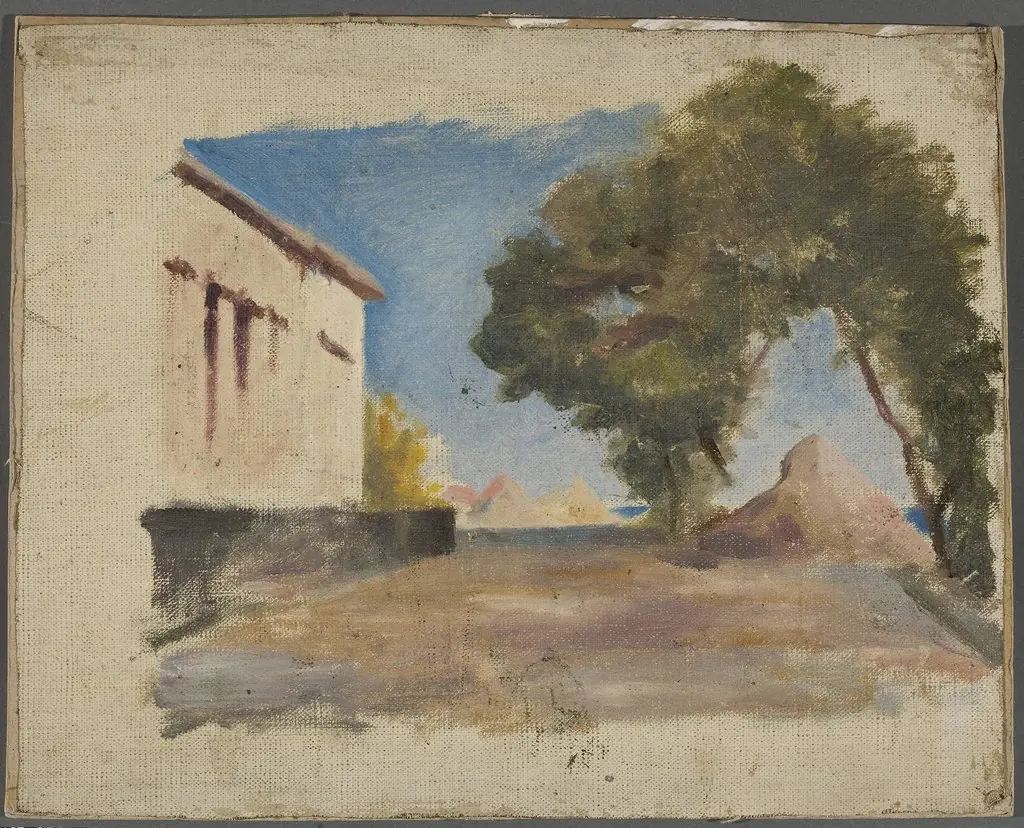 Crimea. From the journey to Crimea
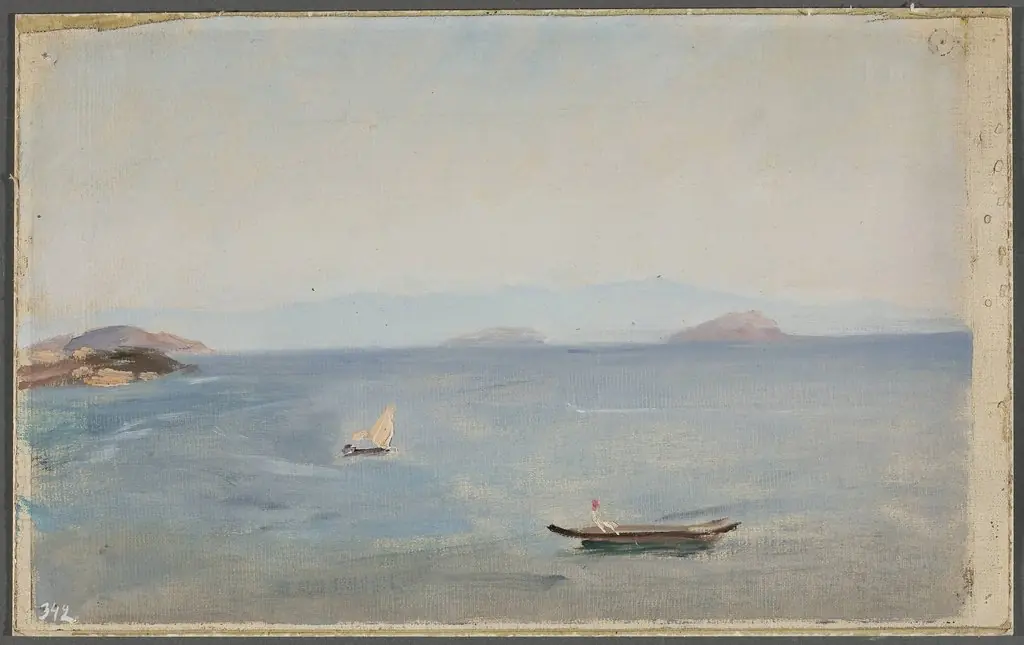 View of the mountainous seaside. From the journey to Constantinople
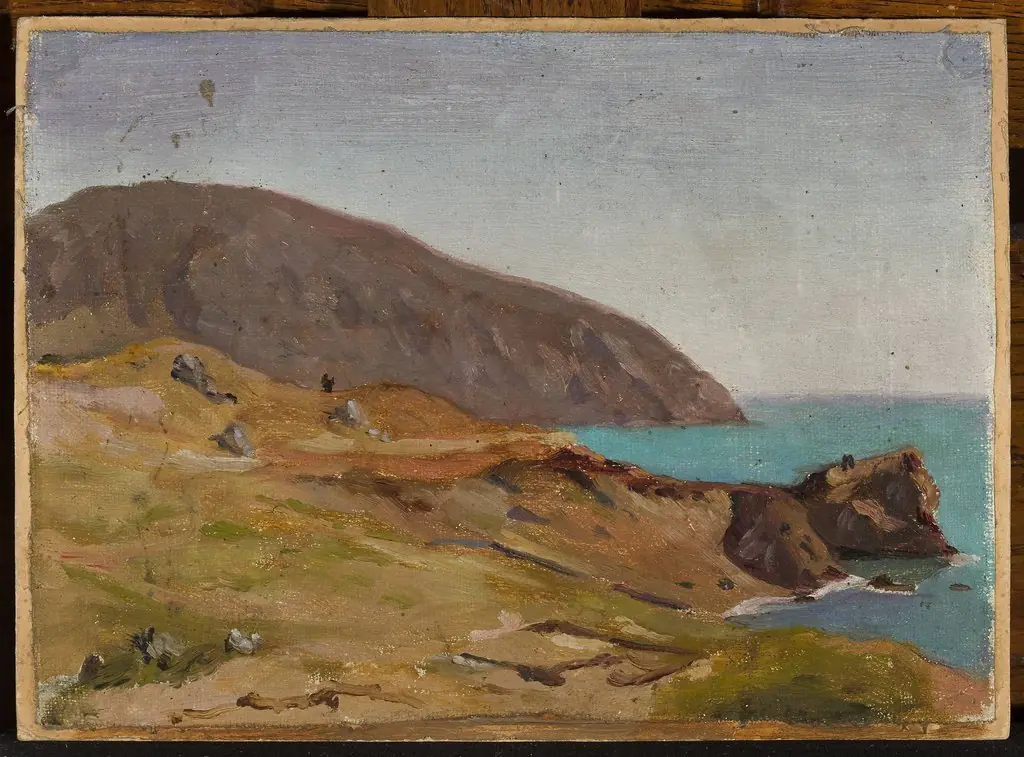 Sea view. From the journey to Crimea
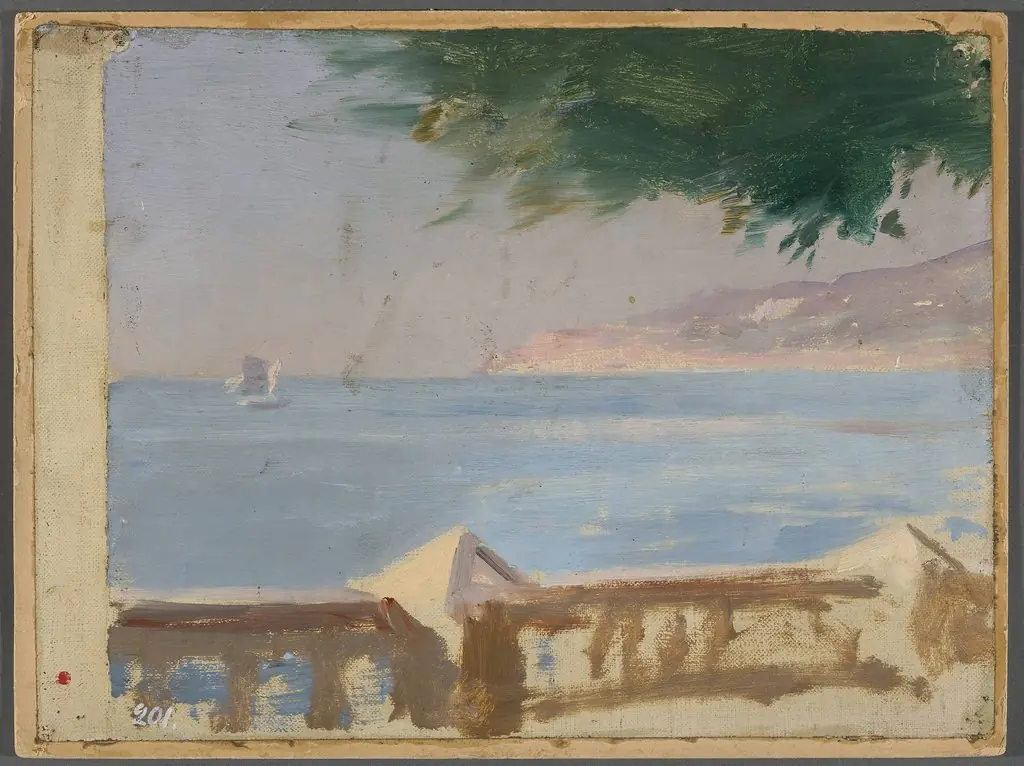 View of the sea from the Bakhchi-Dere villa in Yalta. From the journey to Crimea
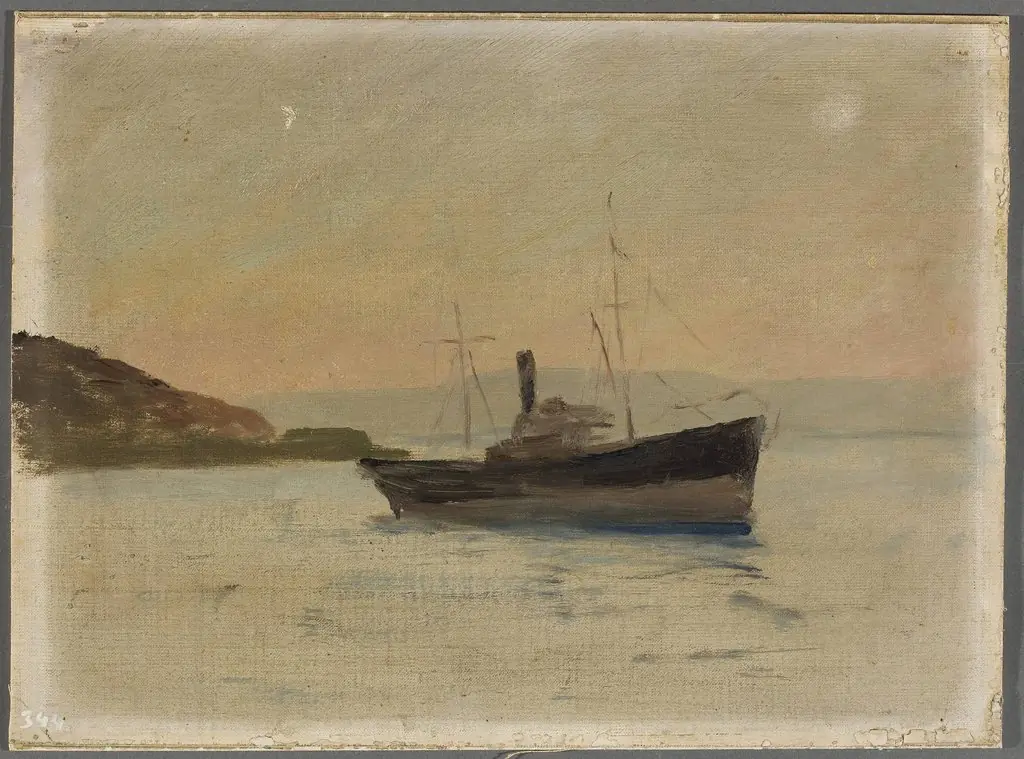 Ship on the Black Sea. From the journey to Constantinople
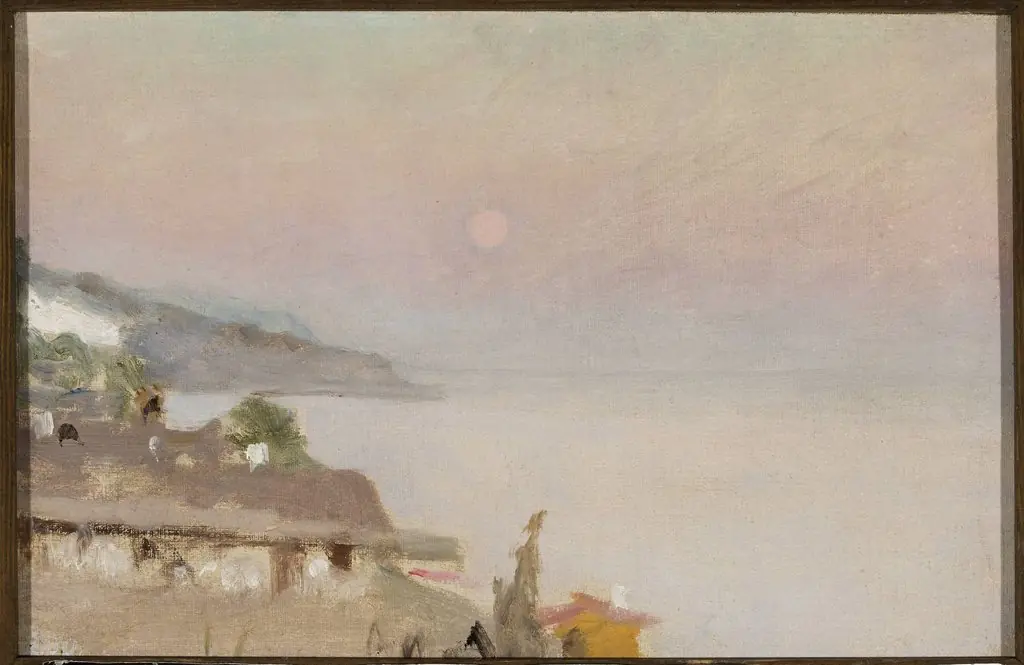 Moonlit evening in Yalta. From the journey to Crimea