Artwork
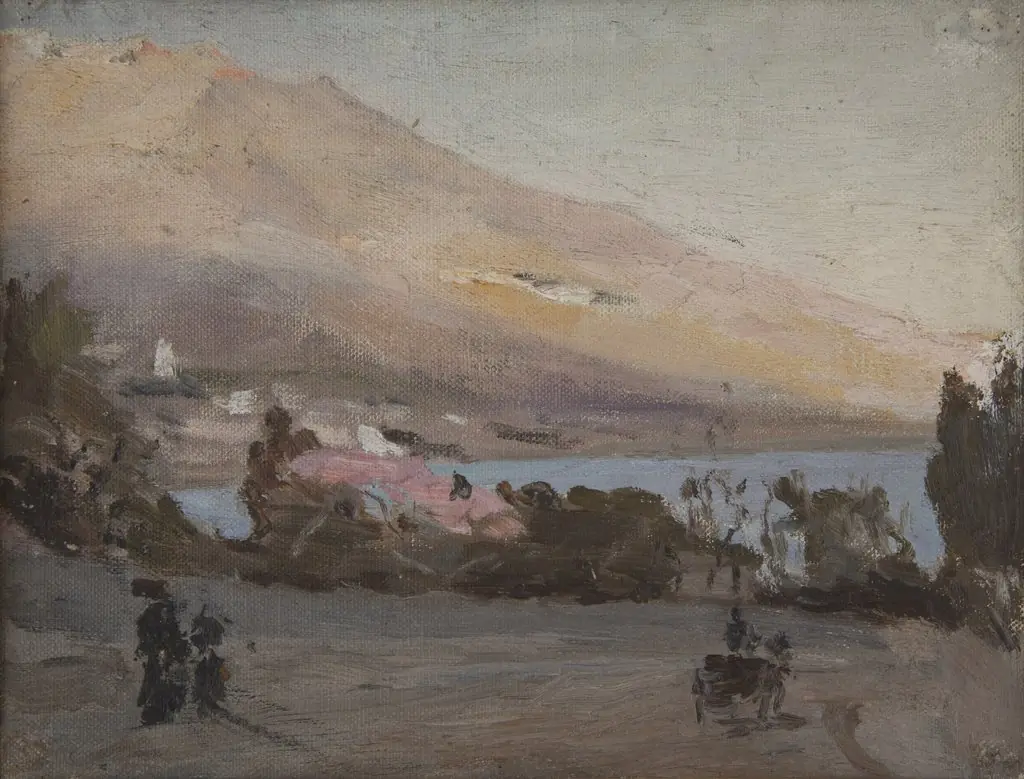
Moonlit evening in Yalta. From the journey to Crimea
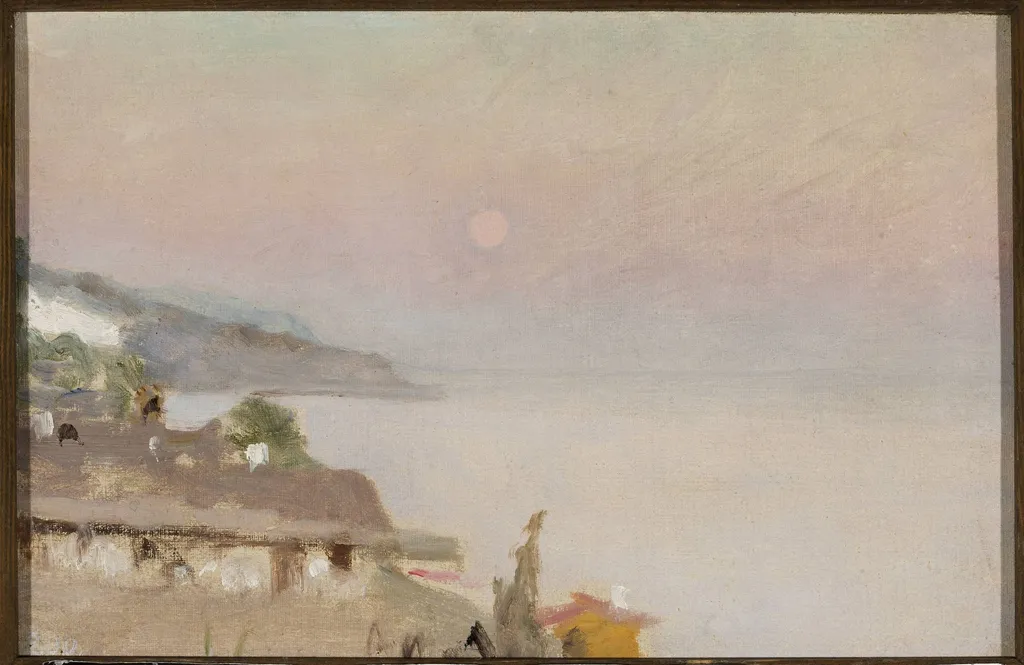
Moonlit evening in Yalta. From the journey to Crimea is an unspecified painting by the Post-Impressionist artist Jan Ciągliński. It dates from 1897 and is held in the collection of the National Museum in Warsaw.
About this work
Overview
It is now part of the National Museum in Warsaw’s collection, representing his broader body of landscape studies from the Russian Empire’s southern regions.
Painted in 1897 by Polish artist Jan Ciągliński, this work captures a quiet night in Yalta during a trip to Crimea. Executed in a post-impressionist idiom, the painting reflects Ciągliński’s engagement with light and atmosphere rather than precise detail. It is now part of the National Museum in Warsaw’s collection, representing his broader body of landscape studies from the Russian Empire’s southern regions.
Subject & Meaning
The scene centers on the lunar illumination of Yalta’s coastal landscape, with minimal human presence. Buildings in the foreground recede into the background, allowing the sea and sky to dominate. The composition conveys stillness and solitude, emphasizing nature’s quiet dominance over human structures. The absence of activity invites contemplation rather than narrative, aligning with the era’s interest in mood over storytelling.
Technique & Style
Ciągliński employed subtle tonal shifts and restrained color to evoke the softness of moonlight. Chiaroscuro is used sparingly to suggest depth without harsh contrasts, enhancing the hushed atmosphere. Brushwork is loose yet deliberate, avoiding sharp outlines in favor of blended edges that dissolve forms into the ambient glow. The palette favors cool grays, blues, and muted greens, reinforcing the nocturnal calm.
History & Provenance
Created during Ciągliński’s time in St. Petersburg under the Russian imperial court, the painting stems from his travels to Crimea, a region popular among artists for its scenic coastlines. It entered the National Museum in Warsaw’s holdings after Poland’s reestablishment as an independent state, likely through acquisition or transfer from private collections tied to Polish cultural patrons of the era.
Context
In the late 19th century, Russian and Polish artists increasingly turned to landscape as a vehicle for emotional expression, moving beyond academic tradition. Ciągliński’s work reflects this shift, influenced by French post-impressionism and the Russian Wanderers’ focus on native scenery. His Crimea series, including this piece, contributed to a broader interest in the Black Sea’s visual poetry among Eastern European painters.
Legacy
Though not widely exhibited outside Poland, the painting remains a representative example of Ciągliński’s mature style and his role in bridging Polish artistic sensibilities with broader European trends. It endures as a quiet testament to the period’s fascination with nocturnal landscapes and the emotional resonance of natural light, preserved as part of Poland’s national art heritage.
Artist & collection
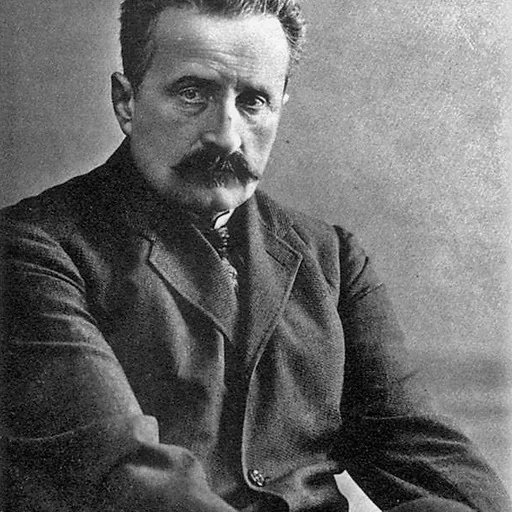
Artist
Jan Ciągliński (Polish: ; Russian: Ян/Иван Францевич Ционглинский, romanized: Yan/Ivan Frantsevich Tsionglinskiy; 20 February 1858 – 6 January 1913) was a Polish painter, active in St.

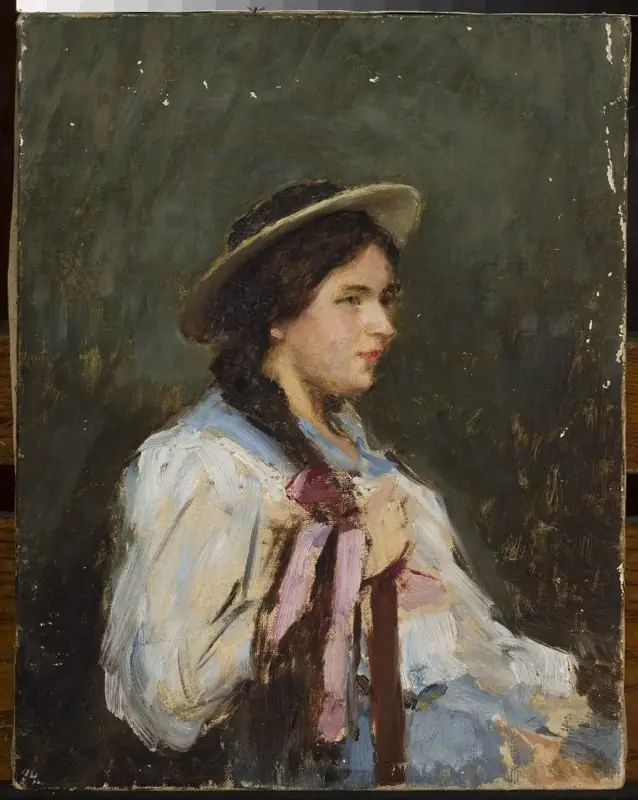
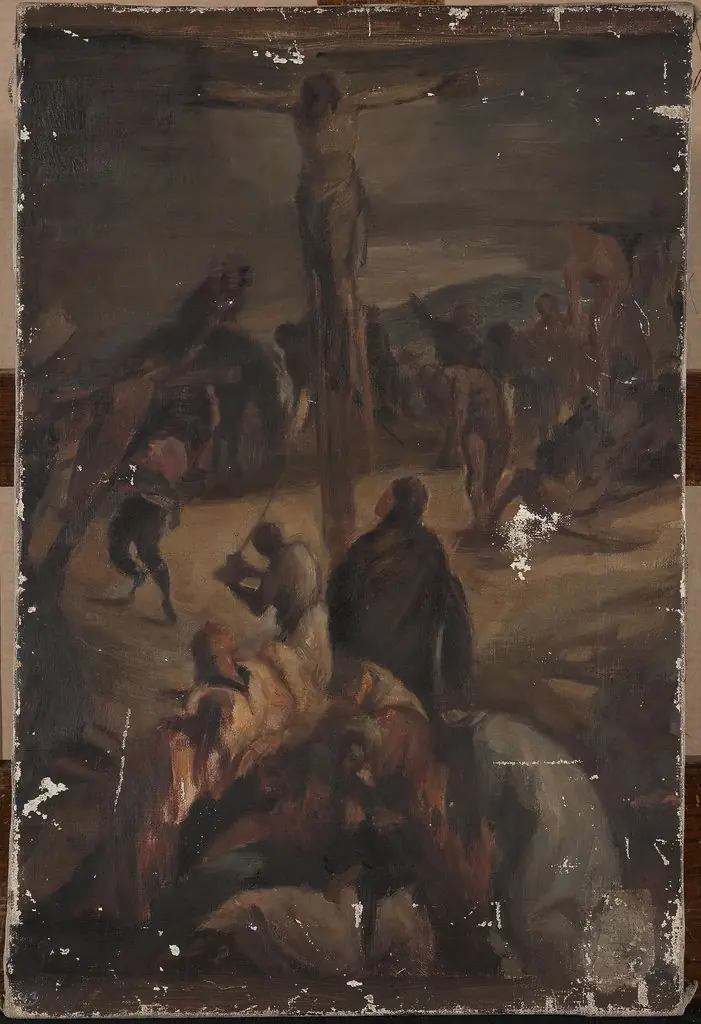
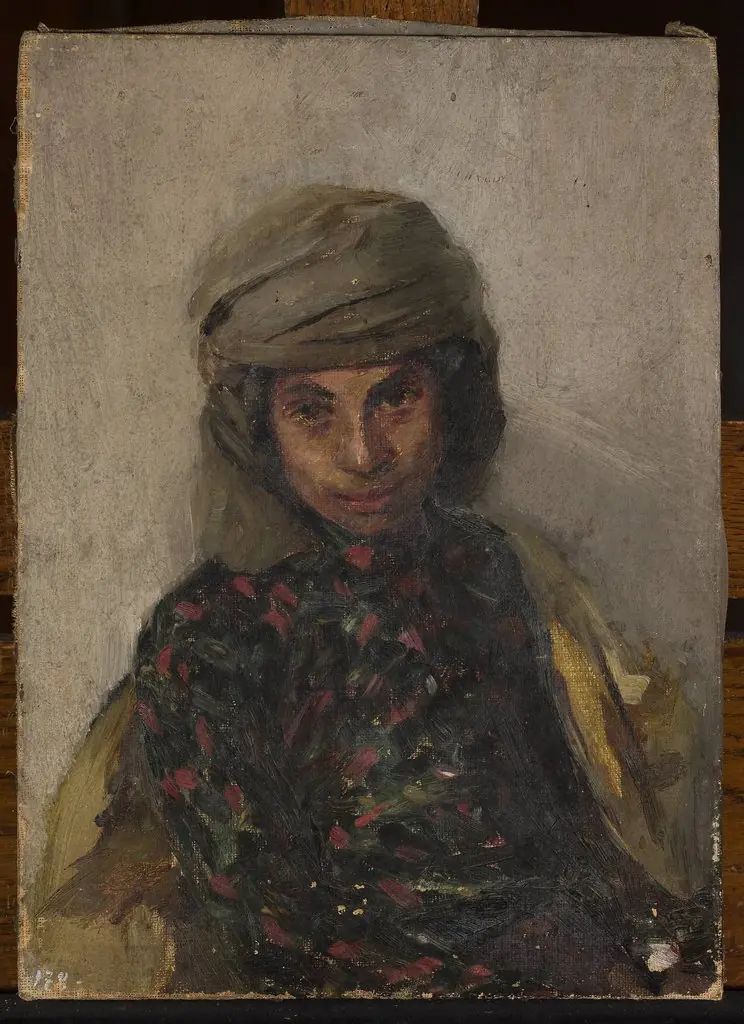
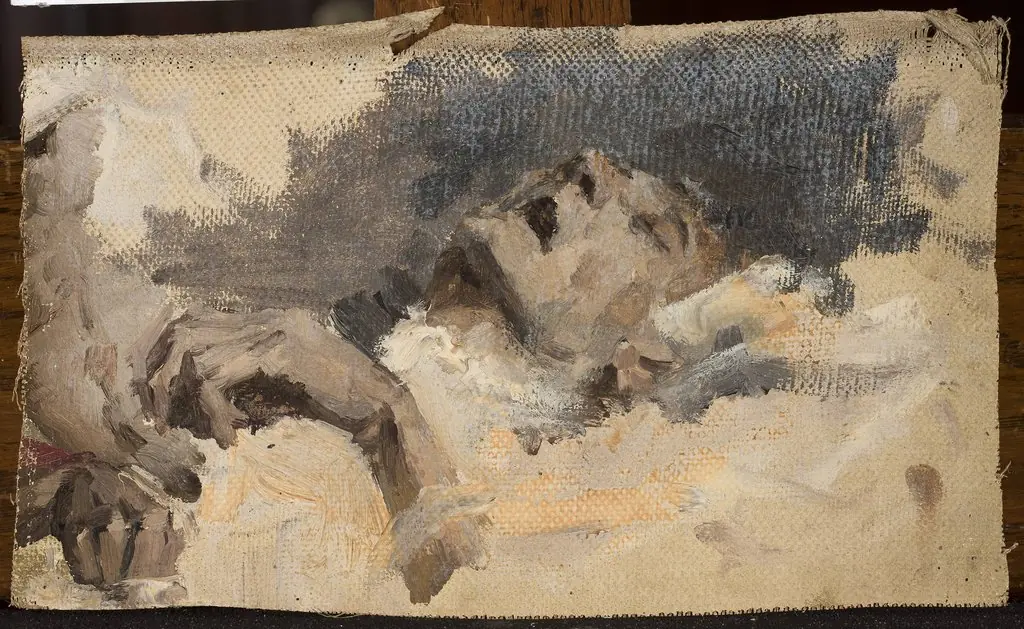
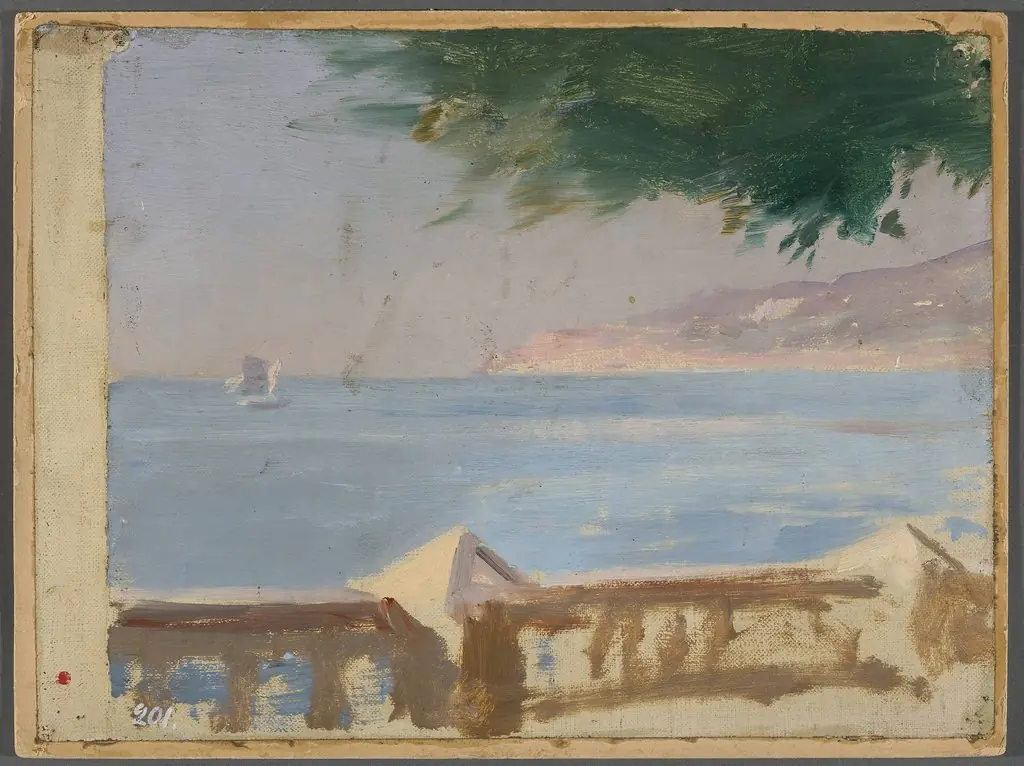 View of the sea from the Bakhchi-Dere villa in Yalta. From the journey to Crimea
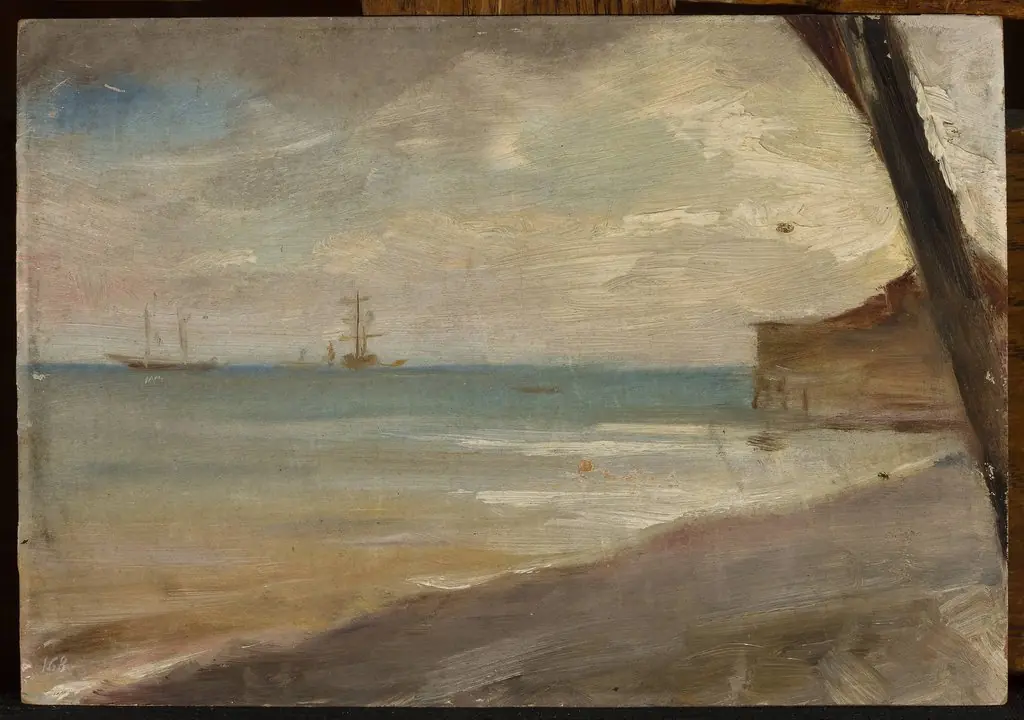 Sea in Yalta. From the journey to Crimea
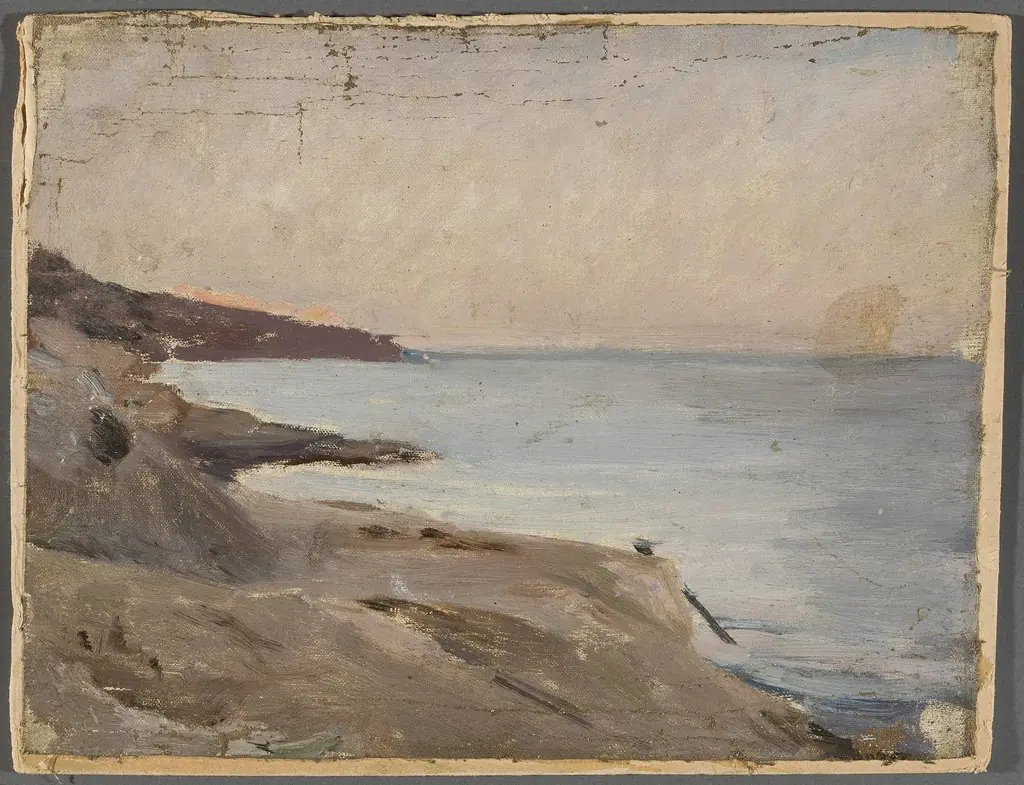 Marine landscape – Yalta. From the journey to Crimea
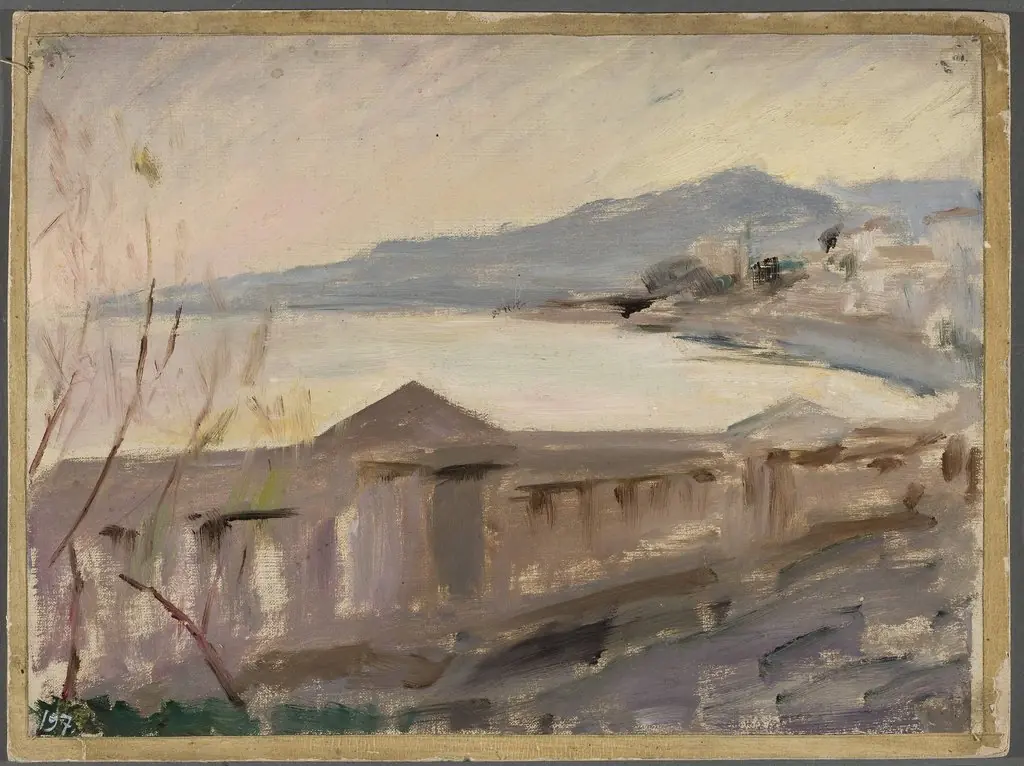 Lower terrace of the Bakhchi-Dere villa. From the journey to Crimea
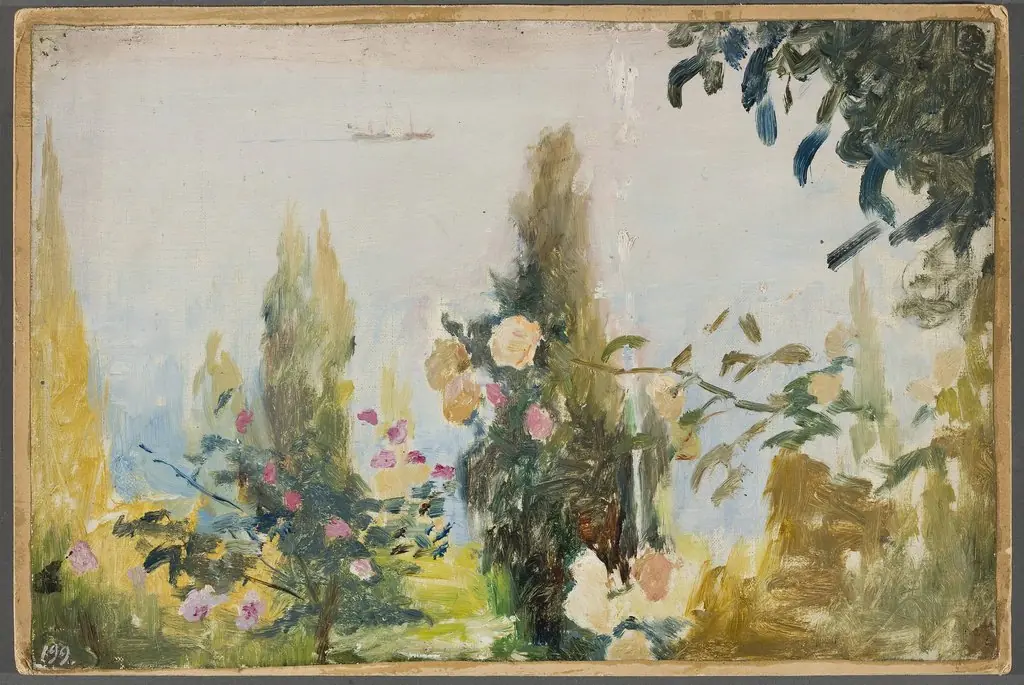 Garden of the Bakhchi-Dere villa in Yalta. From the journey to Crimea
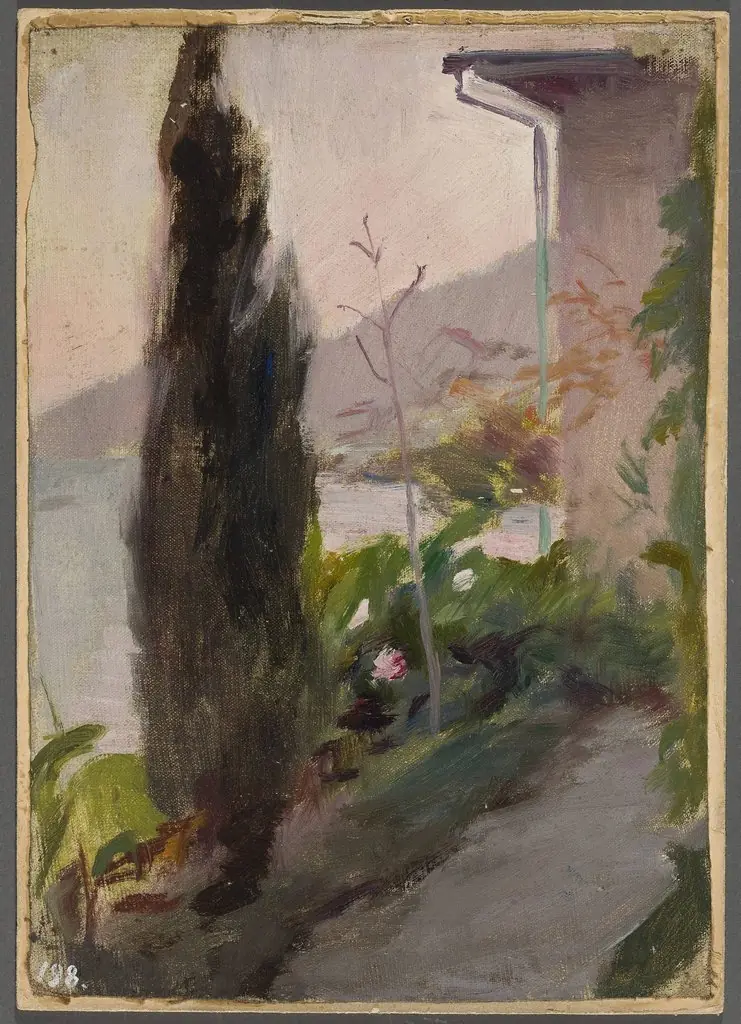 Garden of the Bakhchi-Dere villa in Yalta. From the journey to Crimea
 Yalta (Spring)
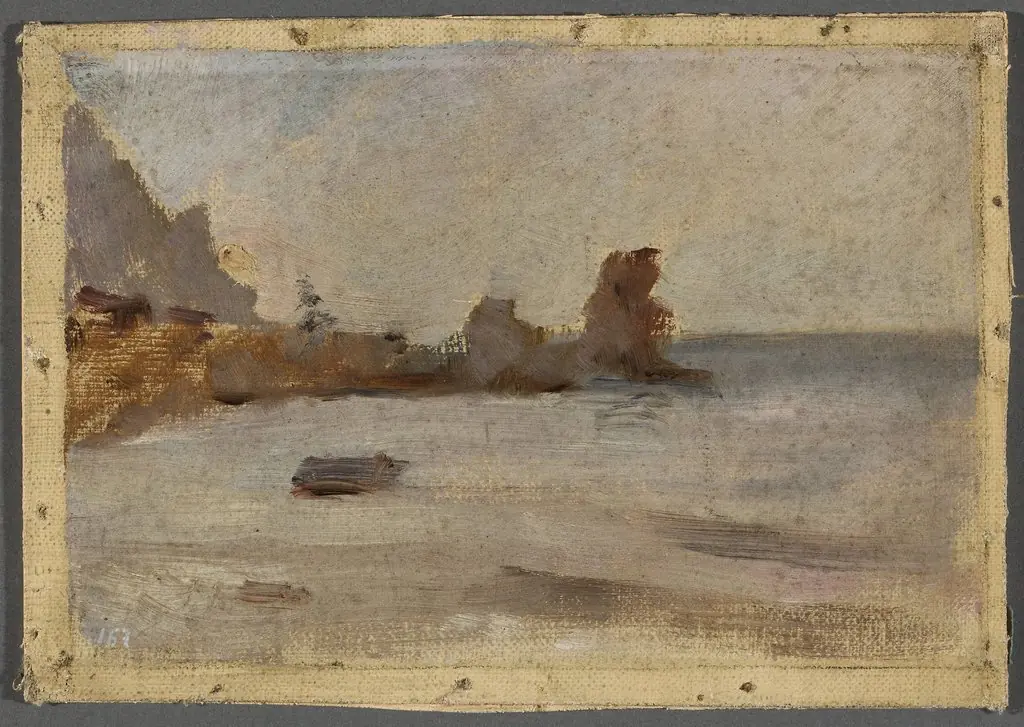 Seaside in Gurzuf. From the journey to Crimea