Artwork
Smolensk, tomb of Gogoliński
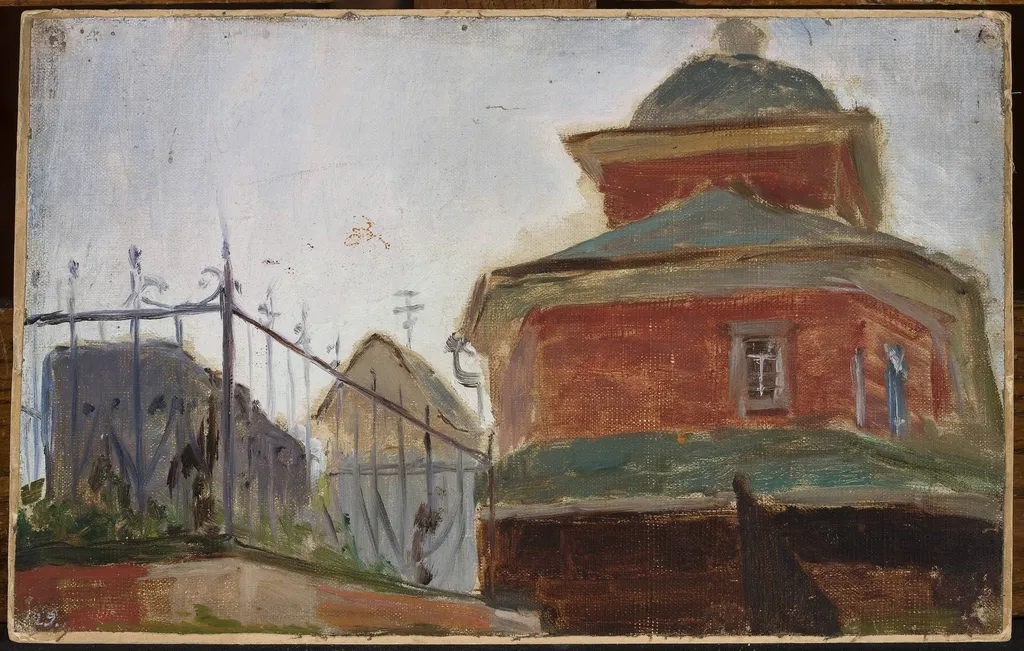
Smolensk, tomb of Gogoliński is an unspecified painting by the Impressionist artist Jan Ciągliński. It dates from 1898 and is held in the collection of the National Museum in Warsaw.
About this work
Overview
Smolensk, tomb of Gogoliński is a painting created by Jan Ciągliński in 1898. It is an early example of Russian Impressionism, depicting a specific landscape in Smolensk. The work is part of the National Museum in Warsaw's collection.
Subject & Meaning
The painting focuses on the tomb of Gogoliński within a Smolensk landscape. Compositional elements include a prominent red building with a green-roofed dome to the right, contrasted with a metal gate to the left, set against a light gray sky. These elements work together to evoke a sense of place and memorial.
Technique & Style
Ciągliński employed Impressionist techniques to achieve depth and texture. A varied color palette enhances the visual contrast, notably between the red building and the gray sky, with the green roof adding an additional layer of depth.
History & Provenance
Created in 1898 by Jan Ciągliński, a Polish artist working in St. Petersburg under Tsars Alexander III and Nicholas II, the painting is now held in the National Museum in Warsaw.
Context
As an early work of Russian Impressionism, Smolensk, tomb of Gogoliński reflects the artist's adaptation of Impressionist movements within the Russian context, influenced by his activity in St. Petersburg.
Legacy
While specific legacy details are not provided, the painting's status as one of the earliest Russian Impressionist works contributes to its historical significance in the development of Russian art.
Artist & collection
Artist
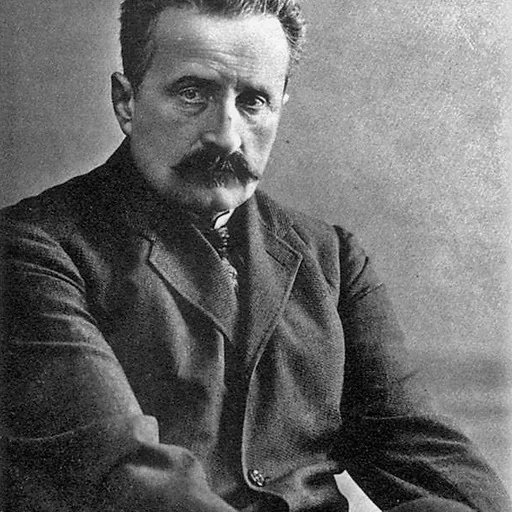
Jan Ciągliński (Polish: ; Russian: Ян/Иван Францевич Ционглинский, romanized: Yan/Ivan Frantsevich Tsionglinskiy; 20 February 1858 – 6 January 1913) was a Polish painter, active in St.

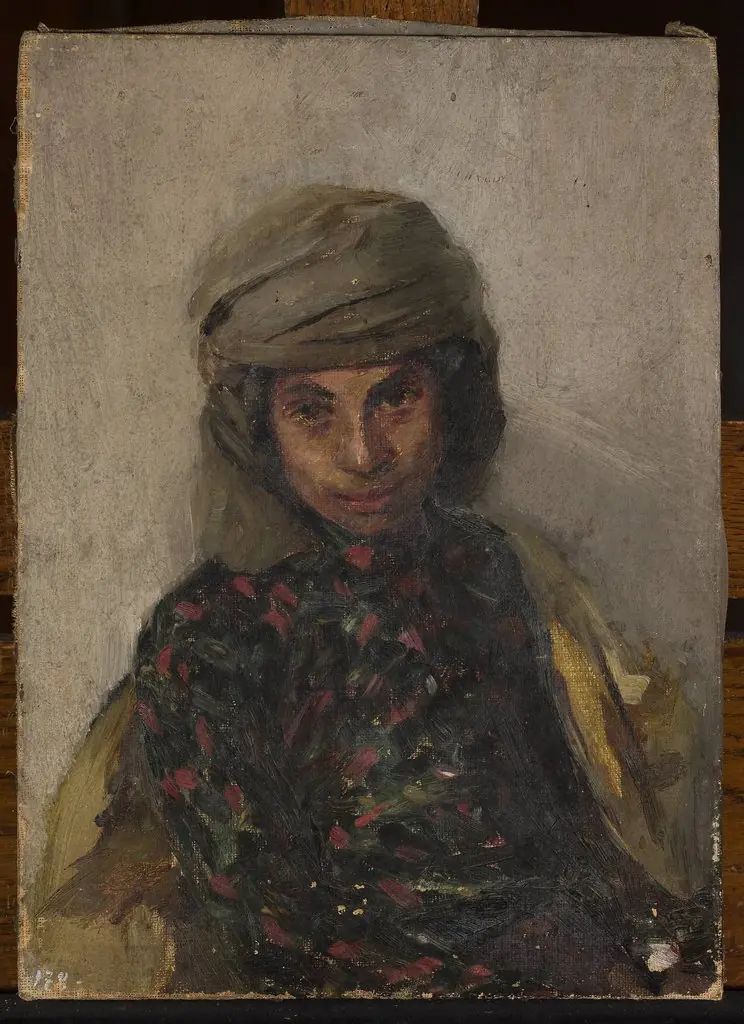
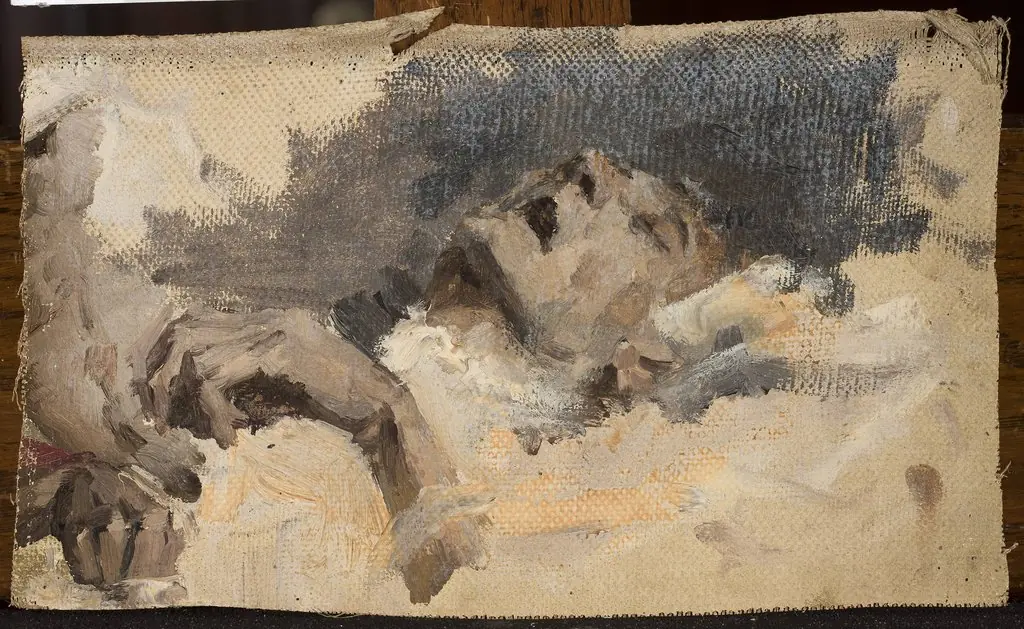
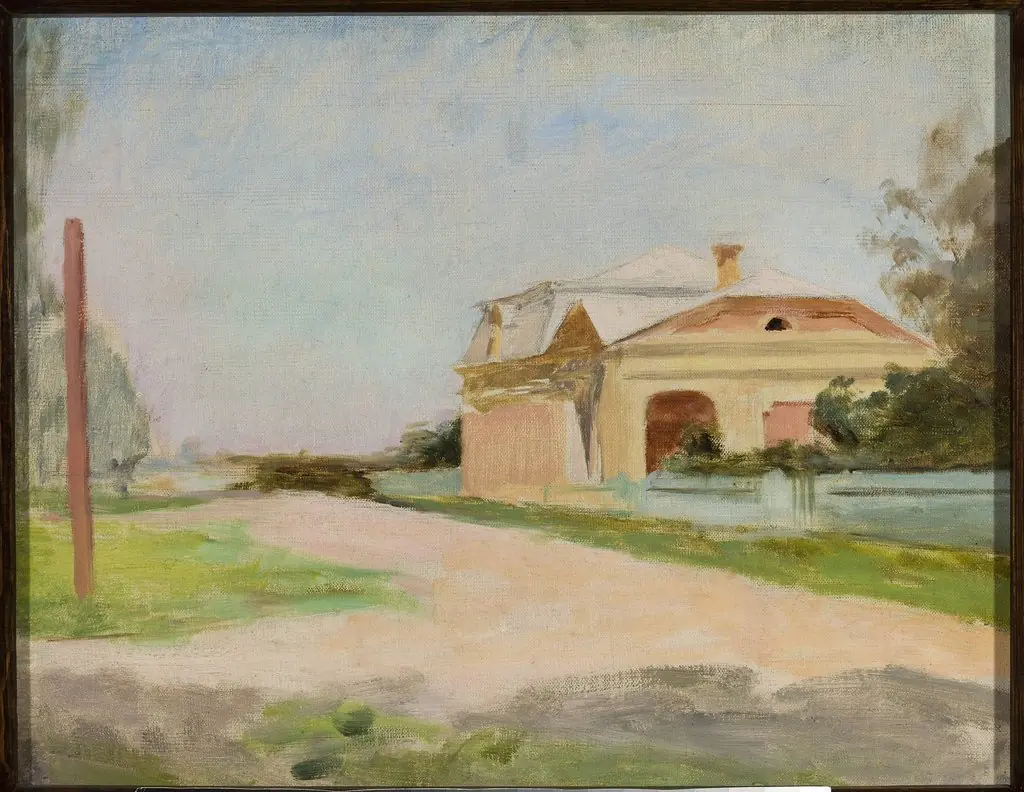 Manor house façade in Talashkino
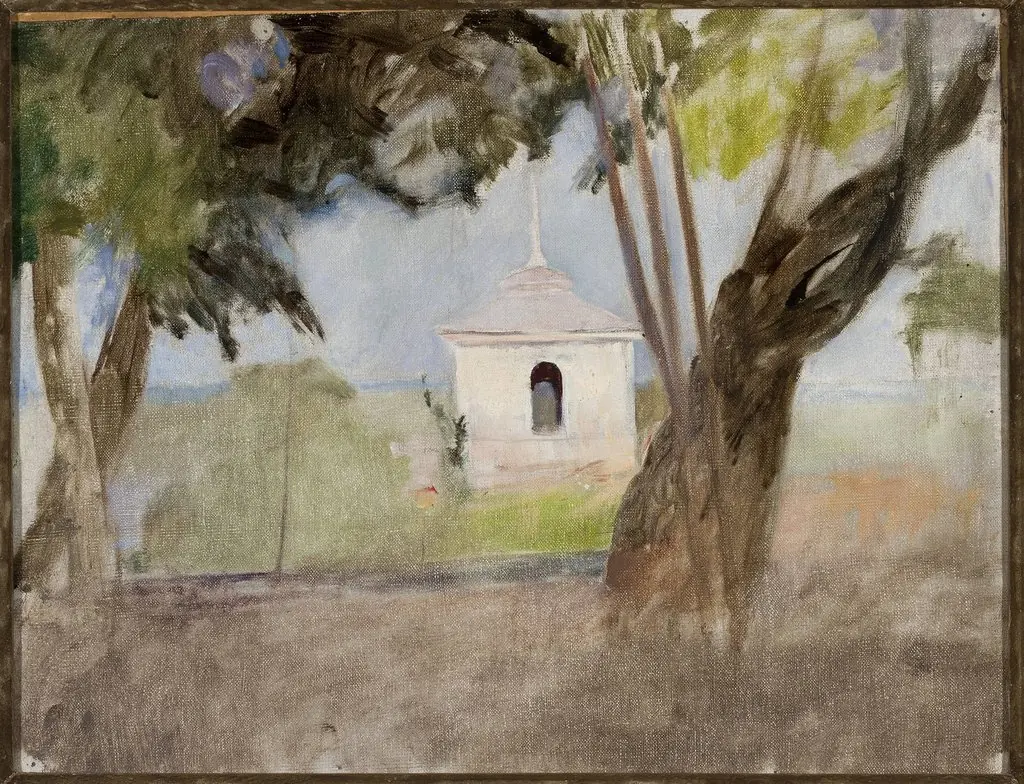 Shrine in Talashkino – northern side study
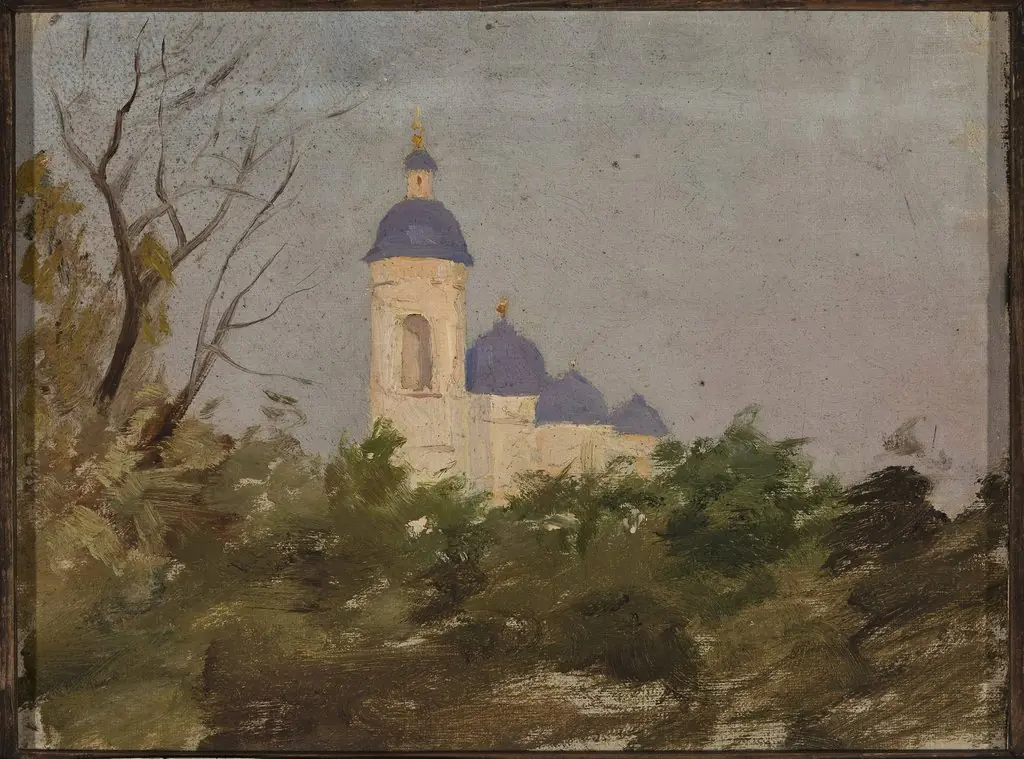 Study of an Orthodox church
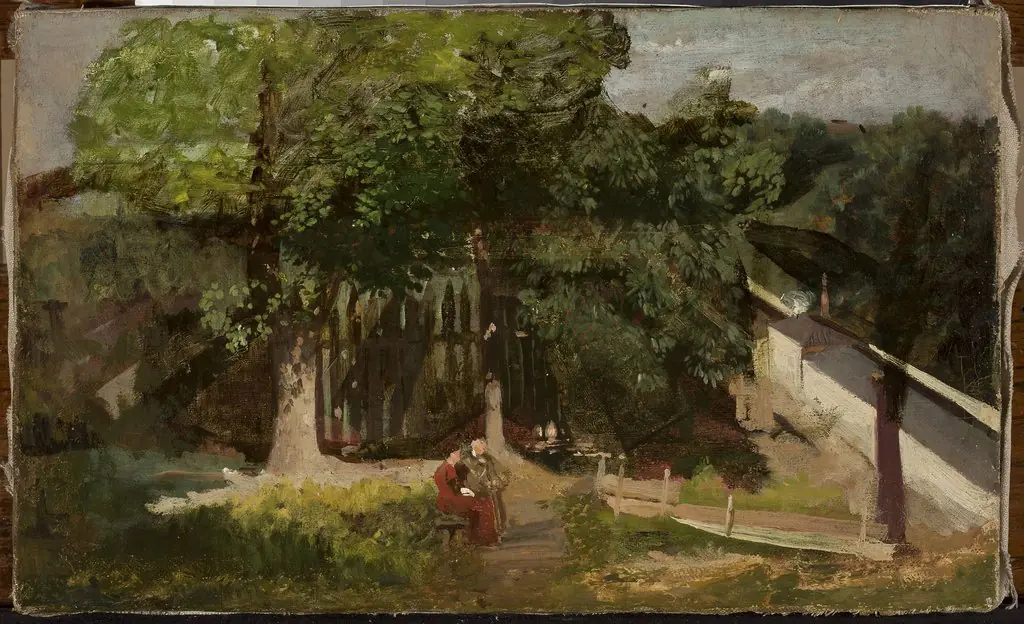 Garden fragment
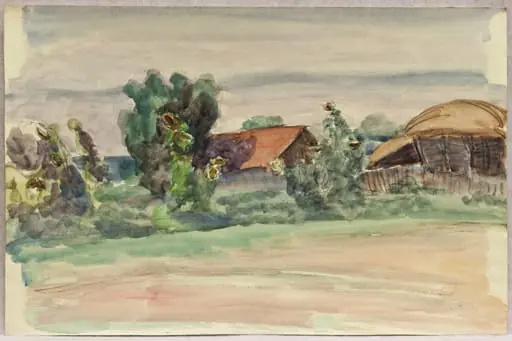 Peisaj cu case
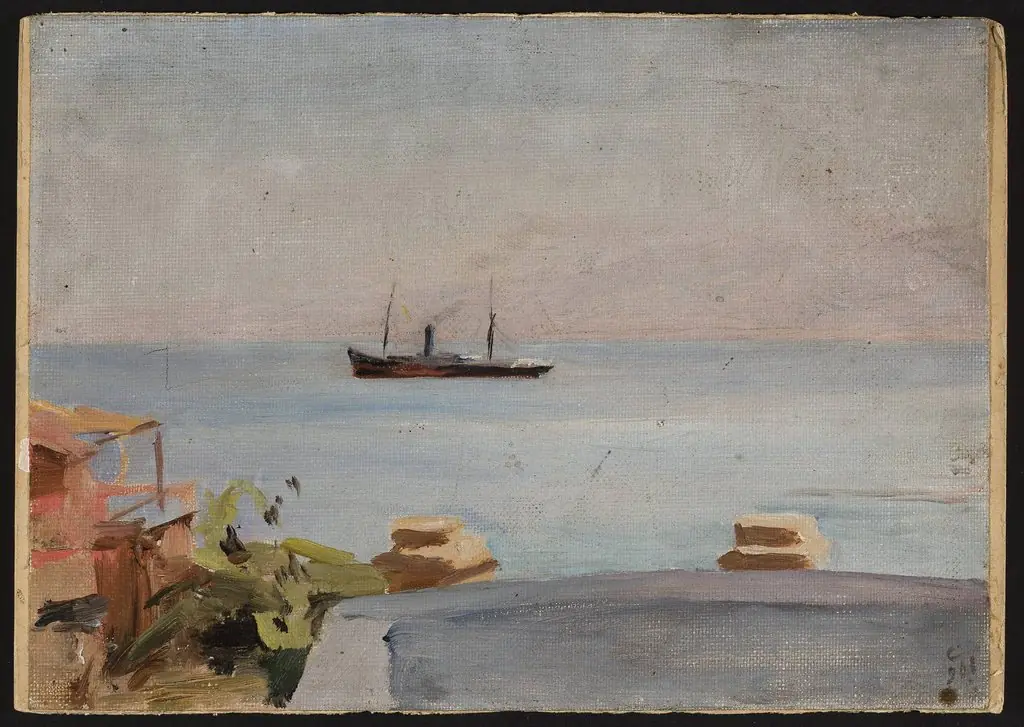 Beirut – Mount Lebanon. From the journey to Palestine
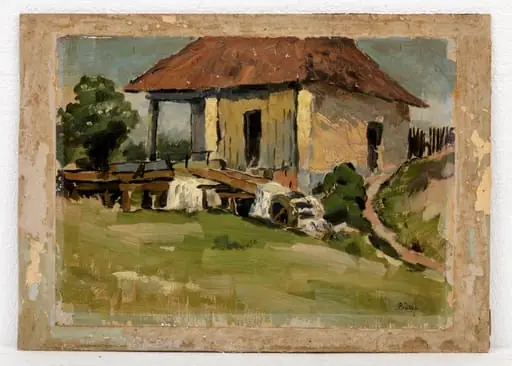 Moara
Moara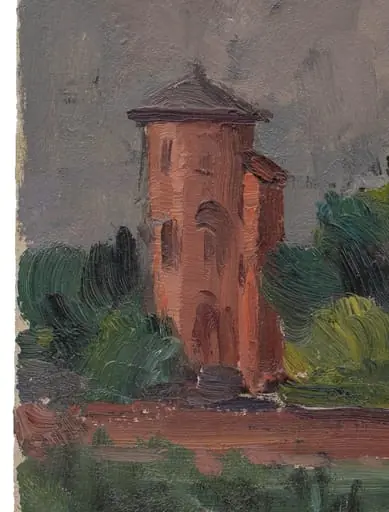 Periferie C.F.R. - Iași
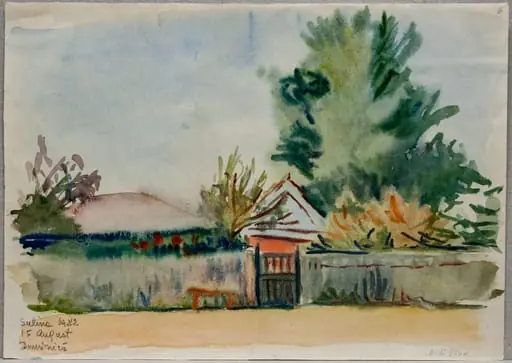 S 22 - Peisaj la Sulina (Casă, gard, copac)
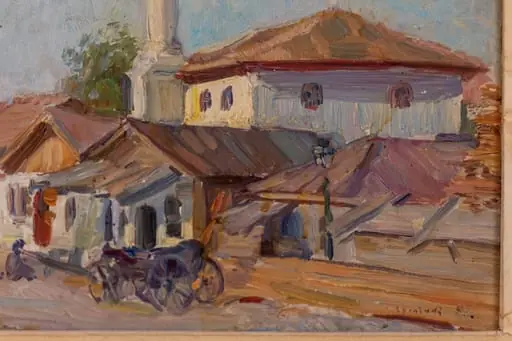 Peisaj
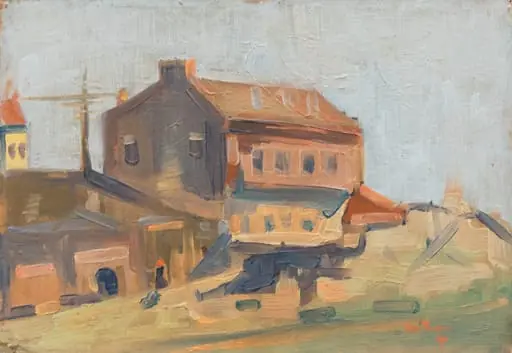 PEISAJ DIN BAIA MARE
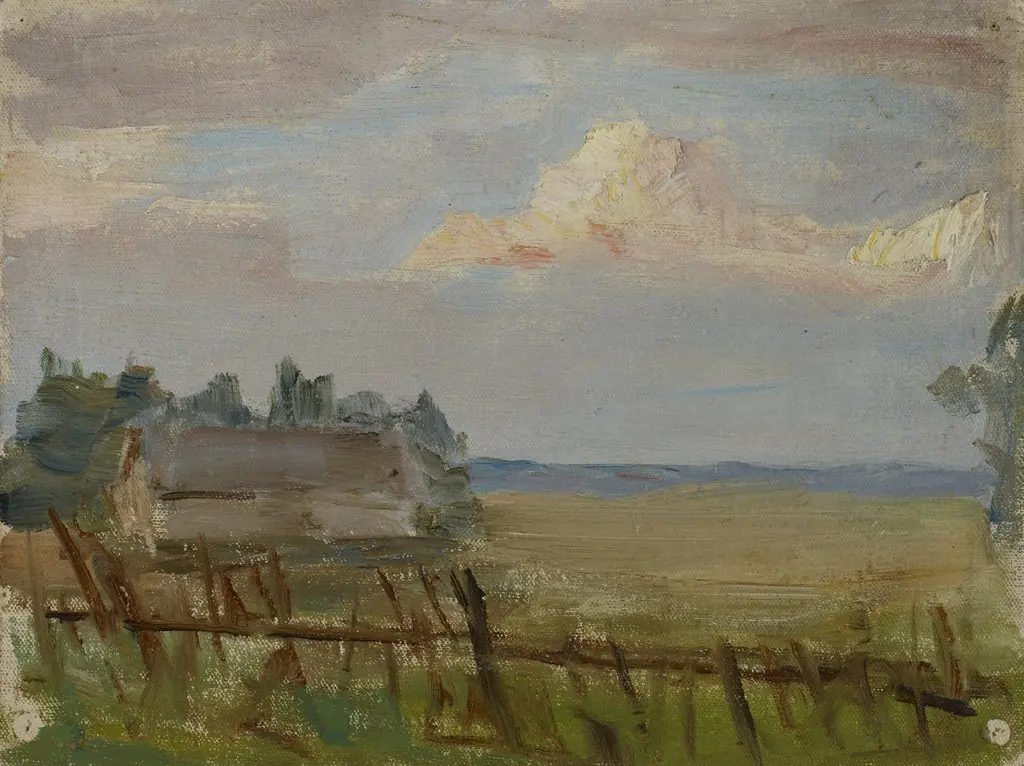 Northern Studies (The White Night – Clouds)