Artwork
Syracuse (The Greek Theatre)
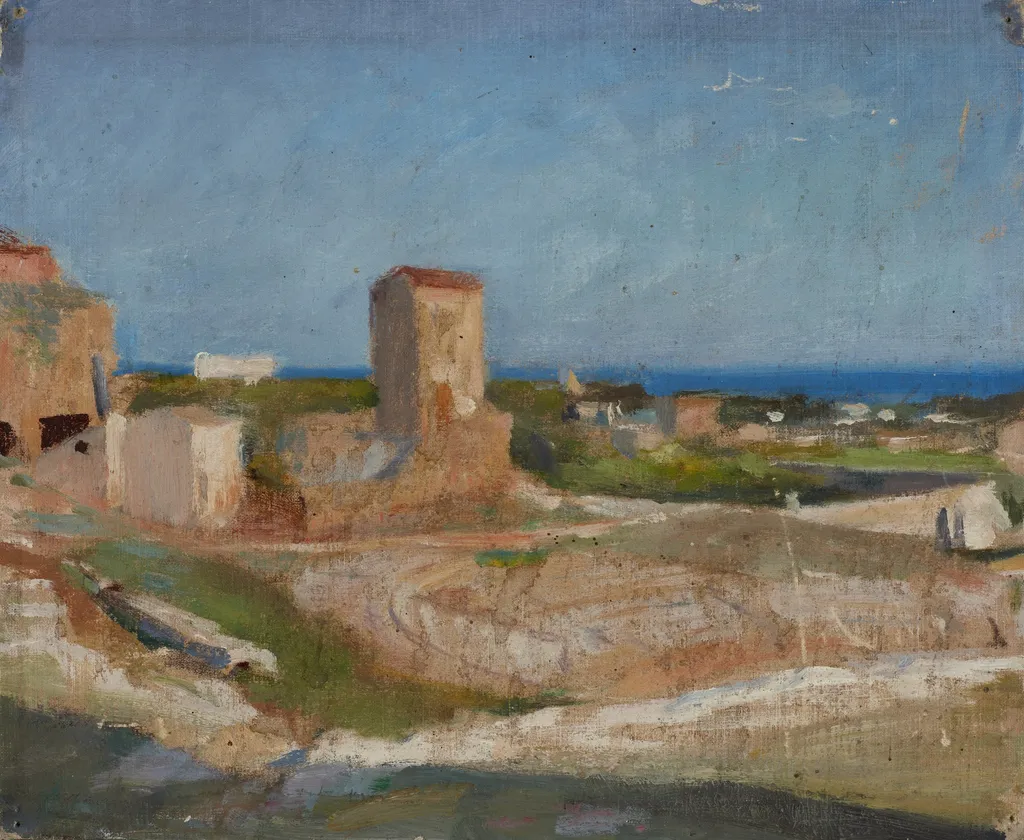
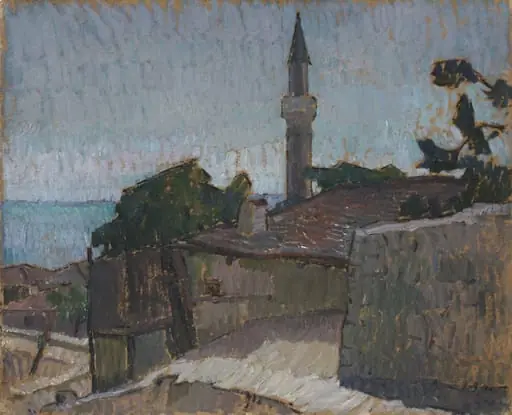
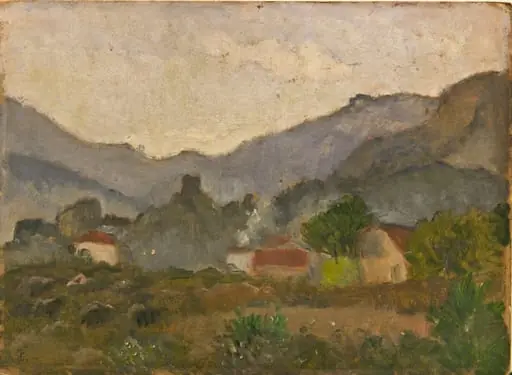
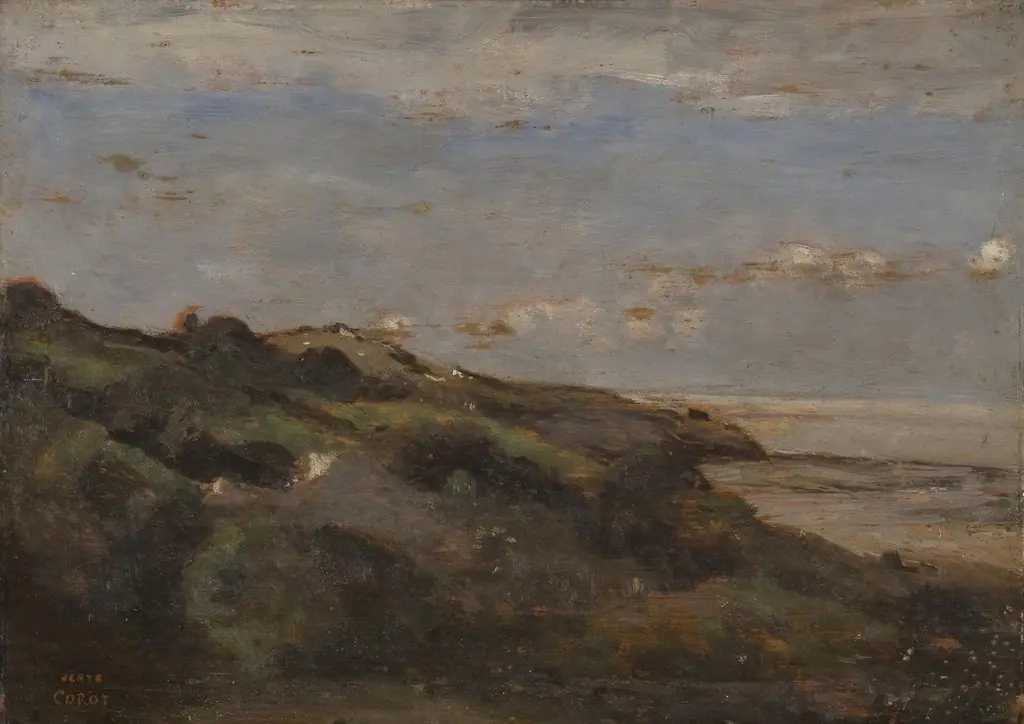
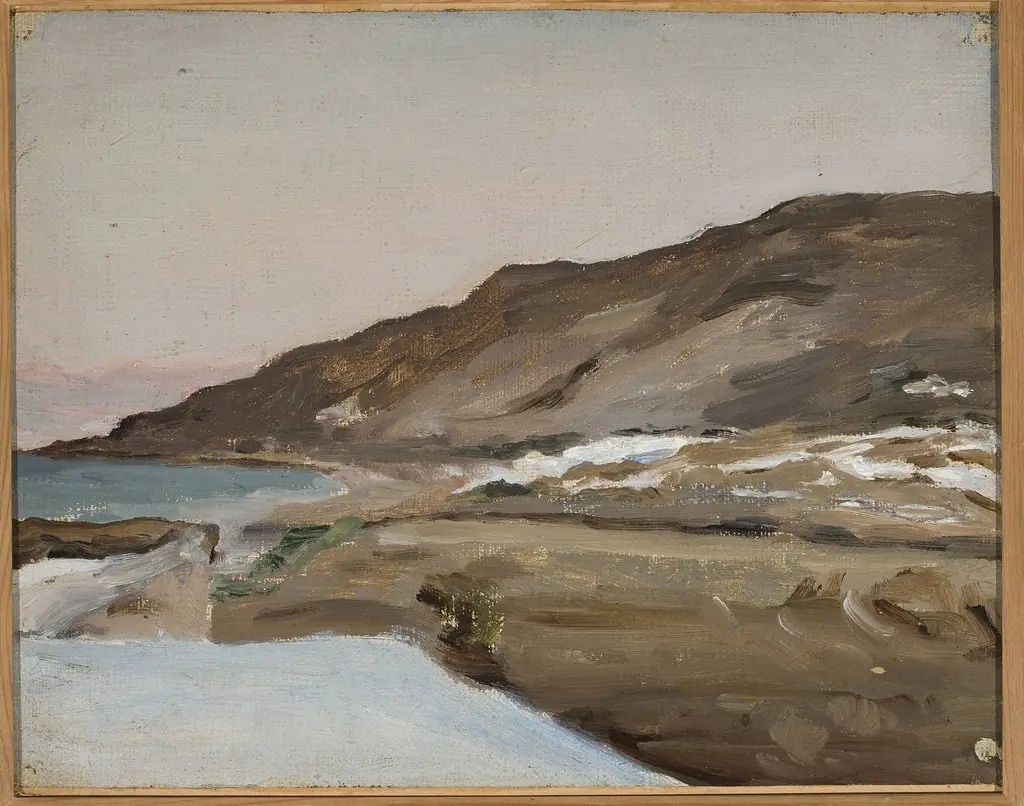
Syracuse (The Greek Theatre) is an unspecified painting by the Impressionist artist Jan Ciągliński. It dates from 1896 and is held in the collection of the National Museum in Kraków.
About this work
Overview
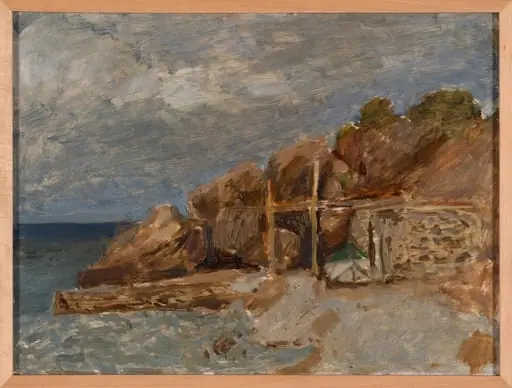
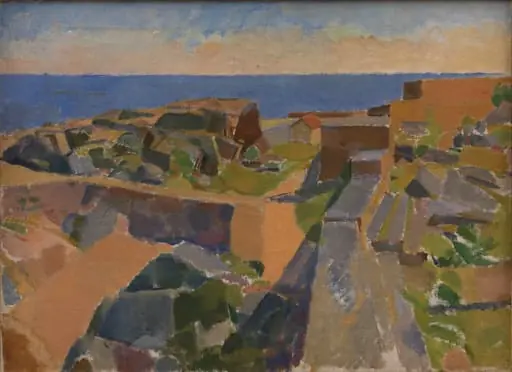
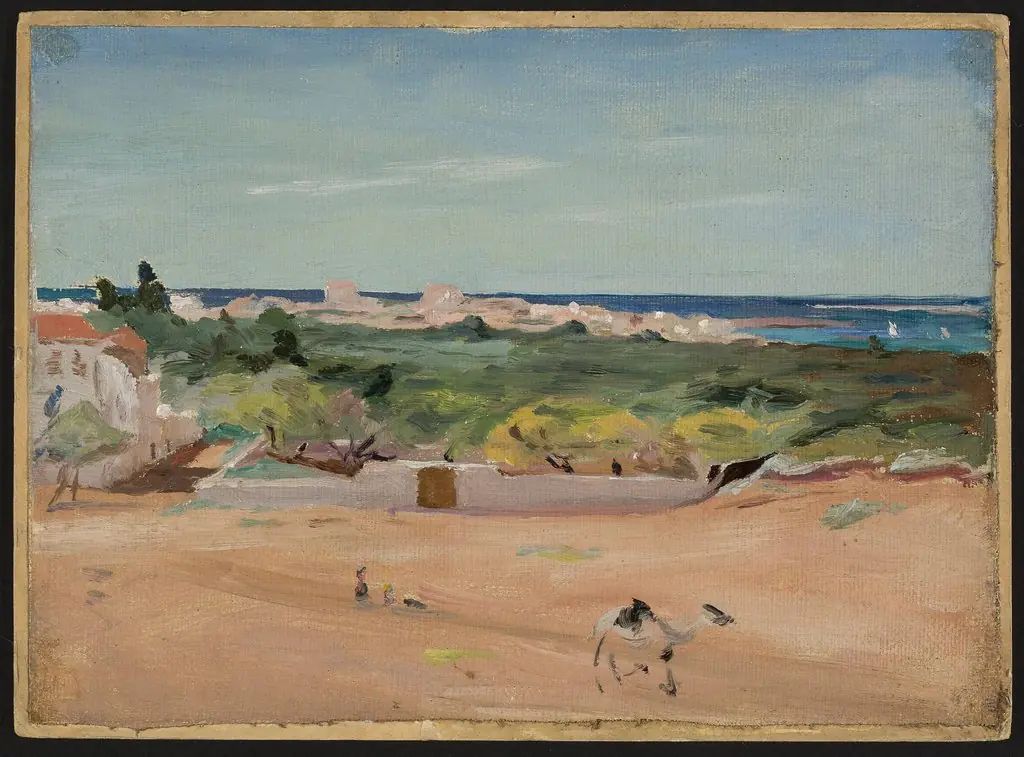
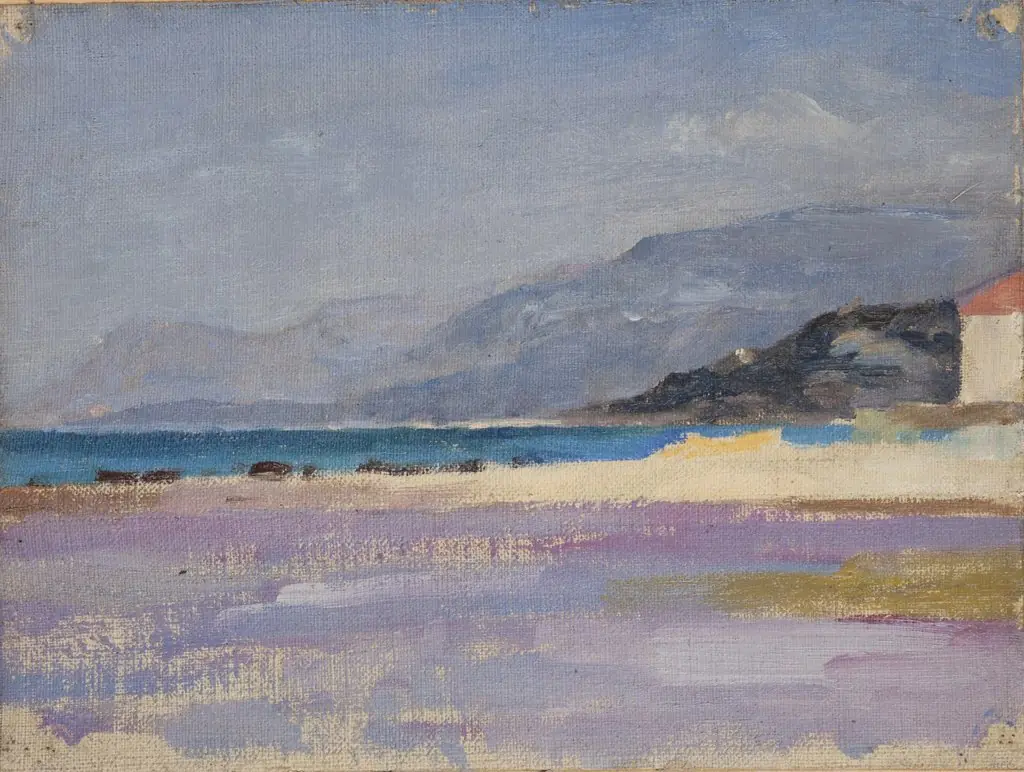
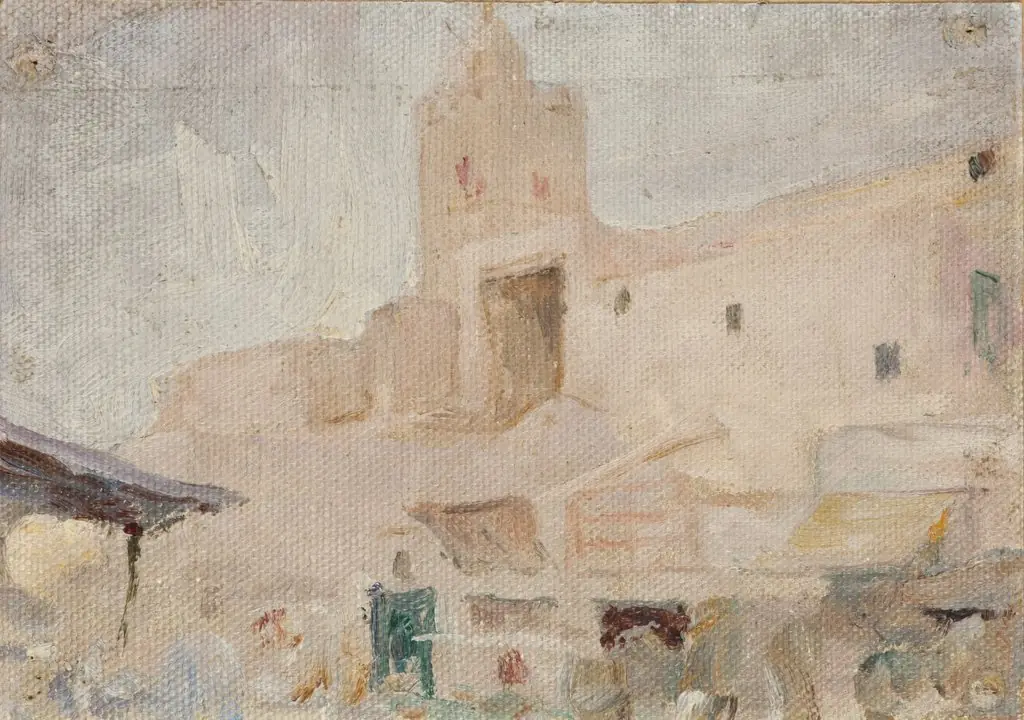
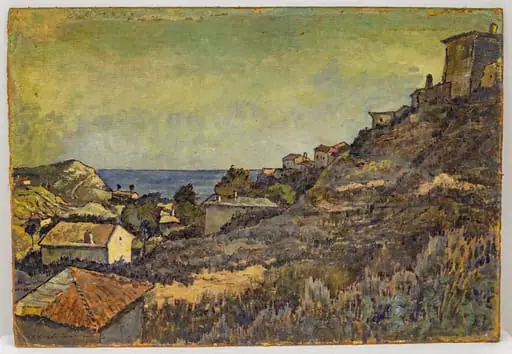
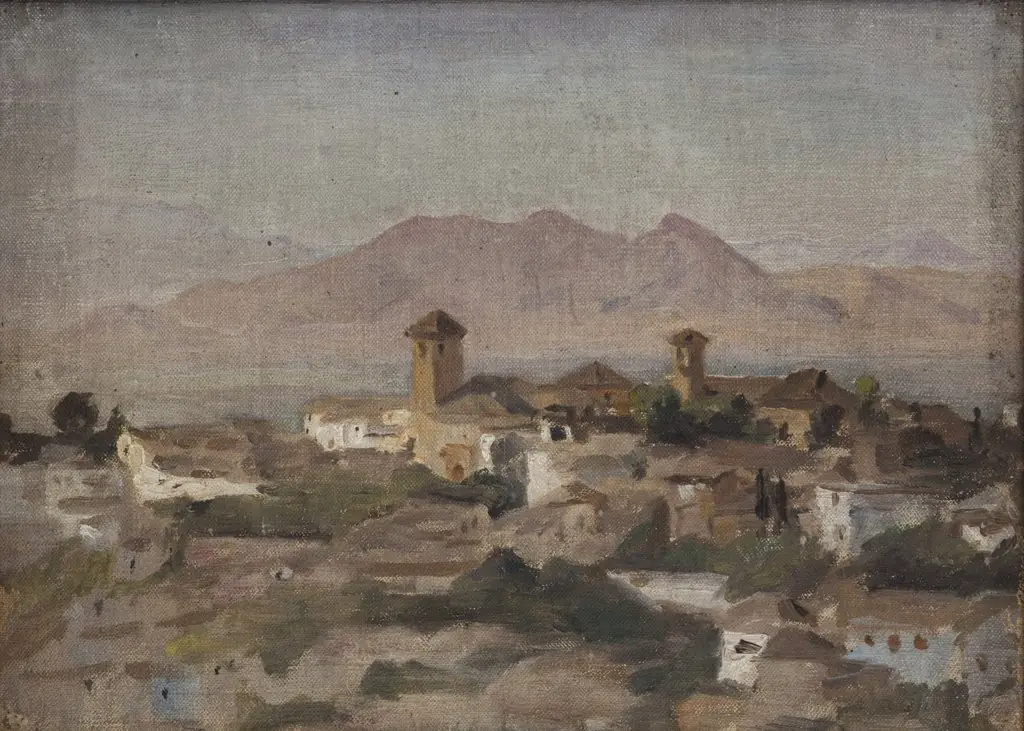
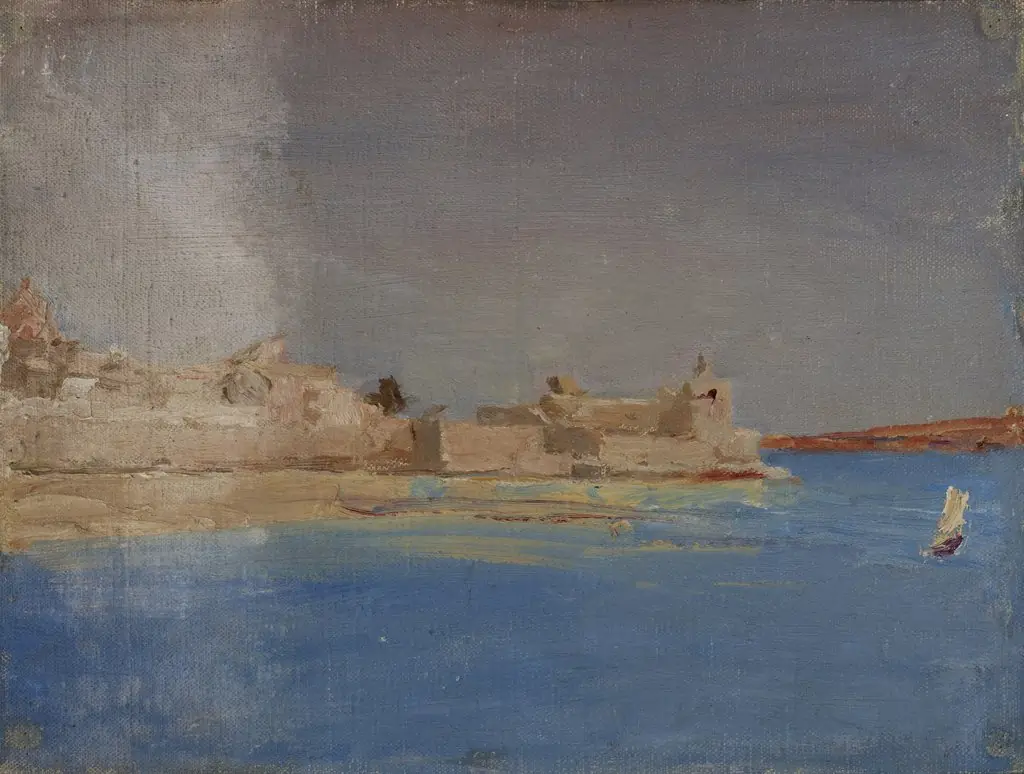
Syracuse (The Greek Theatre) is a painting by Jan Ciągliński, created in 1896. It is characterized by its depiction of a central structure, likely a theatre, set within a landscape. The work is now part of the collection at the National Museum in Kraków.
Subject & Meaning
The painting focuses on a landscape centered around a prominent, possibly ancient, theatrical structure. The scene conveys a sense of place and atmosphere, though the specific meaning or narrative behind the chosen subject is not immediately clear from the image alone.
Technique & Style
Executed in loose, expressive brushstrokes, the painting embodies the principles of Russian Impressionism, emphasizing light and atmospheric effects. Earthy tones in the foreground contrast with blues and greens in the background, capturing the interplay of light across the landscape.
History & Provenance
Created in 1896 by Jan Ciągliński, a Polish painter associated with the Russian Impressionist movement during the late 19th century, the work is now held in the National Museum in Kraków, Poland.
Context
Painted during the reign of Tsar Nicholas II, Syracuse (The Greek Theatre) reflects Ciągliński’s contribution to the emerging Russian Impressionist style, characterized by its focus on capturing fleeting impressions of light and outdoor settings.
Legacy
As one of Ciągliński’s works from his Impressionist period, Syracuse (The Greek Theatre) contributes to the broader understanding of Russian Impressionism’s development and influence during the late 19th century.
Artist & collection
Artist
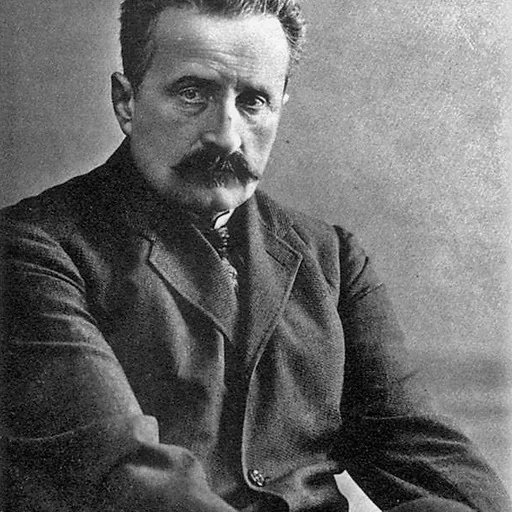
Jan Ciągliński (Polish: ; Russian: Ян/Иван Францевич Ционглинский, romanized: Yan/Ivan Frantsevich Tsionglinskiy; 20 February 1858 – 6 January 1913) was a Polish painter, active in St.