Artwork
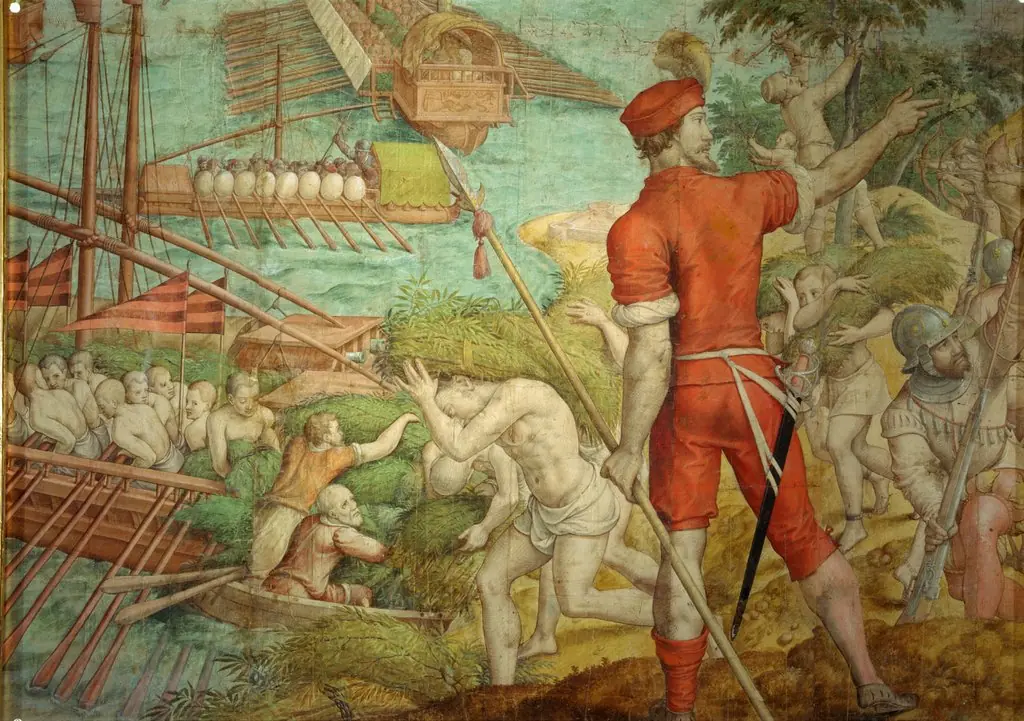
Kriegszug Kaiser Karls V. gegen Tunis (1535): Plünderung von Tunis
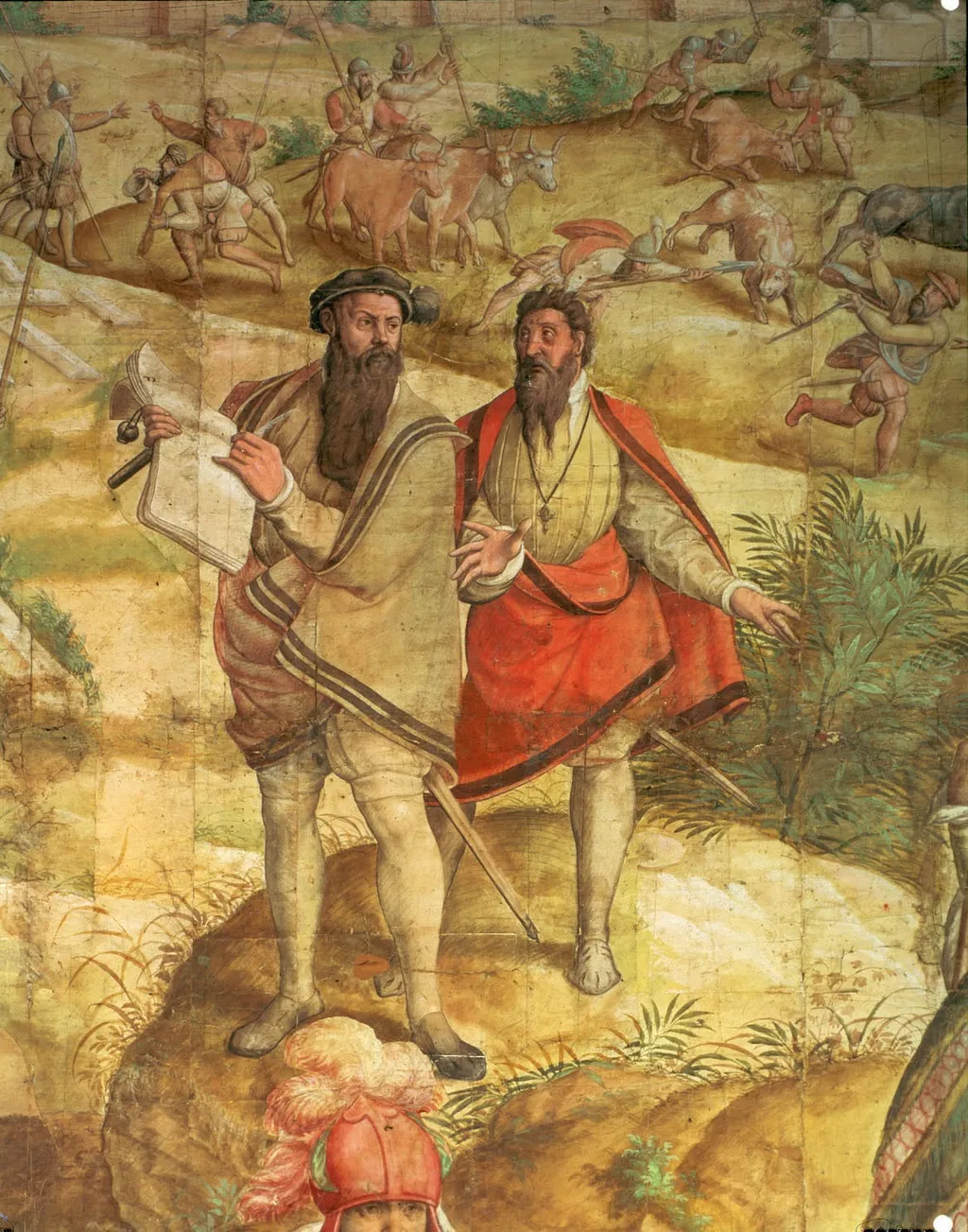
Kriegszug Kaiser Karls V. gegen Tunis (1535): Plünderung von Tunis is an unspecified painting by Jan Cornelisz Vermeyen. It dates from 1539 and is held in the collection of the Kunsthistorisches Museum.
About this work
Overview
The painting is part of a larger series commissioned to commemorate the campaign, now held in the Kunsthistorisches Museum in Vienna.
Painted around 1539 by Jan Cornelisz Vermeyen, this work documents the 1535 Habsburg campaign against Tunis under Emperor Charles V. Vermeyen, a Dutch artist embedded in the imperial entourage, recorded the event firsthand. The painting is part of a larger series commissioned to commemorate the campaign, now held in the Kunsthistorisches Museum in Vienna. It functions as both historical record and courtly propaganda, reflecting the artist’s direct involvement in the military expedition.
Subject & Meaning
The scene captures the chaotic aftermath of the city’s capture, with soldiers engaged in combat amid ruins and open terrain. Two central figures—a man in black holding a document and another in red with a sword—may represent imperial officers or commanders overseeing the plunder. Their poised stances contrast with the violence around them, suggesting order imposed by authority. The inclusion of written records implies the campaign’s legitimacy and administrative control, reinforcing imperial narrative.
Technique & Style
Vermeyen employs a restrained palette of earth tones—browns, greens, and beiges—to ground the scene in realism rather than grandeur. Figures are rendered with careful attention to armor, clothing, and weaponry, indicating observational precision. The composition layers distant battle activity behind foreground figures, creating depth without theatricality. Subtle modeling suggests awareness of chiaroscuro, though the overall effect remains documentary, prioritizing clarity over dramatic contrast.
History & Provenance
Commissioned by Emperor Charles V, the painting was part of a multi-panel series intended to glorify his North African campaign. Vermeyen accompanied the expedition, sketching and recording events as they unfolded. The series was later assembled into a tapestry cycle, with this painting serving as a preparatory study or independent record. It entered the Habsburg collections and remains in the Kunsthistorisches Museum, preserving its original imperial context.
Context
The 1535 Tunis campaign was a response to Ottoman-backed piracy threatening Mediterranean trade. Charles V sought to reassert Christian dominance and secure Habsburg influence. Vermeyen’s work reflects the era’s fusion of military action and visual propaganda, where art served to legitimize imperial power. Unlike later Baroque battle scenes, this painting avoids mythologizing, instead offering a grounded, almost journalistic view of conquest and its consequences.
Legacy
Vermeyen’s work stands as an early example of eyewitness historical painting in Northern Europe. Its emphasis on accurate detail and restrained composition influenced later court artists documenting military campaigns. Though less celebrated than contemporaneous Italian works, it remains a vital source for understanding Habsburg imperial ideology and the role of visual culture in early modern statecraft.
Artist & collection
Artist
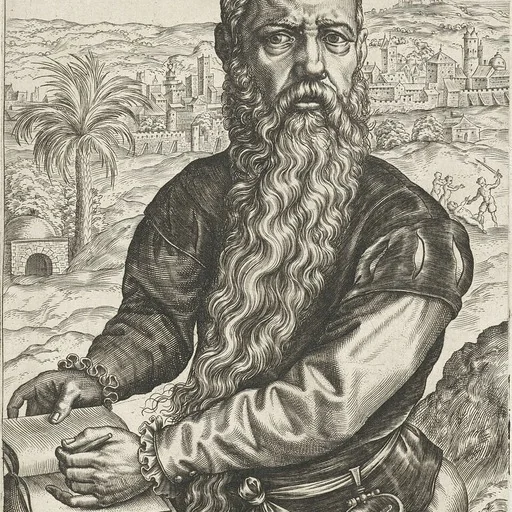
Jan Cornelisz. Vermeyen, also known as Juan del Mayo (c. 1503 – 1559) was a Dutch painter, printmaker and tapestry designer. He is known for his portraits, history scenes and genre subjects. He worked in Mechelen and…

 Warfare of Emperor Charles V against Tunis (1535): Battle for La Goletta
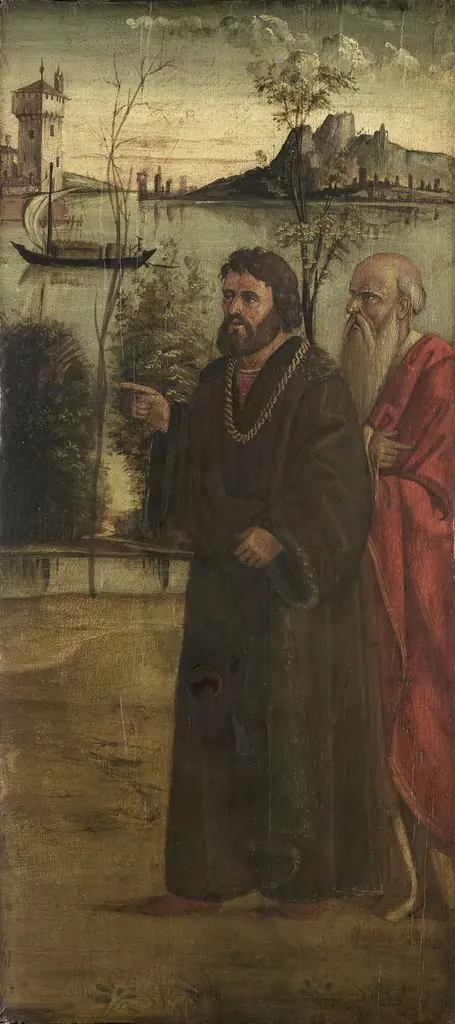 Two saints(?) in a landscape
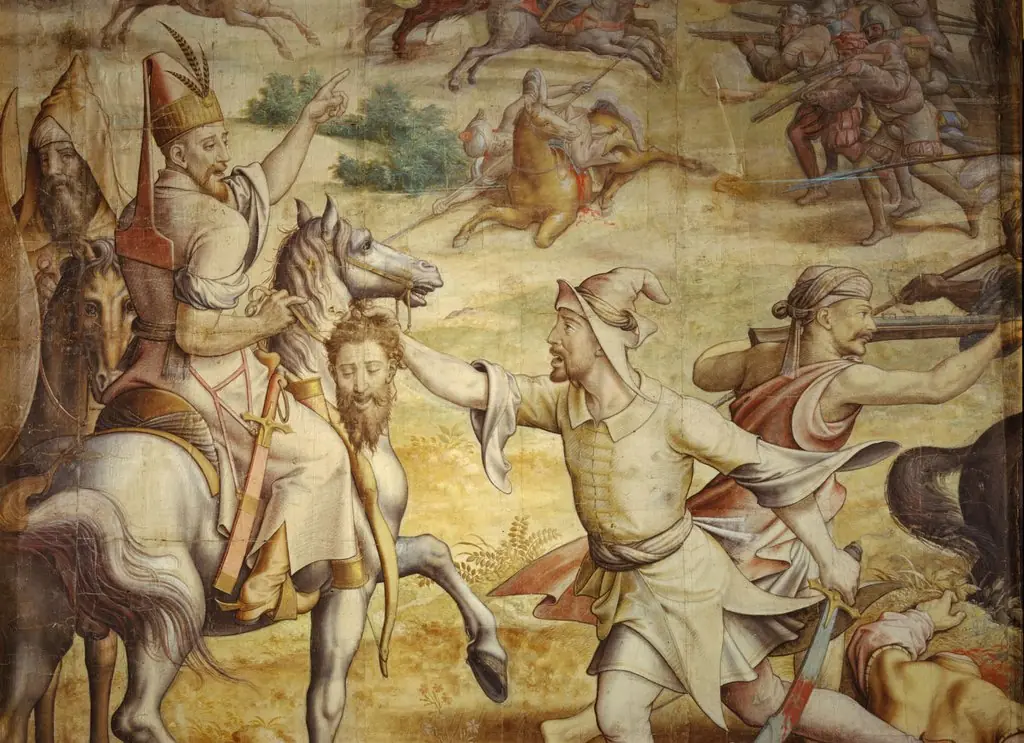 Warfare Emperor Charles V against Tunis (1535): Siege of La Goletta
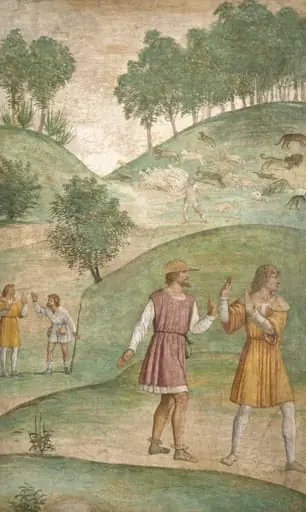 The Misfortunes of Cephalus
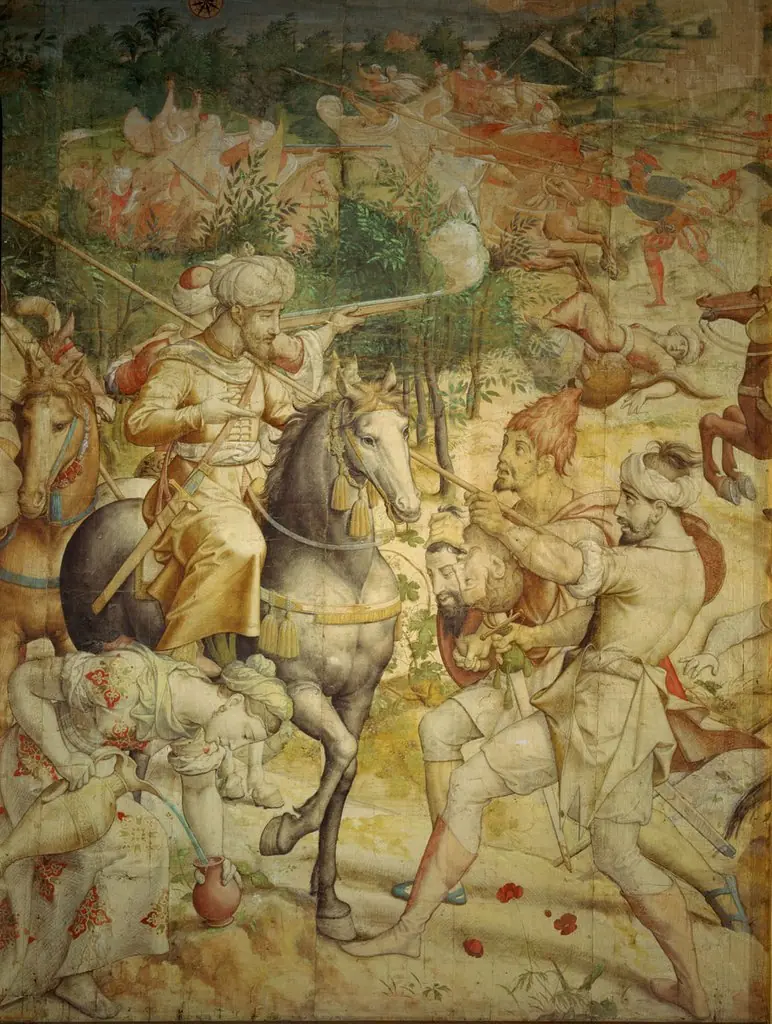 War of the Emperor Charles V against Tunis (1535): Turks from La Goletta
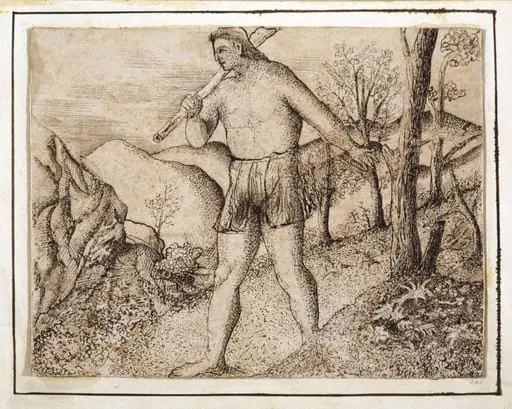 drawing from Ionides Album
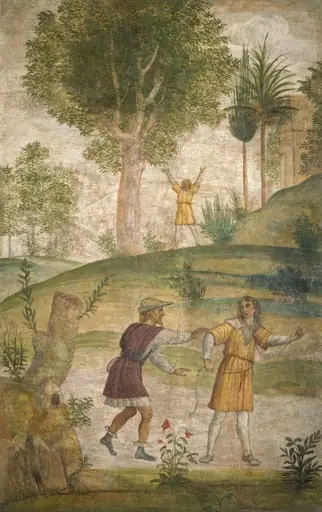 The Despair of Cephalus
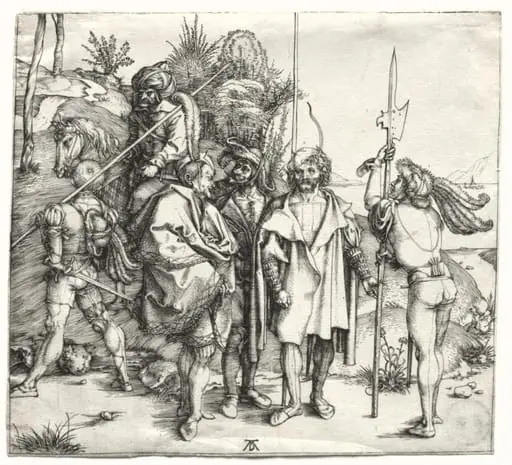 Five Soldiers and a Turk on Horseback
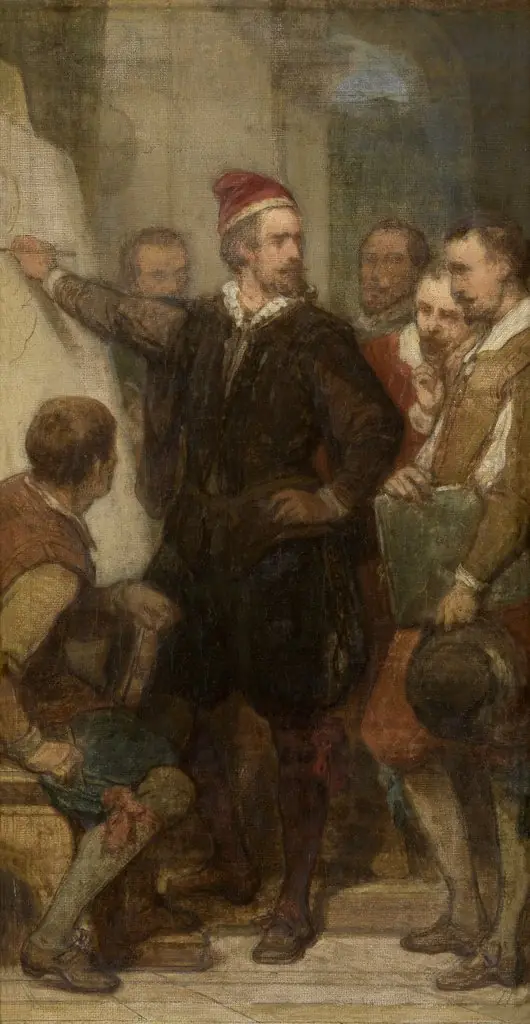 The Painter Denys Calvaert in Bologna
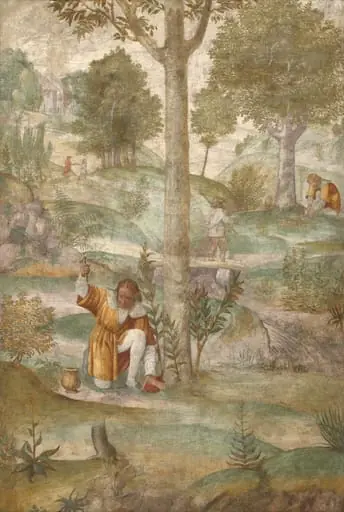 Cephalus Hiding the Jewels