Artwork
Stillleben mit Sinnspruch und Fastenspeisen
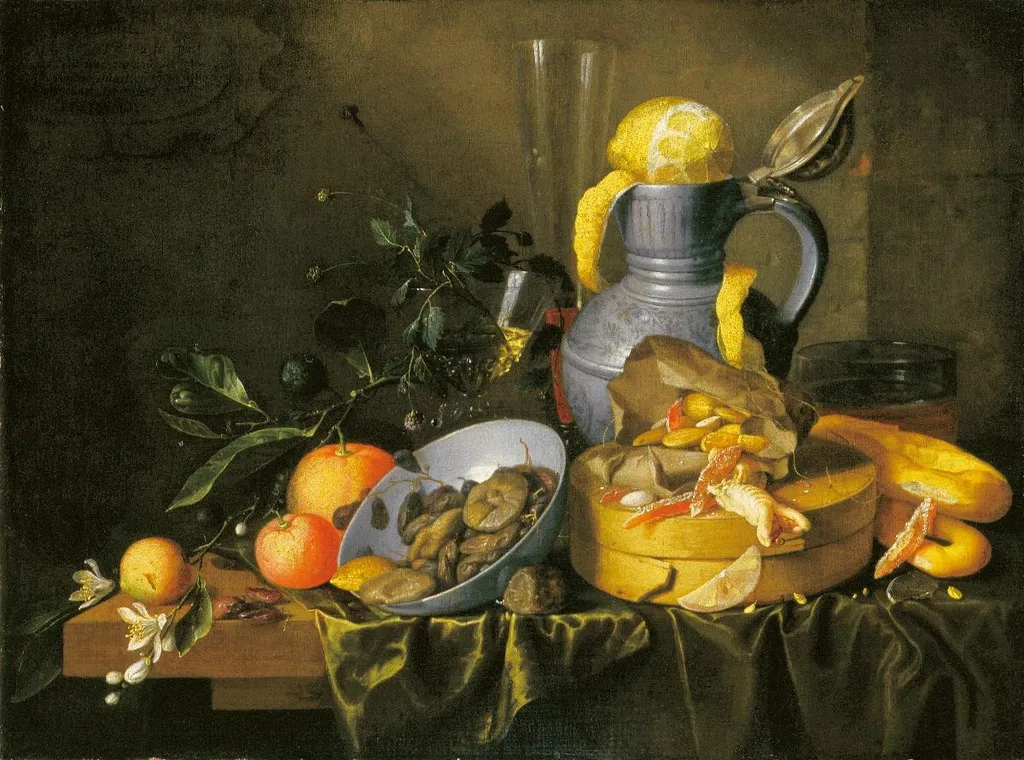
Stillleben mit Sinnspruch und Fastenspeisen is an oil painting by the Dutch Golden Age artist Jan Davidsz. de Heem. It dates from 1650 and is held in the collection of the Kunsthaus Zürich. Painted circa 1650 by Jan Davidsz.
About this work
Overview
Painted circa 1650 by Jan Davidsz. de Heem, this oil-on-canvas still life reflects the refined traditions of Dutch Golden Age art. It presents an arrangement of seasonal produce and fasting foods, rendered with precision and quiet solemnity. The composition avoids overt grandeur, instead emphasizing the quiet dignity of ordinary objects through careful observation and controlled lighting.
Subject & Meaning
The painting includes fruits, vegetables, and other foods associated with Lenten abstinence, suggesting themes of restraint and transience. A Latin inscription, common in de Heem’s work, reinforces moral reflection on earthly pleasures. The selection of perishable items—wilted leaves, bruised fruit—hints at decay, aligning the scene with vanitas symbolism without overt religious imagery.
Technique & Style
De Heem employed chiaroscuro to model forms with subtle gradations of light and shadow, enhancing the tactile quality of skins, rinds, and leaves. Brushwork is precise yet unobtrusive, allowing textures—dew on grapes, rough celery stalks—to emerge naturally. The dark, neutral background isolates the objects, directing focus to their material presence and the quiet interplay of surfaces.
History & Provenance
The painting entered the collection of Kunsthaus Zürich in the 20th century, following a lineage typical of Dutch still lifes that passed through private collections in the Low Countries and Germany. Its attribution to de Heem has remained consistent, supported by stylistic analysis and documentary records linking it to his mid-century output in Utrecht and Antwerp.
Context
This painting reflects a cultural moment where abundance and asceticism coexisted in domestic imagery, shaped by religious observance and economic confidence.
During the mid-17th century, Dutch still lifes often merged aesthetic precision with moral undertones, responding to Calvinist values and rising urban prosperity. De Heem’s work stood apart for its synthesis of Flemish richness and Dutch restraint. This painting reflects a cultural moment where abundance and asceticism coexisted in domestic imagery, shaped by religious observance and economic confidence.
Legacy
De Heem’s influence extended through generations of still-life painters who adopted his compositional balance and attention to material detail. This work exemplifies a quiet, enduring strand of Dutch art that valued observation over spectacle. Its presence in a major European museum underscores its role as a representative example of the genre’s intellectual and technical depth.
Artist & collection
Artist
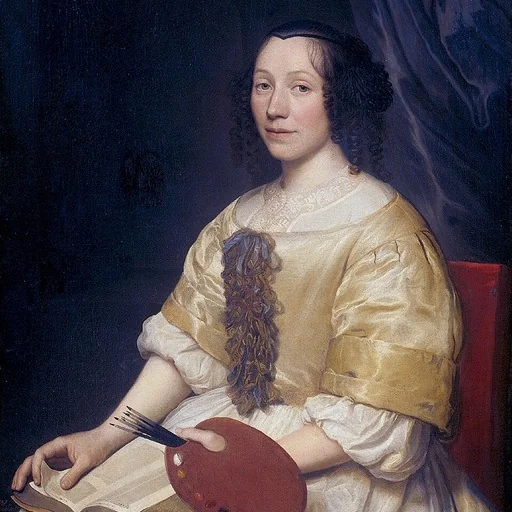
Maria van Oosterwijck (1630–1693), also spelled Oosterwyck, was a Dutch Golden Age painter, specialising in richly detailed flower paintings and other still lifes.

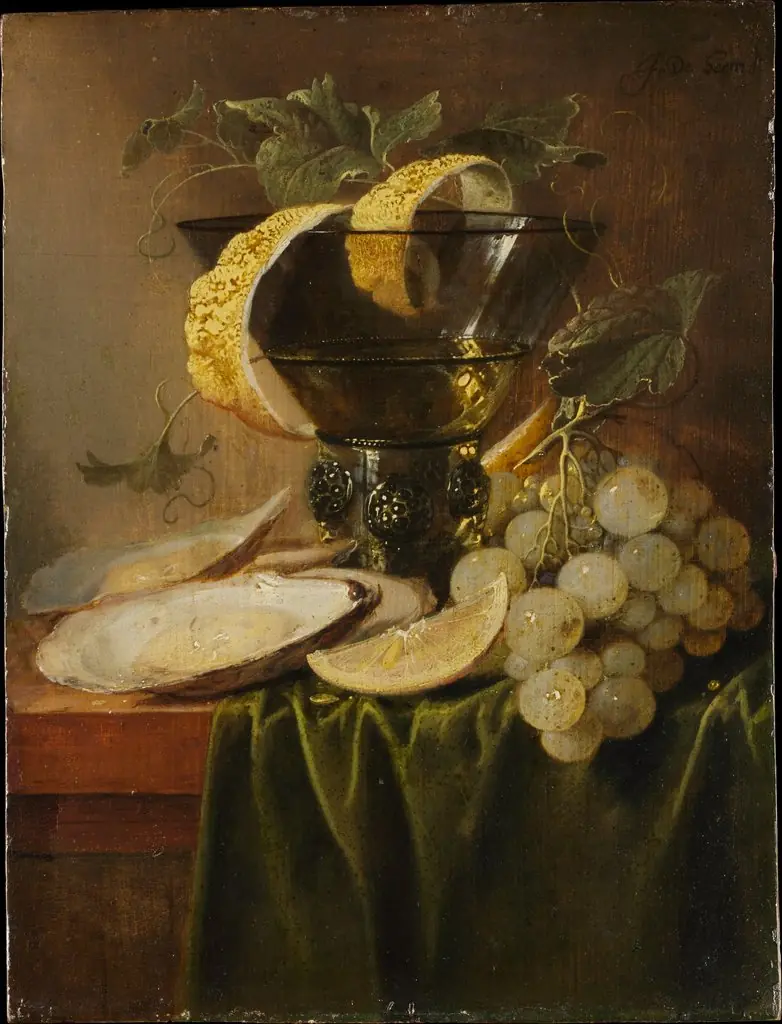
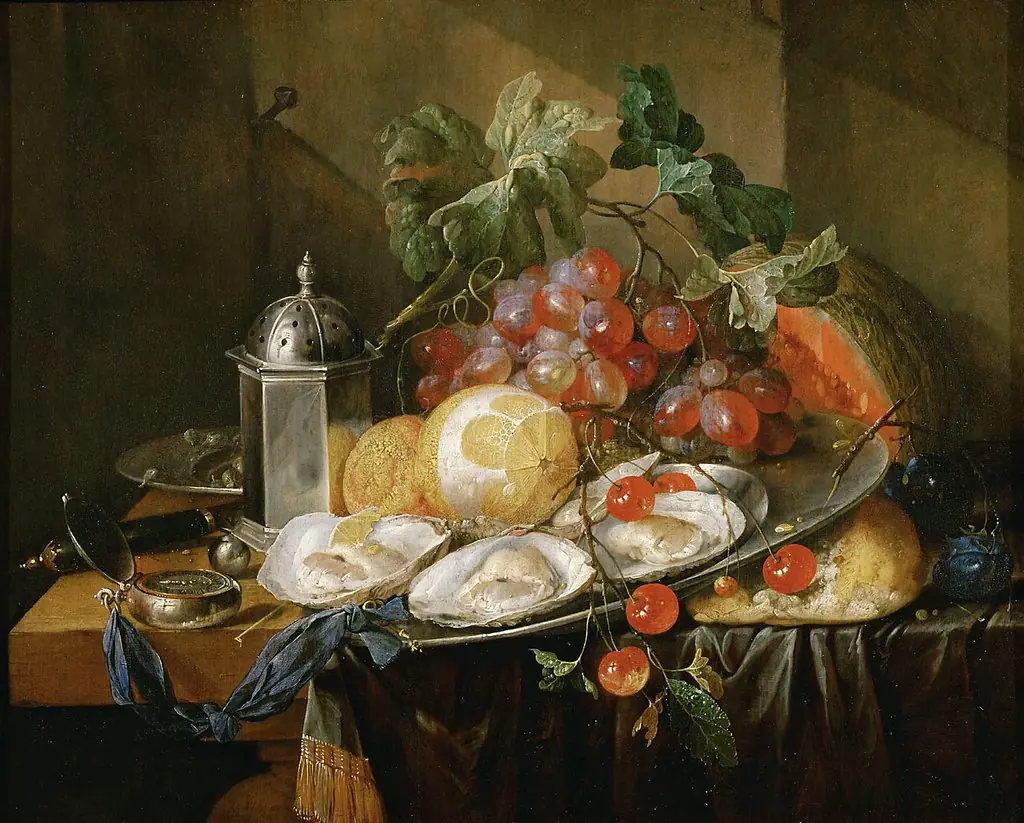 Fruit Still Life with Oysters
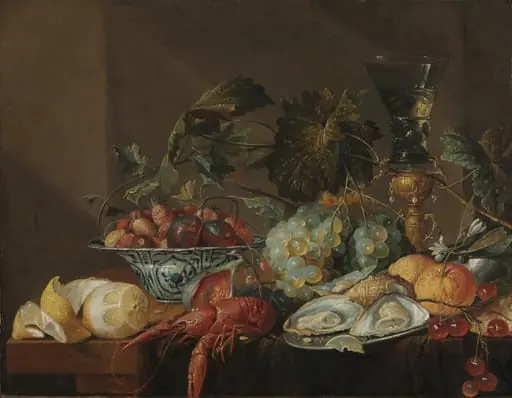 Still-Life with Crayfish, Oysters, and Fruit
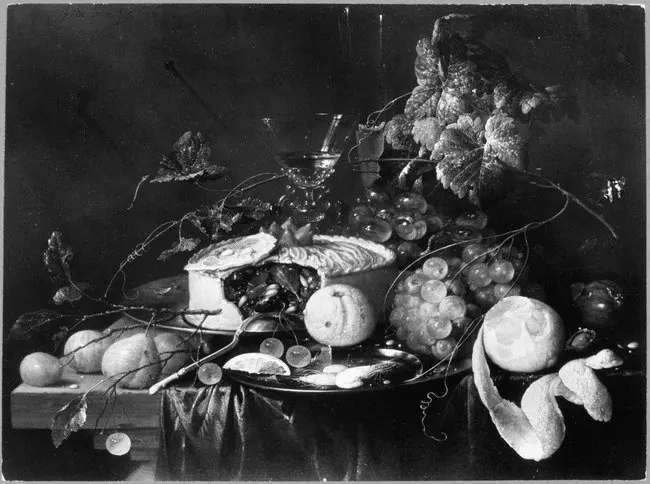
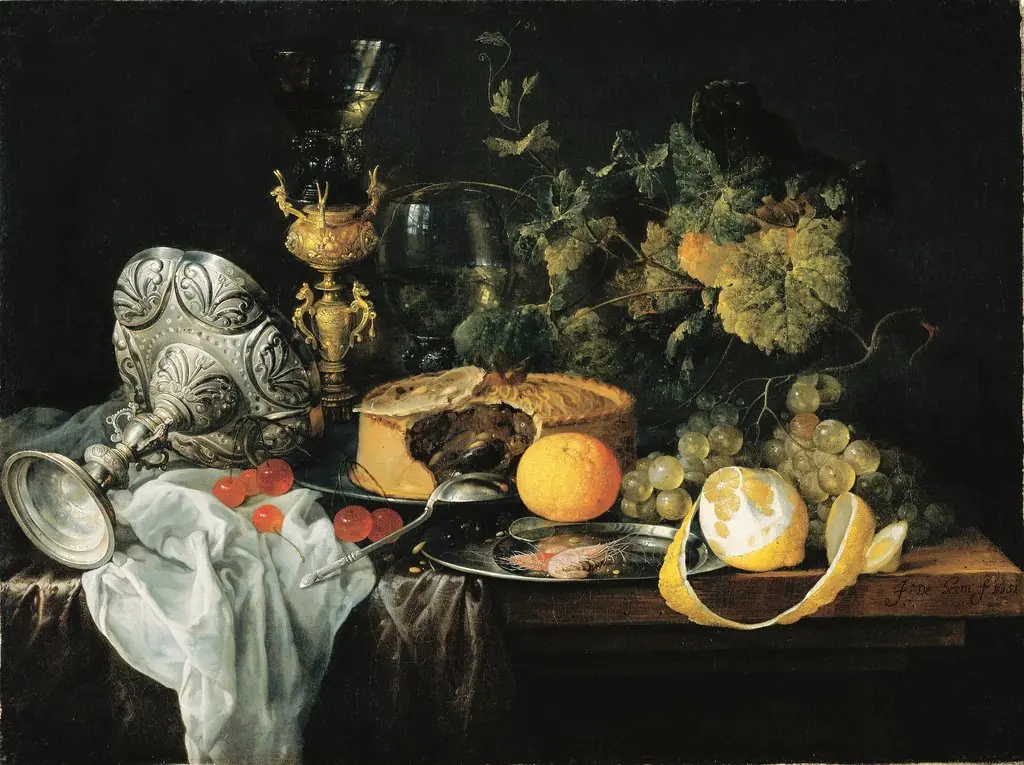 Sumptuous Still Life with Fruits, Pie and Goblets, 1651
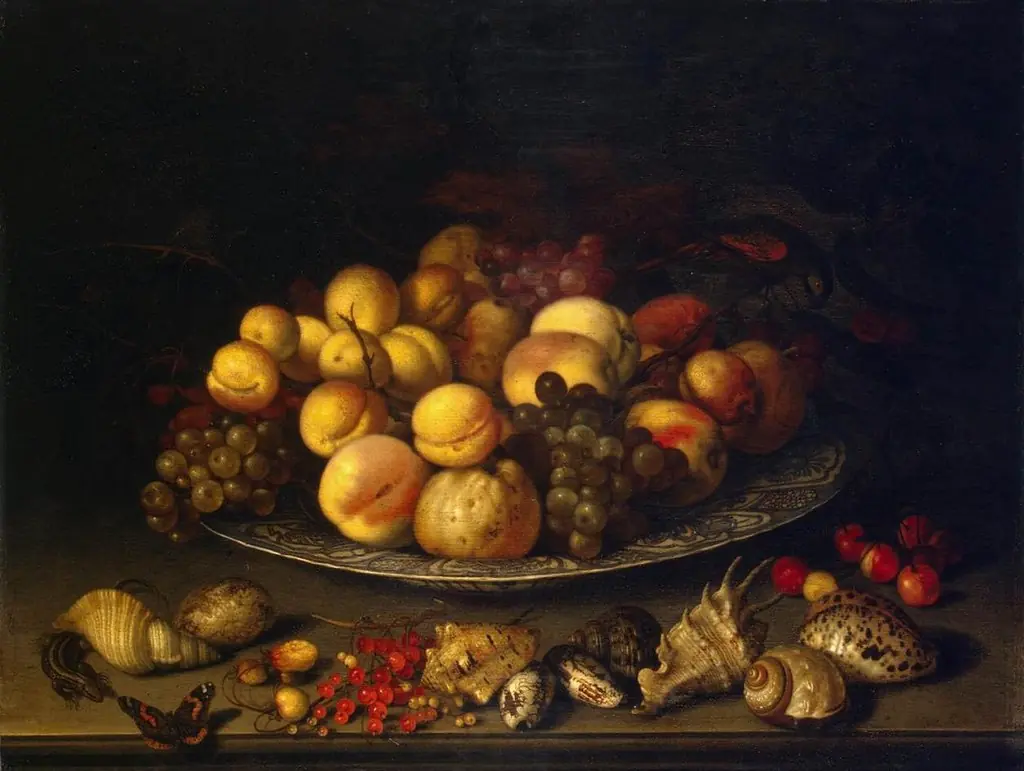 Plate with Fruits and Shells
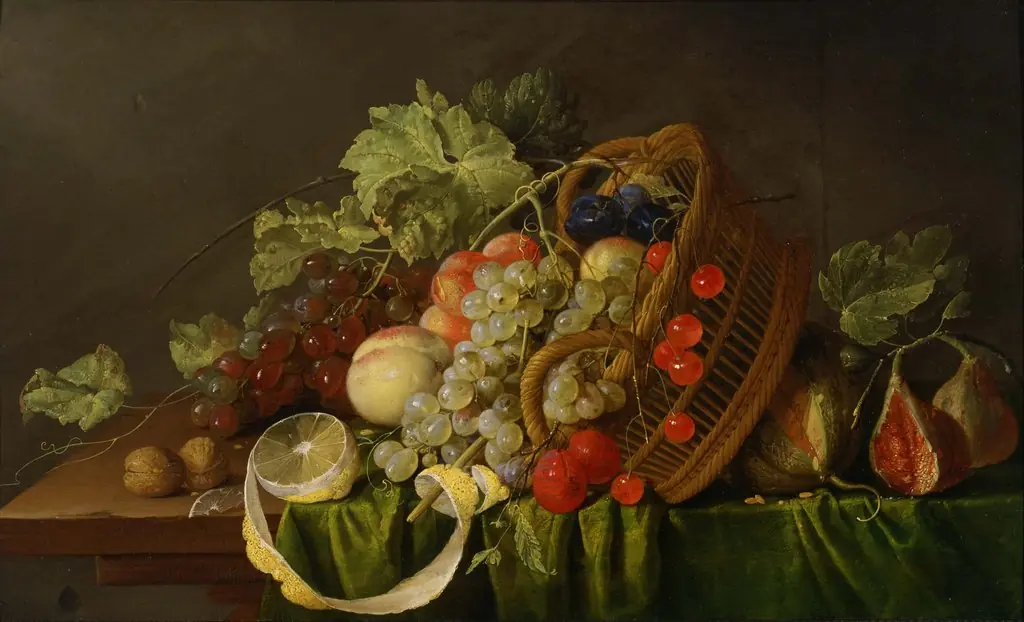 Still Life with a Basket of Fruit
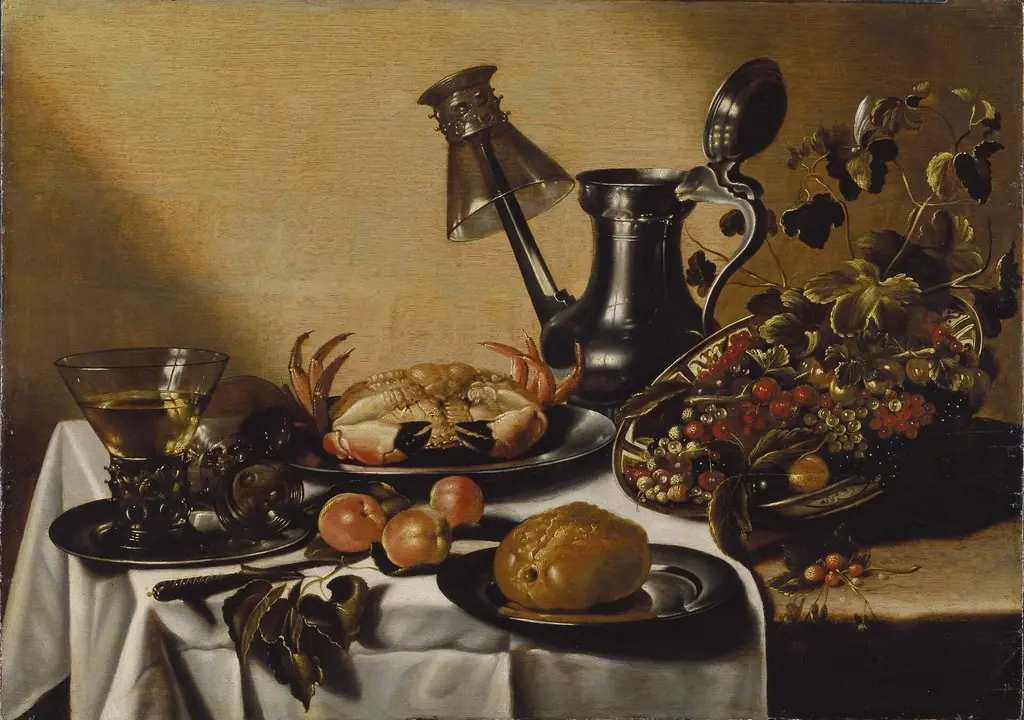 Still Life with Crab and Fruit
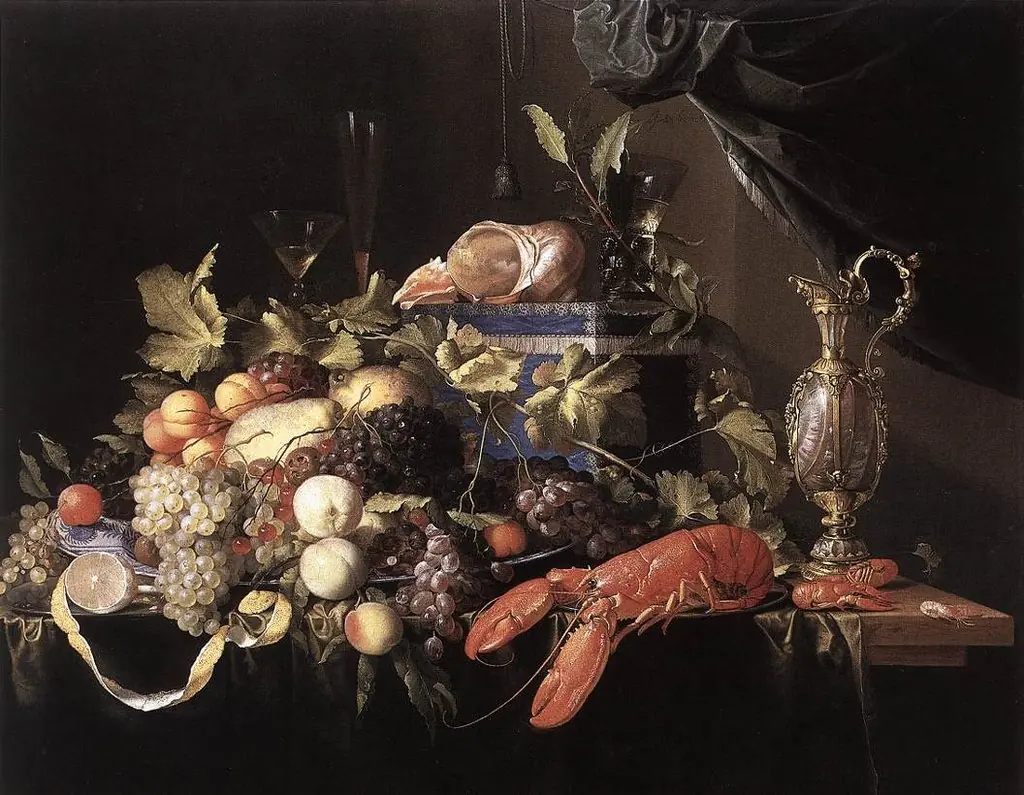 Still Life with Fruit and Lobster
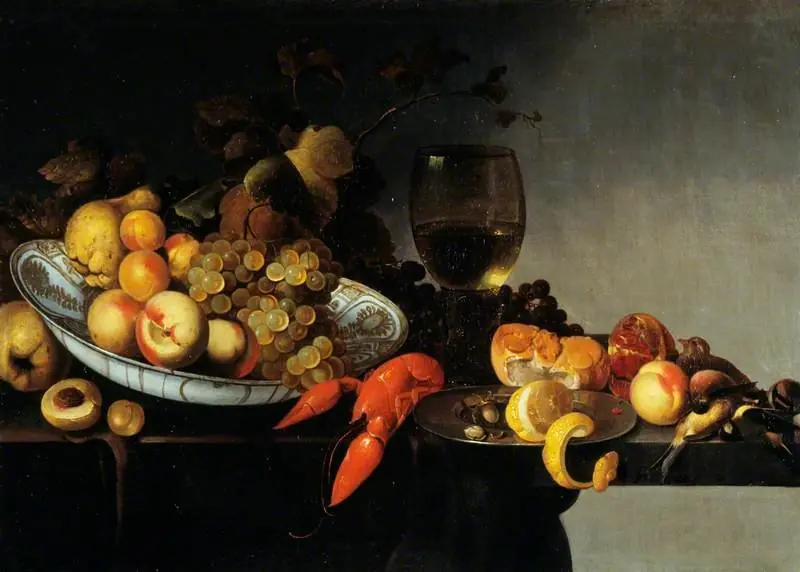 Still Life with Fruit, a Lobster and Dead Game
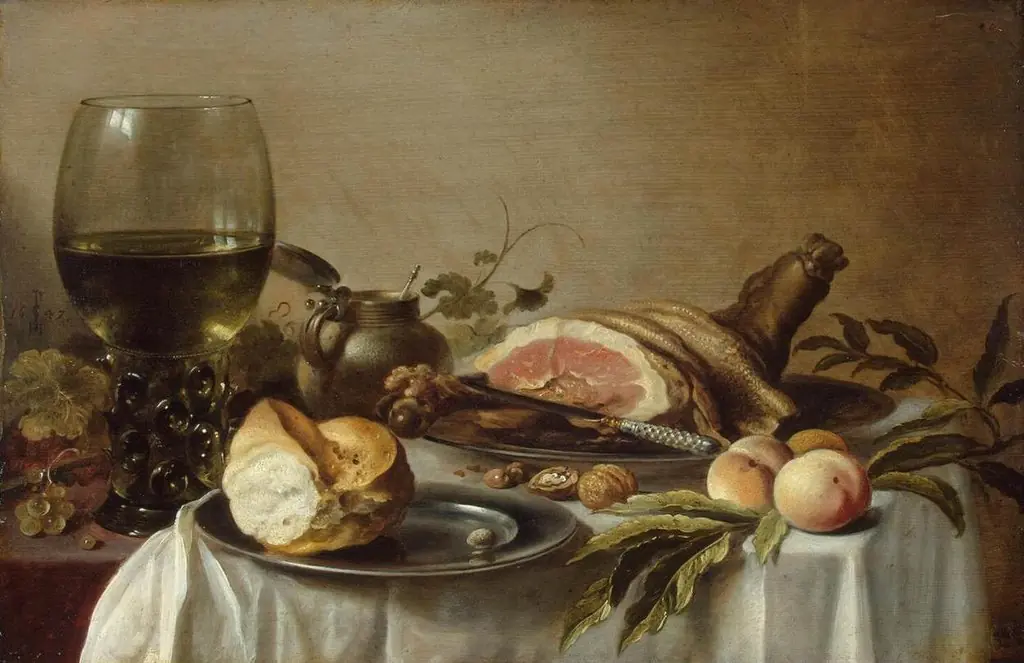 Breakfast with Ham
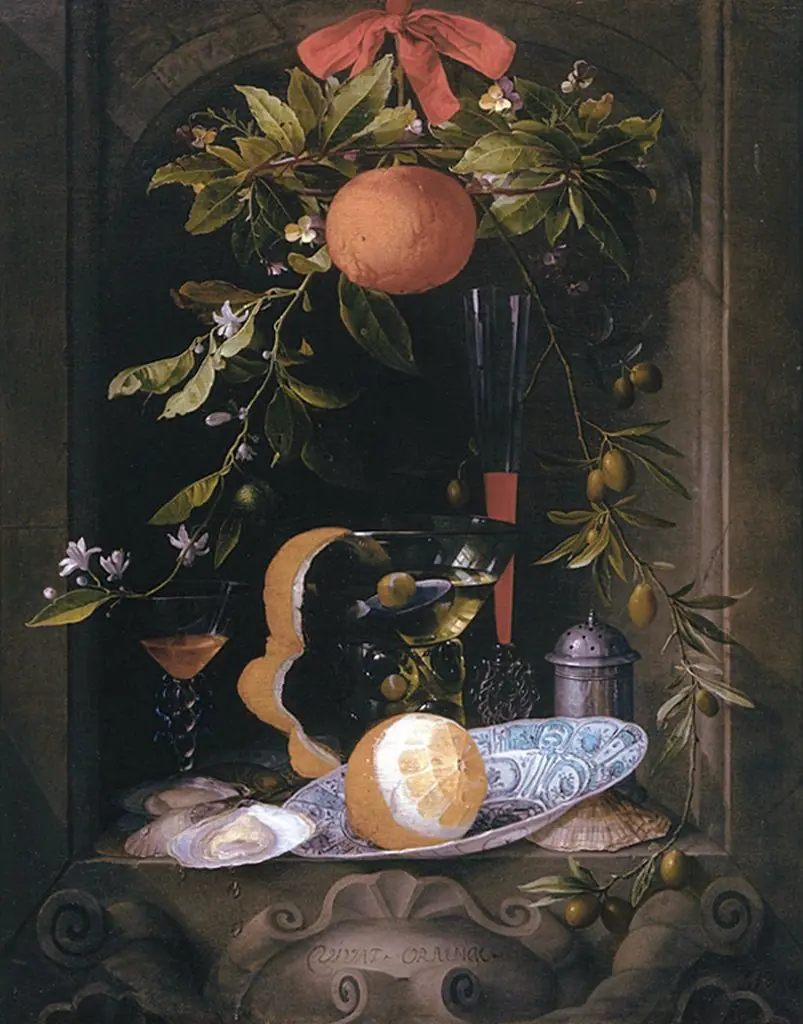
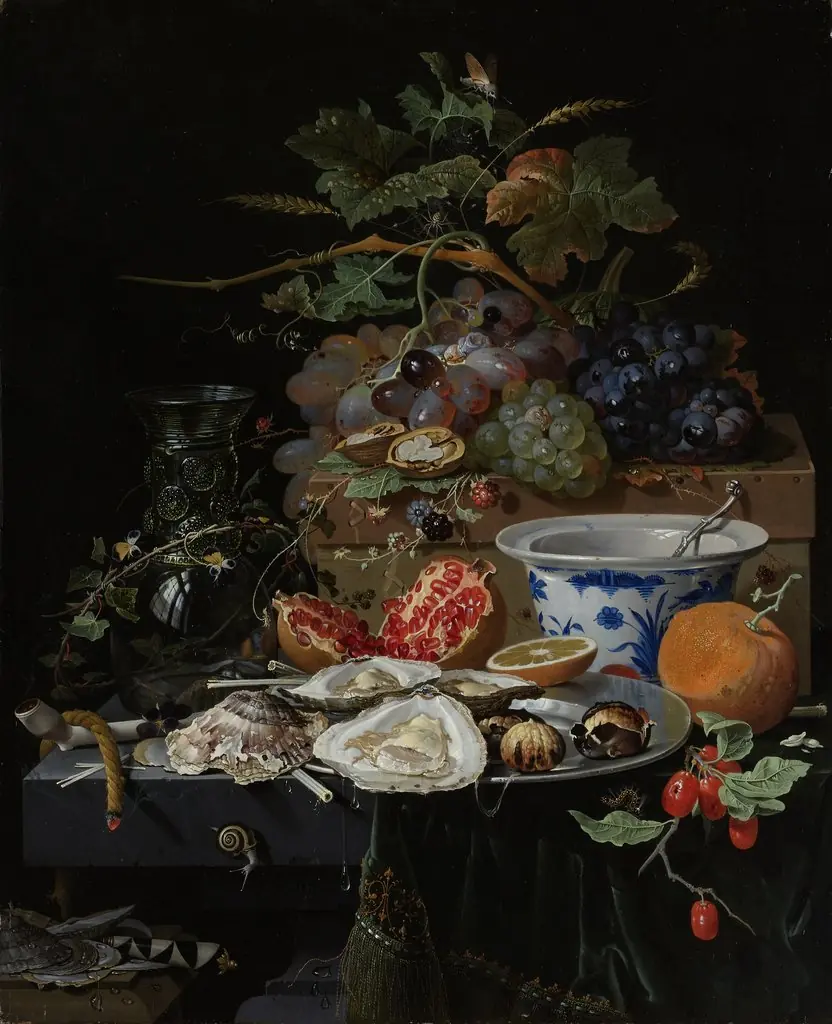 Still Life with Fruit, Oysters and a Porcelain Bowl
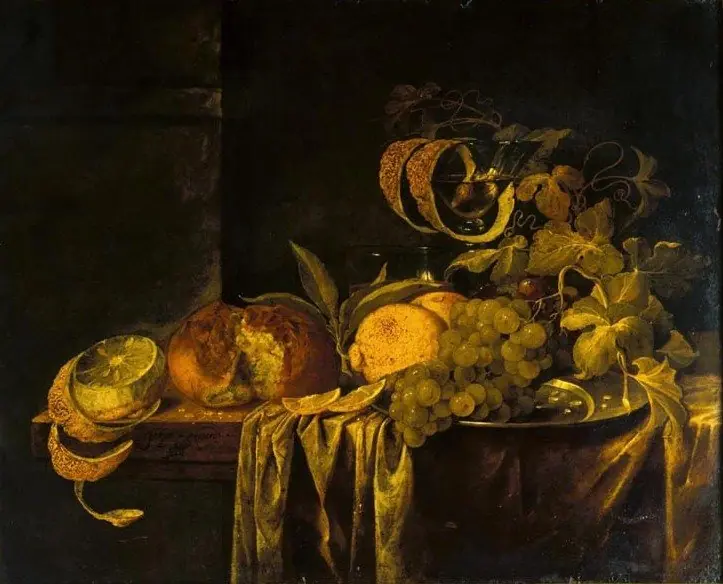 Still life with fruit, bread, and glassware
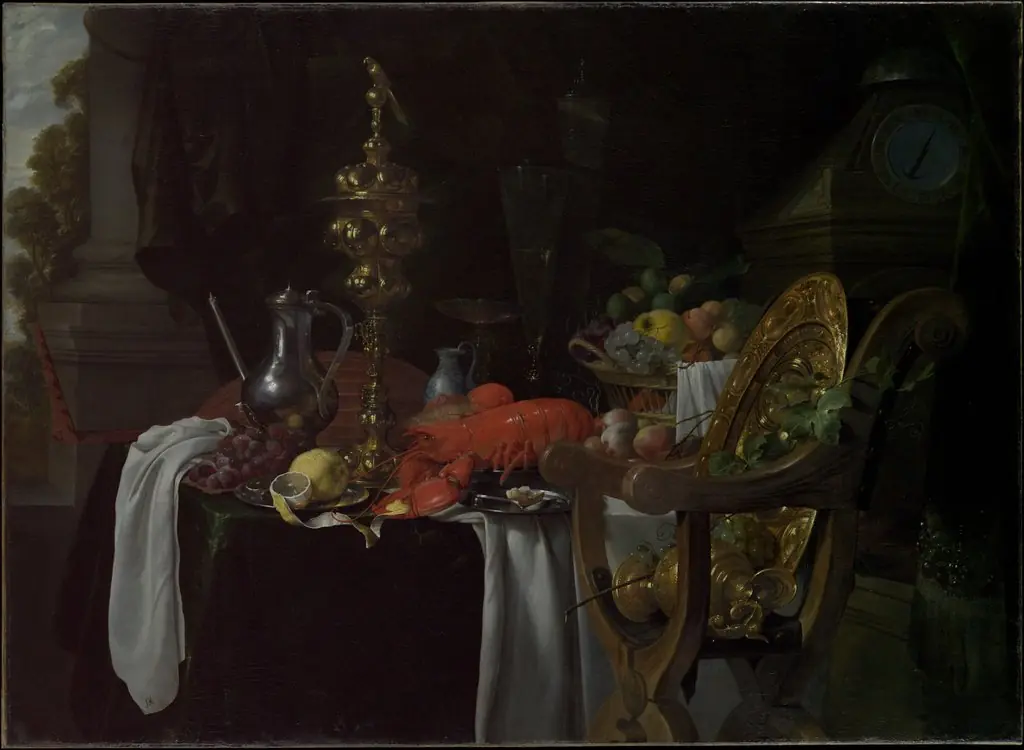
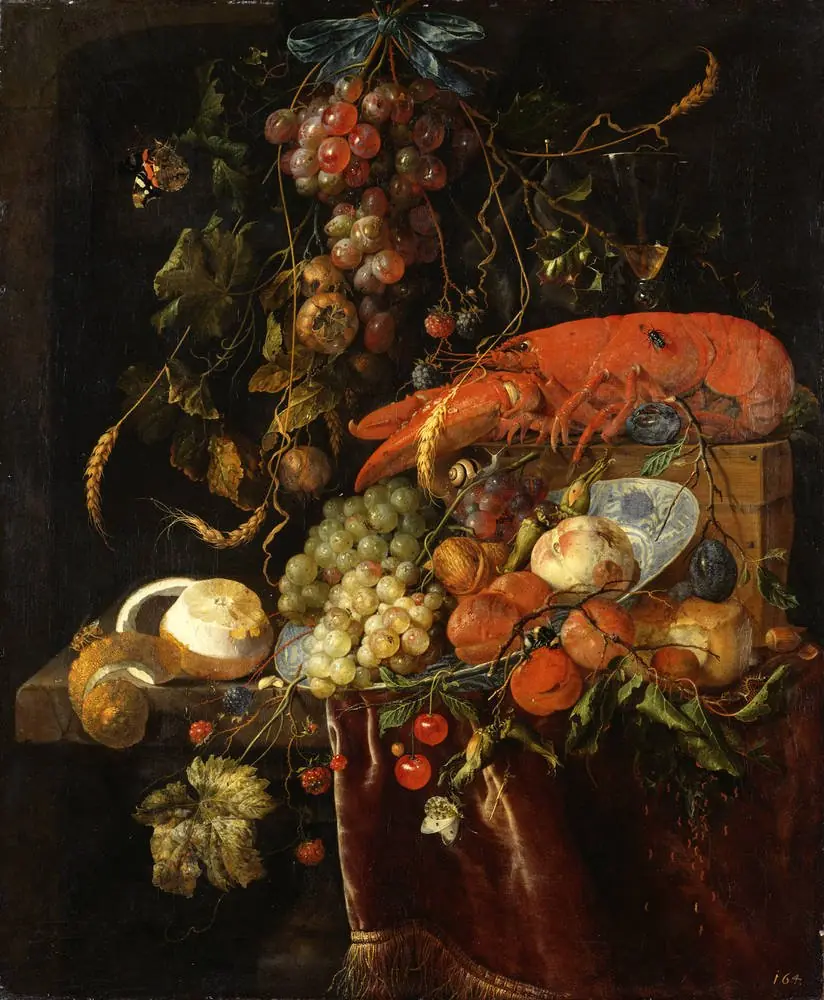 Still Life with a Lobster