Artwork
Verkündigung an Maria (nach)
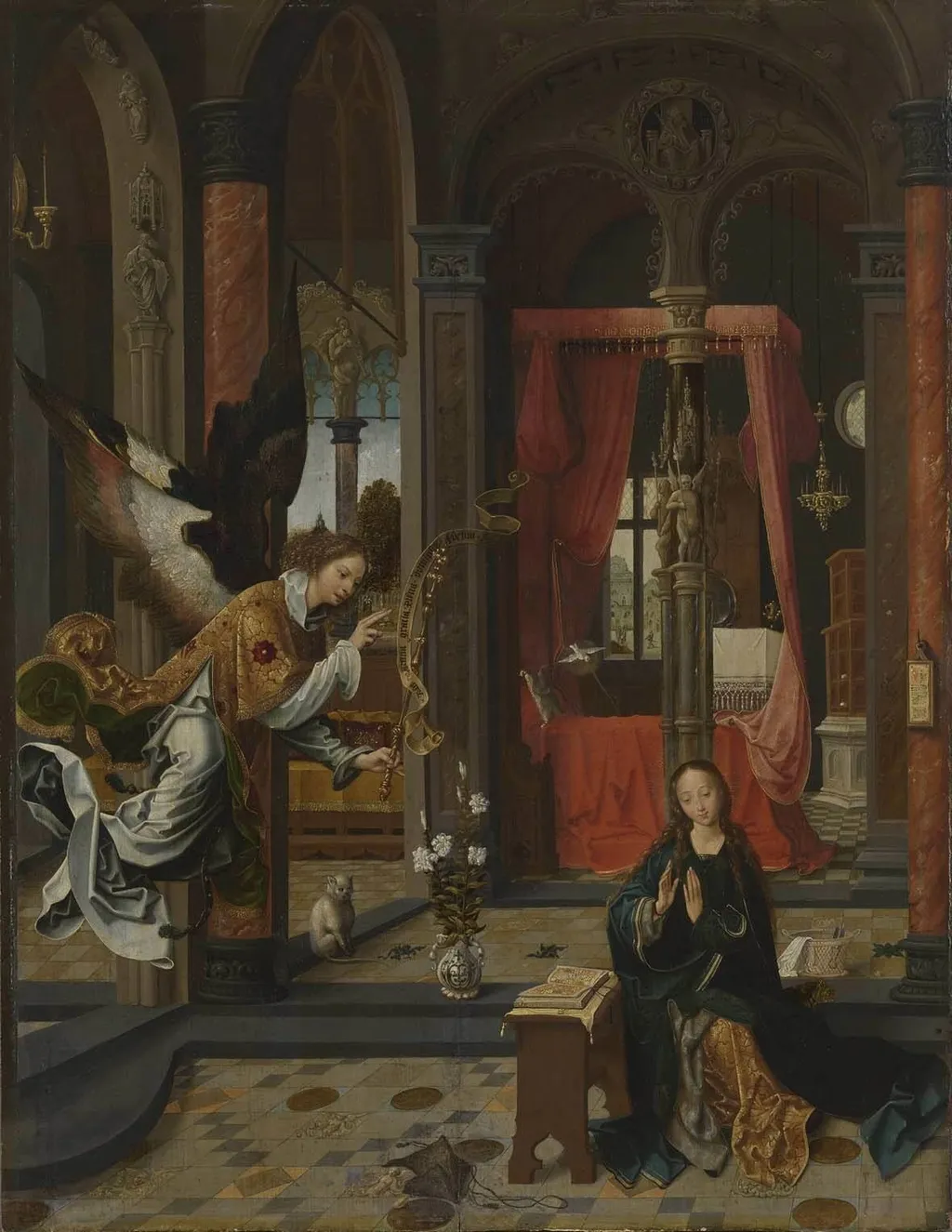
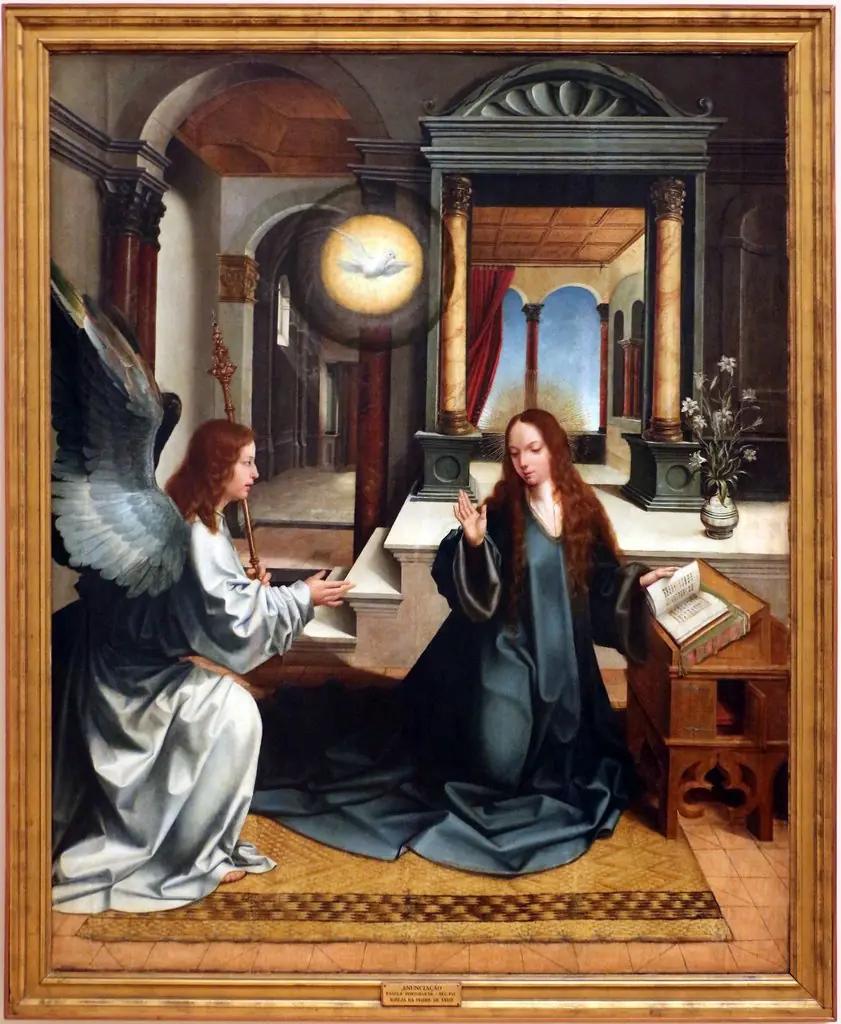
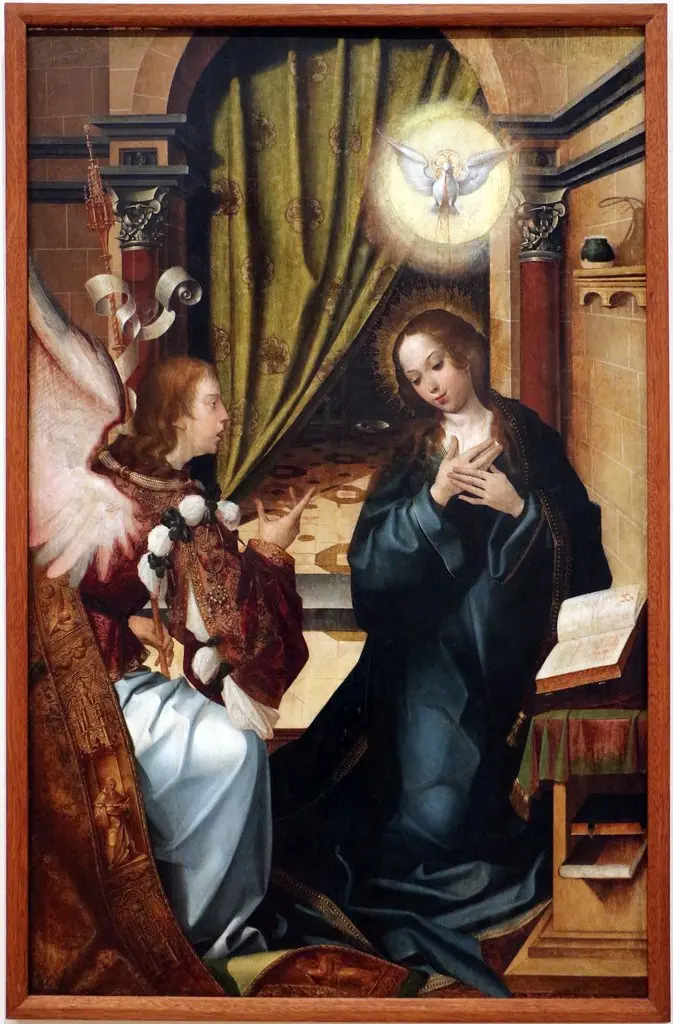
Verkündigung an Maria (nach) is an oil painting by the Northern Renaissance artist Jan de Beer. It dates from 1515 and is held in the collection of the Bavarian State Painting Collections.
About this work
Overview
Verkündigung an Maria (nach) is a 1515 oil painting by Jan de Beer, a prominent Flemish painter and glass designer based in Antwerp during the early 16th century. The work is now part of the Alte Pinakothek collection.
Subject & Meaning
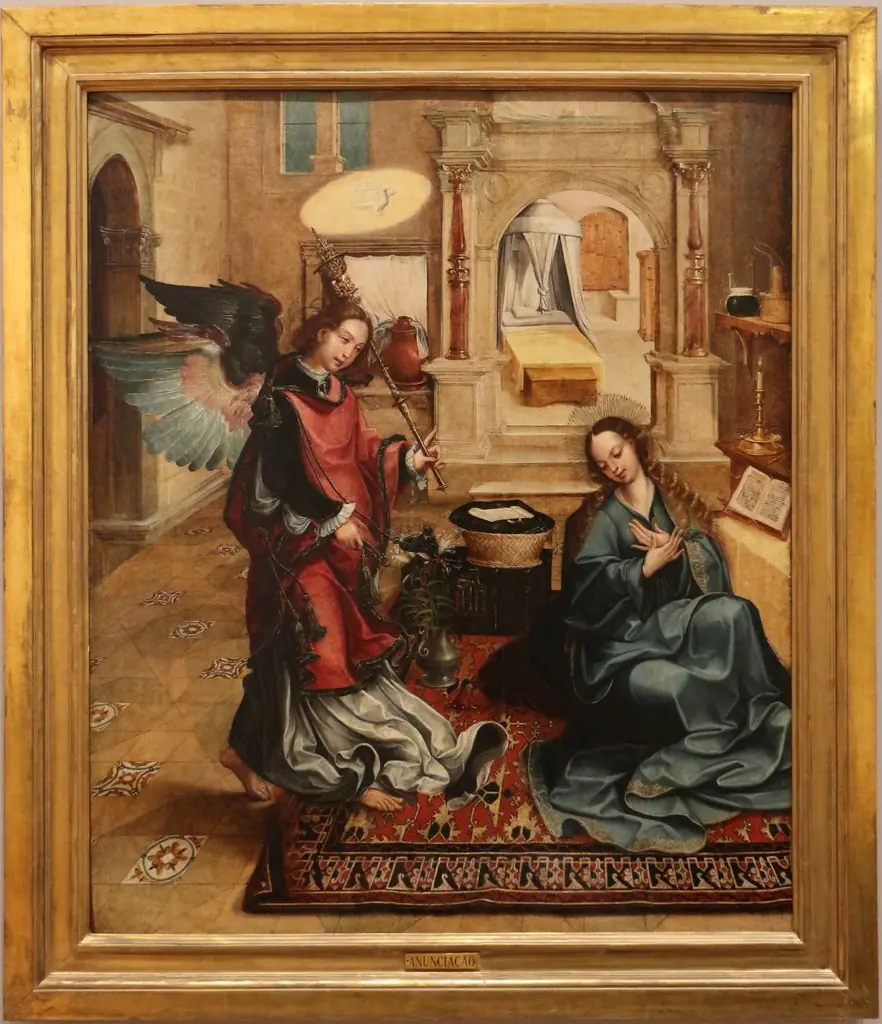
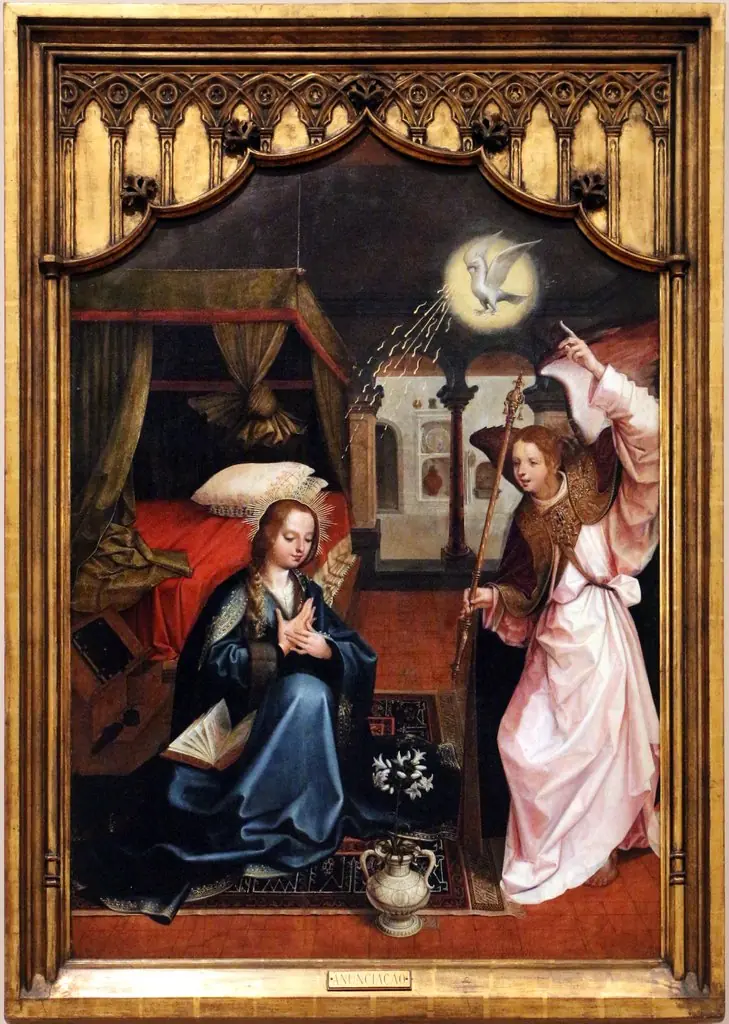
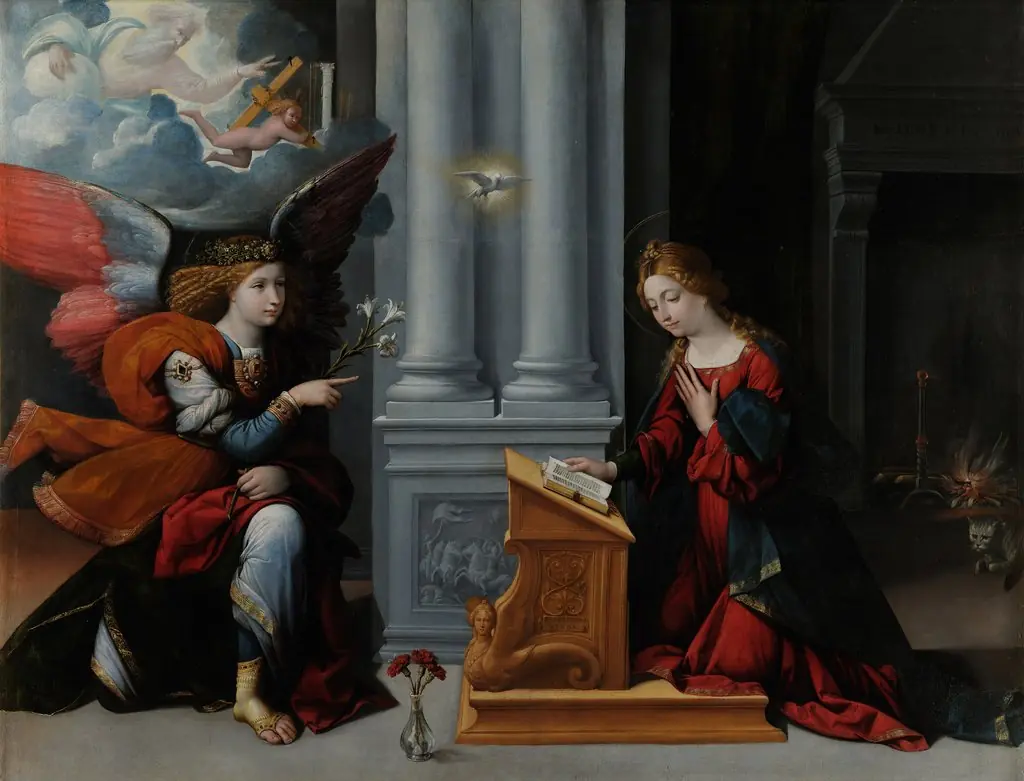
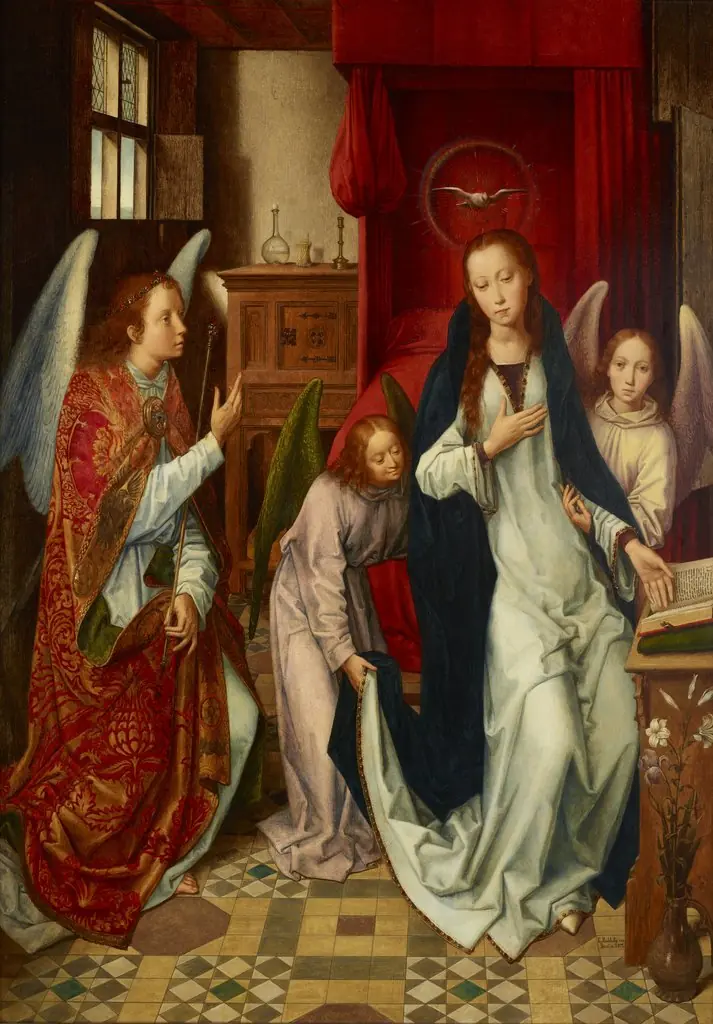
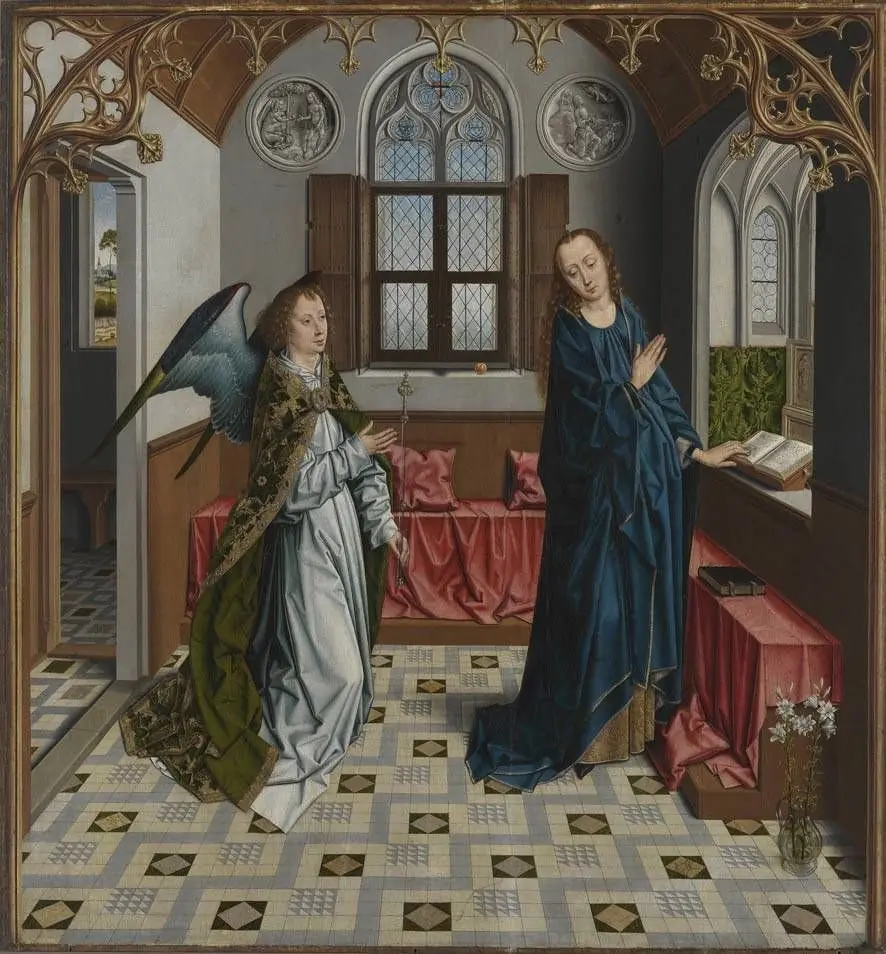
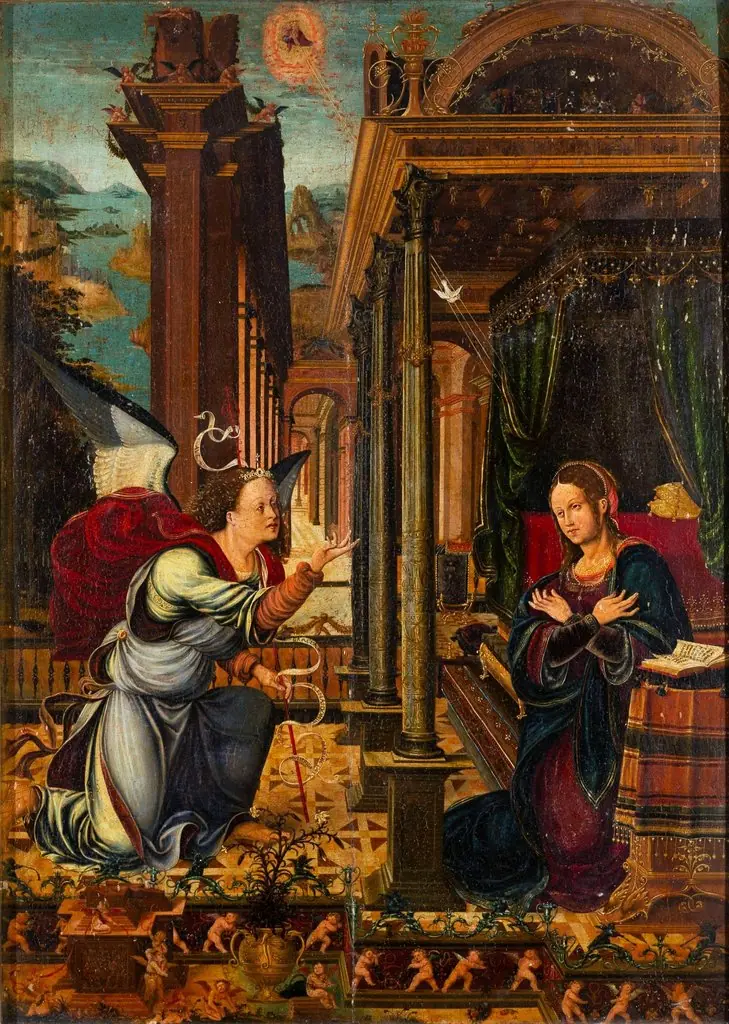
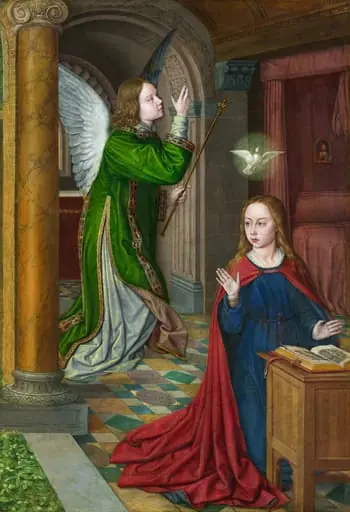
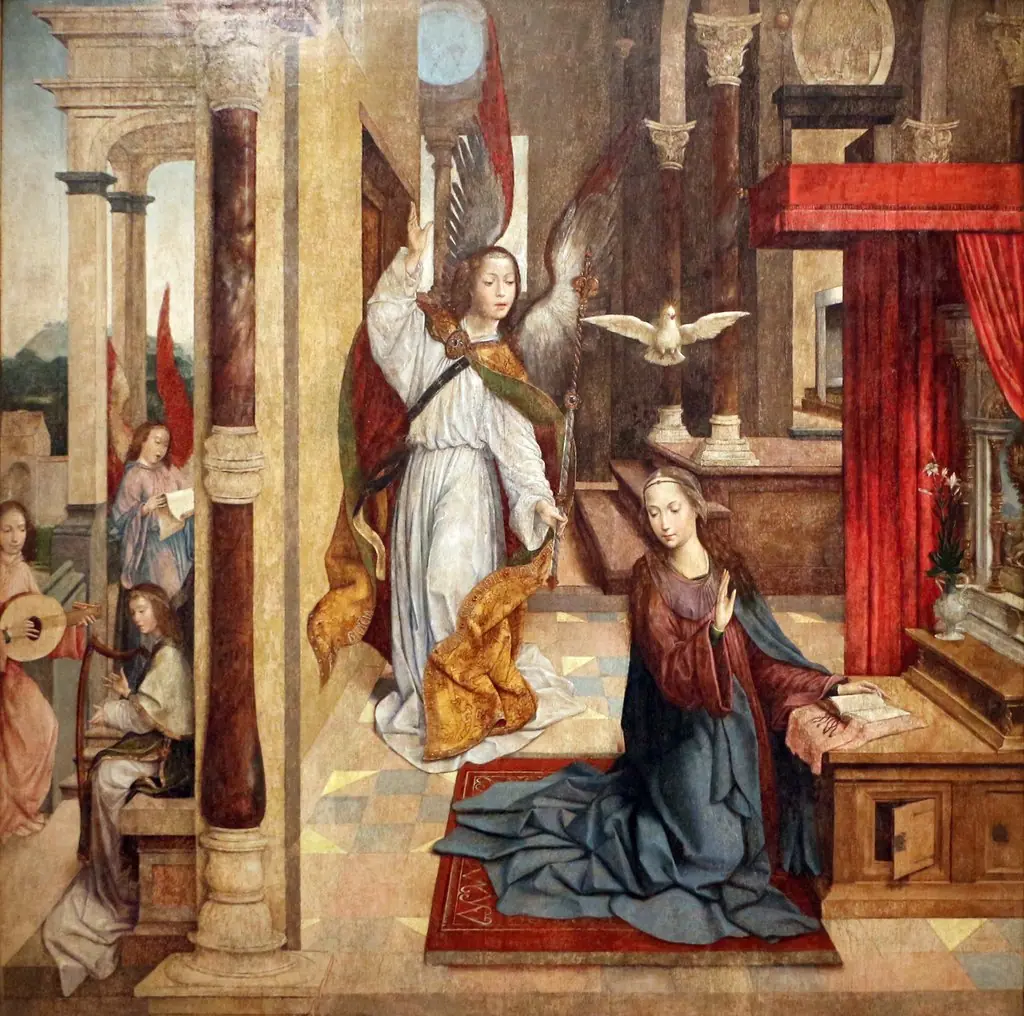
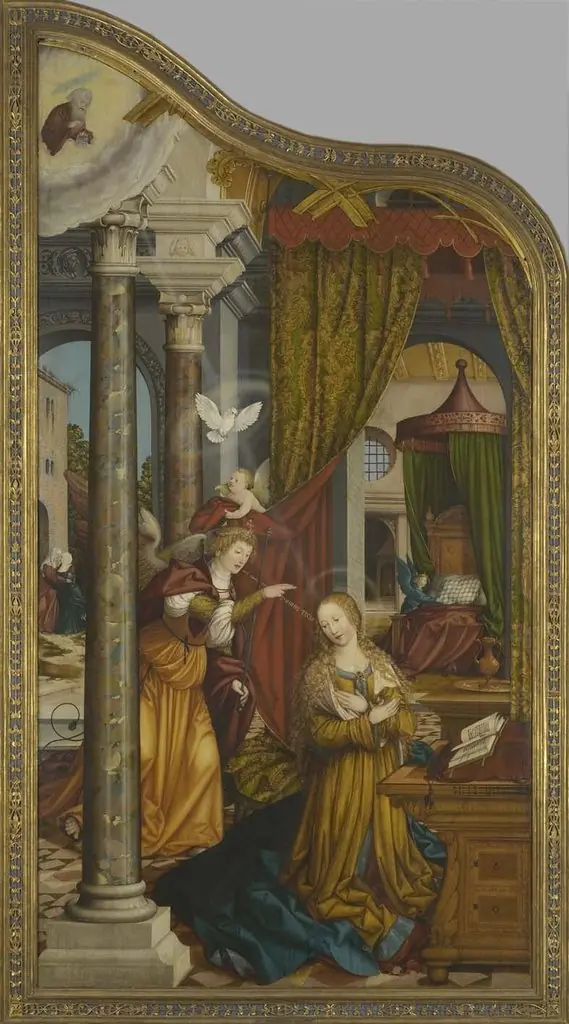
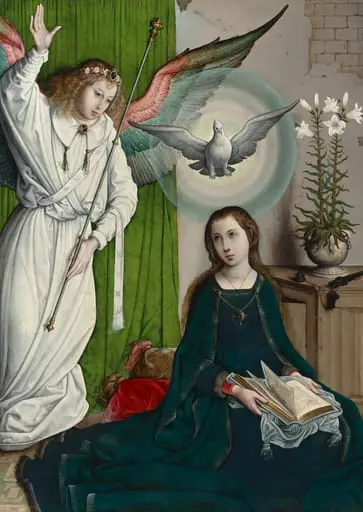
The painting depicts a devotional scene within a lavishly decorated interior. A winged, robed figure (implied to be an angel) plays a harp over a ledge, while a kneeling woman prays below, accompanied by a book and flowers. The composition conveys a moment of serene musical contemplation and religious devotion.
Technique & Style
Characterized by the use of chiaroscuro, the painting employs strong contrasts of light and shadow to enhance the emotional depth of the scene. The detailed, richly textured setting reflects the Antwerp Mannerist style, for which de Beer was known.
History & Provenance
Created in 1515, the painting originated from Jan de Beer’s workshop, which produced numerous religious compositions, underscoring his influence in Antwerp’s artistic community at the time.
Context
As a leading Antwerp Mannerist, de Beer’s work, including this piece, contributed to the stylistic innovations of the early 16th-century Flemish art scene, emphasizing intricate detail and emotional lighting.
Legacy
While specific lasting impacts of *Verkündigung an Maria (nach)* on subsequent art movements are not prominently documented, it remains a notable example of Antwerp Mannerism, reflecting the artistic values of its time.
Artist & collection
Artist
Jan de Beer, formerly known as the Master of the Milan Adoration (c. 1475 – 1528) was a Flemish painter, draughtsman and glass designer active in Antwerp at the beginning of the 16th century. He is considered one of the…