Artwork
Abraham Casteleyn and his Wife, Margarieta van Bancken
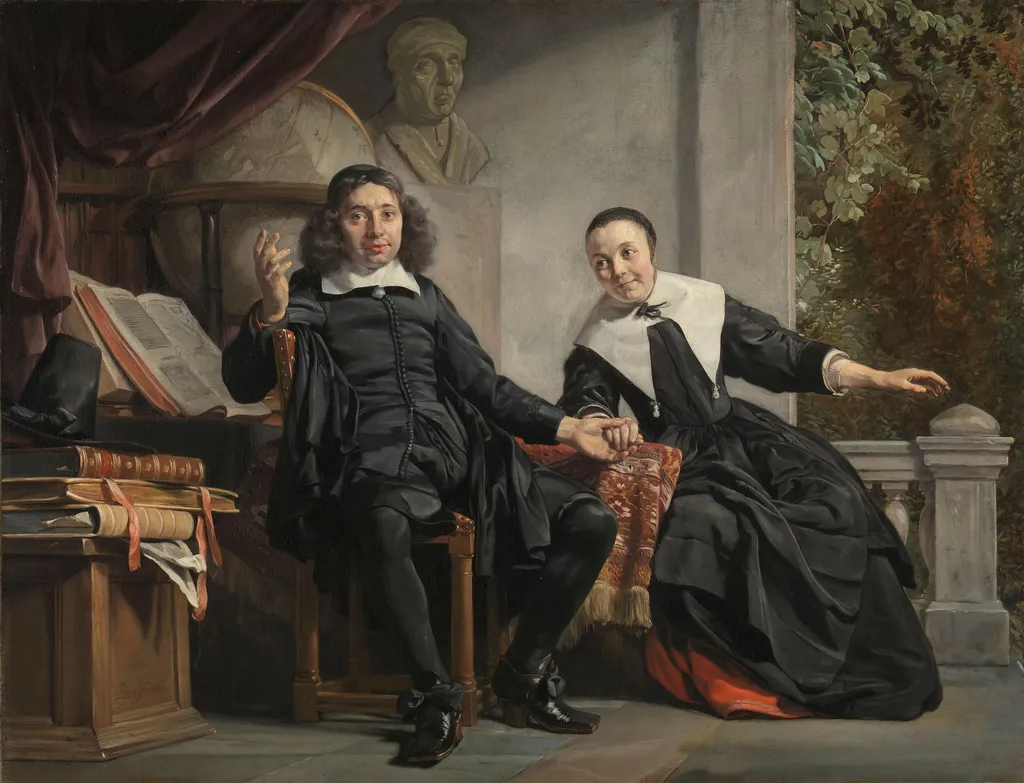
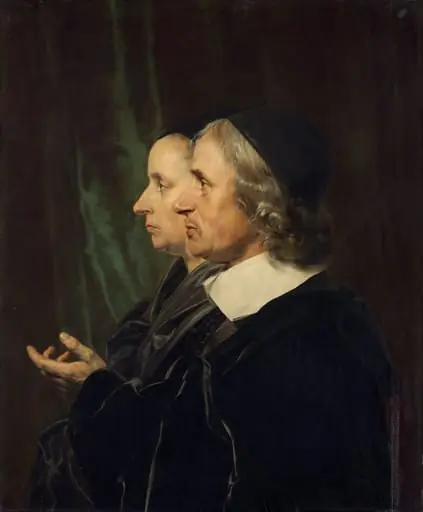
Abraham Casteleyn and his Wife, Margarieta van Bancken is an oil painting by the Dutch Golden Age artist Jan de Bray. It dates from 1663 and is held in the collection of the Rijksmuseum.
About this work
Overview
Jan de Bray's 1663 oil painting, "Abraham Casteleyn and his Wife, Margarieta van Bancken," is a notable example of Dutch Golden Age portraiture.
Jan de Bray's 1663 oil painting, "Abraham Casteleyn and his Wife, Margarieta van Bancken," is a notable example of Dutch Golden Age portraiture. This double portrait, now housed in the Rijksmuseum, captures the prominent Haarlem printer and his spouse in a domestic setting, reflecting the era's focus on individual and family representation. The work is recognized for its detailed depiction and the historical significance of its subjects.
Subject & Meaning
This double portrait features Abraham Casteleyn, a prominent Haarlem printer and publisher, alongside his wife, Margarieta van Bancken. Casteleyn is depicted holding an open book, a direct reference to his trade, while a bust of Laurens Janszoon Coster, a legendary figure in printing, is visible on a shelf behind them. The couple operated their printing house, "In de Blije Druck," producing official city documents and Haarlem's first newspaper, highlighting their significant role in local intellectual life.
Technique & Style
Jan de Bray portrays the couple in an intimate interior, seated closely together. Casteleyn, with long, curly hair, holds a book and gestures, while Margarieta rests her arm on his chair. The artist masterfully employs chiaroscuro, a technique that uses strong contrasts between light and shadow. This dramatic lighting illuminates their faces and hands, making them stand out against the darker background and creating a sense of depth and focus within the composition.
History & Provenance
The Rijksmuseum acquired this portrait in 1939 through the Frans Ernst Blaauw bequest, having been in his family since 1834. For many years, the painting was mistakenly identified. Initially, a globe in the composition led to the assumption that the sitters were Joan Blaeu and his wife. Later, it was speculated to be their son, Willem Blaeu II, and his spouse. However, the ages of the portrayed couple did not align with these historical figures.
Context
The true identity of the sitters was confirmed by the discovery of a self-portrait drawing of Abraham Casteleyn in the North Holland Archives. This revelation was supported by contextual clues within the painting, such as the prominent bust of Laurens Janszoon Coster, a Haarlem printing pioneer. Additionally, Jan de Bray's brother, Dirck, had worked as an engraver for Casteleyn's printing firm, strengthening the local connection and the accuracy of the identification.
Own this work as a print
Artist & collection
Artist
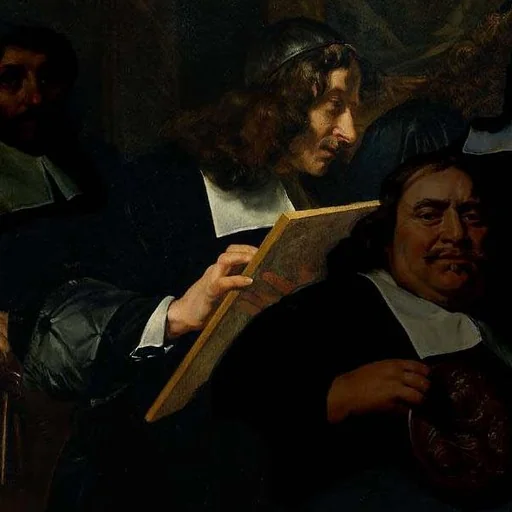
Jan de Bray (c. 1627 – April 4, 1697) was a Dutch Golden Age painter. He lived and worked in Haarlem until the age of 60, when he went bankrupt and moved to Amsterdam. Jan de Bray was influenced by his father Salomon…