Artwork
A Dead Wolf
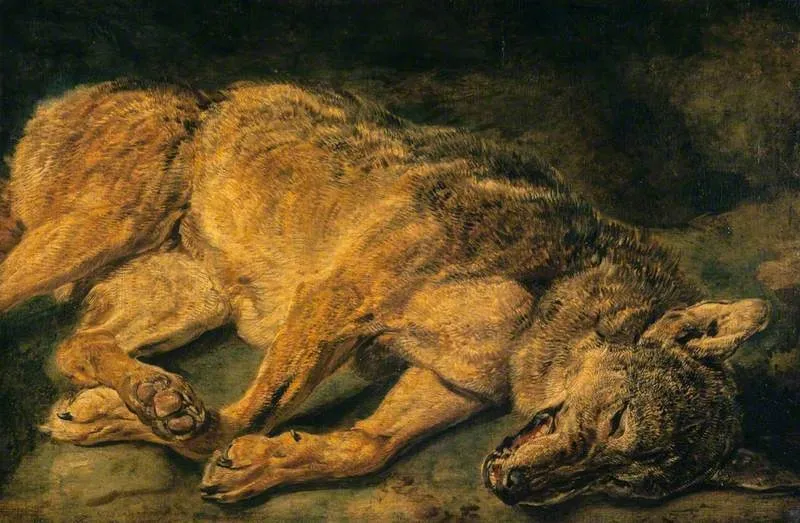
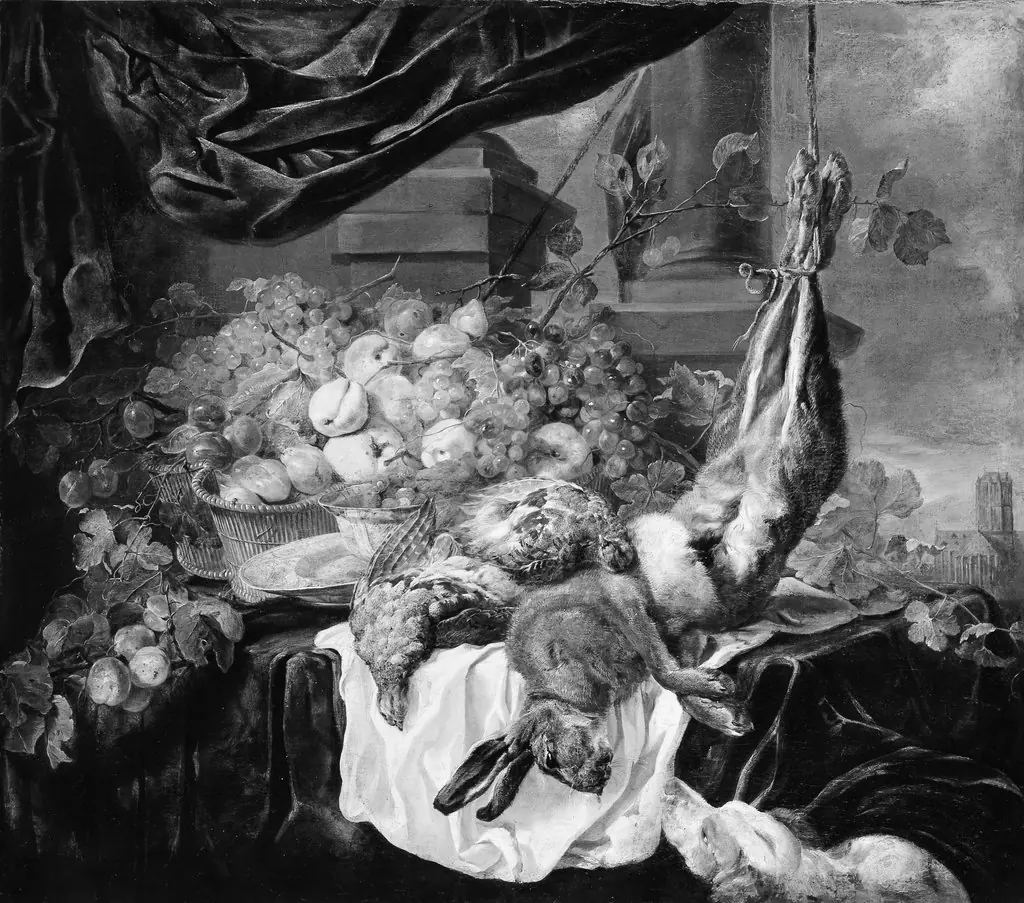
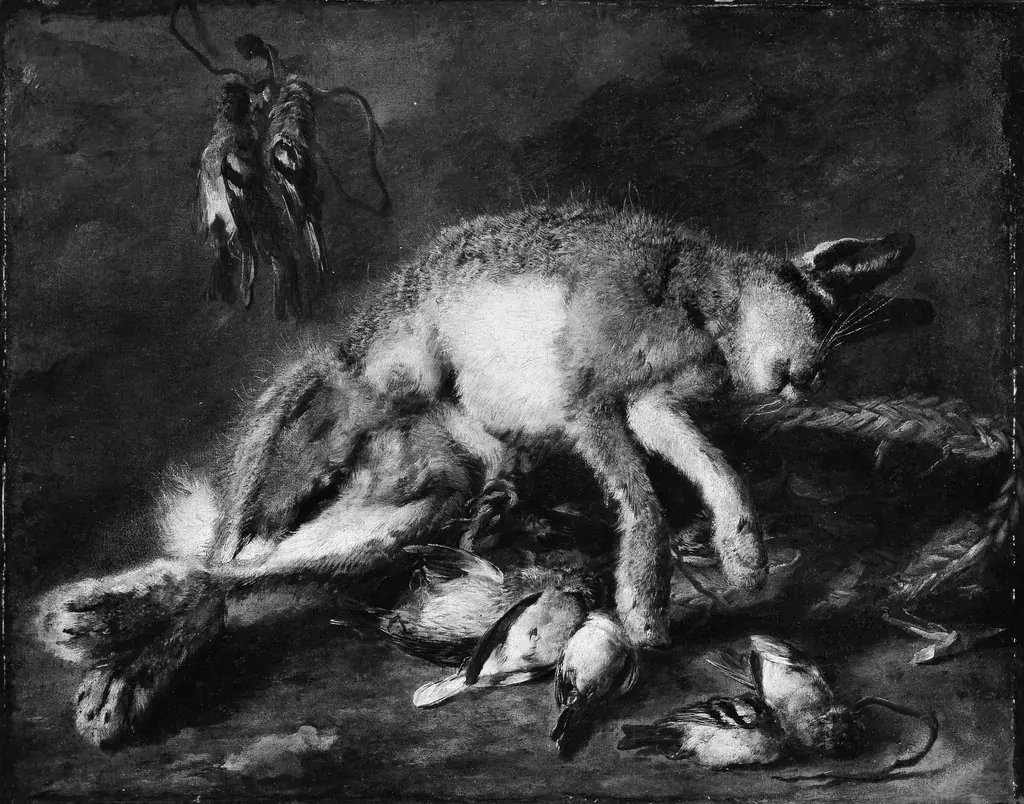
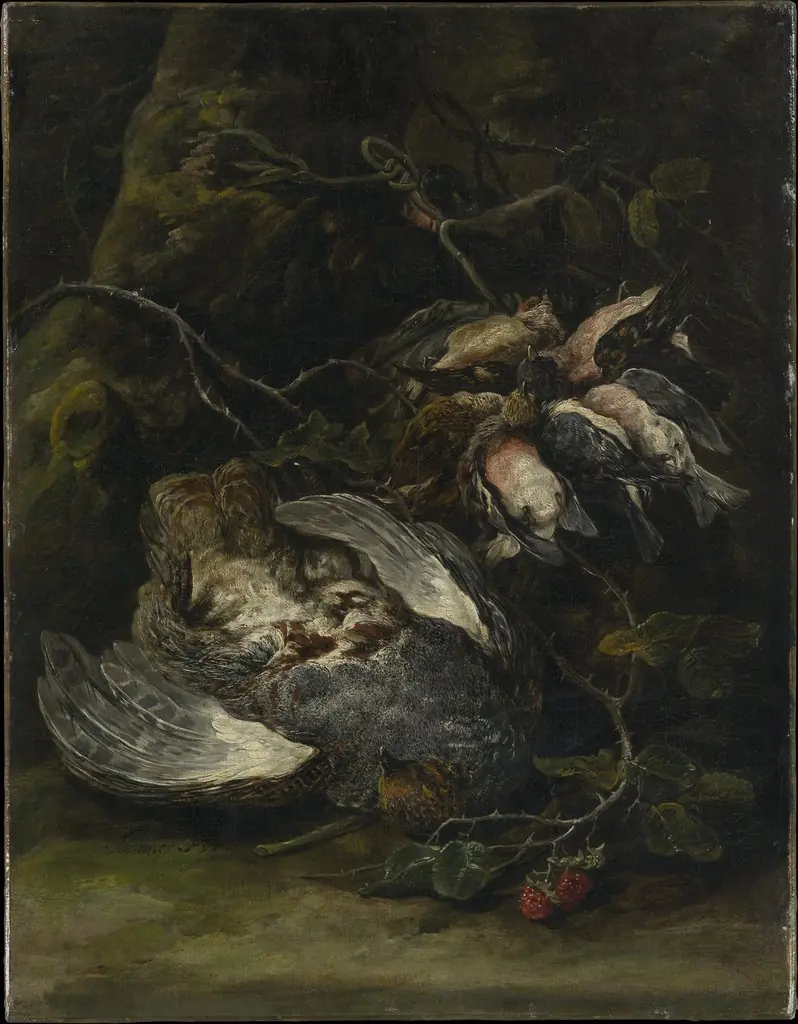
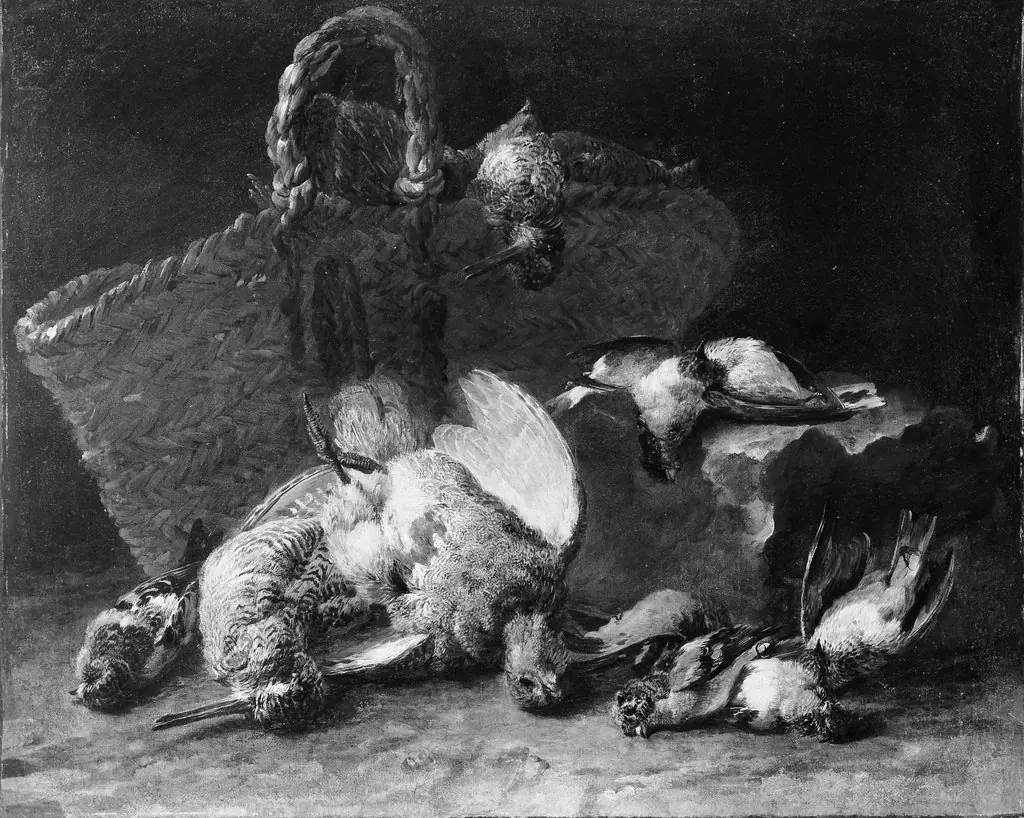
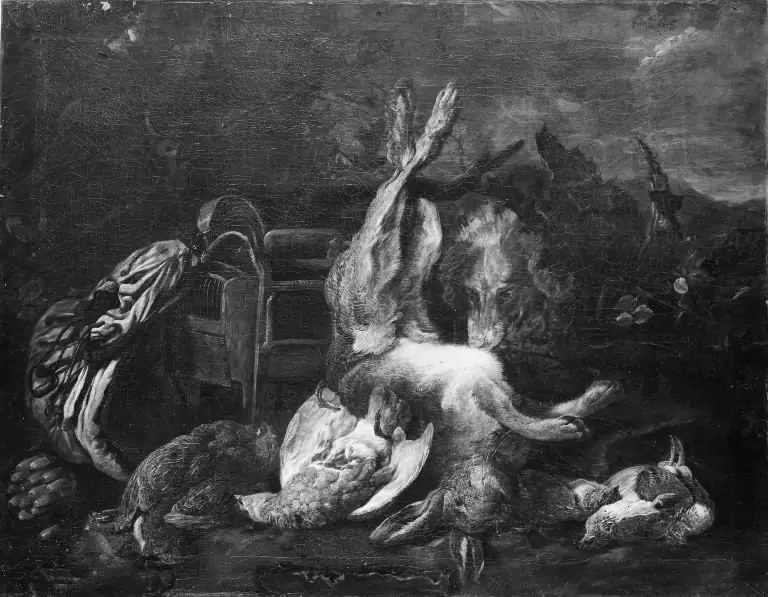
A Dead Wolf is an oil painting by the Flemish Baroque painting artist Jan Fyt. It dates from 1651 and is held in the collection of the National Galleries Scotland.
About this work
Overview
Painted in 1651 by Jan Fyt, a Flemish artist known for his precise rendering of natural subjects, this oil on canvas depicts a lifeless wolf as a central still life element. The work reflects the Baroque tradition of combining naturalism with symbolic weight, placing the animal in a somber, shadowed space that emphasizes its physical presence over narrative context.
Subject & Meaning
The wolf, rendered in death, serves as both a specimen and a symbol. Its open mouth and closed eyes suggest a moment suspended after the hunt, evoking themes of mortality and the tension between wildness and control. In 17th-century Flanders, such depictions often carried moral or aristocratic undertones, referencing the hunt as a display of power and the natural order.
Technique & Style
Fyt employed fine brushwork to capture the texture of the wolf’s fur, using layered tones of brown and tan to model volume and depth. The dark, uncluttered background isolates the figure, heightening the realism of its form. Subtle chiaroscuro enhances the three-dimensionality of the body, while the absence of motion or environment reinforces a sense of stillness and quiet observation.
History & Provenance
The painting entered the collection of the Scottish National Gallery in the 19th century, though its earlier ownership remains undocumented. It is one of several known works by Fyt featuring predatory animals, reflecting his reputation for detailed animal studies. Its survival and preservation suggest it was valued within private collections long before institutional acquisition.
Context
In mid-17th-century Antwerp, still lifes featuring game were popular among wealthy patrons who admired technical skill and the display of exotic or dangerous prey. Fyt’s work aligned with broader trends in Flemish art that elevated natural observation to an art form, often blending scientific curiosity with aesthetic refinement.
Legacy
Though not widely exhibited, the painting exemplifies Fyt’s contribution to the evolution of animal still life in Northern Europe. Its unembellished realism influenced later artists interested in natural history and the depiction of wildlife outside mythic or allegorical frameworks, anchoring the wolf as a subject worthy of quiet, unromanticized attention.
Artist & collection
Artist
Jan Fijt, Jan Fijt or Johannes Fijt (or Fyt) (19 August 1609 – 11 September 1661) was a Flemish Baroque painter, draughtsman and etcher.