Artwork
Fighting Dogs
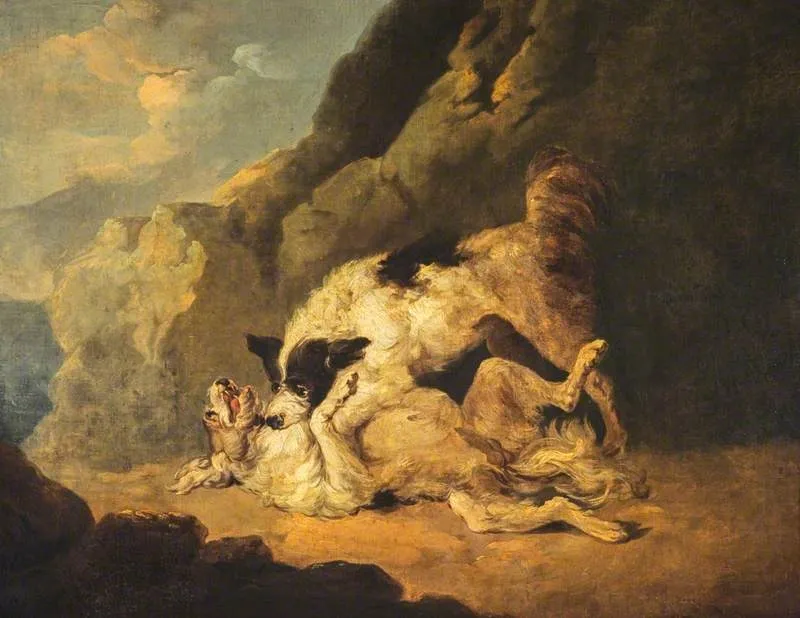
Fighting Dogs is an oil painting by George Morland. It dates from 1796 and is held in the collection of the National Galleries Scotland.
About this work
Overview
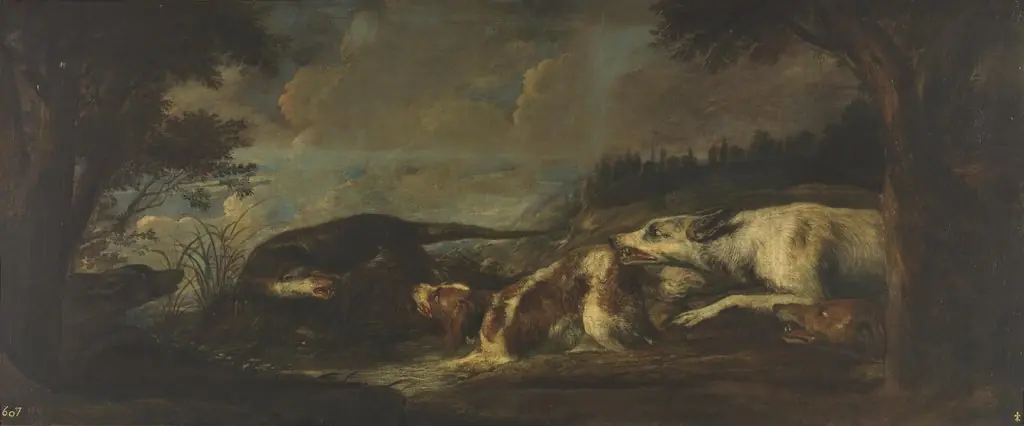
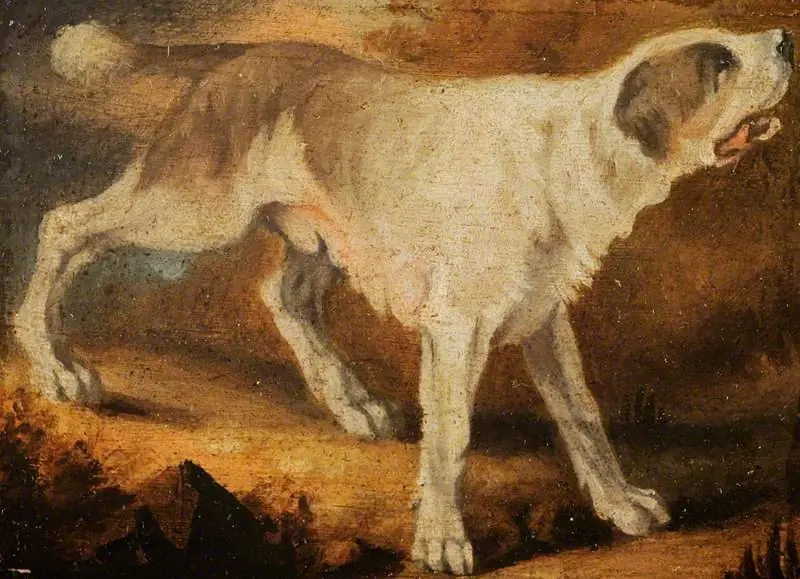
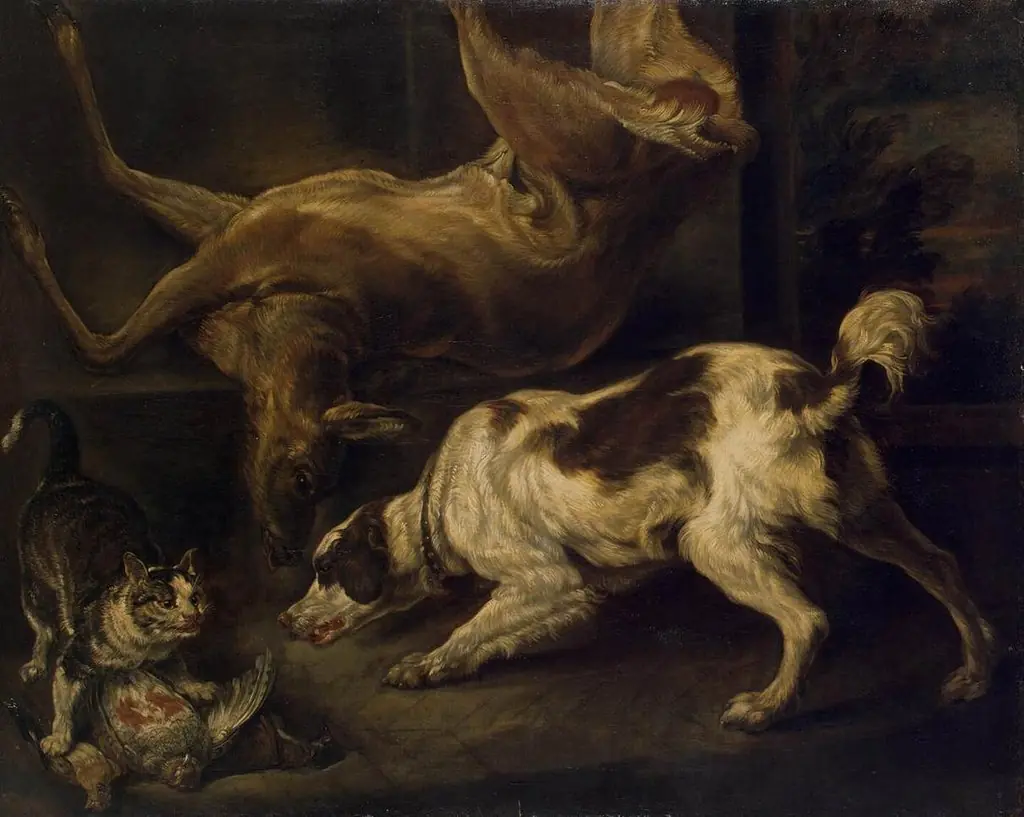
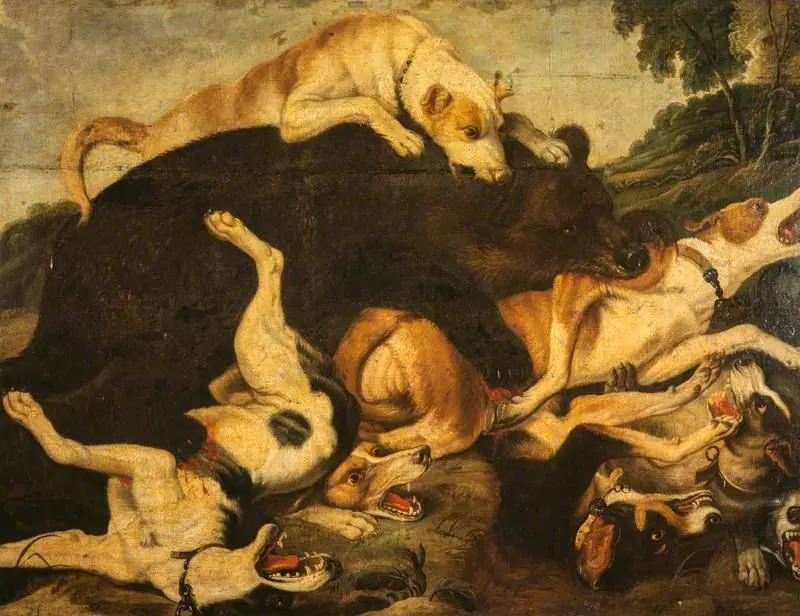
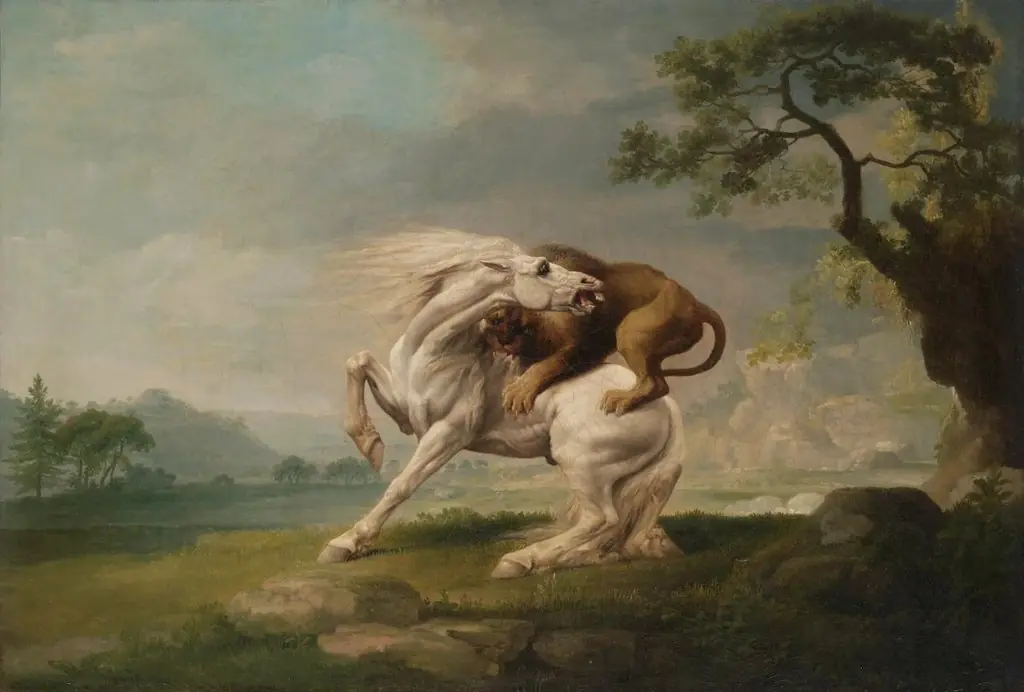
George Morland’s 1796 oil painting *Fighting Dogs* captures a moment of violent struggle between two canines. The composition places the snarling animals in the foreground, their tangled bodies set against a stark rocky outcrop and a cloud‑filled sky, creating a dramatic contrast between the immediacy of the fight and the indifferent landscape.
Subject & Meaning
The work focuses on the raw physicality of the encounter, emphasizing themes of aggression and survival in a rural setting. By isolating the dogs from any human presence, Morland invites viewers to consider the primal instincts that animate both animal and, by extension, human life in the countryside.
Technique & Style
Morland employs thick, impasto brushwork to render the dogs’ matted fur, giving the surface a tactile, almost chaotic texture. The palette is muted, with earthy tones for the background and stark whites and blacks for the animals, a nod to the Dutch Golden Age’s emphasis on naturalistic detail and chiaroscuro.
History & Provenance
Created during a prolific period for Morland, the painting was later reproduced in popular prints, a common practice that often yielded greater profit for publishers than for the artist himself. Despite personal difficulties, including heavy drinking, Morland continued to produce works like this, though later pieces show a decline in finesse.
Context
*Fighting Dogs* reflects Morland’s broader interest in rustic subjects—farms, hunting scenes, and everyday rural life—rendered with a sensibility shaped by Dutch landscape traditions. The painting’s focus on animal combat aligns with contemporary tastes for genre scenes that depicted vivid, narrative moments from country life.
Artist & collection
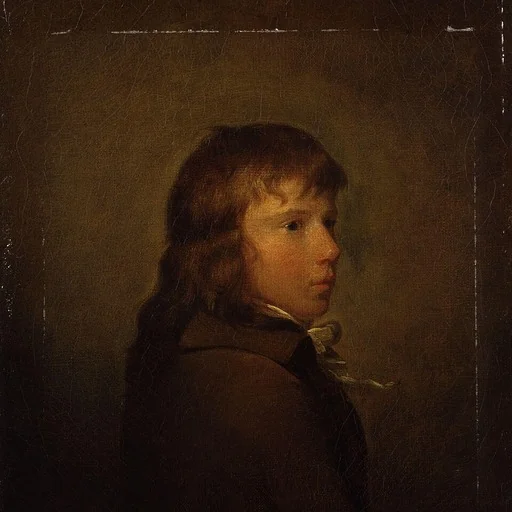
Artist
George Morland (26 June 1763 – 29 October 1804) was an English painter. His early work was influenced by Francis Wheatley, but after the 1790s he came into his own style. His best compositions focus on rustic scenes:…