Artwork
After the Hunt
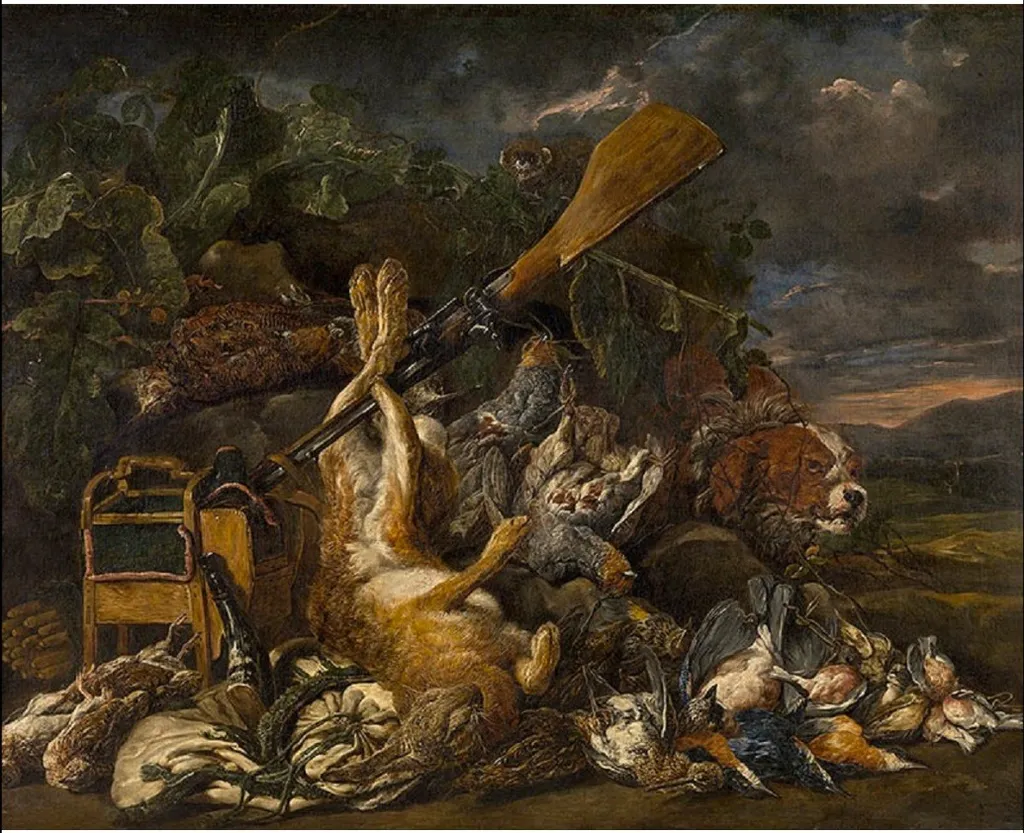
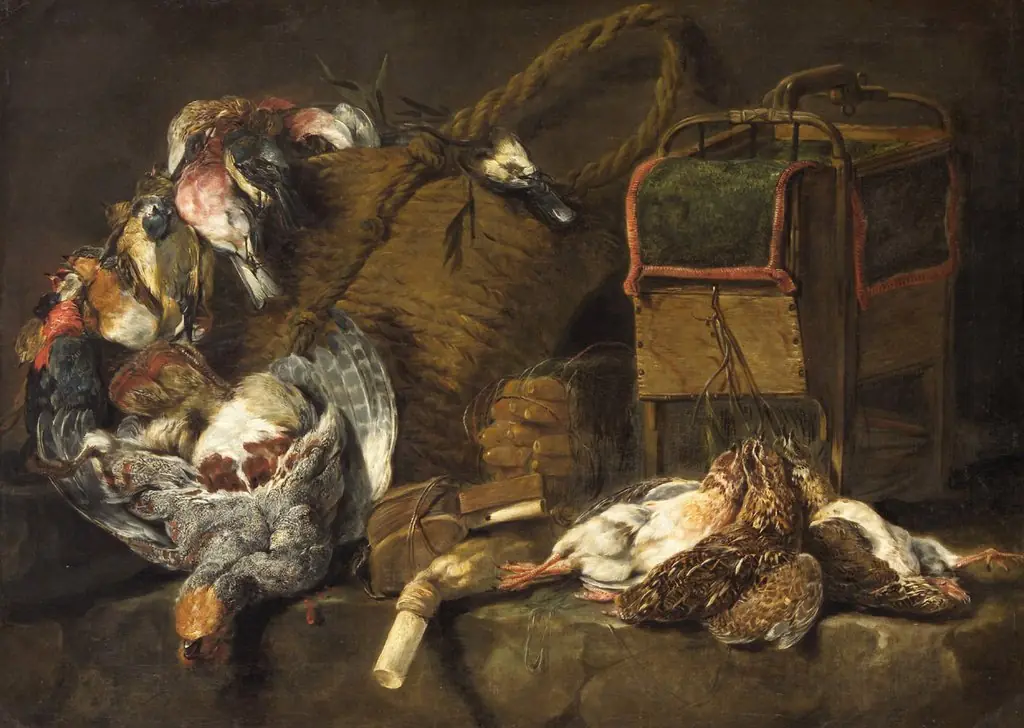
After the Hunt is an oil painting by the Flemish Baroque painting artist Jan Fyt. It dates from 1650 and is held in the collection of the Royal Museum of Fine Arts Antwerp. Created circa 1650, this oil on canvas presents a solemn tableau of hunted game arranged in a dense heap.
About this work
Overview
Created circa 1650, this oil on canvas presents a solemn tableau of hunted game arranged in a dense heap. A dog reclines atop the assortment of birds, rabbits and a stag, while a firearm rests against its flank. The composition is set against a shadowy backdrop of trees and shrubbery, emphasizing the quiet aftermath of the hunt.
Subject & Meaning
The work illustrates the traditional Flemish still‑life motif of the hunting trophy, a genre that celebrated both the abundance of the countryside and the skill of the hunter. By juxtaposing lifeless animals with a calm canine and a silent gun, the painting invites contemplation of mortality, the cycle of life, and the social status associated with the sport.
Technique & Style
Rendered with meticulous attention to texture, the artist employs a restrained palette of earth tones, allowing subtle variations of light to model flesh, fur and feather. The chiaroscuro treatment deepens the darkness behind the pile, while the illuminated foreground highlights the anatomical details, achieving a realistic yet contemplative atmosphere characteristic of Flemish Baroque still lifes.
History & Provenance
The piece is attributed to Jan Fyt, a leading Flemish Baroque painter noted for his animal and still‑life subjects. It forms part of the collection of the Royal Museum of Fine Arts in Antwerp, where it has been displayed as an example of mid‑17th‑century Flemish hunting still lifes.
Artist & collection
Artist
Jan Fijt, Jan Fijt or Johannes Fijt (or Fyt) (19 August 1609 – 11 September 1661) was a Flemish Baroque painter, draughtsman and etcher.

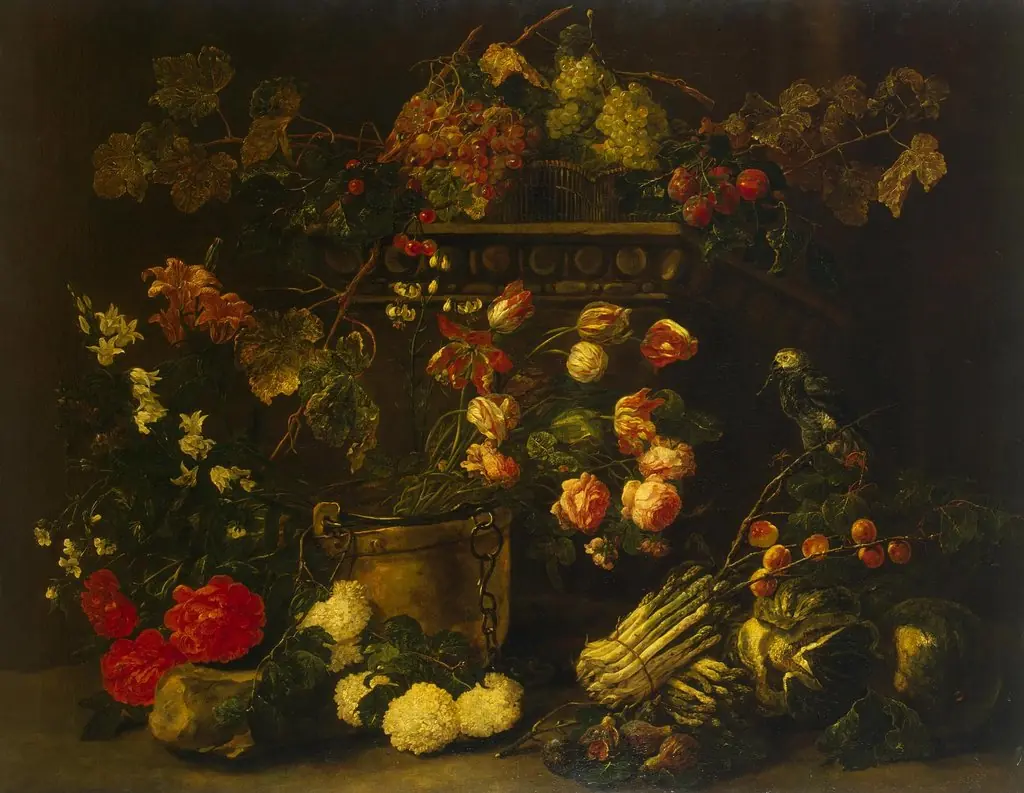
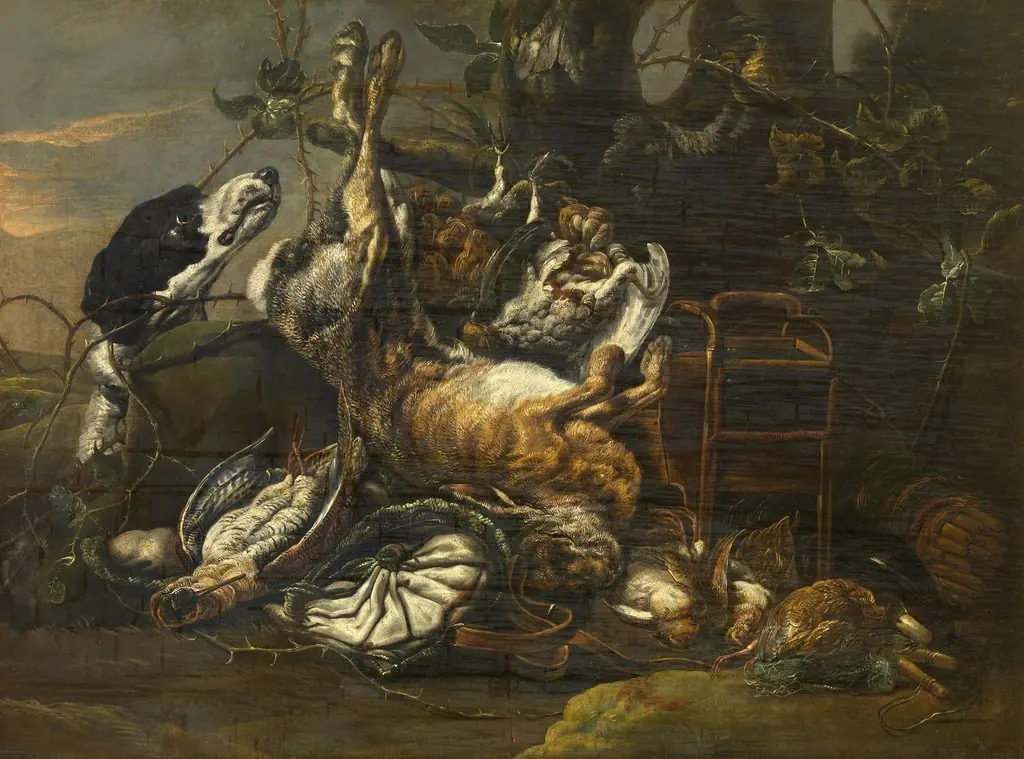 Still Life
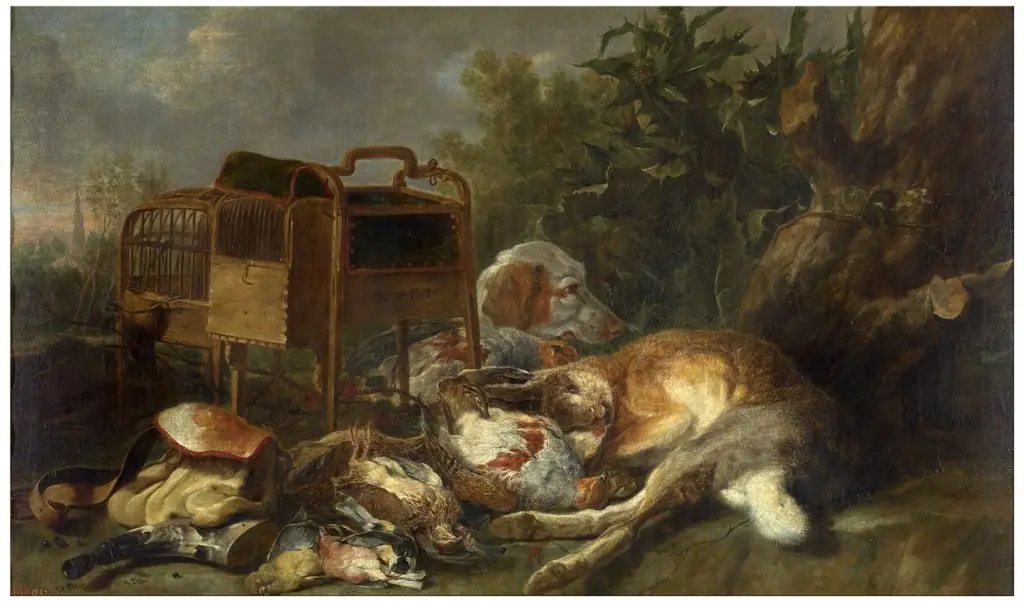 Fruits of the Hunt with a Dog
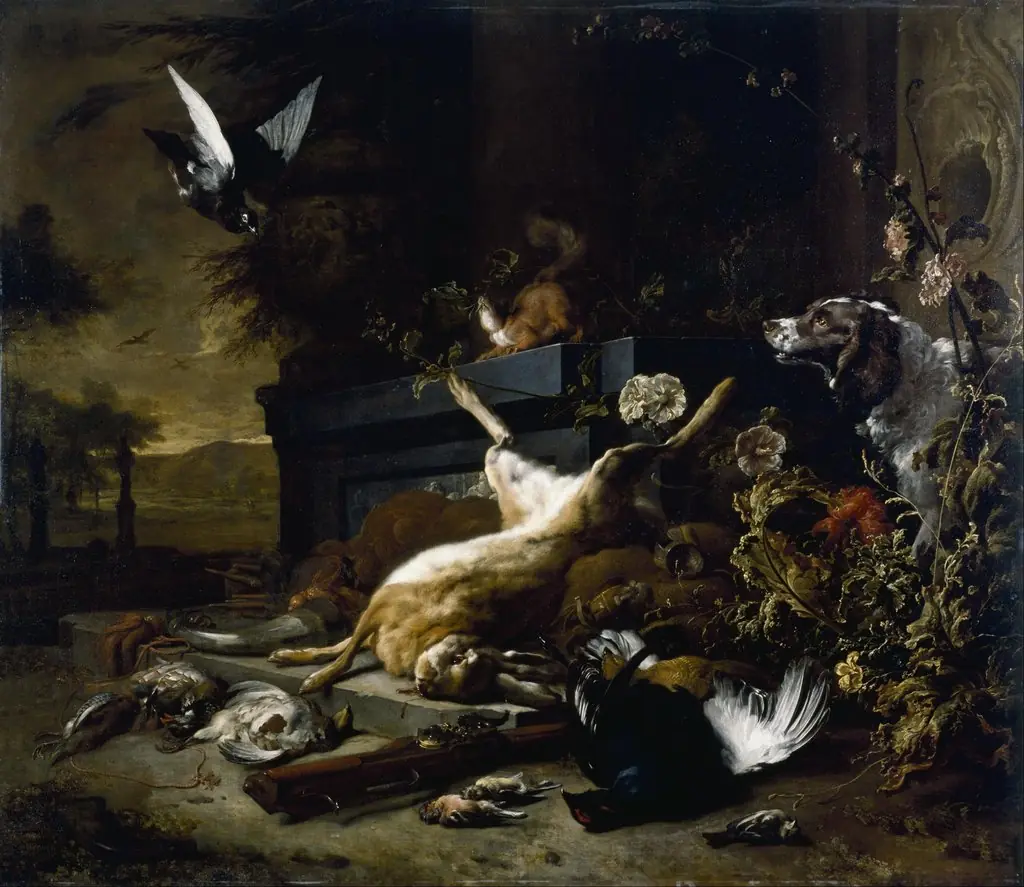 Still Life of Game including a Hare, Black Grouse and Partridge, a Spaniel looking on with a Pigeon in Flight
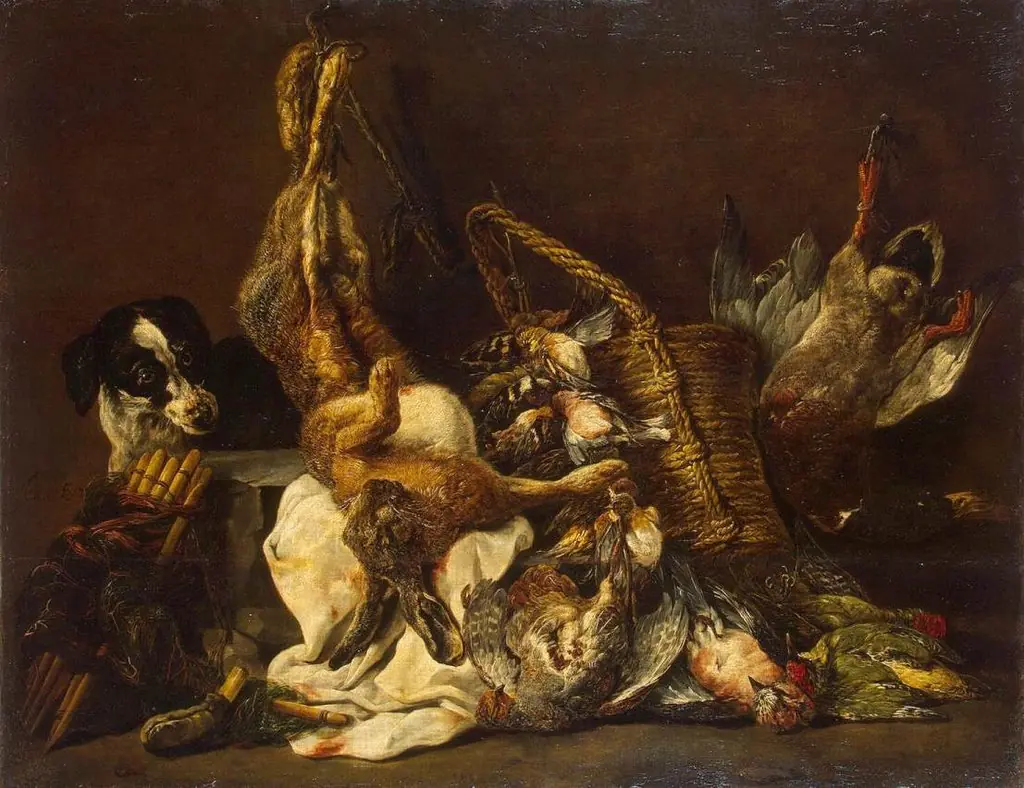 Dead Game and a Gun Dog
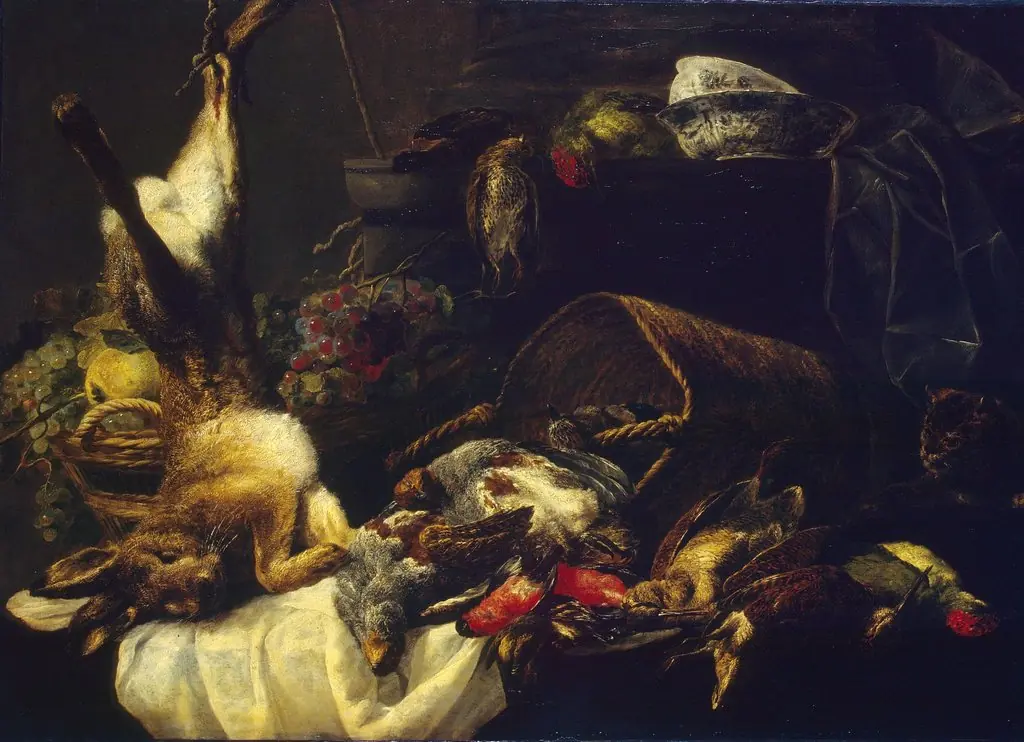 Dead Game
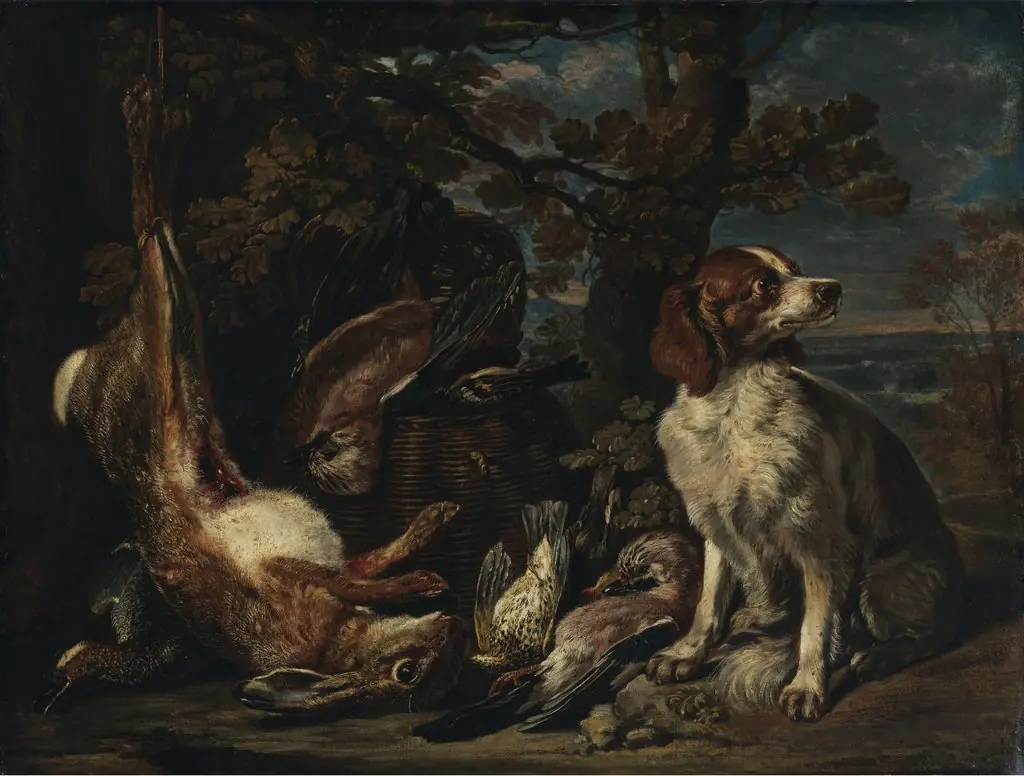 A Dog and Dead Game
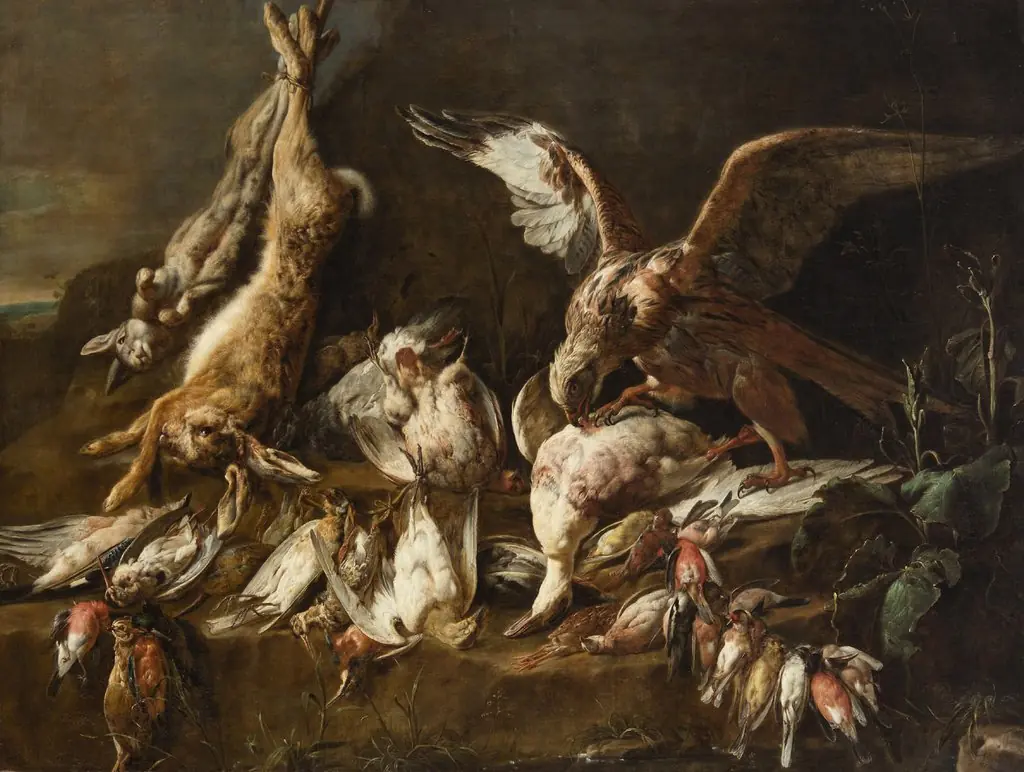 Still life of game
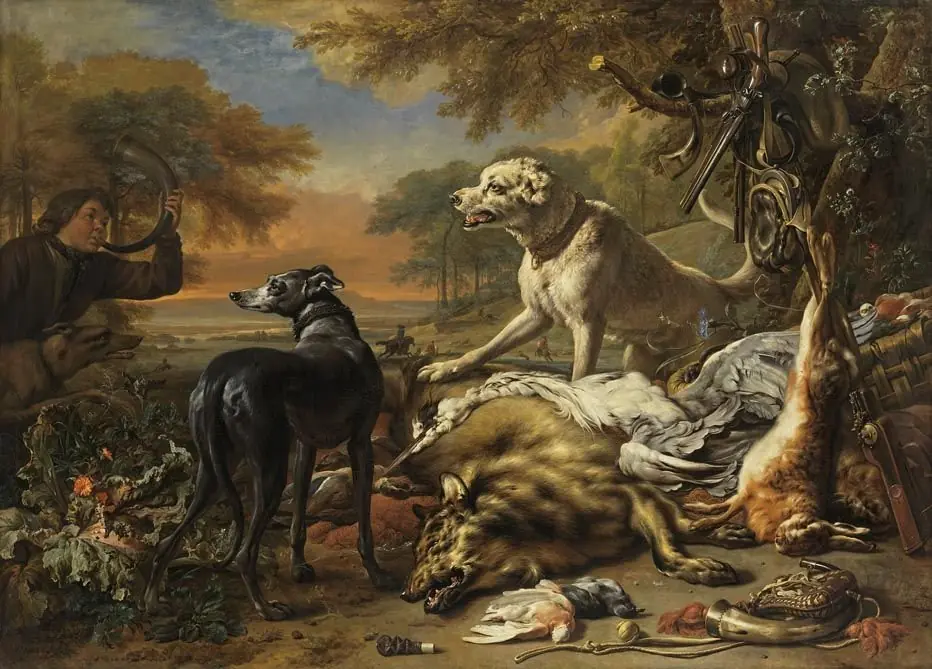 Hunting still life with wolf
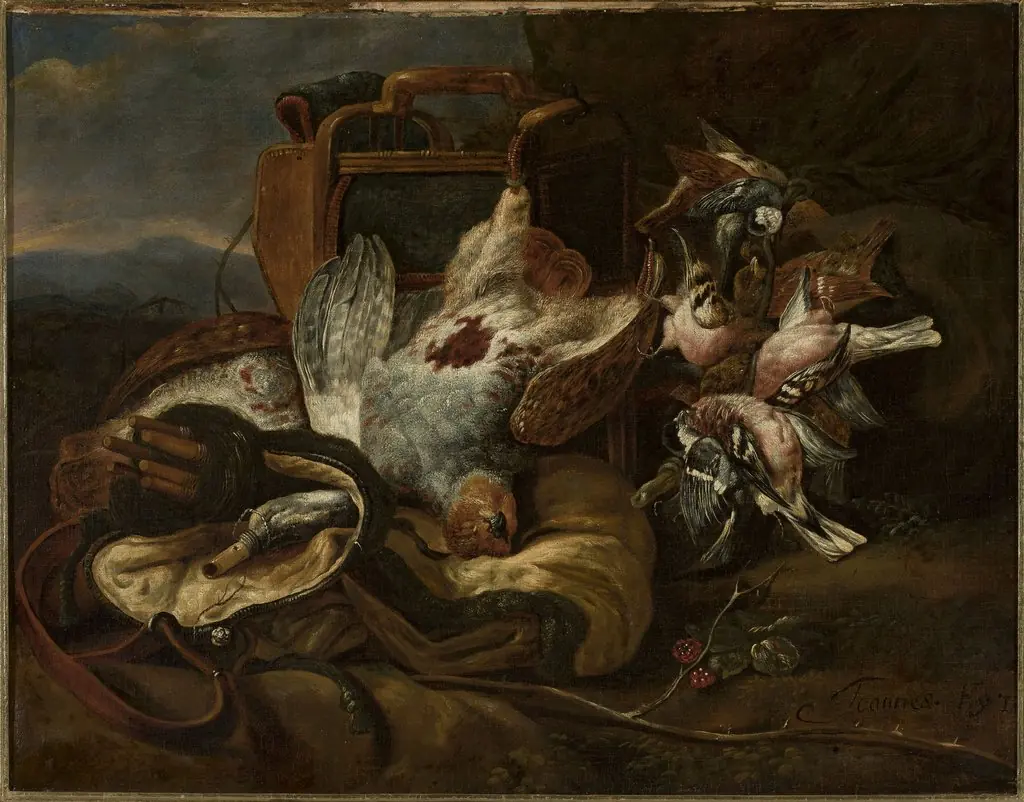 Hunting trophies
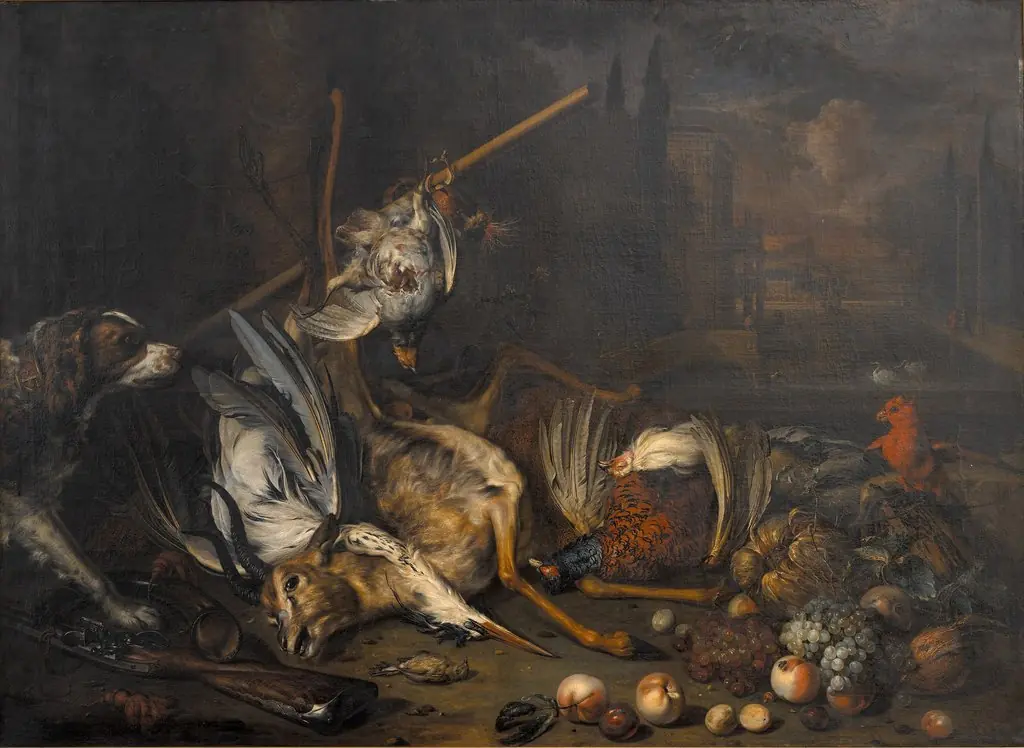 Game and Fruit
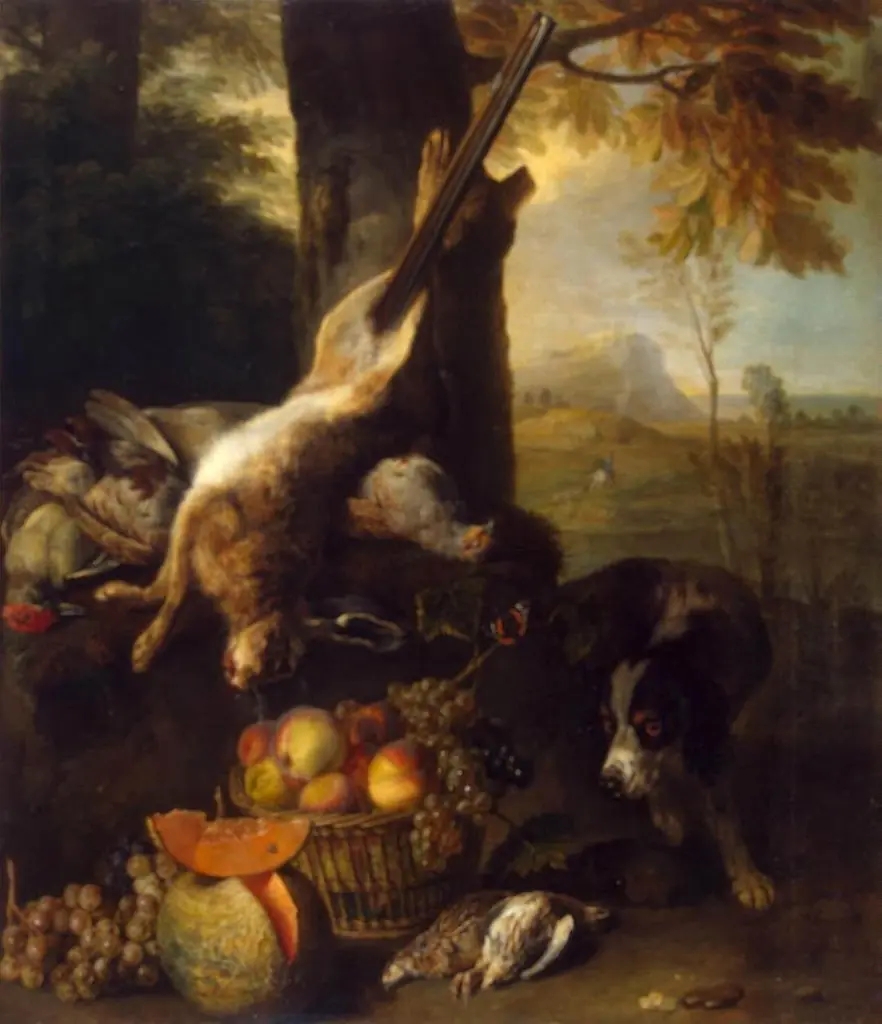 Still Life with a Dead Hare and Fruit
 Dead game birds