Artwork
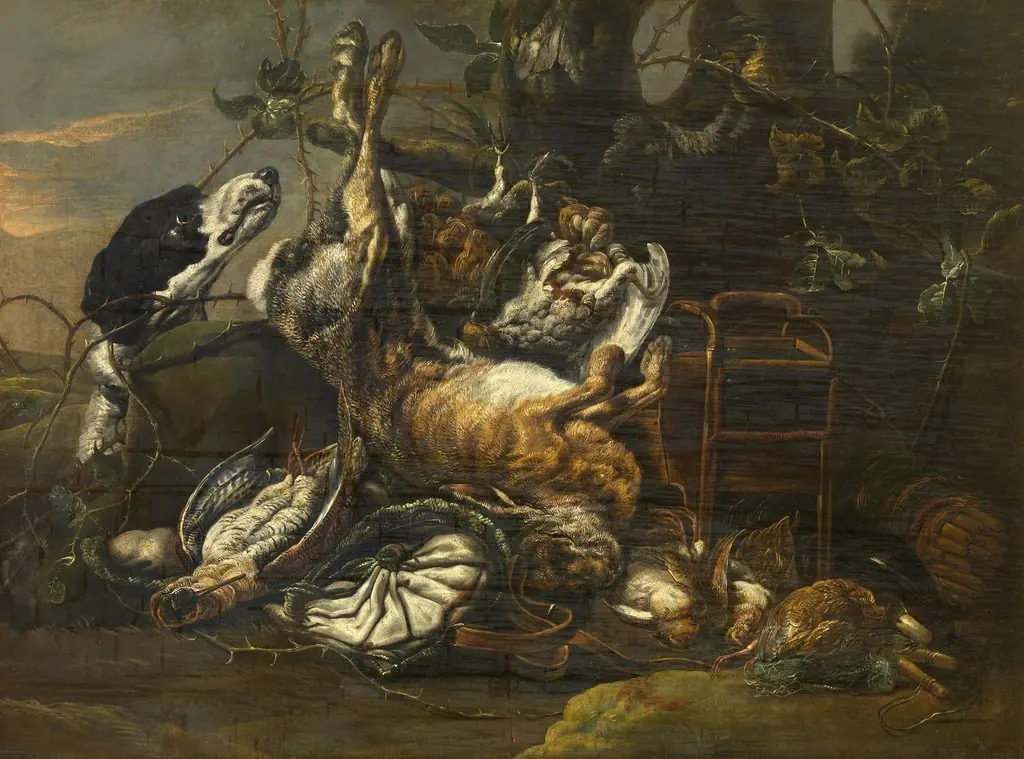
Still life. Hunt
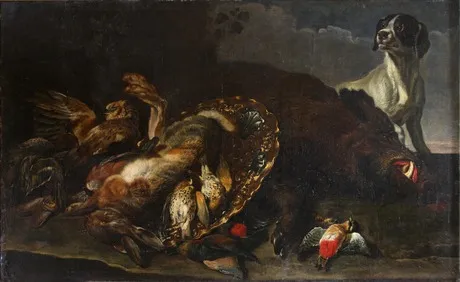
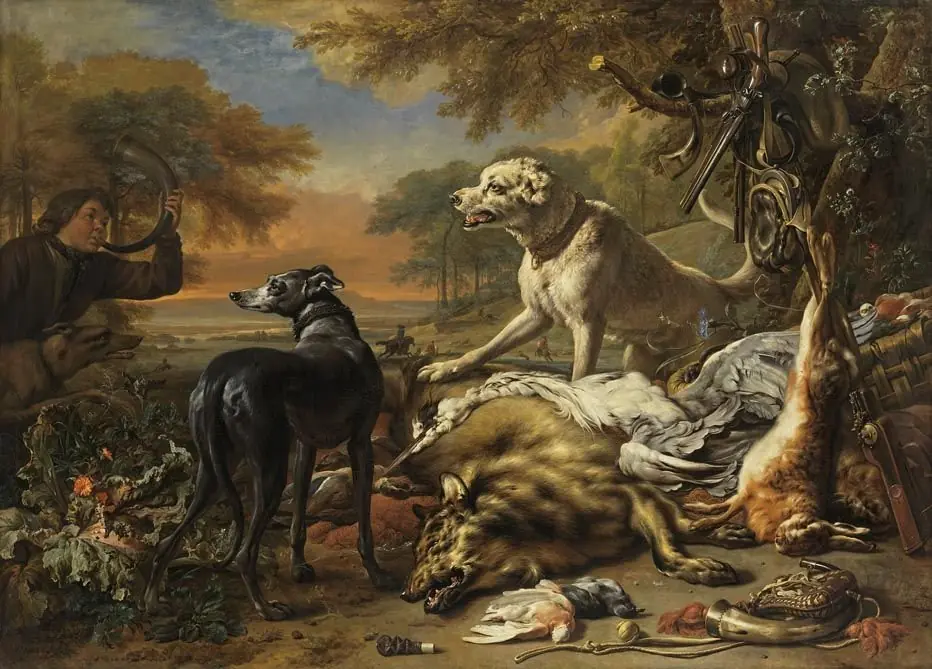
Still life. Hunt is an oil painting by the Flemish Baroque painting artist Jan Fyt. It dates from 1650 and is held in the collection of the National Gallery of Armenia.
About this work
Overview
Executed in oil, the work presents a quiet assemblage of game and a single dog, rendered with careful attention to texture and spatial arrangement.
Jan Fyt, a Flemish painter of the mid-17th century, produced *Still life. Hunt* around 1650 as part of his focus on animal subjects and hunting themes. Executed in oil, the work presents a quiet assemblage of game and a single dog, rendered with careful attention to texture and spatial arrangement. It resides in the National Gallery of Armenia, reflecting Fyt’s broader contribution to Flemish still life traditions that merged naturalism with compositional restraint.
Subject & Meaning
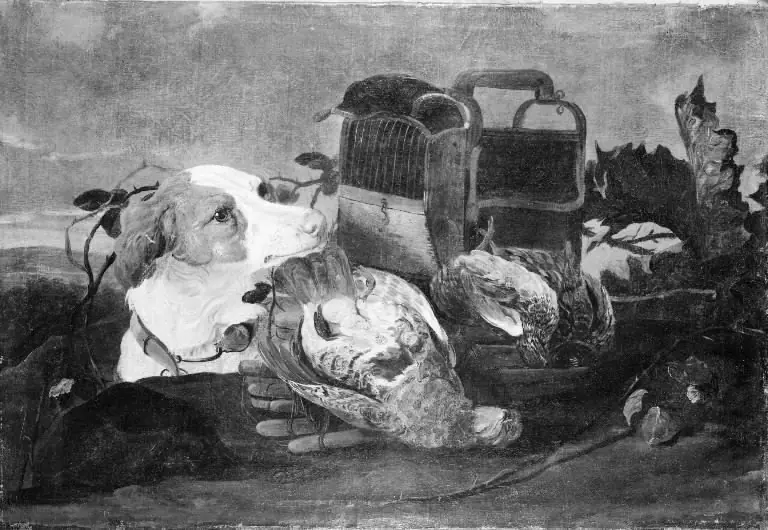
The painting centers on a pile of hunted game — a boar, birds, and a rabbit — arranged in a loose, overlapping heap. A white-and-black-spotted dog stands passively in the background, gazing to the side. The absence of human figures and the stillness of the scene suggest contemplation rather than celebration. The dead animals are not displayed as trophies but as quiet remnants, evoking themes of mortality and the aftermath of pursuit.
Technique & Style
Fyt employed oil paint to render fur, feathers, and hide with subtle gradations of tone. The palette is dominated by muted browns, grays, and off-whites, avoiding vivid contrast in favor of atmospheric cohesion. Forms are modeled with soft transitions, and the composition avoids theatricality, favoring a balanced, almost somber arrangement. The dog’s placement and gaze introduce a subtle narrative tension without disrupting the stillness of the scene.
History & Provenance
Created in the 1650s, the painting entered the collection of the National Gallery of Armenia at an unknown date, likely through 20th-century acquisitions. While its early ownership is undocumented, its presence in Armenia reflects broader patterns of European art dispersal. Fyt’s works were widely collected in his time, and this piece aligns with his known output of game still lifes, though it lacks the floral elements common in his more elaborate compositions.
Context
In mid-17th-century Flanders, still life painting flourished as a genre that explored nature, abundance, and decay. Fyt’s work stood apart by emphasizing animals over fruit or flowers, often integrating live and dead creatures in a single scene. His approach reflected both the aristocratic interest in hunting and a growing artistic interest in natural observation, distinct from the more ornate Dutch still lifes of the period.
Legacy
Fyt’s influence extended through his precise rendering of animal textures and his integration of living and dead subjects in still life. While less celebrated than contemporaries like Snyders, his quieter, more restrained compositions offered an alternative to dramatic abundance. *Still life. Hunt* exemplifies this approach, preserving a moment of stillness that anticipates later 18th-century tendencies toward naturalism and emotional restraint in genre painting.
Artist & collection
Artist
Jan Fijt, Jan Fijt or Johannes Fijt (or Fyt) (19 August 1609 – 11 September 1661) was a Flemish Baroque painter, draughtsman and etcher.

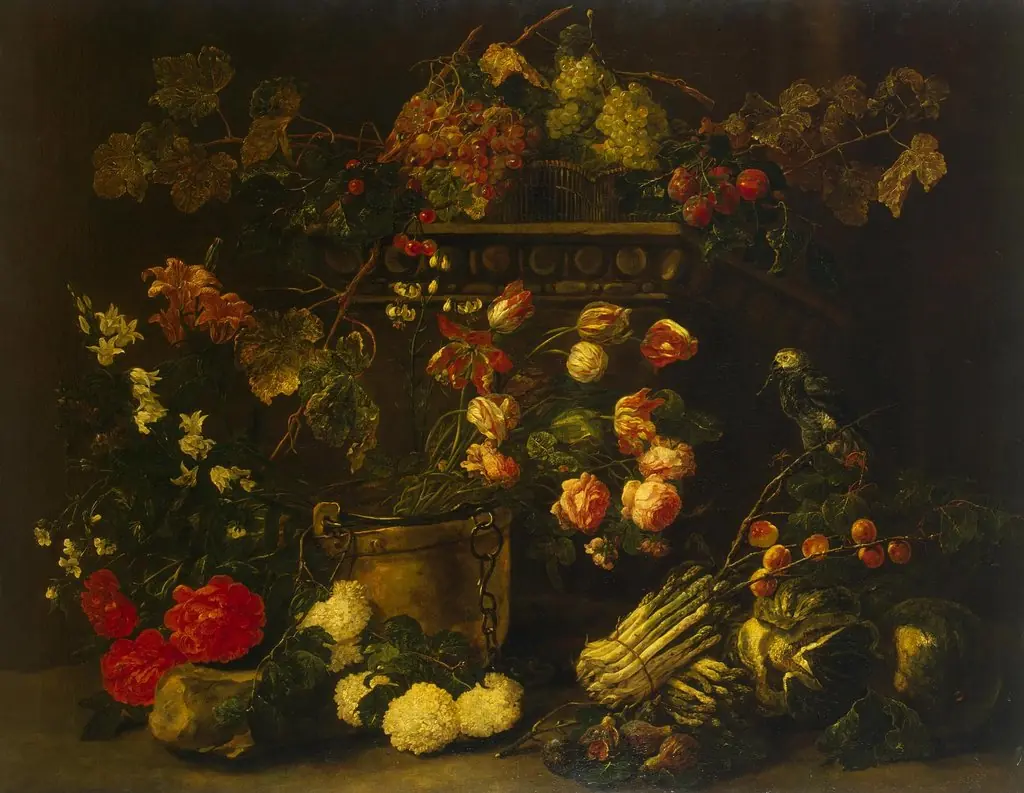
 Still Life
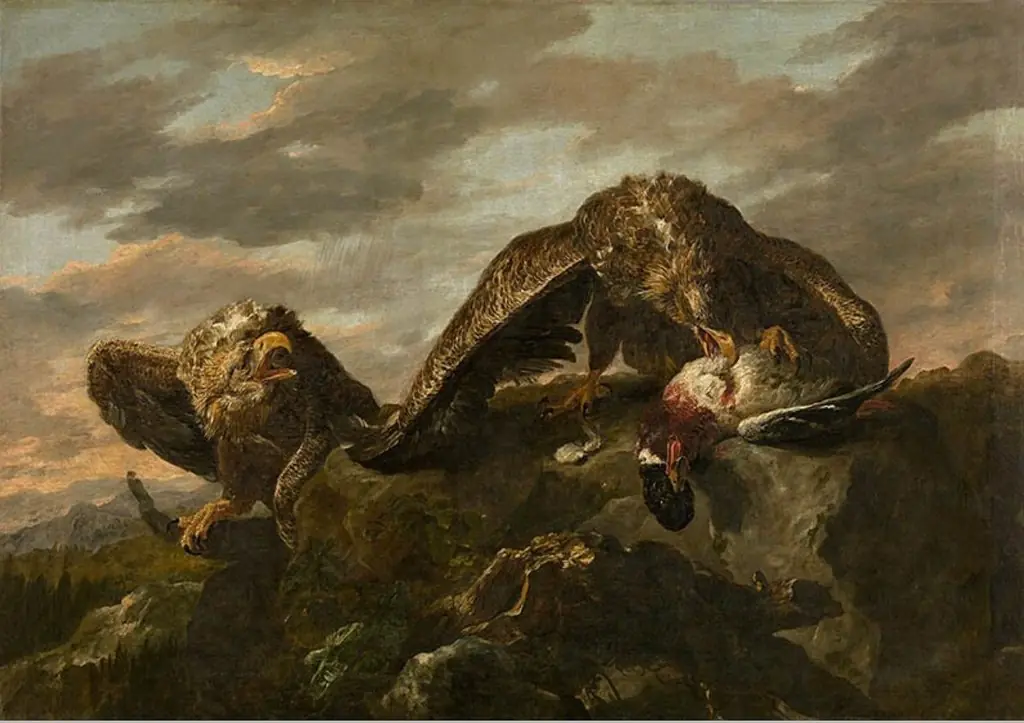 Eagles
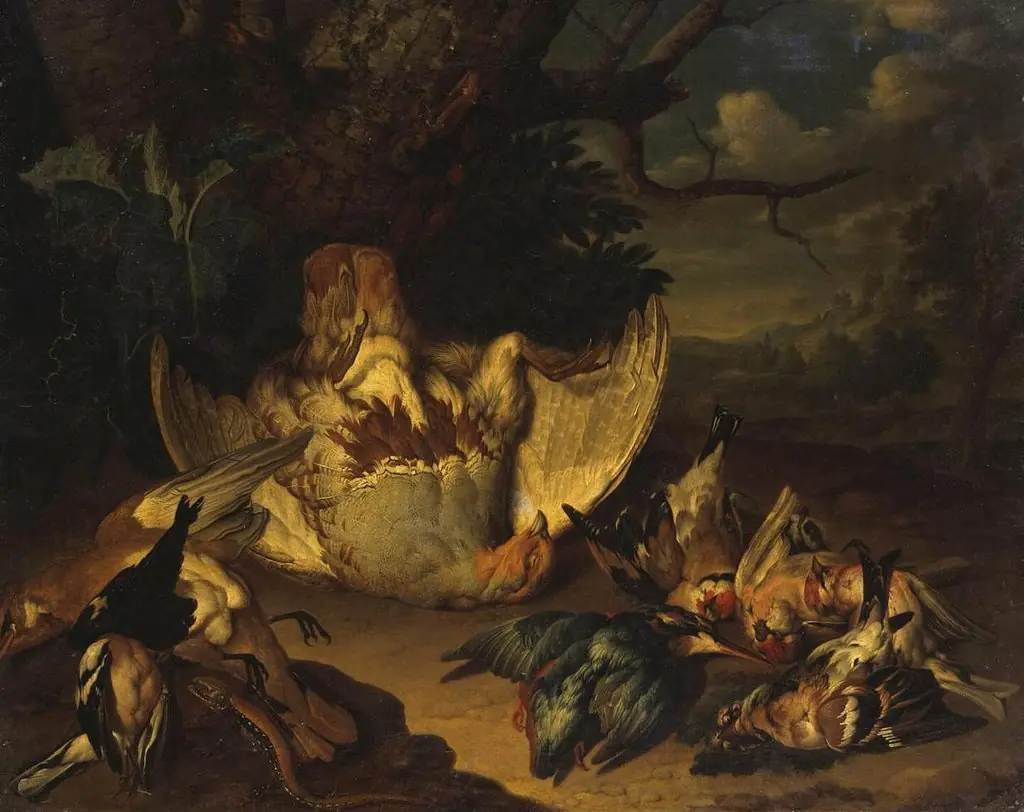 Dead Game
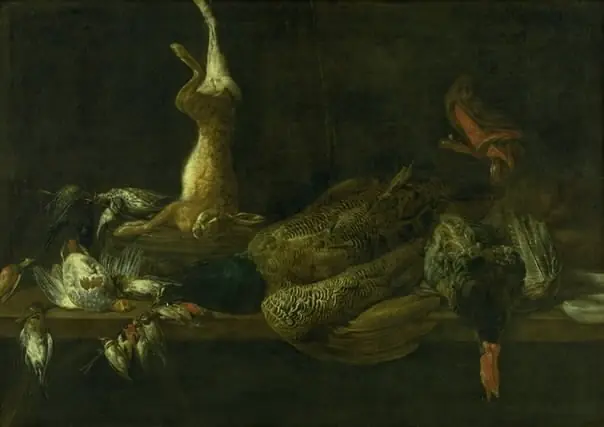 Still Life with Game on a Table
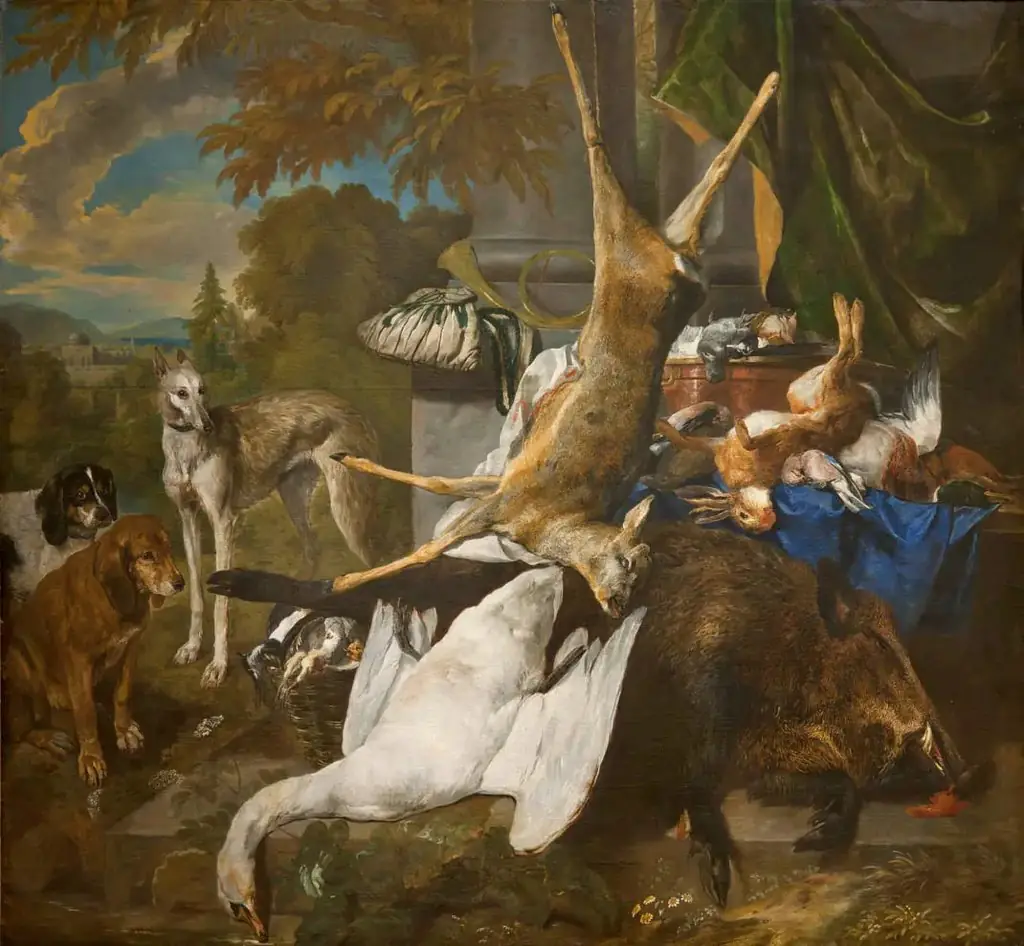 Still life of game and dogs
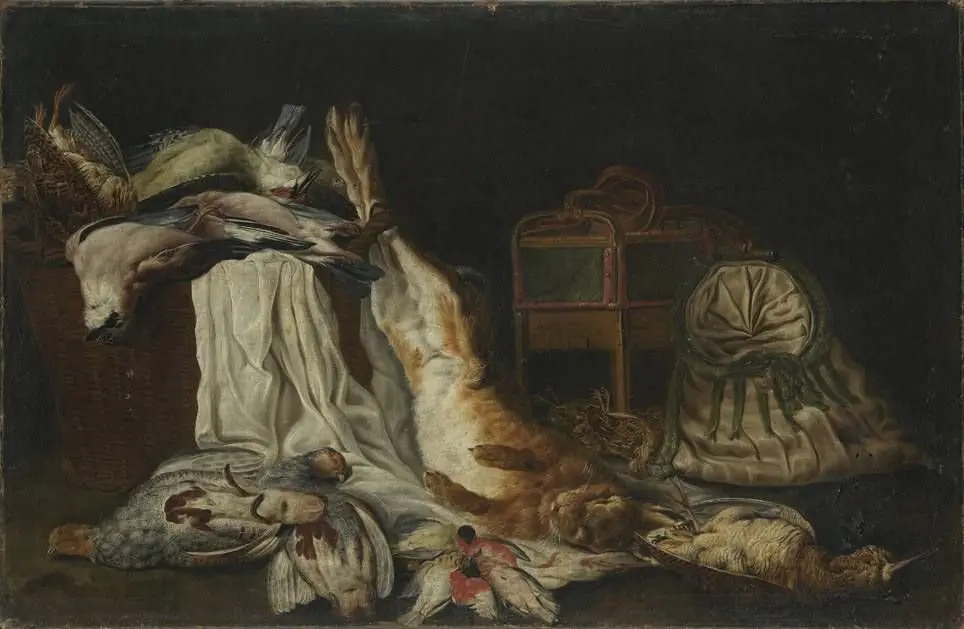 Hunting still life with a hare, two partridges and other birds
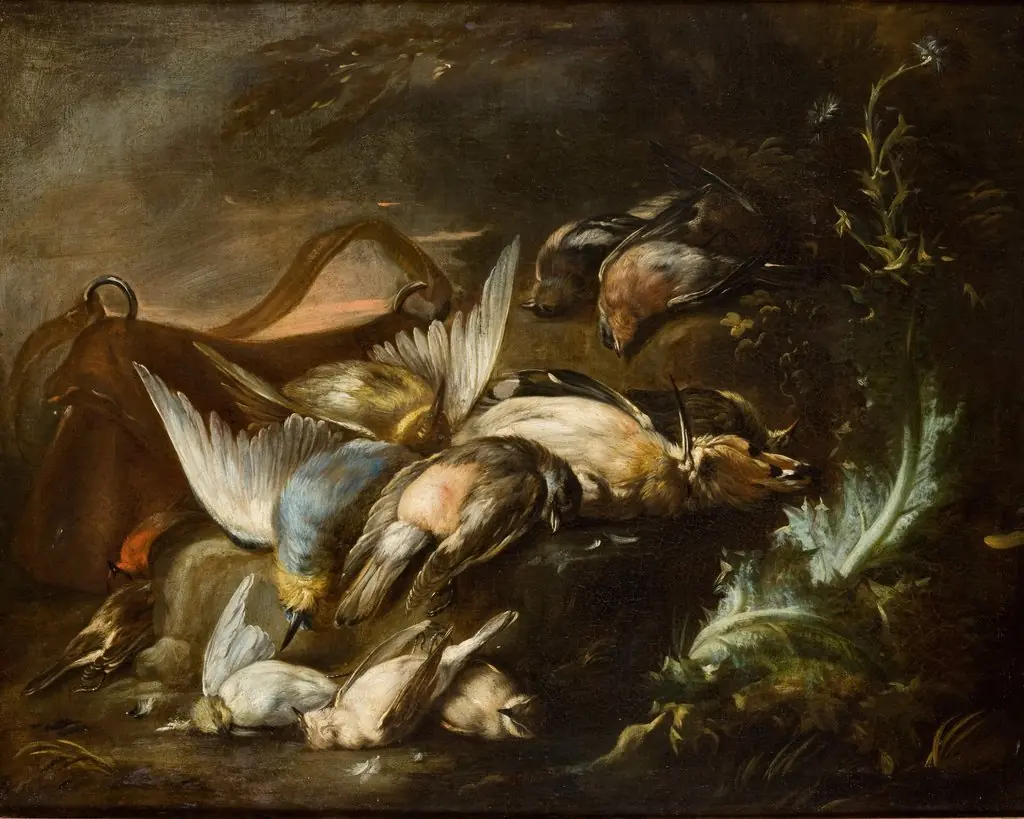 Portrait of a Woman with a Photograph of a Man
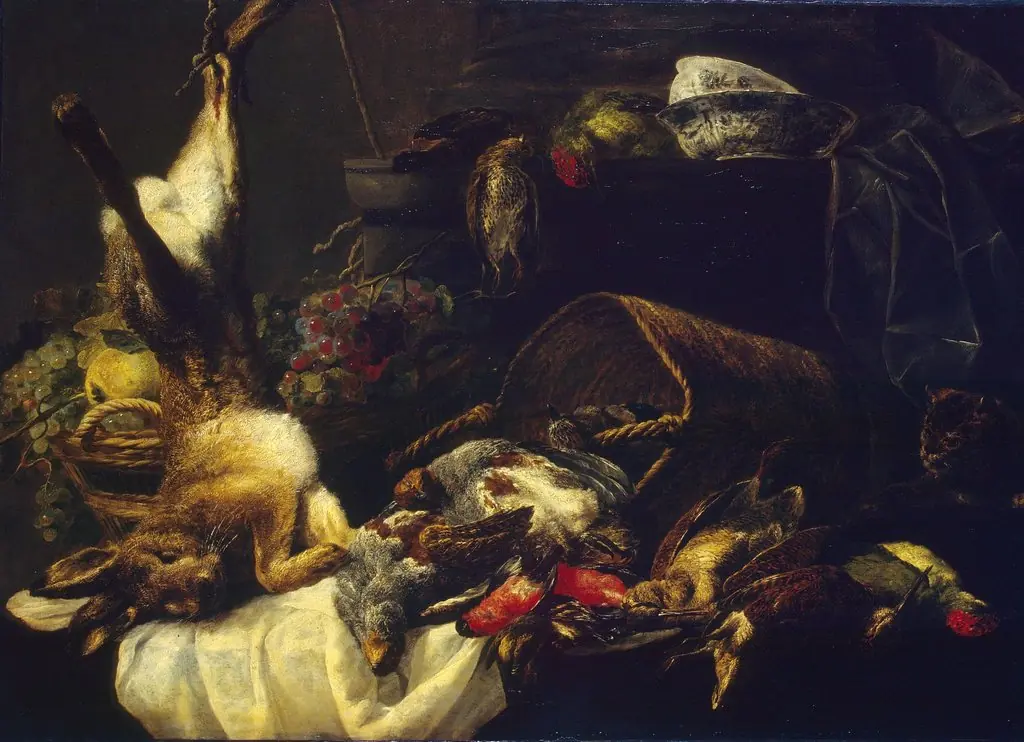 Dead Game
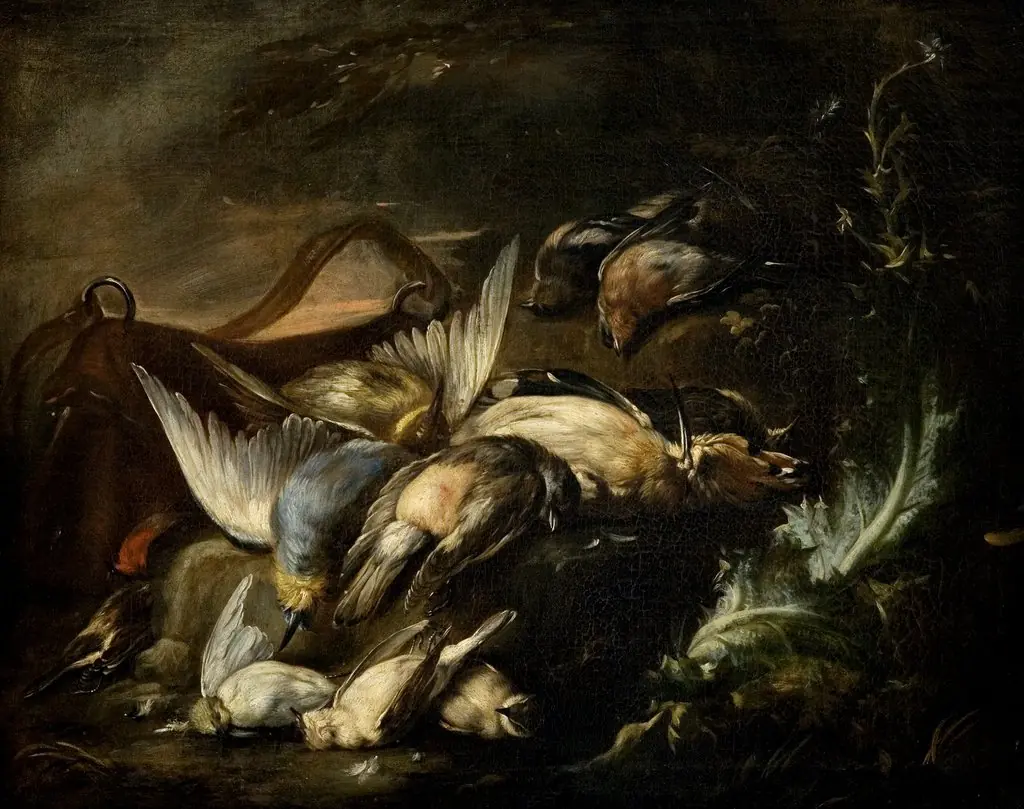 Still Life
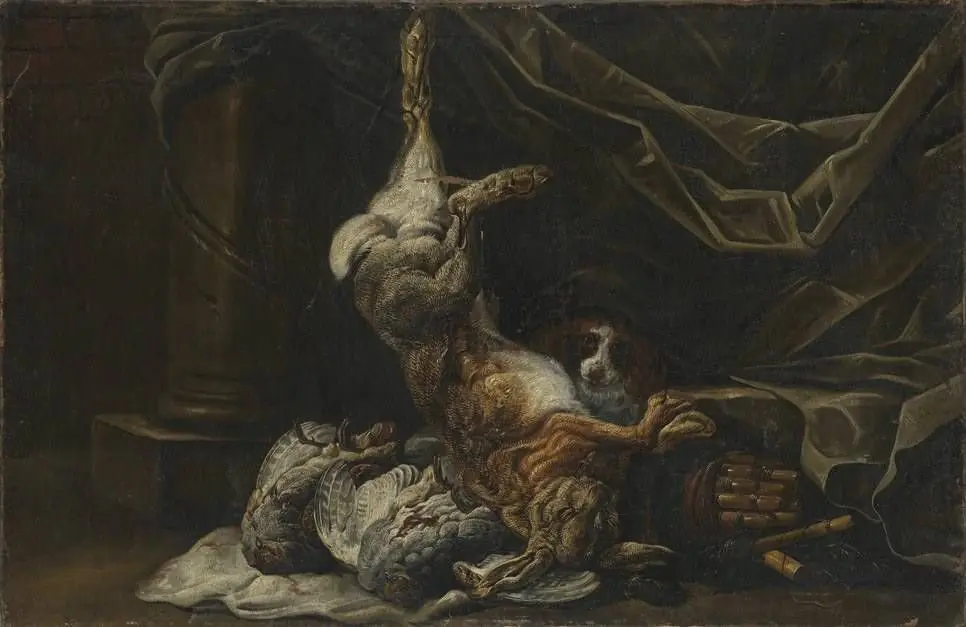 Hunting still life with a hare and two partridges
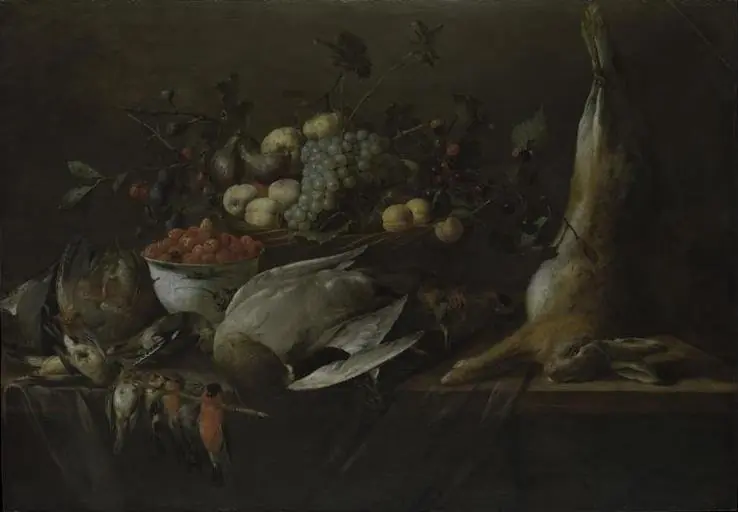 Still Life of Fruit and Game
 Hunting still life with wolf