Artwork
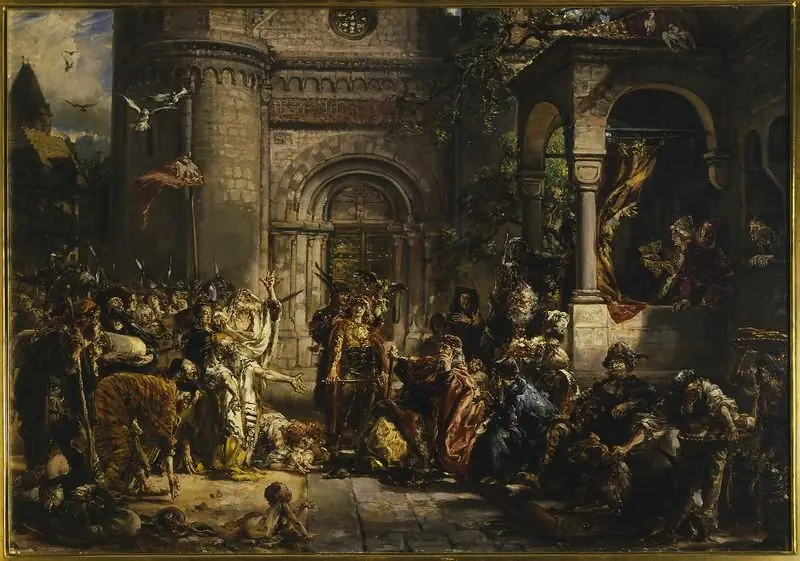
Boleslaw the Brave with Svyatopolk at the Golden Gate in Kiev
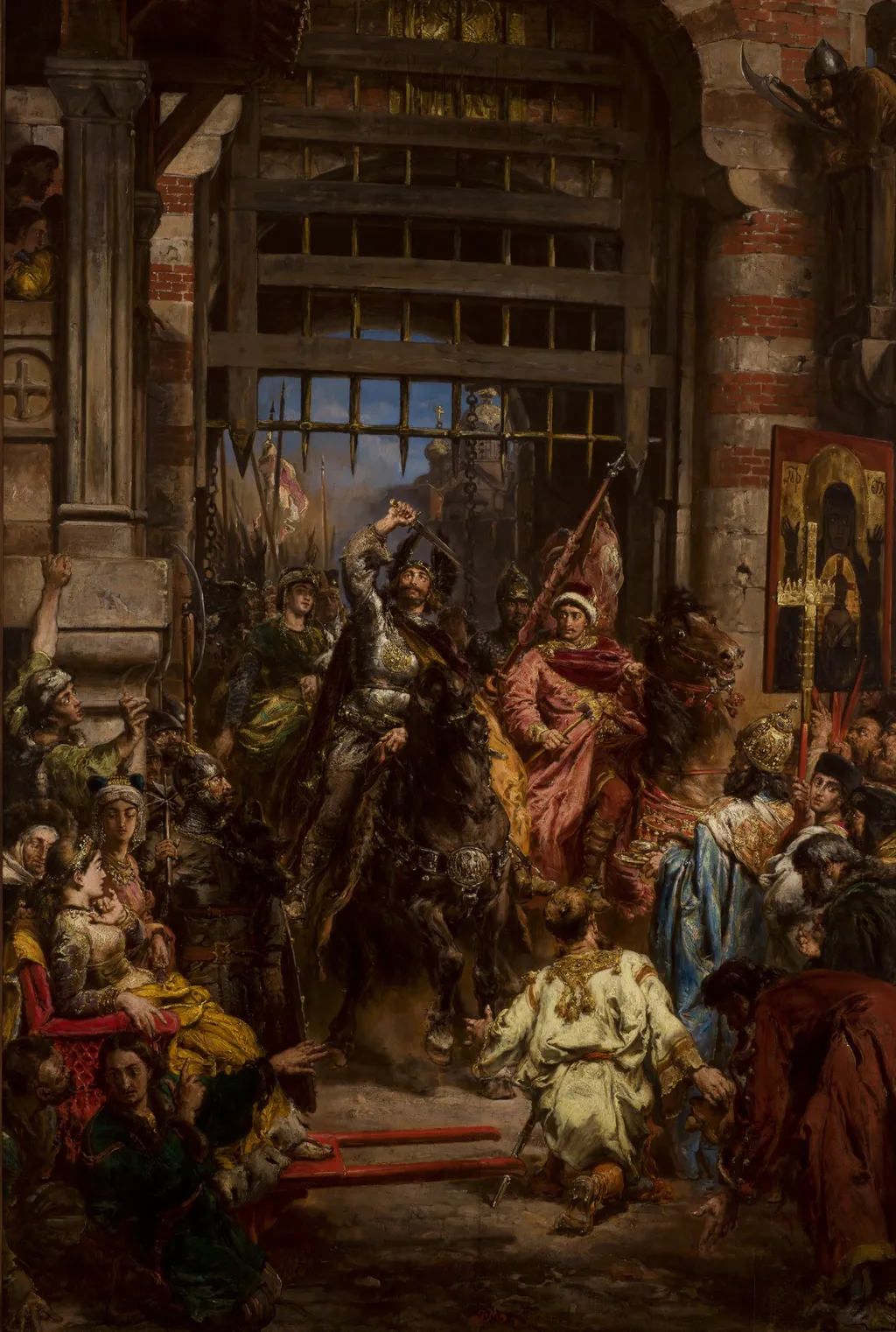
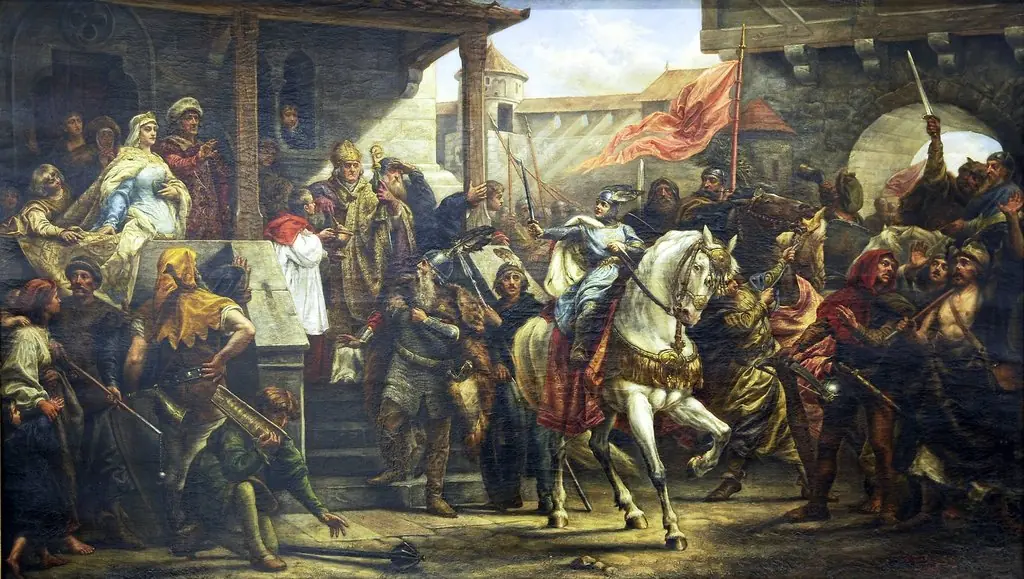
Boleslaw the Brave with Svyatopolk at the Golden Gate in Kiev is an oil painting by the Realist artist Jan Matejko. It dates from 1892 and is held in the collection of the National Museum in Kraków.
About this work
Overview
Jan Matejko’s 1892 oil painting captures a moment of political negotiation between Bolesław I the Brave of Poland and Sviatopolk I of Kiev at the Golden Gate, a symbolic entrance to the Kievan capital. Created during a period of heightened national consciousness in partitioned Poland, the work reflects Matejko’s commitment to visualizing key episodes from Slavic history with scholarly precision and emotional gravity.
Subject & Meaning
Matejko frames the moment not as triumph but as fragile diplomacy, emphasizing the weight of succession and power in medieval Eastern Europe.
The scene portrays Bolesław’s intervention in a dynastic struggle following the death of Vladimir the Great. Sviatopolk, accused of murdering his brothers, seeks legitimacy through alliance with the Polish ruler. The gathering at the gate—figures kneeling, standing, and gesturing—suggests a tense, uncertain truce. Matejko frames the moment not as triumph but as fragile diplomacy, emphasizing the weight of succession and power in medieval Eastern Europe.
Technique & Style
Matejko employs oil paint with meticulous detail to render textures of armor, fabric, and stone. Strong chiaroscuro isolates key figures against shadowed backgrounds, heightening psychological tension. The composition directs attention to the central figures through diagonal lines and contrasting postures, while the background architecture anchors the scene in a historically plausible Kiev. His approach aligns with Realism’s emphasis on factual accuracy over romantic idealization.
History & Provenance
Completed in 1892, the painting entered the collection of the National Museum in Kraków shortly after its creation. It was part of Matejko’s broader project to construct a visual chronicle of Polish history during a time when the nation lacked political sovereignty. The work remained in Kraków throughout the 20th century, surviving wartime displacement and institutional reorganization, and continues to be displayed as a core piece of the museum’s historical collection.
Context
Matejko painted this during the Partitions of Poland, when national identity was preserved through cultural memory. His historical scenes served as subtle acts of resistance, invoking past sovereignty and Slavic unity. The choice of a Kievan episode—linking Polish and East Slavic rulers—reflected contemporary interest in shared heritage, even as imperial powers sought to erase such connections from public consciousness.
Legacy
The painting remains a reference point for interpretations of medieval Polish-Kievan relations. While later historians have questioned the accuracy of the specific encounter, Matejko’s depiction endures as a powerful cultural artifact of 19th-century historical imagination. It influenced subsequent generations of Polish artists and educators who used visual history to sustain national identity under foreign rule.
Own this work as a print
Artist & collection
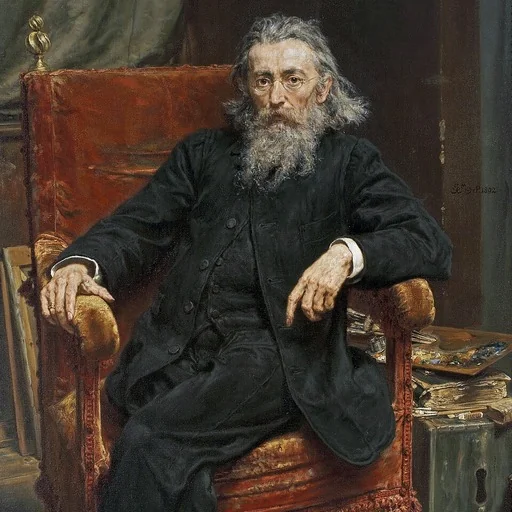
Artist
Jan Alojzy Matejko (Polish pronunciation: ; also known as Jan Mateyko; 24 June 1838 – 1 November 1893) was a Polish painter, a leading 19th-century exponent of history painting, known for depicting nodal events from Polish history.

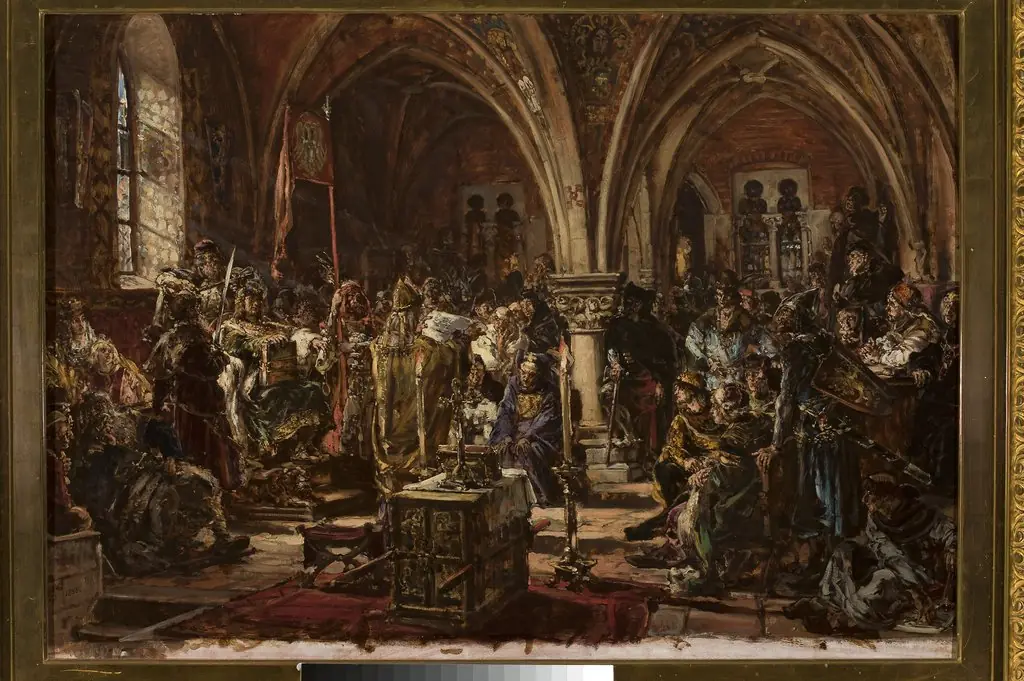 The First Parliament in Łęczyca, from the series “History of Civilization in Poland”
 Władysław Herman blesses Bolesław the Wry-Mouthed before a war campaign
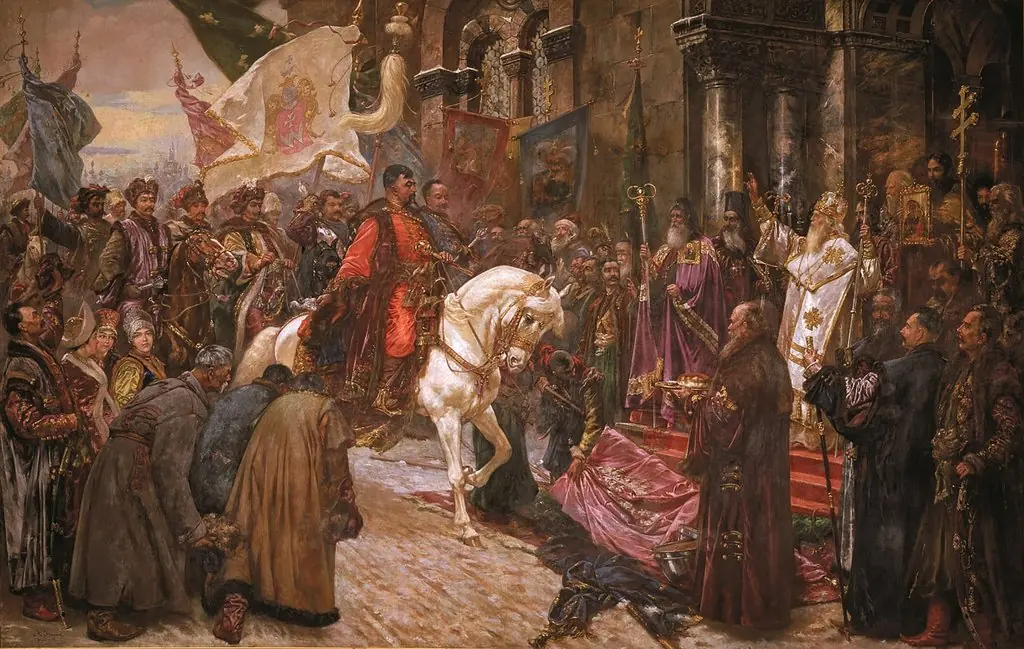 В'їзд Богдана Хмельницького до Києва 1649 року
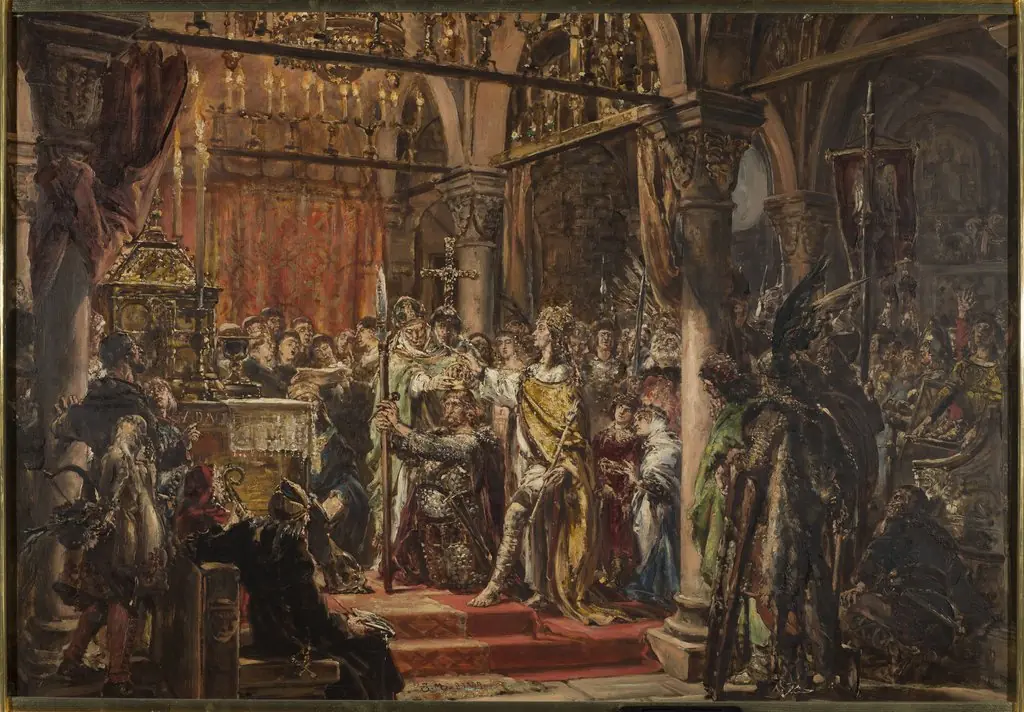 Coronation of the First King, 1001 AD, from the series “History of Civilization in Poland”
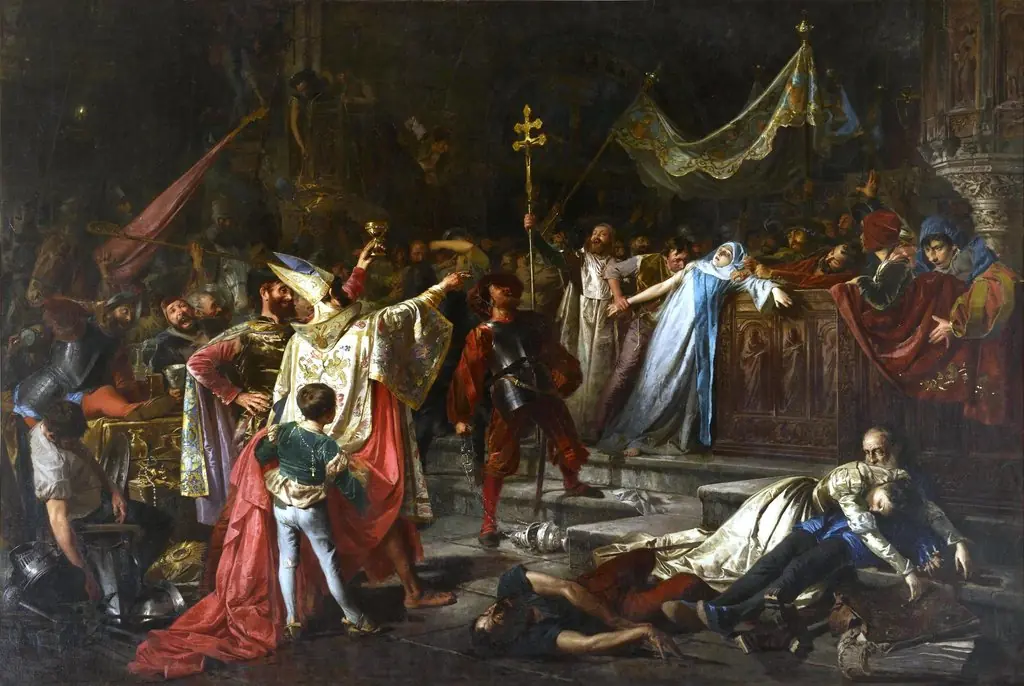 The Sack of Rome
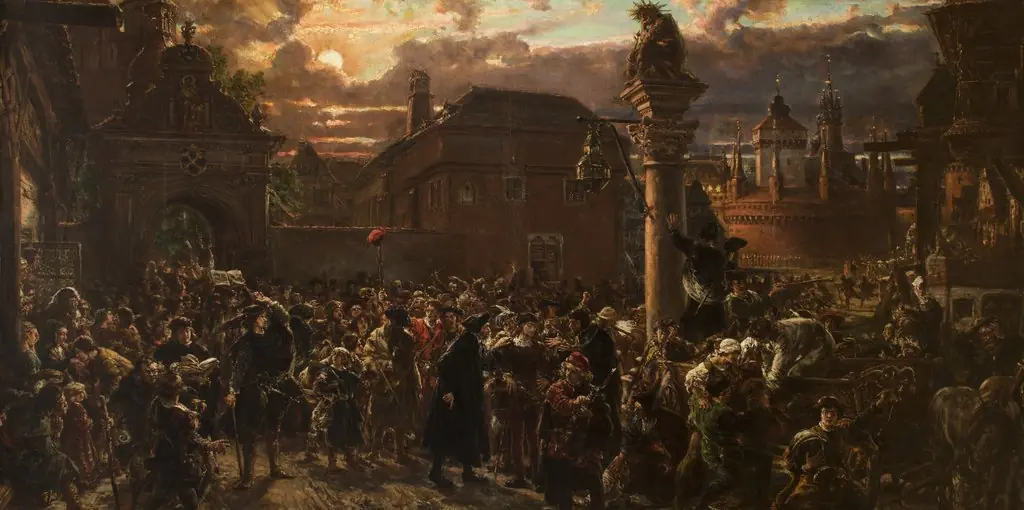 Students Leaving Krakow in 1549
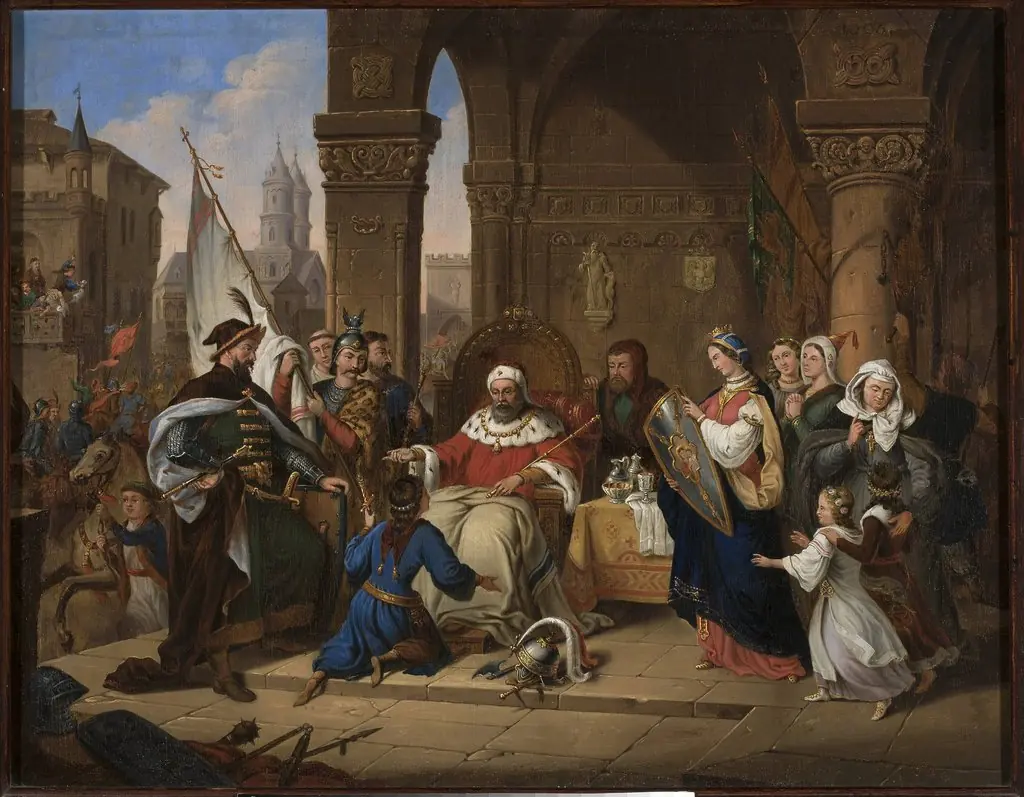 Youth of Bolesław the Wry-Mouthed
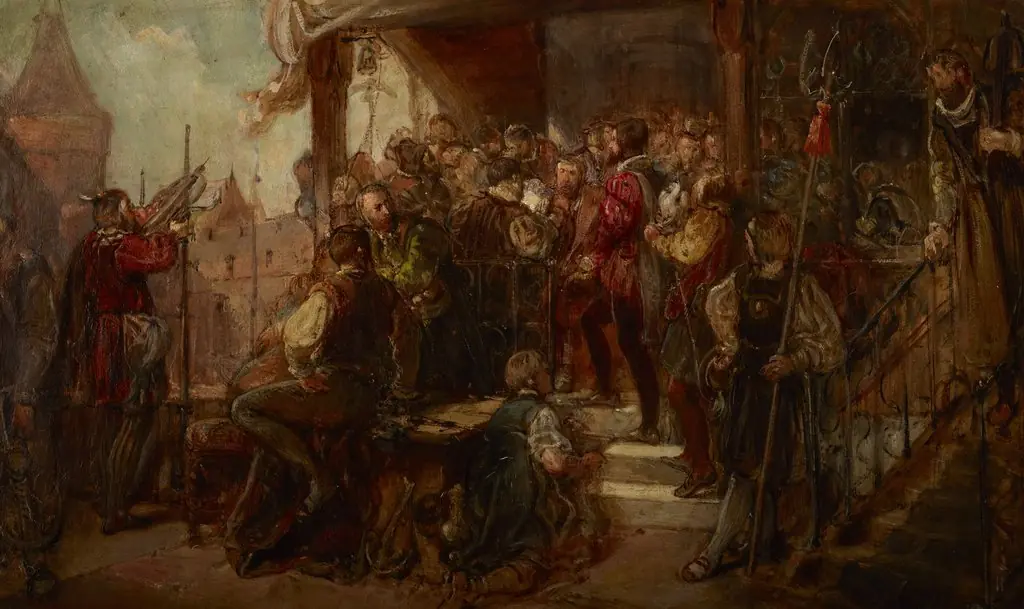 Presenting the Fowler to the Fowler Brotherhood (Sketch)
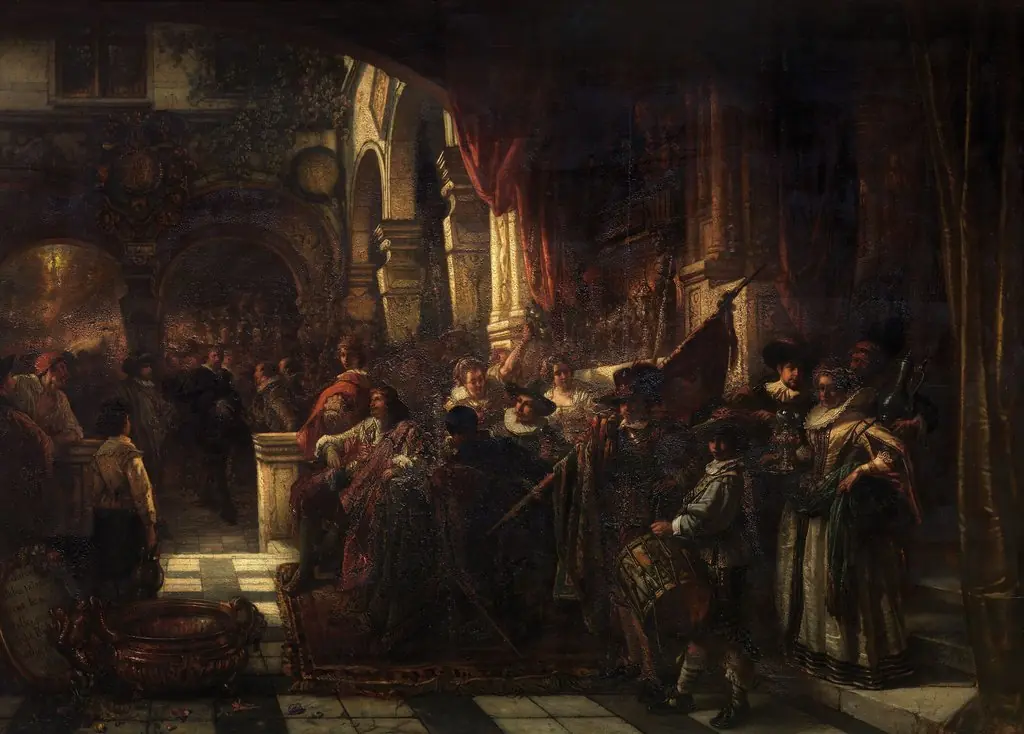 The Reception of Peter Paul Rubens by the Antwerp Arquebusiers
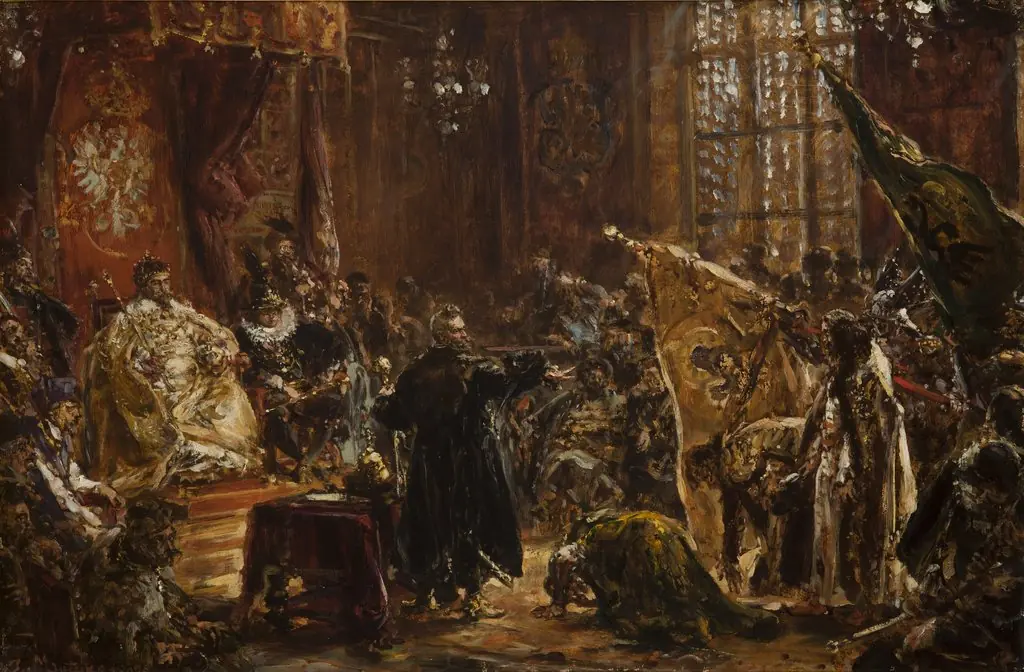 Tsars Shuyski brought by Żółkiewski to the Warsaw Sejm in front of Zygmunt III