Artwork
Wniebowzięcie Najświętszej Marii Panny
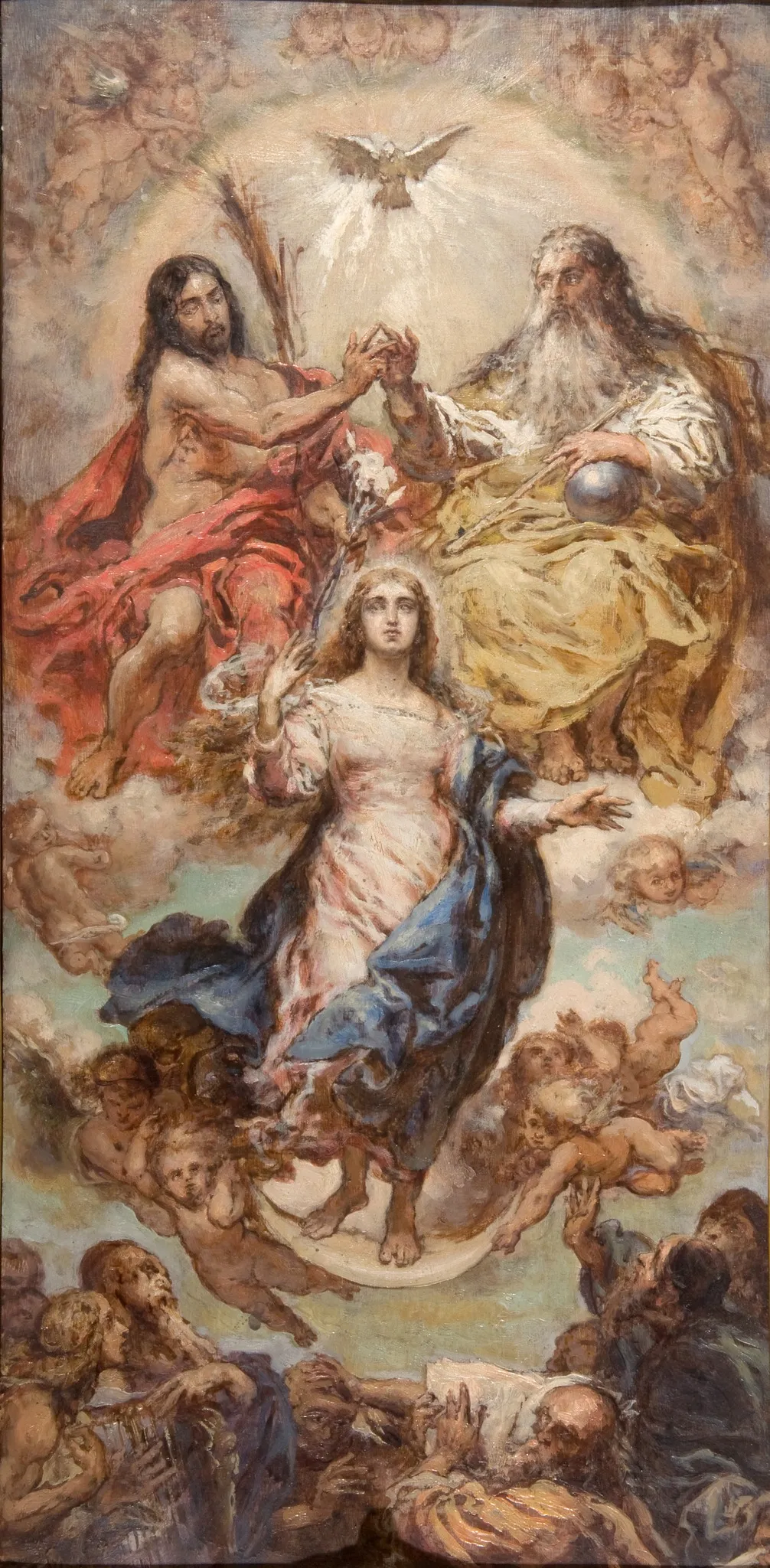
Wniebowzięcie Najświętszej Marii Panny is an oil painting by Jan Matejko. It dates from 1875 and is held in the collection of the National Museum in Kraków.
About this work
Overview
It resides in the National Museum in Kraków and represents one of the artist’s rare large-scale religious works.
Painted in 1875 by Jan Matejko, this oil on canvas depicts the Assumption of the Virgin Mary. It resides in the National Museum in Kraków and represents one of the artist’s rare large-scale religious works. While Matejko is primarily recognized for historical scenes of Polish statehood, this painting reveals his engagement with sacred iconography, executed with the same compositional gravity and attention to detail found in his more famous narratives.
Subject & Meaning
The painting illustrates the Virgin Mary ascending to heaven, surrounded by apostles and divine figures. She is centrally positioned in white and blue garments, flanked by two male figures: one in red, likely Saint Peter, and another in yellow, possibly Saint John. Above, a dove symbolizes the Holy Spirit. The scene conveys theological certainty and spiritual elevation, aligning with Catholic doctrine while reflecting the devotional culture of 19th-century Poland.
Technique & Style
Matejko employs precise brushwork and layered glazes to achieve rich color saturation and luminous skin tones. The composition is symmetrical, guiding the eye toward the Virgin’s ascending form. Light falls softly from above, modeling the figures with subtle chiaroscuro and enhancing the ethereal quality of the celestial setting. The clouds and sky are rendered with delicate gradations, creating depth without distraction from the central group.
History & Provenance
Commissioned for a religious context, the painting entered the collection of the National Museum in Kraków shortly after its completion. It remained relatively less discussed than Matejko’s historical canvases, perhaps due to its devotional focus in a period dominated by nationalist themes. Its provenance is well-documented, with no significant changes in ownership since the late 19th century.
Context
In the 1870s, Poland remained partitioned, and religious imagery served as a subtle vessel for cultural identity. Matejko, though known for secular history, turned to sacred subjects during a time when the Church offered a space for collective memory. This work reflects a broader trend among Polish artists who blended Catholic tradition with national sentiment, using religious narratives to affirm continuity amid political fragmentation.
Legacy
Though overshadowed by Matejko’s battle scenes and royal portraits, this painting remains a significant example of his versatility. It demonstrates his ability to adapt his academic style to devotional themes without sacrificing formal rigor. Art historians note its role in bridging Polish historical painting with ecclesiastical art, preserving a visual language of faith during a period of national upheaval.
Artist & collection
Artist
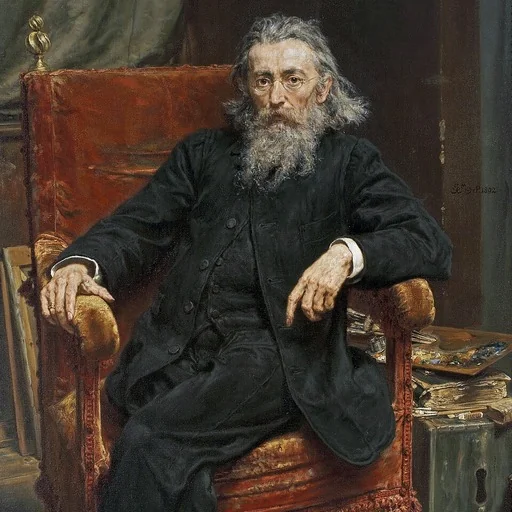
Jan Alojzy Matejko (Polish pronunciation: ; also known as Jan Mateyko; 24 June 1838 – 1 November 1893) was a Polish painter, a leading 19th-century exponent of history painting, known for depicting nodal events from Polish history.

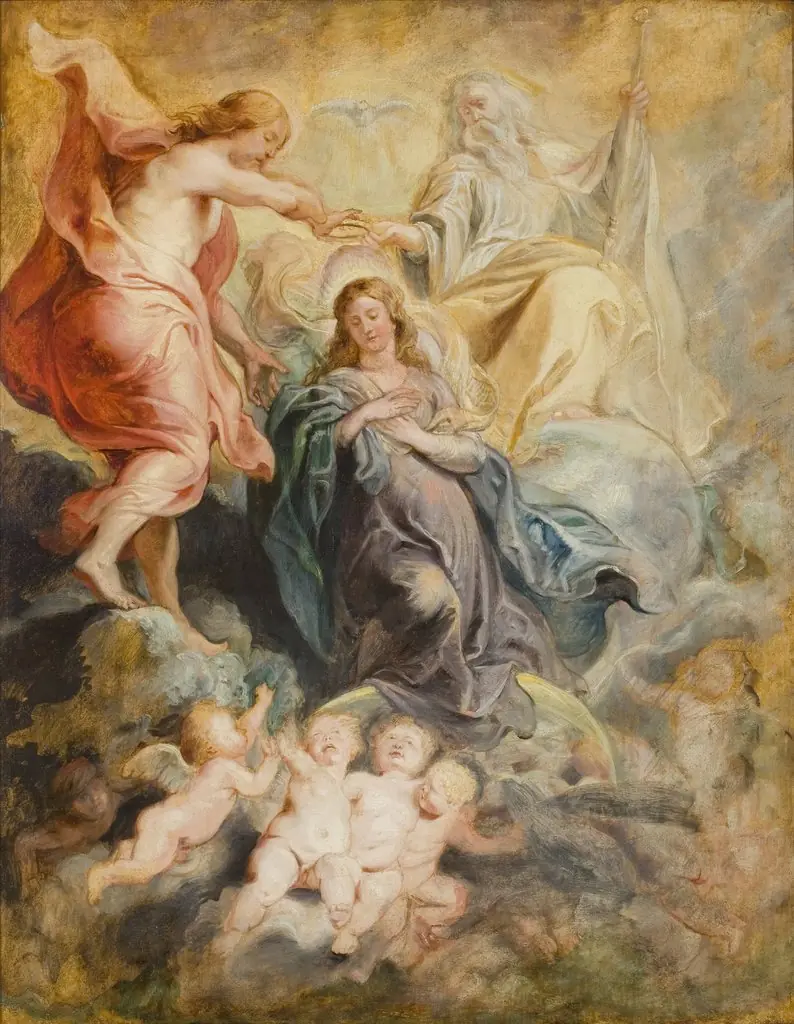 Coronation of the Virgin
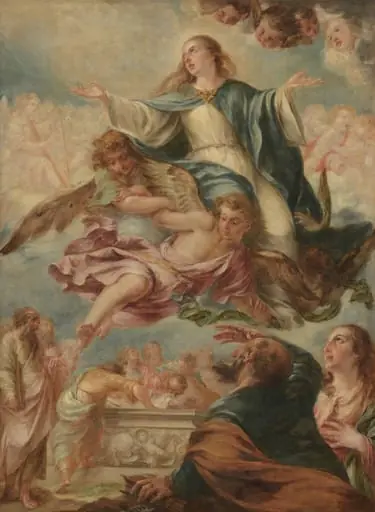 The Assumption of the Virgin
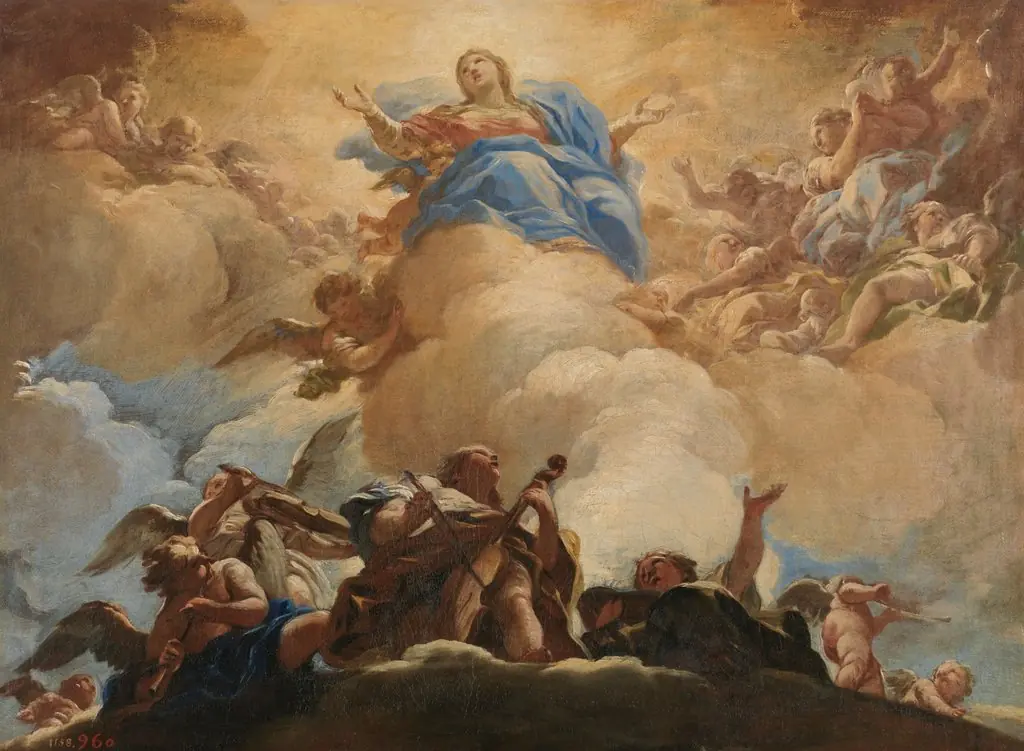 The Assumption of the Virgin
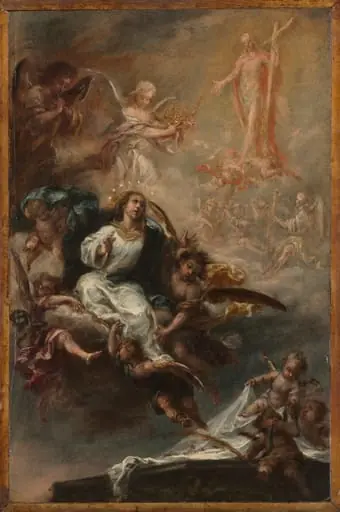 Study for "The Assumption of the Virgin" for San Augustín, Seville
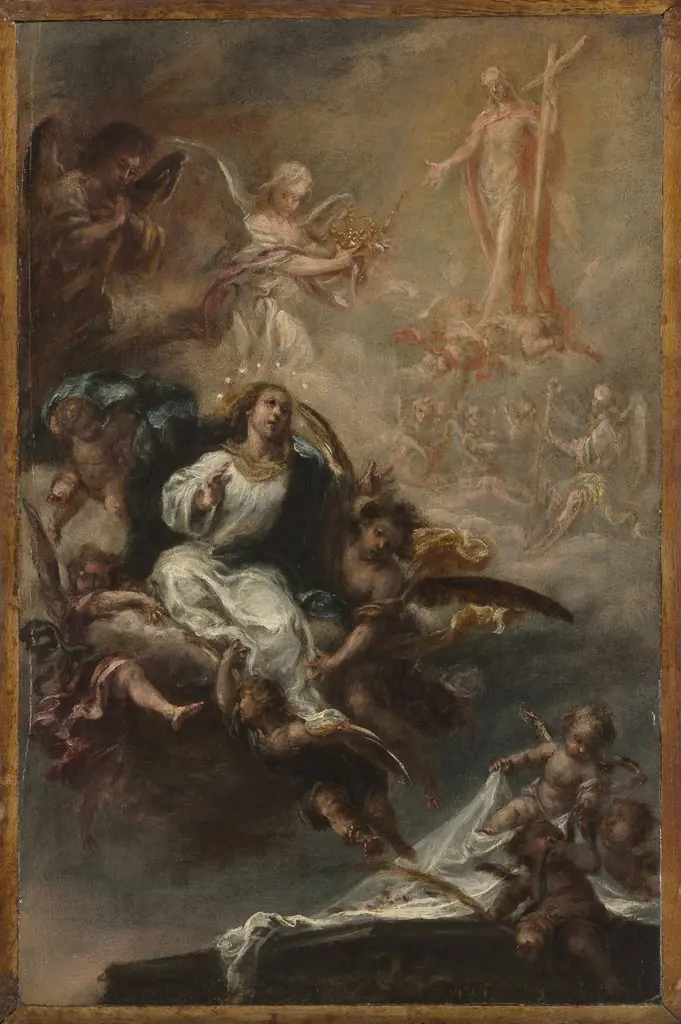 Study for "The Assumption of the Virgin" for San Augustín, Seville
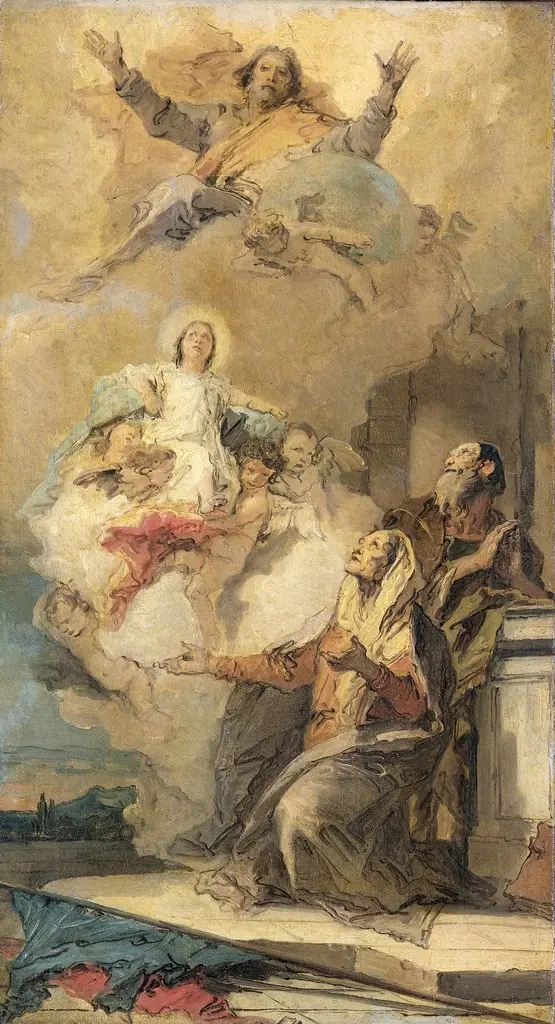 The Immaculate Conception (Joachim en Anna receiving the Virgin Mary from God the Father)
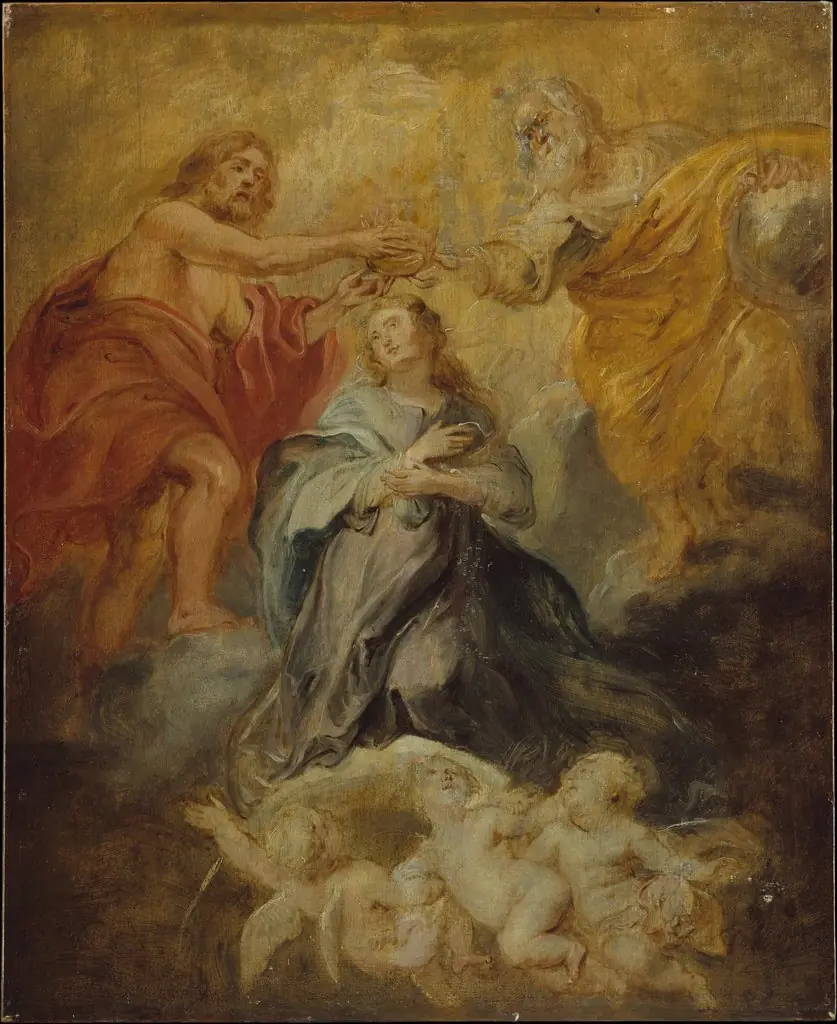 The Coronation of the Virgin
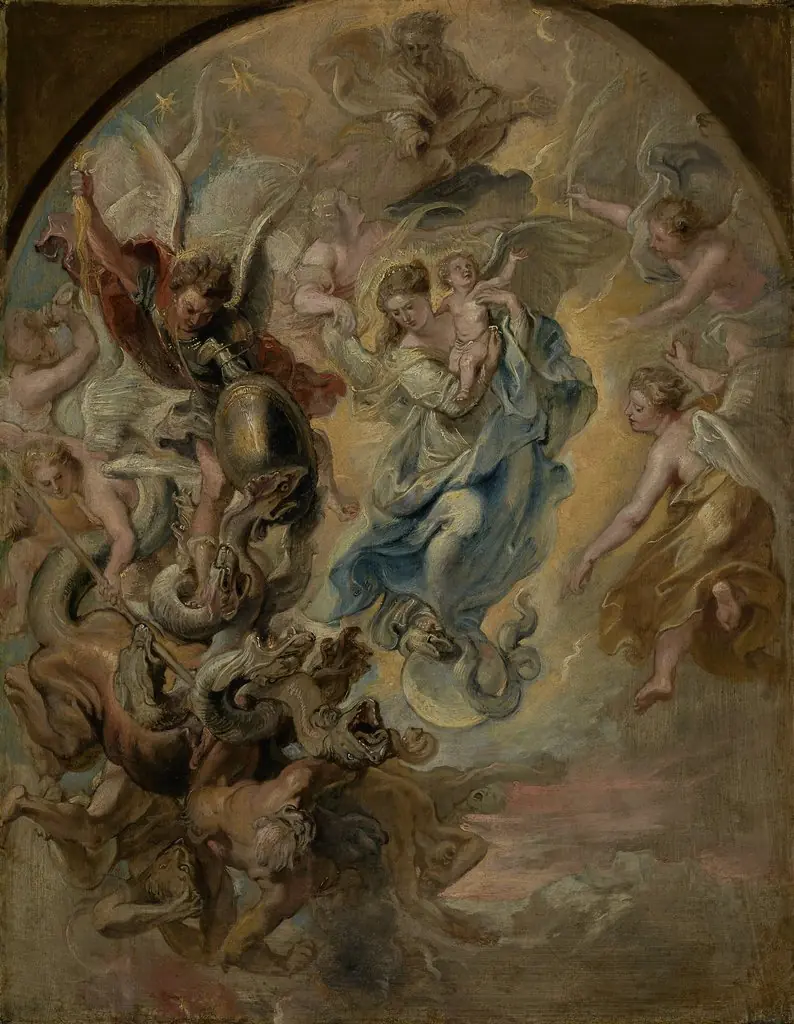 The Virgin as the Woman of the Apocalypse
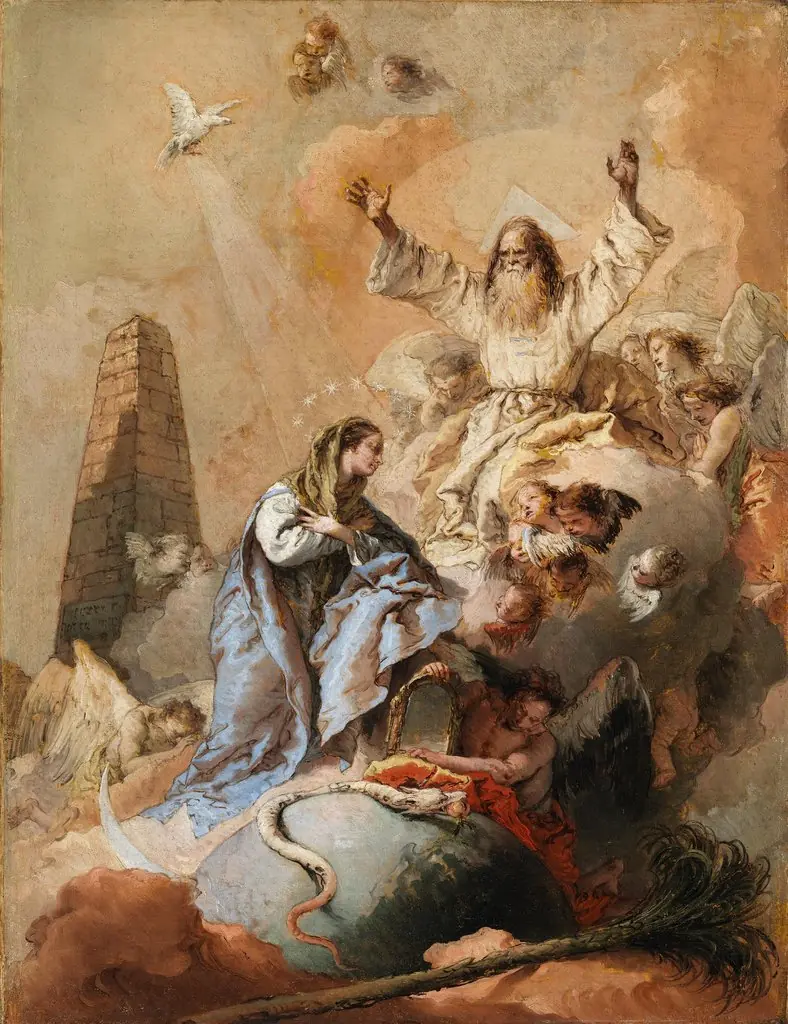 Allegory of the Immaculate Conception
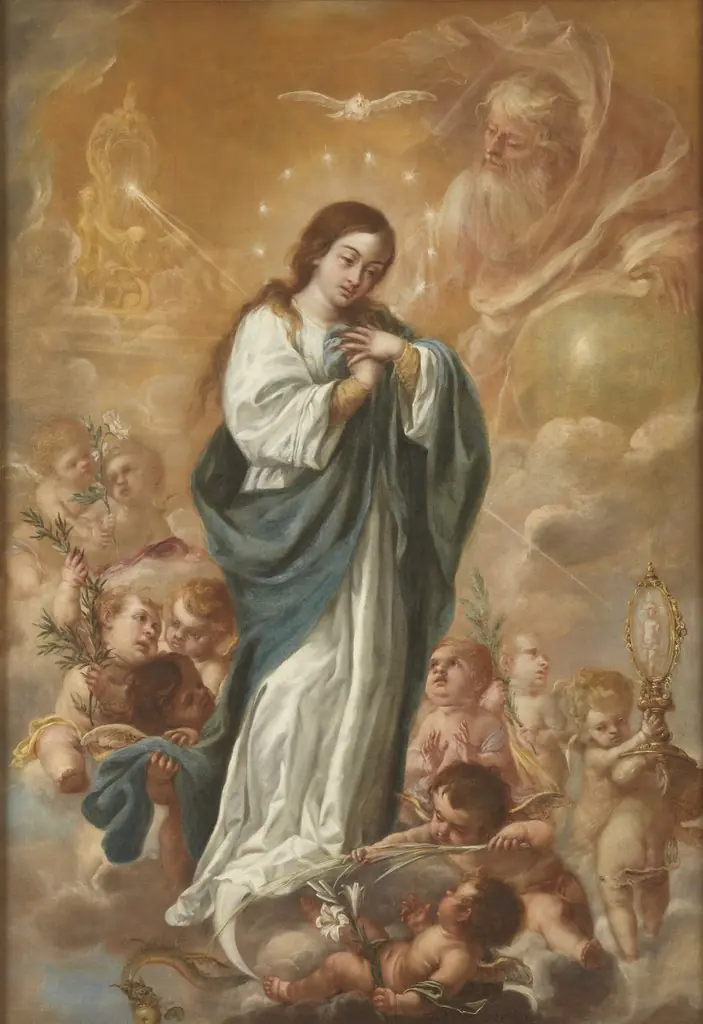 Immaculate Conception
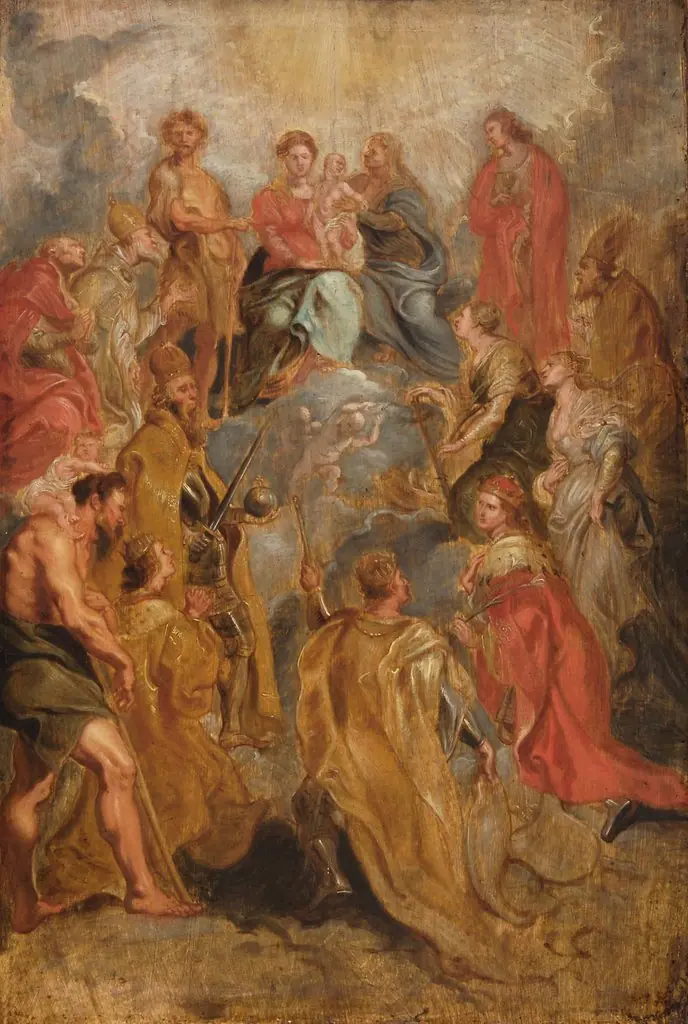 Madonna and Child with Saint Anne
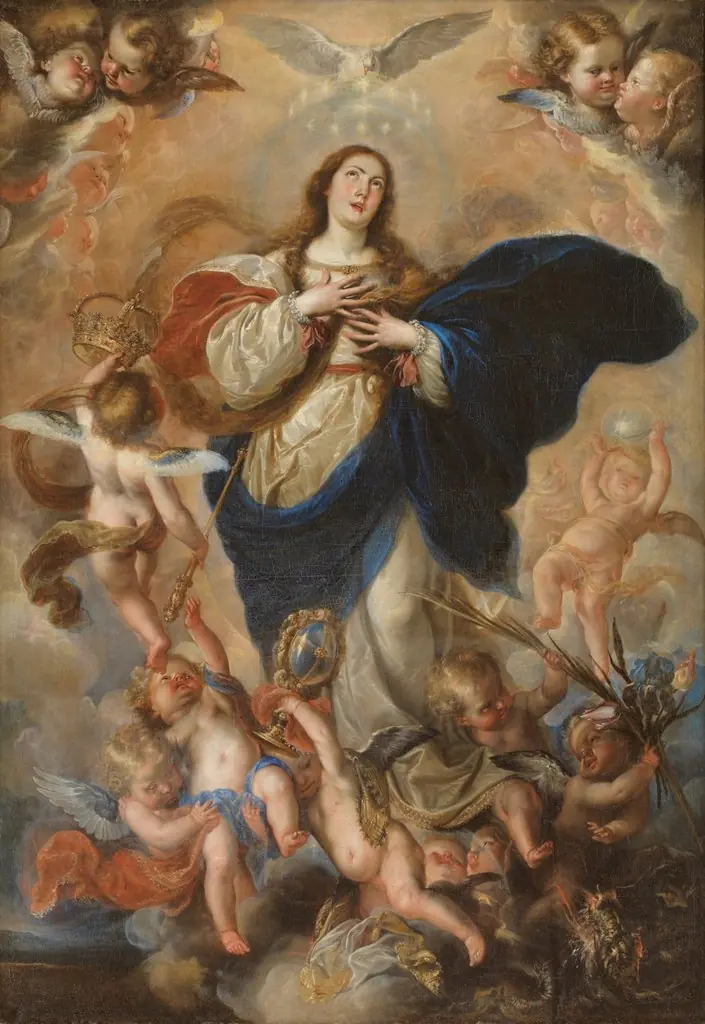 Immaculate Conception