Artwork
The Immaculate Conception (Joachim en Anna receiving the Virgin Mary from God the Father)
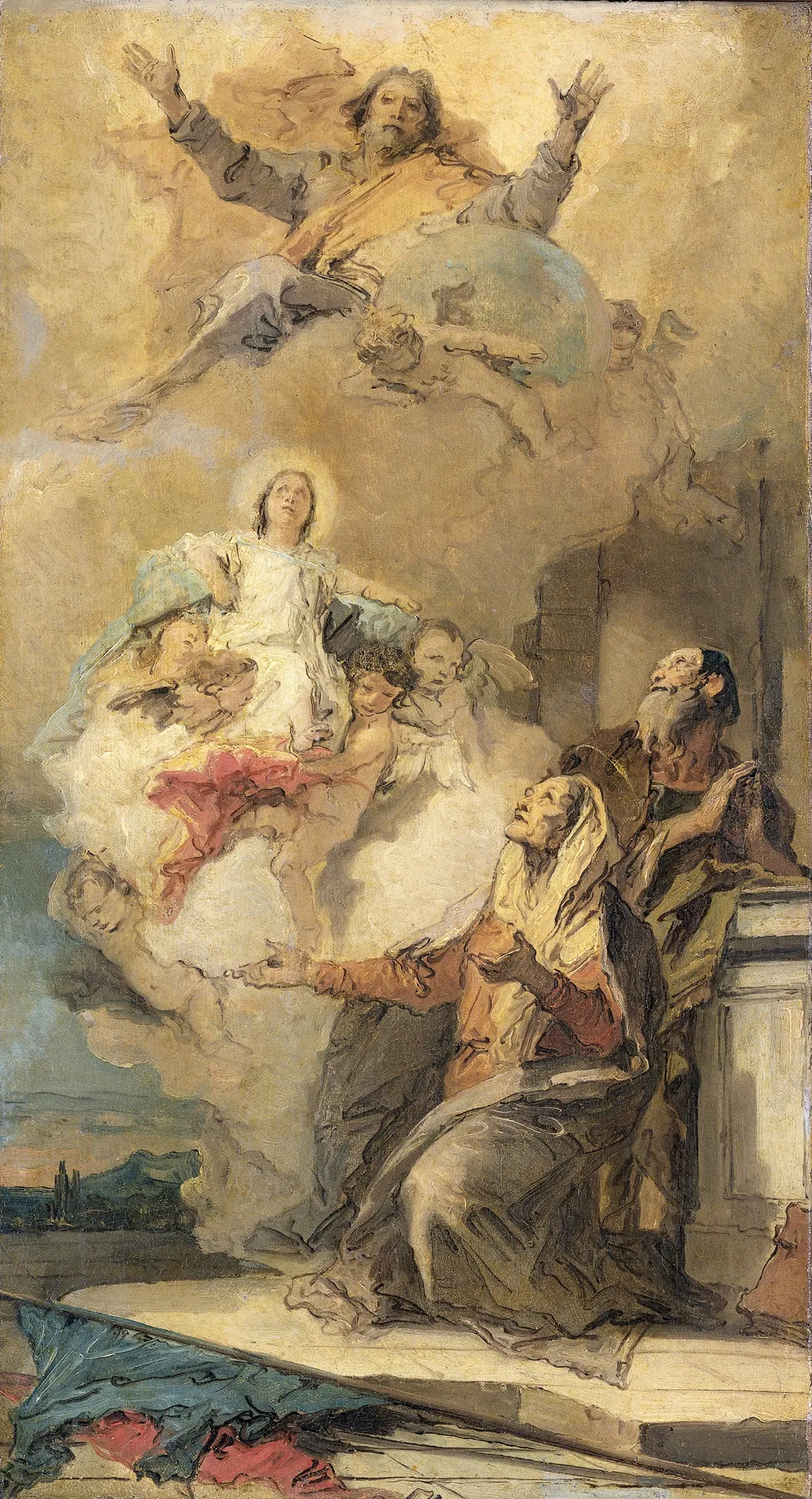
The Immaculate Conception (Joachim en Anna receiving the Virgin Mary from God the Father) is an oil painting by the Rococo painting artist Giovanni Battista Tiepolo. It dates from 1757 and is held in the collection of the Rijksmuseum.
About this work
Overview
Giovanni Battista Tiepolo’s oil on canvas, painted in 1757, depicts a celestial encounter titled The Immaculate Conception (Joachim and Anna receiving the Virgin Mary from God the Father). The work belongs to the Rococo period and is part of the Rijksmuseum’s collection in Amsterdam.
Subject & Meaning
The composition presents the divine Father extending his arms from the heavens, offering the infant Mary to the expectant parents, Joachim and Anna, who kneel below. The Virgin hovers between them, surrounded by cherubic figures, symbolising the moment of divine grace and the theological concept of Mary’s sinless birth.
Technique & Style
Tiepolo employs a light, airy palette of pale blues, creams and subdued reds, while the brushwork remains fluid and dynamic, especially in the swirling clouds. The figures appear to float, creating a sense of movement that reflects the Rococo’s preference for elegance, grace and atmospheric illusion.
History & Provenance
Created in the mid‑18th century, the painting entered the Rijksmuseum’s holdings as part of its European art acquisitions. Its provenance traces back to private collections in Italy before being acquired by the Dutch national museum, where it remains on display as an example of Tiepolo’s religious oeuvre.
Own this work as a print
Artist & collection

Artist
Giovanni Battista Tiepolo, also known as Giambattista Tiepolo, was an Italian painter and printmaker from the Republic of Venice who painted in the Rococo style, considered an important member of the 18th-century Venetian school.


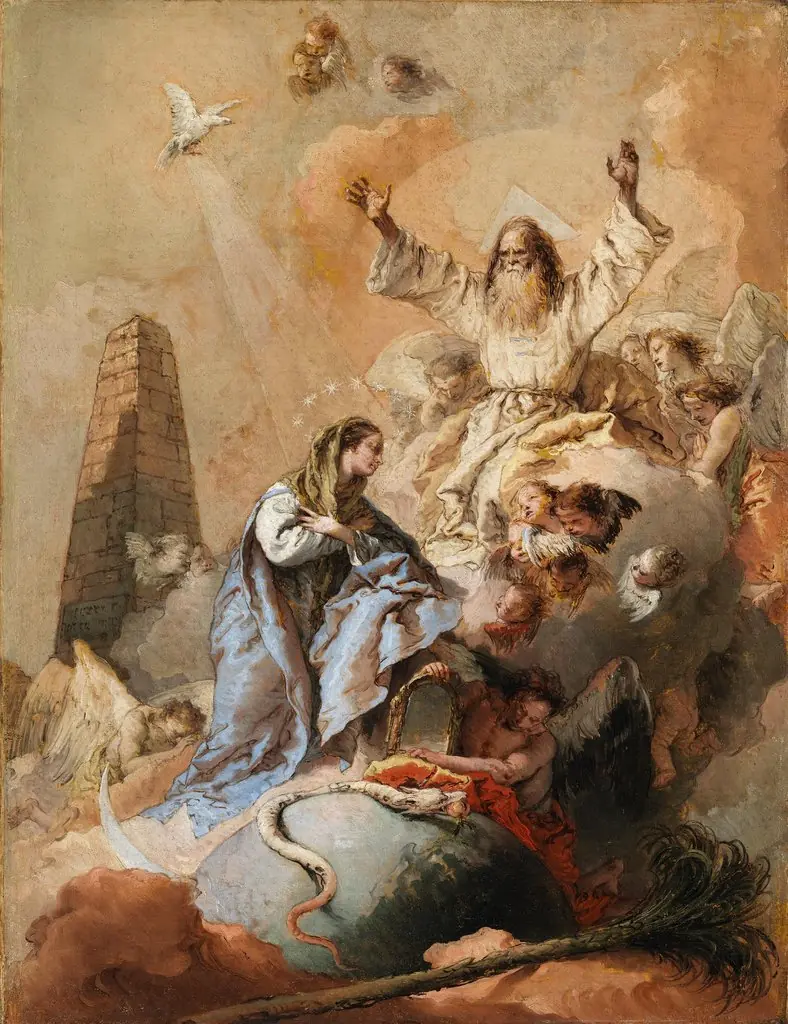 Allegory of the Immaculate Conception
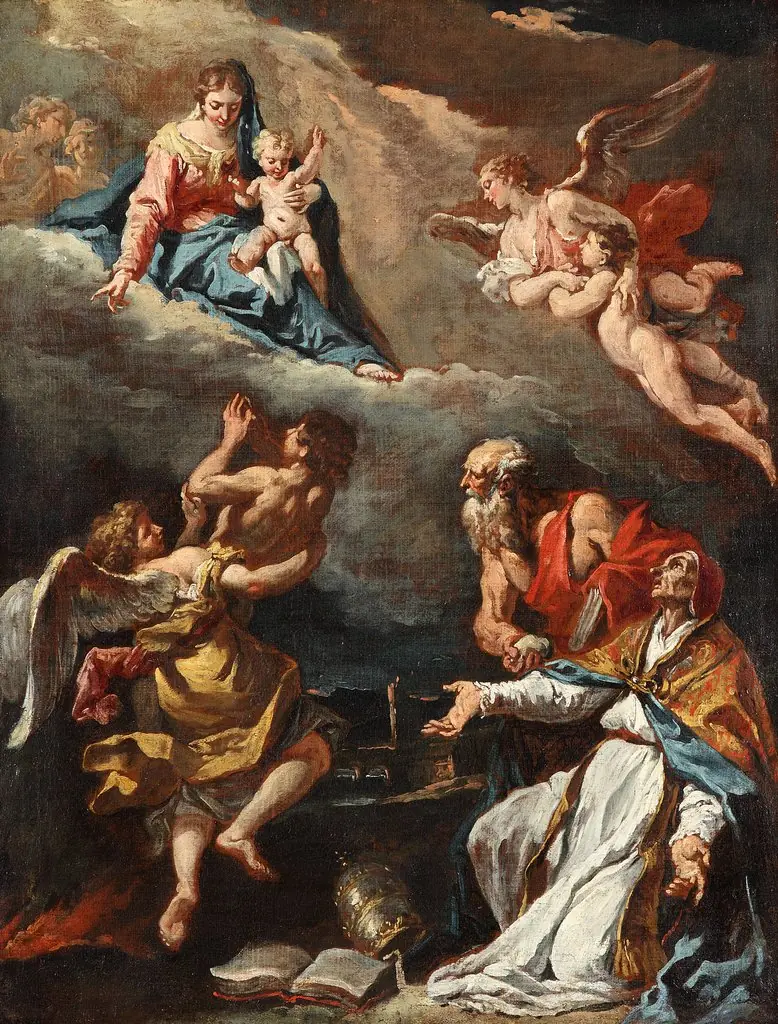 Die Fürbitte des Heiligen Gregor für die Seelen im Fegefeuer
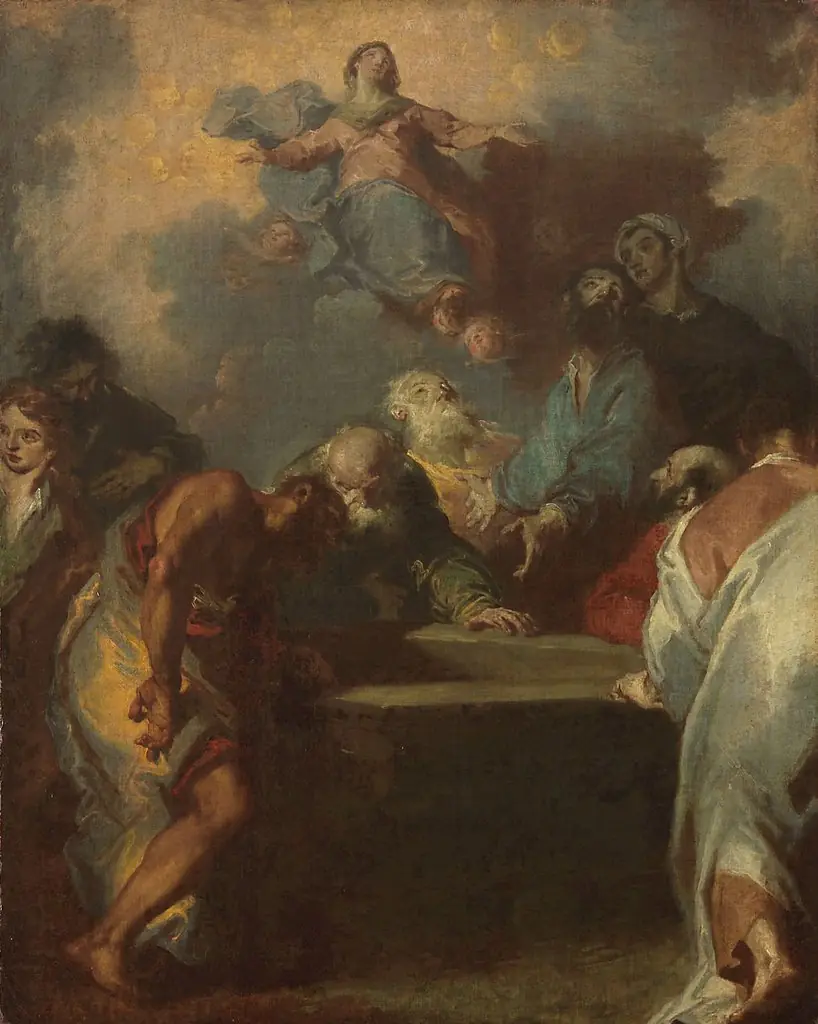 Himmelfahrt Mariae
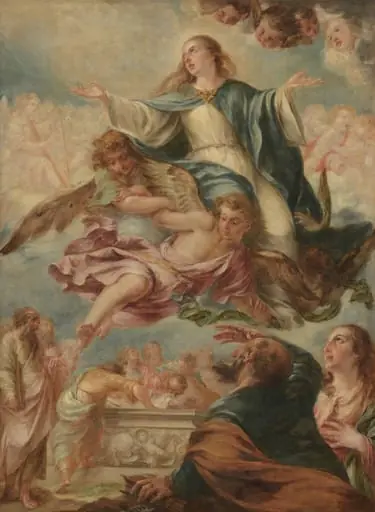 The Assumption of the Virgin
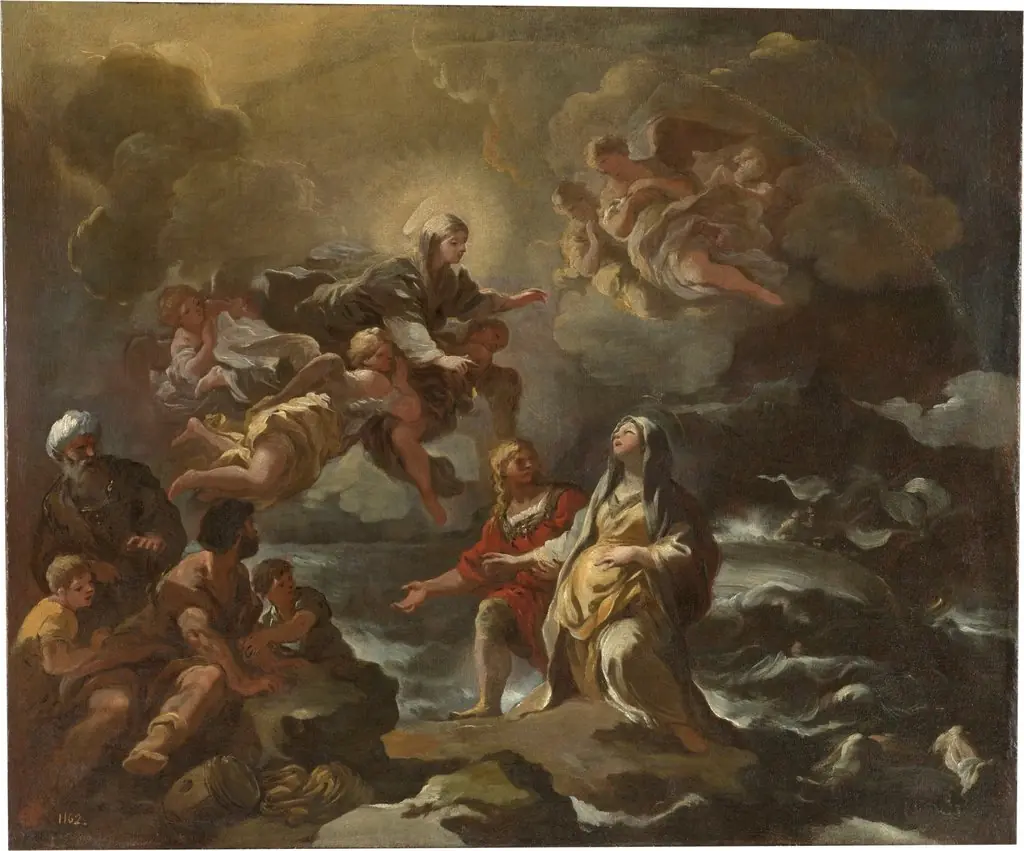 Saint Bridget saved from a shipwreck by the Virgin Mary
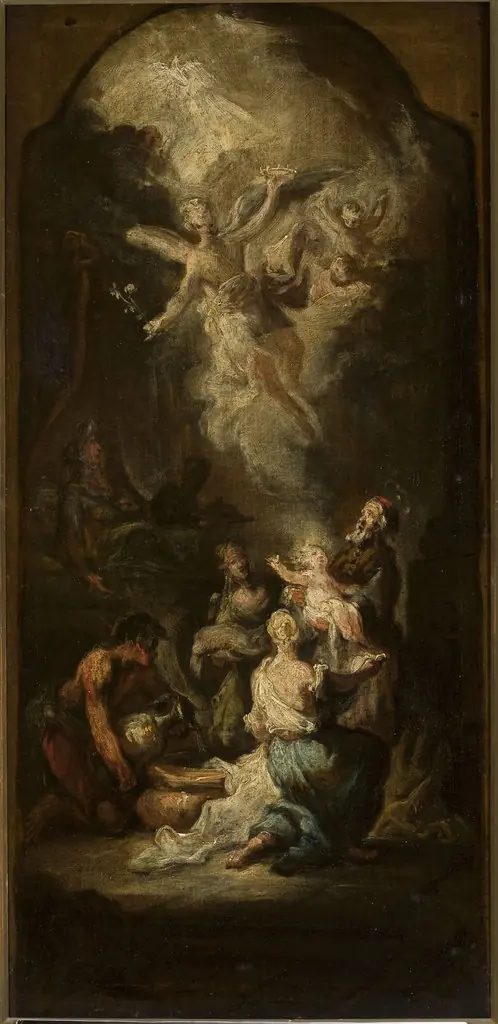 Nativity of St. John
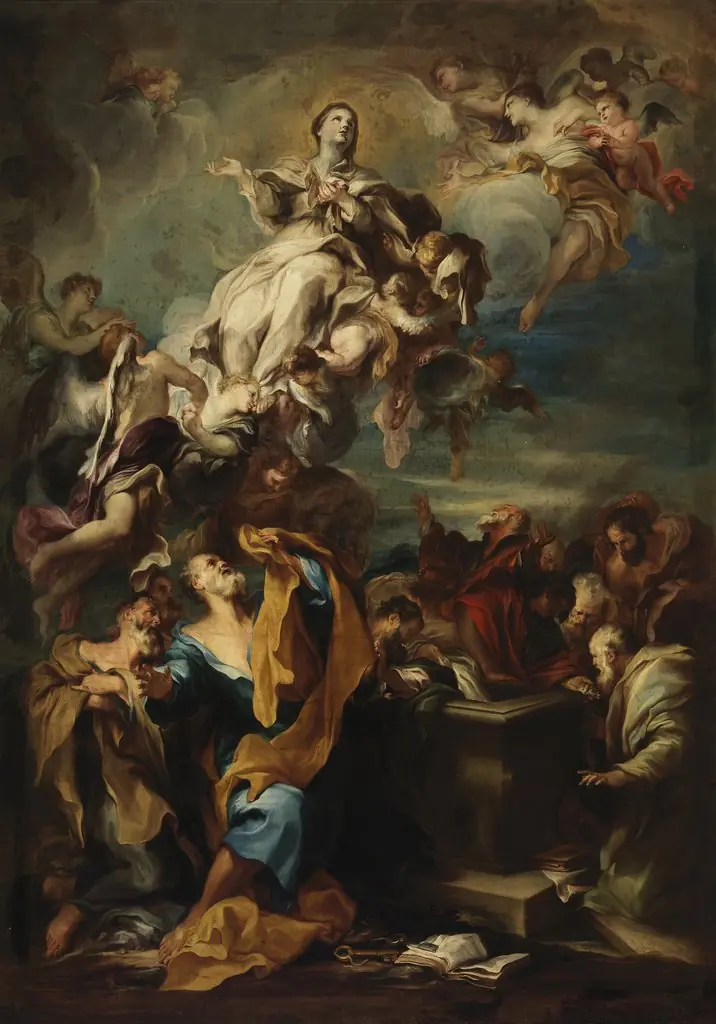 The Assumption of the Virgin
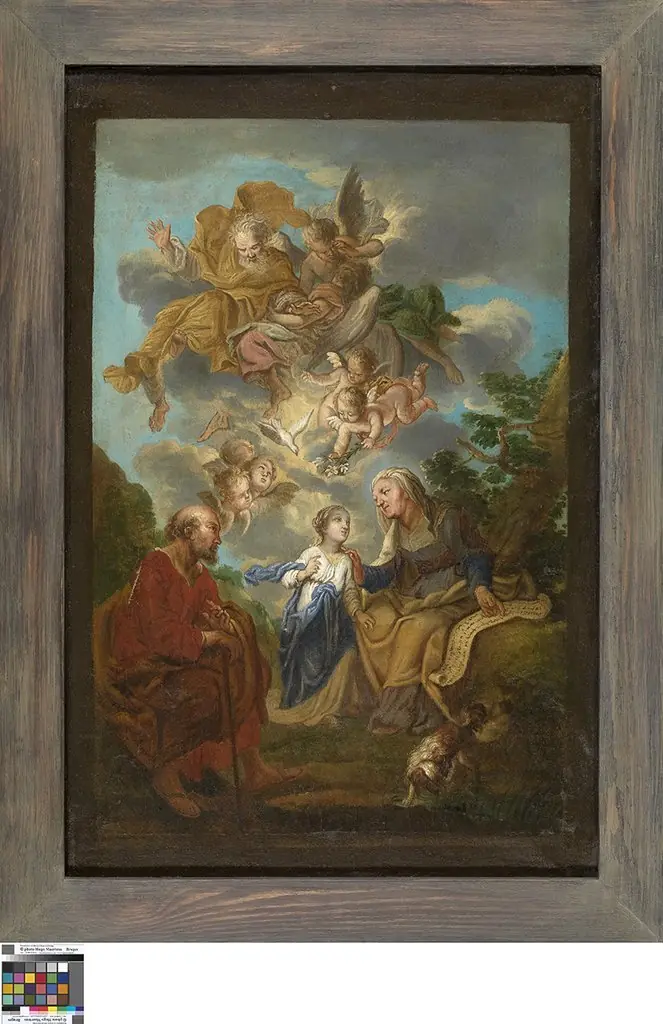 Education of Mary
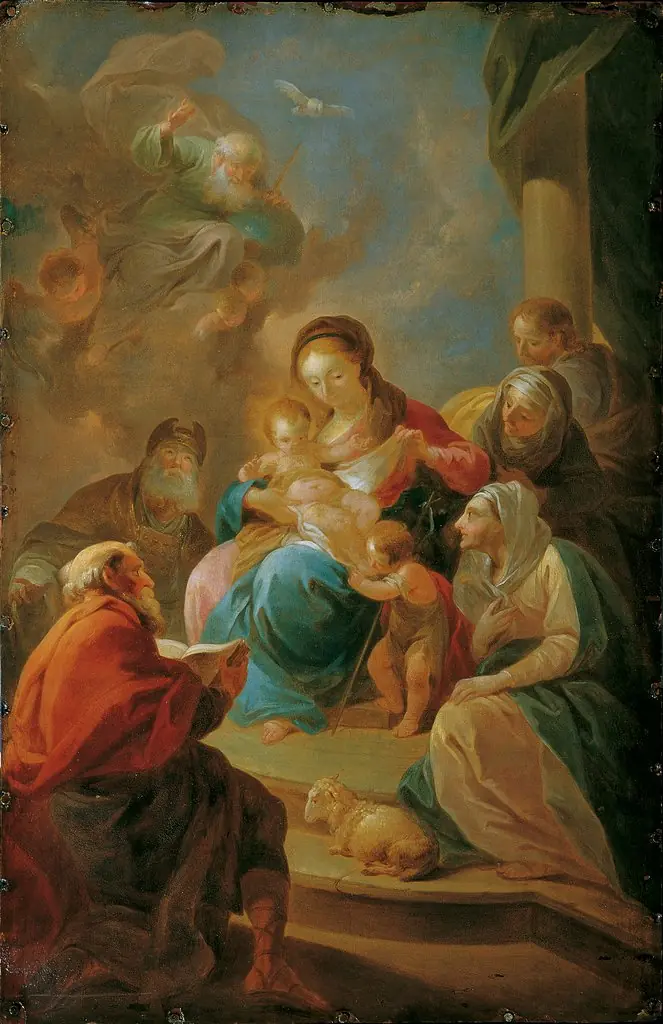 Die Heilige Sippe
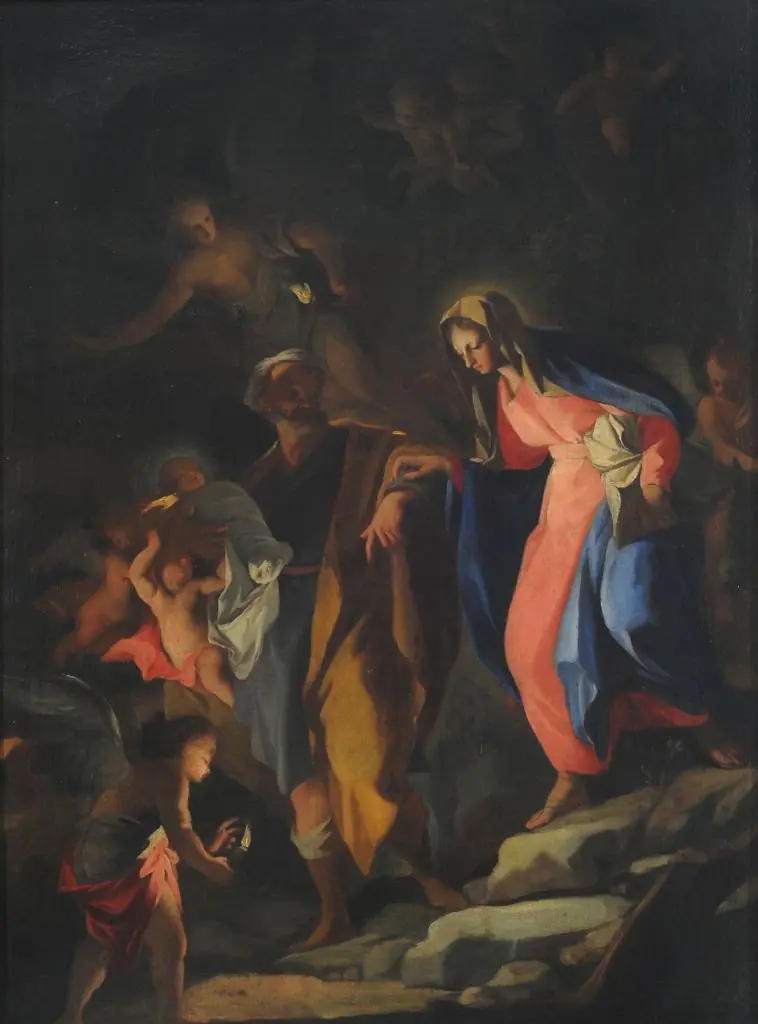 Flight into Egypt
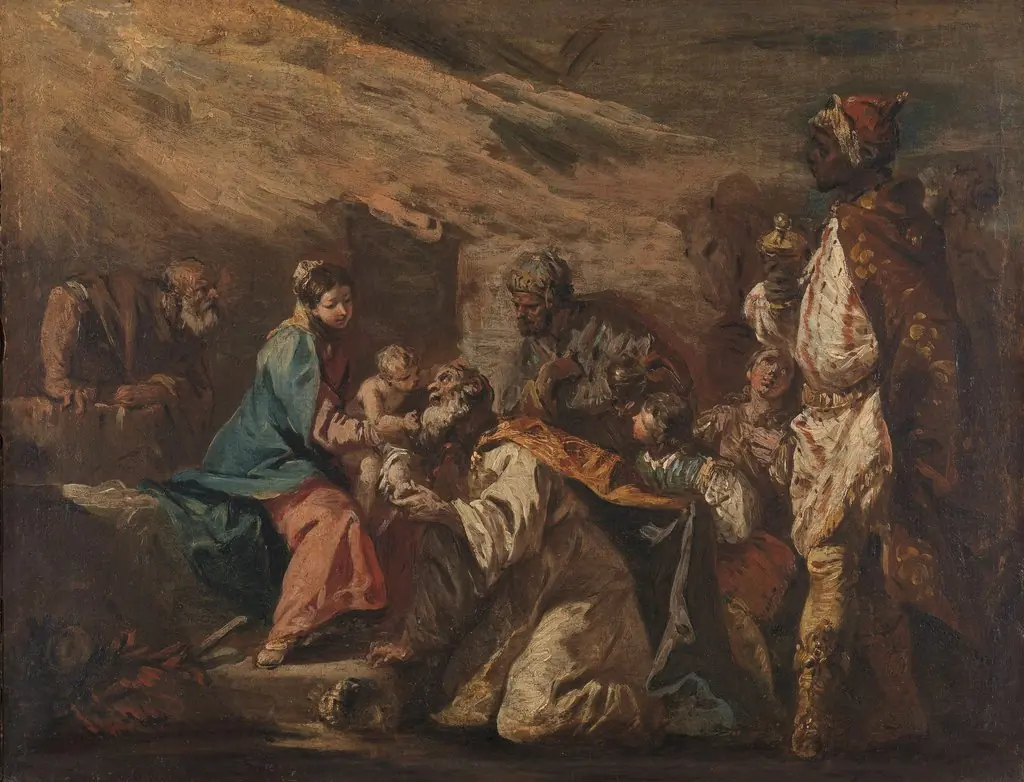 Adoration of the Magi
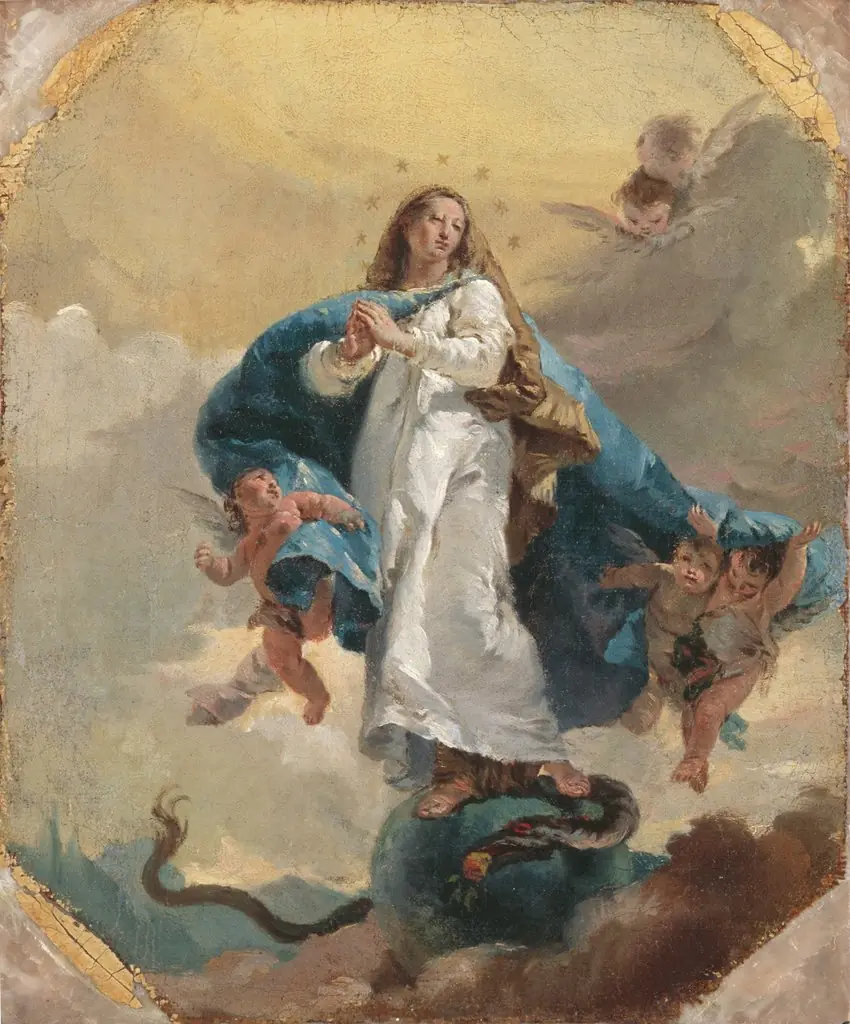 The Immaculate Conception