Artwork
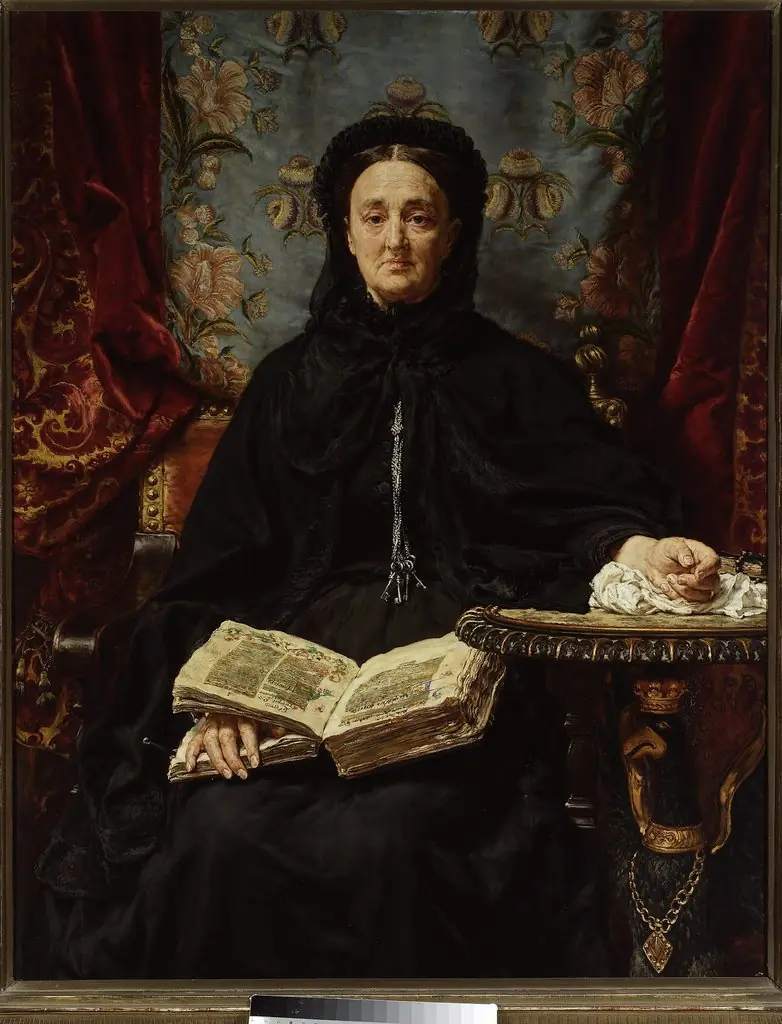
Portret Marii Maurizio
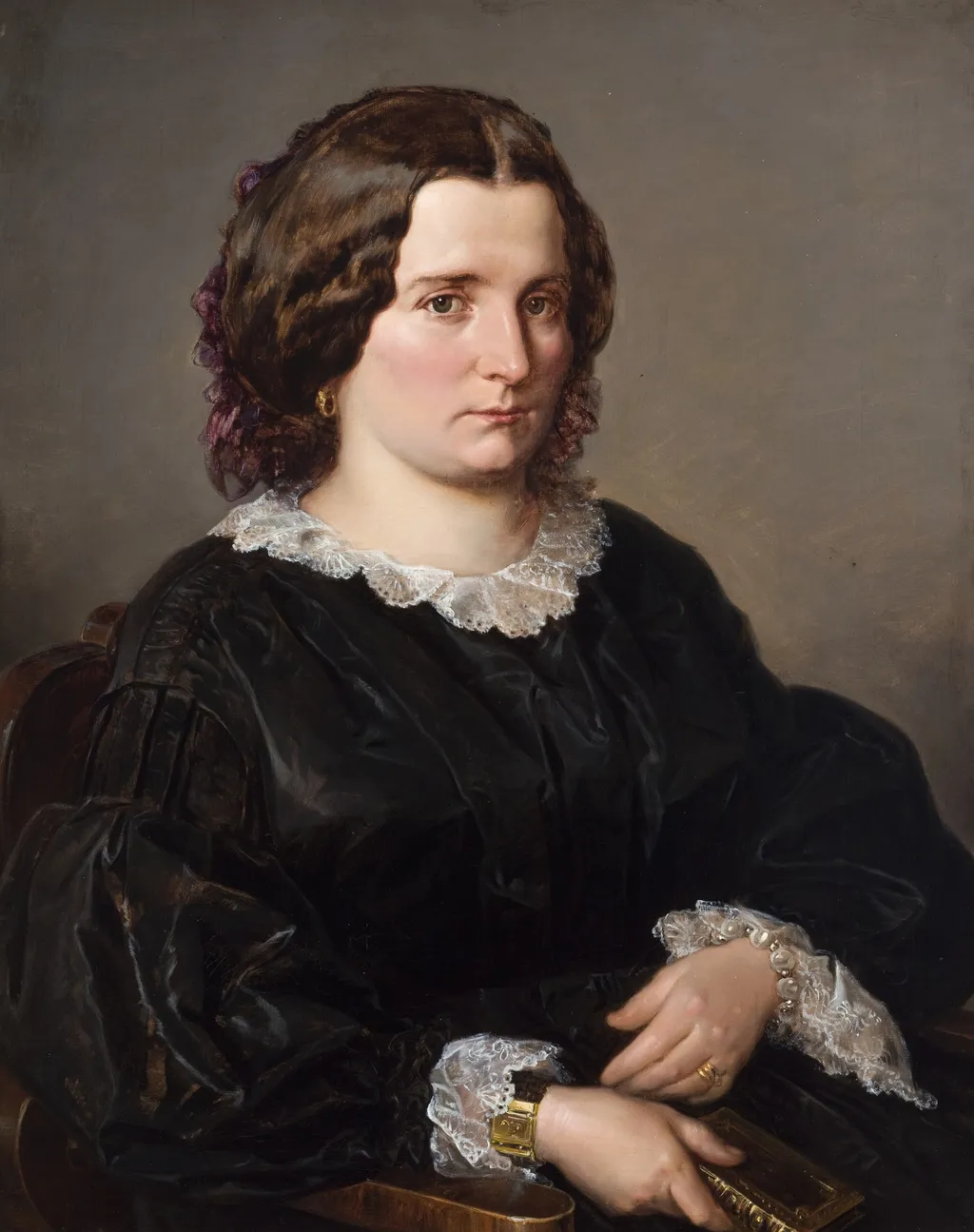
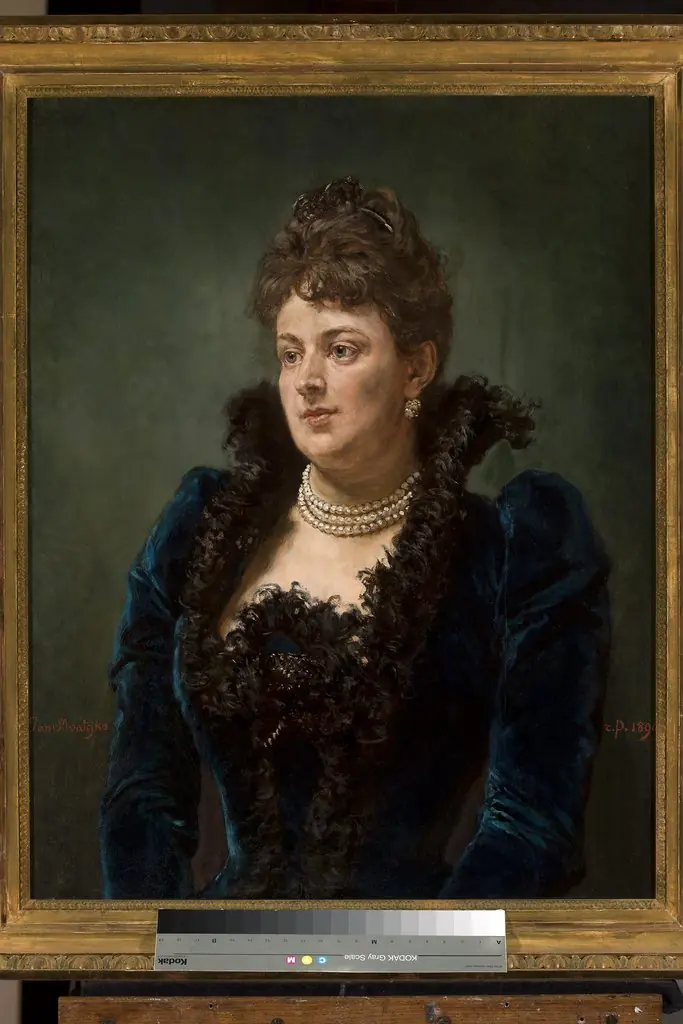
Portret Marii Maurizio is an oil painting by Jan Matejko. It dates from 1859 and is held in the collection of the National Museum in Kraków.
About this work
Overview
Jan Matejko’s 1859 oil on canvas, titled *Portret Marii Maurizio*, is a mid‑19th‑century Polish portrait that resides in the National Museum in Kraków. While Matejko is chiefly remembered for monumental historical scenes, this work belongs to his extensive series of individual likenesses, illustrating his versatility beyond large‑scale narratives.
Subject & Meaning
The sitter is a woman with dark, curled hair, dressed in a black gown trimmed with white lace. She sits upright, a book resting on her lap, a gold watch on her left wrist and a ring on her left hand, and looks directly at the viewer. The composition conveys a poised, educated figure, suggesting both personal refinement and social standing.
Technique & Style
The brushwork balances detailed rendering of accessories with softer transitions in the background, achieving a realistic yet subtly dramatic effect.
Matejko employs chiaroscuro to model the figure, allowing light to fall on the face and hands while the surrounding space recedes into shadow. This contrast creates a three‑dimensional presence and emphasizes the textures of fabric, jewelry, and skin. The brushwork balances detailed rendering of accessories with softer transitions in the background, achieving a realistic yet subtly dramatic effect.
History & Provenance
Completed in 1859, the portrait entered the holdings of Kraków’s National Museum, where it remains part of the institution’s collection of 19th‑century Polish art. Its acquisition reflects the museum’s effort to preserve representative works by Matejko, illustrating the breadth of his output beyond his famed historical canvases.
Own this work as a print
Artist & collection
Artist
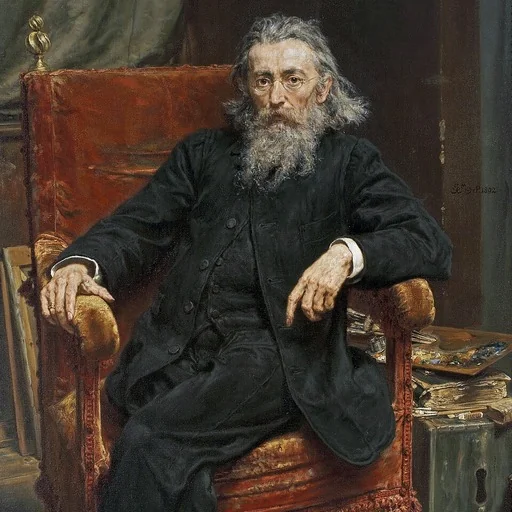
Jan Alojzy Matejko (Polish pronunciation: ; also known as Jan Mateyko; 24 June 1838 – 1 November 1893) was a Polish painter, a leading 19th-century exponent of history painting, known for depicting nodal events from Polish history.

 Portrait of A.I. Kolychiova
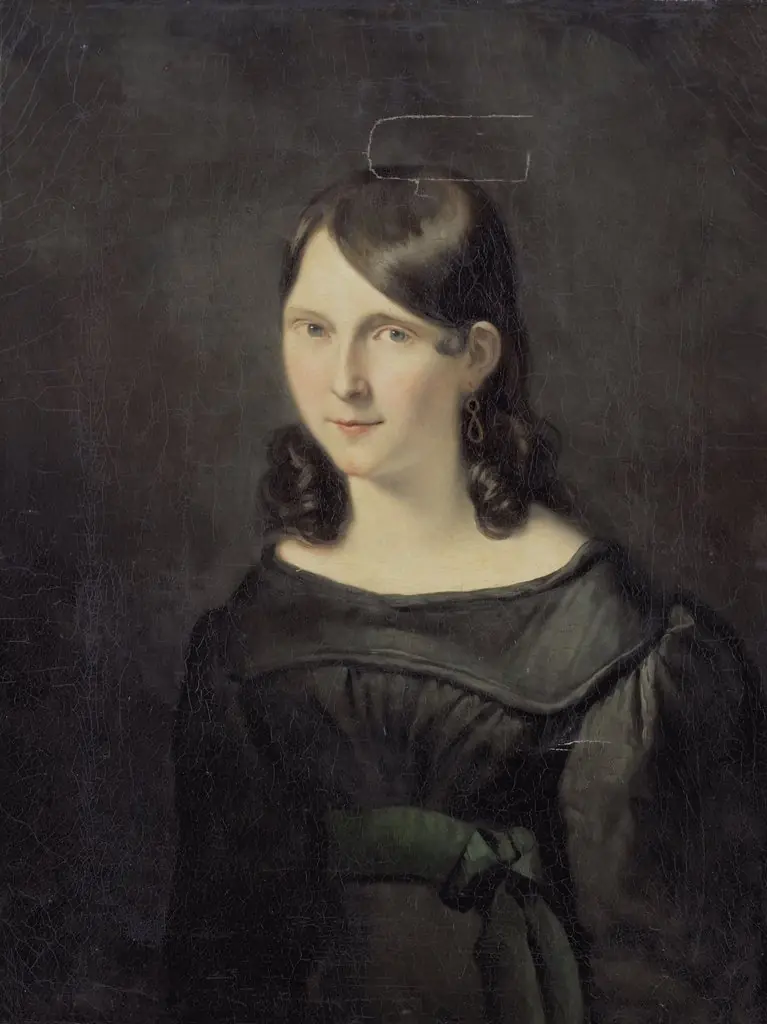 Portret van een meisje, vermoedelijk mejuffrouw Sligting
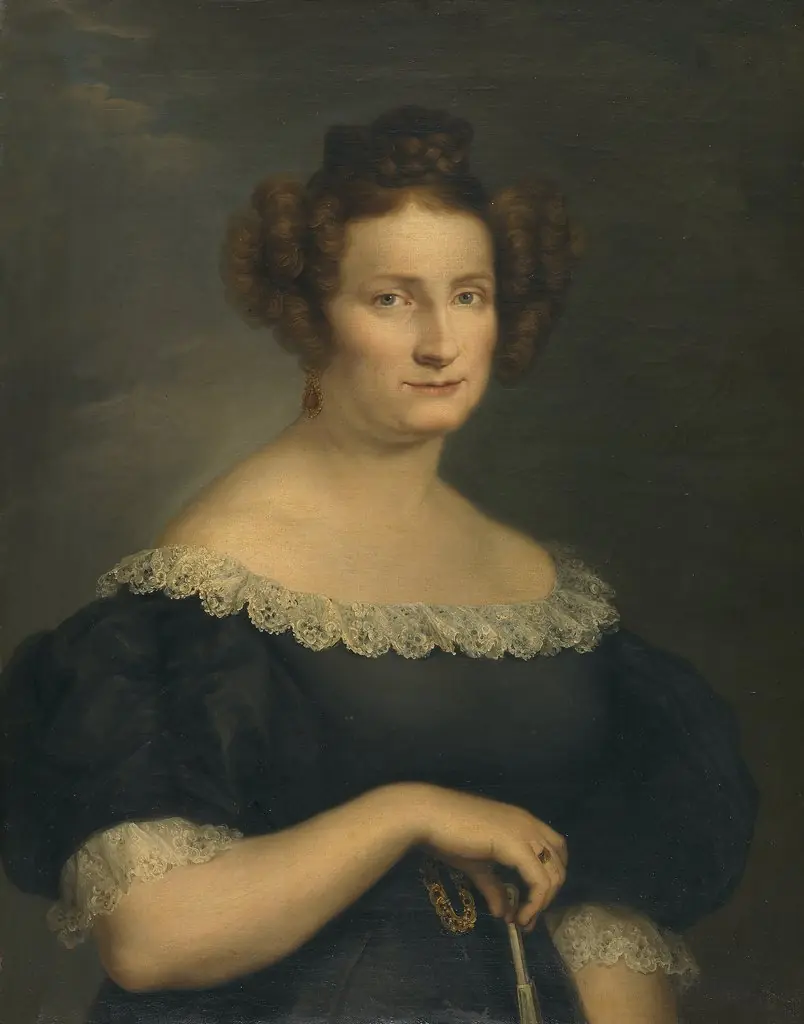 Cecilia Santos
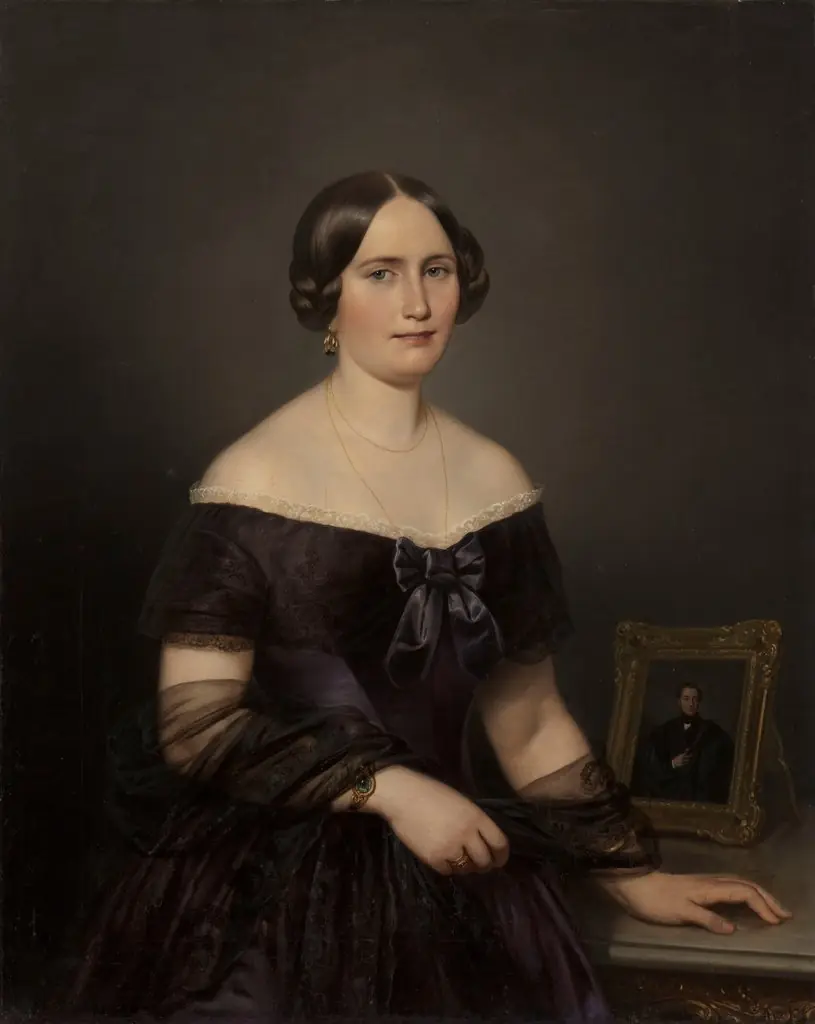 Ksenia Cavos
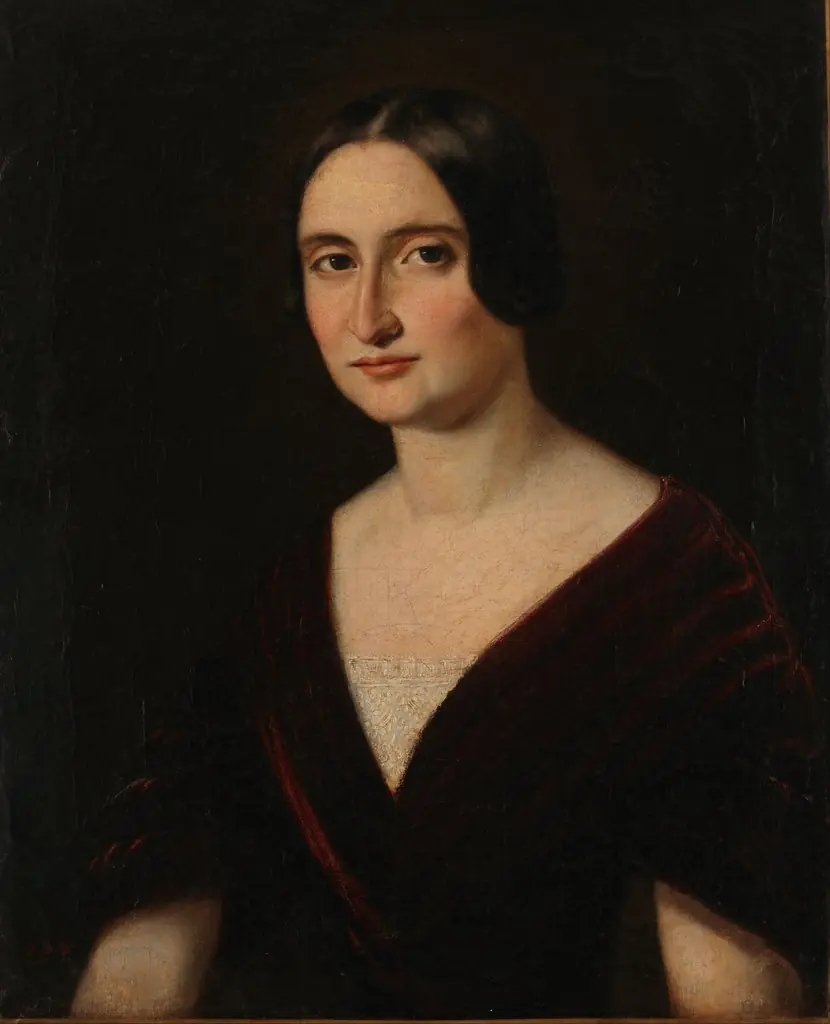 Retrato de Señora
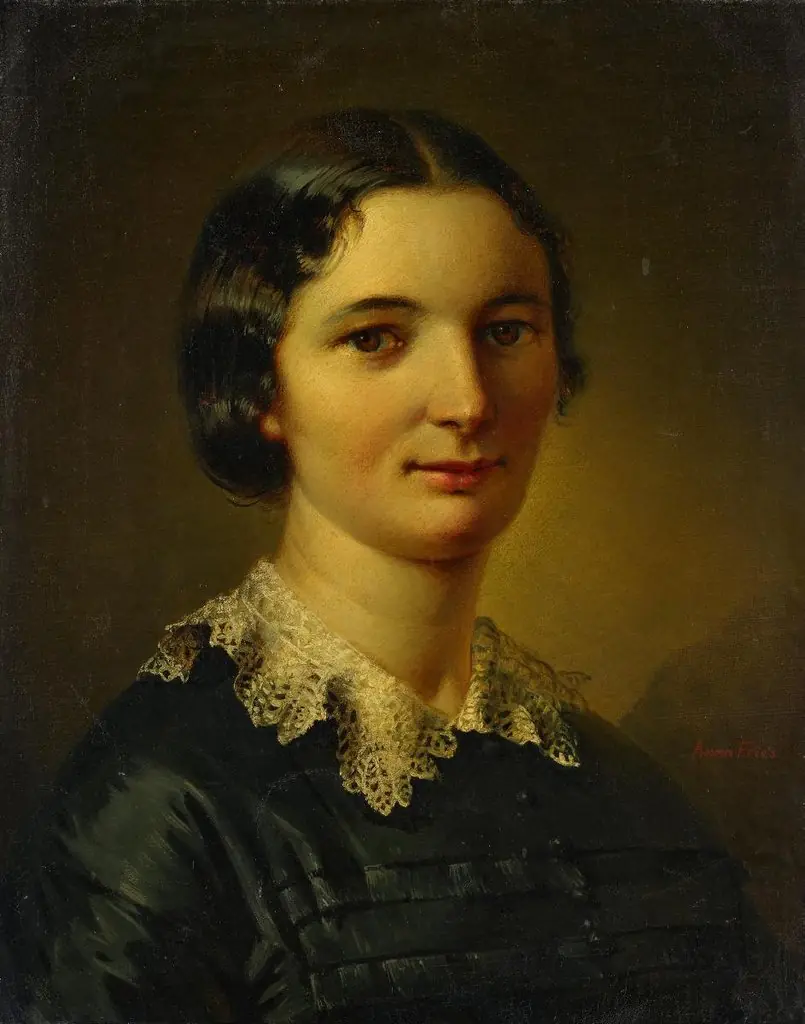 Bildnis Frau Knüpfer-Jacot
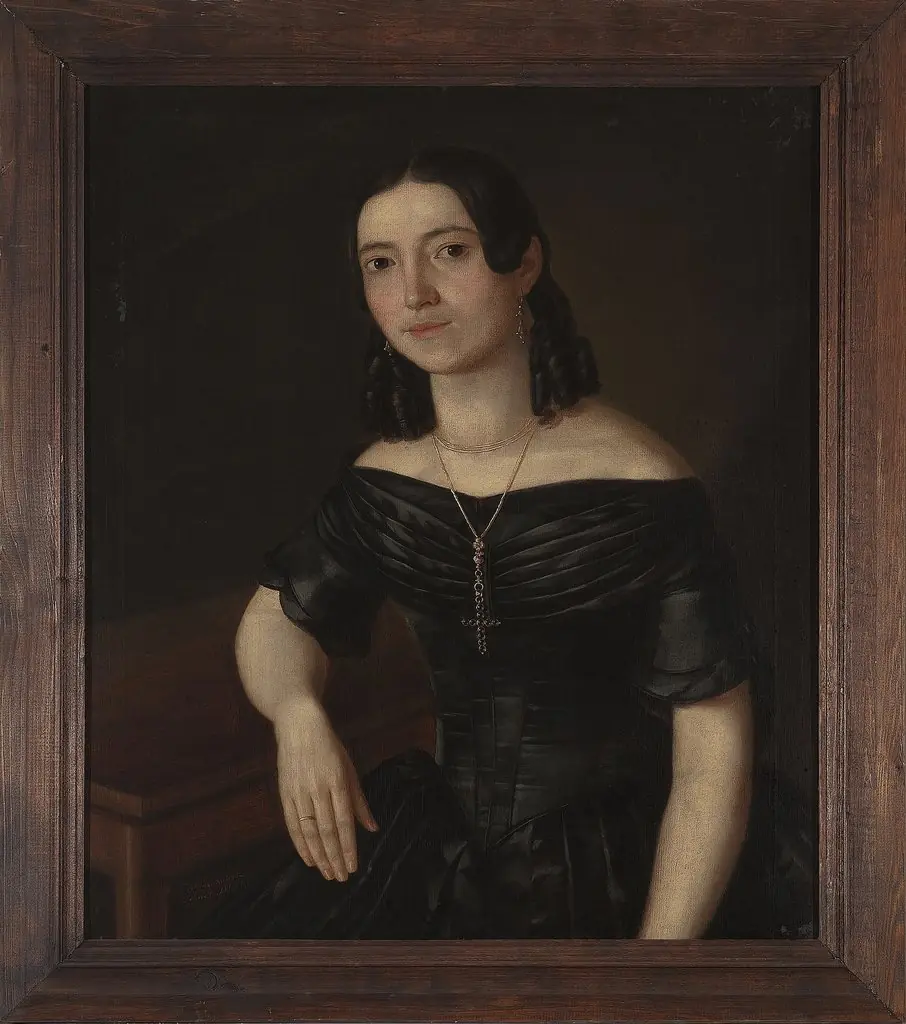 Portrait of a young woman
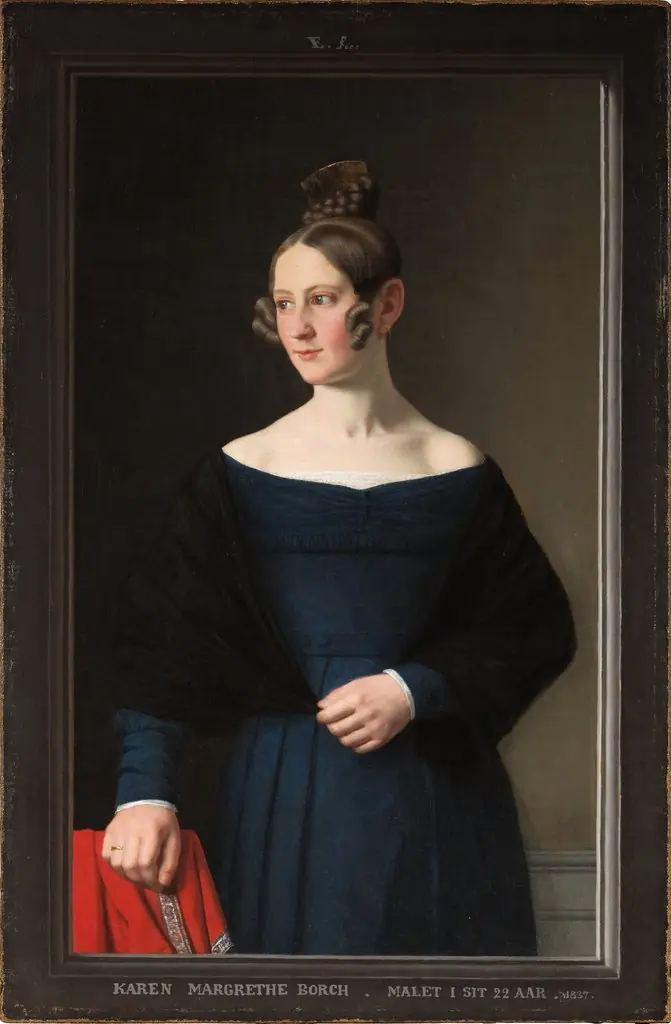 Karen Margrethe Borch
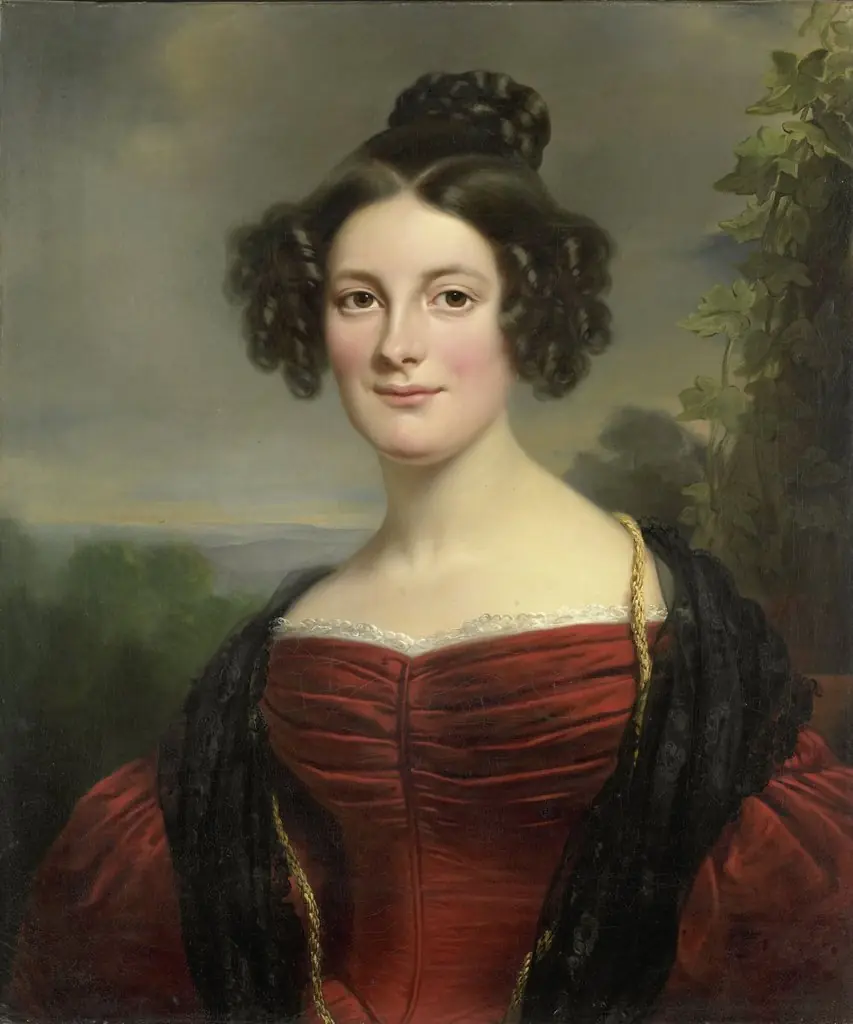 Catharina Annette Fraser (1815-92)
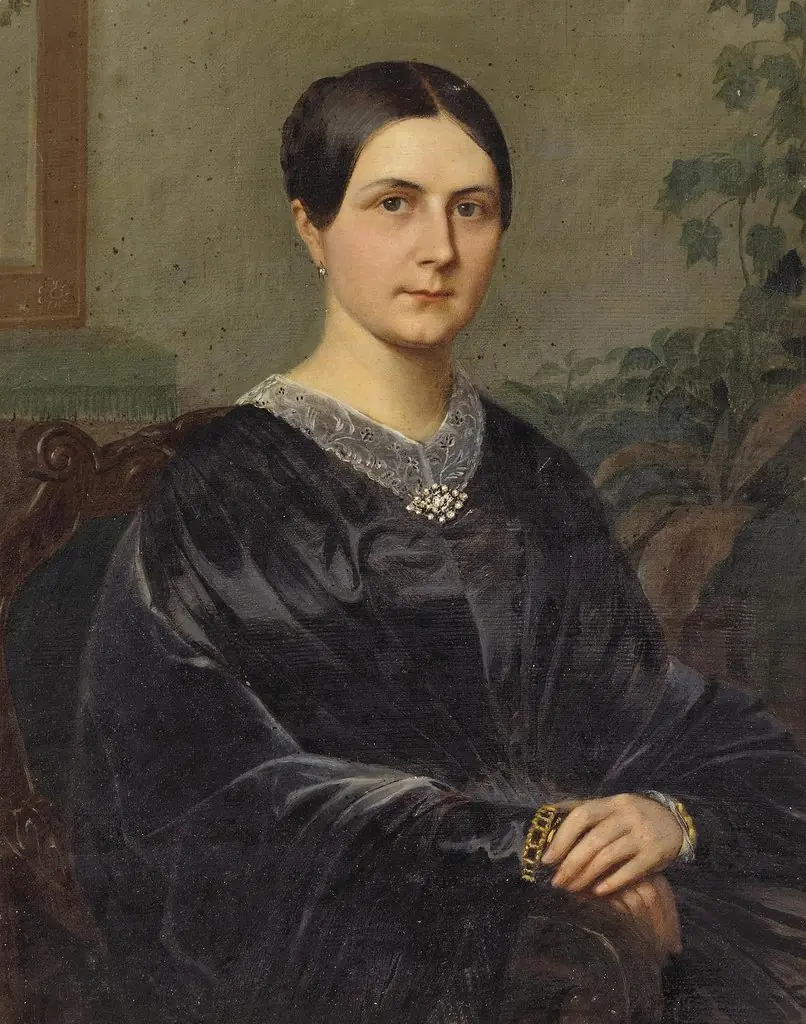 Portrait of Elizaveta Nikolaevna Odintsova
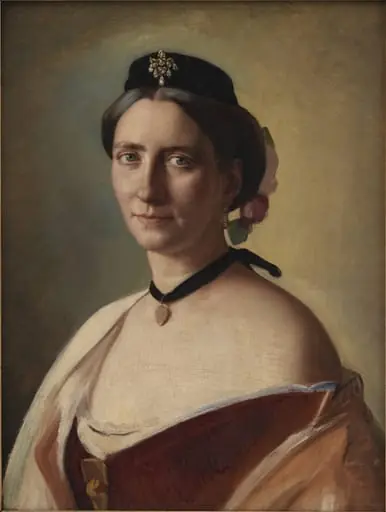 The Artist's Wife, Alma Bloch, née Trepka
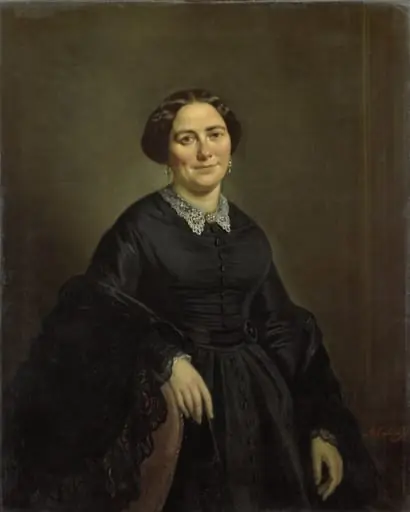 Johanna Christina Beelenkamp (1820-90). Wife of Cornelis Outshoorn