Artwork
Genre Scene
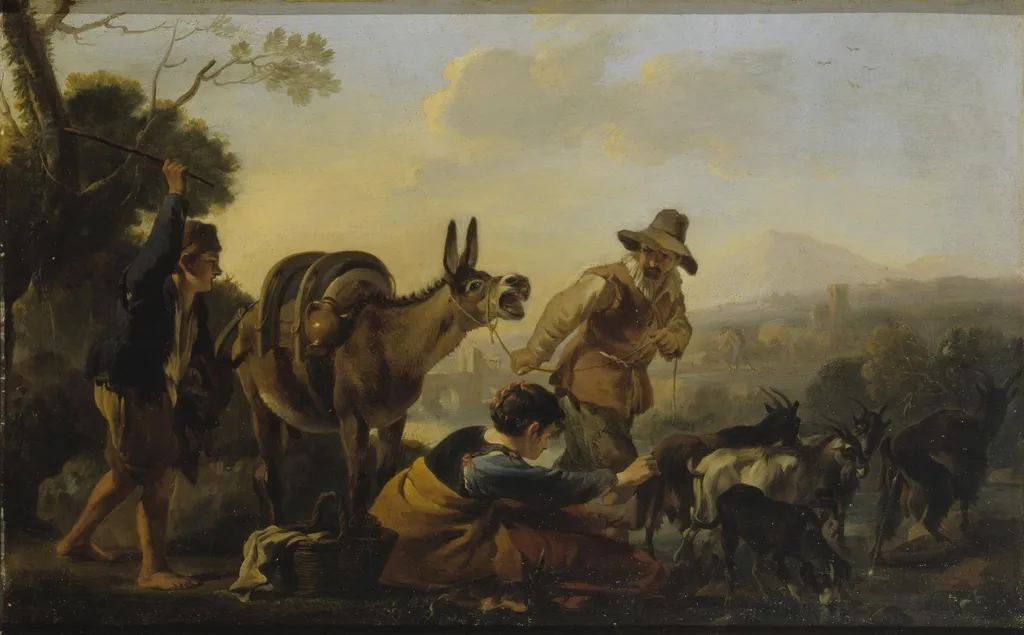
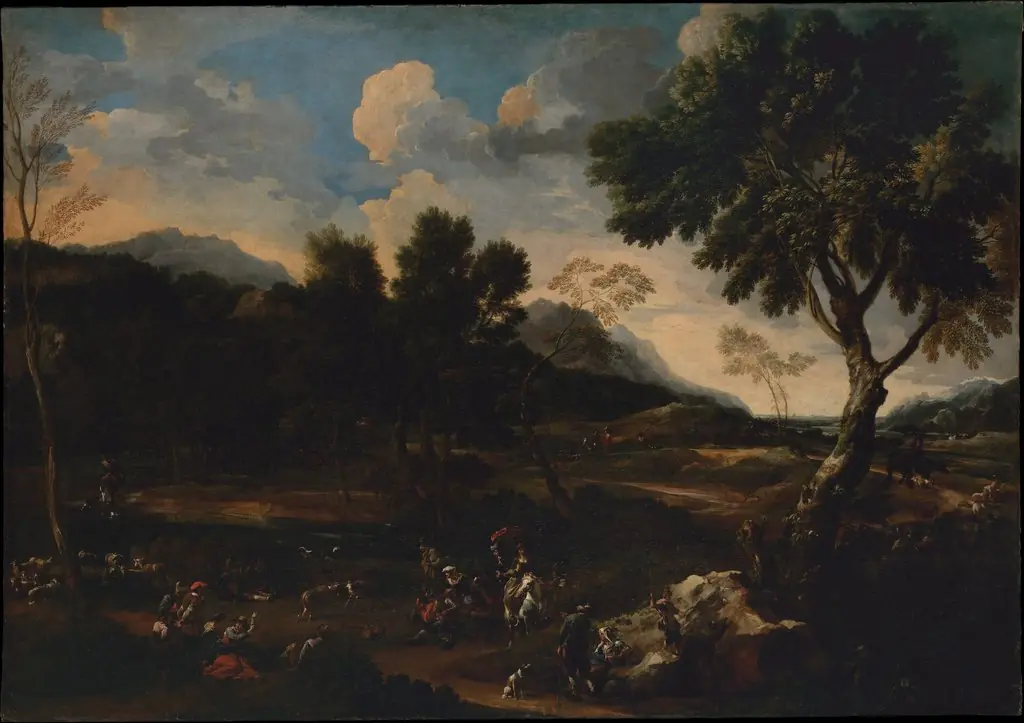
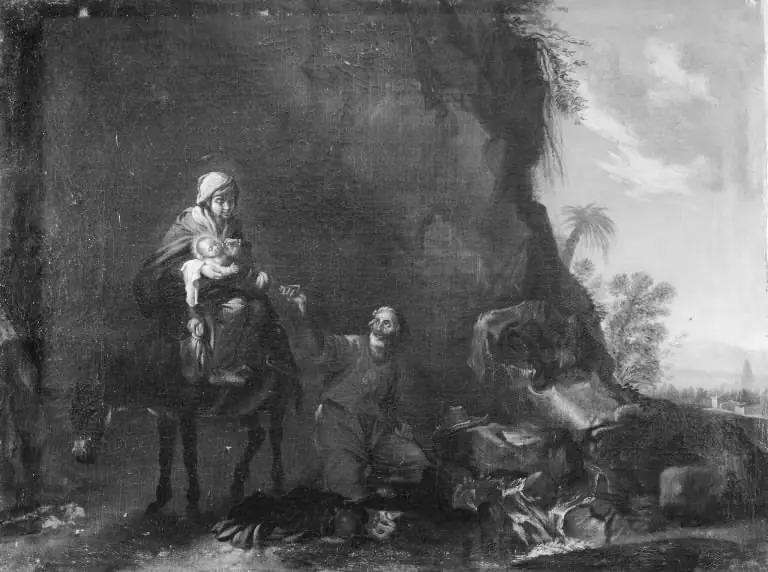
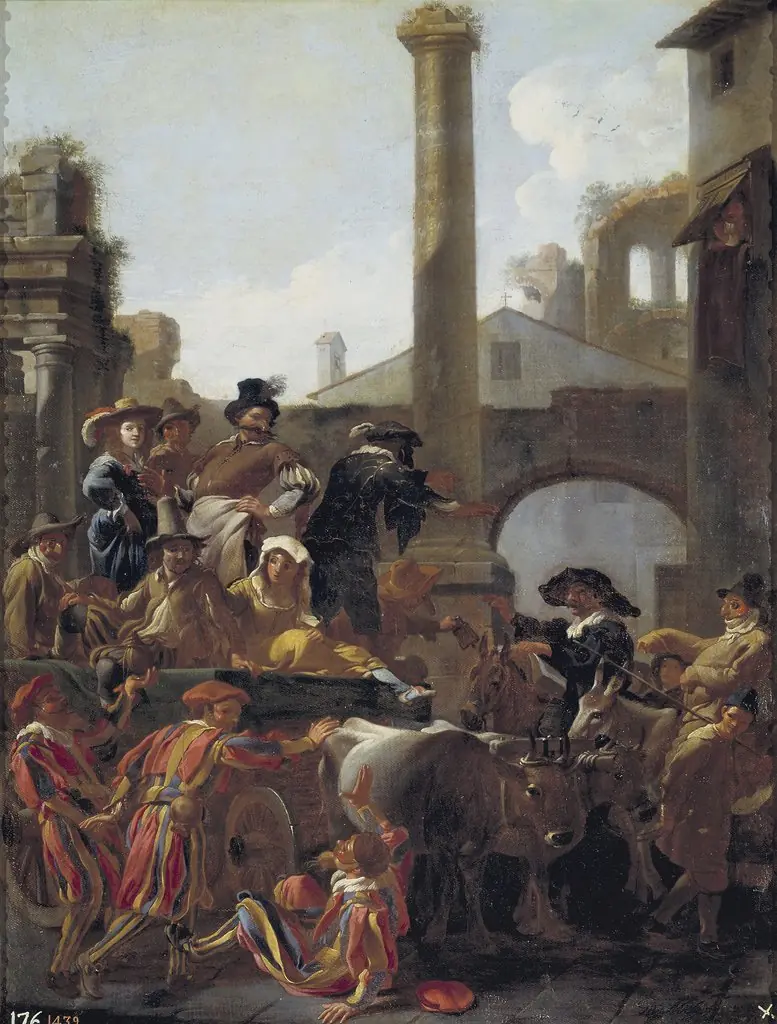
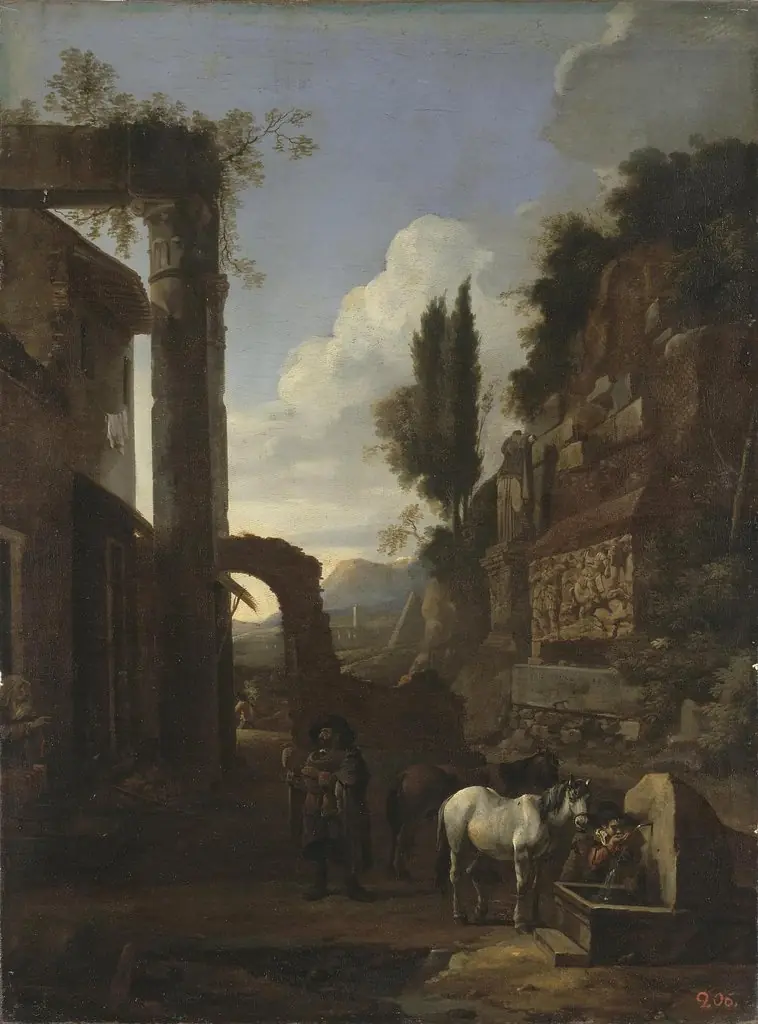
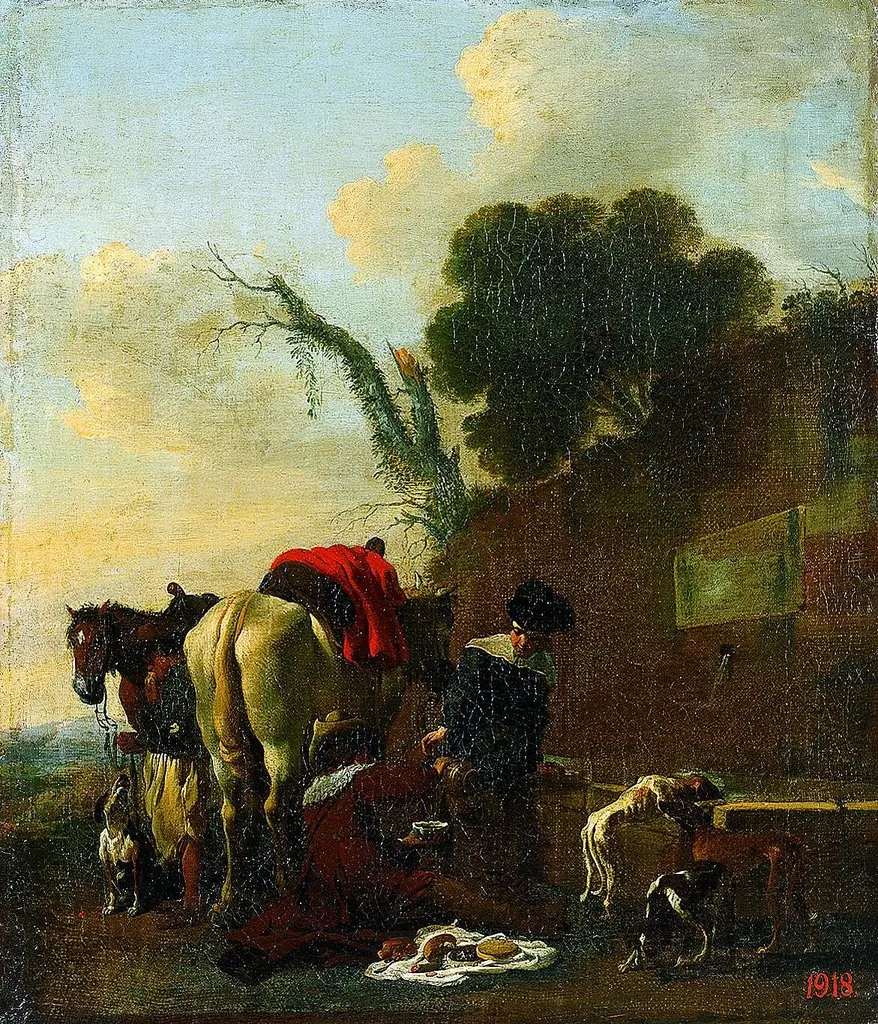
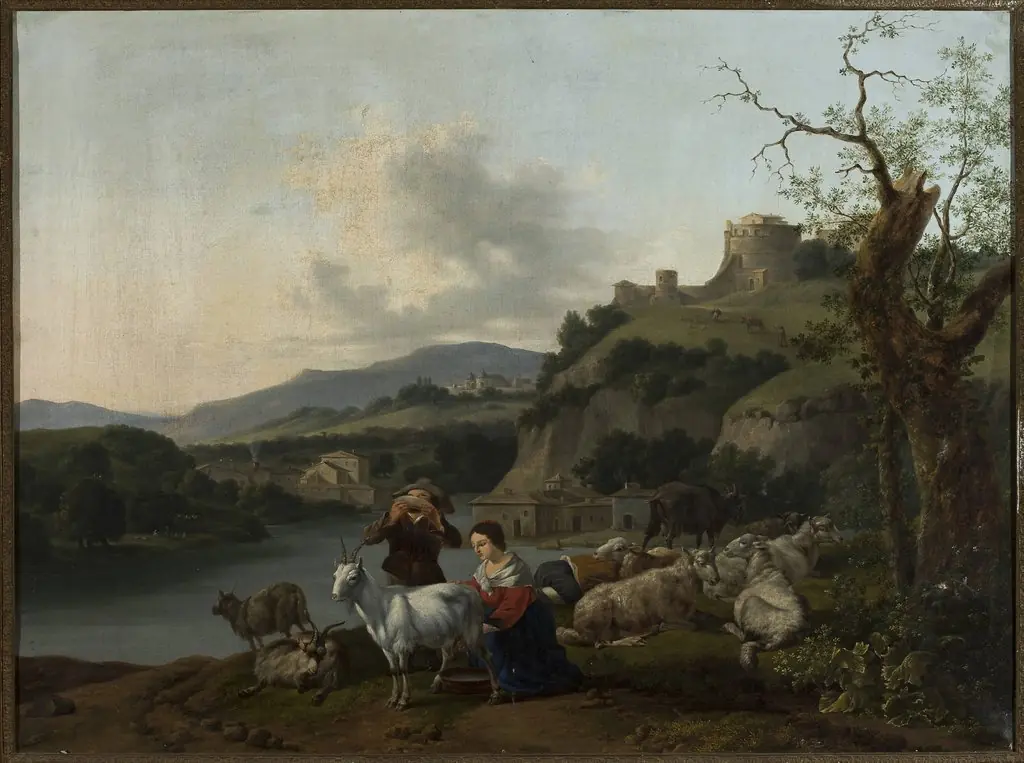
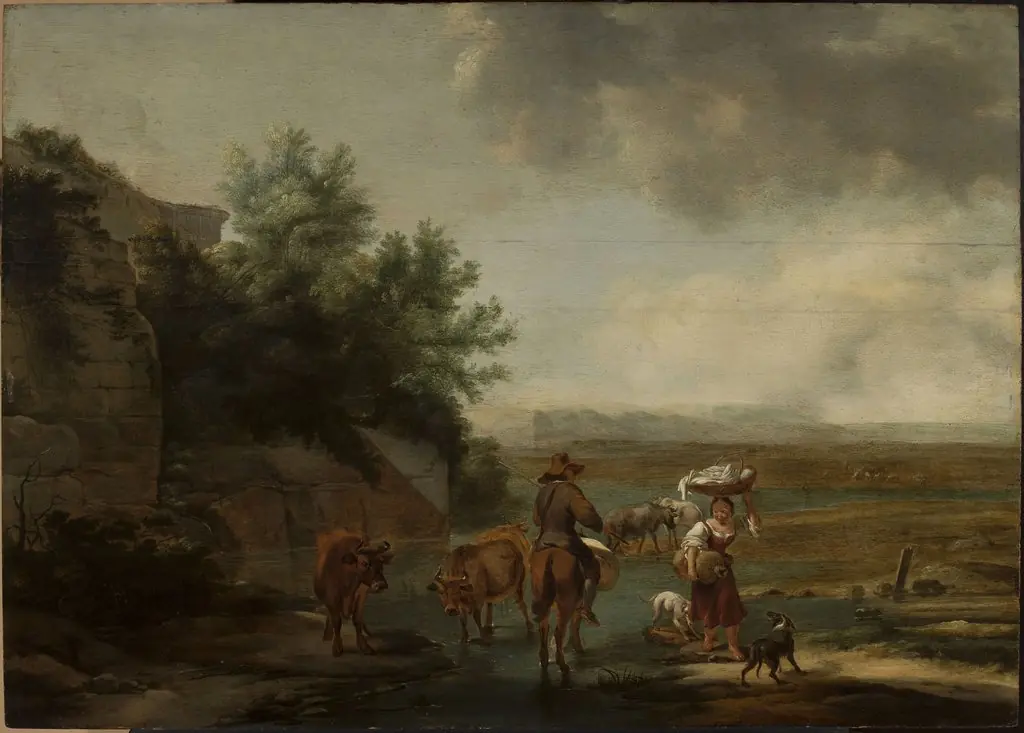
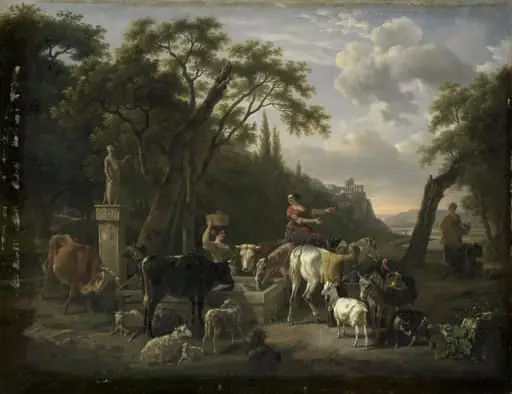
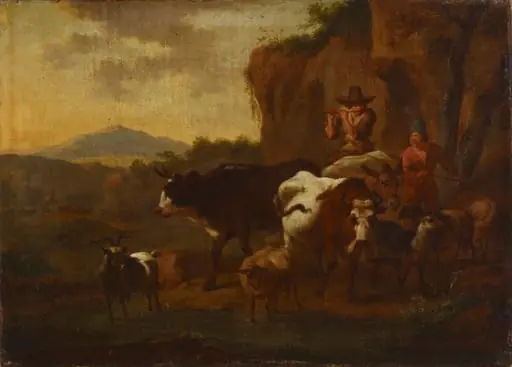
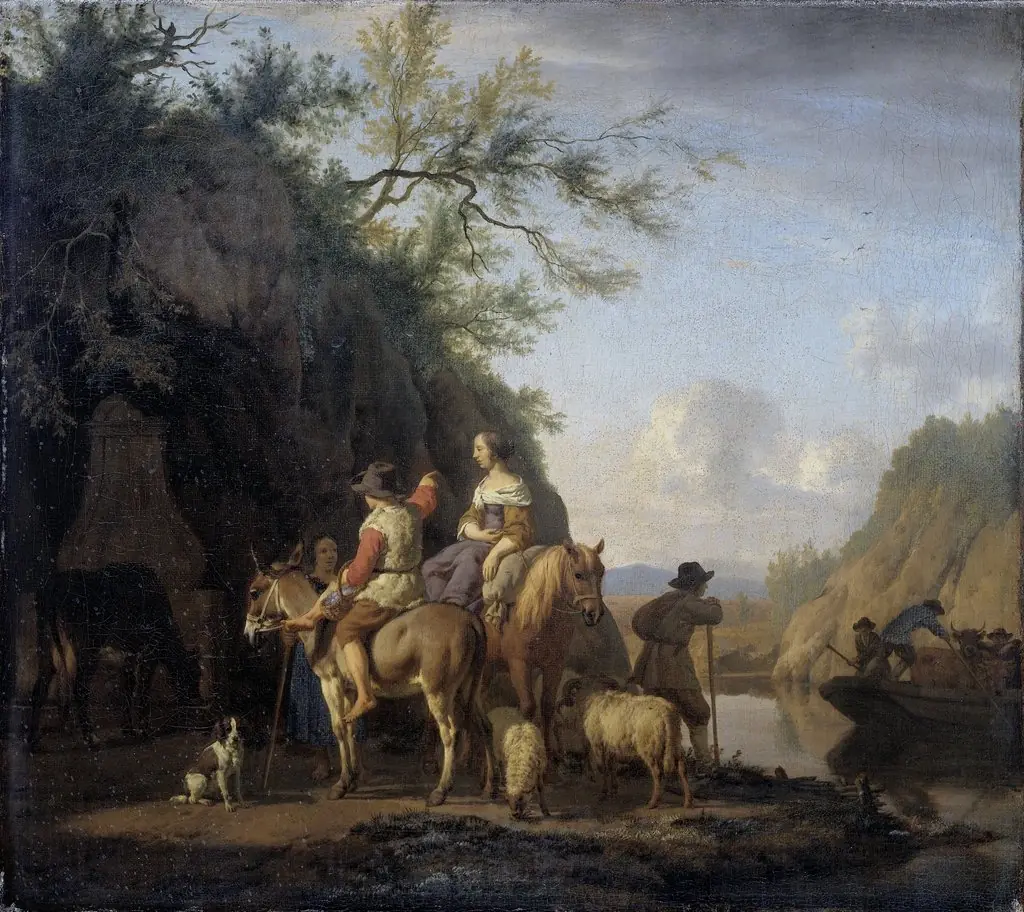
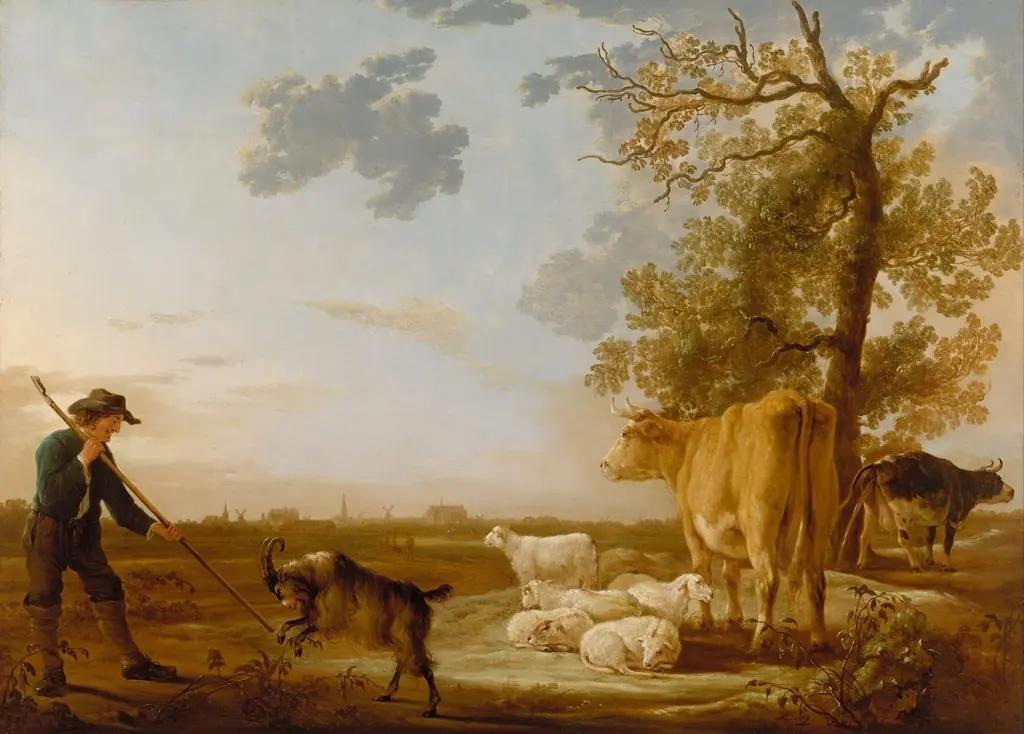
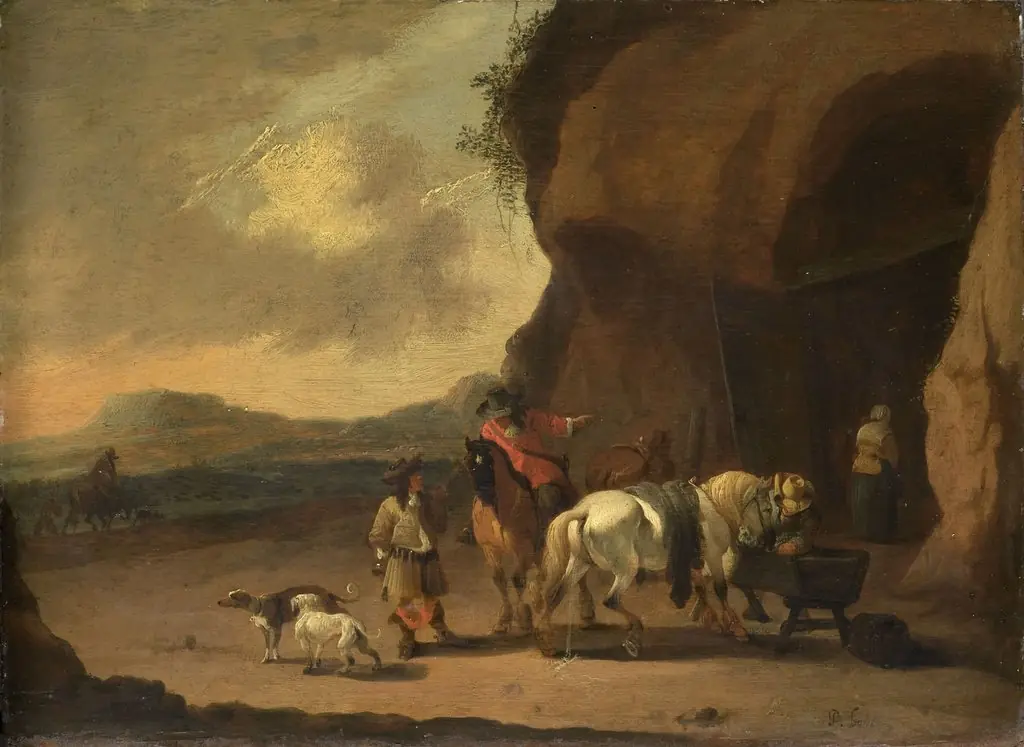
Genre Scene is an oil painting by the Flemish Baroque painting artist Jan Miel. It dates from 1650 and is held in the collection of the Hermitage Museum.
About this work
Overview
The choice of copper as a support allowed for fine detail and a luminous finish, typical of Northern European techniques adapted to Italian settings.
Painted around 1650 on copper, this small-scale work by Jan Miel captures a quiet moment of rural labor in the Roman countryside. Miel, a Flemish artist who spent much of his career in Italy, was initially drawn to the everyday lives of common people. This piece belongs to his early phase, before he turned toward more formal historical subjects. The choice of copper as a support allowed for fine detail and a luminous finish, typical of Northern European techniques adapted to Italian settings.
Subject & Meaning
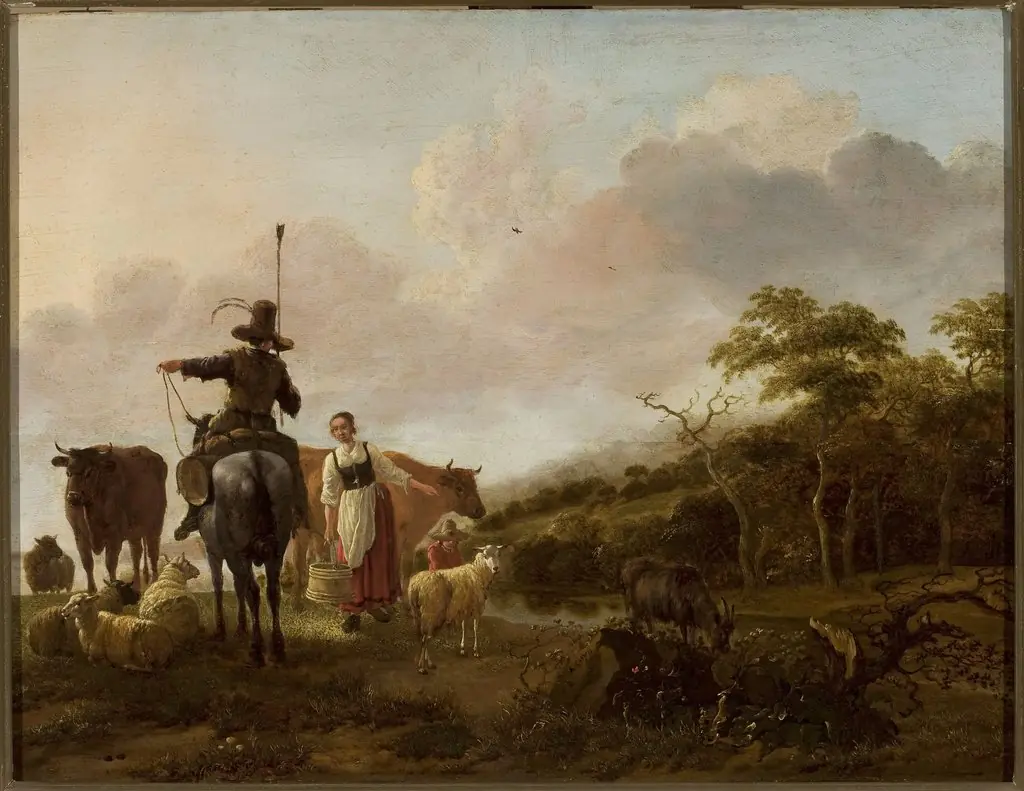
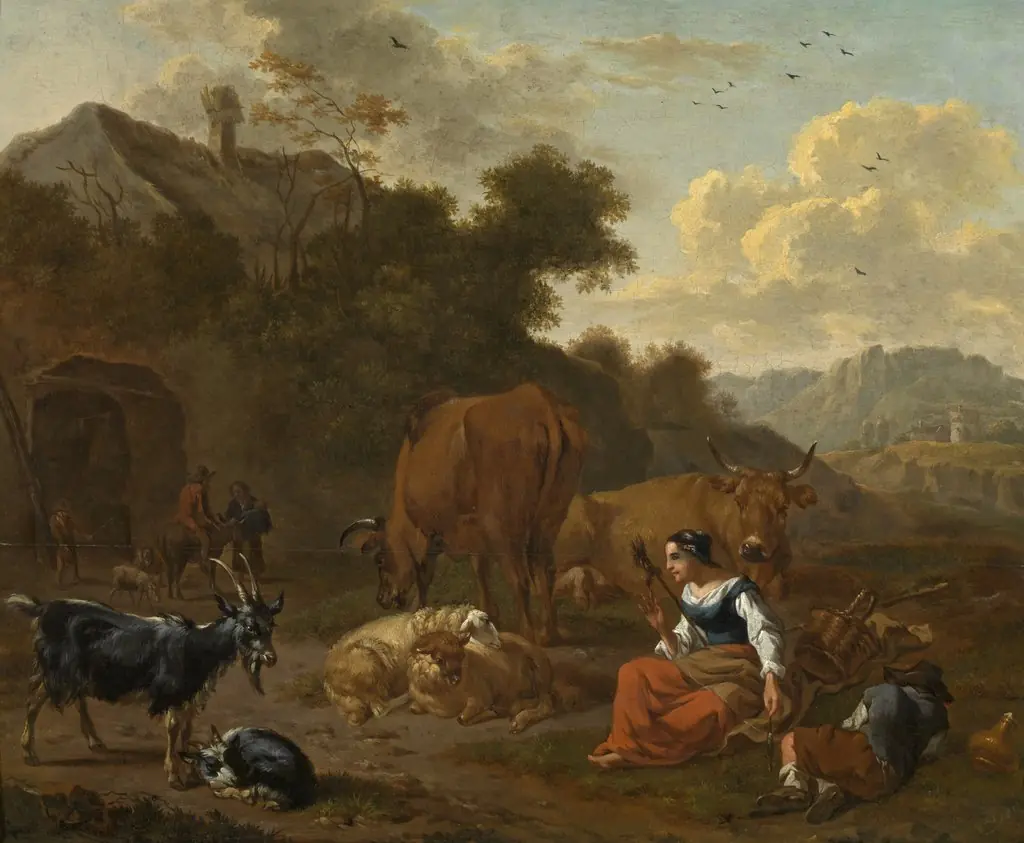
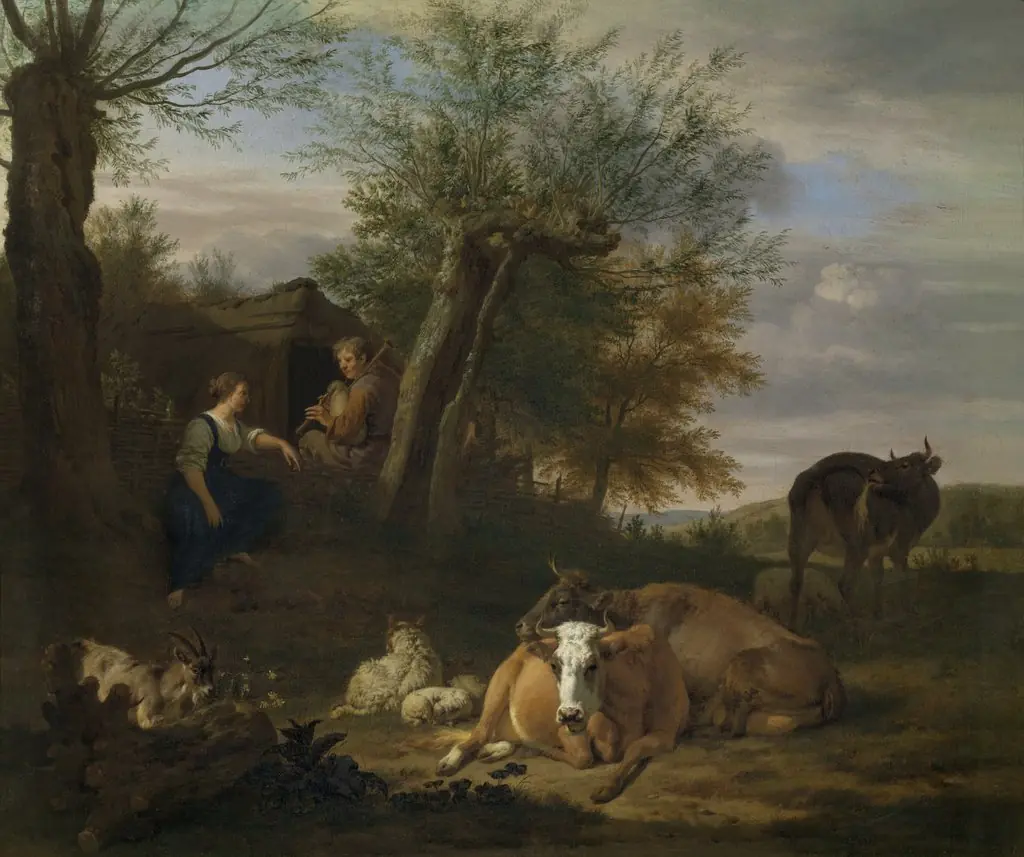
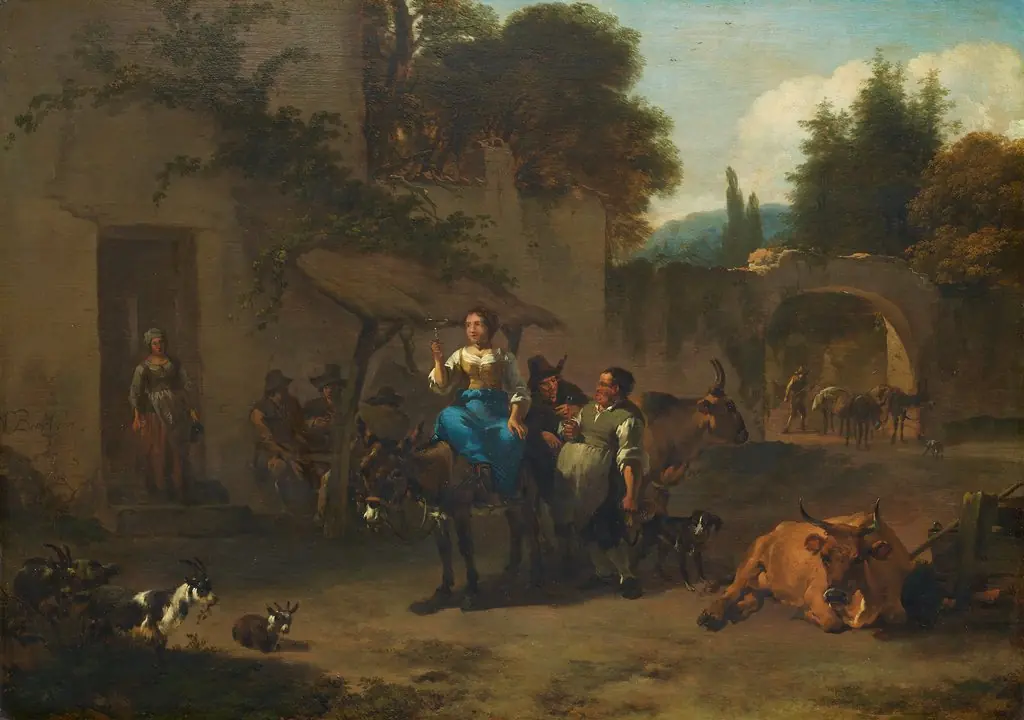
The scene depicts three men engaged in mundane tasks: one milking a goat, another holding a donkey by its reins, and a third approaching with a long staff. No grand narrative is implied; instead, the painting values the dignity of ordinary labor. Animals are integrated naturally into the composition, suggesting a lived-in environment rather than a staged tableau. The absence of overt drama or moralizing reflects the Bamboccianti tradition, which favored unembellished observation over idealization.
Technique & Style
Miel employed fine brushwork to render textures—the coarse wool of the goat, the weathered fabric of the men’s clothing, the rough bark of trees—with subtle precision. Warm, earth-toned pigments and soft, diffused lighting create a gentle atmosphere, enhancing the intimacy of the moment. The copper support enhances the luminosity of the surface, allowing highlights to catch naturally on skin and fur. The composition is loosely arranged, guiding the eye through the figures without rigid structure, characteristic of genre painting’s informal sensibility.
History & Provenance
The painting entered the collection of the State Hermitage Museum in Saint Petersburg, likely during the 18th or early 19th century, as part of broader European acquisitions of Dutch and Flemish works. Its attribution to Miel has been consistently supported by stylistic analysis and archival records of his Roman period. While little is known of its immediate post-creation history, its preservation in a major imperial collection underscores its recognition as a representative example of 17th-century genre painting.
Context
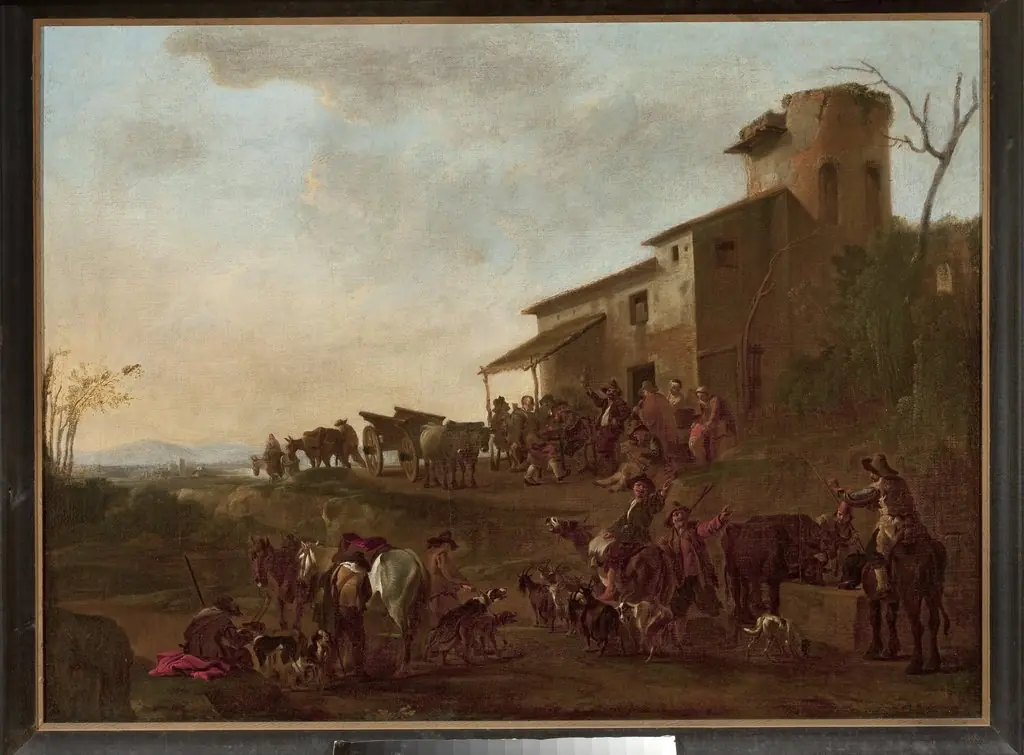
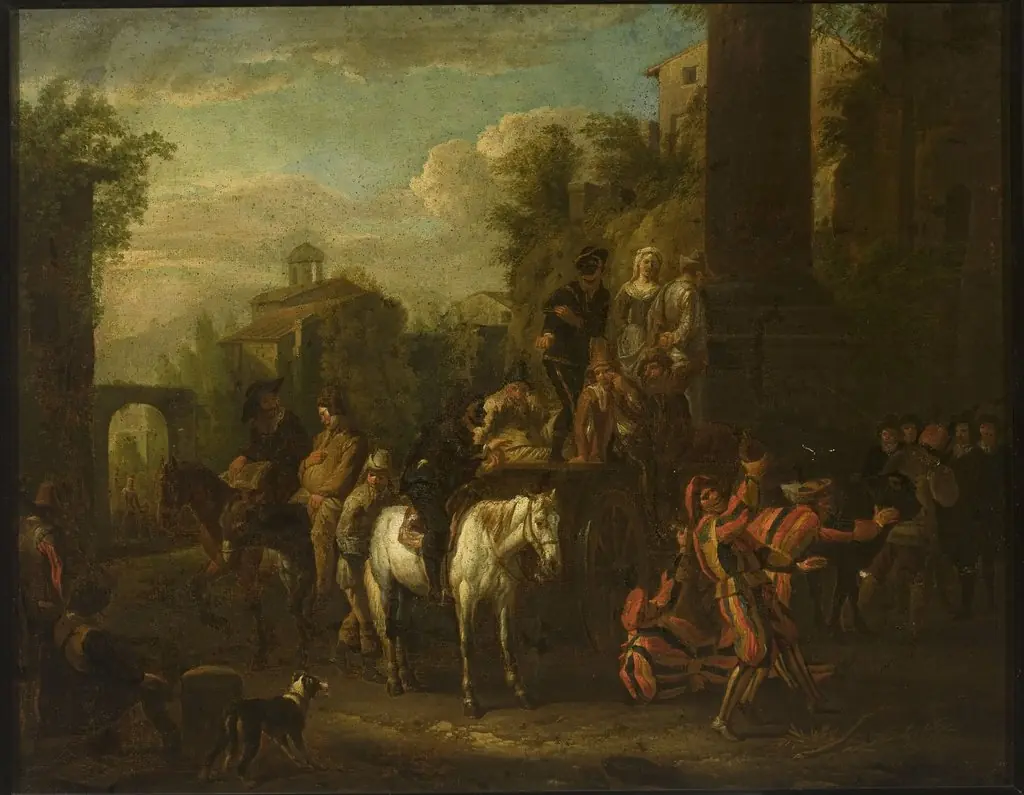
Miel worked alongside a circle of Northern artists in Rome known as the Bamboccianti, who rejected classical grandeur in favor of scenes from street life. Their work responded to a growing market for small, relatable images among collectors who valued authenticity over mythological themes. This painting reflects that trend, situated within a broader European interest in the everyday, even as Italian art increasingly embraced Baroque drama and religious intensity.
Legacy
Though Miel later abandoned genre scenes for more academic subjects, this work remains a key example of his early contribution to Roman genre painting. It preserves a visual record of rural labor and animal husbandry in 17th-century Italy, offering insight into the lives of those rarely depicted in art. The painting’s quiet realism influenced later artists interested in unidealized observation, and it continues to serve as a reference for studies of Northern European artists working in Italy.
Own this work as a print
Artist & collection
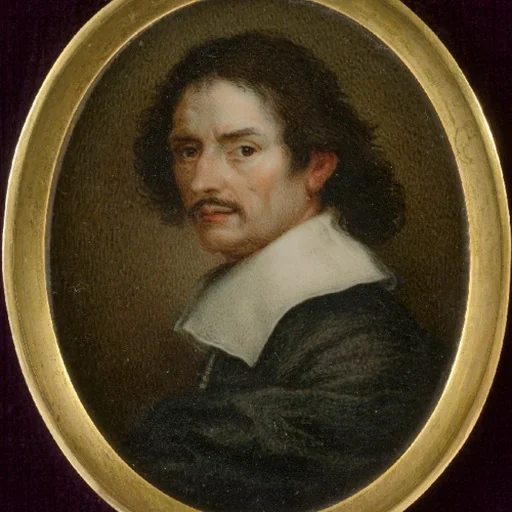
Artist
Jan Miel (1599 – April 1664) was a Flemish painter and engraver who was active in Italy.