Artwork
Winter Landscape with a Windmill
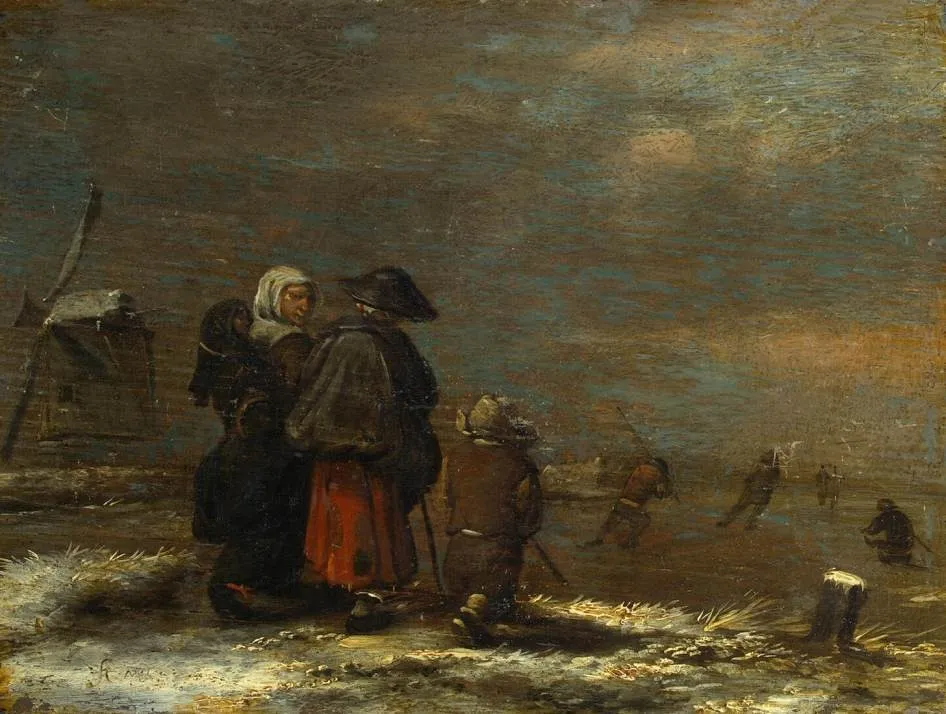
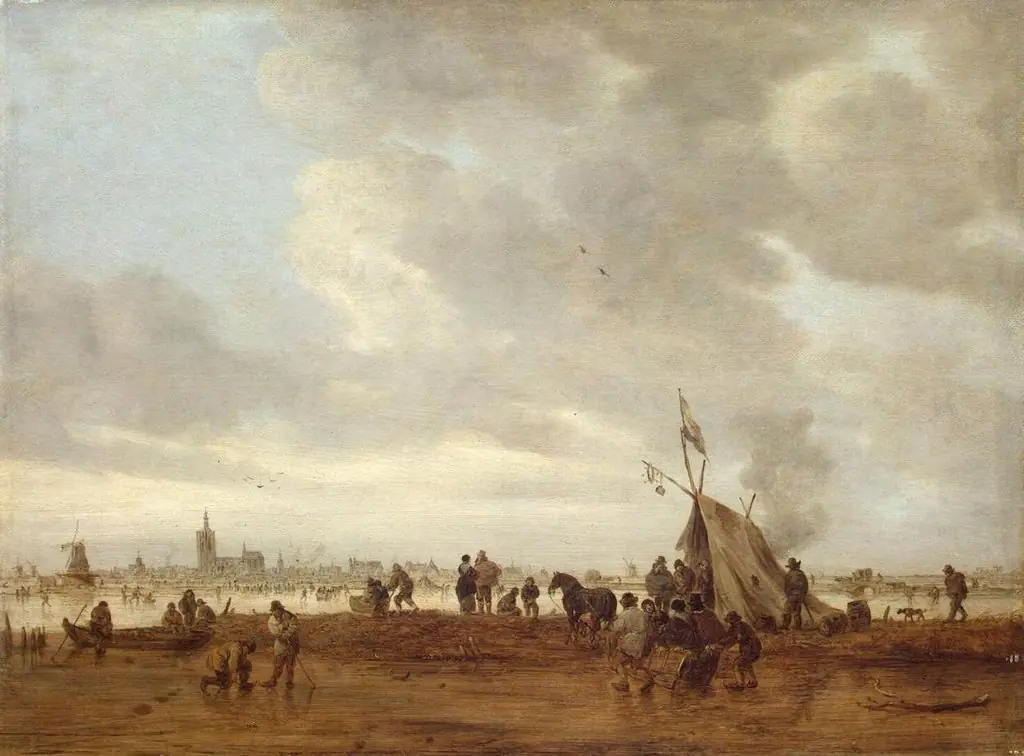
Winter Landscape with a Windmill is an oil painting by Jan Miense Molenaer. It dates from 1650 and is held in the collection of the Hermitage Museum.
About this work
Overview
Painted around 1650, *Winter Landscape with a Windmill* is an oil-on-panel work by Jan Miense Molenaer, a Dutch artist active during the Golden Age.
Painted around 1650, *Winter Landscape with a Windmill* is an oil-on-panel work by Jan Miense Molenaer, a Dutch artist active during the Golden Age. It captures a quiet rural winter scene, emphasizing stillness and everyday activity. The painting is part of the State Hermitage Museum’s collection and reflects Molenaer’s interest in integrating human figures into natural settings, a hallmark of his approach to landscape and genre painting.
Subject & Meaning
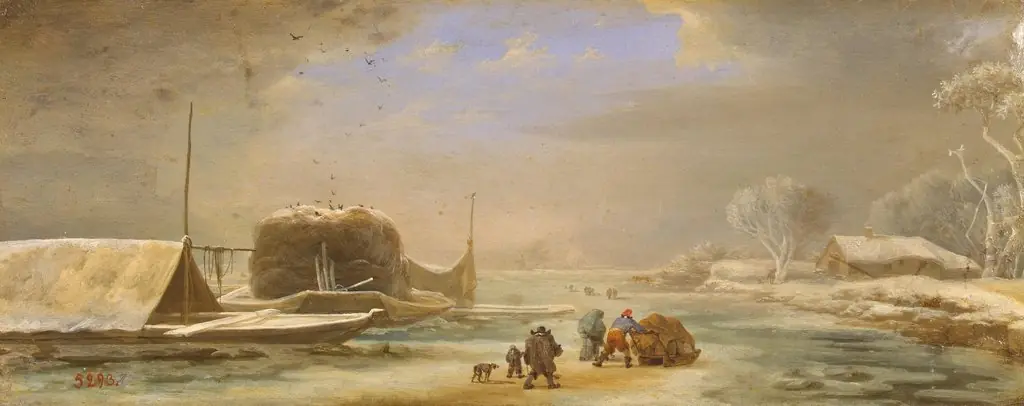
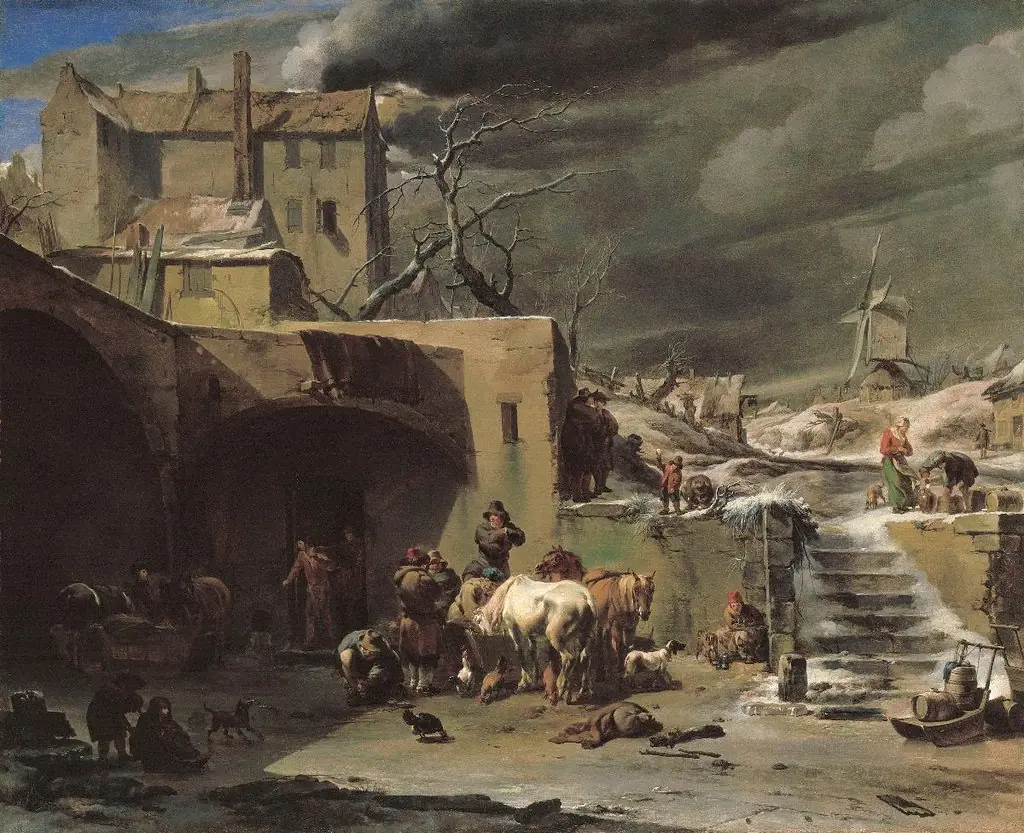
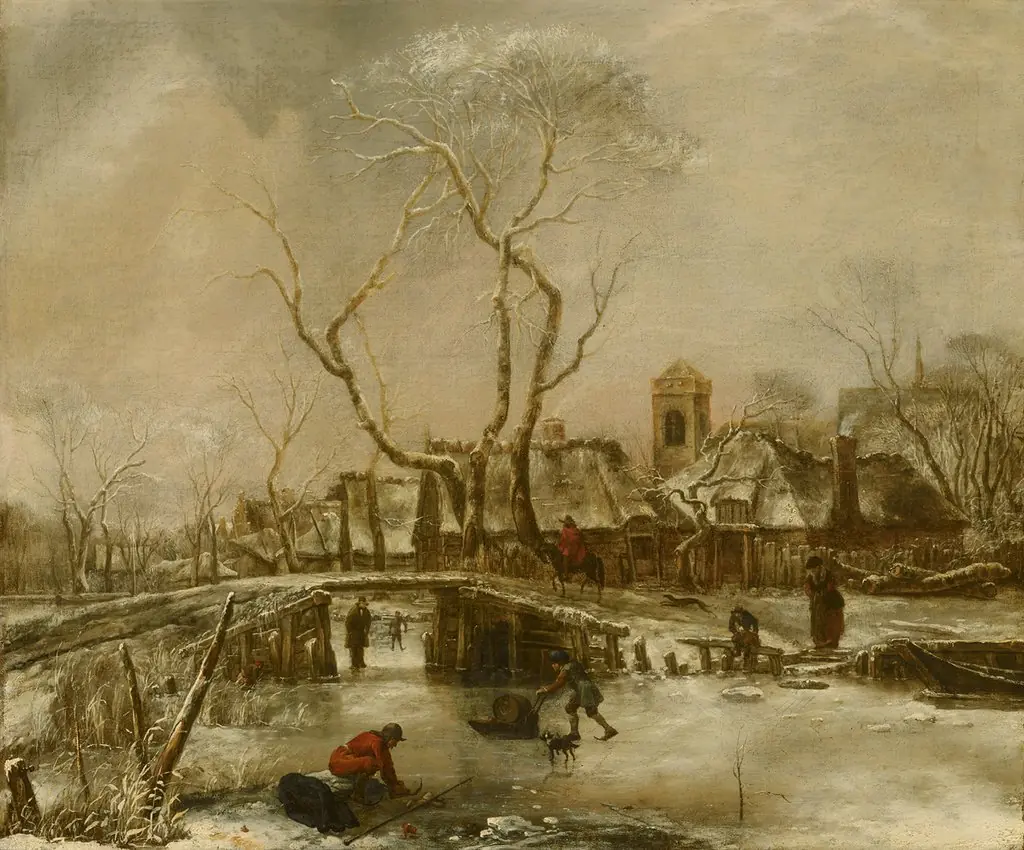
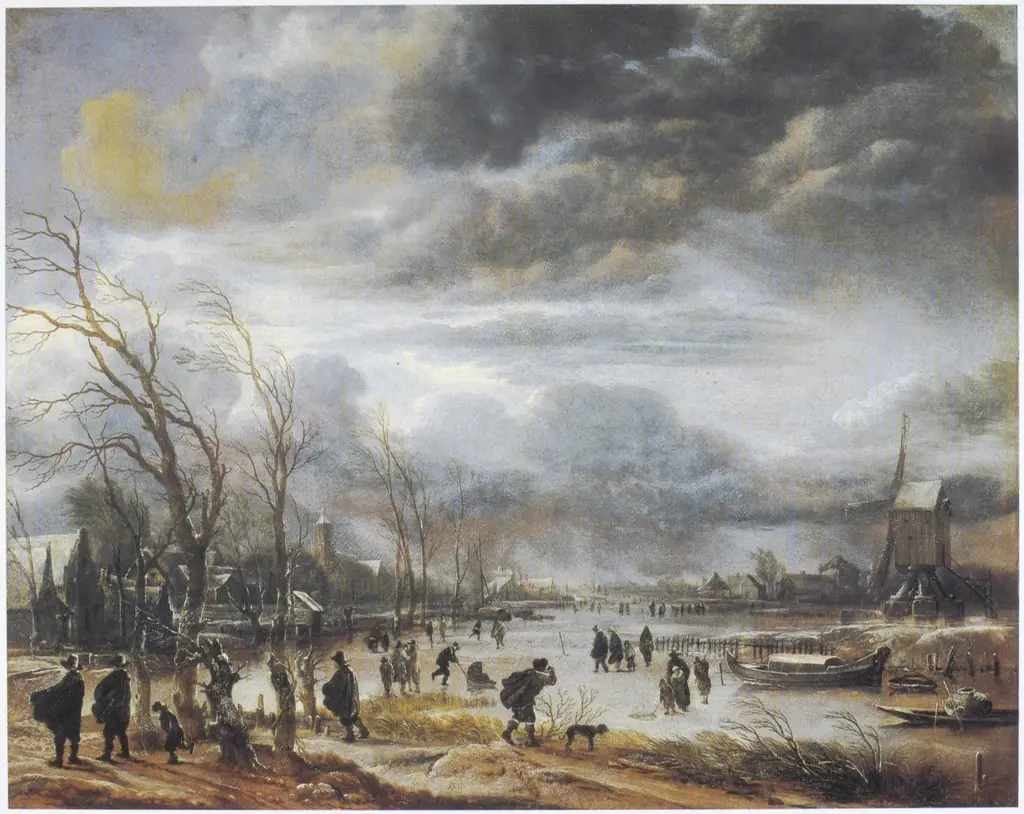
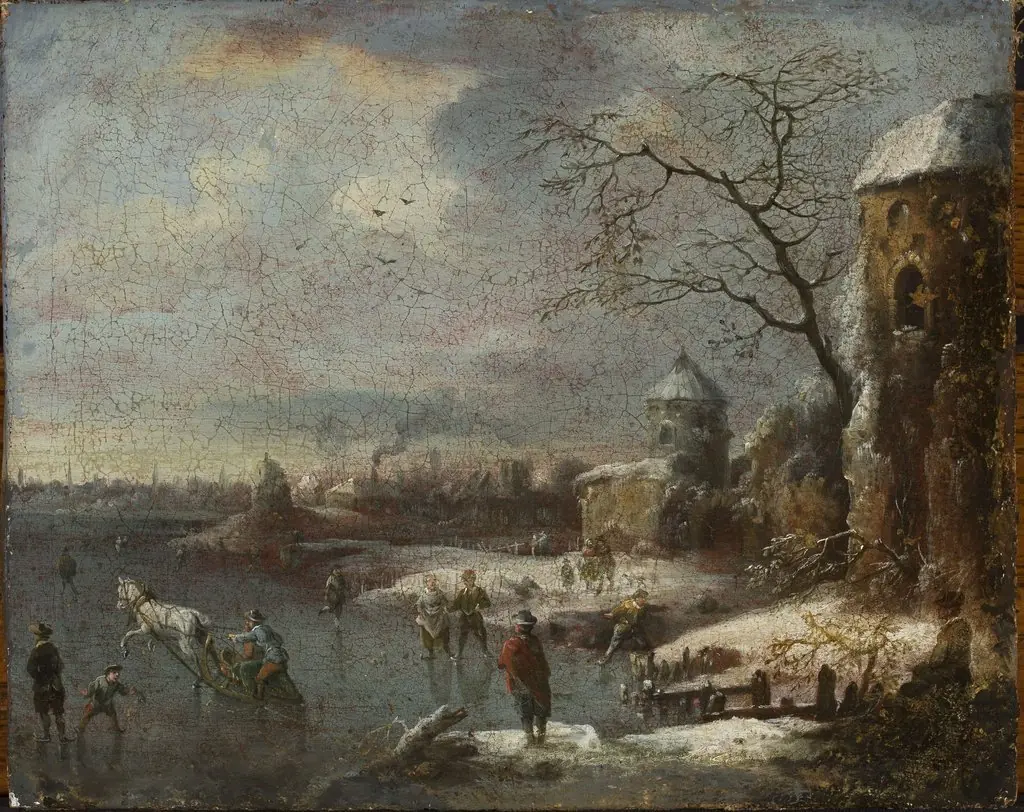
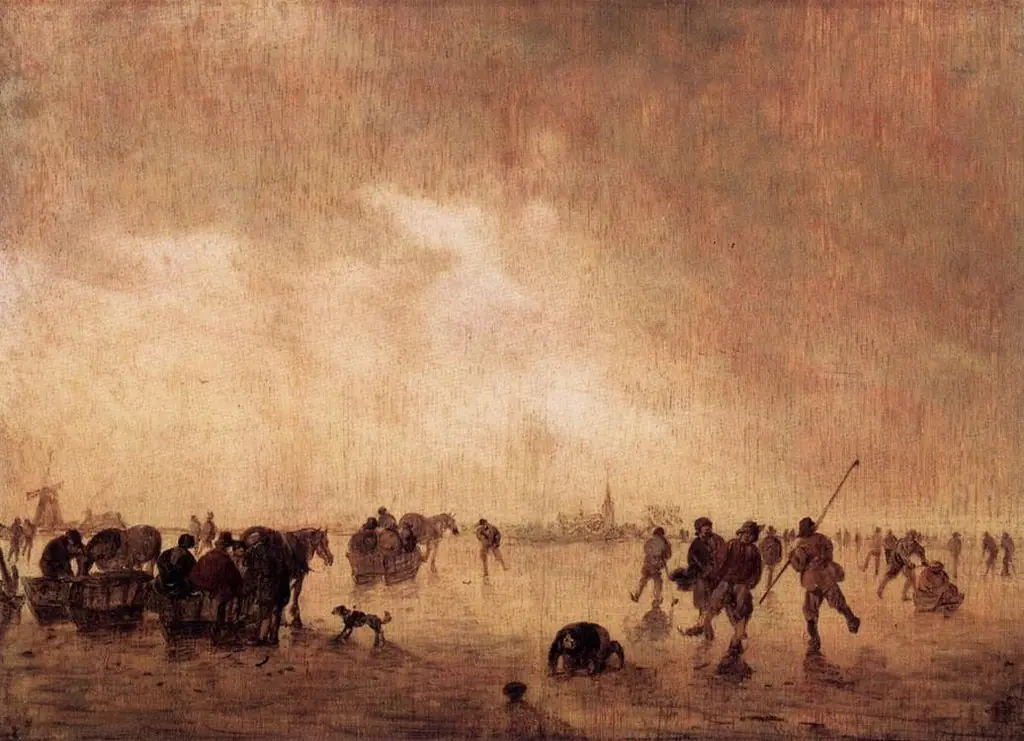
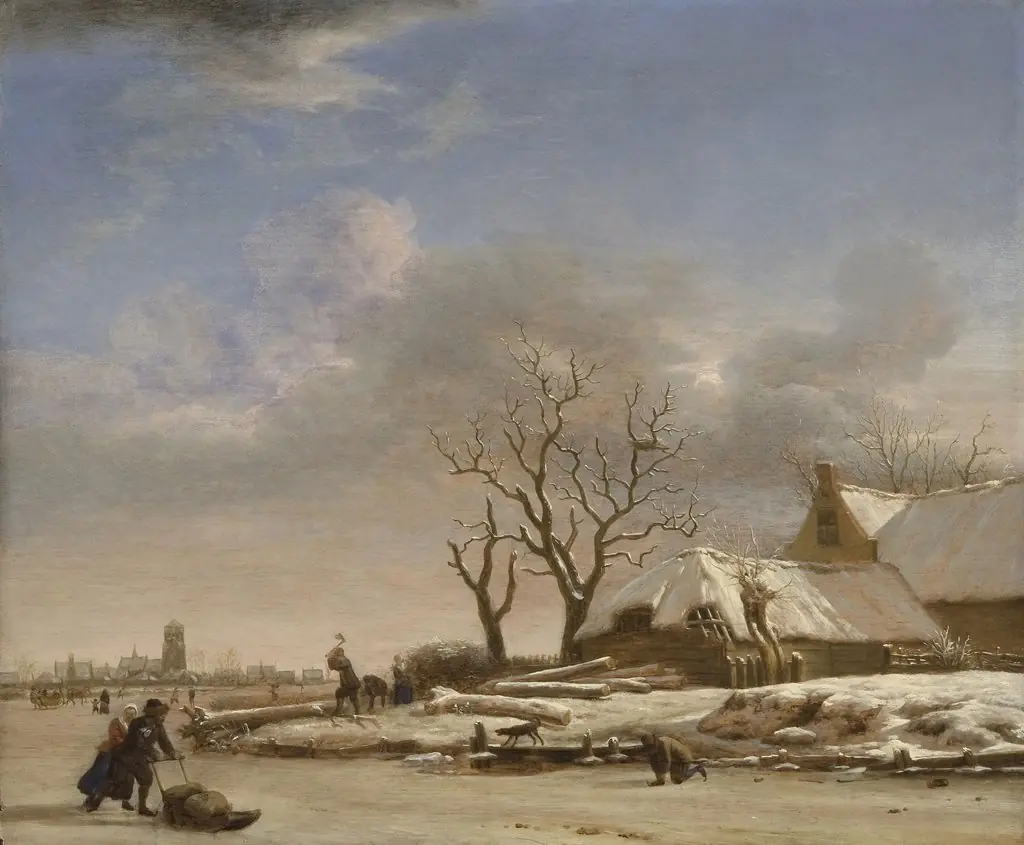
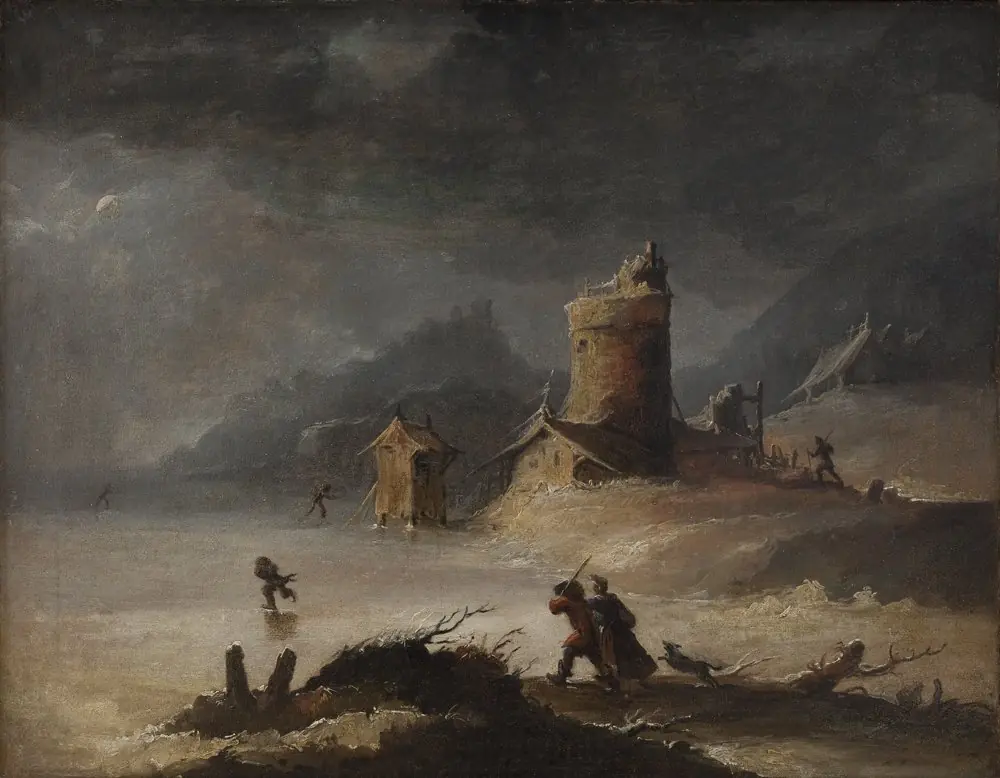
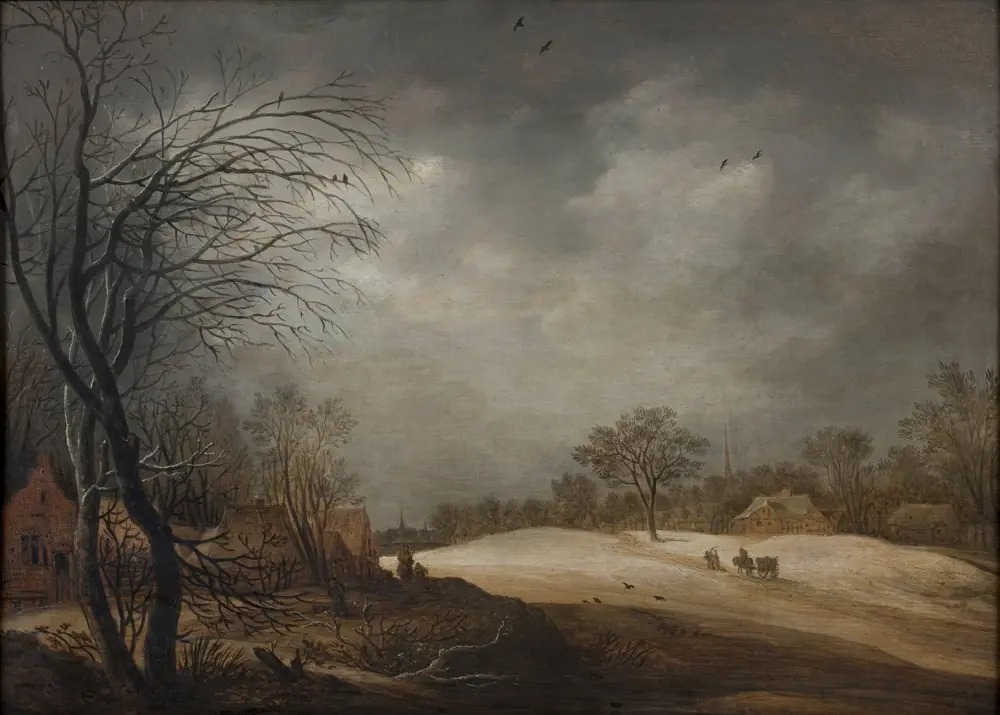
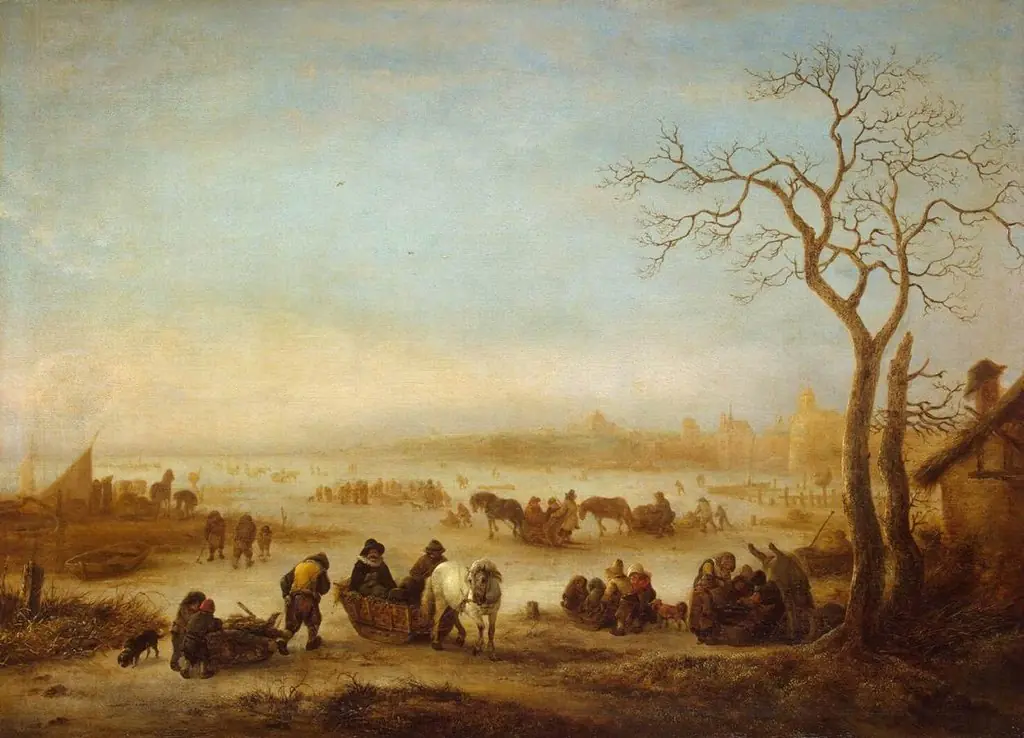
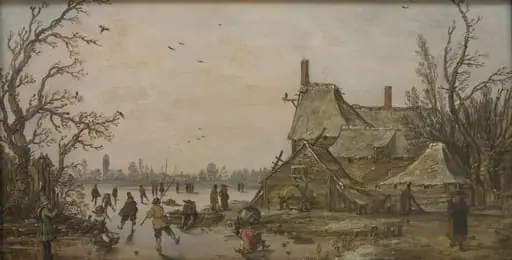
The scene portrays a modest winter day in the Dutch countryside, with figures engaged in routine tasks: skating on frozen water, hauling a cart, and walking along the bank. The windmill, a symbol of regional industry and resilience, stands quietly in the distance. No dramatic events occur; instead, the painting conveys the dignity of ordinary life, framed by the season’s restraint and the quiet rhythm of rural labor.
Technique & Style
Molenaer employs a restrained palette of grays, browns, and muted whites to evoke the cold stillness of winter. Subtle chiaroscuro models forms and suggests depth, guiding the eye from the foreground figures toward the windmill. Brushwork is controlled but not overly refined, allowing texture to emerge naturally in snow, fabric, and wood. The composition balances horizontal planes with vertical elements, reinforcing the calm, orderly atmosphere.
History & Provenance
The painting entered the State Hermitage Museum’s collection in the 19th century, likely through acquisitions from European private holdings. Its attribution to Molenaer has been consistently supported by stylistic analysis and archival records. While little is known of its early ownership, its presence in a major Russian institution underscores its recognition as a representative work of mid-17th-century Dutch landscape painting.
Context
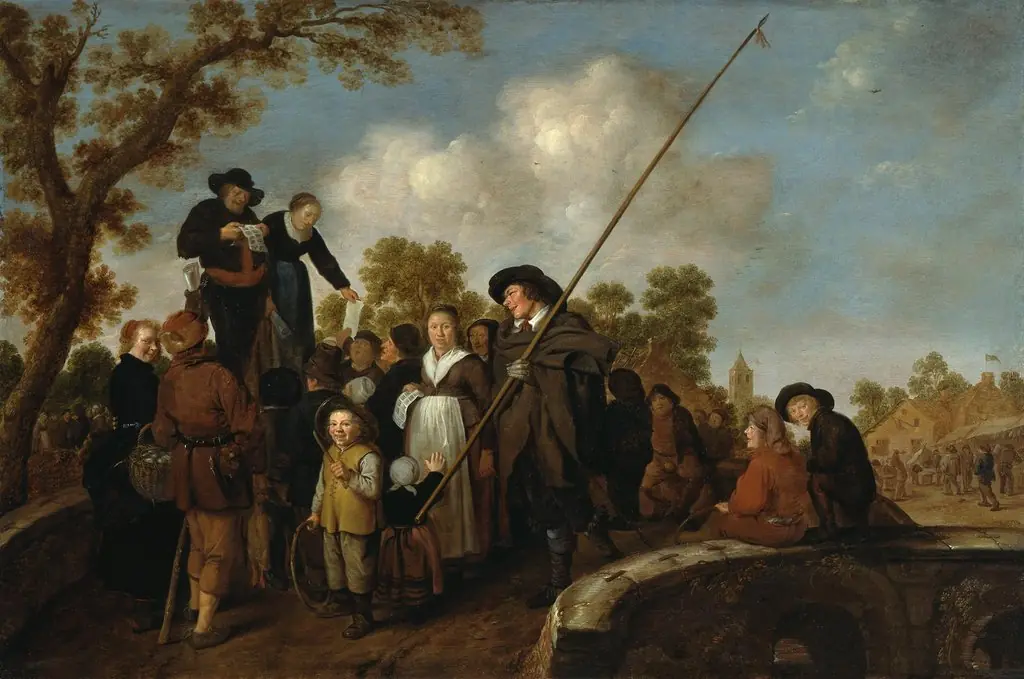
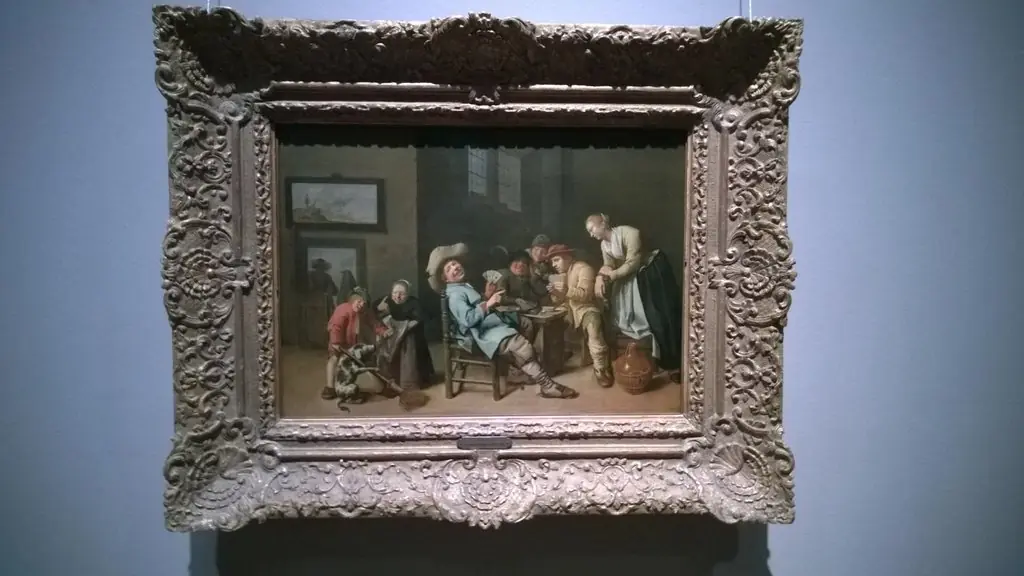
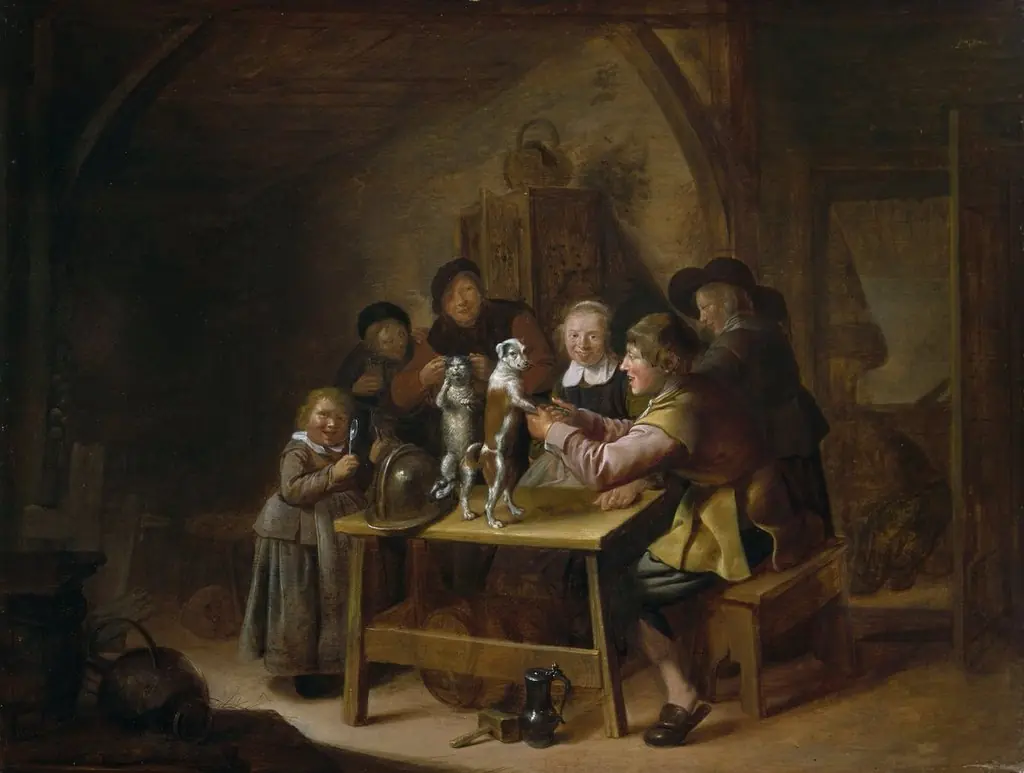
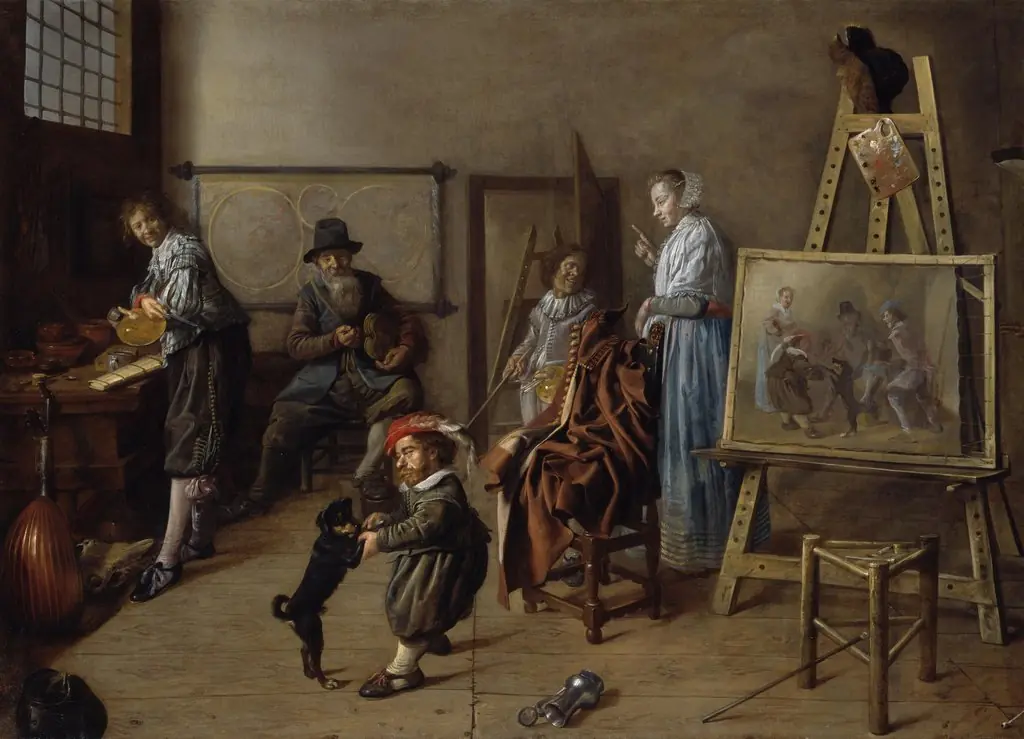
Molenaer worked in Haarlem during a period when genre scenes and winter landscapes were popular among Dutch collectors. He was married to Judith Leyster, another prominent painter, and both may have trained under Frans Hals, absorbing his loose brushwork and interest in everyday subjects. This painting aligns with broader trends in Dutch art that valued observation of nature and daily life over idealized or religious themes.
Legacy
Though less widely known than contemporaries like Rembrandt or Vermeer, Molenaer’s integration of human activity into natural settings influenced later genre painters. *Winter Landscape with a Windmill* exemplifies a quiet, observational mode of painting that prioritized atmosphere over narrative. It remains a representative example of how Dutch artists transformed mundane winter scenes into enduring studies of light, labor, and stillness.
Artist & collection

Artist
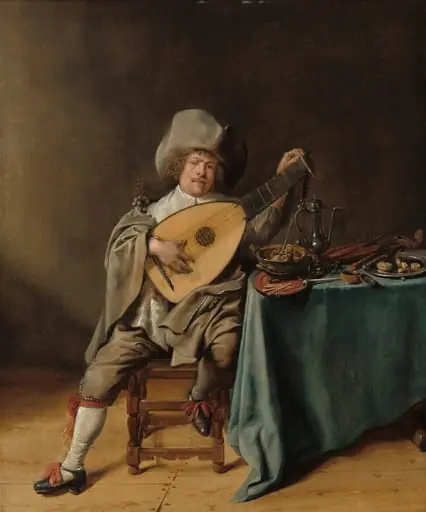
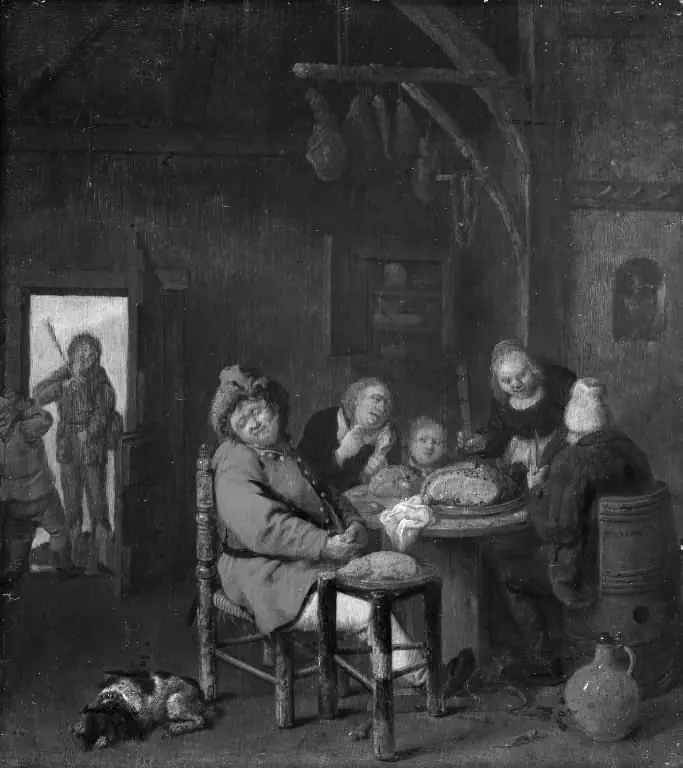
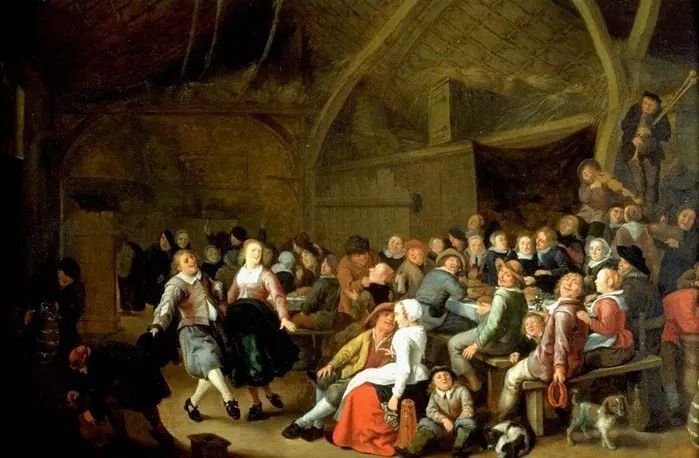
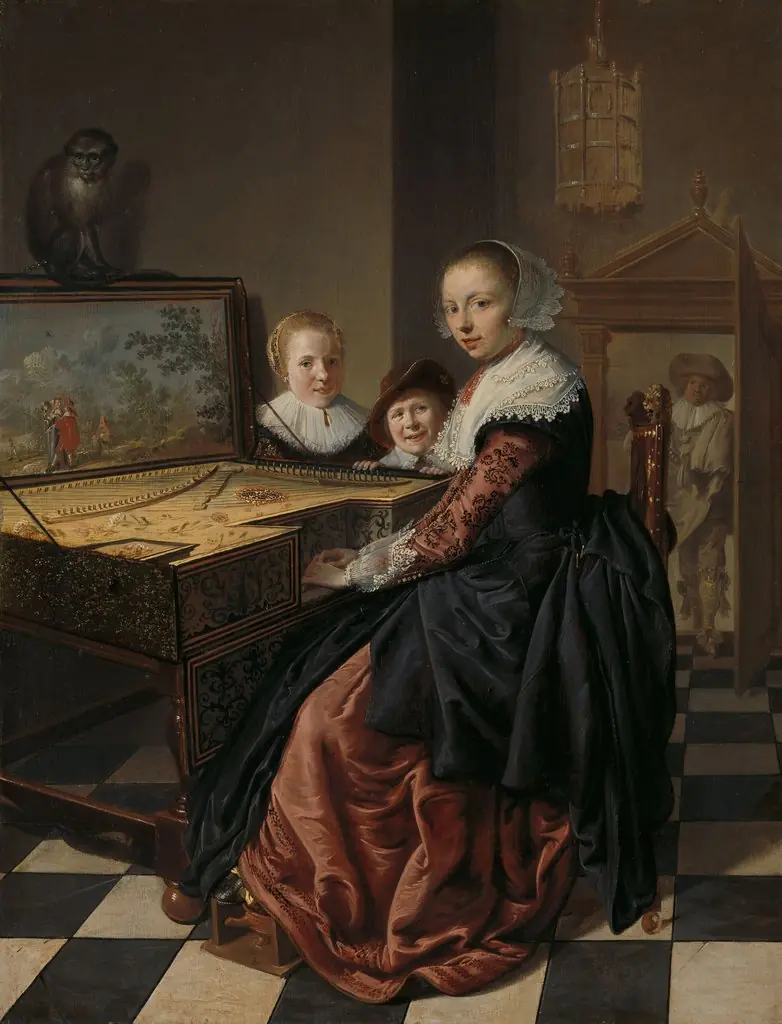
Jan Miense Molenaer (1610 – buried 19 September 1668) was a Dutch Golden Age genre painter whose style was a precursor to Jan Steen's work during Dutch Golden Age painting.