Artwork
Portrait of Jan Paweł Woronicz
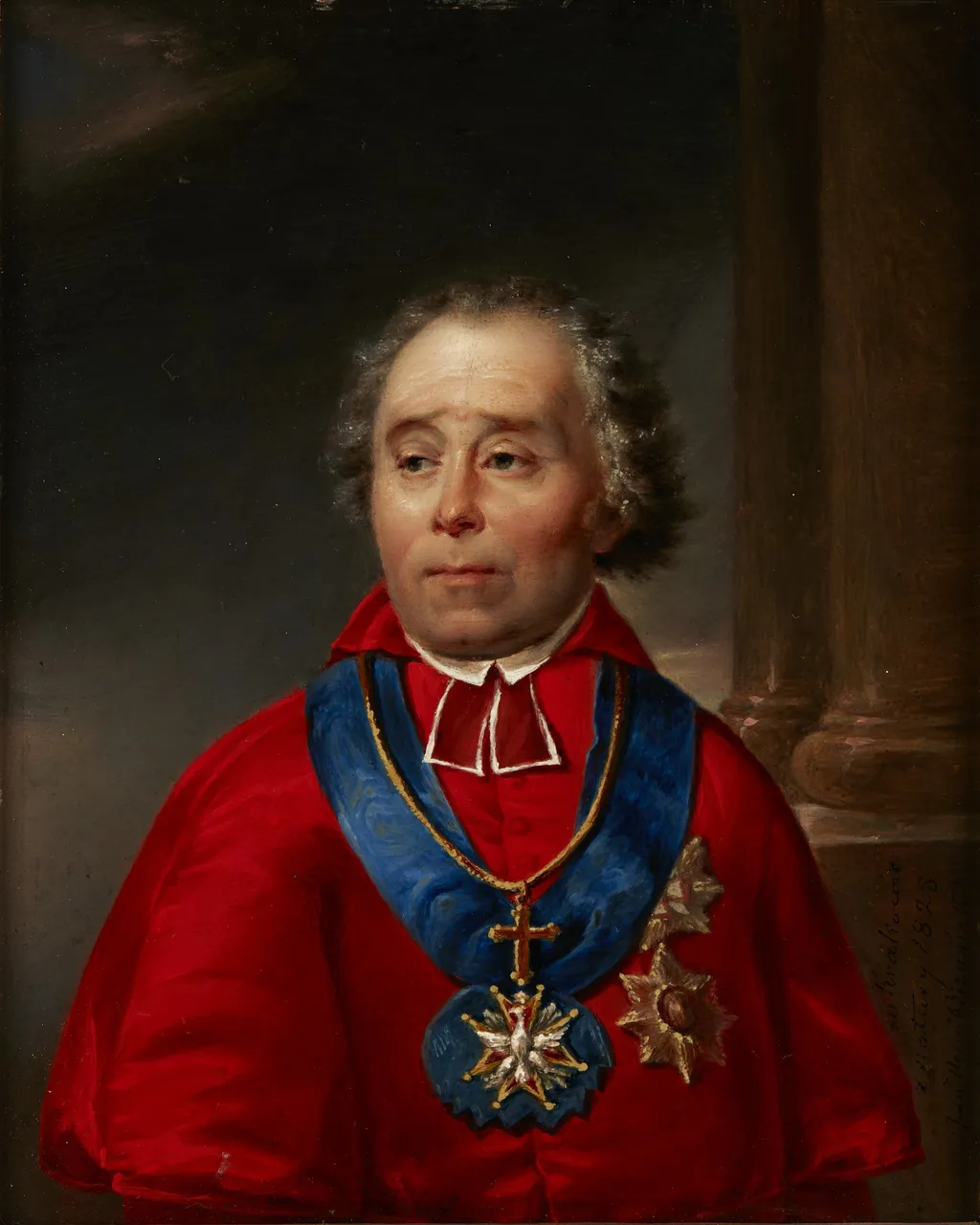
Portrait of Jan Paweł Woronicz is an unspecified painting by Jan Nepomucen Bizański. It dates from 1828 and is held in the collection of the National Museum in Kraków.
About this work
Overview
Bizański, known for his restrained realism, rendered Woronicz with attention to detail and dignified composure, reflecting the subject’s social standing.
Painted in 1828 by Jan Nepomucen Bizański, this portrait captures Jan Paweł Woronicz, a Polish nobleman and clergyman. The work resides in the National Museum in Kraków, where it is preserved as part of its 19th-century Polish portraiture collection. Bizański, known for his restrained realism, rendered Woronicz with attention to detail and dignified composure, reflecting the subject’s social standing.
Subject & Meaning
Jan Paweł Woronicz is depicted wearing a red robe, a blue sash, and a gold cross, symbols of ecclesiastical or high aristocratic rank. The Order of Charles III, visible on his chest, confirms his recognition by the Spanish crown, likely for diplomatic or cultural service. The portrait conveys authority and refined status, emphasizing his dual role in church and state without overt theatricality.
Technique & Style
Bizański employed a muted palette and soft modeling to convey texture and depth. The dark background isolates the figure, while subtle lighting enhances the folds of fabric and the sheen of metal insignia. Brushwork is precise but unobtrusive, favoring clarity over flourish. The rendering of the gray curls and the cross’s metallic surface demonstrates careful observation and control of light.
History & Provenance
The painting was completed in 1828 and entered the National Museum in Kraków’s collection in the 19th century. Its preservation suggests early recognition of its historical value. Woronicz’s association with the Order of Charles III indicates international ties, possibly linked to Polish diplomatic efforts during the post-partition era, when cultural identity was being maintained through such honors.
Context
In early 19th-century Poland, portraiture served as a means of asserting identity amid foreign domination. Nobles and clergy often commissioned likenesses to affirm their roles in society. Bizański’s work aligns with this tradition, capturing individuals who upheld Polish cultural continuity. The inclusion of foreign honors like the Order of Charles III reflects Poland’s complex diplomatic networks during its absence from the map.
Legacy
The portrait remains a representative example of Polish academic portraiture from the early Romantic period. It contributes to the understanding of how elite identities were visually constructed during a time of political fragmentation. Bizański’s restrained approach influenced later artists seeking to document national figures with dignity rather than grandeur.
Own this work as a print
Artist & collection

 Portrait of a dignitary
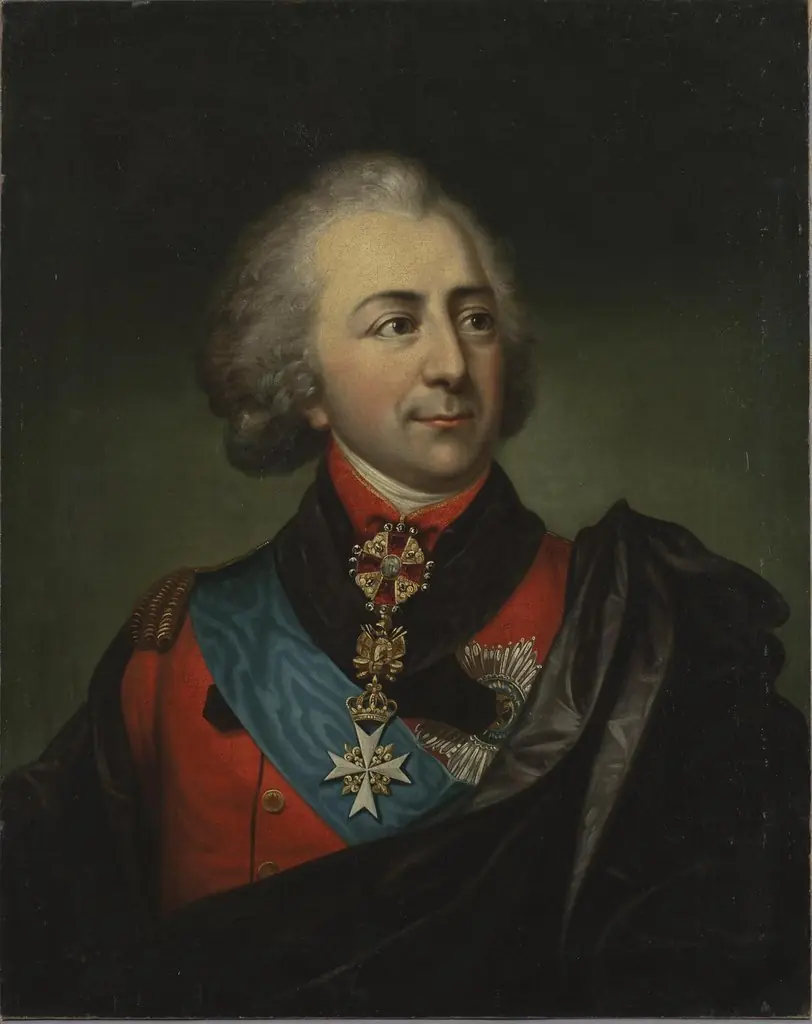 Portrait of Count Ivan Kutaisov
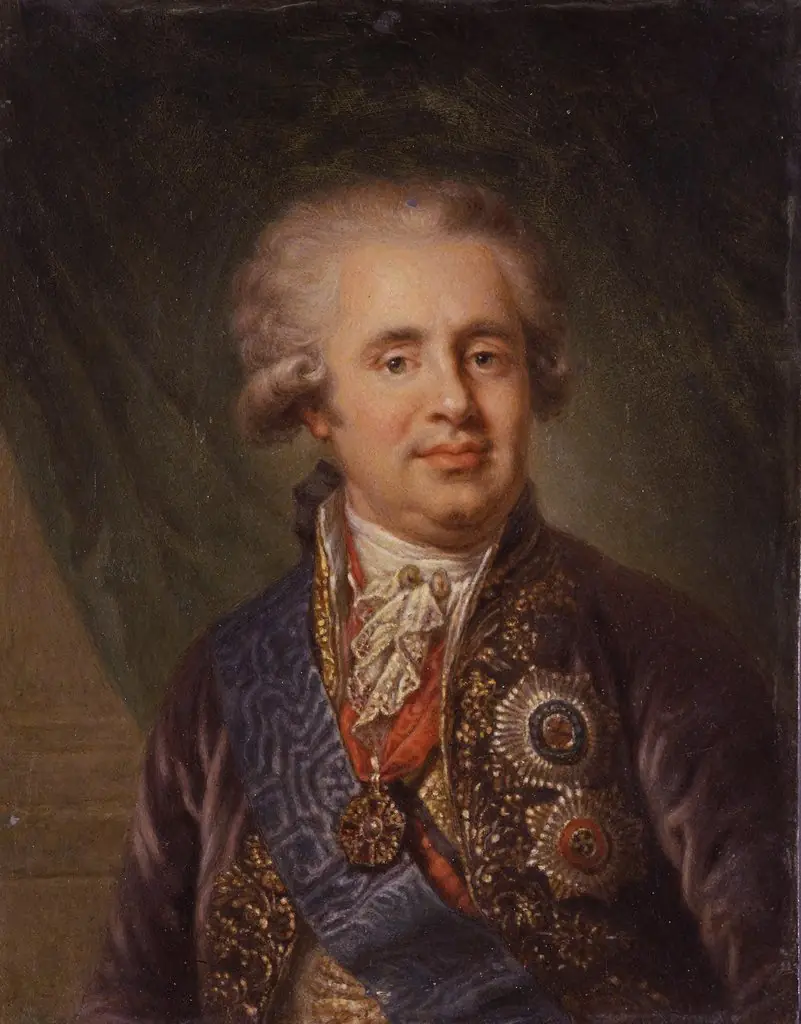 Portrait of Chancellor A.A. Bezborodko
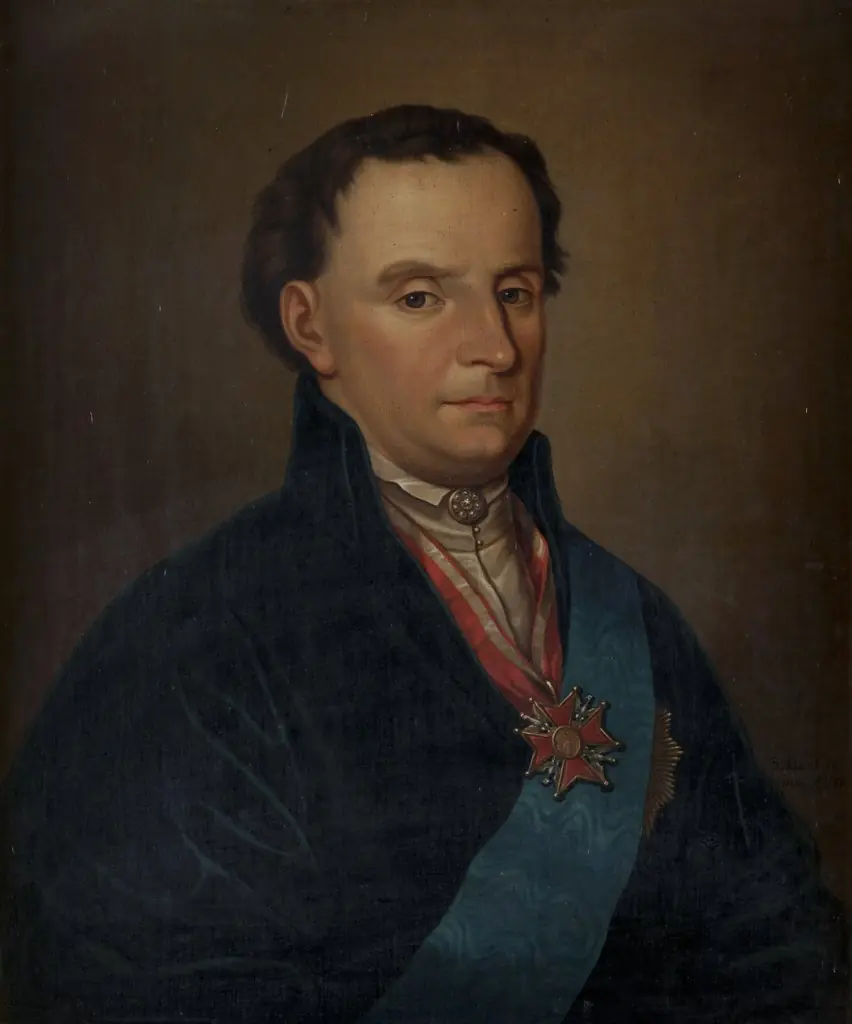 Portrait of a Nobleman
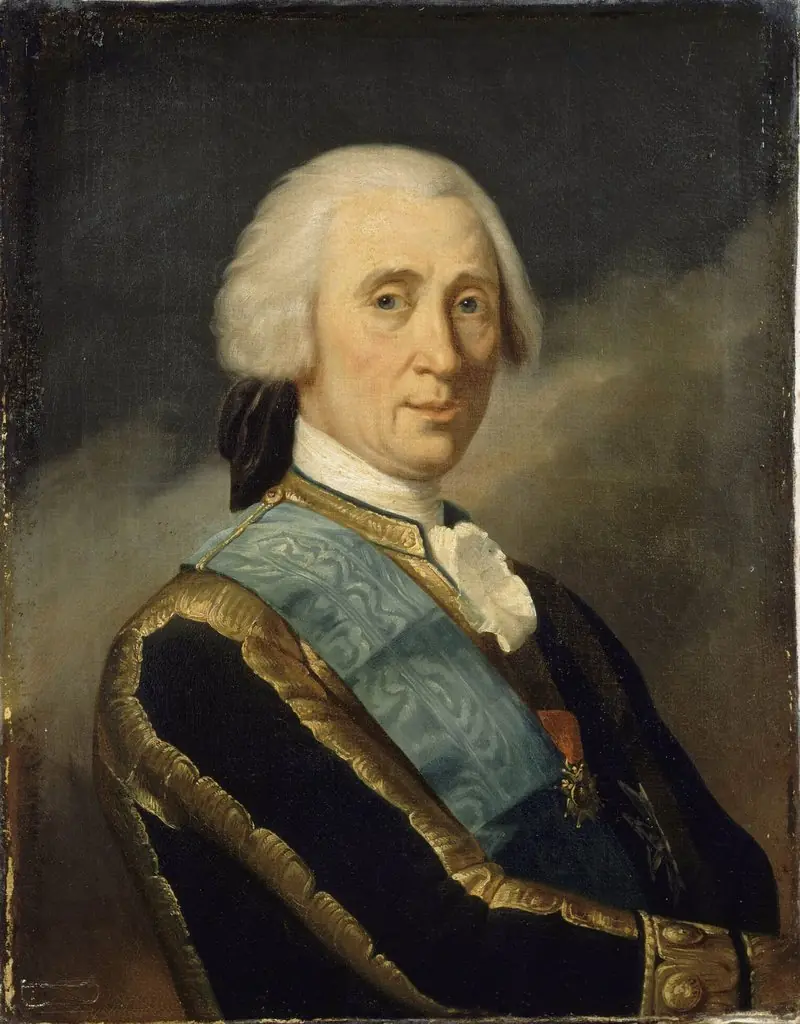 Emmanuel de Croy-Solre, Duke of Croy, Marshal of France (1718-1784)
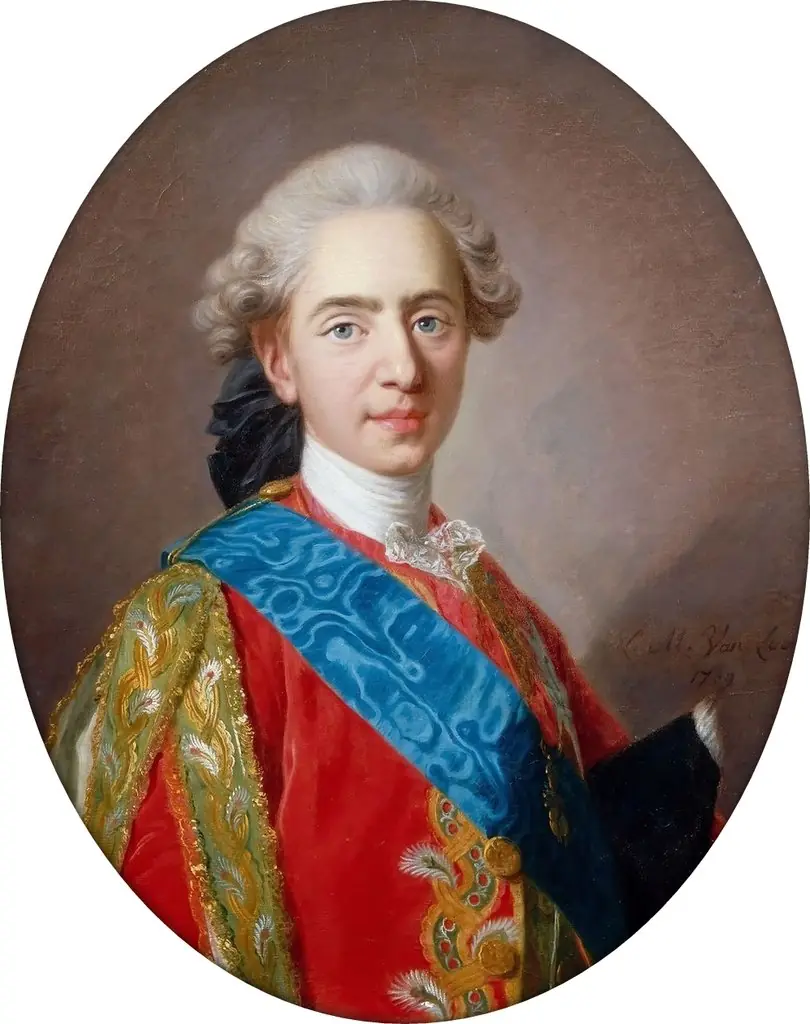 Louis XVI of France when he was the Dauphin of France.
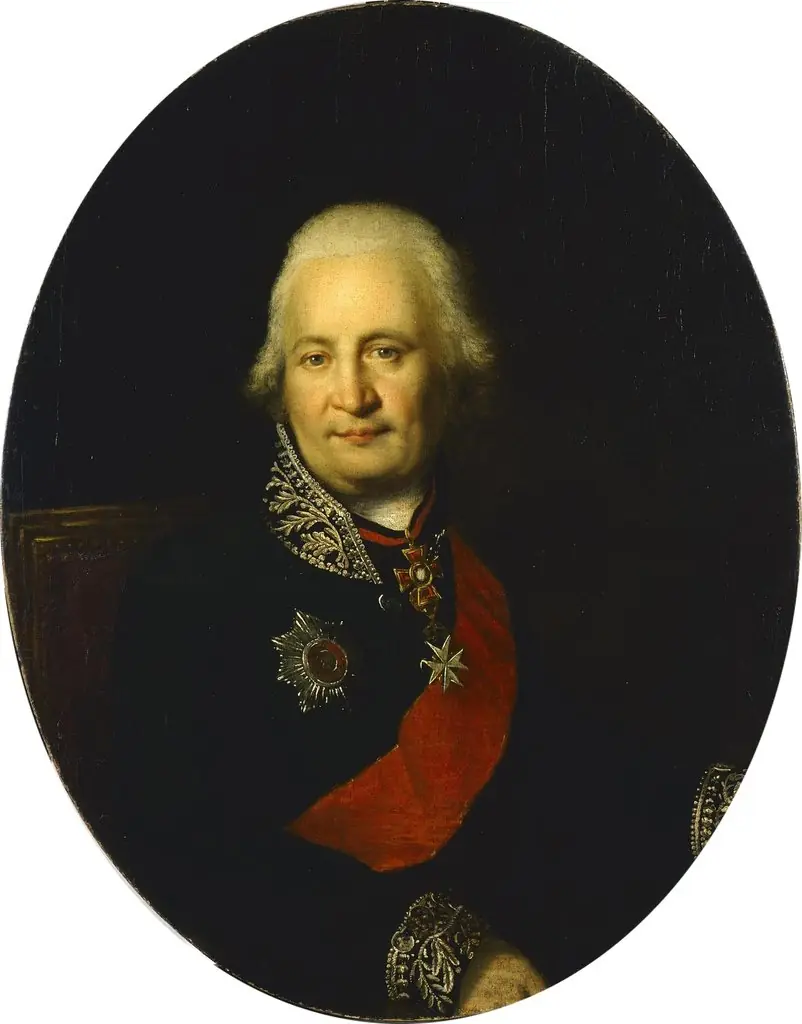 Portrait of N.N.Bantysh-Kamensky
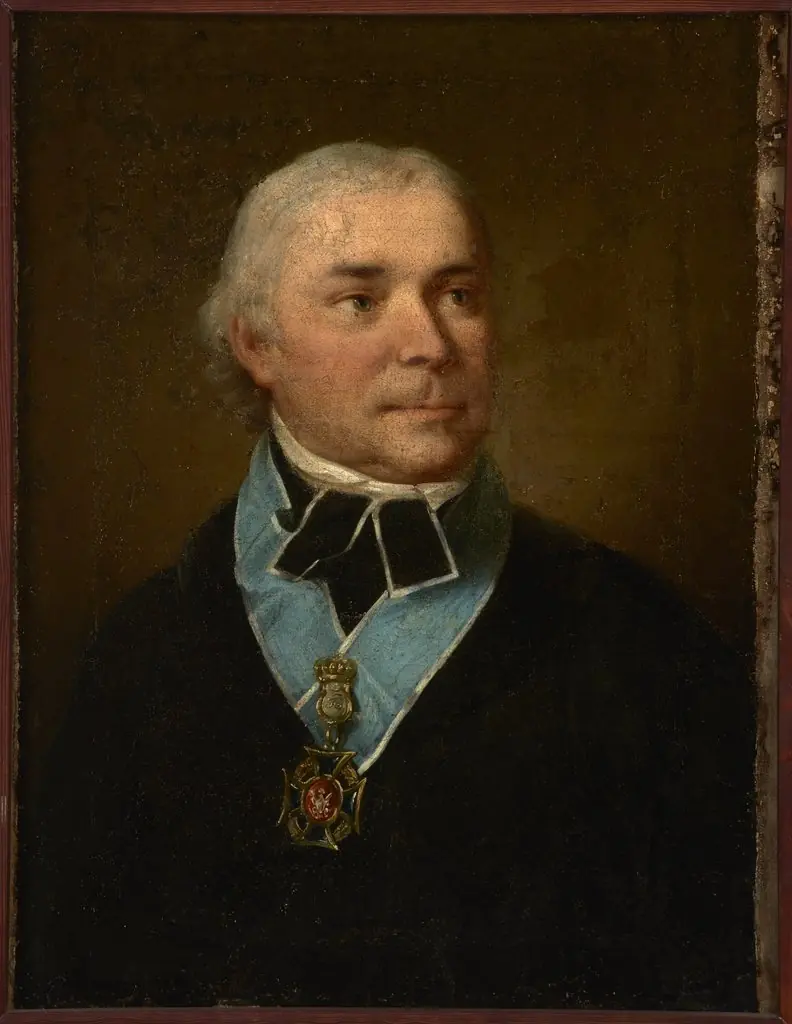 Portret Jana Kantego Wodzickiego (ok. 1740-1821), kanonika krakowskiego i prezydenta Trybunału Koronnego
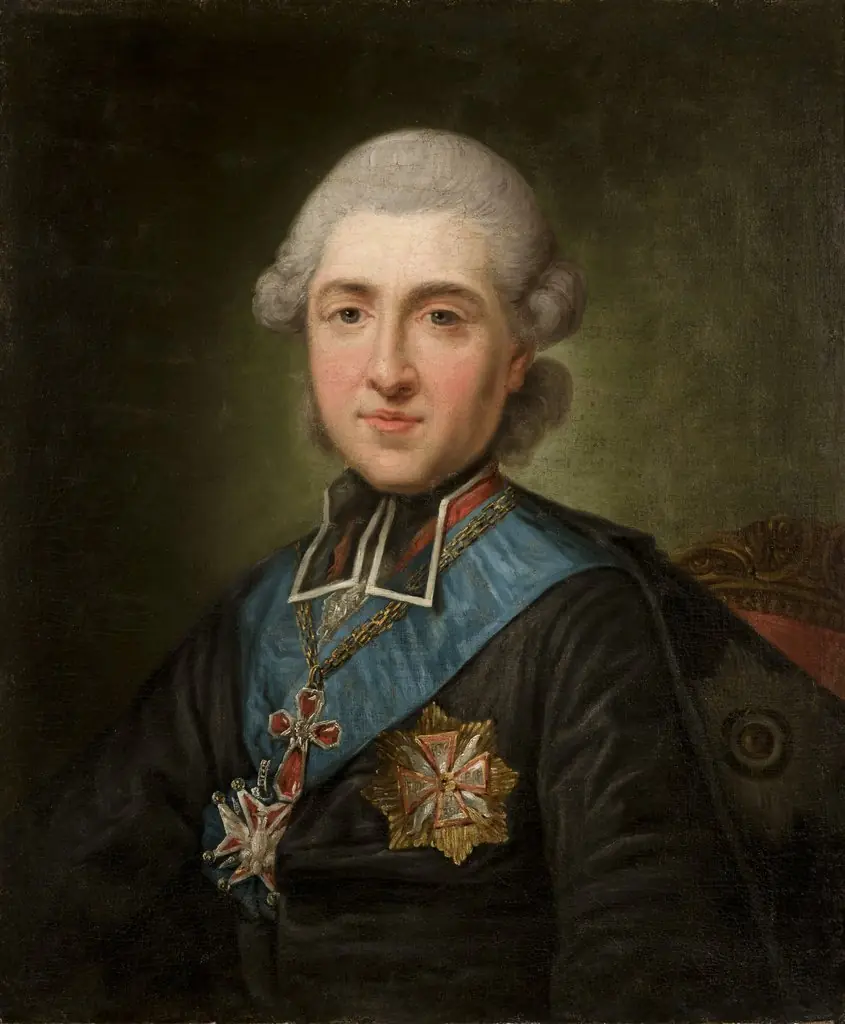 Portrait of Primate Michał Poniatowski
 Elector Clemens Augustus of Cologne (1700-1761)
 Portrait of Władysław Łubieński (1703–1767), Archbishop of Gniezno and the Primate of Poland
 Portrait of Stanisław Wodzicki