Artwork
Four Panels
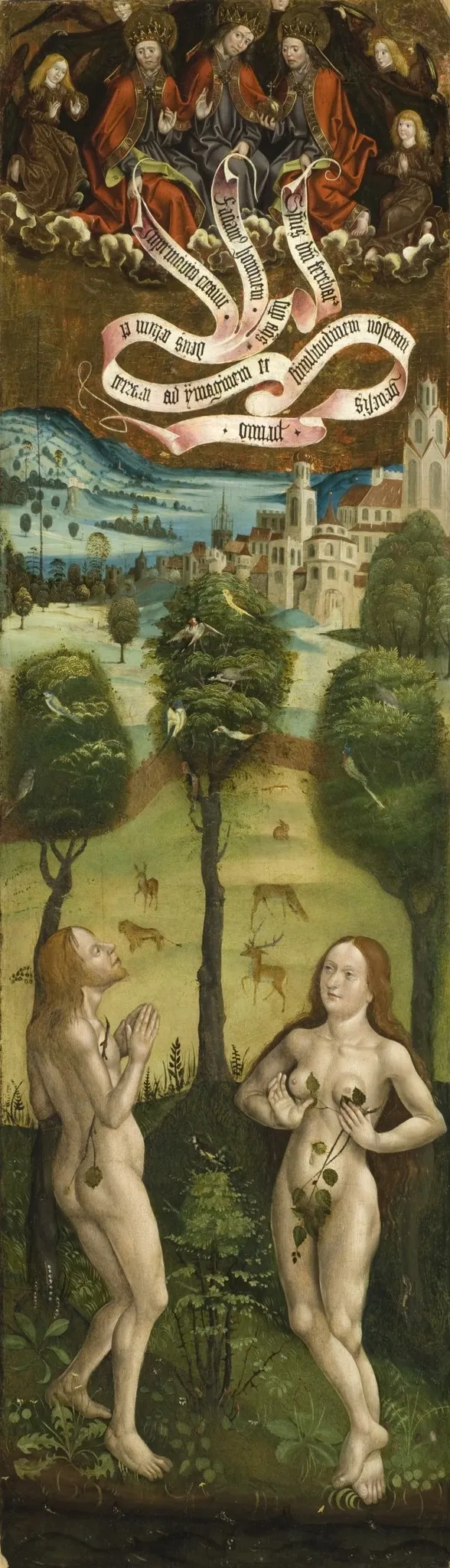
Four Panels is an oil painting by the Northern Renaissance artist Jan Polack. It dates from 1500 and is held in the collection of the Los Angeles County Museum of Art.
About this work
Overview
Though modest in scale, the composition reflects the devotional traditions of Northern Renaissance art, blending naturalistic detail with symbolic narrative.
Created in 1500 by Jan Polack, a painter active in Munich during the late 15th and early 16th centuries, this oil-on-panel work consists of four distinct scenes arranged vertically. Though modest in scale, the composition reflects the devotional traditions of Northern Renaissance art, blending naturalistic detail with symbolic narrative. The panels are unified by their shared medium and thematic undercurrents, though each presents a separate visual episode.
Subject & Meaning
The panels suggest a progression from the divine to the earthly. The uppermost scene shows robed figures with a Latin inscription, likely representing heavenly beings. Below, a tranquil landscape with a distant castle evokes a sacred realm. The third panel introduces a nude woman amid wildlife, widely interpreted as Eve in Eden, while the final panel isolates her lower body, emphasizing physicality and vulnerability. Together, they may trace a spiritual descent or moral allegory.
Technique & Style
Polack employed oil paint with careful layering to achieve subtle textures in skin, foliage, and fabric. The rendering of light across the landscape and the delicate rendering of animal fur demonstrate an attention to observed detail characteristic of Northern Renaissance practice. The figures are stylized yet grounded in naturalistic space, and the use of gold leaf or metallic pigments in the banner hints at liturgical influence.
History & Provenance
The panels have been in the collection of the Los Angeles County Museum of Art since at least the mid-20th century, though their earlier ownership history remains undocumented. Polack’s documented activity in Munich suggests the work was likely commissioned for private devotion or a local chapel, but no original context has been confirmed. Its survival in near-complete form is uncommon for works of this period.
Context
Jan Polack worked during a time when Munich was becoming a center for religious art in southern Germany. His style aligns with regional traditions that favored intricate detail and symbolic storytelling over grand scale. The four-panel format echoes altarpieces common in German-speaking regions, though this work’s intimate scale and secular undertones suggest a domestic or personal devotional function rather than public liturgical use.
Legacy
Though Polack is not widely known outside regional art histories, this work contributes to understanding the diversity of Northern Renaissance production beyond major urban centers. Its combination of biblical allusion and natural observation reflects a broader trend in late medieval art toward integrating spiritual themes with everyday visual experience. The panels remain a quiet example of how religious narratives were personalized in private settings.
Artist & collection
Artist
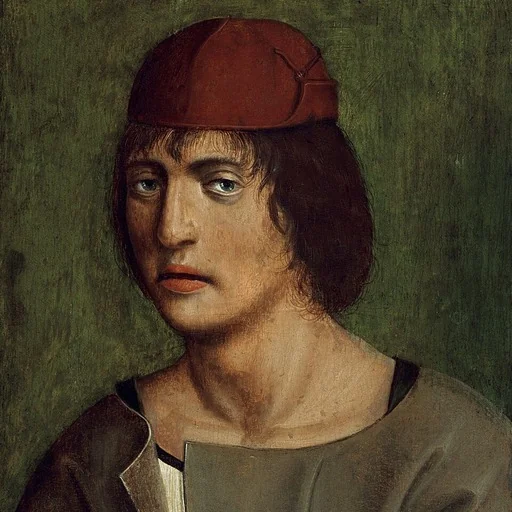
Jan Polack (Latin: Ioannes Polonus, also spelled Hanns Polagk, Polegk; born 1435/1450 – 1519) was a 15th-century painter.

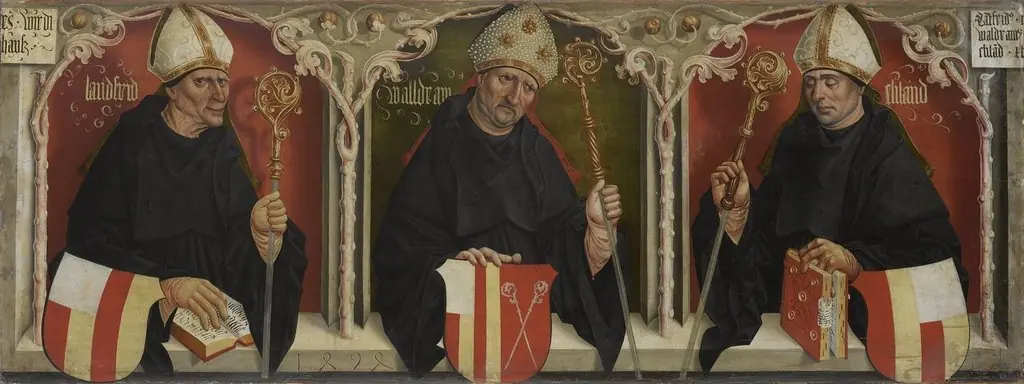 Lantfried, Waldram und Eliland, die Gründer des Klosters Benediktbeuern
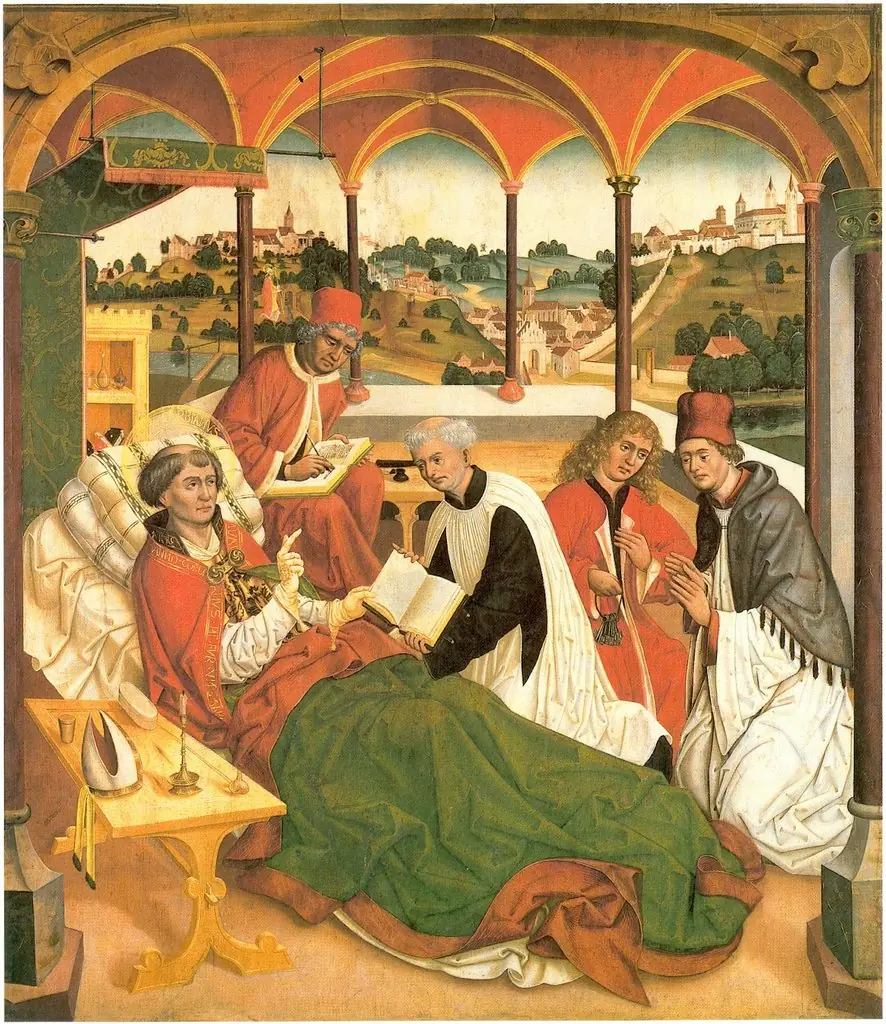 Weihenstephaner Altar: Tod des hl. Korbinian Rückseite: Christus am Ölberg
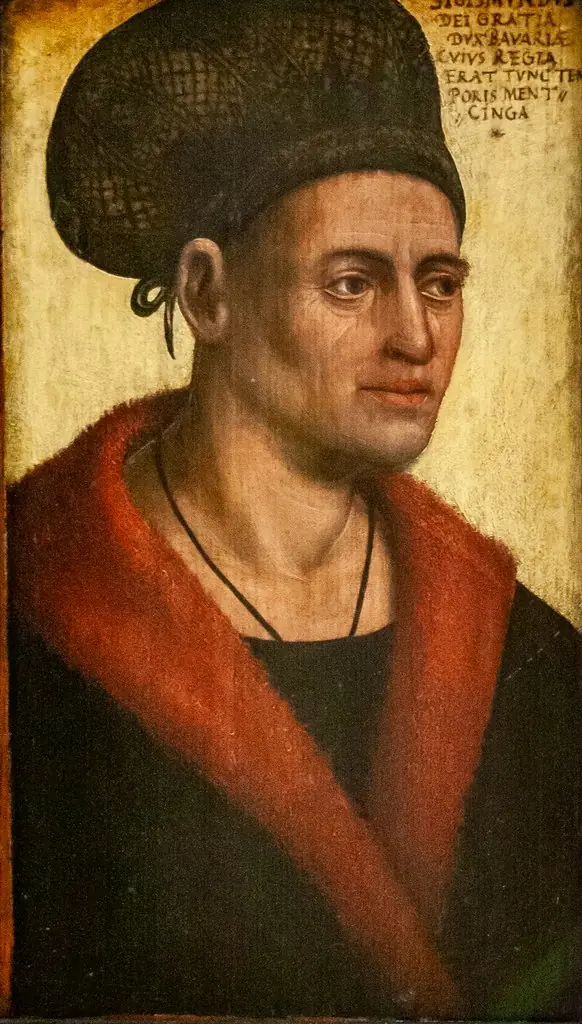 Herzog Sigismund von Bayern-München (zugeschrieben)
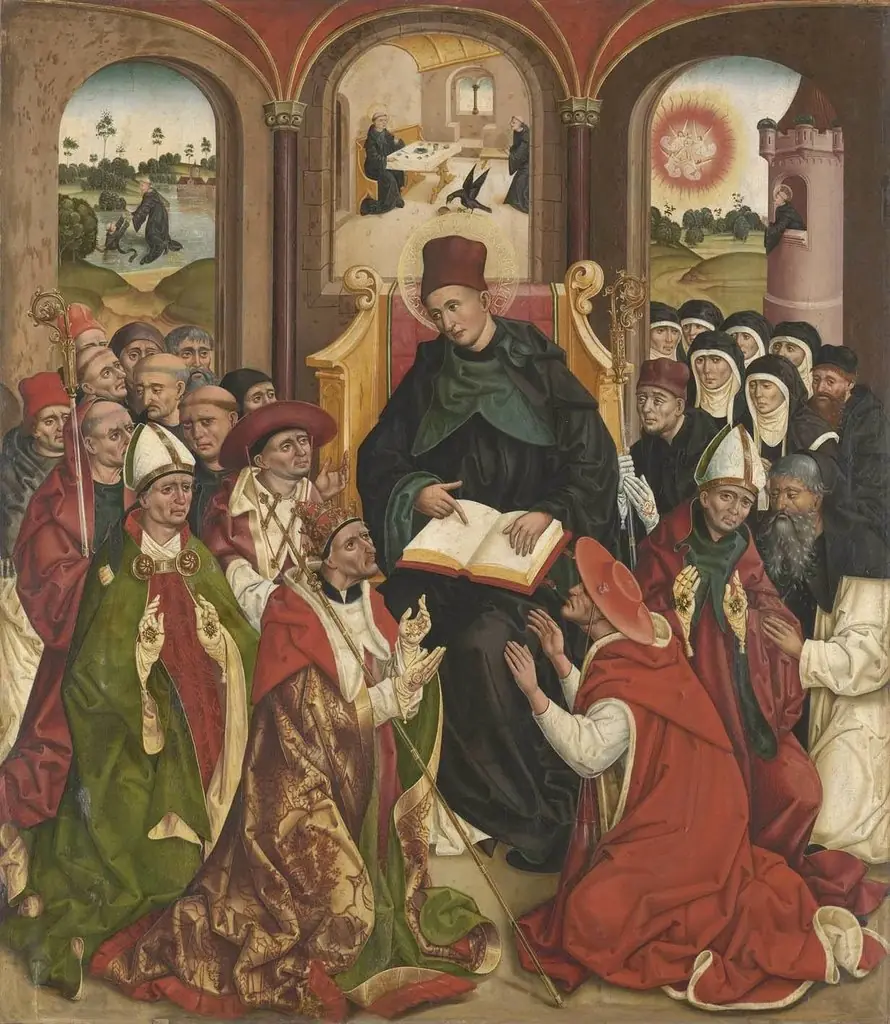 Weihenstephaner Altar: Der hl. Benedikt als Vater des abendländischen Mönchtums Rückseite: Kreuzannagelung Christi
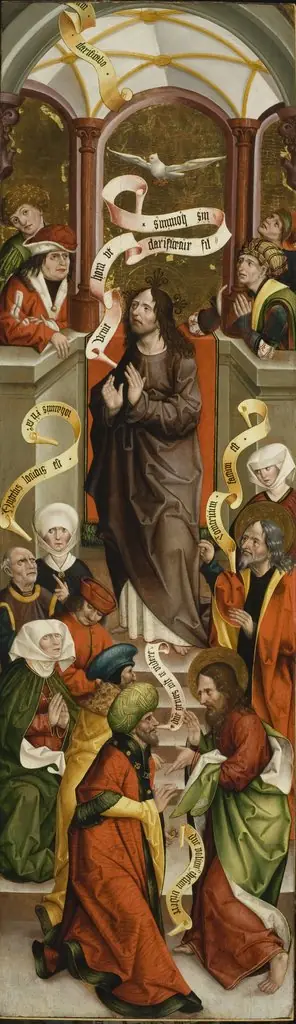 Christ Preaching in the Temple
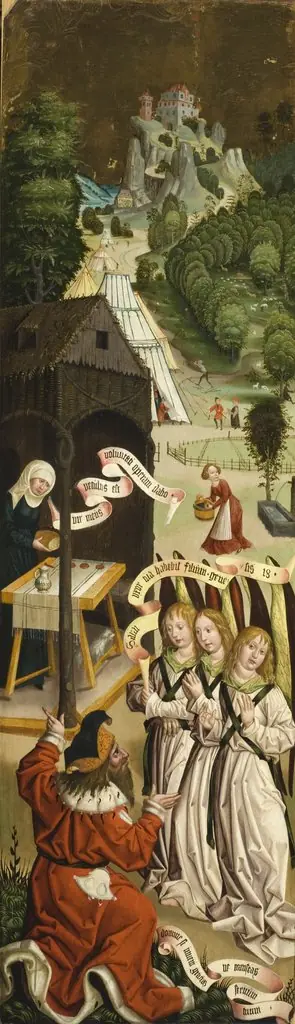 Abraham and the Three Angels
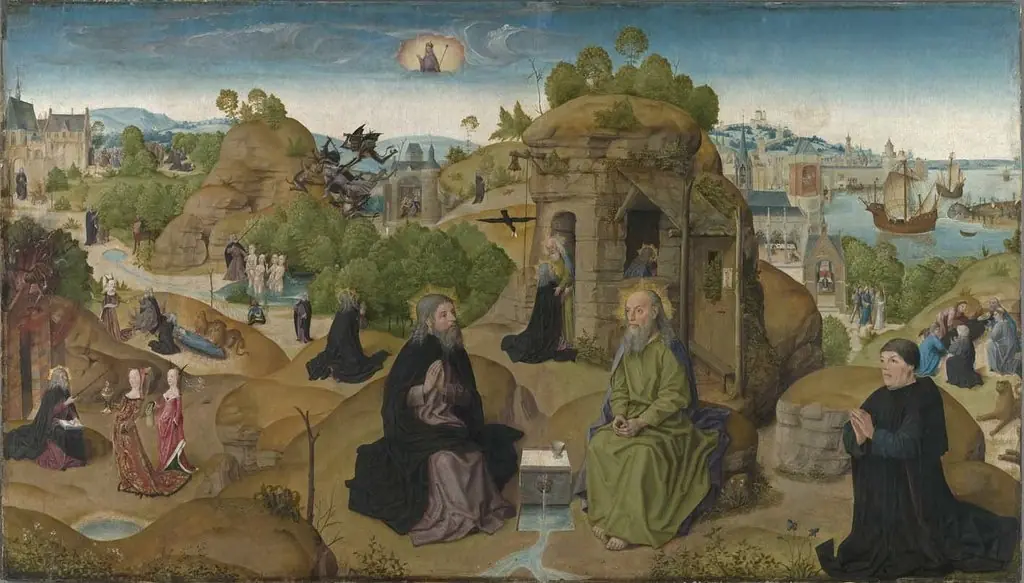 Legend of the Holy Ermite Anthony
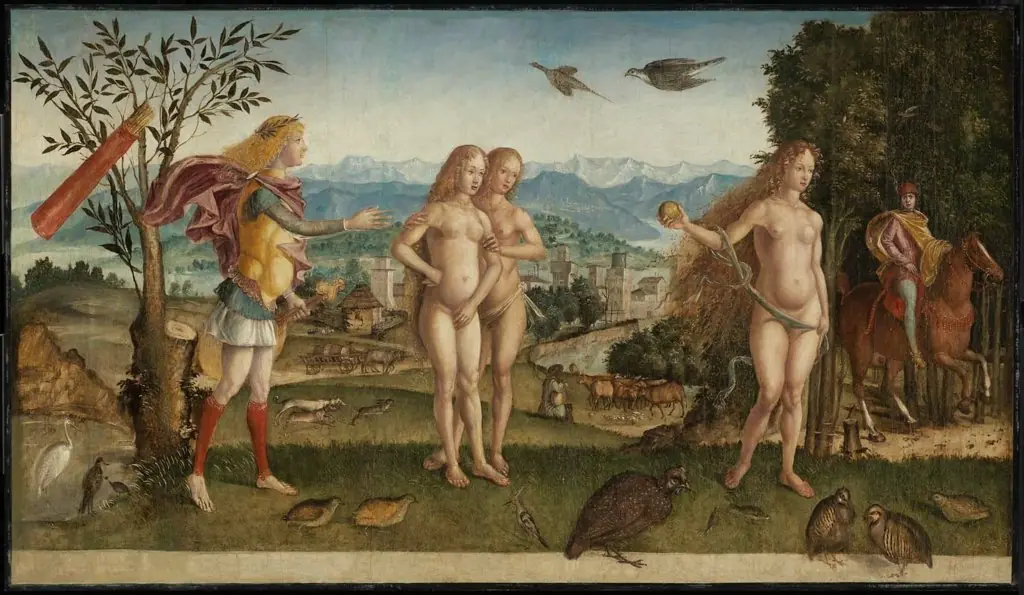 Judgement of Paris
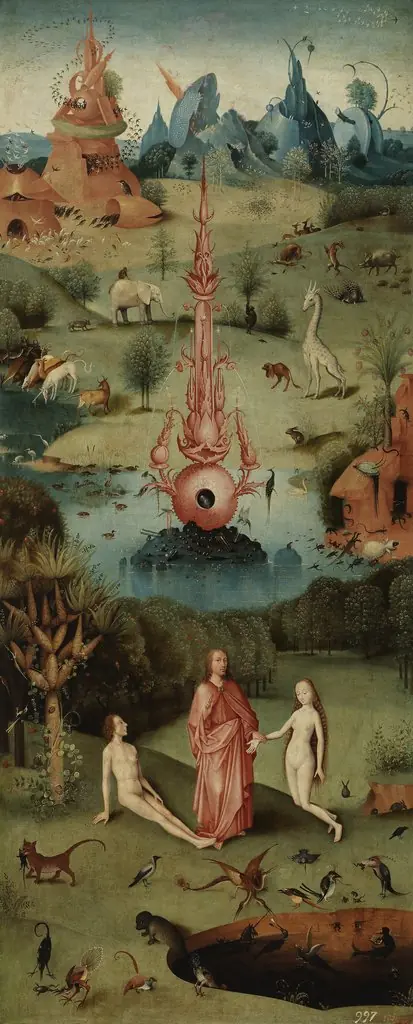 The Creation
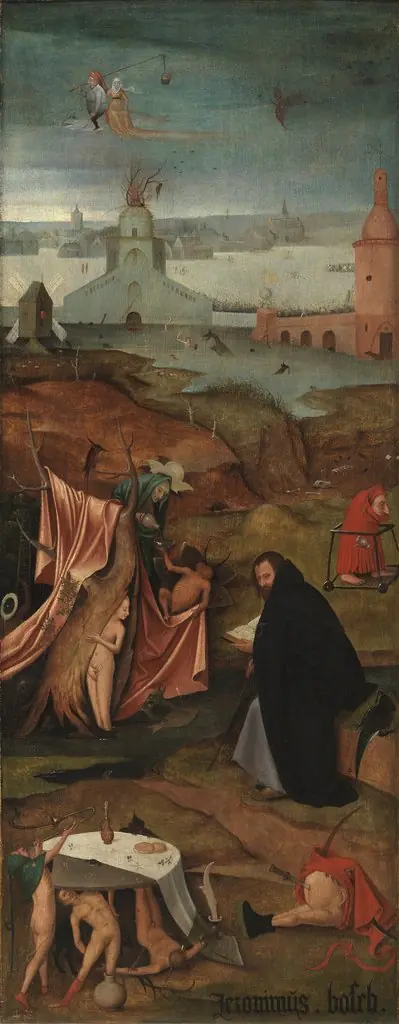 The Temptations of Saint Anthony
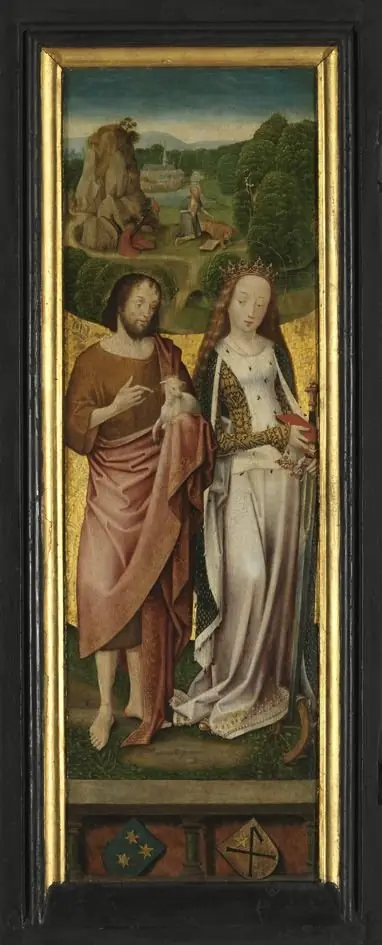 Flügelpaar: Die hll. Johannes der Täufer und Katharina (Außenseite: Engel der Verkündigung)
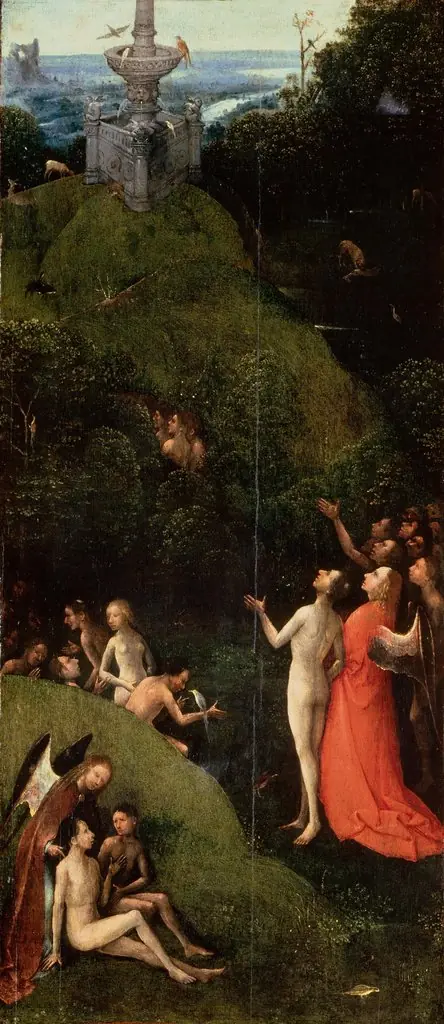 Visions of the Hereafter: Terrestrial Paradise
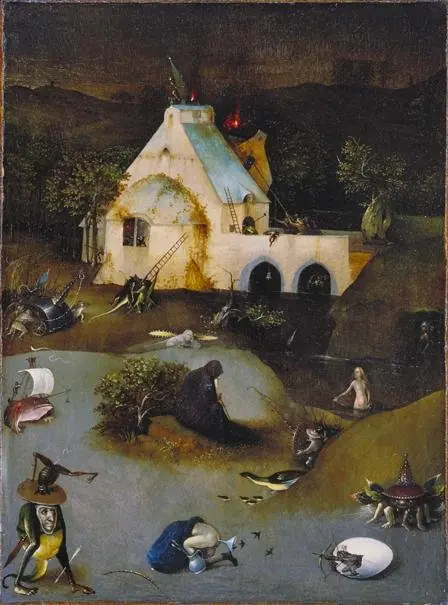 The Temptation of Saint Anthony
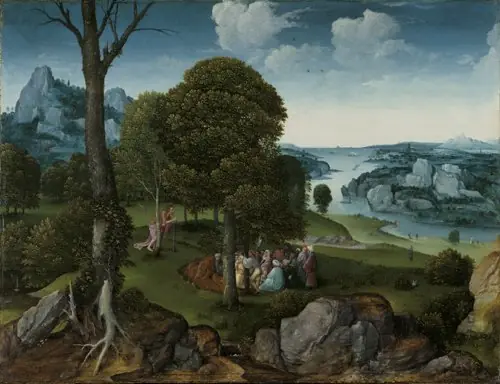 Landscape with St John the Baptist Preaching
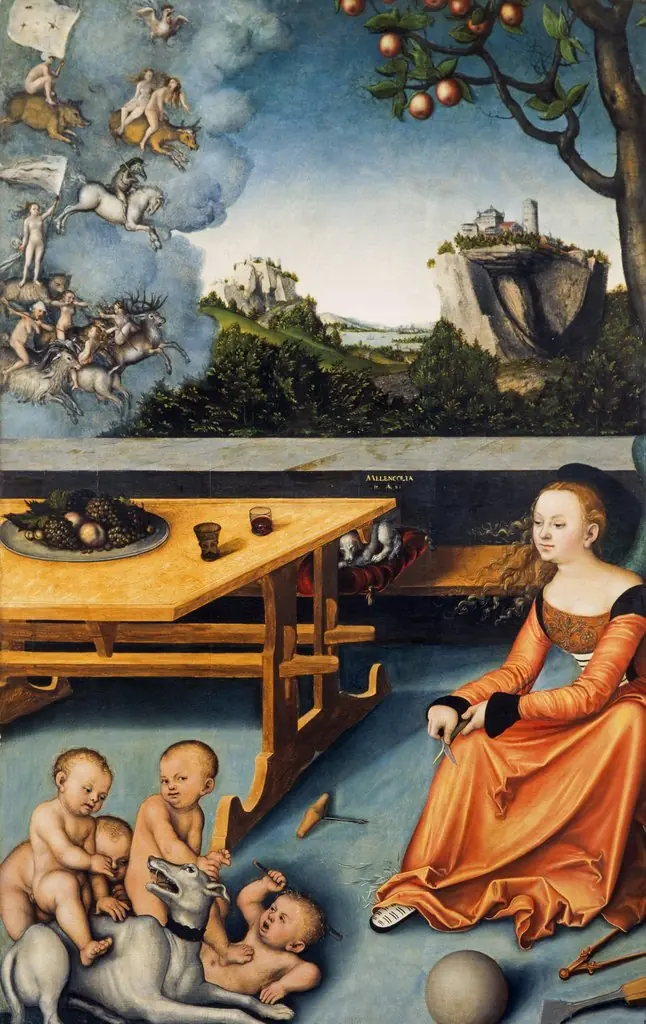 An Allegory of Melancholy
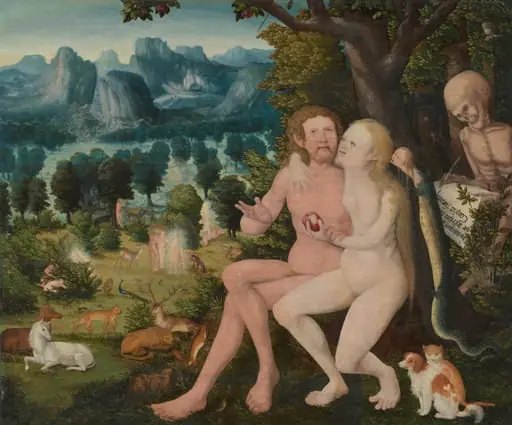 The Fall of Man with Scenes of the Creation
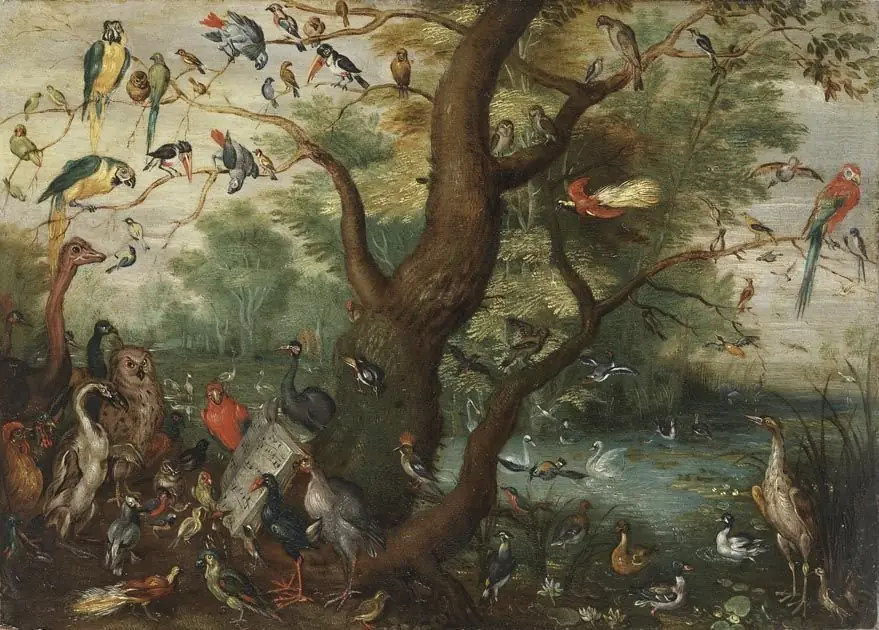 Das Vogelkonzert (Kopie nach)
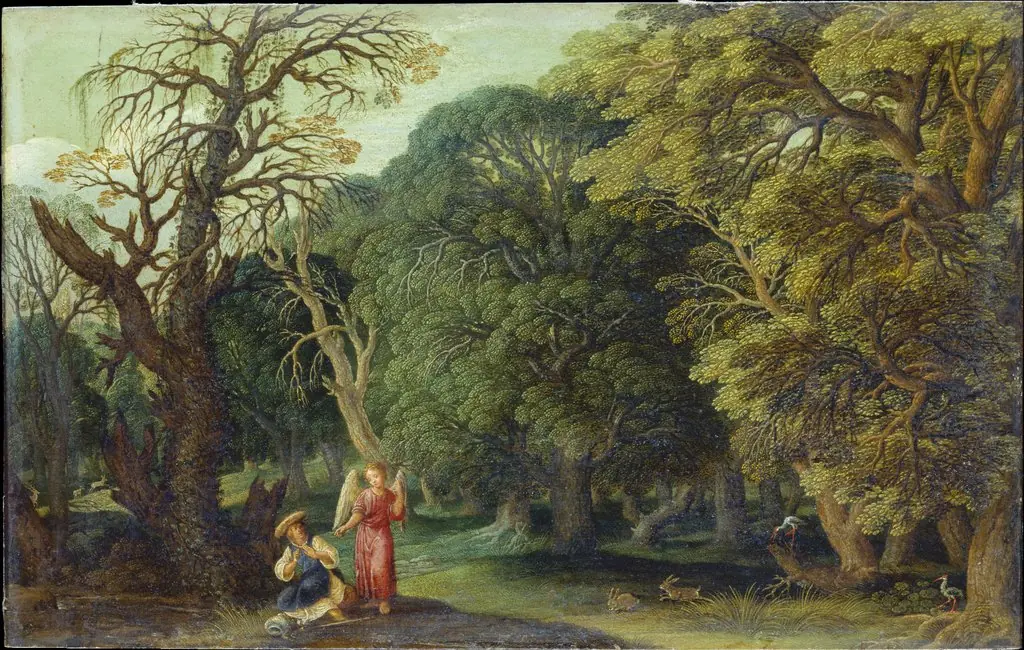 Hagar and the Angel in the Desert