Artwork
Weihenstephaner Altar: Der hl. Benedikt als Vater des abendländischen Mönchtums Rückseite: Kreuzannagelung Christi
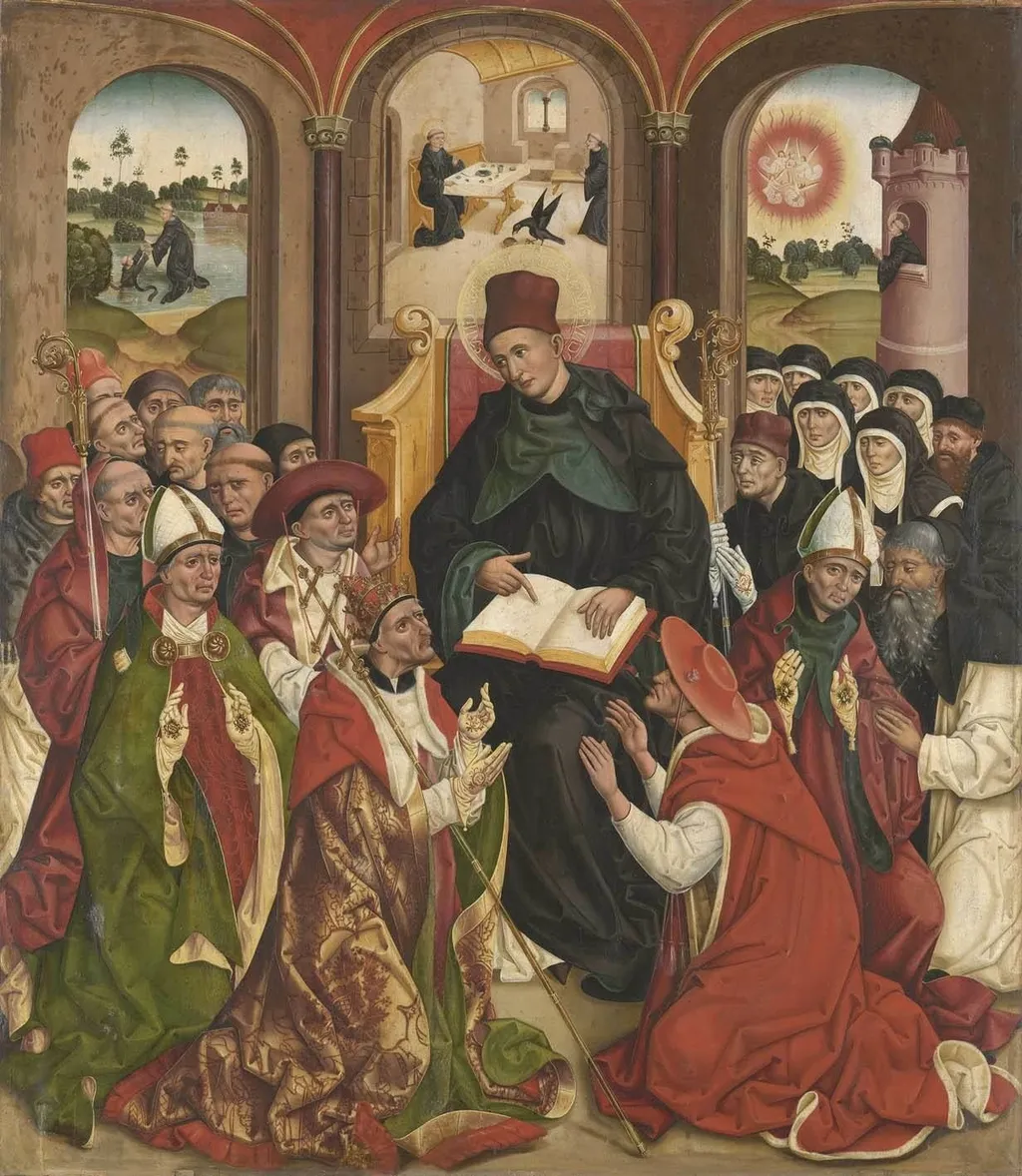
Weihenstephaner Altar: Der hl. Benedikt als Vater des abendländischen Mönchtums Rückseite: Kreuzannagelung Christi is an unspecified painting by the Northern Renaissance artist Jan Polack. It dates from 1494 and is held in the collection of the Bavarian State Painting Collections.
About this work
Overview
The Weihenstephaner Altar, painted in 1494 by Jan Polack, is a double‑sided panel that forms part of a larger altarpiece. One face presents Saint Benedict, regarded as the founder of Western monasticism, while the opposite side depicts the Crucifixion, emphasizing the moment of Christ’s nailing. The work belongs to the Northern Renaissance and is currently exhibited in Munich’s Alte Pinakothek.
Subject & Meaning
The reverse side concentrates on the Passion, showing Christ on the cross with the act of nailing highlighted, reinforcing themes of sacrifice and redemption.
On the front, Saint Benedict stands centrally, holding an open book and gesturing toward it, a visual cue to his role as a teacher and lawgiver for monastic communities. Surrounding figures in elaborate dress listen attentively, underscoring the transmission of Benedictine rule. The reverse side concentrates on the Passion, showing Christ on the cross with the act of nailing highlighted, reinforcing themes of sacrifice and redemption.
Technique & Style
Polack employs a rich palette of reds, greens, and golds, typical of late‑15th‑century German painting. Figures are rendered with detailed clothing and expressive faces, while the background contains three smaller narrative vignettes that recede in scale, creating a theatrical depth. The composition balances a central focal figure with surrounding participants, using linear perspective to suggest a staged, didactic scene.
History & Provenance
Jan Polack, likely of Kraków origin, settled in Munich around 1480, where he ran a workshop and later headed the local painters’ guild. The Weihenstephaner Altar was commissioned for the monastery at Weihenstephan and remained in ecclesiastical use until it entered the collection of the Alte Pinakothek, where it has been displayed since the museum’s early acquisitions.
Context
Created during the height of the Northern Renaissance, the altar reflects contemporary interest in combining devotional imagery with didactic instruction. Saint Benedict’s portrayal aligns with the reformist currents within monastic orders, while the crucifixion scene mirrors the period’s intensified focus on Christ’s humanity. Polack’s work thus bridges local monastic identity and broader theological trends of late‑medieval Germany.
Artist & collection
Artist
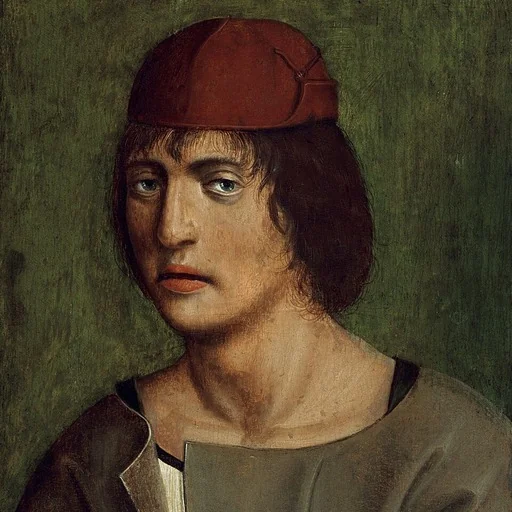
Jan Polack (Latin: Ioannes Polonus, also spelled Hanns Polagk, Polegk; born 1435/1450 – 1519) was a 15th-century painter.

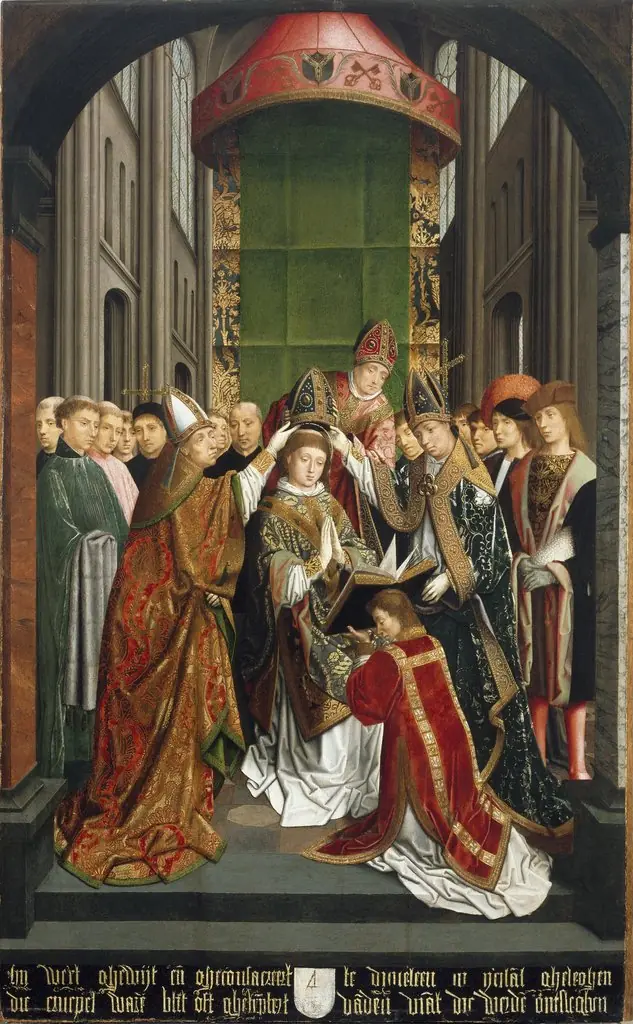 The Enthronement of Saint Romold as Bishop of Dublin
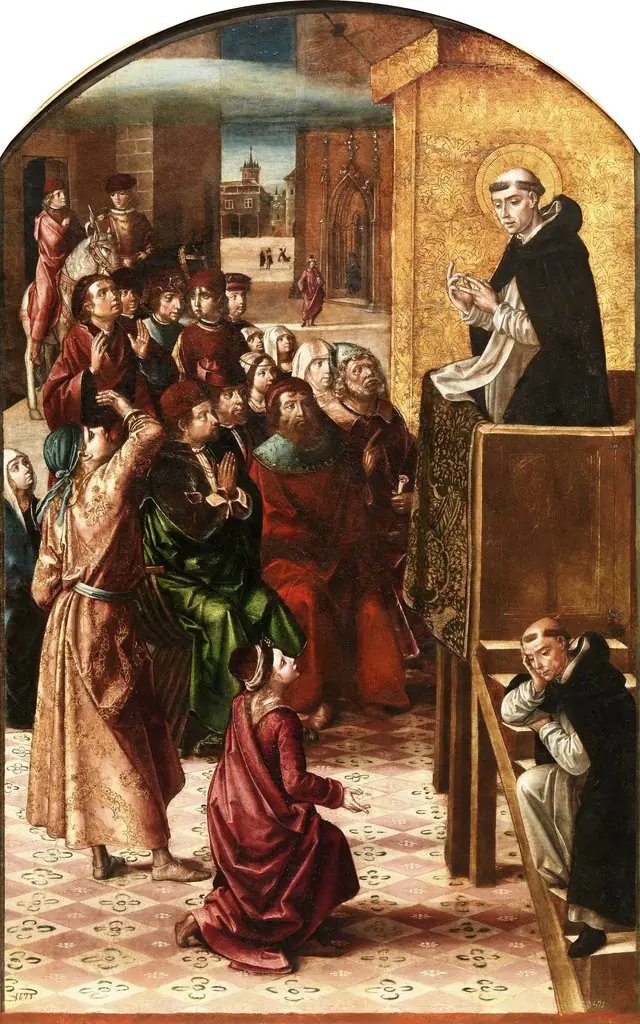 The Miracle of the Cloud
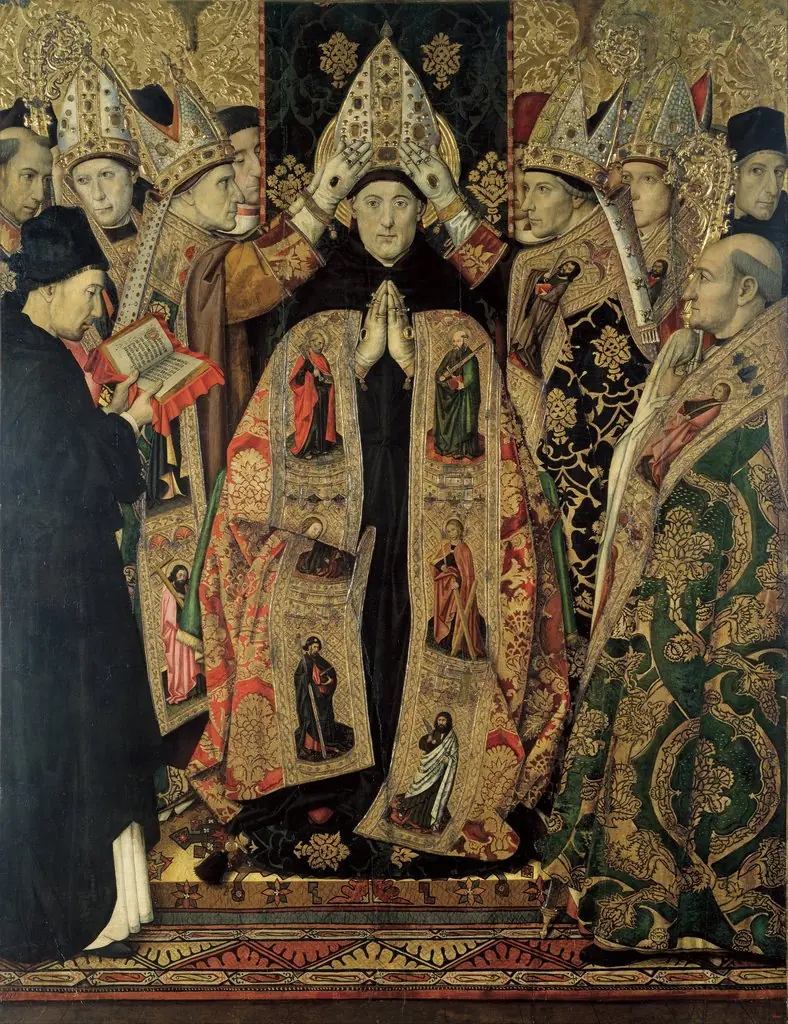 Consecration of Saint Augustine
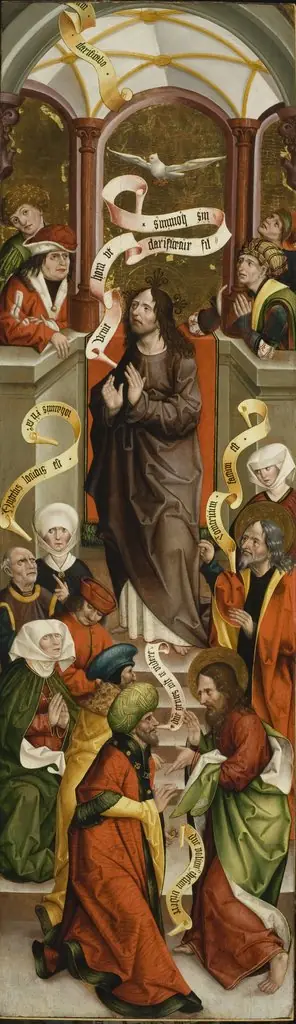
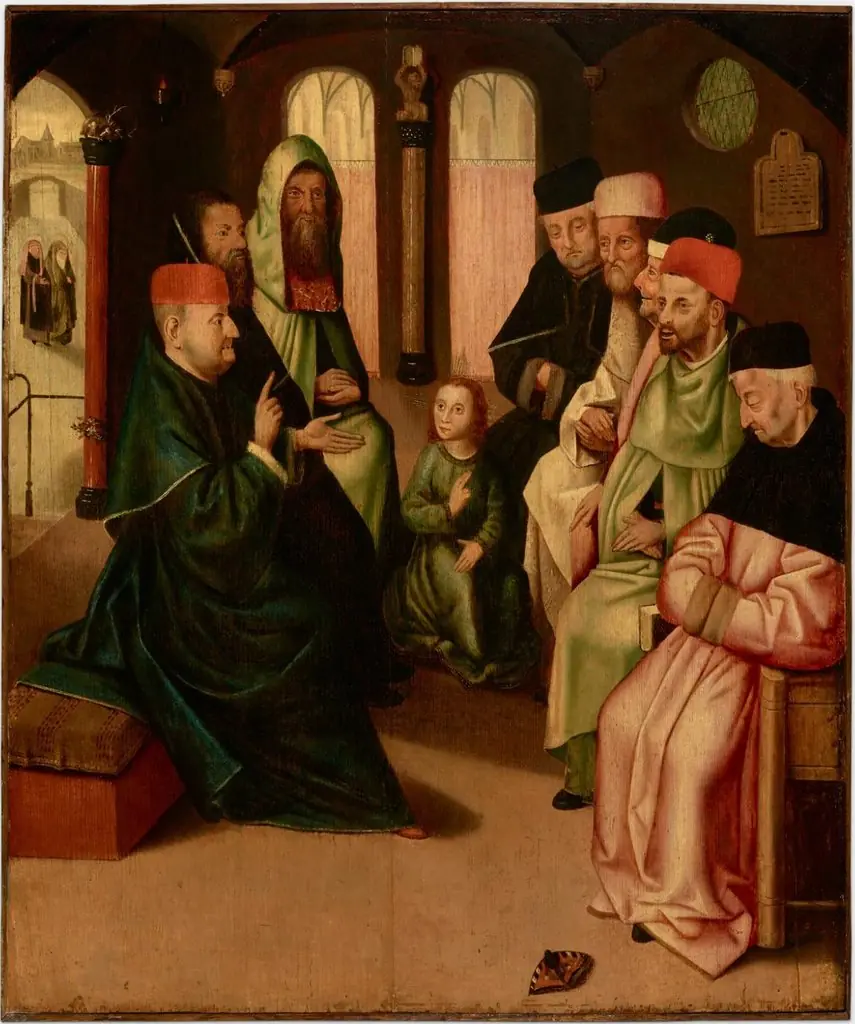 Christ among the Doctors
 Episodes from the Life of a Bishop Saint
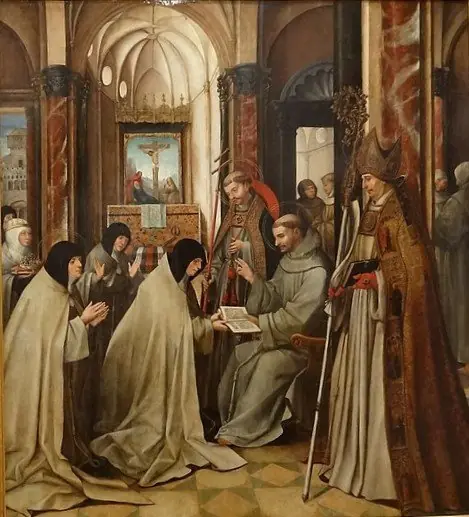 S. Francisco delivering the Statutes of the Order to Santa Clara
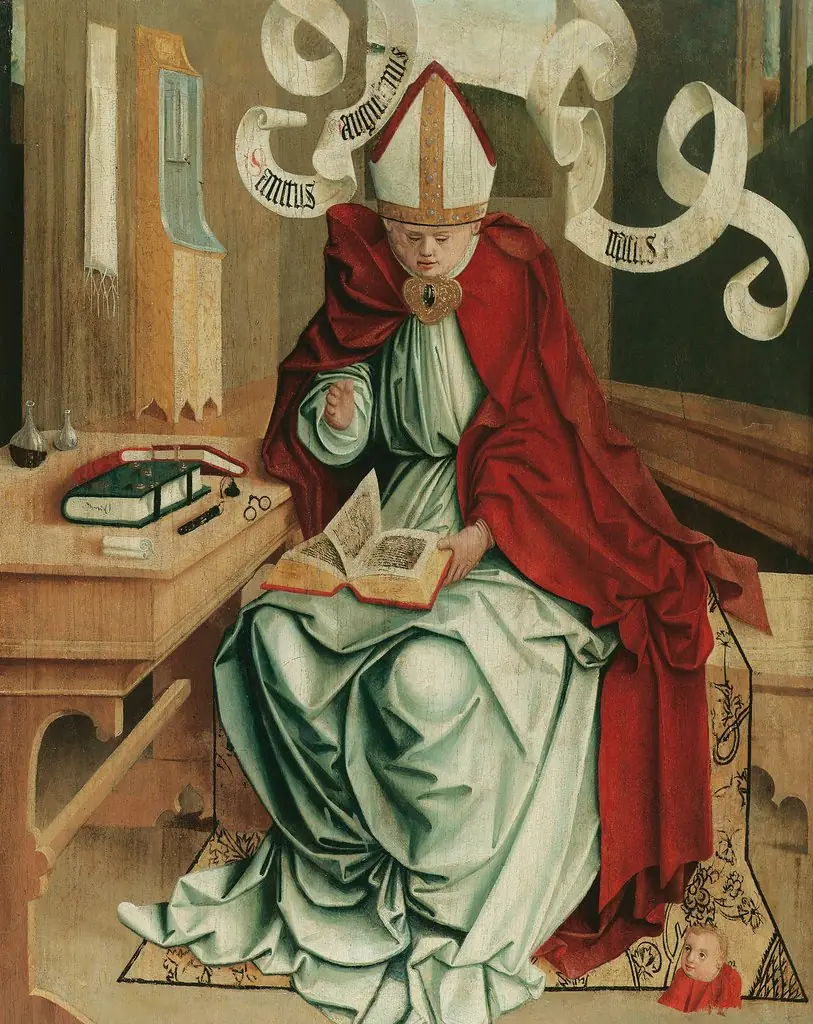 Hl. Augustinus
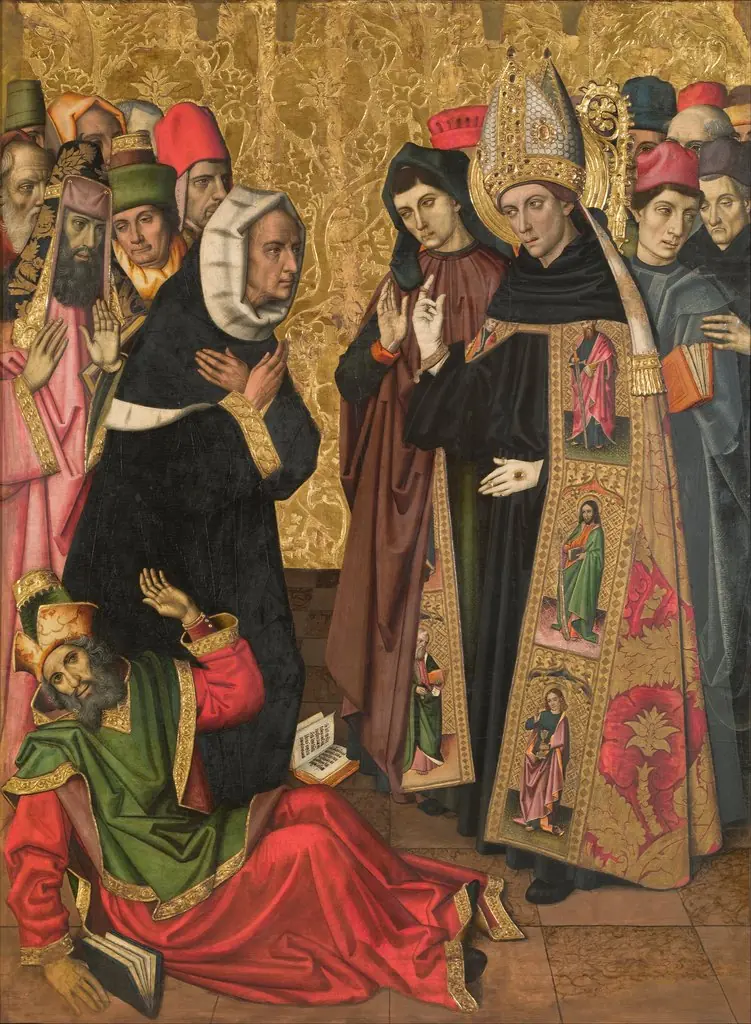 Saint Augustine Disputing with the Heretics
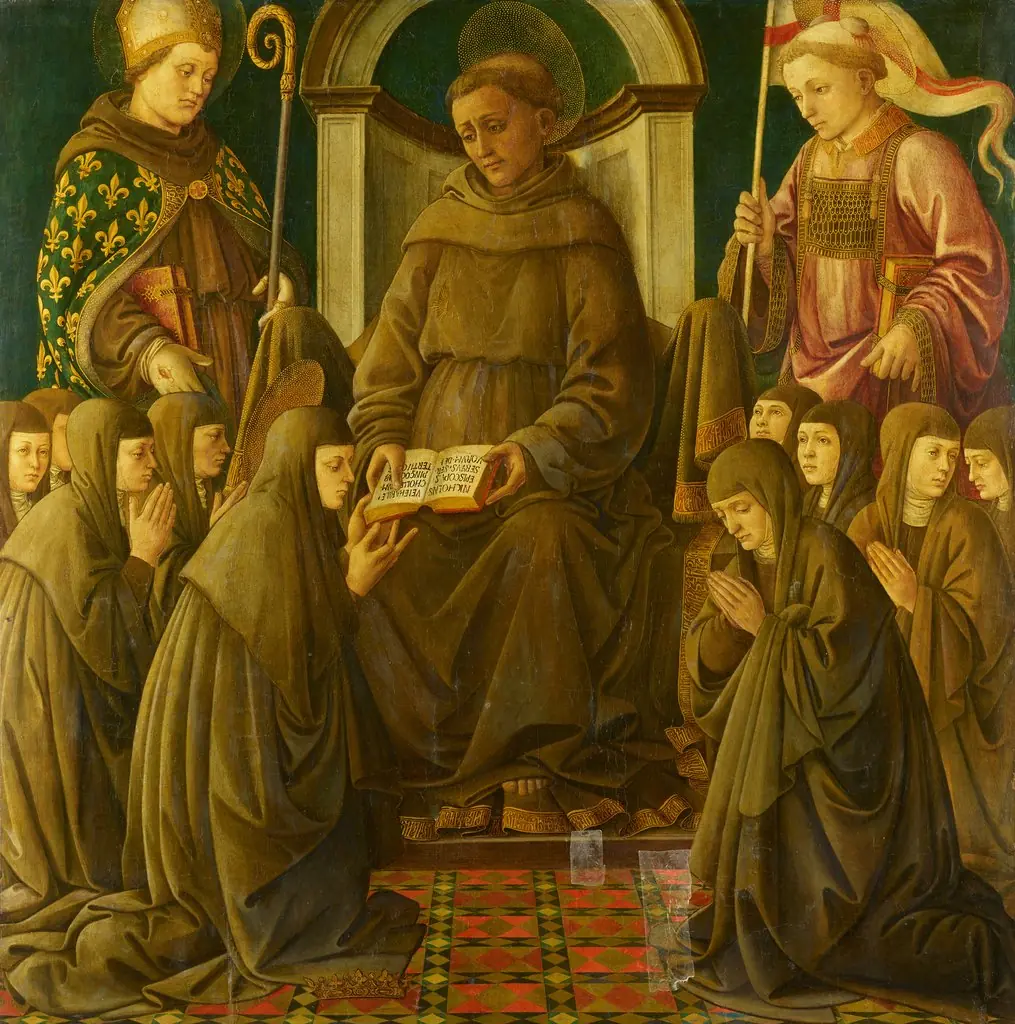 The enthroned St. Francis presents the rule of the order to St. Clare
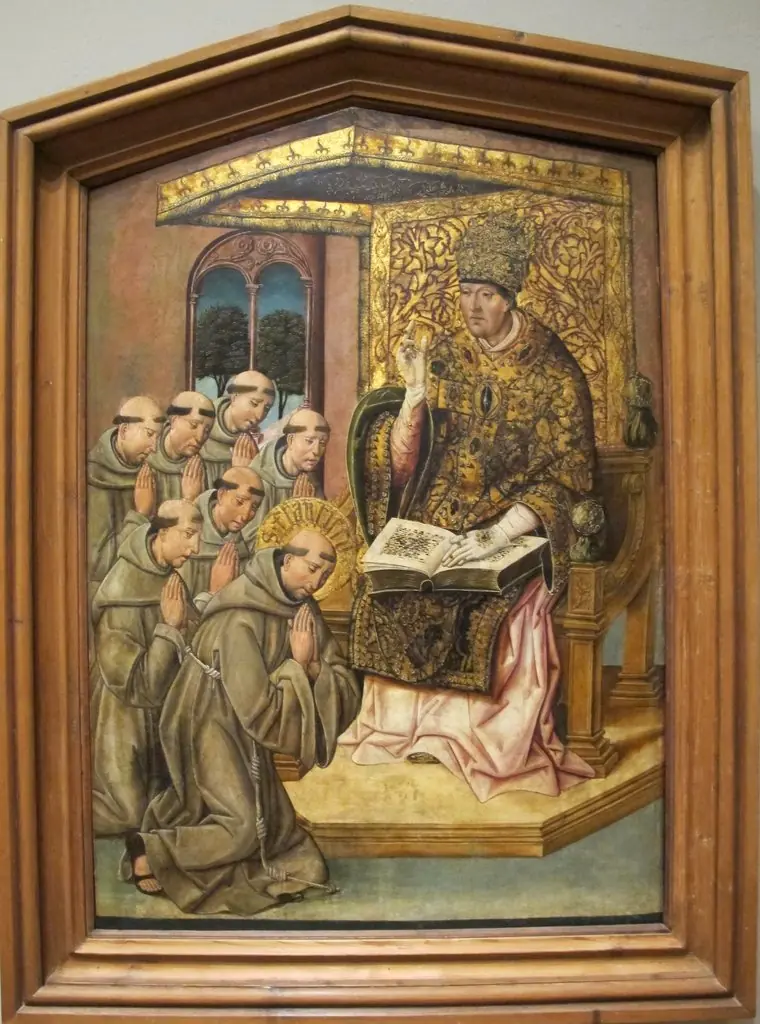 papa onorio III approva la regola francescana
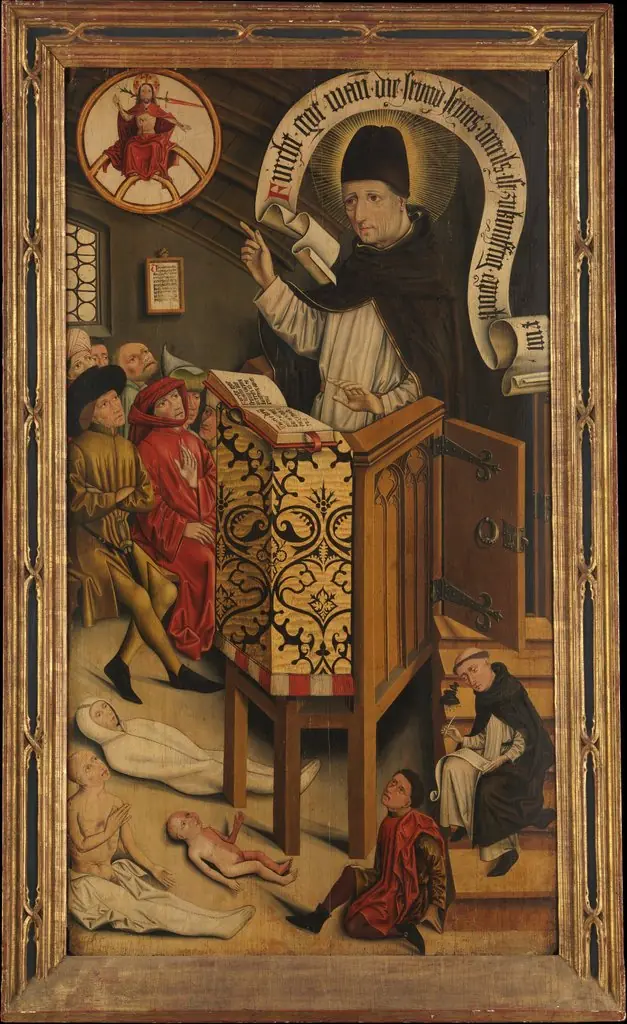 Sermon of Saint Albertus Magnus
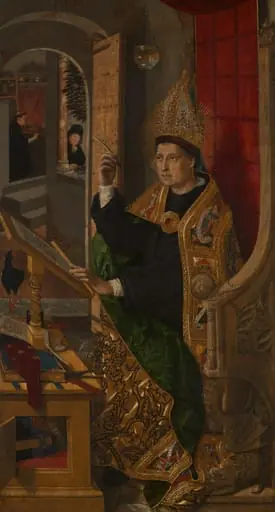 A Bishop Saint