Artwork
Crucifixion
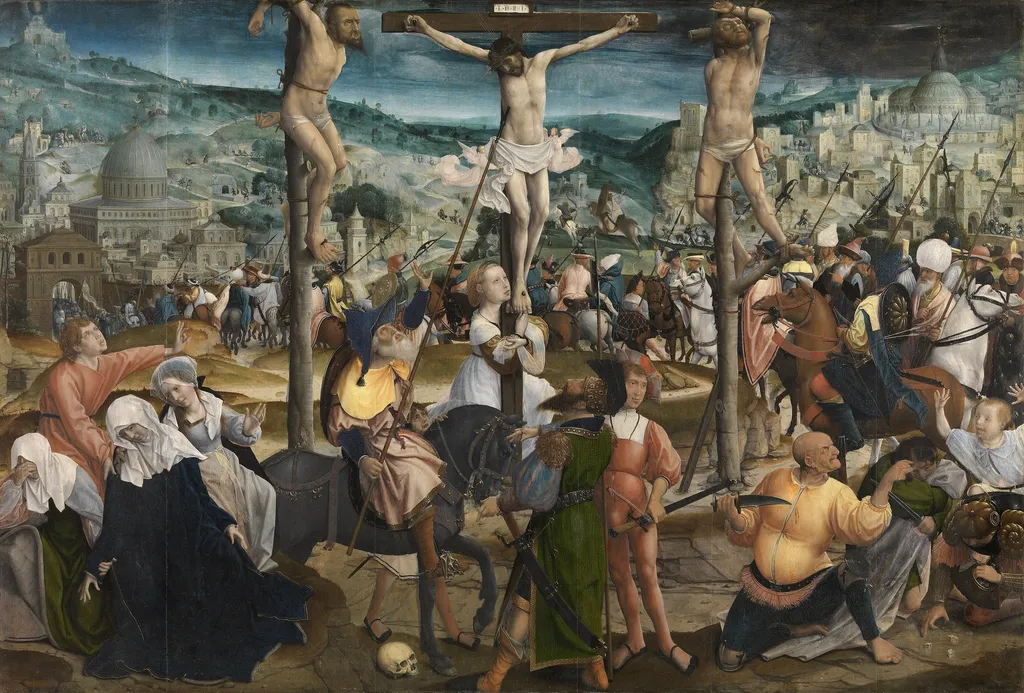
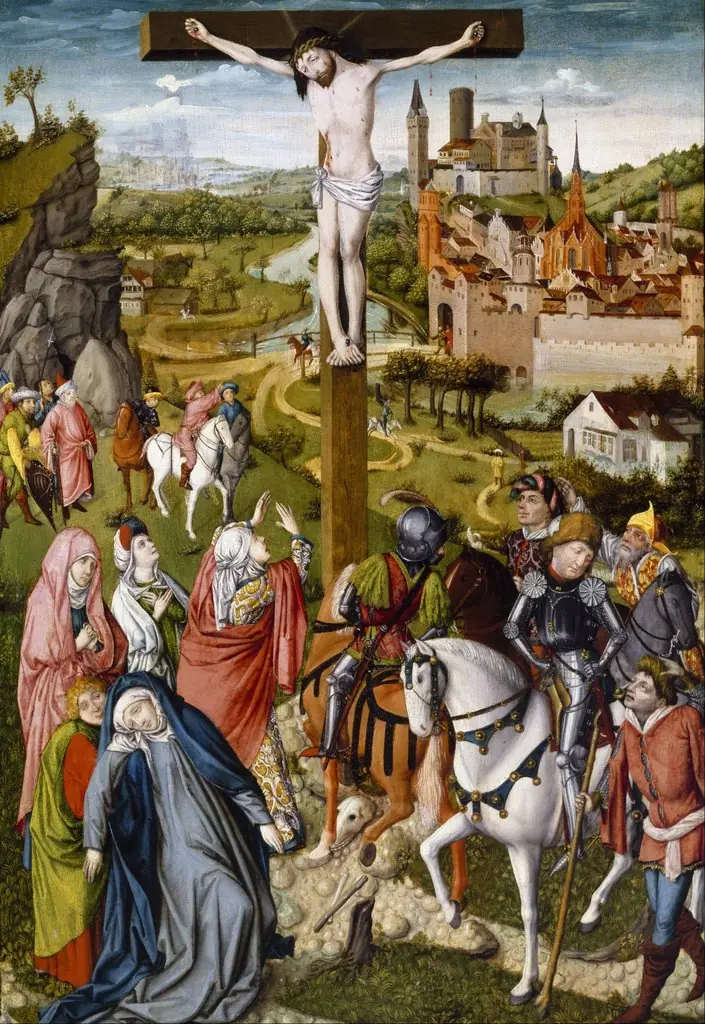
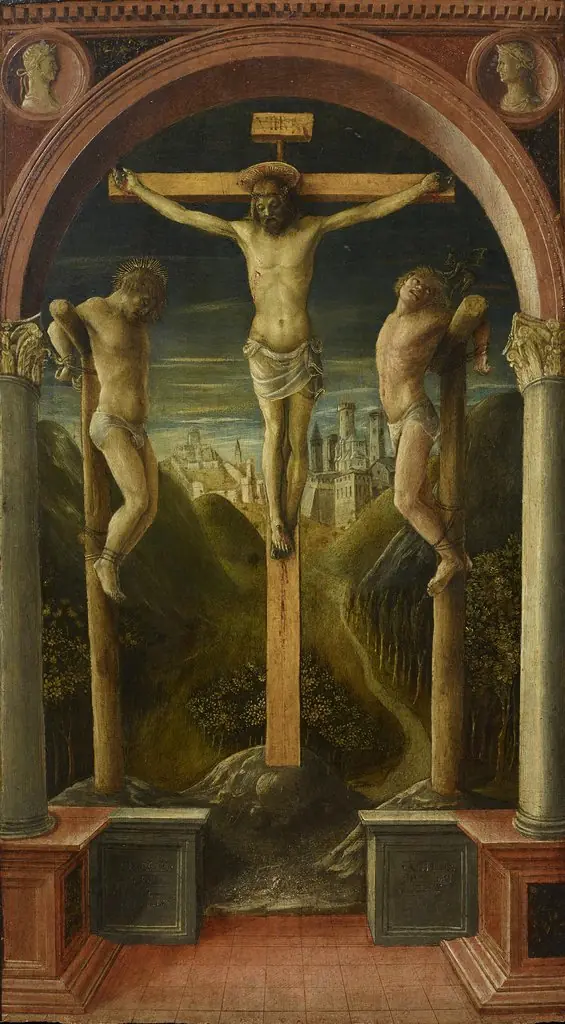
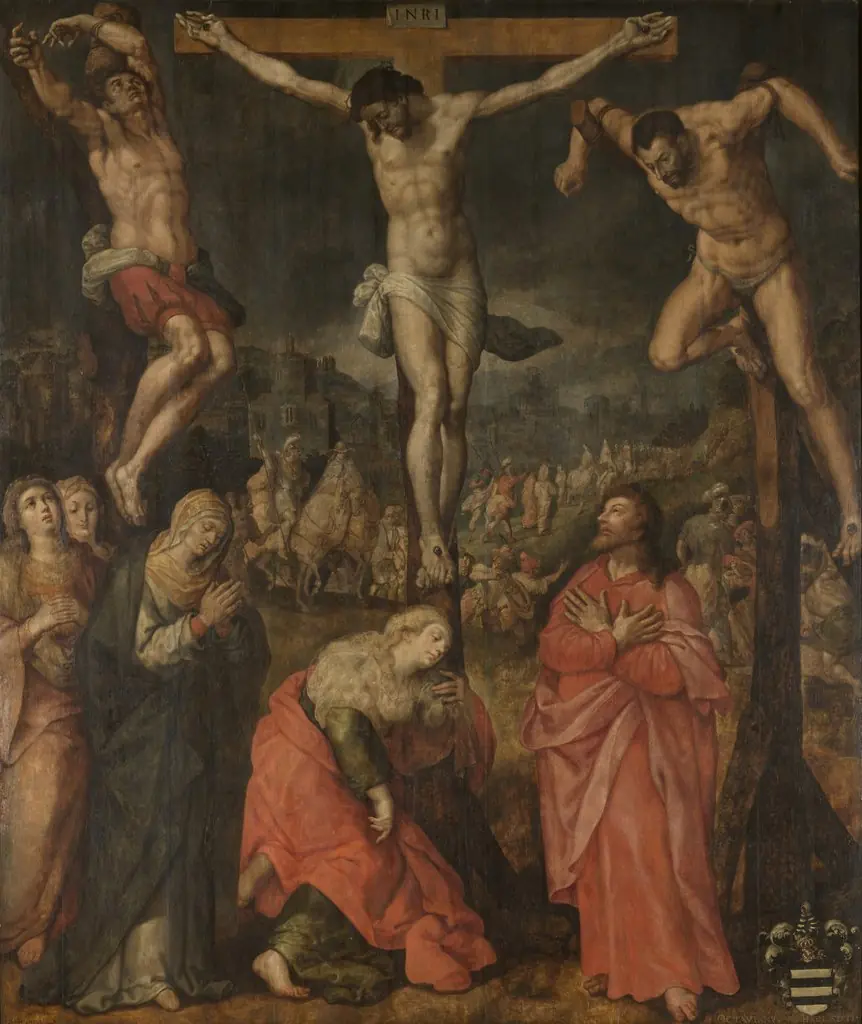
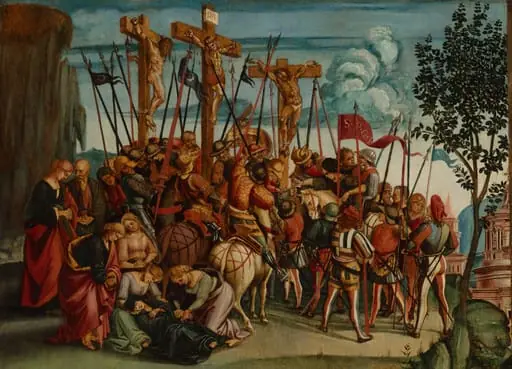
Crucifixion is an oil painting by the Northern Renaissance artist Jan Provoost. It dates from 1503 and is held in the collection of the Groeningemuseum.
About this work
Overview
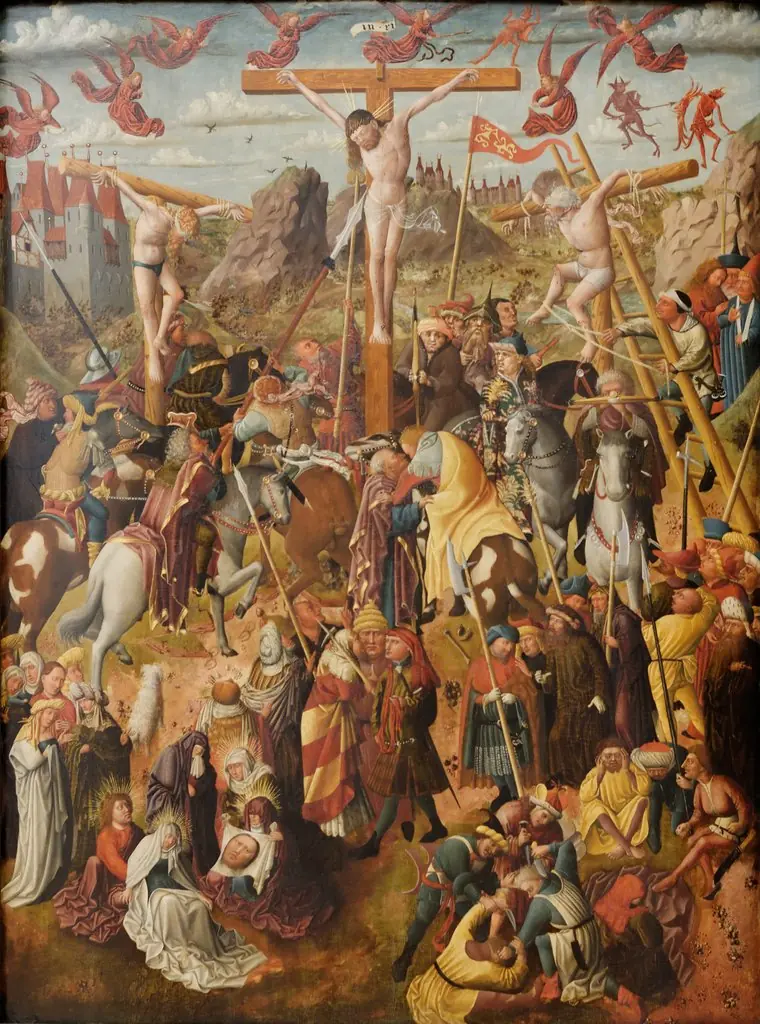
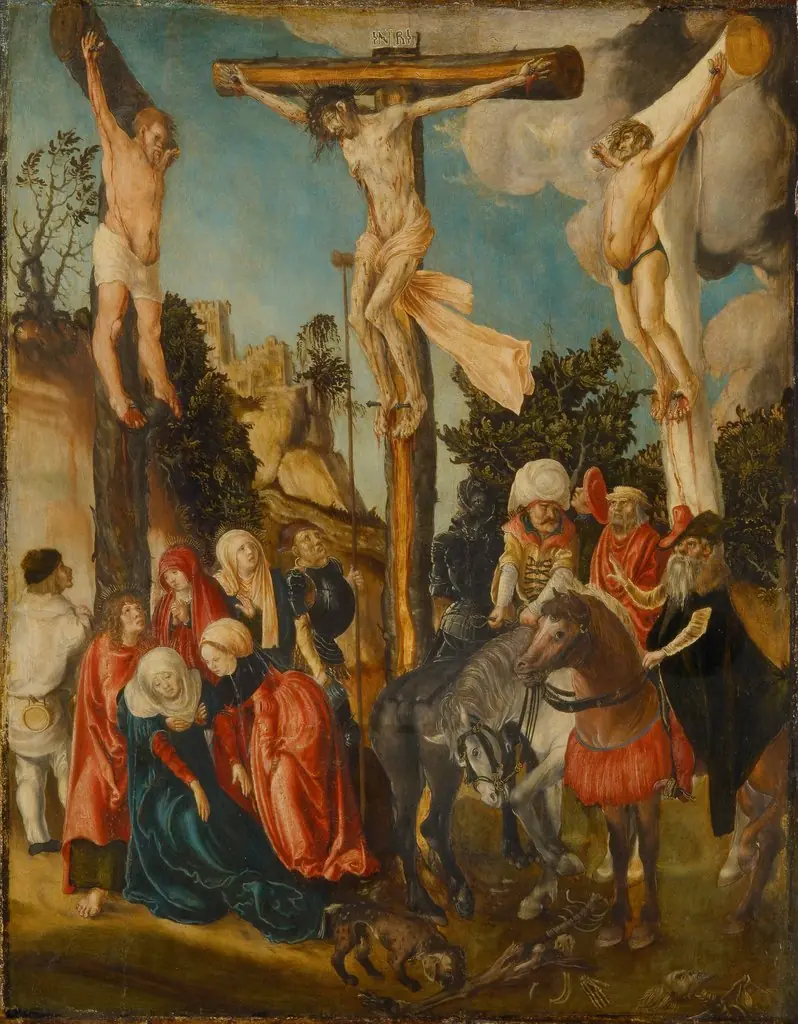
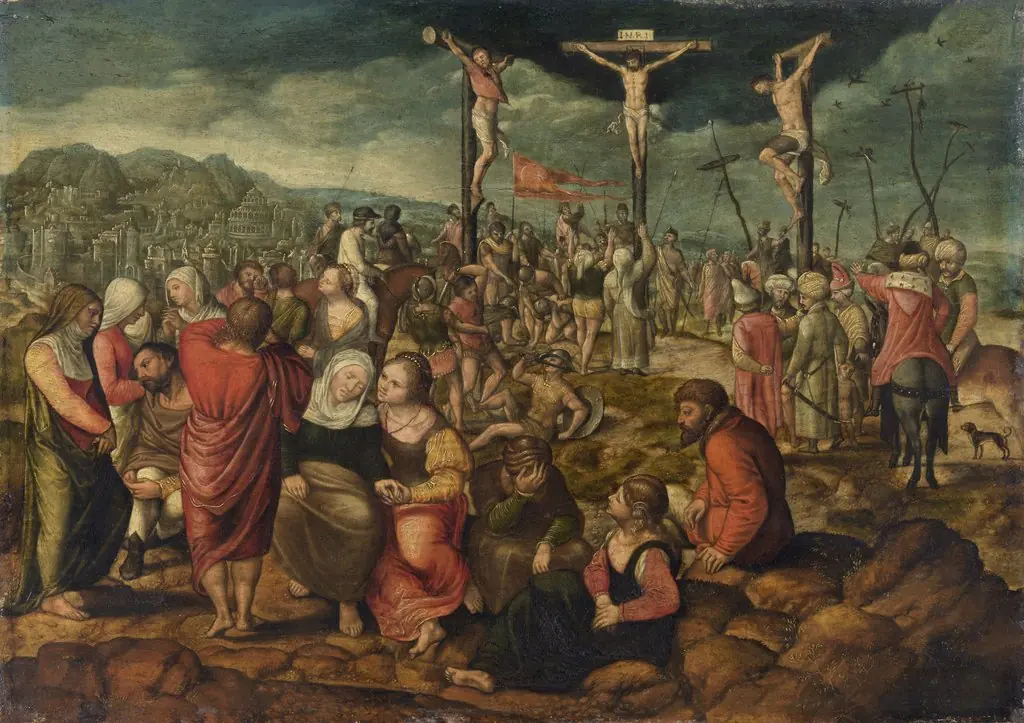
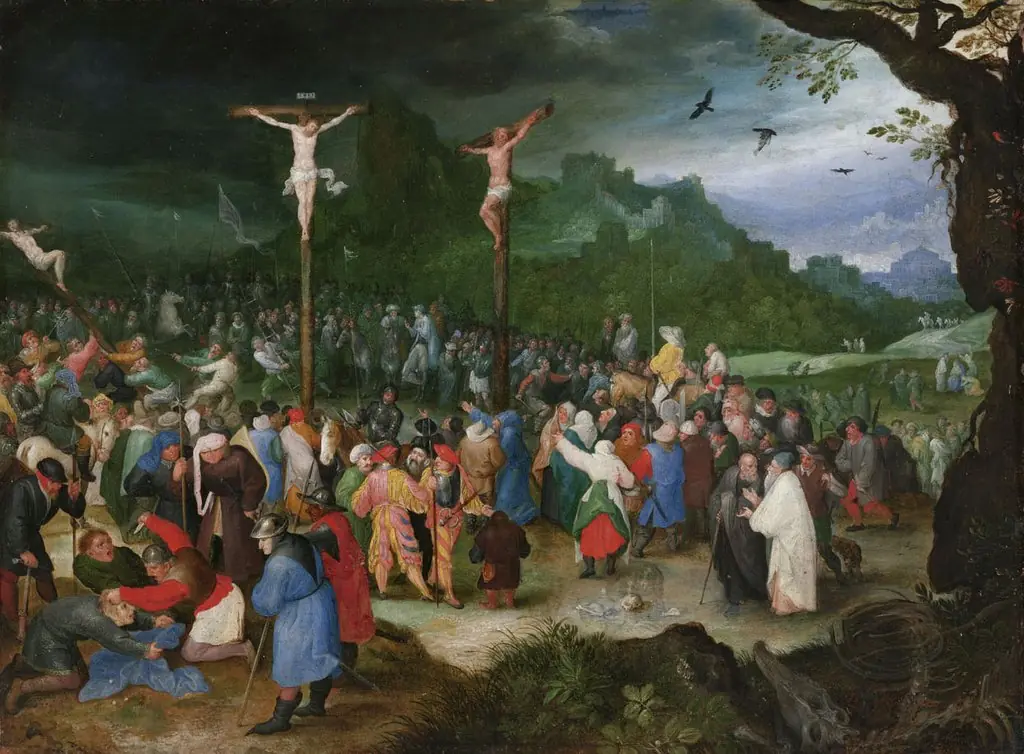
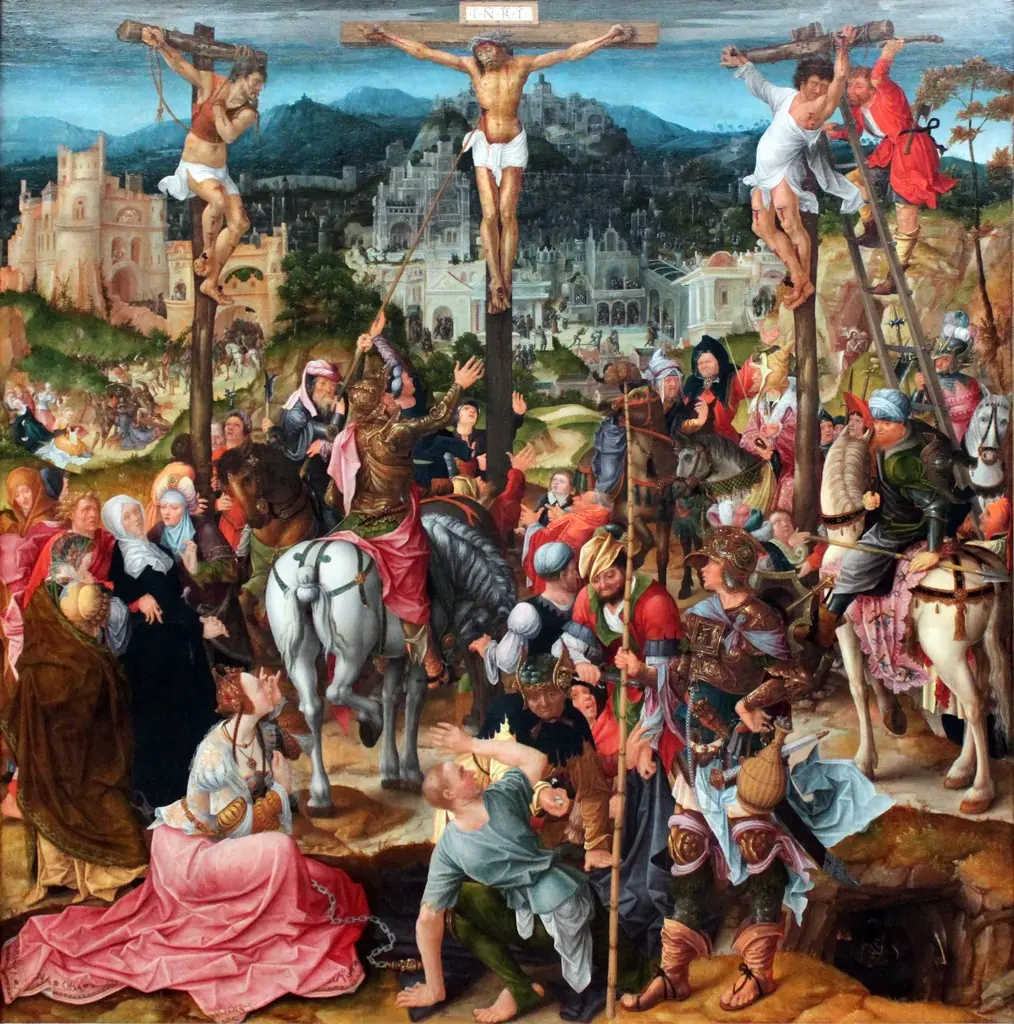
Created in 1503, this oil painting portrays the crucifixion of Jesus Christ, presenting three nailed figures against a turbulent backdrop. The composition centers on the central cross, while a dense crowd of onlookers, some on foot and others mounted, occupies the foreground, emphasizing the event’s dramatic intensity.
Subject & Meaning
The work illustrates the biblical scene of Christ’s death, flanked by two other crucified individuals, likely the thieves from the Gospel narrative. The surrounding assemblage of kneeling, standing, and mounted figures reflects the varied human responses to the moment, underscoring themes of suffering, witness, and redemption.
Technique & Style
Employing chiaroscuro, the painter contrasts deep shadows with illuminated areas to model forms and convey spatial depth. The detailed cityscape in the distance, with its buildings and hills, provides a layered setting that enhances the composition’s sense of space and narrative complexity.
History & Provenance
The painting originates from the workshop of Jan Provoost, a Flemish artist active in Bruges and Antwerp at the turn of the 16th century. It entered the collection of the Groeningemuseum, where it remains part of the museum’s holdings of early Netherlandish art.
Context
Provoost’s career spanned painting, cartography, engineering, and architecture, reflecting the interdisciplinary demands of his era. This religious genre piece aligns with contemporary devotional works intended for private contemplation or ecclesiastical display, illustrating the period’s emphasis on vivid, emotionally charged biblical narratives.
Own this work as a print
Artist & collection
Artist
Jan Provoost, or Jean Provost, or Jan Provost (1462/65 – January 1529) was a painter born in Mons.

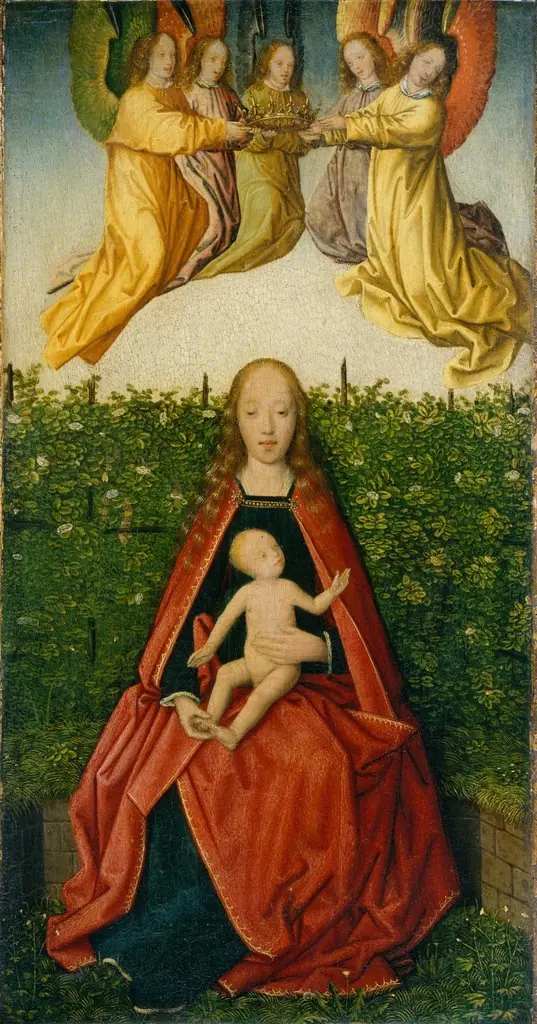 Virgin and Child
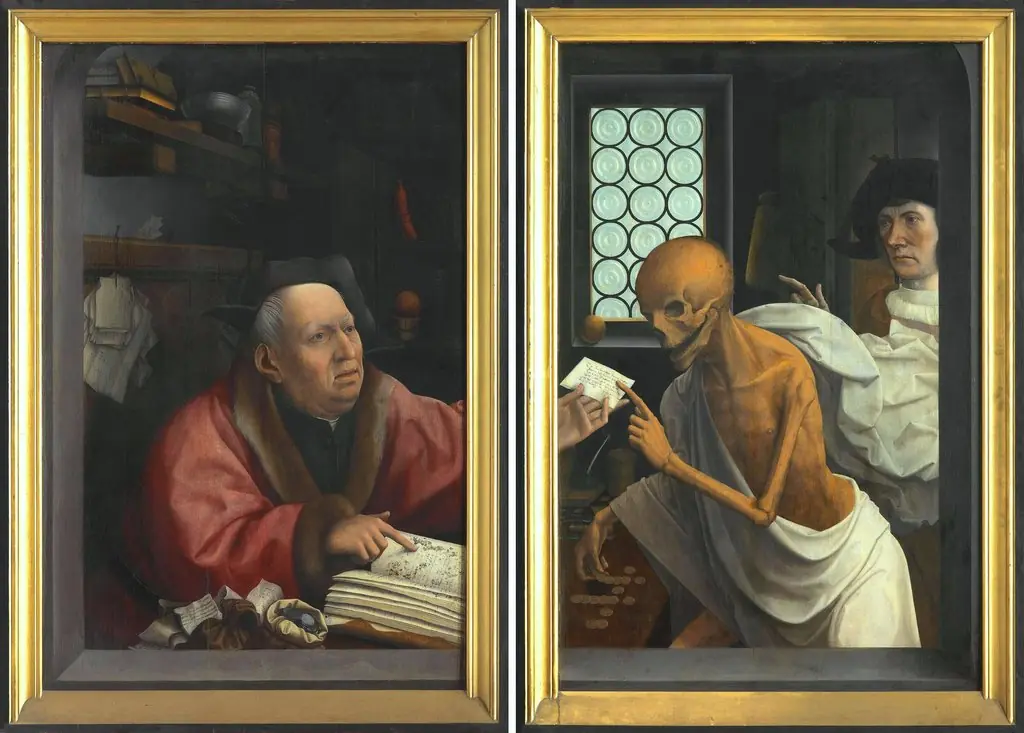 Death and the Miser (outer doors); St. Nicolas with donor and St. Godelieve with donor (inner doors)
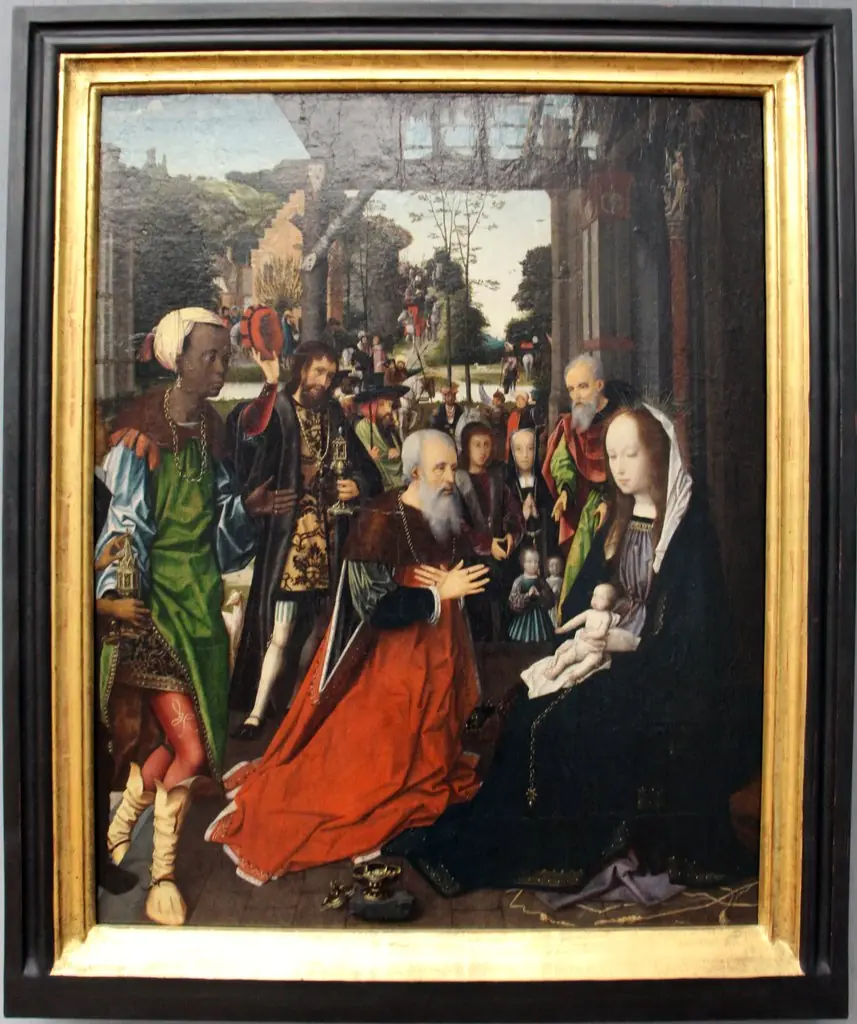 Adoration of the Magi
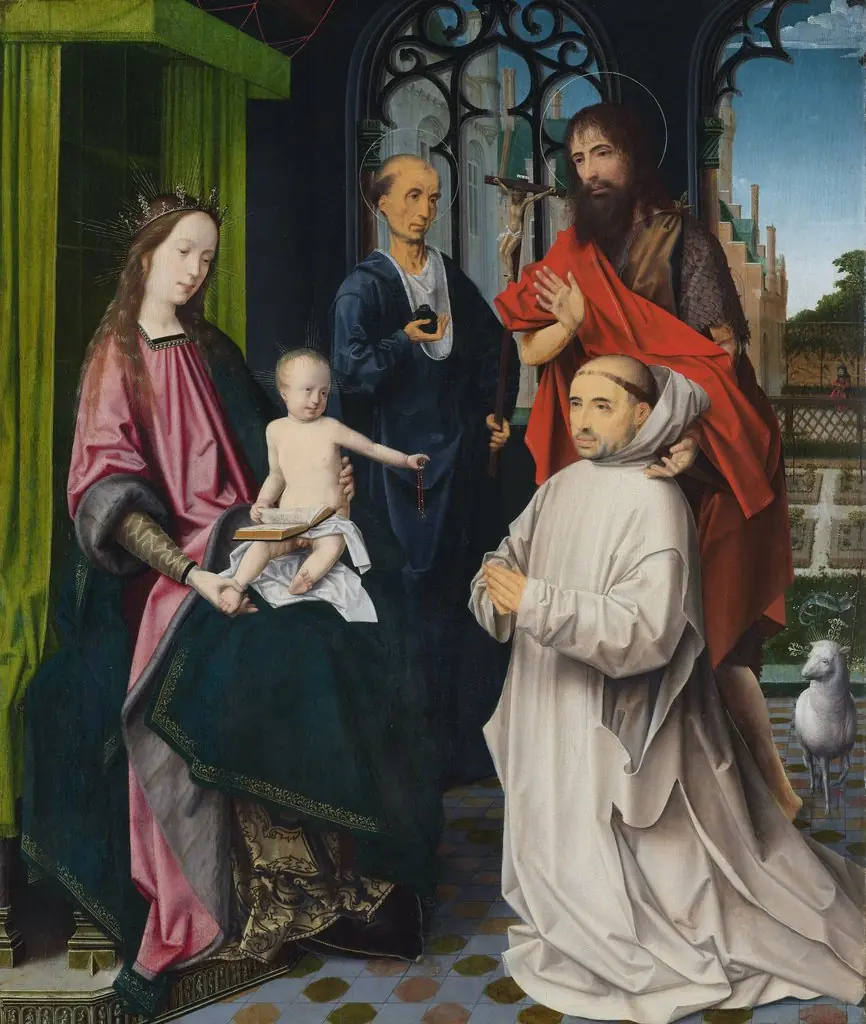 Virgin and Child Enthroned, with Saints Jerome and John the Baptist and a Carthusian Monk
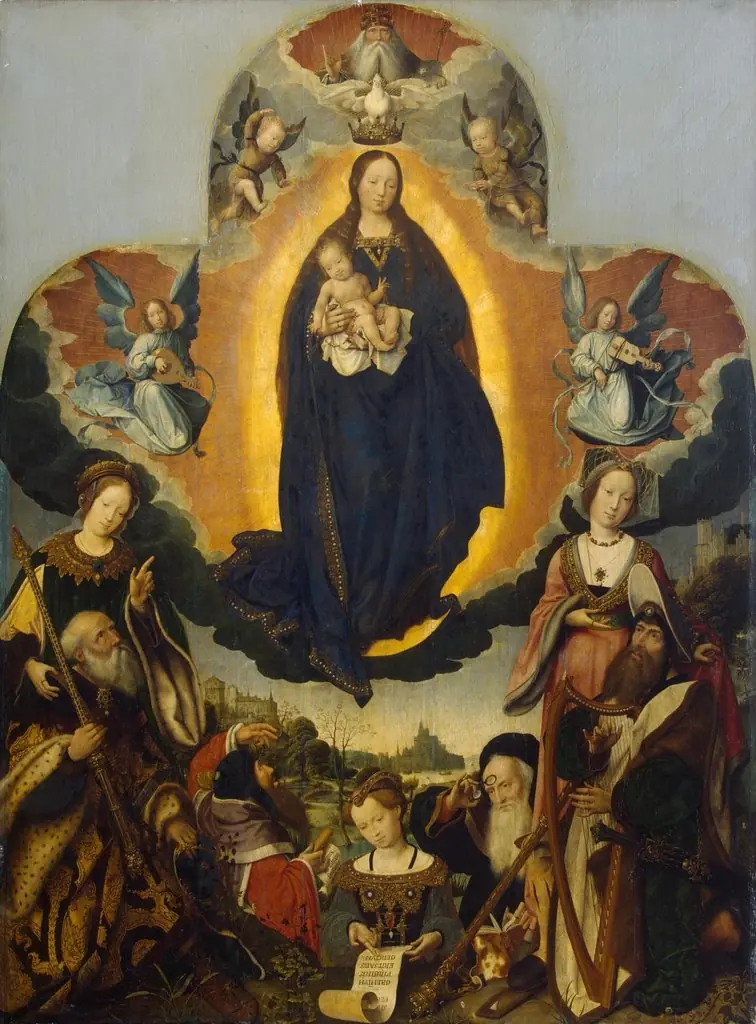 The Virgin Mary in Glory
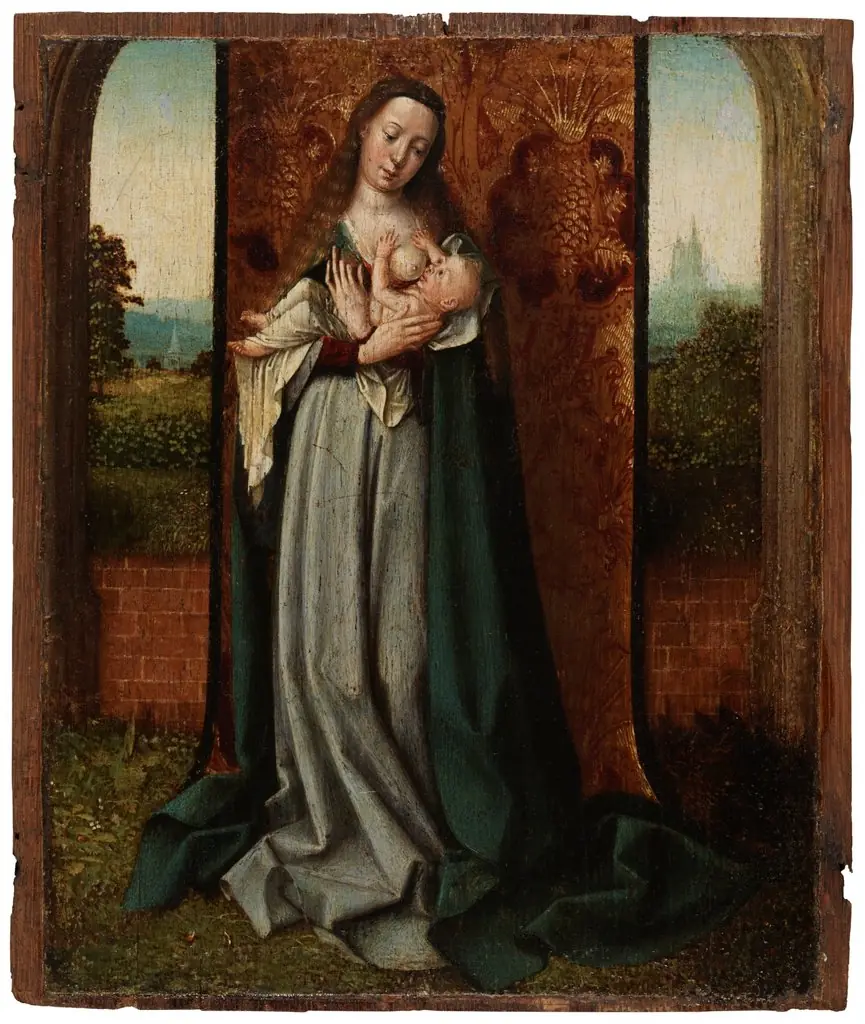 The Virgin and Child
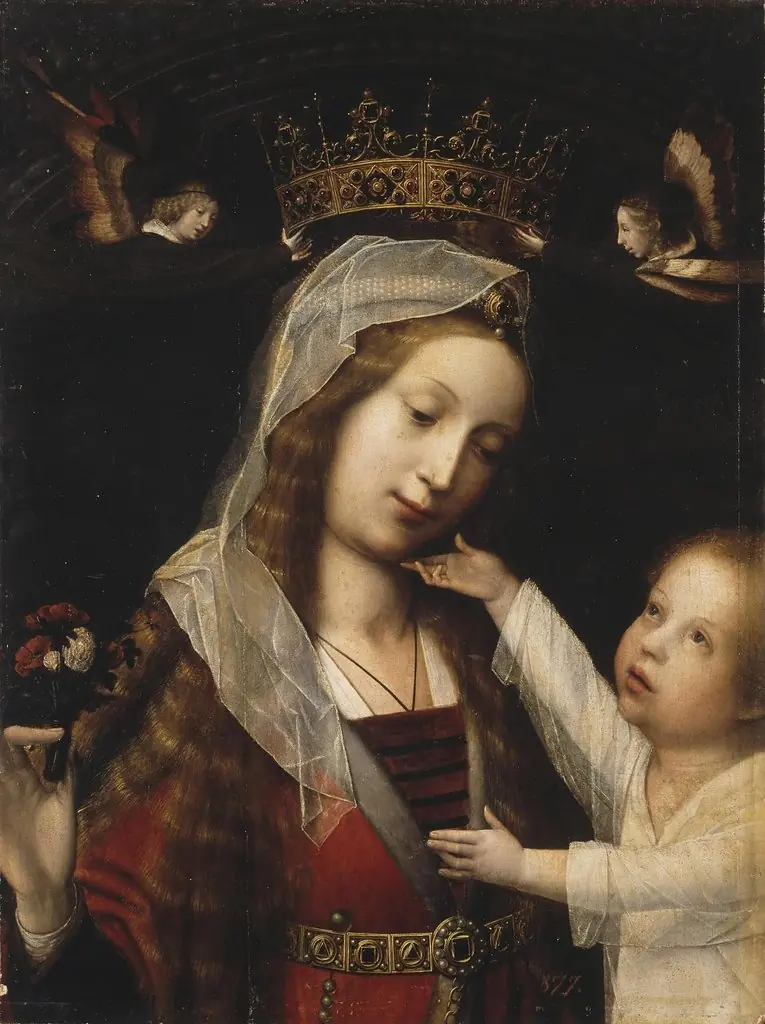 Madonna with the Child
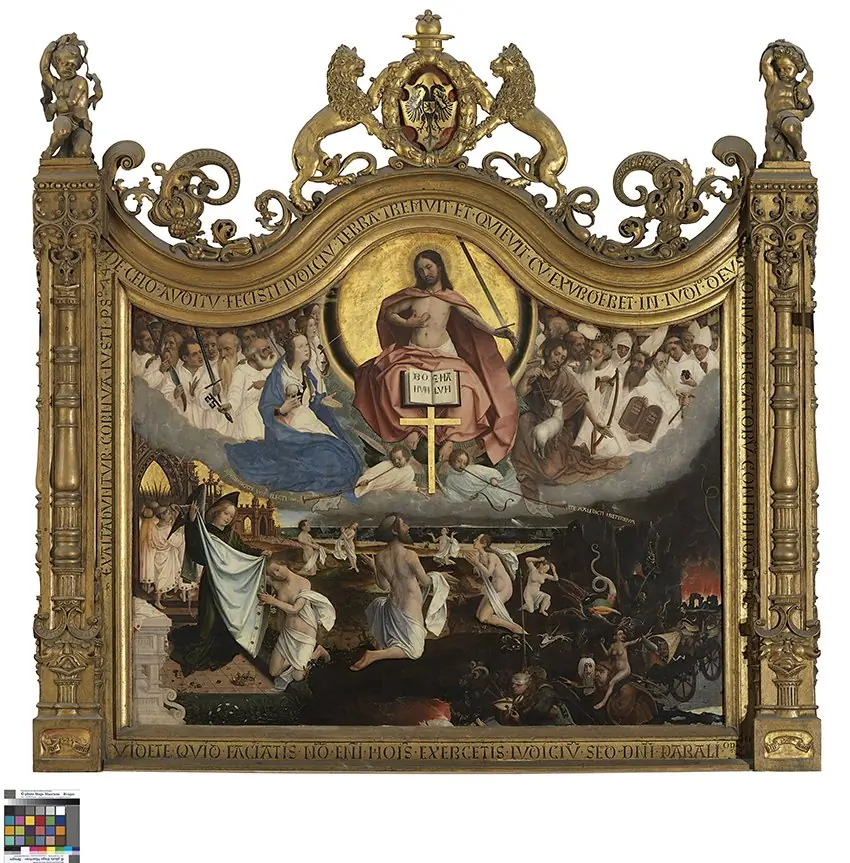 Last Judgement