Artwork
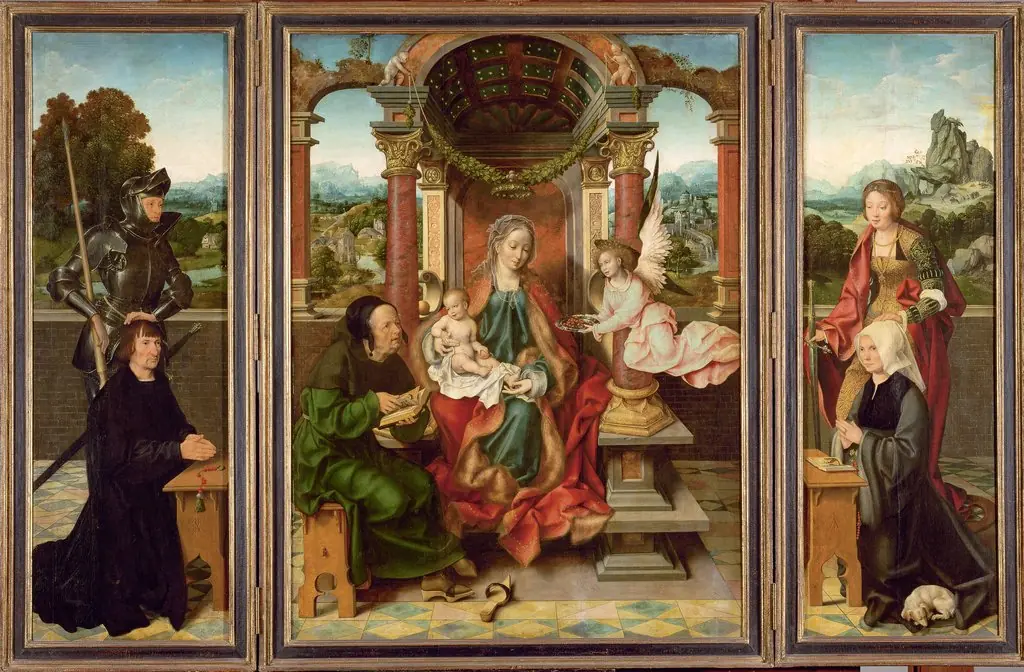
Triptych with Virgin and Child, Saint John the Evangelist (left wing) and Mary Magdalene (right wing)
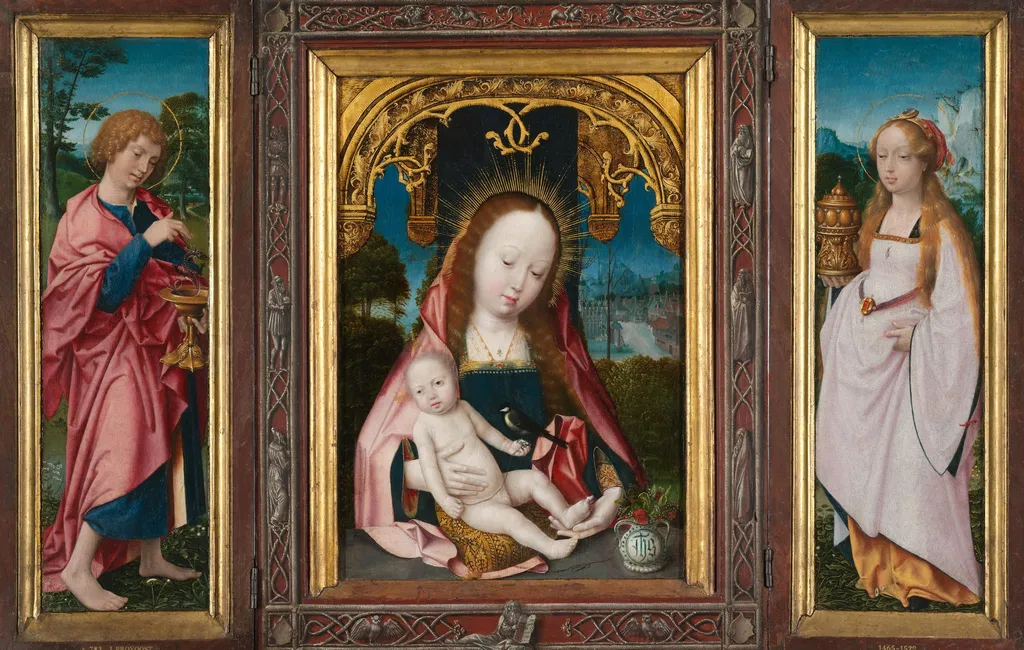
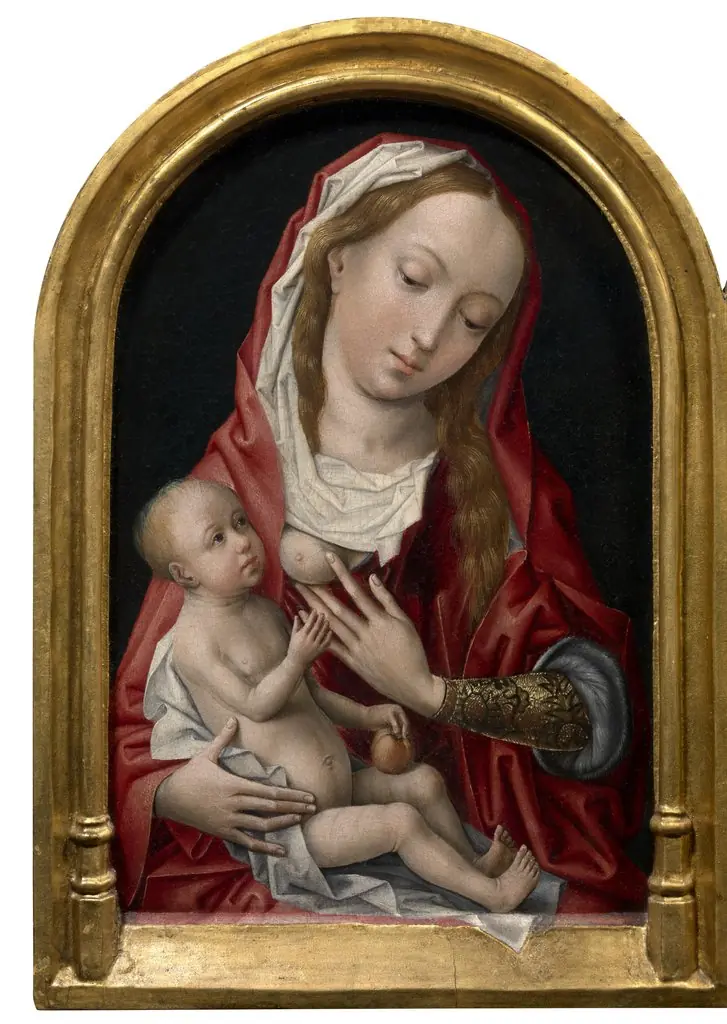
Triptych with Virgin and Child, Saint John the Evangelist (left wing) and Mary Magdalene (right wing) is an unspecified painting by the Northern Renaissance artist Jan Provoost. It dates from 1505 and is held in the collection of the Rijksmuseum. Three hinged wooden panels form a devotional triptych.
About this work
Overview
The absence of a signature leaves the artist unidentified, though the work reflects a refined Northern European style of the late medieval period.
Three hinged wooden panels form a devotional triptych. The central panel depicts the Virgin Mary seated with the infant Jesus on a cushion, while the left and right wings show Saint John the Evangelist and Mary Magdalene, respectively. Each figure stands within a quiet, naturalistic landscape. The absence of a signature leaves the artist unidentified, though the work reflects a refined Northern European style of the late medieval period.
Subject & Meaning
The Virgin and Child are portrayed with intimate tenderness, Jesus holding a bird and a small vase of flowers—symbols of life and fragility. Saint John, often associated with divine revelation, holds a chalice, alluding to his role as witness to Christ’s teachings. Mary Magdalene, identified by her alabaster jar, represents penitence and devotion. Together, the figures form a harmonious triad of maternal, apostolic, and redemptive grace.
Technique & Style
The figures are rendered with soft modeling and delicate facial features, suggesting a sensitivity to human presence. Fabric folds are carefully observed, mimicking the weight and texture of real textiles. The landscapes behind each figure are rendered with subtle atmospheric depth, and the lighting is gentle, avoiding harsh contrasts. These qualities align with early Netherlandish painting practices, hinting at influences later refined in sfumato.
History & Provenance
The triptych likely originated in the Low Countries during the late 15th century, created for private devotion in a domestic or ecclesiastical setting. Its survival in intact form is uncommon, as many such works were dismantled or damaged over time. Its provenance remains undocumented prior to modern museum acquisition, though its materials and style suggest a regional workshop in Bruges or Ghent.
Context
This triptych reflects the rise of personal piety in late medieval Europe, where lay patrons commissioned small-scale religious works for private prayer. The inclusion of everyday objects—flowers, a bird, a jar—brought sacred narratives into relatable domestic terms. Artists of this period increasingly emphasized naturalism, moving away from rigid iconography toward emotionally resonant, humanized figures.
Legacy
Though unsigned, the triptych exemplifies the transition from stylized medieval forms to more lifelike representation in Northern art. Its quiet intimacy and attention to material detail influenced later devotional painting, particularly in the way ordinary objects were imbued with spiritual meaning. It remains a quiet testament to the evolving relationship between faith and visual realism in the centuries before the Renaissance.
Artist & collection
Artist
Jan Provoost, or Jean Provost, or Jan Provost (1462/65 – January 1529) was a painter born in Mons.

 Virgin and Child
 Death and the Miser (outer doors); St. Nicolas with donor and St. Godelieve with donor (inner doors)
 Adoration of the Magi
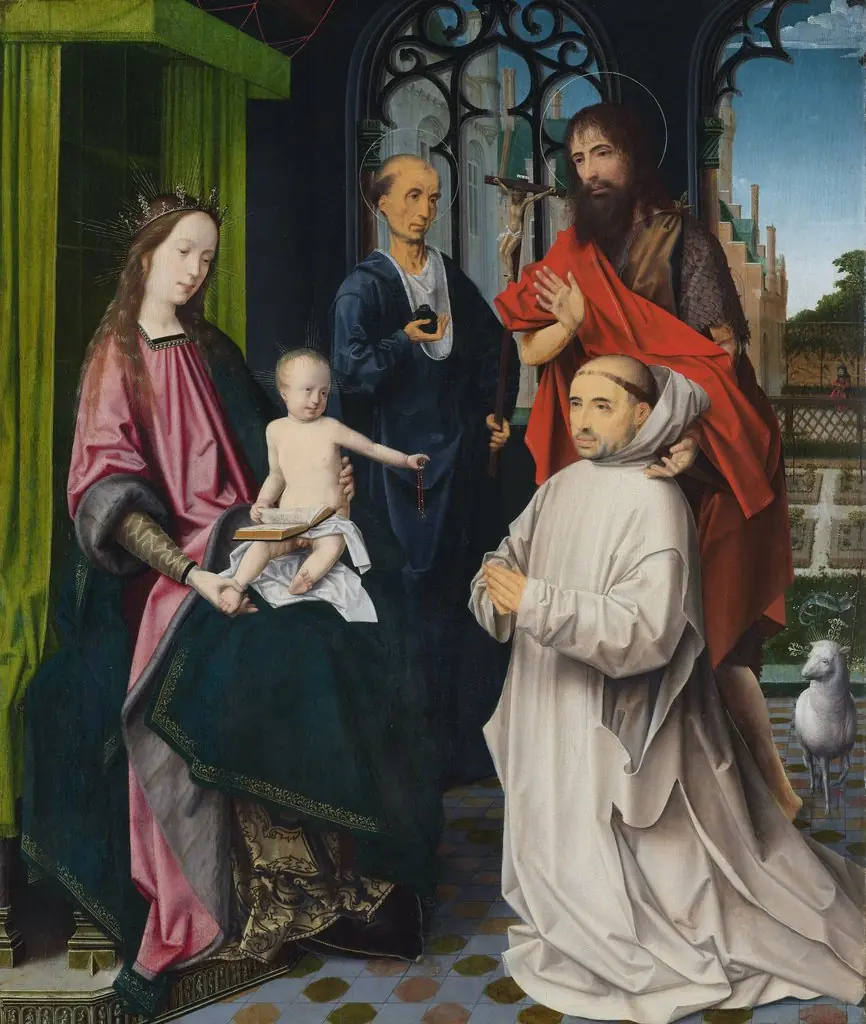 Virgin and Child Enthroned, with Saints Jerome and John the Baptist and a Carthusian Monk
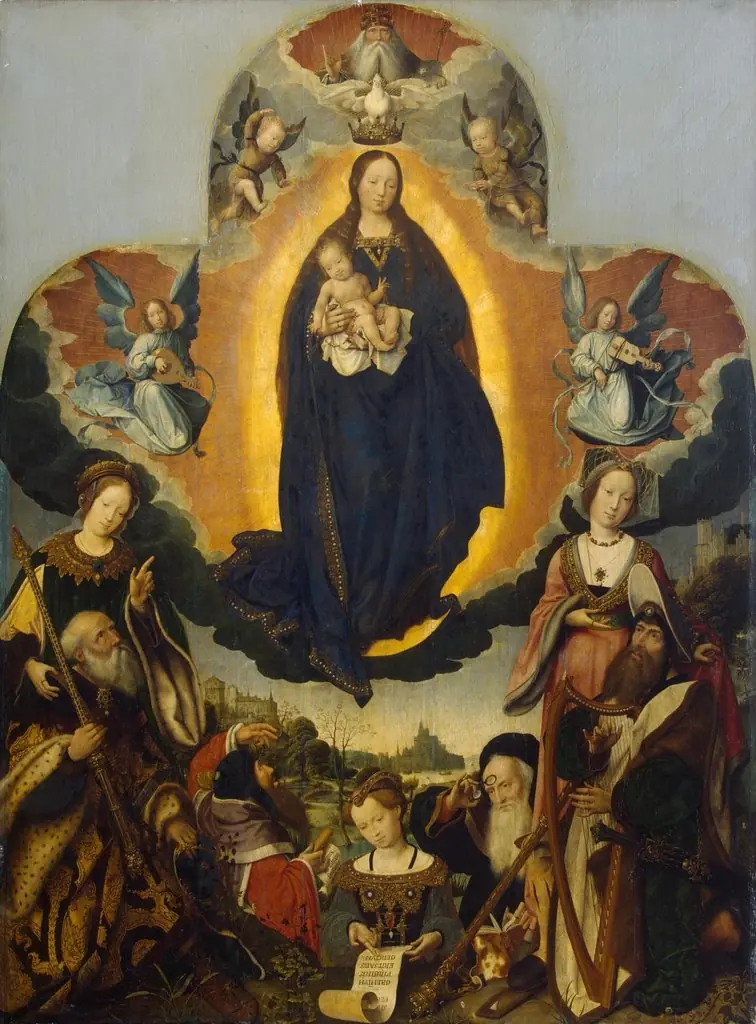 The Virgin Mary in Glory
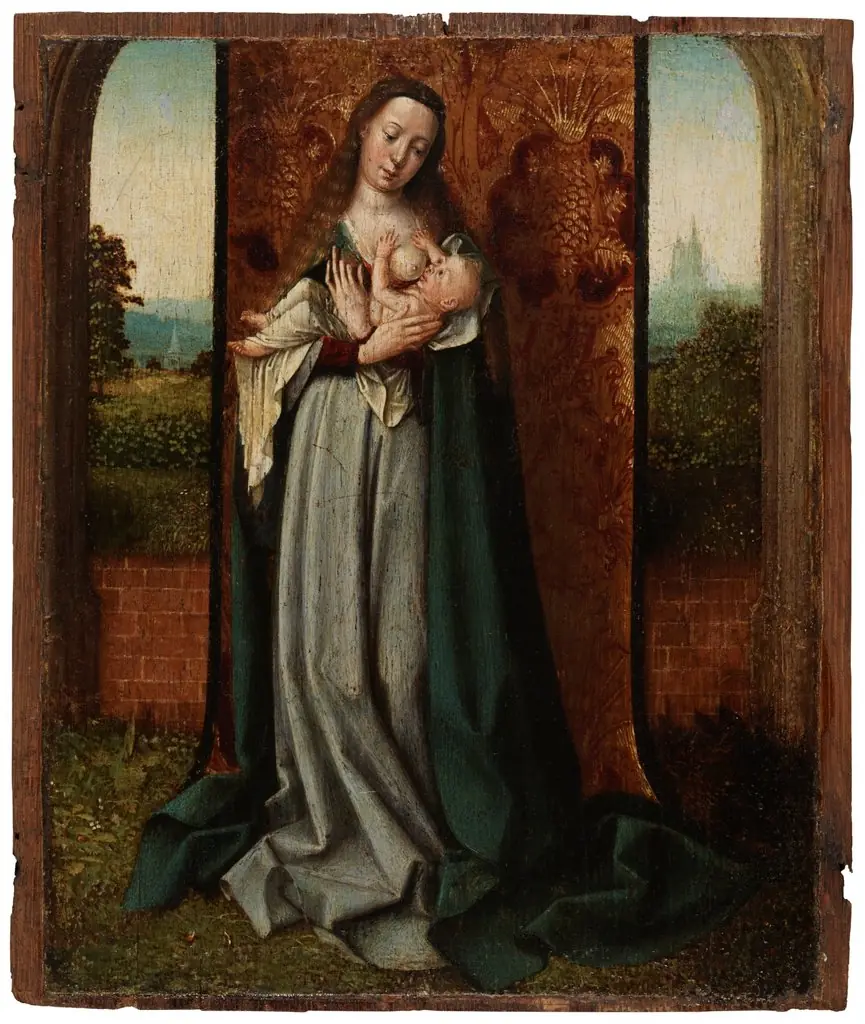 The Virgin and Child
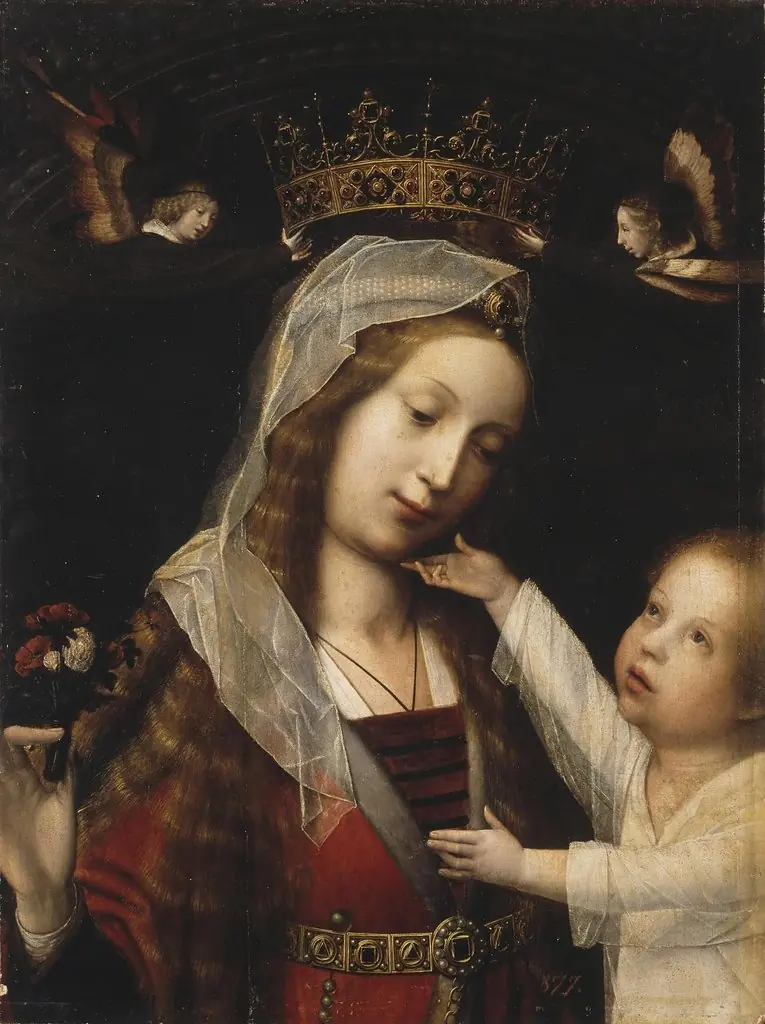 Madonna with the Child
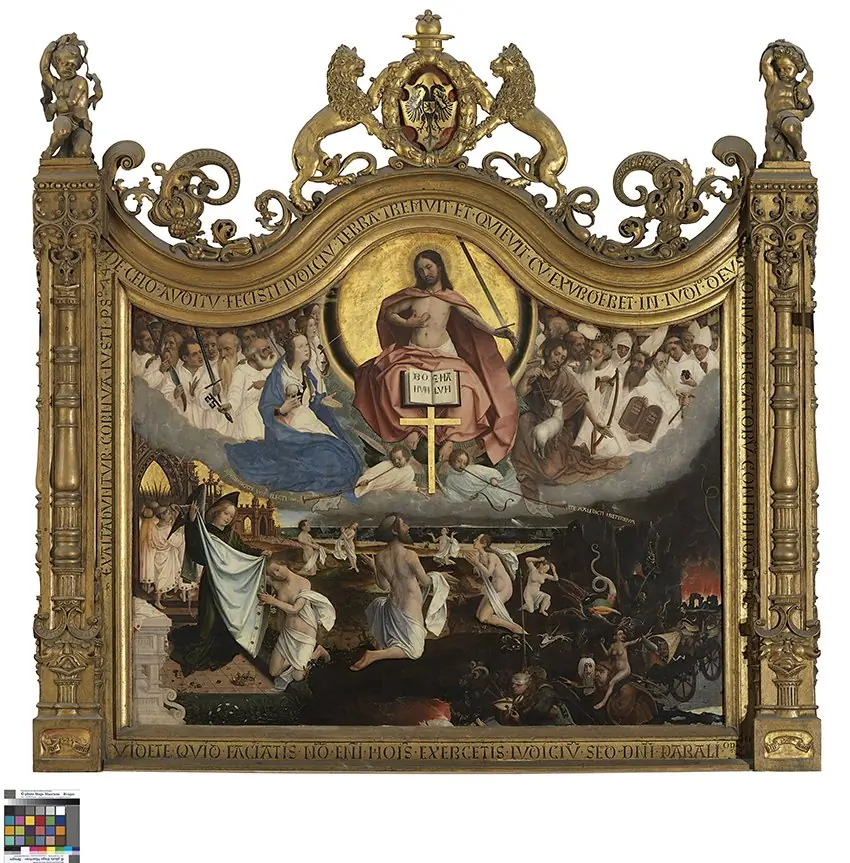 Last Judgement
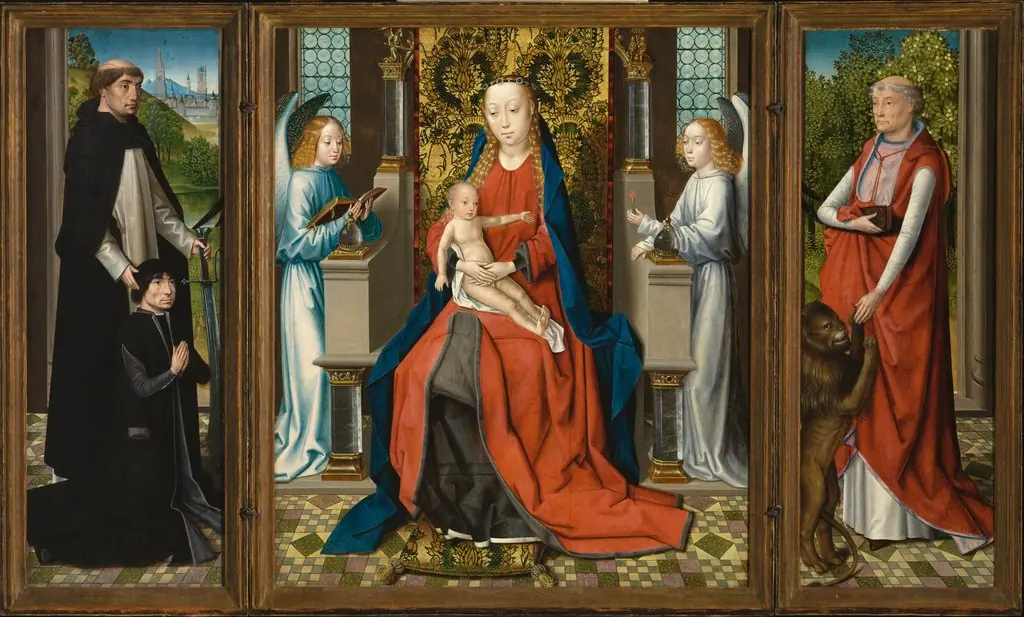 Triptych of Madonna and Child with Angels; Donor and His Patron Saint Peter Martyr; and Saint Jerome and His Lion
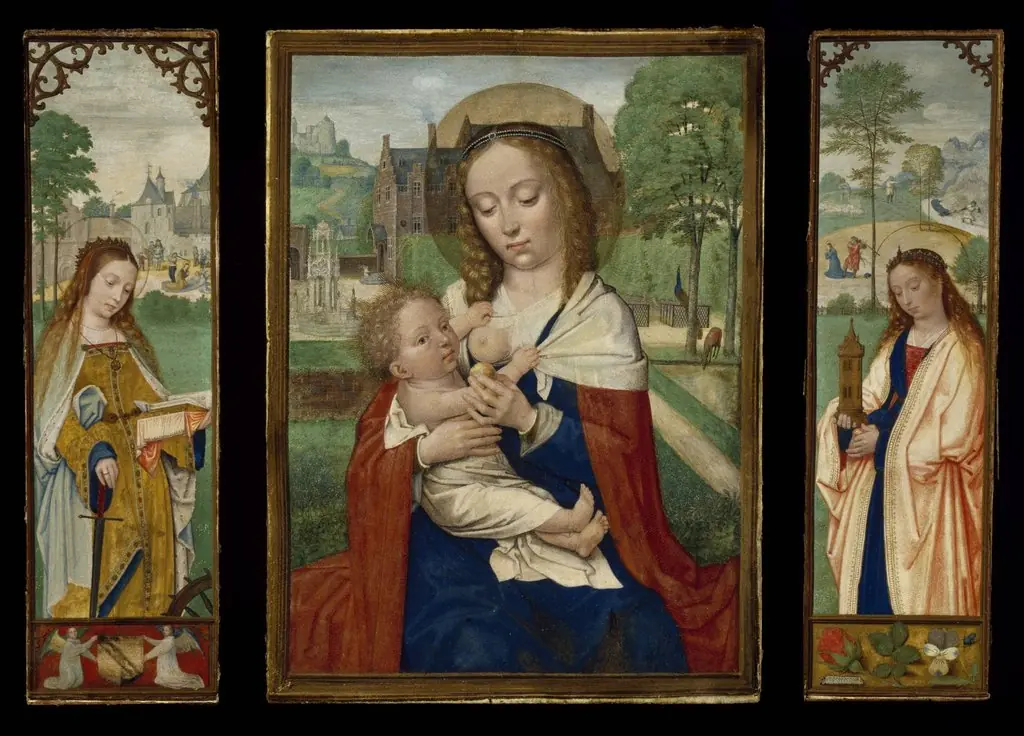 Triptych of Virgin and Child; Saints Catherine and Barbara
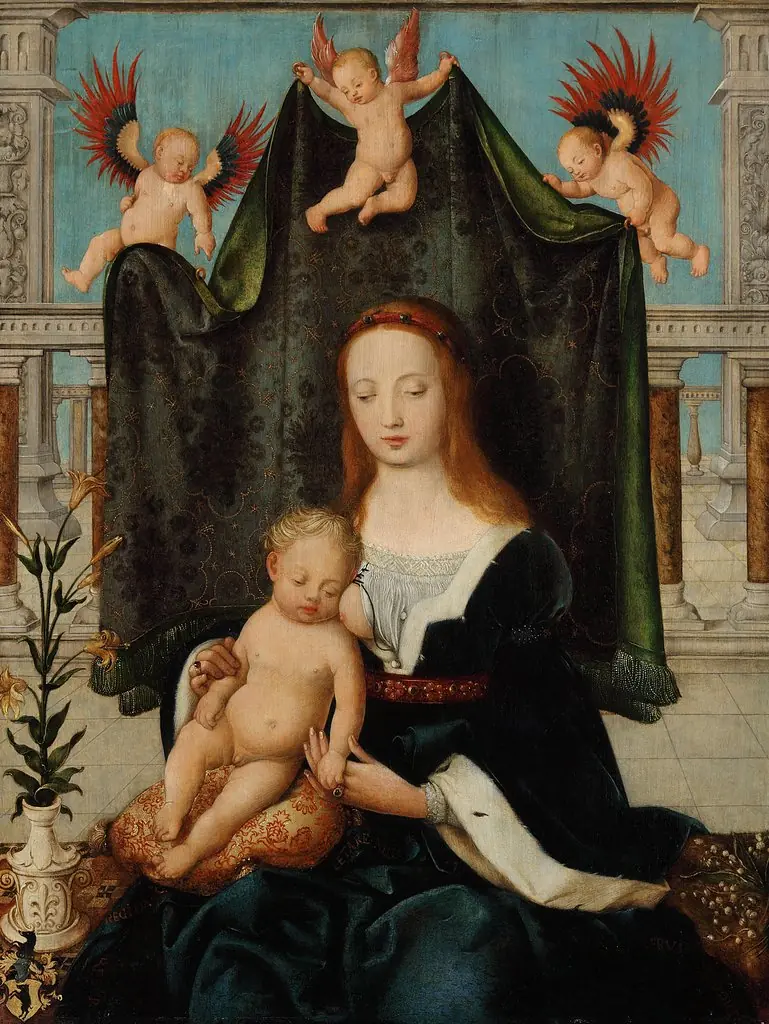 The Virgin and Sleeping Child
 Winged Altar
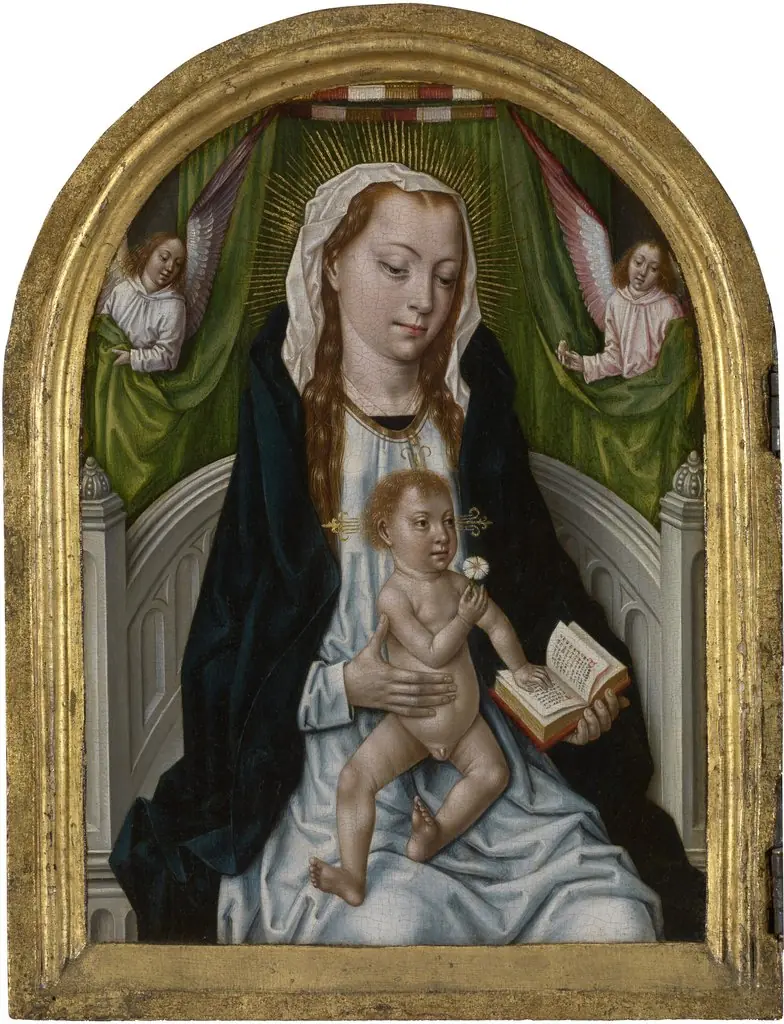 Virgin and Child with Angels
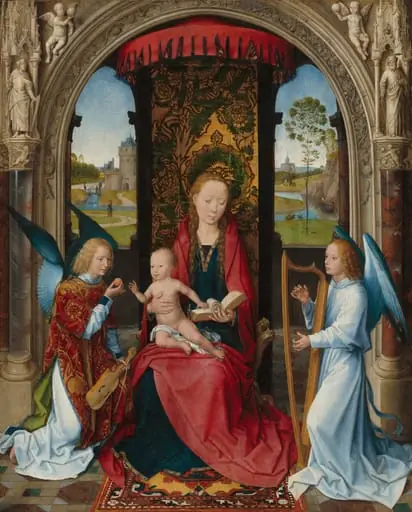 Madonna and Child with Angels
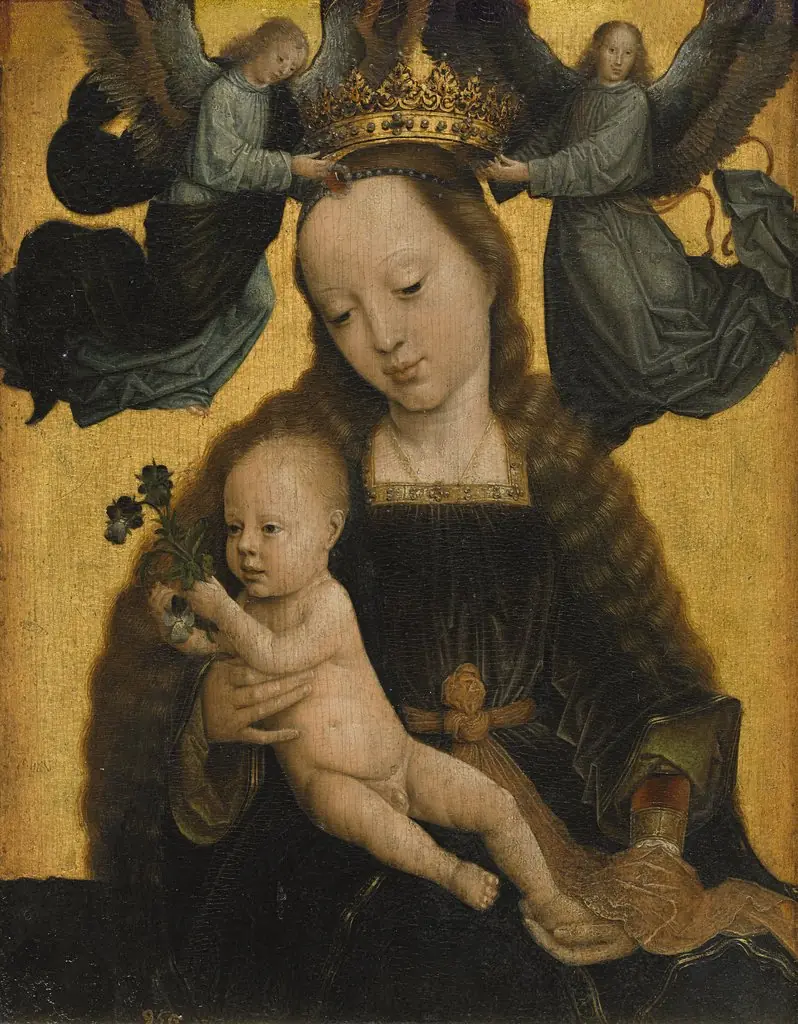 The Virgin and Child crowned by two Angels
 Madonna