Artwork
The Virgin and Sleeping Child
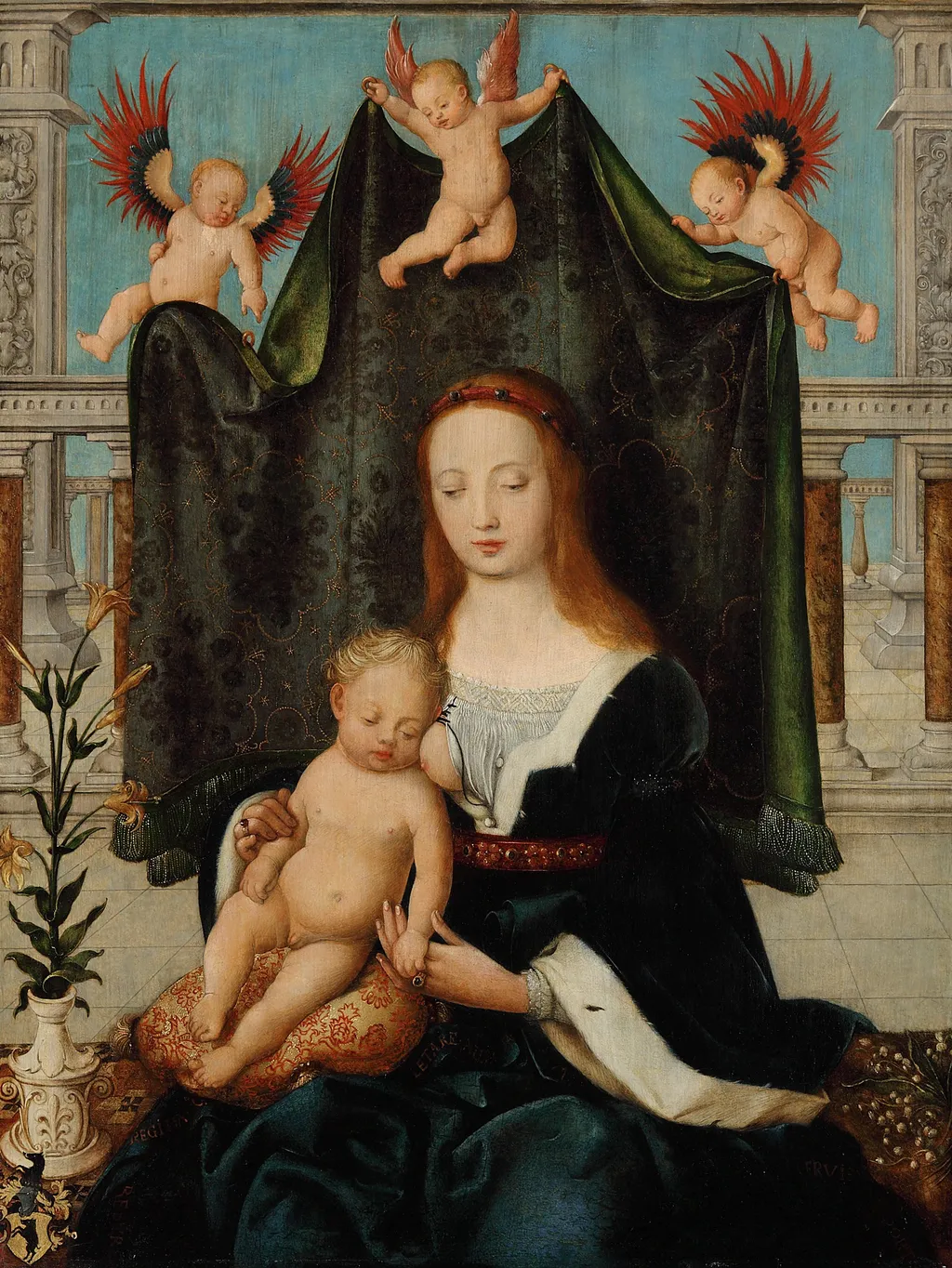
The Virgin and Sleeping Child is a paint painting by the Northern Renaissance artist Hans Holbein the Elder. It dates from 1520 and is held in the collection of the Gemäldegalerie Berlin.
About this work
Overview
Painted in 1520 by Hans Holbein the Elder, this work is a devotional image of the Virgin Mary cradling the infant Jesus in repose. Executed in oil on panel, it reflects the devotional traditions of early 16th-century German art. The painting resides in the Gemäldegalerie in Berlin, where it is preserved as part of the museum’s collection of Northern Renaissance religious works.
Subject & Meaning
The child’s vulnerability, rendered nude and unguarded, underscores his humanity, while the Virgin’s composed demeanor suggests spiritual serenity.
The Virgin, portrayed as the Theotokos, holds her sleeping child with quiet tenderness, emphasizing maternal care and divine stillness. The child’s vulnerability, rendered nude and unguarded, underscores his humanity, while the Virgin’s composed demeanor suggests spiritual serenity. The presence of cherubs holding back a curtain implies a sacred threshold, inviting contemplation of the divine mystery within the domestic moment.
Technique & Style
Holbein employed fine brushwork to render textures—delicate fabric folds, the sheen of gold embroidery, and the softness of skin—with precision. The palette features deep blues, rich reds, and gilded accents, creating visual harmony. Background elements like columns and drapery are rendered with architectural clarity, grounding the sacred scene in a tangible, intimate space characteristic of Northern Renaissance detail.
History & Provenance
The painting was completed in 1520 during Holbein’s later years in Augsburg, a center of artistic and religious activity. It entered the collection of the Gemäldegalerie Berlin in the 19th century, likely through state acquisitions or donations from ecclesiastical or noble patrons. Its survival through the Reformation reflects its continued value as an object of artistic, rather than purely liturgical, significance.
Context
Created amid the religious upheavals of the Protestant Reformation, the painting represents a traditional Catholic devotional subject at a time when such imagery faced increasing scrutiny. Holbein’s focus on quiet intimacy, rather than overt symbolism, may reflect a shift toward personal piety. His work bridges late medieval iconography and emerging Renaissance naturalism in German art.
Legacy
As the father of Hans Holbein the Younger, the elder Holbein’s influence extended through his artistic lineage. While less widely known than his son, this work exemplifies his skill in blending emotional restraint with meticulous technique. It remains a representative example of pre-Reformation German religious painting, valued for its calm authority and refined execution.
Own this work as a print
Artist & collection
Artist
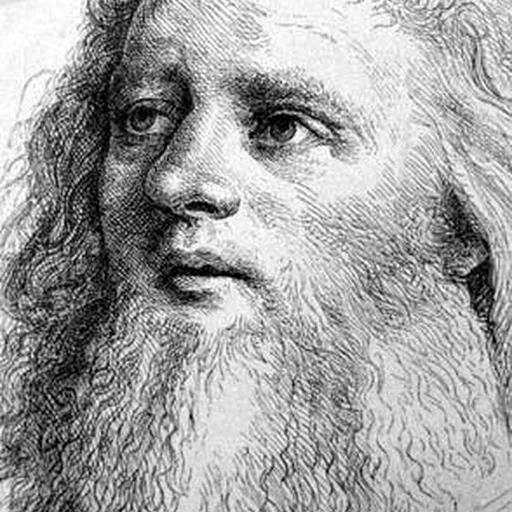
Hans Holbein the Elder (c. 1460/65 – 1524) was a German painter of the early German Renaissance. He was the father of painters Ambrosius and Hans the Younger.

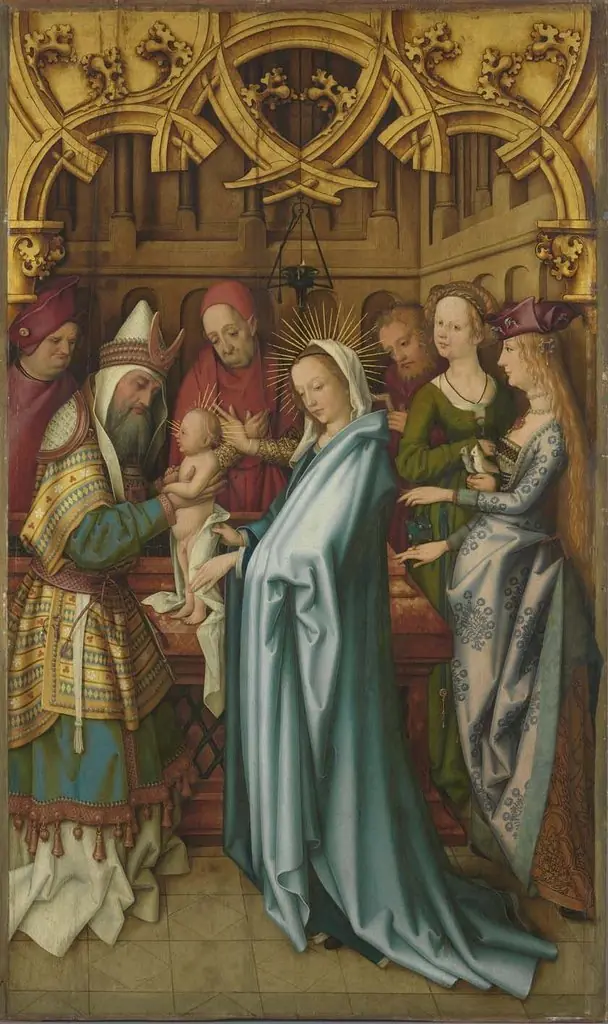 Kaisheimer Altar: Darbringung im Tempel
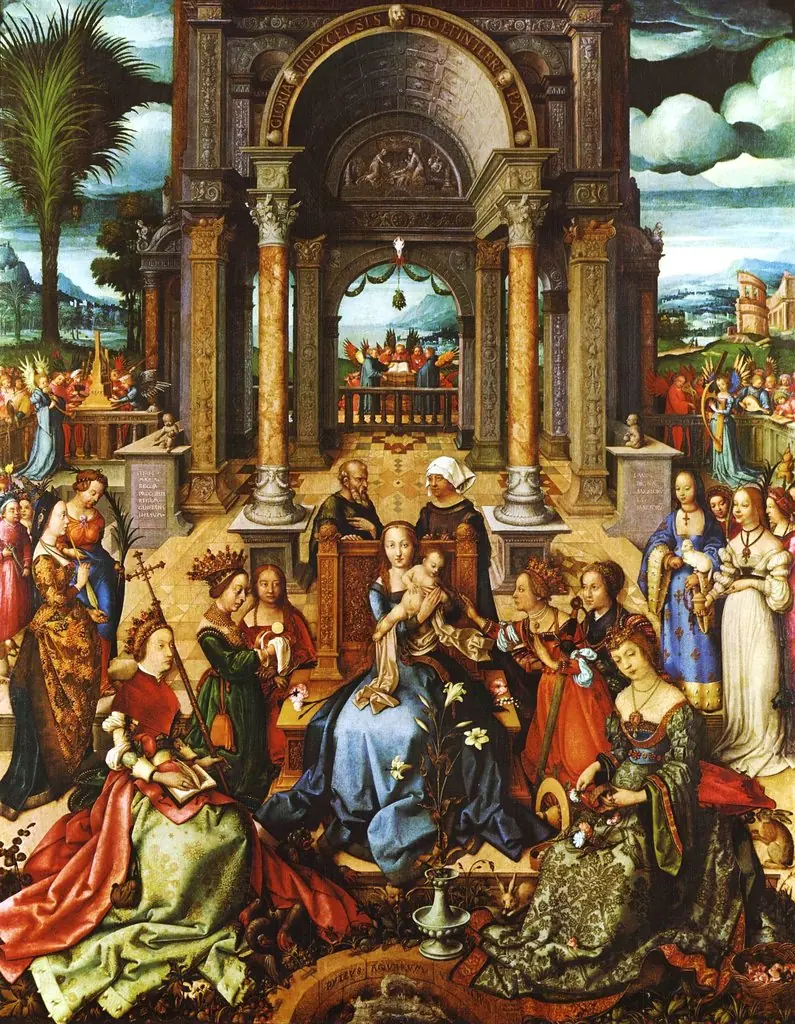 Virgin with Child by Hans Holbein the Elder, Museu Nacional de Arte Antiga
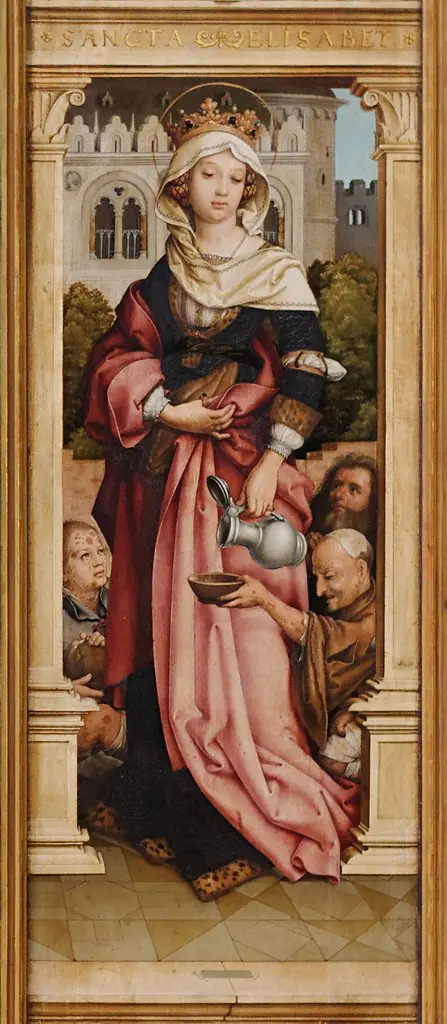 St. Sebastian Altar: St. Elizabeth of Hungary
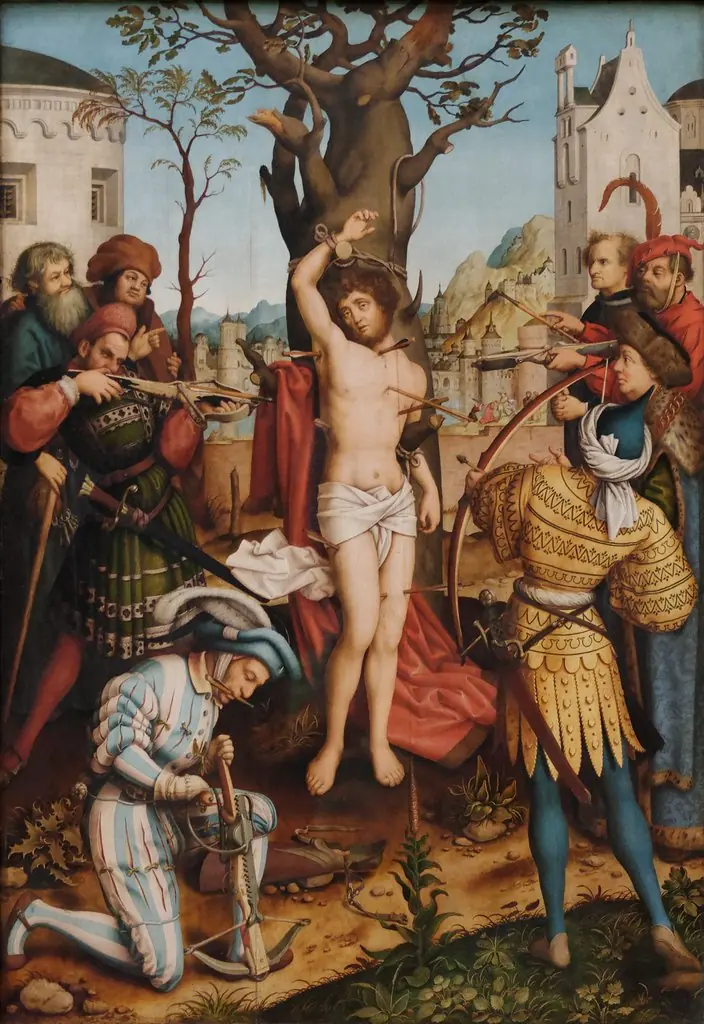 St. Sebastian Altar: The Martyrdom of St. Sebastian
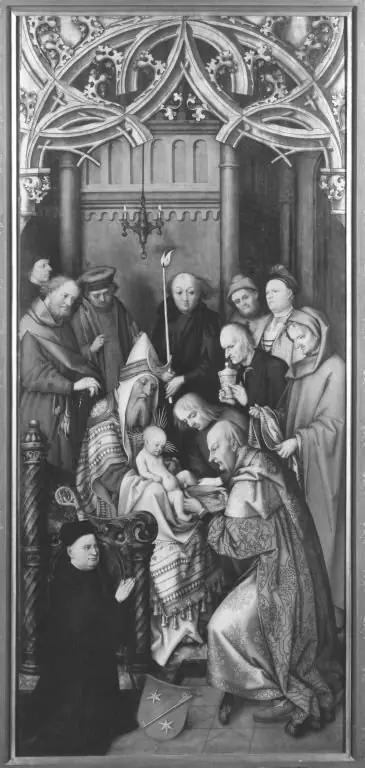 Kaisheimer Altar: Beschneidung Christi
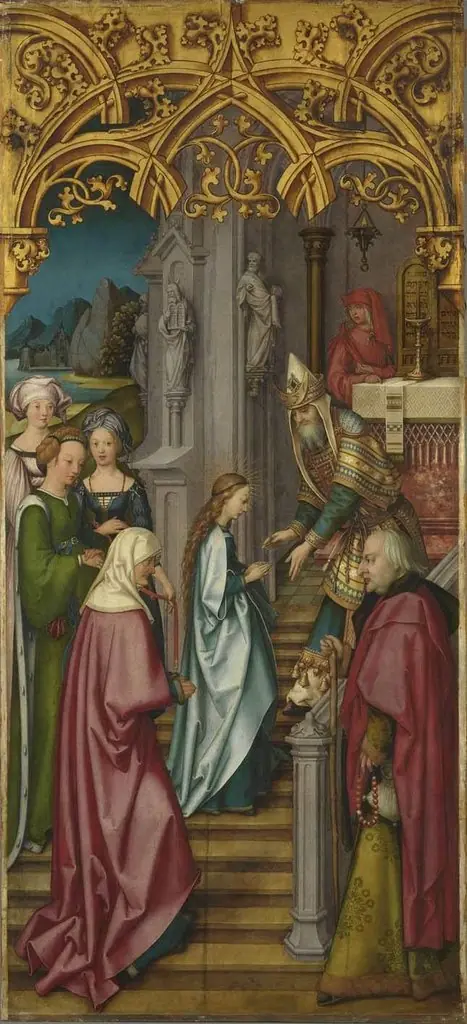 Kaisheimer Altar: Tempelgang Mariens
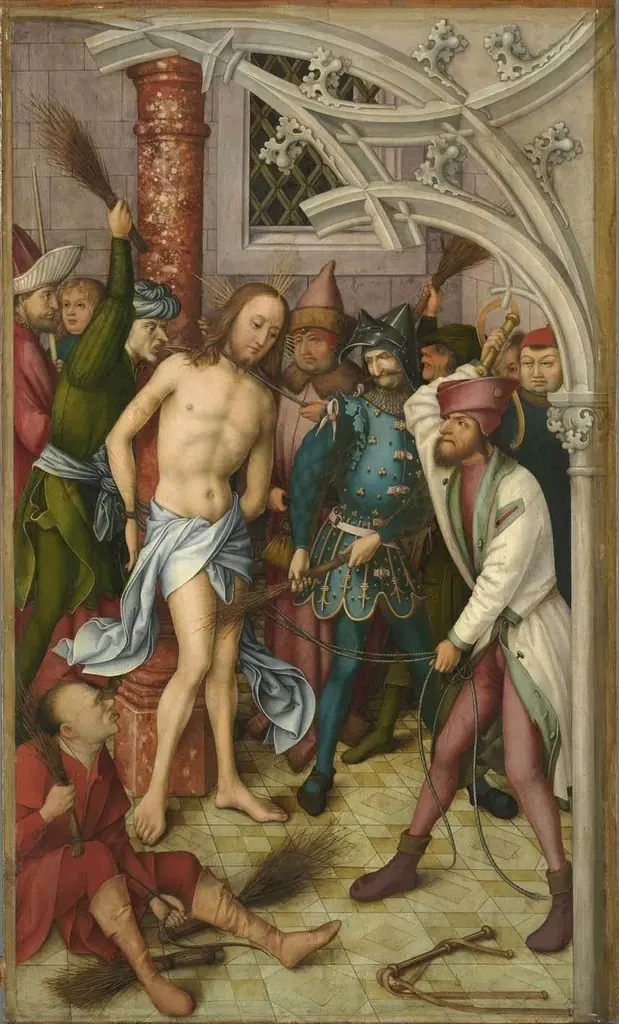 Kaisheimer Altar: Geißelung Christi
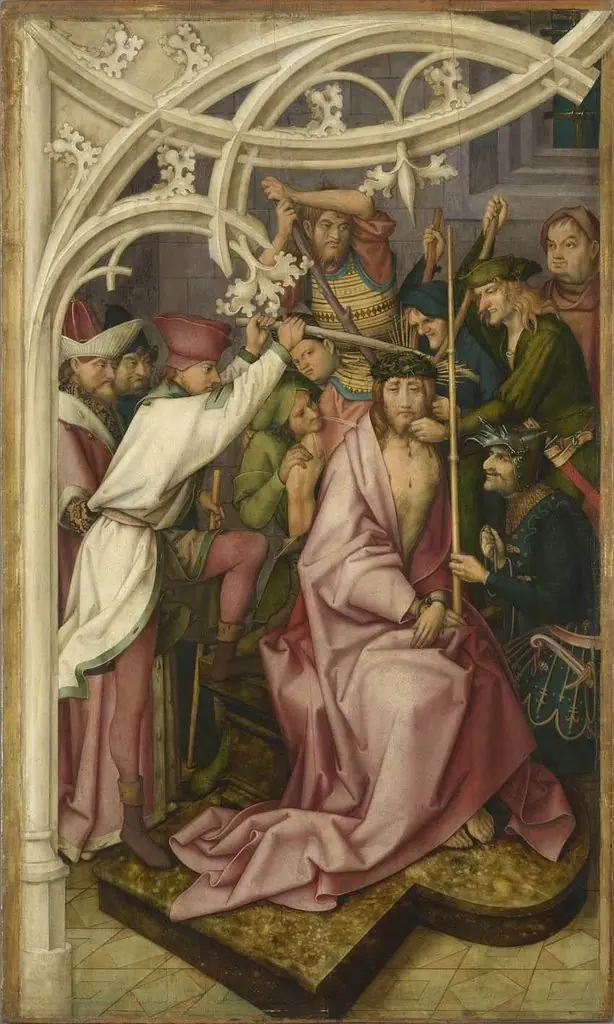 Kaisheimer Altar: Dornenkrönung Christi
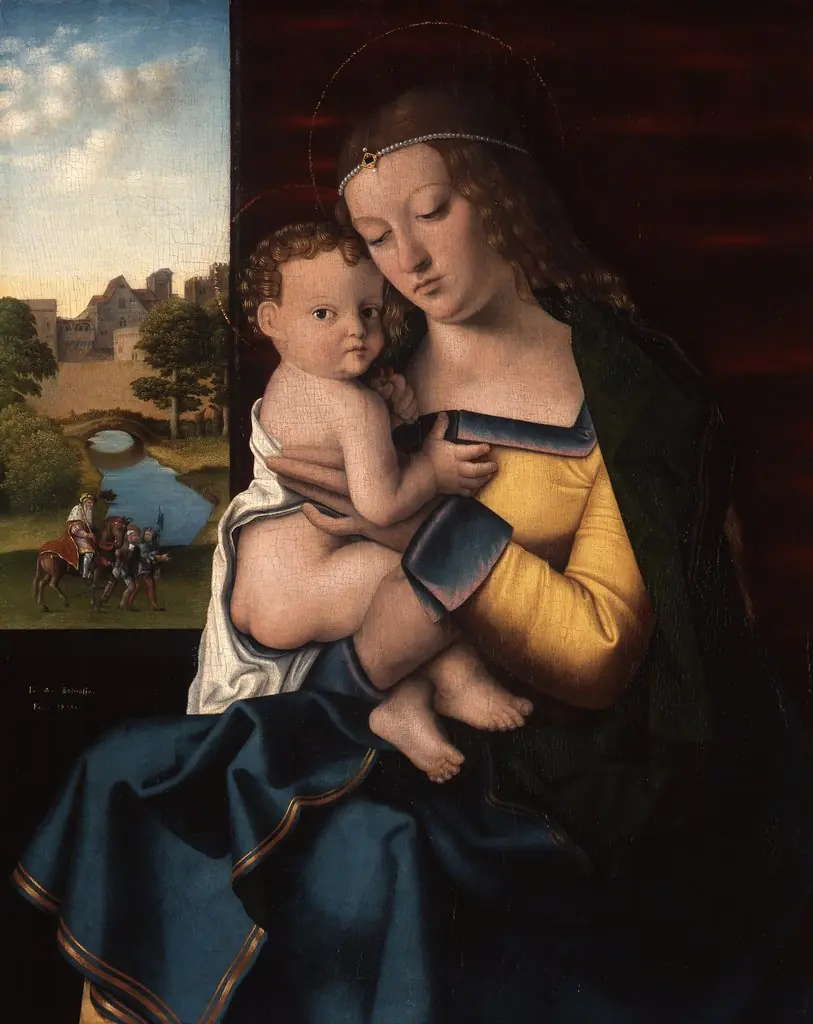 The Virgin and Child
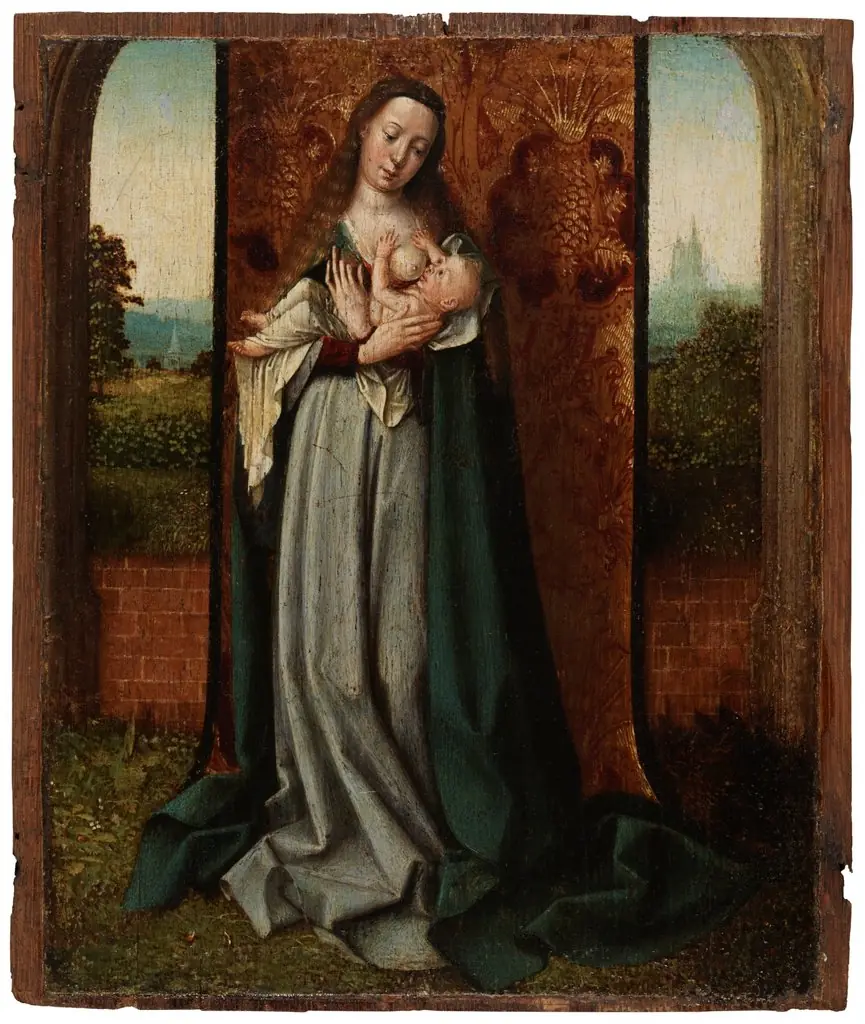 The Virgin and Child
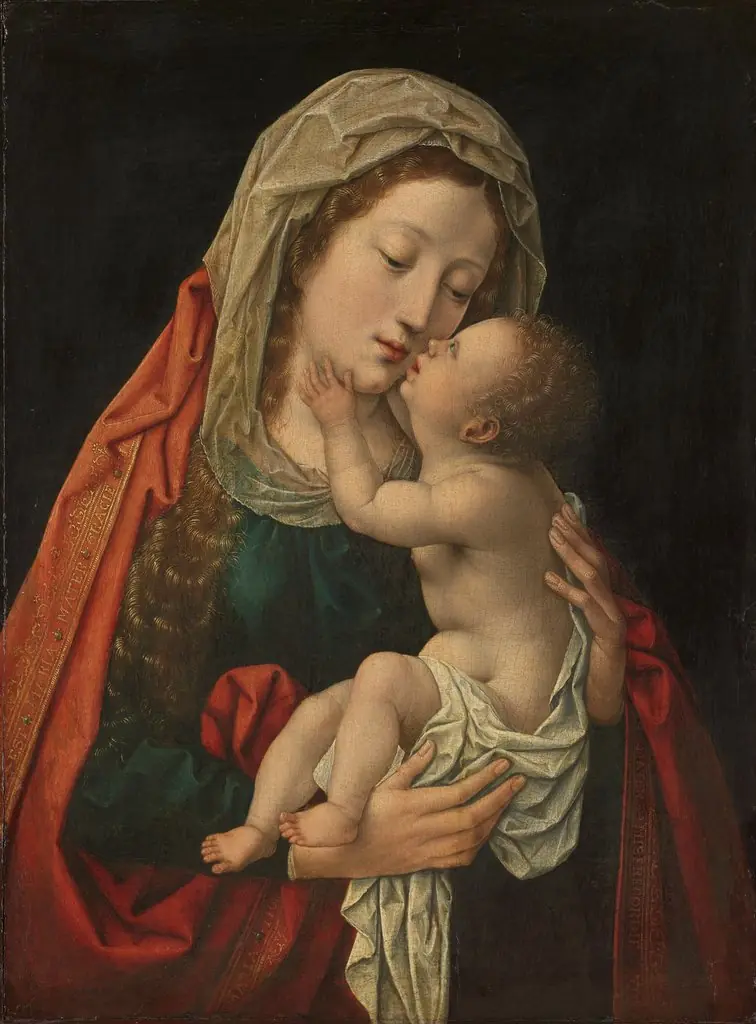 The Virgin and Child
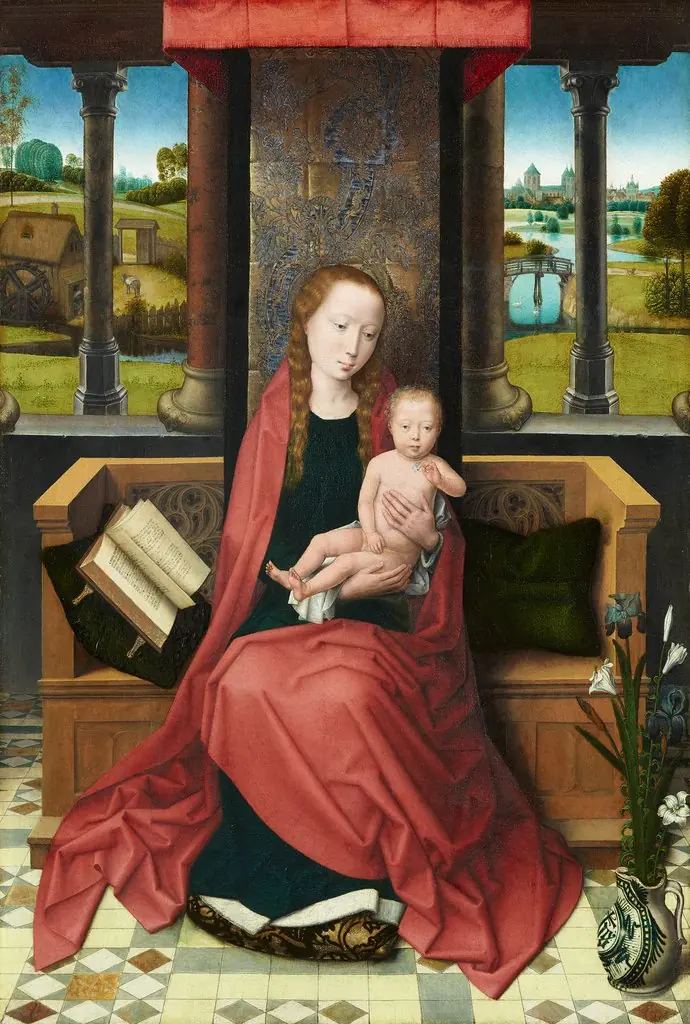 The Virgin and Child Enthroned
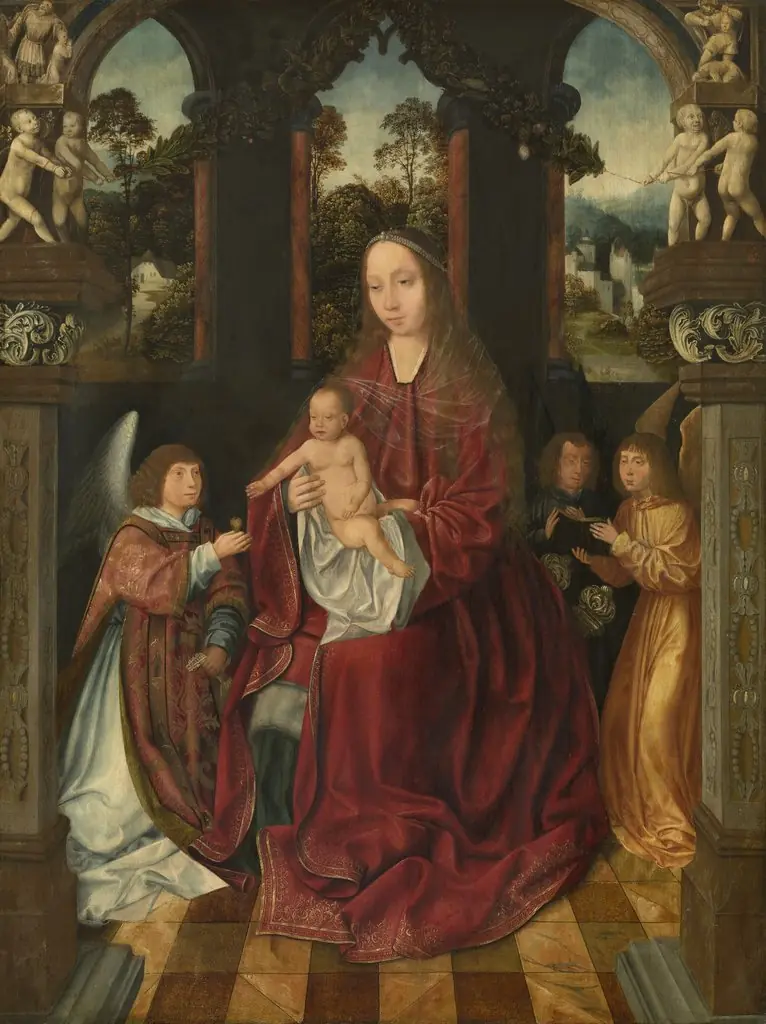 Madonna with Angels
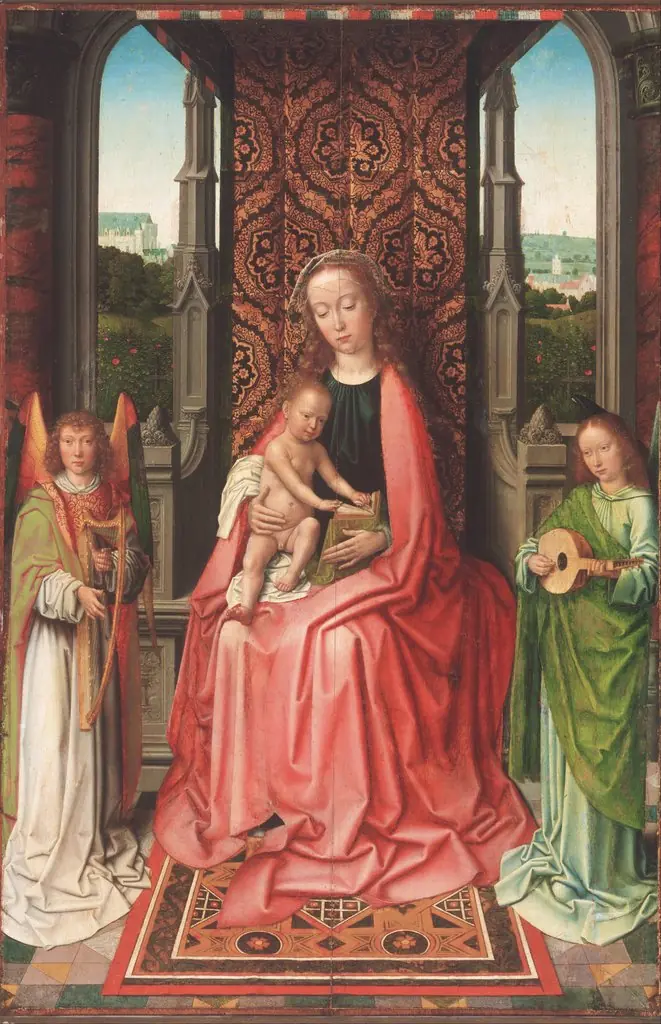 Enthroned Virgin and Child, with Angels
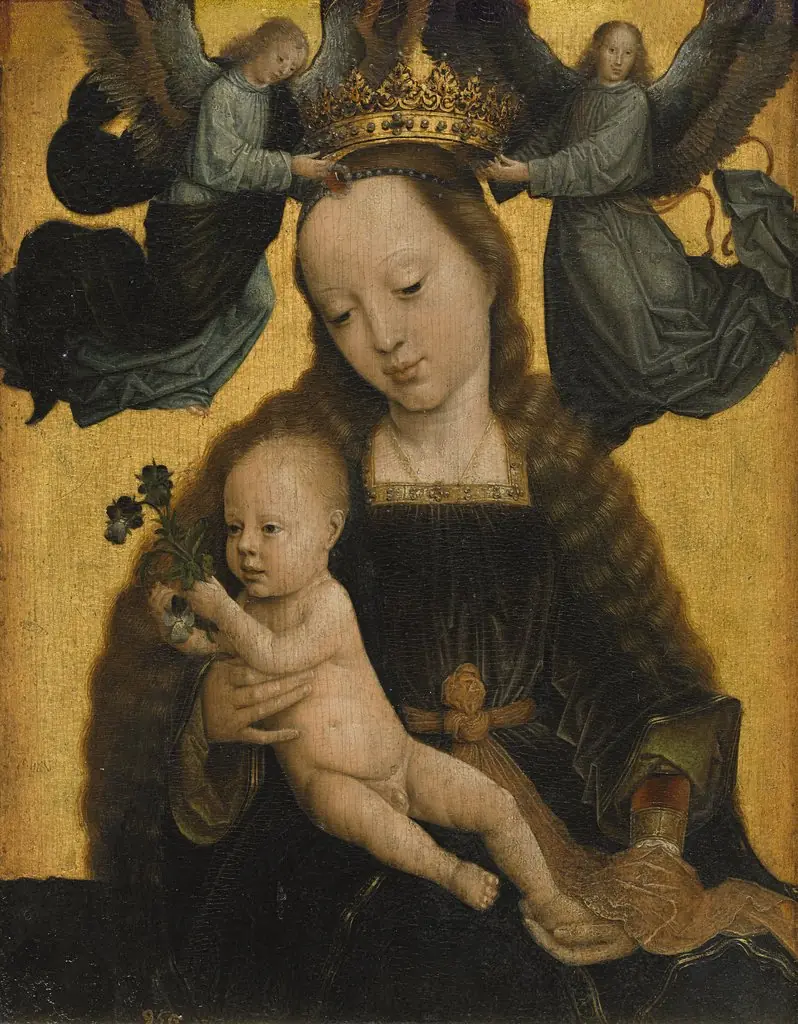 The Virgin and Child crowned by two Angels
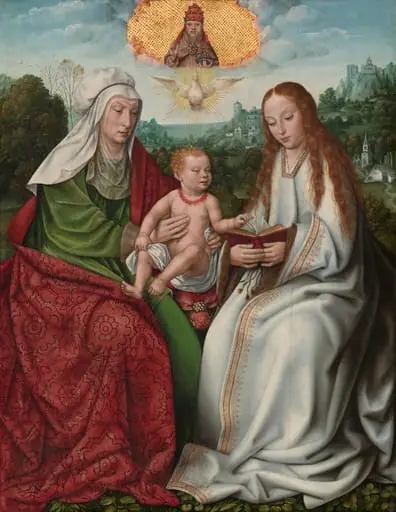 Saint Anne with the Virgin and the Christ Child
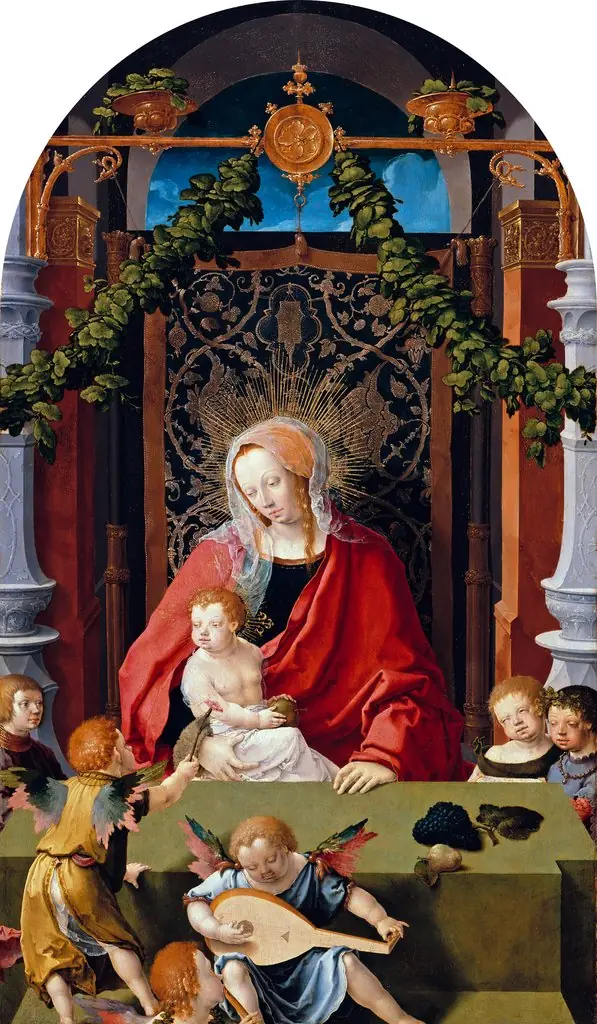 Virgin and Child with Angels
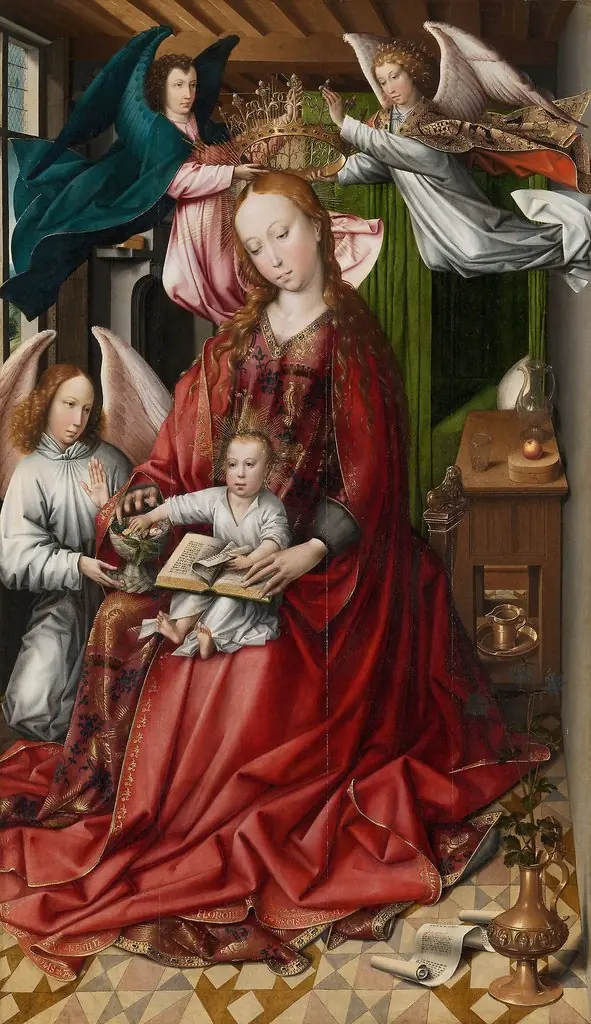 Virgin and Child Crowned by Angels
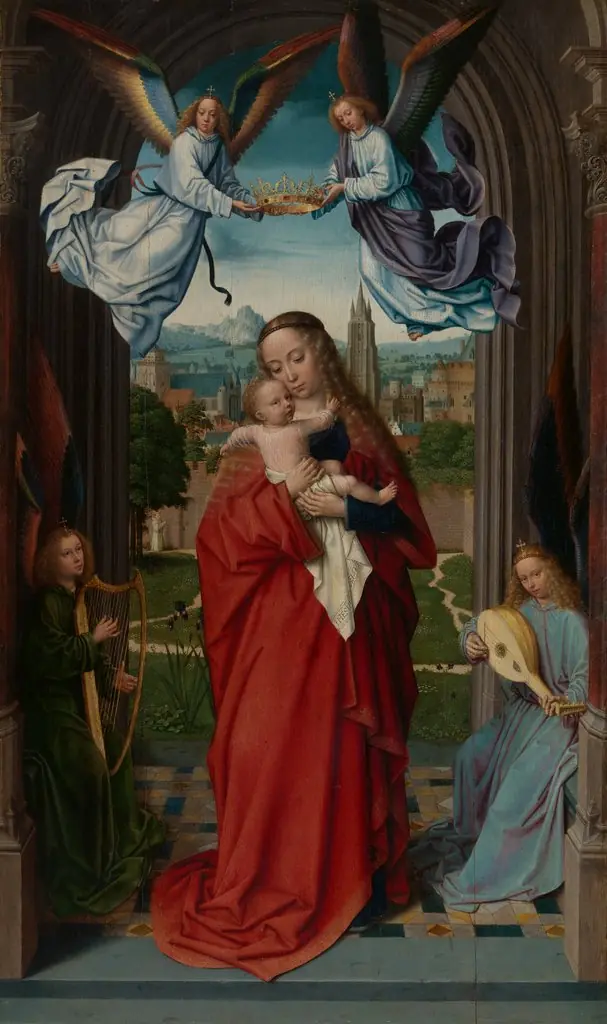 Virgin and Child with Four Angels
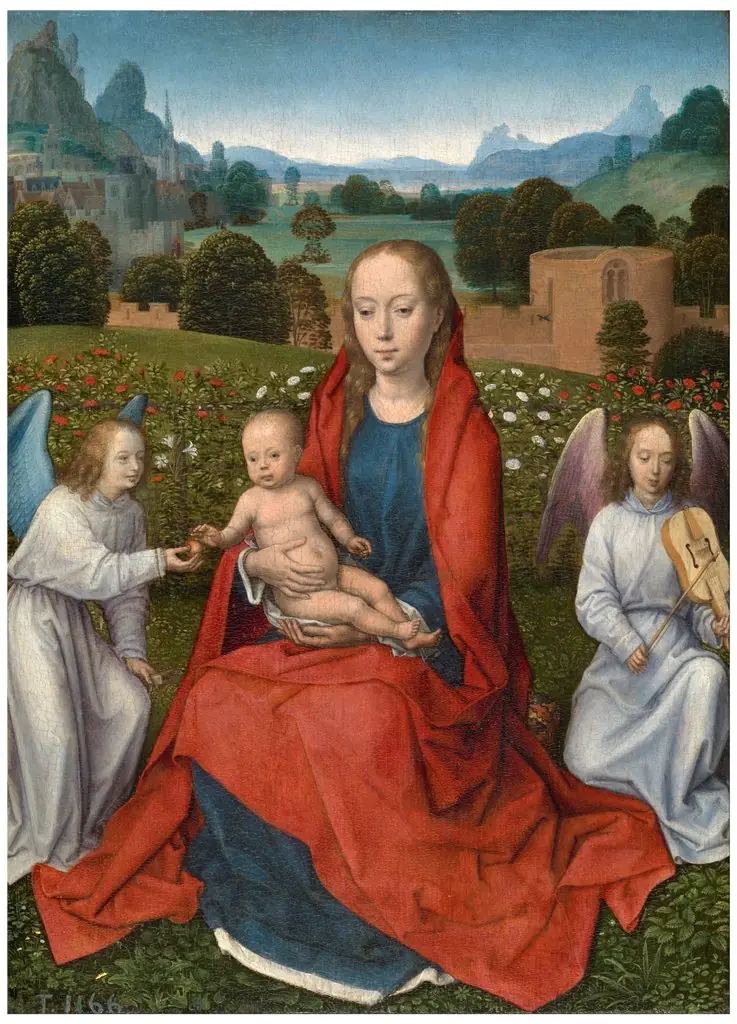 Virgin and Child with two angels