Artwork
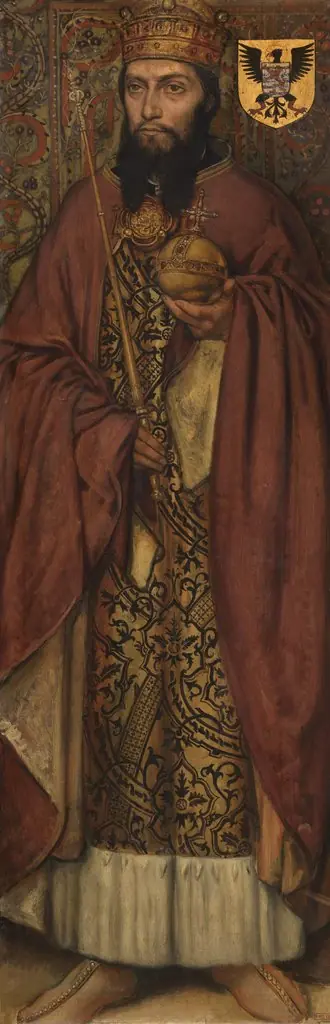
Henry VII, Holy Roman Emperor, 1309
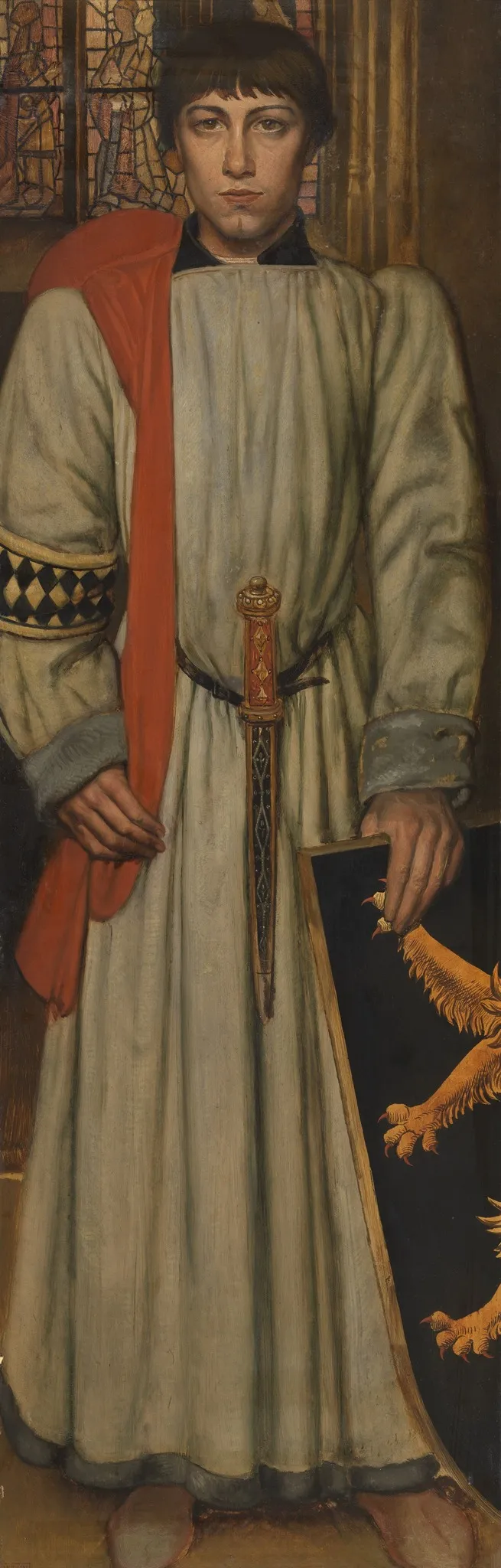
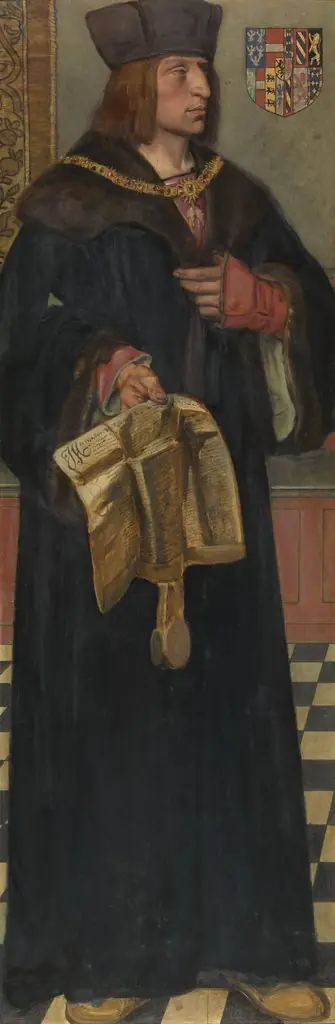
Henry VII, Holy Roman Emperor, 1309 is an oil painting by Jan August Hendrik Leys. It dates from 1860 and is held in the collection of the Royal Museum of Fine Arts Antwerp.
About this work
Overview
Henry VII, Holy Roman Emperor, 1309 is an 1860 oil painting by Jan August Hendrik Leys, depicting the medieval German ruler Henry VII. The work is part of the Royal Museum of Fine Arts Antwerp's collection.
Subject & Meaning
The painting portrays Henry VII in formal, symbolic attire, conveying his authority. A red sash, black collar, sword, and a book in hand signify his dual role as a religious and military leader. His neutral expression and poised demeanor emphasize his importance.
Technique & Style
Executed in oil paint, the piece showcases Leys' blend of Romantic historical representation and early Realist tendencies, characteristic of his influential role in Belgian art. The composition's attention to detail, from patterned robe elements to the stained-glass background, highlights Leys' meticulous style.
History & Provenance
Created in 1860 by Jan August Hendrik Leys, a key figure in Belgian historical and Realist art, the painting is now held in the Royal Museum of Fine Arts Antwerp, reflecting Leys' European reputation.
Context
Painted during a time of growing interest in historical themes, *Henry VII, Holy Roman Emperor, 1309* aligns with the Romantic school's emphasis on the past, while its realism foreshadows upcoming art movements.
Legacy
Through this work, Leys contributed to the evolution of Belgian art, bridging Romanticism and Realism. The painting remains a notable example of his style and historical subject matter expertise.
Artist & collection
Artist
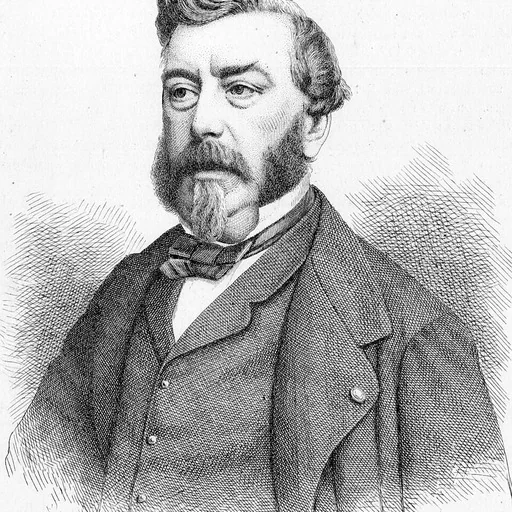
Henri Leys, Hendrik Leys or Jan August Hendrik, Baron Leys (18 February 1815 – 26 August 1869) was a Belgian painter and printmaker.

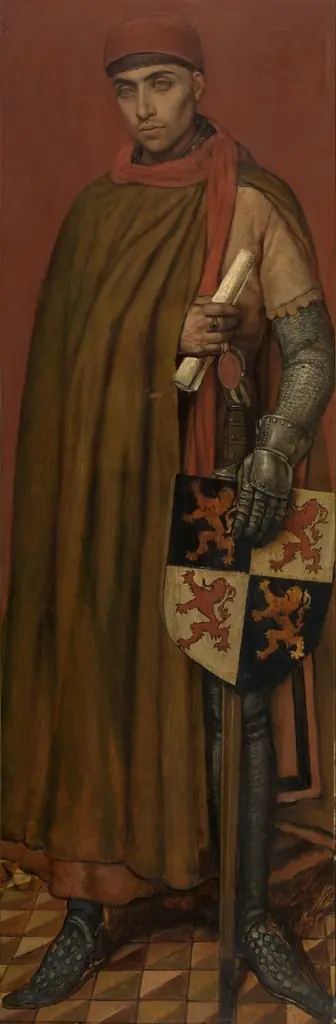 John II, Duke of Brabant, 1306
 Henry I, Duke of Brabant, 1220
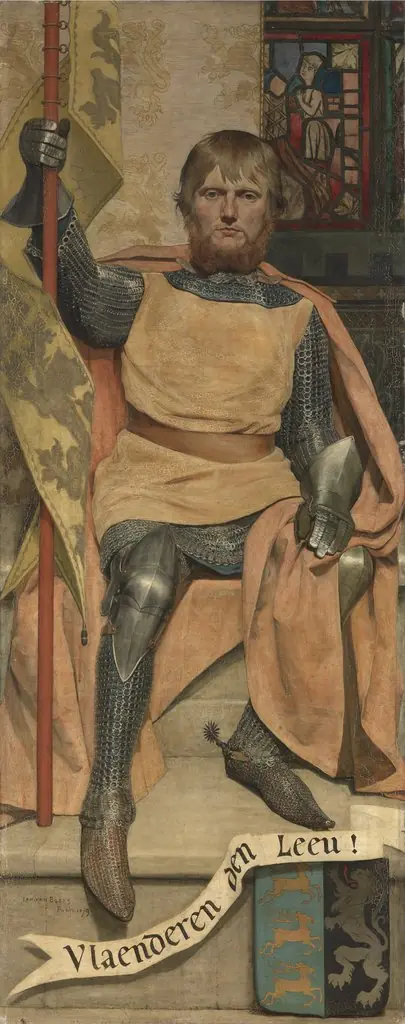 Jan Borluut, Patrician of Ghent
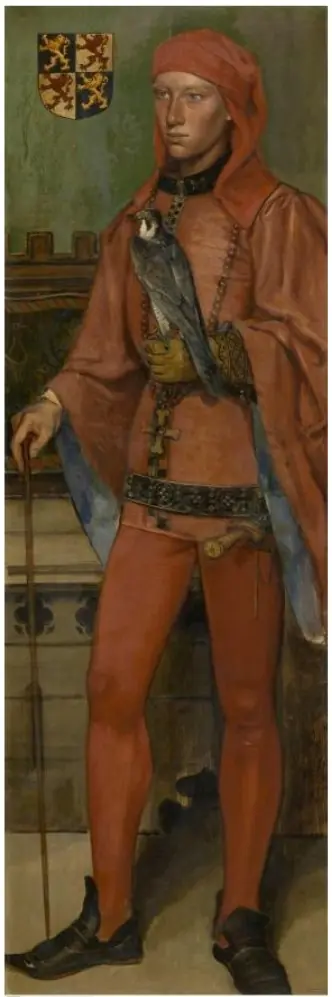 John III, Duke of Brabant, 1326
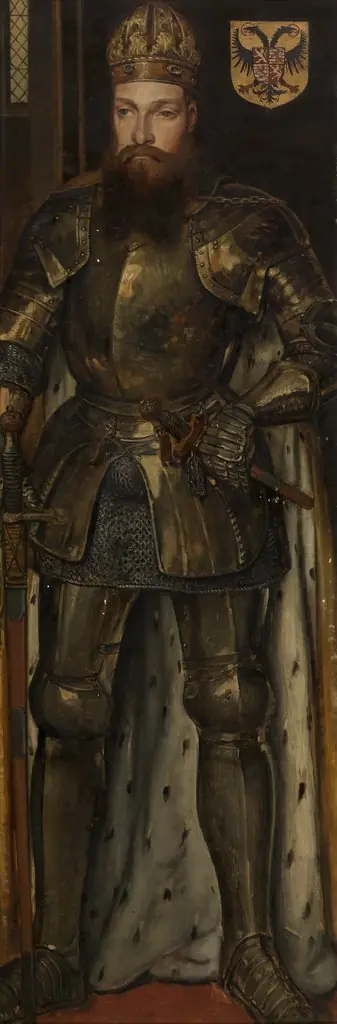 Sigismund, Holy Roman Emperor, 1415
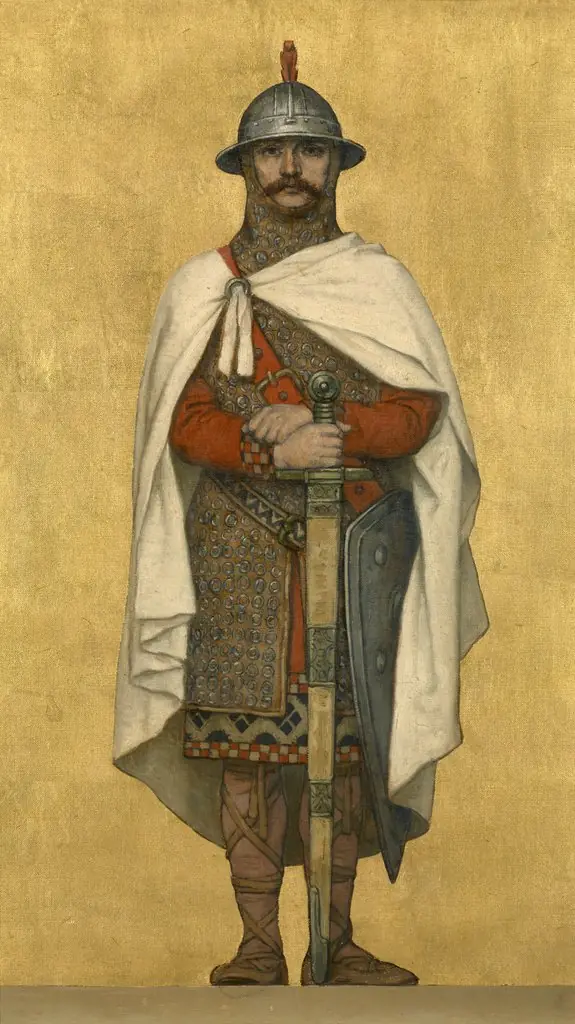 Baldwin I of Constantinople
 Baldwin I of Flanders
 Godfrey of Bouillon
 Pieter de Coninck
 Pedro III El Grande
 Cardinal-Infante Ferdinand of Austria
 St Victor of Siena