Artwork
Triptych with Scenes from the Life of St John the Baptist
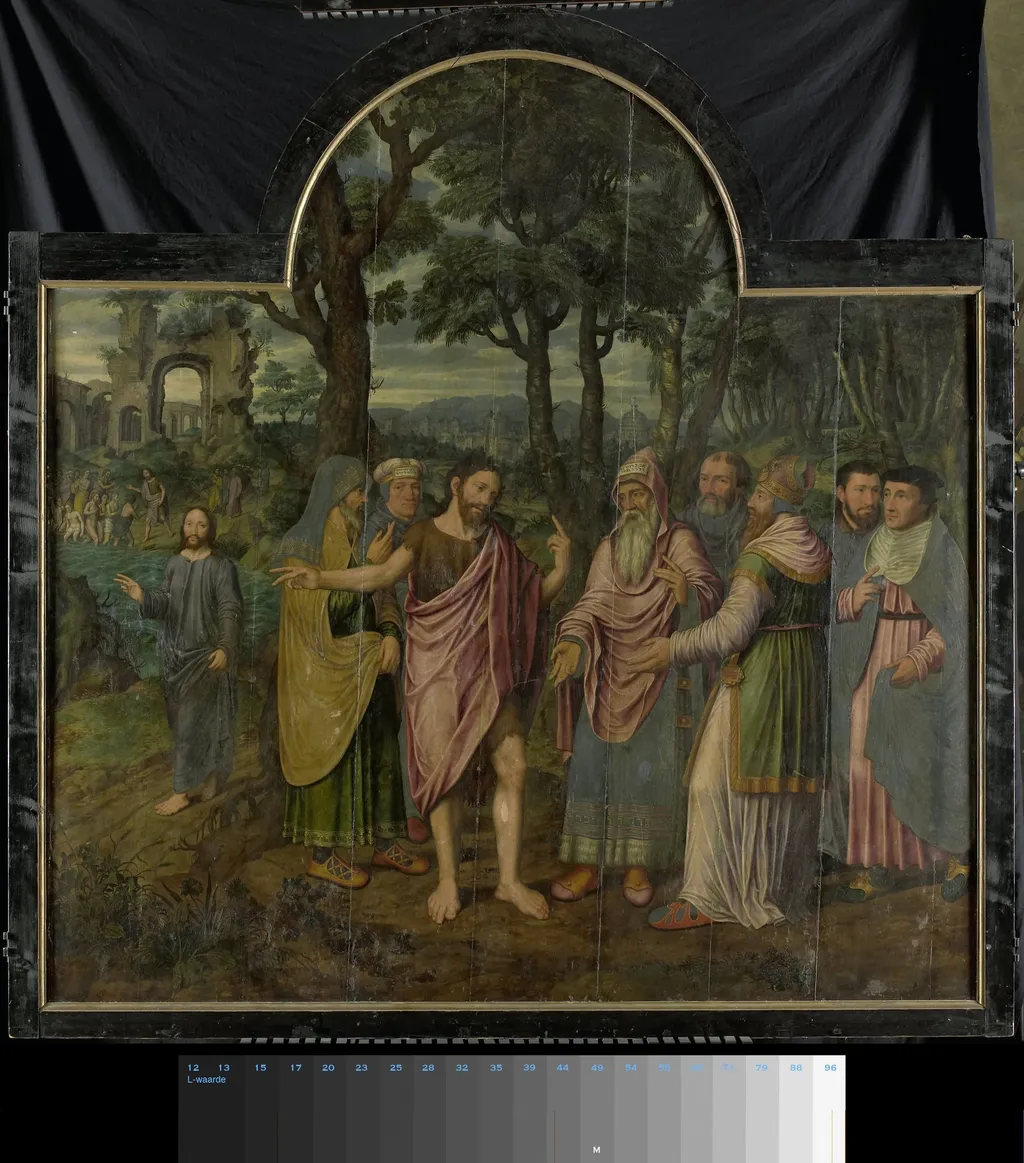
Triptych with Scenes from the Life of St John the Baptist is an unspecified painting by the Northern Renaissance artist Jan van Coninxloo. It is held in the collection of the Rijksmuseum. This triptych is a hinged wooden altarpiece composed of three panels, originally created for a Benedictine monastery near Brussels.
About this work
Overview
This triptych is a hinged wooden altarpiece composed of three panels, originally created for a Benedictine monastery near Brussels.
This triptych is a hinged wooden altarpiece composed of three panels, originally created for a Benedictine monastery near Brussels. Each panel depicts episodes from the life of John the Baptist, with additional scenes on the exterior surfaces. The work includes an integrated frame and was designed for devotional use in a monastic setting, combining narrative detail with religious instruction through visual storytelling.
Subject & Meaning
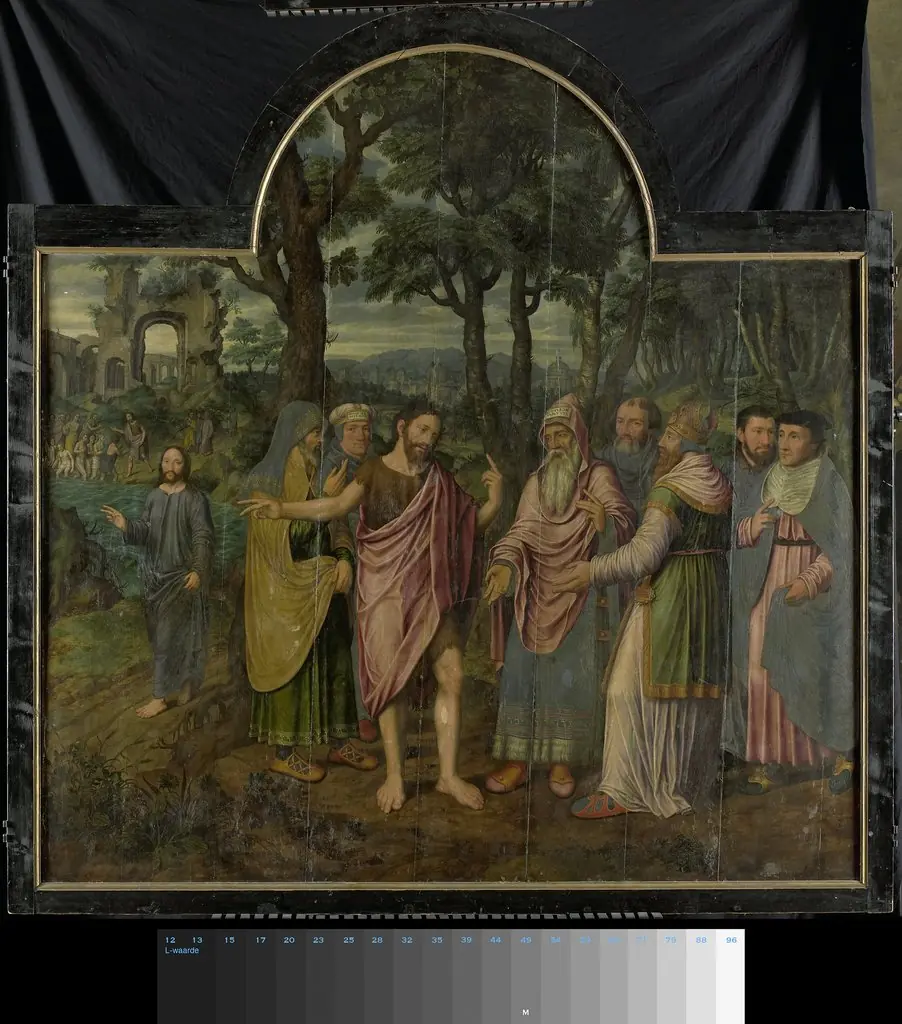
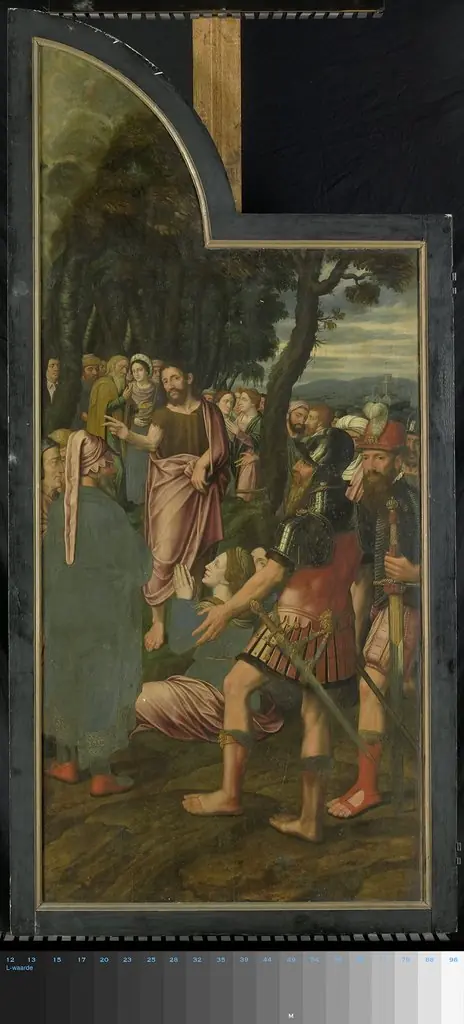
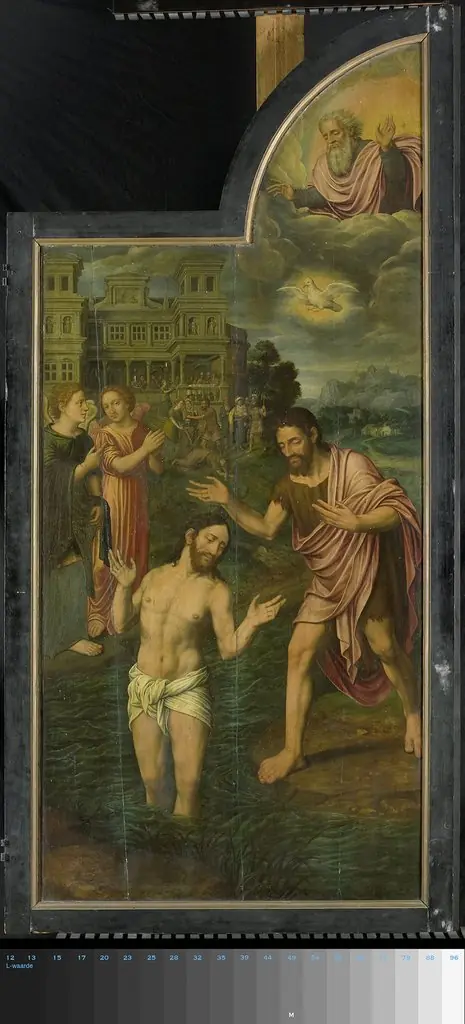
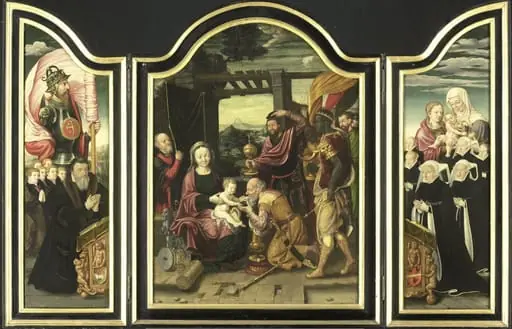
The central panel portrays John the Baptist confronting the Pharisees, with Christ and two disciples observing. The left panel shows John preaching to a crowd that includes soldiers, while the right panel depicts Christ’s baptism, juxtaposed with the execution of John in the background. The exterior surfaces feature John with the Lamb of God and the donor, Berbel van der Noot, alongside Saint Barbara, linking personal piety with sacred history.
Technique & Style
The artist employed fine brushwork to render densely packed figures and intricate architectural details across all panels. Bright, mineral-based pigments enhance visibility in dim church lighting. The composition layers multiple narrative moments within single scenes, creating a visual chronicle that guides the viewer through biblical events with clarity and symbolic emphasis.
History & Provenance
Commissioned for the Benedictine abbey in Groot-Bijgaarden, the triptych remained in monastic use until the suppression of religious houses in the late 18th century. Its survival through secularization and subsequent transfers reflects its enduring value. The donor’s inclusion suggests local aristocratic patronage tied to the monastery’s spiritual life.
Context
Created during a period when visual narratives were essential for conveying scripture to largely illiterate congregations, the altarpiece reflects the devotional priorities of late medieval monastic communities. Its layered storytelling aligns with broader Netherlandish traditions of moral instruction through detailed imagery, where every figure and gesture carried theological weight.
Legacy
The triptych stands as an example of how religious institutions used portable altarpieces to reinforce doctrine and foster contemplation. Its preservation offers insight into the intersection of monastic life, donor piety, and artistic practice in the Low Countries. Though no longer in its original setting, it continues to inform understanding of medieval visual theology.
Artist & collection
Artist
Jan van Coninxloo or van Coninxlo, also known as Jan II or Jan the Younger, was a painter born in Brussels, Duchy of Brabant in 1489 (?), but nothing is known of the details of his career.

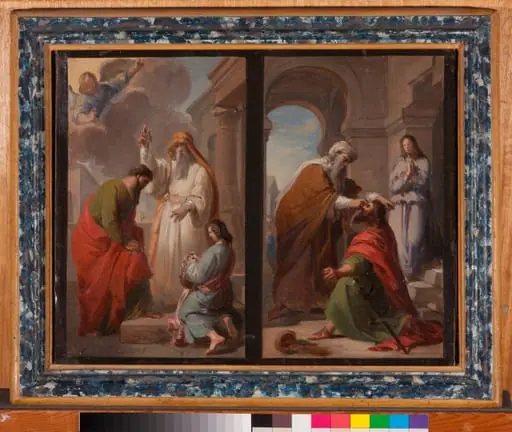 Taufe und Heilung des Paulus
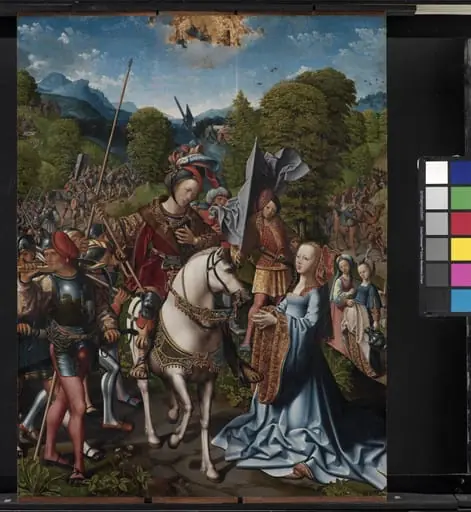 David and Abigail
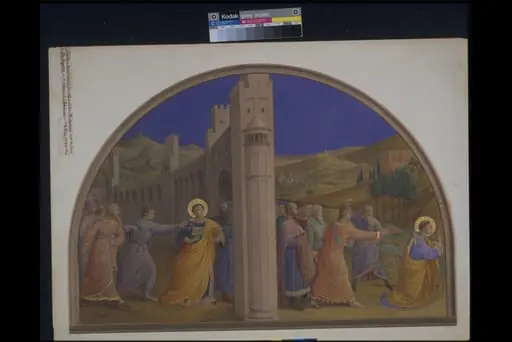 Copy after The Expulsion of St Stephen and The Martyrdom of St Stephen, Fra Angelico in the Niccoline Chapel (Vatican, Rome)
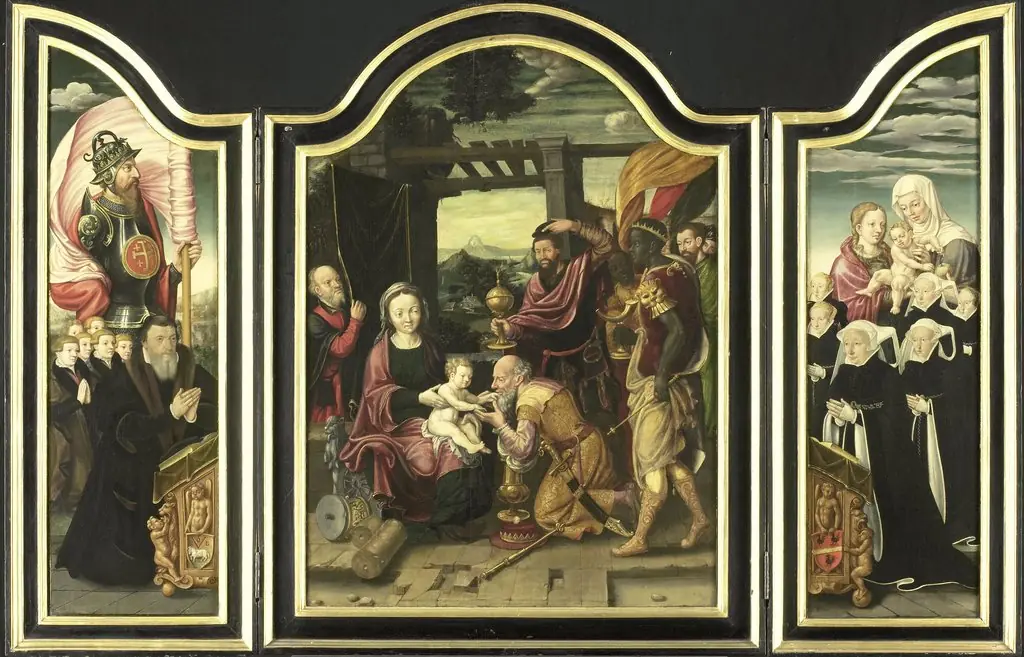 Triptych with the Adoration of the Magi
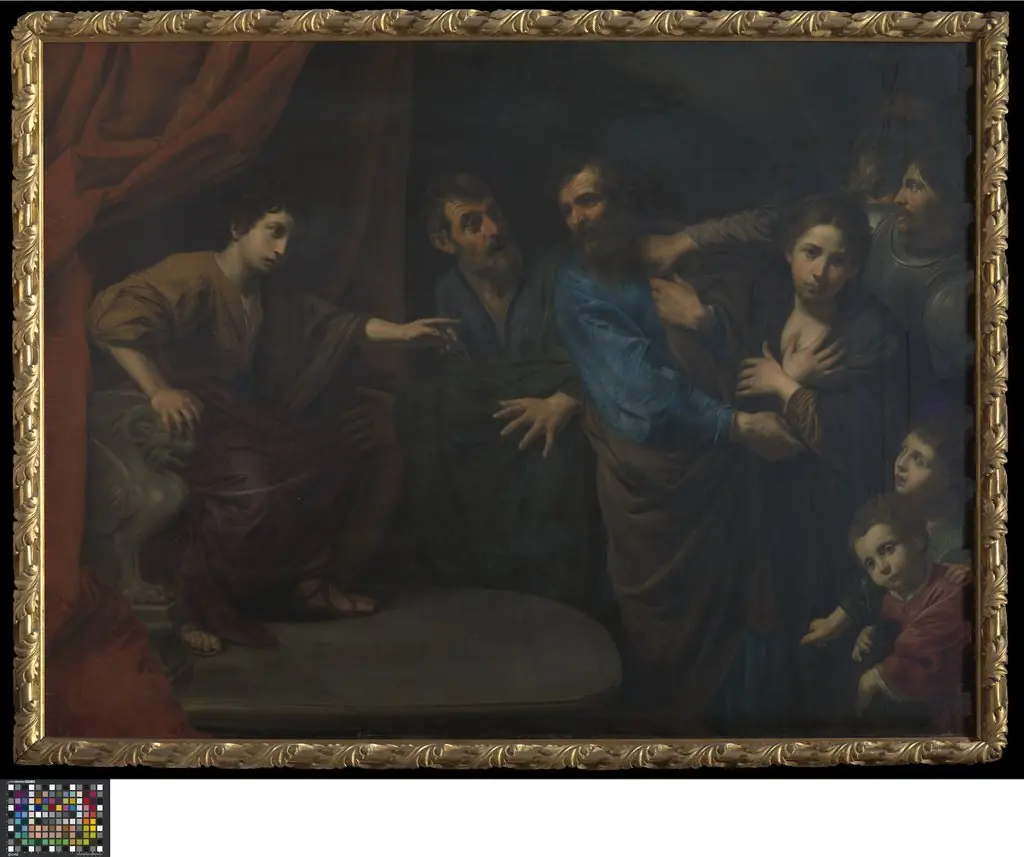 Oordeel van Daniël
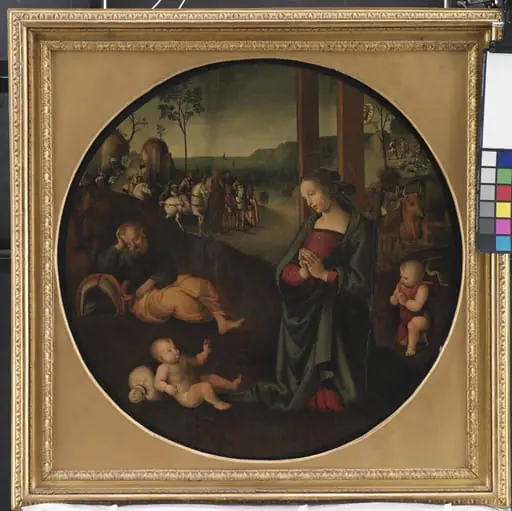 The Holy Family
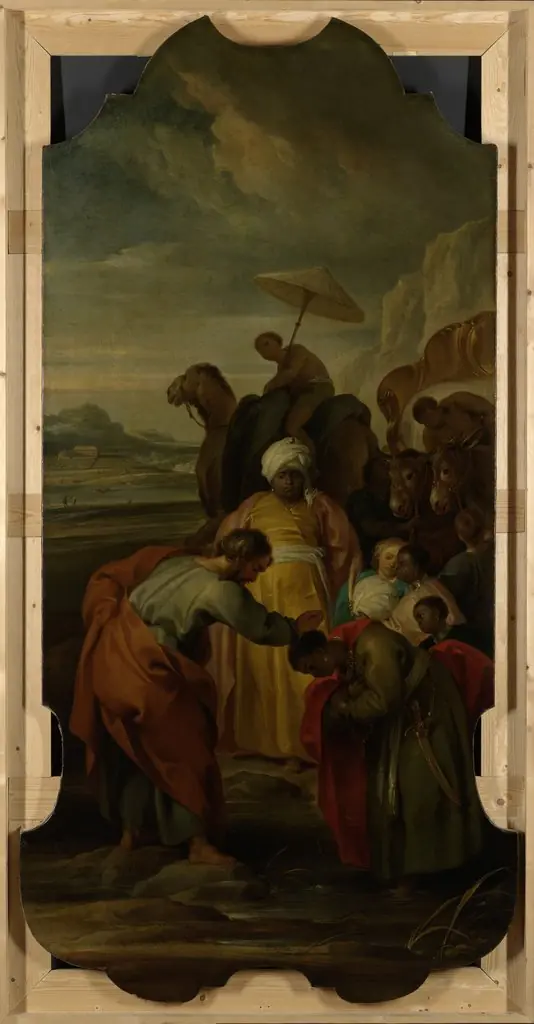 Saint Philip Baptizes the Eunuch
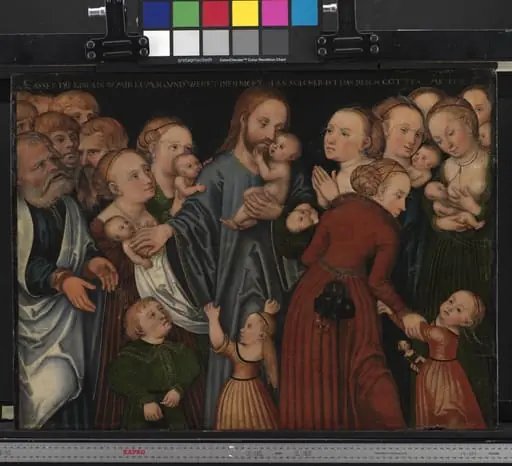 Christ Blessing the Children