Artwork
Kaksi rypäleterttua
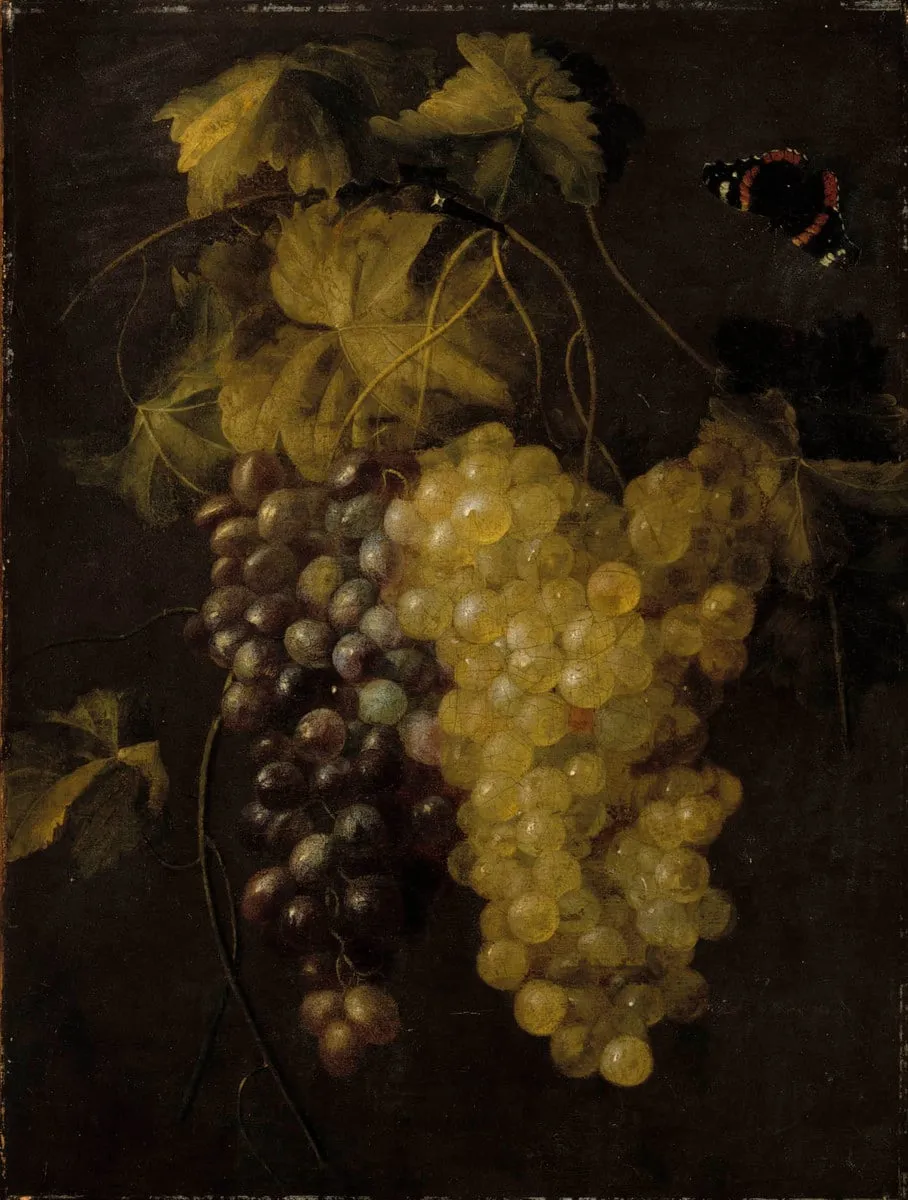
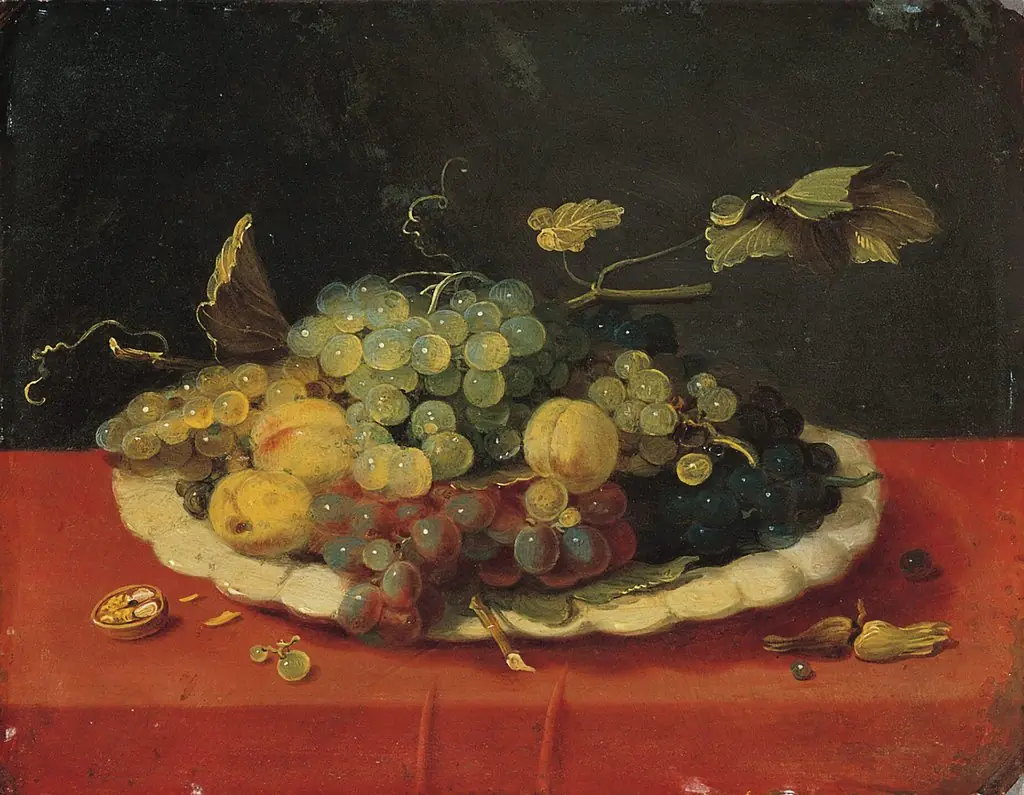
Kaksi rypäleterttua is an unspecified painting by Thomas de Paep. It is held in the collection of the Finnish National Gallery.
About this work
Overview
Thomas de Paep’s still‑life composition presents a modest arrangement of two white plates, one placed atop the other, bearing clusters of deep‑purple grapes. Set against an unadorned dark backdrop, the work draws the eye to the fruit’s surface, where subtle illumination defines form and volume. The painting’s quiet focus on everyday objects exemplifies the artist’s attention to material presence.
Subject & Meaning
The central motif—grapes rendered with meticulous detail—evokes themes of abundance and transience common to still‑life traditions. By isolating the fruit on plain plates, de Paep invites contemplation of the ordinary, allowing the viewer to consider the sensory qualities of texture, colour and the fleeting nature of cultivated produce.
Technique & Style
De Paep employs a restrained chiaroscuro, using a limited light source to model the grapes and their surrounding leaves. The contrast between the luminous fruit and the surrounding darkness creates a three‑dimensional illusion on a flat plane, while the smooth handling of brushwork conveys the glossy skin of the grapes without overt dramatization.
History & Provenance
The exact date of the painting remains uncertain, as archival records do not specify when de Paep completed the work. It is known, however, to be part of his oeuvre of still‑life pieces, and the image has circulated in museum collections and catalogues that document his contribution to 17th‑century Northern European genre painting.
Context
During the period when de Paep was active, still‑life painters increasingly explored the realistic depiction of foodstuffs, often employing chiaroscuro to enhance the tactile sense of objects. This work aligns with that trend, reflecting a broader artistic interest in rendering everyday items with a sense of solidity and presence.
Legacy
Although not widely cited in mainstream art histories, the painting serves as a clear example of de Paep’s skill in rendering texture and light. It continues to be referenced in studies of Northern European still‑life techniques, particularly in discussions of how chiaroscuro can be applied subtly to everyday subjects.
Artist & collection
Artist
Thomas de Paep made lush still lifes full of fruit and blossoms in 17th-century Flanders.

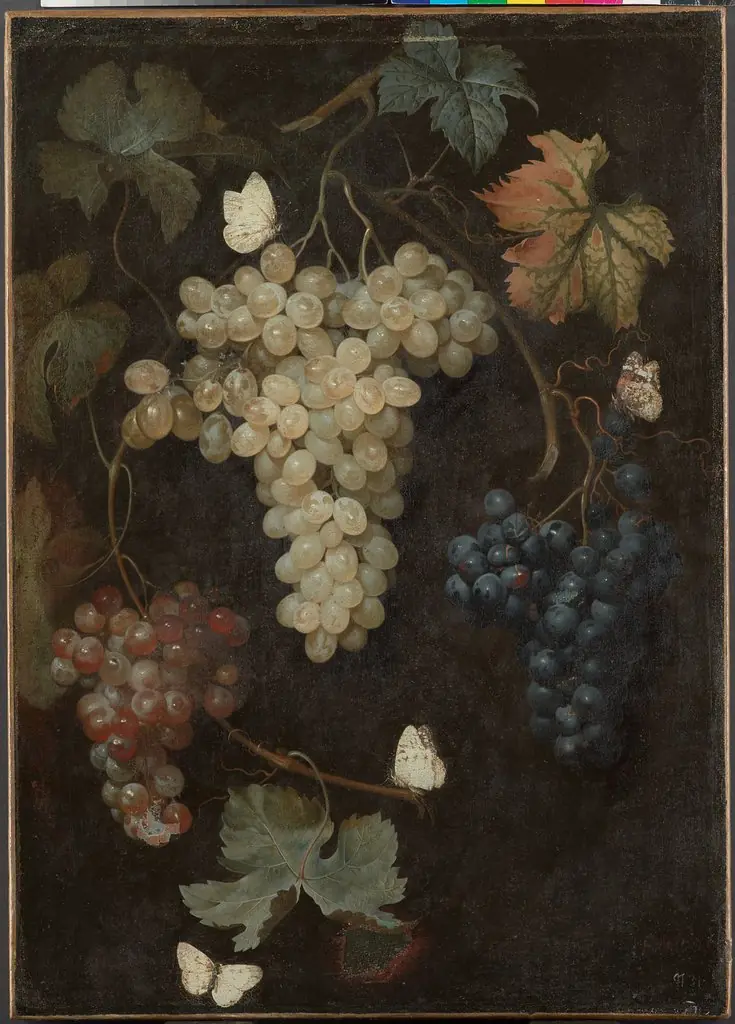 Weintrauben mit drei Trauben und Schmetterlingen
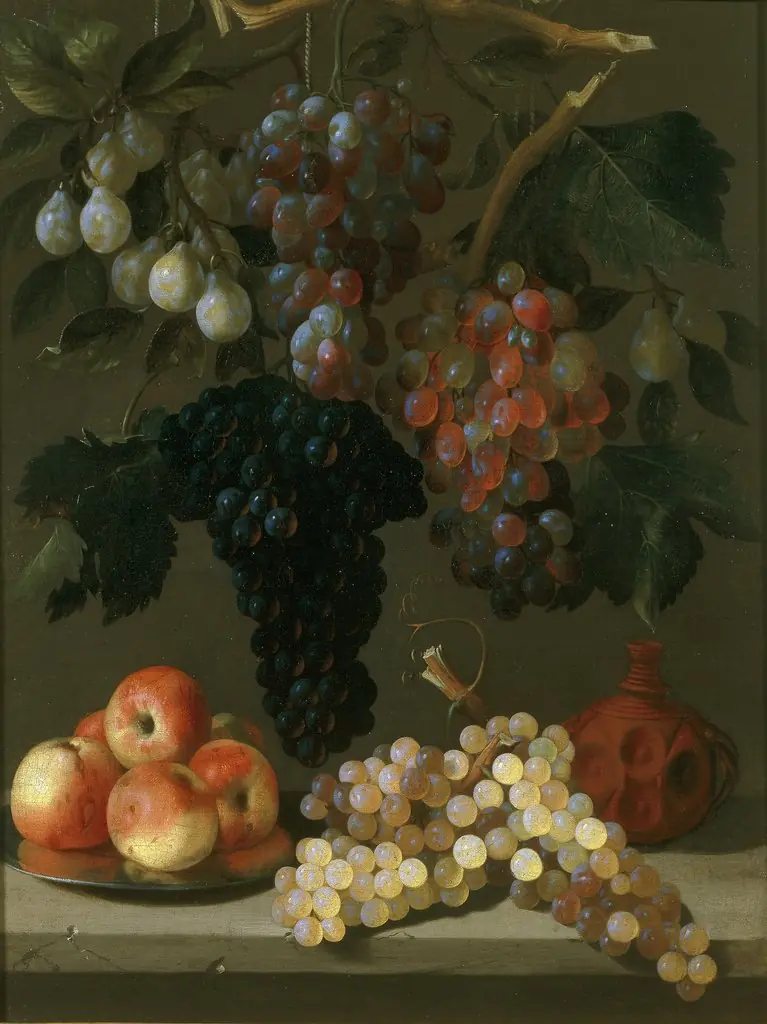 Still Life with Grapes, Apples and Plums
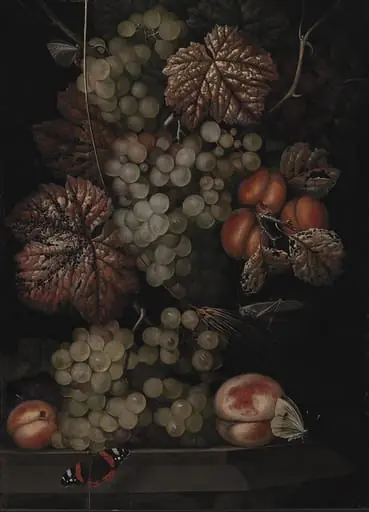 Still Life
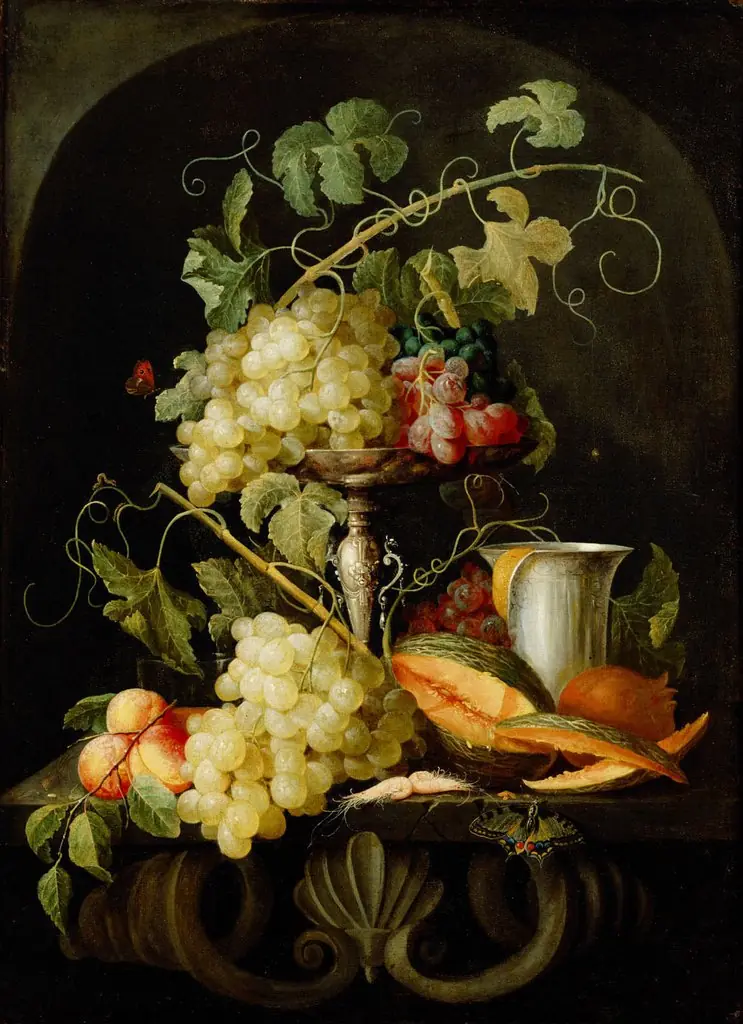 Still life with fruit
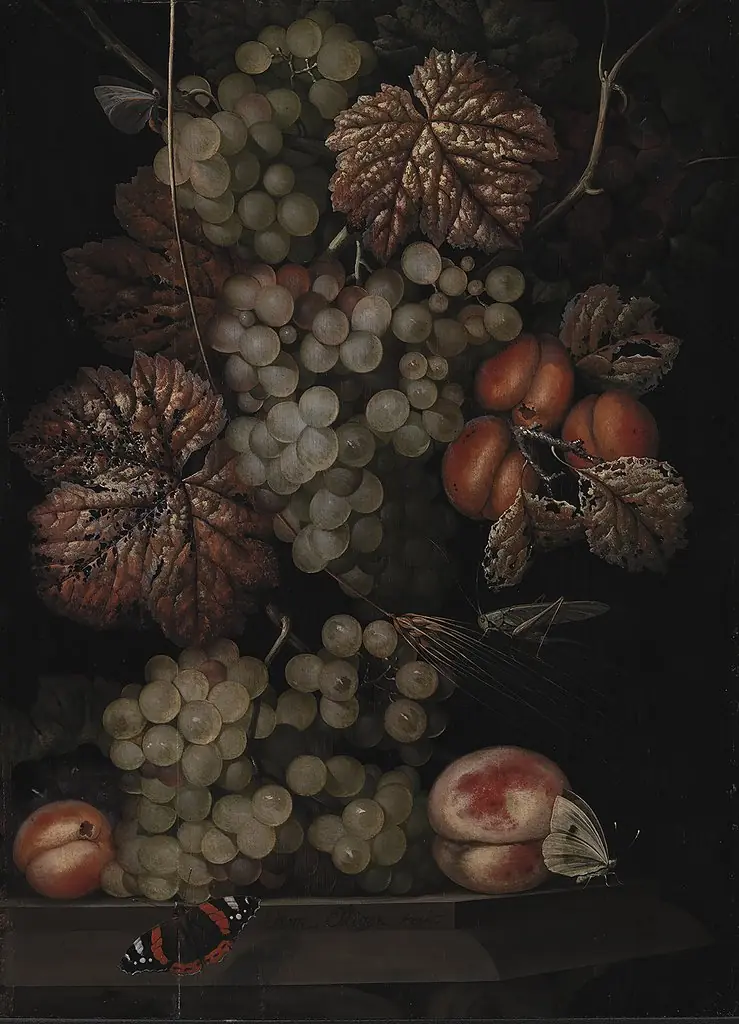 Still Life
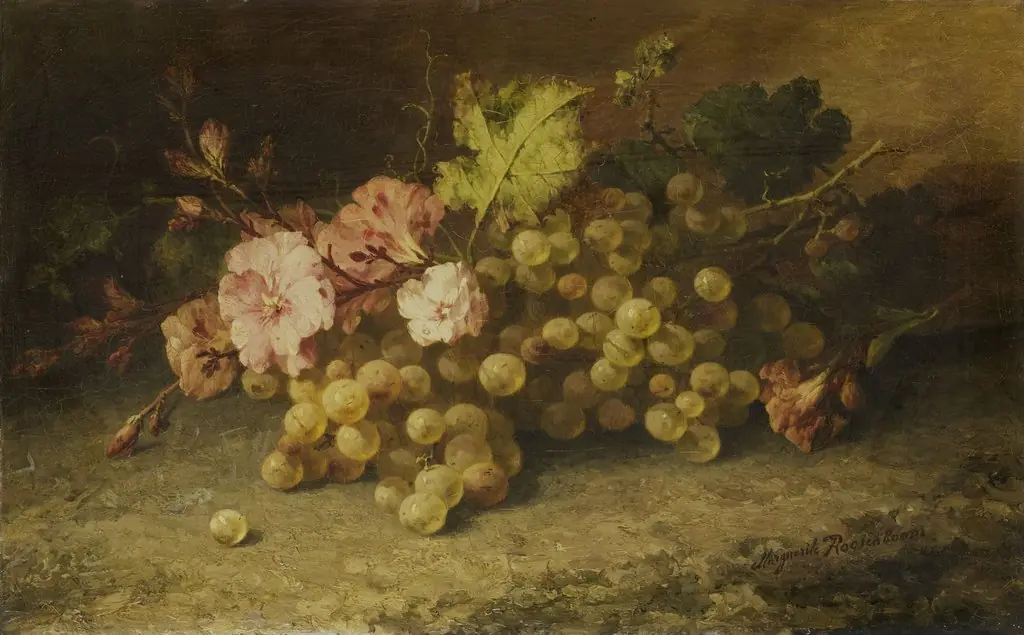 Still life with grapes
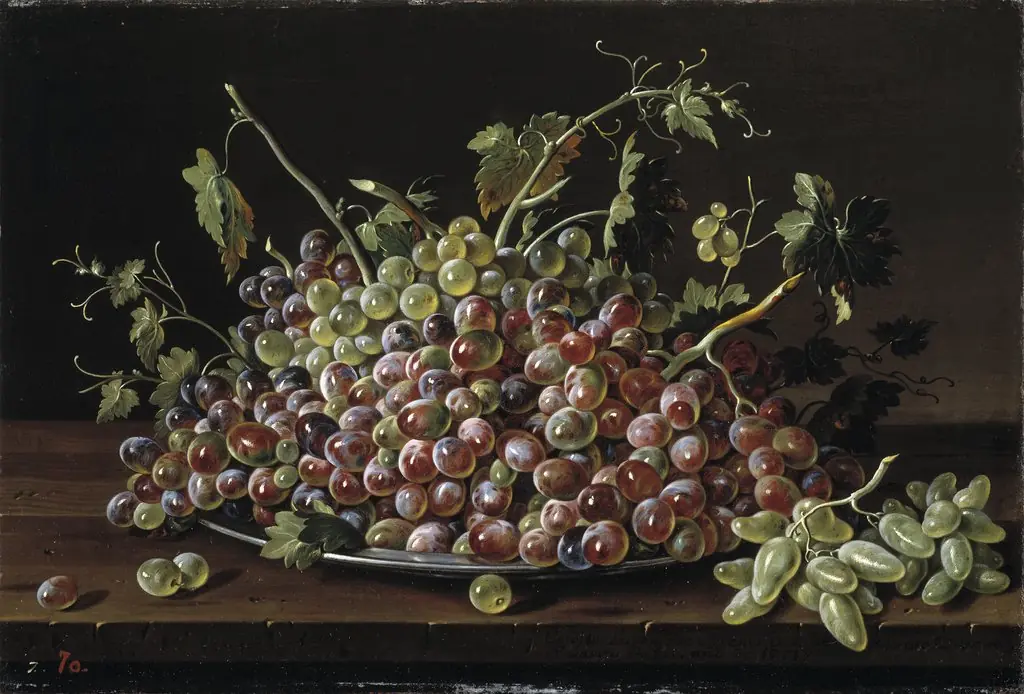 Still Life with Grapes
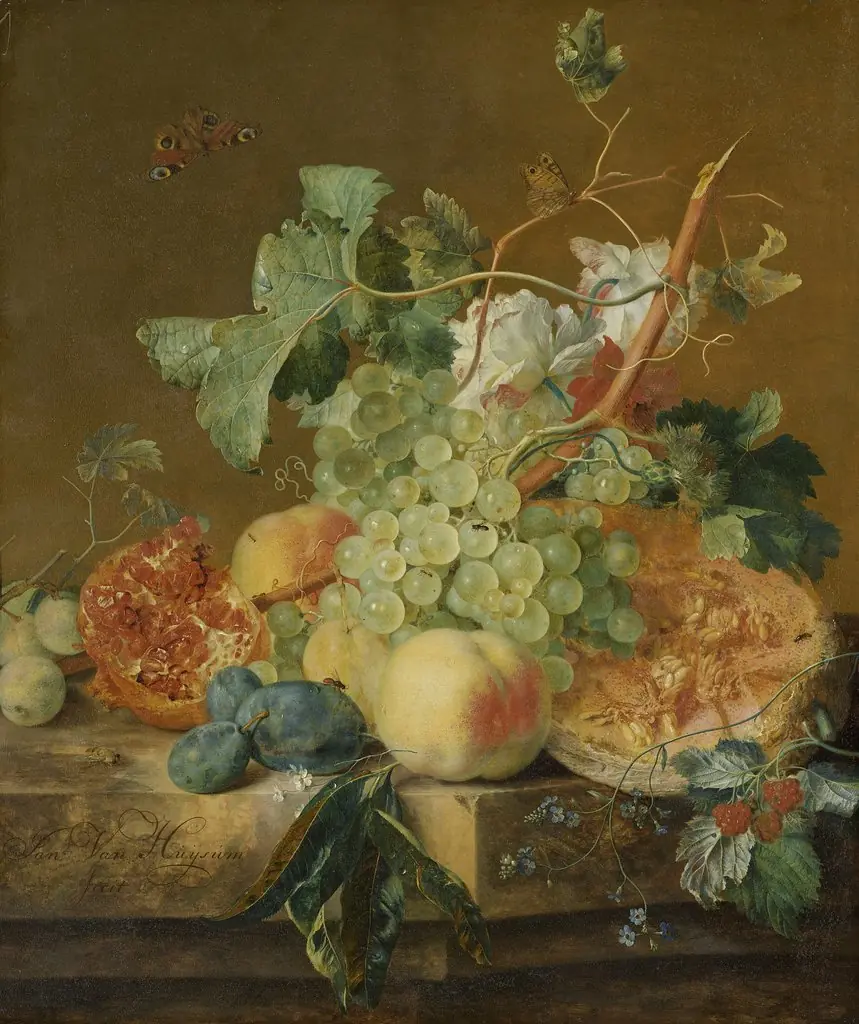 Still Life with Fruit
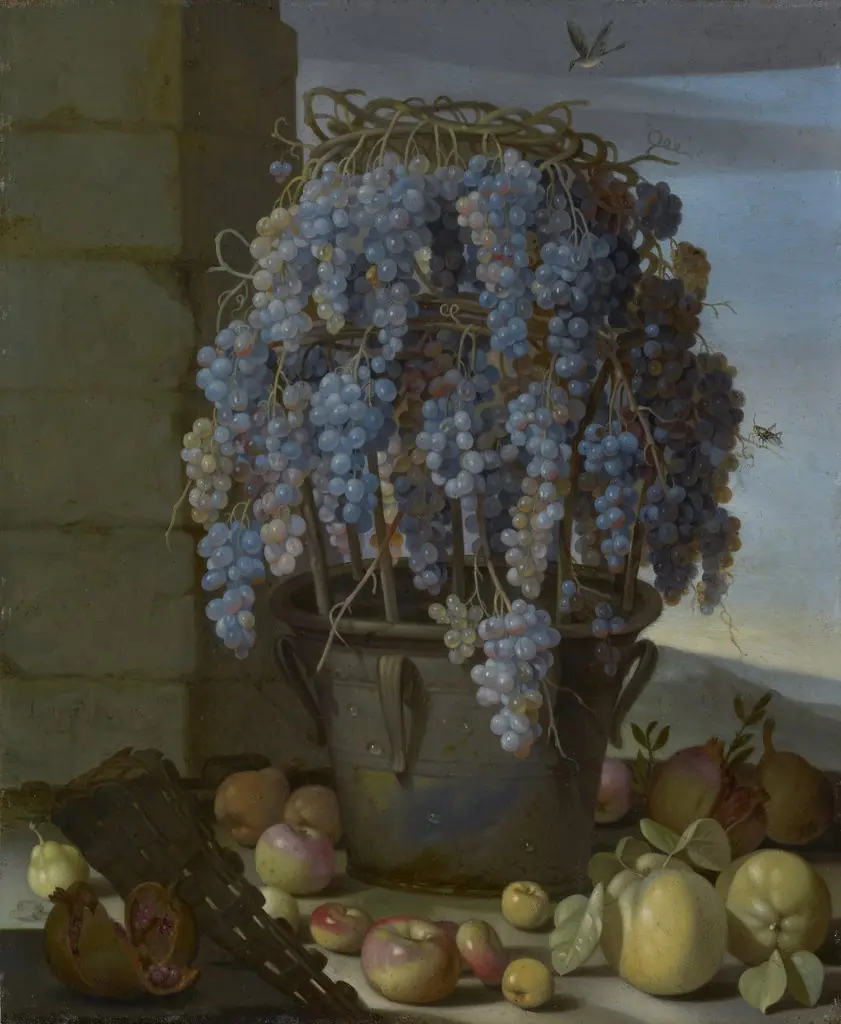 Still Life with Grapes and other Fruit
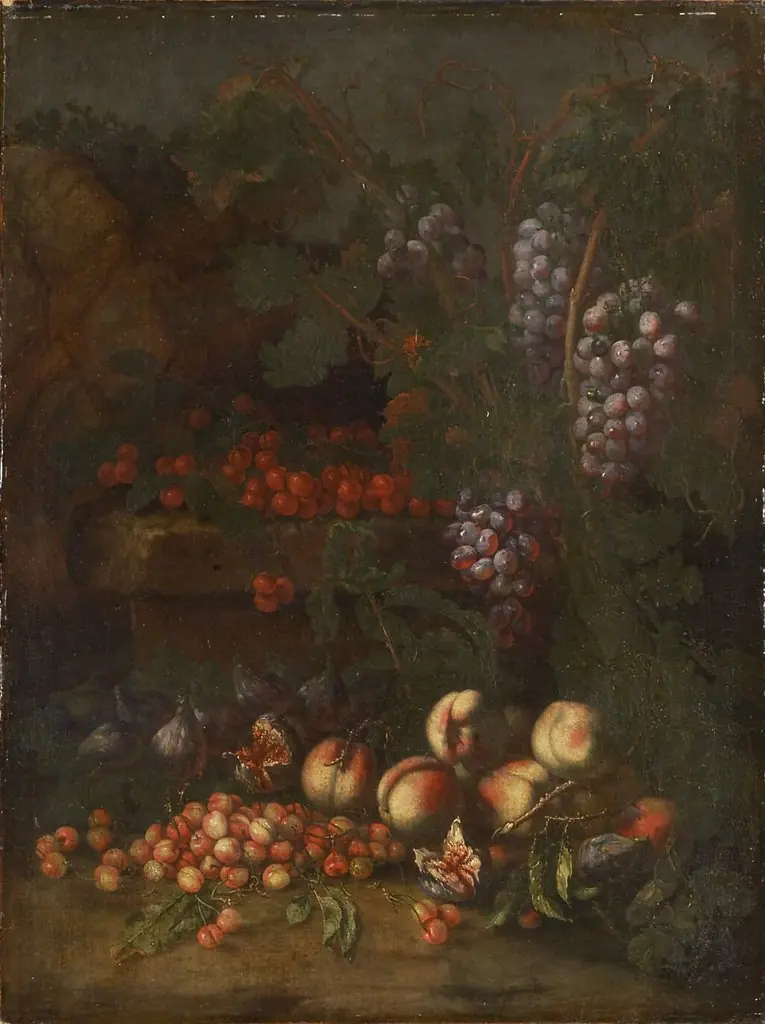 Früchtestilleben
 Bunches of Grapes, Pomegranates and Figs in a Landscape
 Still-Life with Fruit